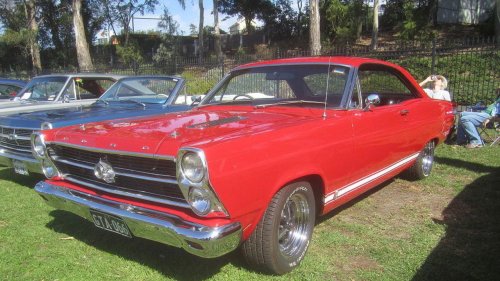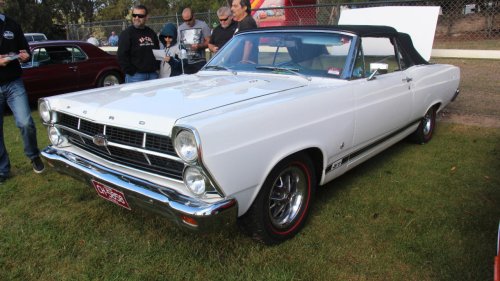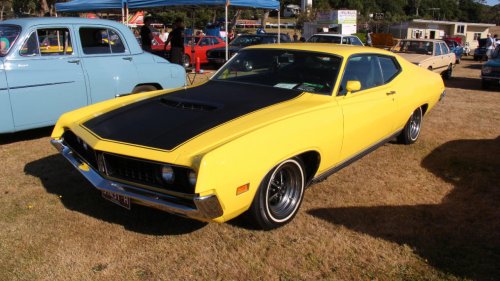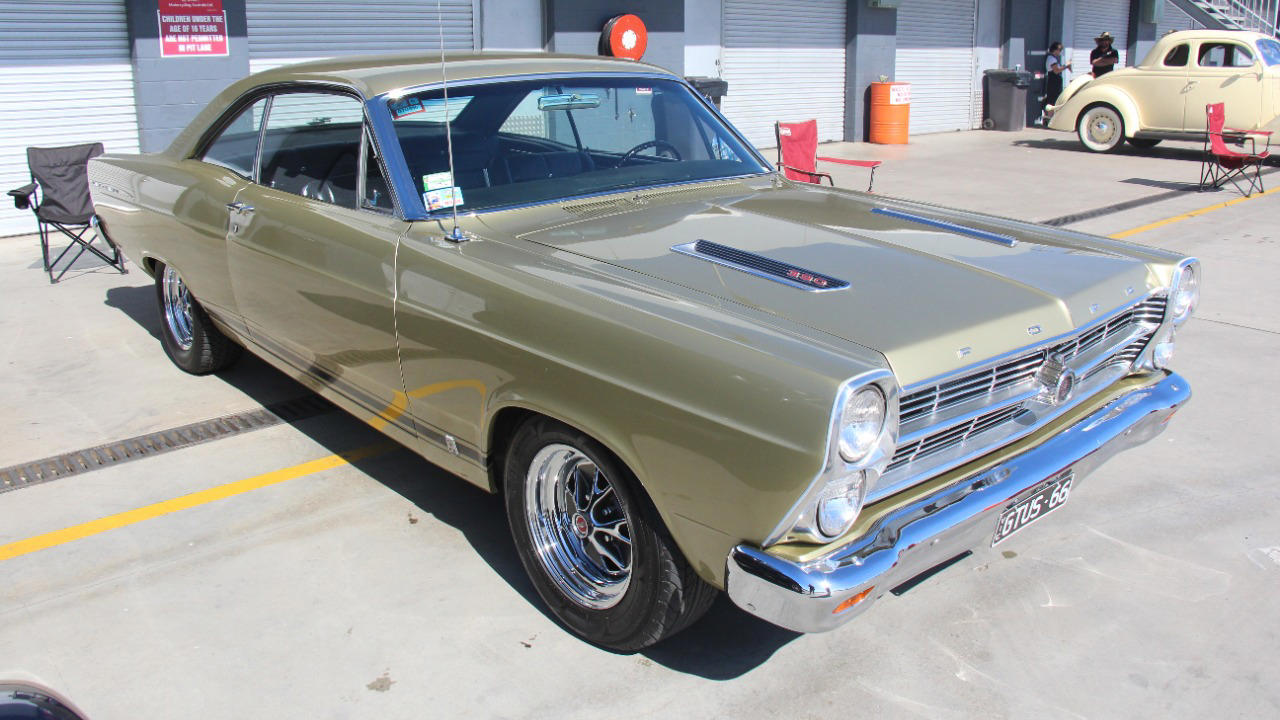


















The 1966 Ford Fairlane GT Helped Define Early Muscle Car PerformanceThe 1966 Ford Fairlane GT arrived at a turning point for Detroit performance, when midsize bodies and big-block power were starting to harden into a formula that enthusiasts would later call the muscle car. Ford already had the Mustang and the full-size Galaxie, but the Fairlane GT bridged those worlds with a package that was both street friendly and track capable. In the process, it helped set expectations for how a factory-built American performance car should look, sound, and feel. Today the Fairlane GT sits in the shadow of better-known legends, yet its mix of size, power, and character shows how quickly the muscle car recipe came together. The car captured Ford’s ambition to compete head-on with rivals from General Motors and Chrysler, and it still offers a clear window into the early years of the horsepower race. From family sedan to street fighter The Fairlane name began on a conventional family car, but by the mid-1960s Ford had reworked the line into a midsize platform that could accept serious power. A 1966 redesign sharpened the styling with a long, straight-edged profile and stacked headlights that gave the car a more purposeful stance. Underneath, the chassis remained simple body-on-frame construction, which made it sturdy, easy to modify, and well suited to quarter-mile abuse. Ford used that new body as a canvas for a more focused performance model. The Fairlane GT combined sporty trim with a standard V8 and heavy-duty hardware that went beyond cosmetic stripes or badges. It came as a two-door hardtop or convertible, both aimed squarely at buyers who wanted something more serious than a dress-up package on a base sedan. The GT’s mission was clear: provide a midsize alternative to the Mustang that could carry a big-block engine and still feel manageable as a daily driver. That positioning helped Ford reach customers who liked the idea of muscle but needed more interior space or a slightly more mature image than the pony car projected. Big-block power and the GTA option At the center of the Fairlane GT story was its engine lineup. The car offered the 390 cubic inch V8, a big-block that gave the midsize chassis the kind of torque buyers expected from a serious performance car. With a four-barrel carburetor and factory tuning, the 390 gave the GT strong acceleration and made the car competitive with contemporary GTOs and Chevelle SS models. Ford paired that power with upgraded suspension components, larger brakes, and performance-oriented gearing. Buyers could choose a four-speed manual or an automatic, and the automatic-equipped cars wore a different badge. Marketed as the Fairlane GTA, these versions used a console-mounted shifter and targeted drivers who wanted muscle car speed without the chore of a clutch. Contemporary tests of the 1966 Fairlane GT and GTA highlighted the combination of big torque, decent handling for the era, and a level of refinement that set the car apart from stripped-down drag specials, a balance reflected in period coverage of the 1966 Fairlane GT. The GT package also included visual cues that signaled its intent. Dual exhaust with bright tips, special badging, and available stripes or contrasting trim made the car stand out from standard Fairlanes. Bucket seats, a floor console, and an optional tachometer reinforced the impression that this was a driver’s car built with performance in mind. Factory drag racing roots Behind the showroom cars, Ford was experimenting with the Fairlane as a more specialized weapon for sanctioned drag racing. Before the Mustang took over as Ford’s primary performance halo, the company had already used the Fairlane chassis as the basis for limited-run factory drag machines. Those cars, often built in tiny numbers, were designed to dominate specific classes at the strip and to promote Ford’s engineering prowess. These factory efforts helped establish the Fairlane as a serious performance platform in the eyes of racers and fans. The work that went into building lightweight, high-horsepower Fairlane drag cars influenced how Ford approached the street-oriented GT models. The connection between the production car and the competition program gave the GT a degree of authenticity that modern enthusiasts still value, a link that enthusiasts trace back to Ford’s Fairlane drag weapon projects. That racing pedigree also fed the broader muscle car culture. Owners could buy a Fairlane GT from a dealer, then look to the parts and tricks used on the factory drag cars as a roadmap for their own modifications. The platform’s durability and parts interchangeability made it attractive to grassroots racers who wanted to compete on a budget. Shaping the muscle car formula The 1966 Fairlane GT arrived at a moment when the American performance car was shifting from niche experiment to mainstream product. The basic formula that would define muscle cars for the next decade was already in place: midsize body, big V8, rear-wheel drive, and an image built around straight-line speed. Ford’s decision to put a big-block engine into a relatively modest midsize chassis mirrored moves by Pontiac, Chevrolet, and others, but the Fairlane GT added its own flavor. It balanced comfort and performance in a way that appealed to buyers who wanted a car that could handle family duties during the week and still feel at home at the drag strip on the weekend. That dual-purpose character became a hallmark of many later muscle cars. Modern guides to vintage performance models consistently place the Fairlane GT alongside better-known names when outlining what defines a classic American muscle car. The focus on displacement, torque, and rear-drive traction matches the criteria that collectors still use when evaluating cars from this era, a perspective echoed in buyer guides to vintage muscle cars. Ford’s competitive mindset The Fairlane GT cannot be separated from the larger competitive environment that shaped Ford in the 1960s. The company had a long history of fierce rivalry with other American automakers, including a notable early feud between Henry Ford and the Dodge brothers that set a tone of intense competition inside the industry. That history of rivalry encouraged aggressive moves in product planning and motorsports, as each company tried to outdo the others on the street and at the track, a pattern traced back to the Henry Ford. By the time the Fairlane GT launched, Ford was deeply invested in performance, from NASCAR to drag racing to international endurance events. Company leadership saw high-performance models as a way to attract younger buyers and to project engineering strength. The Fairlane GT fit neatly into that strategy as a car that could carry the Ford badge into the heart of the muscle car market. This competitive mindset also influenced how Ford marketed the Fairlane. Advertising emphasized power, speed, and style while still nodding to practicality. The car was positioned as a credible alternative to GM’s most aggressive offerings, not just a sporty trim on a family sedan. Driving character and everyday usability Contemporary impressions of the Fairlane GT described a car that blended muscle car acceleration with reasonable road manners. The big-block 390 delivered strong low-end torque that made the car feel quick in normal driving, not only at wide-open throttle. The suspension, while firmer than a base Fairlane, still offered enough compliance for daily use on the rougher roads of the period. Steering and brakes reflected the technology of the time, with more effort and less precision than modern drivers might expect, but the overall package felt composed. Enthusiasts who have driven well-preserved examples often describe the car as honest and mechanical, with clear feedback from the drivetrain and chassis. That analog character is a major part of the car’s appeal to current collectors. Interior appointments were straightforward but sporty. Bucket seats and a console gave the cabin a driver-focused feel, while the rear bench and decent trunk space kept the car practical. The Fairlane GT did not chase luxury in the way some later muscle cars did, which helped keep weight in check and preserved its performance edge. Place in the collector market In the modern collector market, the 1966 Fairlane GT often occupies a slightly under-the-radar position compared with Mustangs, Camaros, and Chargers. That relative obscurity can benefit enthusiasts who value performance and history over name recognition. Prices for clean, original cars tend to be lower than those for the most famous muscle models, which makes the Fairlane an attractive entry point for buyers who want a genuine big-block 1960s car without paying top-tier money. Collectors typically pay close attention to documentation, matching-numbers drivetrains, and original color combinations. Cars equipped with the 390, four-speed manual, and desirable options such as limited-slip differentials or performance rear gearing draw the most interest. GTA models with factory automatic transmissions also have a following, especially among enthusiasts who appreciate period-correct details. Restoration parts availability is generally good, helped by the Fairlane’s shared components with other Ford models of the era. That interchangeability reduces the cost and complexity of bringing a tired car back to life, although some trim pieces and GT-specific items can still be challenging to source. Enthusiast clubs and online communities play an important role in connecting owners with parts and technical knowledge. How enthusiasts modify and preserve them Owners of 1966 Fairlane GTs often face a familiar choice: preserve originality or pursue performance upgrades. Many opt for reversible modifications that improve drivability while keeping the car visually stock. Common upgrades include modern radial tires, better brake pads or disc conversions, and subtle suspension improvements that reduce body roll without compromising ride quality. Engine modifications range from mild camshaft and intake changes to full rebuilds that significantly increase horsepower. The 390 responds well to tuning, and some builders swap in later Ford big-blocks while retaining the car’s original appearance. Purists, on the other hand, focus on accurate restorations that replicate factory finishes, decals, and assembly-line details. The car’s drag racing heritage encourages some owners to recreate period-style track builds, complete with vintage-style slicks, tow bars, and class-correct lettering. Others lean into the GT’s dual-purpose nature, building comfortable highway cruisers that can still deliver strong acceleration when asked. Why the Fairlane GT still matters The 1966 Ford Fairlane GT stands as a key example of how American manufacturers translated racing ambition into street-legal performance. It shows how quickly the muscle car formula matured once companies committed to putting big engines into midsize bodies and supporting those cars with serious hardware. For Ford, the Fairlane GT represented more than a single model year. It linked the company’s factory drag experiments to its mainstream product line and helped prove that there was a strong market for cars that combined practicality with genuine performance. The lessons learned from the Fairlane program influenced later Ford offerings and helped keep the brand competitive as the horsepower race escalated. For enthusiasts and historians, the car offers a tangible connection to a formative moment in automotive culture. Its styling, mechanical layout, and driving feel capture the essence of mid-1960s American performance, before emissions regulations and fuel crises reshaped the market. That authenticity explains why the Fairlane GT continues to earn respect among collectors and why its influence can still be felt in how people define a true muscle car. More from Fast Lane Only Unboxing the WWII Jeep in a Crate 15 rare Chevys collectors are quietly buying 10 underrated V8s still worth hunting down Police notice this before you even roll window down *Research for this article included AI assistance, with all final content reviewed by human editors.