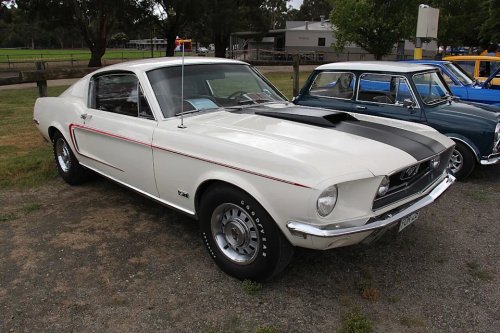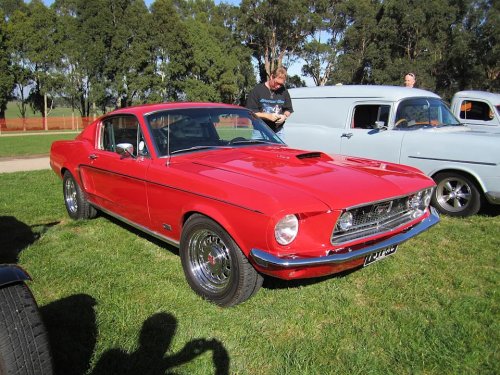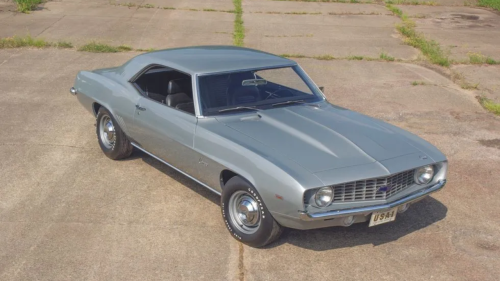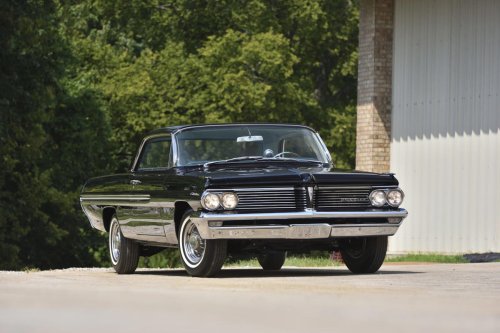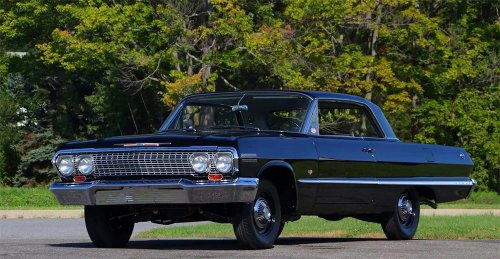


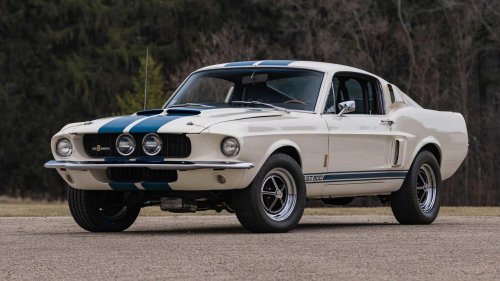




















Few muscle cars have achieved the legendary status of the 1967 Ford Mustang GT500. Born from the collaboration between Ford and Carroll Shelby, this was the year the Mustang evolved from a popular pony car into a true performance heavyweight. It wasn’t just about more power — though the big-block 428 Police Interceptor V8 provided plenty of that — it was about creating a machine that balanced raw muscle with refined handling, distinctive styling, and everyday drivability.The ’67 GT500 arrived at a time when the American muscle car scene was at full throttle, with manufacturers pushing boundaries to outdo one another in speed and style. Yet even in this fiercely competitive landscape, the GT500 stood apart. Its fiberglass bodywork, racing-inspired touches, and Shelby pedigree made it an instant icon.Collectors prize it, enthusiasts dream of it, and automotive history regards it as a definitive chapter in the muscle car story. Here’s why the ’67 GT500 remains, to this day, the ultimate expression of American performance.In order to give you the most up-to-date and accurate information possible, the data used to compile this article was sourced from Ford and other authoritative sources. The Start Of Something Special Mecum When the 1967 Ford Mustang GT500 roared onto the scene, it wasn’t just another iteration of Ford’s fastback pony car — it was the culmination of Shelby American’s racing pedigree and Ford’s ambition to dominate the muscle car wars. Building on the success of the GT350, the GT500 brought bigger displacement, more power, and a distinct sense of menace that set it apart from the rest of the Mustang lineup. Its aggressive styling and performance-oriented engineering signaled that this wasn’t a car for casual cruising; it was for drivers who wanted to feel the road and conquer it.The collaboration between Carroll Shelby and Ford had already produced legendary results, but the GT500 marked a turning point. This was the first Shelby Mustang to feature big-block power, a move that instantly elevated it above the competition. Ford knew the market was ready for something more brutal yet refined, and the GT500 delivered that balance perfectly. In many ways, this was the car that transformed the Shelby Mustang from a track-focused machine into an American performance icon.What made the GT500’s introduction so important was how it represented the next evolutionary step in the Mustang story. The GT350 was fast and nimble, but the GT500 added brute force to the equation without sacrificing everyday usability. It was the embodiment of late-1960s automotive excess — big engines, bold looks, and an unapologetic attitude — yet still wrapped in the familiar Mustang silhouette that had captured America’s imagination just three years earlier. Highly Sought After And Hard To Find Mecum Today, the 1967 Ford Mustang GT500 is one of the most desirable classic muscle cars in the world, and for good reason. Only 2,048 units were produced in its debut year, making it an instant collectible even before decades of appreciation set in. Finding an original example in pristine condition is akin to striking gold in the collector's car market — they rarely change hands, and when they do, prices often reach well into six figures.The scarcity of these cars isn’t just a numbers game; it’s about how many have survived in their original form. Over the years, many GT500s were modified for racing or street performance, and while that speaks to their capability, it also means untouched survivors are incredibly rare. Enthusiasts place a premium on originality, from matching-numbers engines to period-correct finishes, making the hunt for the perfect GT500 a serious challenge for even the most determined collectors.This exclusivity only enhances the GT500’s mystique. While plenty of muscle cars from the era were mass-produced, the Shelby badge ensured that the GT500 remained a more exclusive, hand-assembled machine. Every example carries with it a unique history, and owning one is not just about possession — it’s about being part of a select group of enthusiasts who understand the car’s significance in the broader narrative of American performance. Fiberglass Bodywork Mecum One of the GT500’s most distinctive traits was its use of fiberglass body panels, a rarity in production muscle cars of the time. The hood, nose cone, and trunk lid were all crafted from fiberglass, which not only set the car apart visually but also reduced weight compared to the standard steel Mustang components. This decision gave the GT500 a unique profile while subtly improving performance.The fiberglass panels weren’t just functional; they were also part of the GT500’s aggressive design language. The elongated nose with integrated driving lights and the dual air scoops on the hood gave it a more menacing presence, while the rear end featured a ducktail spoiler that hinted at its racing pedigree. These weren’t decorative additions — they were deliberate aerodynamic and cooling enhancements born from Shelby’s racing experience.This blend of lightweight materials and functional styling was ahead of its time. While fiberglass was more commonly associated with sports cars like the Chevrolet Corvette, Shelby brought the technology into the muscle car world, creating a machine that looked unlike anything else on the road. Even today, the GT500’s fiberglass accents stand as a testament to Shelby’s willingness to push design boundaries in pursuit of performance. The Last Of The Originals Mecum The 1967 GT500 holds a special place in history as the last Shelby Mustang built under the close supervision of Carroll Shelby himself before production shifted to Ford’s control. Later models would continue the Shelby name, but they gradually lost the hands-on, race-shop craftsmanship that defined the early years. That makes the ’67 GT500 a true “last of the originals” in the eyes of purists.Shelby’s California-based operation imbued each car with a bespoke quality. While the basic Mustang fastback rolled in from Ford’s San Jose plant, Shelby’s team reworked it with upgraded suspension, brakes, and drivetrain components, not to mention the signature styling tweaks. Each GT500 was more than a Mustang with a bigger engine — it was a purpose-built performance machine with Shelby’s stamp of approval.As the muscle car era progressed, mass production and cost-cutting inevitably diluted some of that magic. The 1967 GT500 represents the final chapter of the raw, unfiltered Shelby Mustang era, before corporate influence softened its edges. For many enthusiasts, that makes it not just a great muscle car, but an irreplaceable piece of American automotive heritage. A Quality And Timeless Interior Mecum While the GT500’s exterior screamed performance, stepping inside revealed a surprisingly refined environment for a late-’60s muscle car. The high-back bucket seats, wood-rimmed steering wheel, and brushed aluminum dashboard trim created a cockpit that felt more like a European grand tourer than a stripped-down drag racer. Shelby’s team understood that performance didn’t have to come at the expense of comfort.Instrumentation was comprehensive, with a full set of gauges including a tachometer and oil pressure readout — vital tools for serious drivers. The optional roll bar, complete with inertia-reel shoulder harnesses, was another nod to the car’s racing influence while maintaining usability for everyday driving. The fit and finish of these interiors were a cut above most Detroit muscle cars of the era, further cementing the GT500’s status as a premium performance machine.What’s remarkable is how well the interior has aged. Many classic muscle cars feel dated or even crude by today’s standards, but the GT500’s combination of quality materials and thoughtful design gives it a timeless appeal. Whether restored or preserved, its cabin remains an inviting place to experience one of the most iconic cars ever built. A Surprisingly Smooth Drive Mecum Despite its size and power, the 1967 GT500 offered a surprisingly compliant ride. The suspension was tuned to balance performance with comfort, making it more versatile than many of its harsher, track-oriented competitors. This meant you could take the GT500 on long highway drives without feeling battered by the end of the trip, a rarity in the muscle car world.Part of this drivability came from its weight distribution and chassis setup. While the big-block engine added heft to the front end, Shelby’s suspension upgrades helped keep the car composed in corners. The steering was direct and responsive for the era, and the braking performance — enhanced with front discs — was a step above most of its contemporaries.This blend of performance and comfort broadened the GT500’s appeal beyond hardcore enthusiasts. It wasn’t just a quarter-mile king; it was a genuine grand touring machine that could cover long distances at speed while still offering the kind of comfort and refinement that made you want to keep driving. Incomparable Style Mecum If there’s one thing that sets the ’67 GT500 apart, it’s its visual presence. The extended fiberglass nose, inboard headlights, twin hood scoops, side scoops, and ducktail spoiler created a look that was both purposeful and unmistakably Shelby. It was aggressive without being overdone, and its proportions have aged flawlessly.The fastback silhouette of the base Mustang was already a design triumph, but Shelby’s enhancements elevated it into muscle car royalty. The wider stance, racing stripes, and Cobra badging made sure no one mistook it for a standard Mustang. Even parked, the GT500 radiated speed and intent.This design influence has carried forward through decades of Mustang evolution. Modern GT500s still borrow visual cues from the original, proving that Carroll Shelby’s 1967 masterpiece didn’t just define a generation — it set a standard for American performance styling that endures to this day. Le Mans Legacy Ford Motor Company Archives The GT500’s heritage wasn’t built solely on American roads; it drew heavily from Ford’s dominance at the 24 Hours of Le Mans. Shelby was instrumental in the GT40 program that famously dethroned Ferrari in endurance racing, and that pedigree filtered directly into the GT500’s engineering and ethos.While the GT500 wasn’t a Le Mans contender itself, the aerodynamic tweaks, suspension tuning, and emphasis on high-speed stability bore clear connections to Shelby’s racing expertise. The car was built with the understanding that speed wasn’t just about raw power — it was about control and endurance, lessons learned on the world’s most demanding race circuits.Owning a GT500 in 1967 wasn’t just buying a muscle car; it was buying into the Shelby racing legacy. That association with motorsport greatness gave it a level of credibility and desirability that few road cars of the era could match, cementing its status as more than just another big-engine Mustang. The Police Interceptor 428 V8 Engine of 1967 Shelby GT500At the heart of the ’67 GT500 was Ford’s 428 cubic-inch Police Interceptor V8, a big-block powerhouse rated at 355 horsepower. In reality, the figure was conservative — period testing suggested the engine produced well over 400 hp, delivering the kind of acceleration that could leave rivals in the dust. This engine was the defining feature that separated the GT500 from the smaller, high-revving GT350.The 428’s massive torque output made it a street racer’s dream. Mated to either a four-speed manual or a robust three-speed automatic, it offered effortless acceleration from virtually any speed. Whether launching from a stoplight or overtaking on the highway, the GT500’s big-block delivered an intoxicating surge of power that became a hallmark of the model.This engine wasn’t just about brute force; it was also engineered for durability. Originally designed for police pursuit vehicles, the 428 could handle prolonged high-speed running without complaint, making it perfectly suited for the GT500’s blend of performance and everyday usability. Performance Beyond Its Rivals Ford In an era filled with potent muscle cars, the ’67 GT500 stood above much of the competition thanks to its combination of raw speed, handling, comfort, and exclusivity. While cars like the Chevrolet Camaro SS and Pontiac GTO offered impressive performance, few could match the GT500’s all-around capability and Shelby pedigree.Period road tests consistently praised its ability to cover ground quickly and with composure. The big-block engine gave it a straight-line advantage, while Shelby’s suspension tuning allowed it to corner more confidently than many of its peers. It wasn’t just about dominating the drag strip — the GT500 was equally at home on winding back roads.This balanced performance is why the 1967 GT500 remains such a revered machine. It was more than just the sum of its parts; it was a holistic package that blended style, power, and engineering excellence into something truly special. More than half a century later, it’s still the definitive American muscle car, the one that enthusiasts point to as the gold standard of the genre.