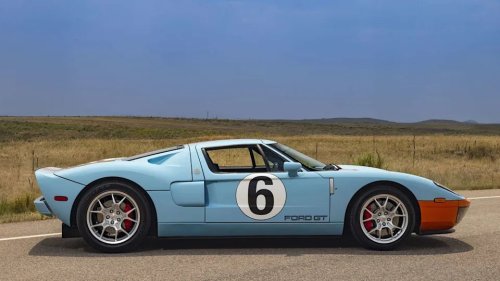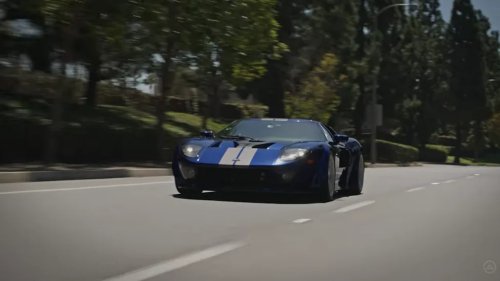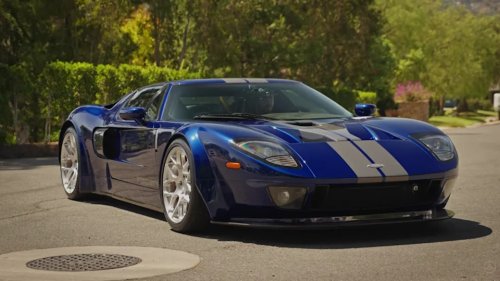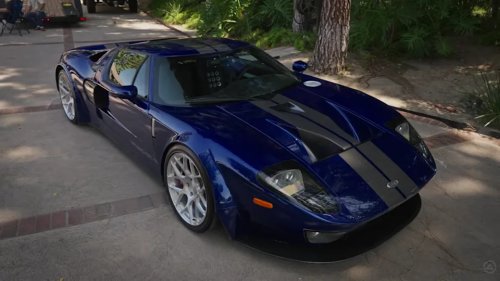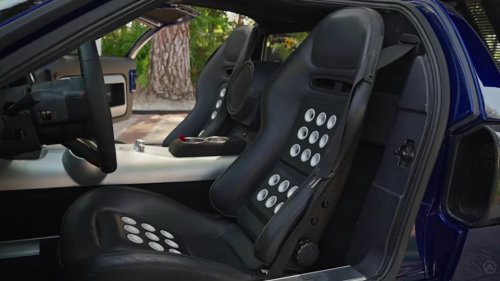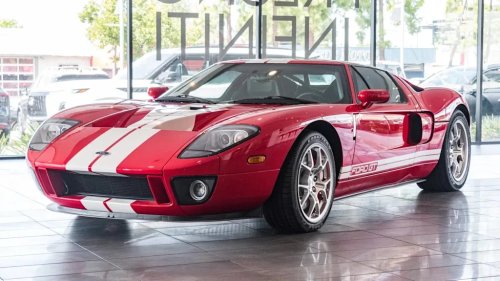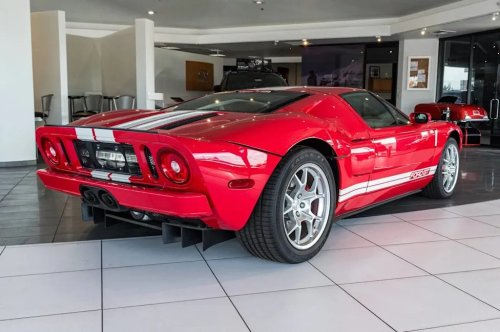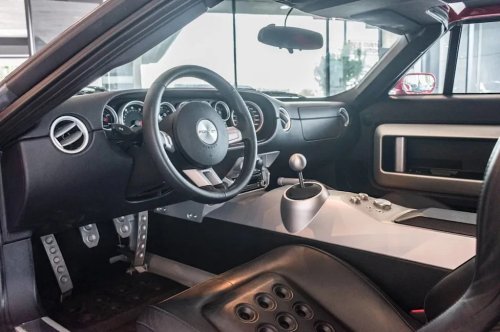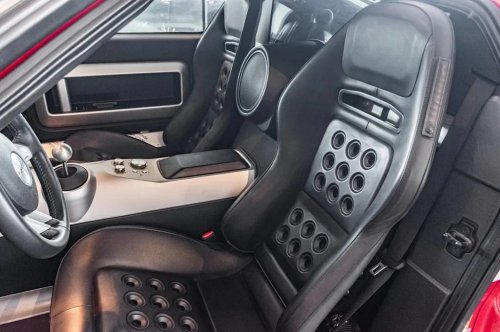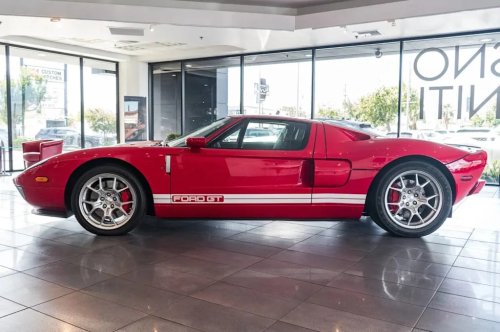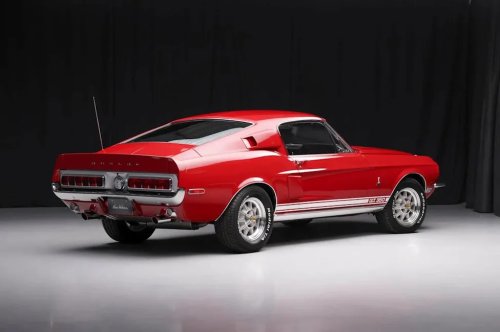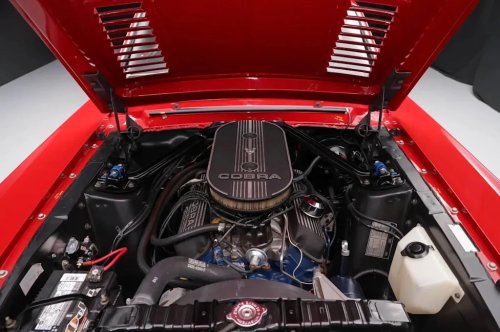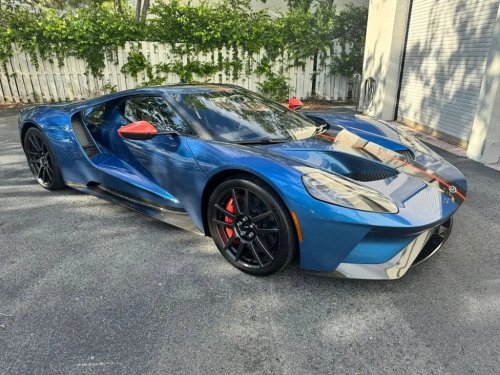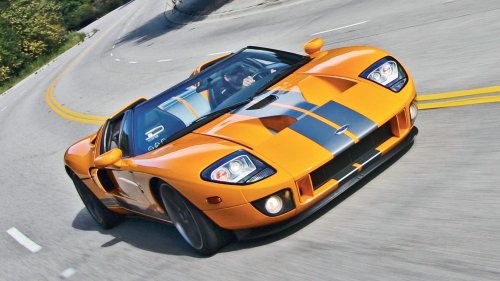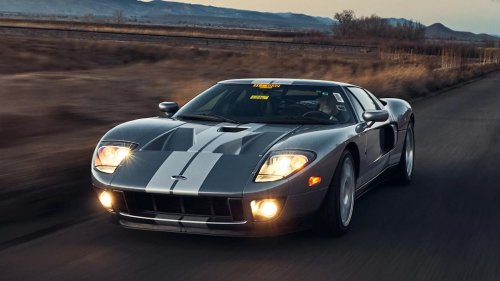

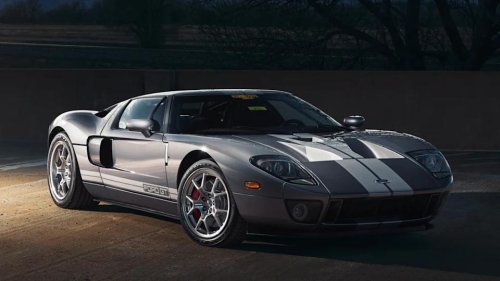
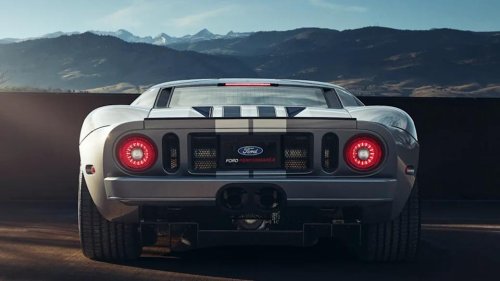



















Why This 435-Mile Ford GT Giveaway Has Collectors Watching Closely as Values Keep ClimbingThe modern collector car market has a strange habit of turning once-drivable performance machines into untouchable investment pieces. That reality is impossible to ignore with a 2006 Ford GT now being offered in a sweepstakes featuring a choice between the car itself or $400,000 cash.ENTER HEREOn paper, it sounds simple. Enter for a chance to win one of the most celebrated American supercars of the modern era. But once you look closer at the details, it becomes obvious why this particular GT is getting serious attention from enthusiasts and collectors alike.This is not just another used Ford GT with some miles and a polished listing description.AdvertisementAdvertisementThe car has only 435 miles since new.That’s where things change.The 2006 Ford GT already occupies rare territory in the American performance world. Built as a modern tribute to the legendary GT40 race cars of the 1960s, the car arrived with retro-inspired styling, a supercharged V8, a six-speed manual transmission, and the kind of analog driving experience enthusiasts now fear is disappearing for good.But this example takes rarity another step further.The GT is one of only 541 examples produced in Tungsten Grey clearcoat metallic with painted silver stripes over an Ebony leather interior for the 2006 model year. It remains a one-owner car and has reportedly been preserved in showroom condition with factory stickers still intact along with protective films still in place.AdvertisementAdvertisementThat detail matters.Most high-end performance cars eventually become victims of real-world driving, modifications, storage neglect, or auction flipping. Even carefully maintained collector vehicles tend to accumulate signs of age over time. A Ford GT sitting at just 435 miles nearly two decades after production instantly moves it into investment-grade territory.And that’s exactly why the giveaway is attracting attention far beyond casual enthusiasts.The winner can either take the Ford GT itself or walk away with $400,000 cash. If the winner chooses the car, an additional $25,000 is included for expenses. That setup reveals something important about the current collector market. Vehicles like this are no longer viewed purely as enthusiast toys. They are financial assets with real monetary gravity attached to them.AdvertisementAdvertisementHere’s the part that matters.The Ford GT was never supposed to become this kind of museum piece. When Ford developed the car, the entire point was to celebrate racing heritage and deliver a brutally honest driving experience. The GT40 inspiration was baked into nearly every part of the design, from the low-slung proportions to the aggressive stance and functional aerodynamic elements.Underneath, the car features an extruded-aluminum space frame along with roll-bonded floors and aluminum body panels. Ford engineered the GT with performance at the center of the program, not luxury isolation or artificial technology gimmicks.The supercharged 5.4-liter V8 remains one of the defining features of the car. Connected to a six-speed manual gearbox and a helical limited-slip differential, the powertrain represents an era before automated dual-clutch transmissions and software-heavy driving experiences took over the supercar segment.AdvertisementAdvertisementThat’s part of why the car still hits such a nerve with enthusiasts today.Modern performance cars are often faster on paper, but many enthusiasts argue they have lost some of the mechanical personality that made earlier analog supercars memorable in the first place. The Ford GT arrived during a period when drivers still expected physical engagement from a performance car instead of digital intervention doing most of the work behind the scenes.This example also carries factory options that collectors tend to notice immediately. Forged aluminum BBS wheels, red-finished brake calipers, and the optional McIntosh stereo system all help reinforce the car’s originality and desirability.Additional equipment includes Brembo brakes, HID headlights, air conditioning, a front splitter, rear diffuser, side air intakes, vented hood, and dual center-exit exhaust. None of it feels excessive or overcomplicated by modern standards. The car still reflects a time when performance engineering focused heavily on raw execution instead of touchscreen theatrics.AdvertisementAdvertisementAnd that’s where it gets complicated.WIN HERECars like this create tension inside enthusiast culture because they expose the gap between collectors and drivers. On one side, preserving a nearly untouched Ford GT makes financial sense. Ultra-low-mileage examples continue to attract enormous interest because originality has become one of the most valuable currencies in the collector world.On the other side, enthusiasts see a six-speed American supercar inspired by Le Mans racing history and wonder whether a car this important should spend most of its life sitting under showroom lights.That conflict follows almost every major modern collectible now.AdvertisementAdvertisementThe lower the mileage, the more valuable the vehicle becomes. But preserving mileage usually means sacrificing the very driving experiences these machines were built to deliver in the first place. The Ford GT sits directly in the middle of that debate because its identity is so deeply tied to racing heritage and driver engagement.This giveaway also highlights how dramatically the collector market has shifted over the last decade. Vehicles once considered attainable dream cars have steadily transformed into high-dollar investment assets. As prices climb, more examples disappear into private collections, climate-controlled storage facilities, or investment portfolios.For regular enthusiasts, that trend can feel frustrating.Cars designed to celebrate speed, sound, and driver connection increasingly become financial instruments instead of road cars. That changes the relationship enthusiasts have with the machines themselves. The Ford GT was built to honor one of the most important racing programs in American history, yet pristine examples now often survive by avoiding actual use altogether.AdvertisementAdvertisementStill, this particular GT remains difficult to ignore.The Tungsten Grey paint with silver stripes gives the car a subtle menace that stands apart from louder modern supercars. The proportions remain dramatic nearly twenty years later, and the design still looks purposeful instead of overstyled. Nothing about the GT feels accidental.That’s probably why the car continues to command so much attention today.It represents a moment when American automakers were willing to build something unapologetically mechanical, emotional, and driver-focused without filtering the experience through layers of electronic interference. The six-speed manual gearbox alone now feels like a surviving artifact from another era.AdvertisementAdvertisementThe bigger question is what happens next for cars like this.As collector values continue rising and analog supercars become increasingly rare, more vehicles will likely disappear into preservation-focused ownership instead of being driven the way their engineers intended. That may protect future auction prices, but it also risks turning some of the greatest enthusiast cars ever built into static objects instead of living machines.And for a car born from racing history, that feels like the real story behind this Ford GT.WIN HERE