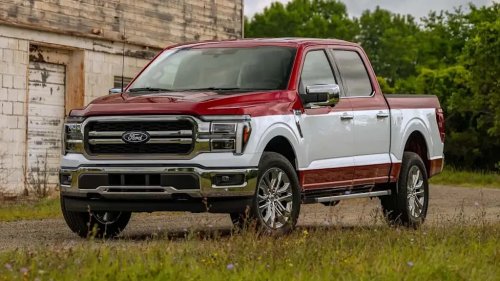
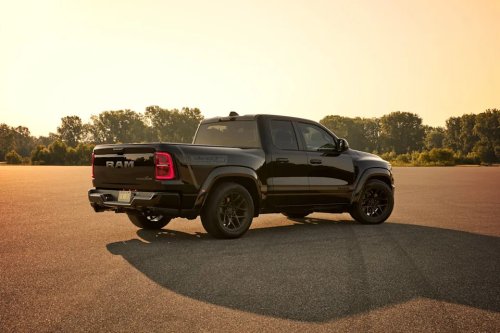
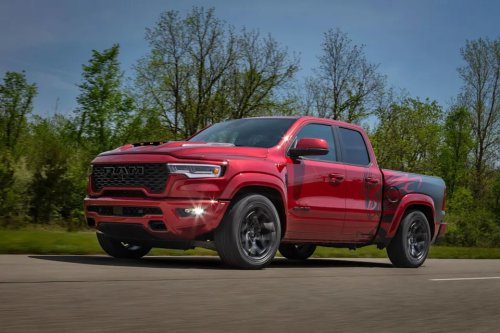
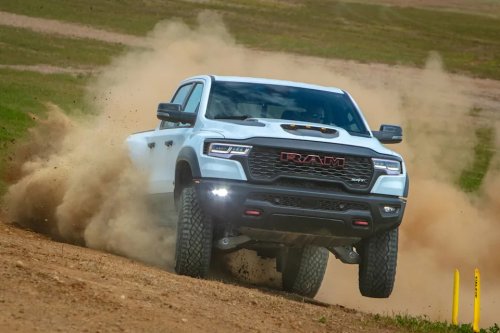
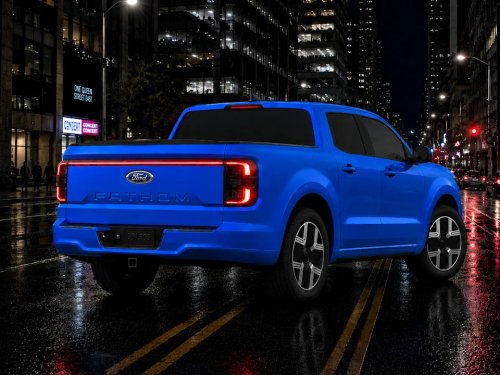
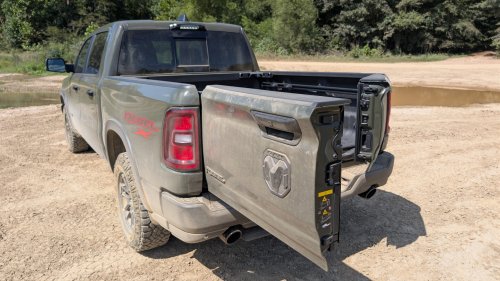
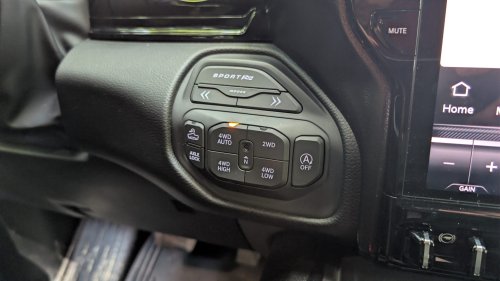
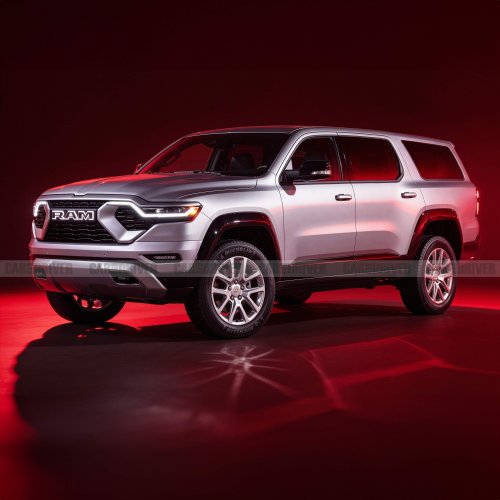
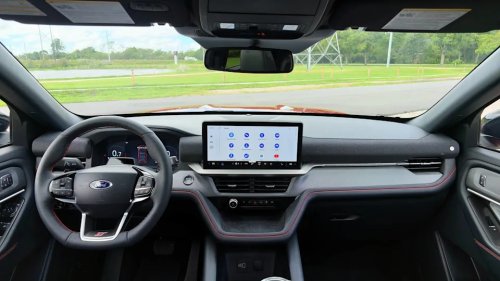
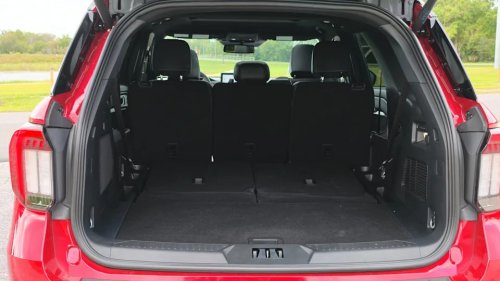
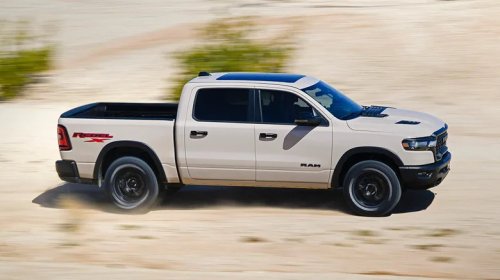
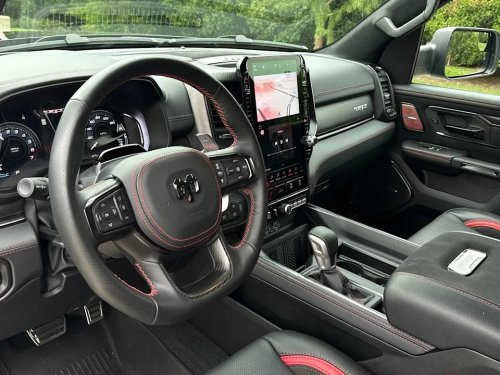
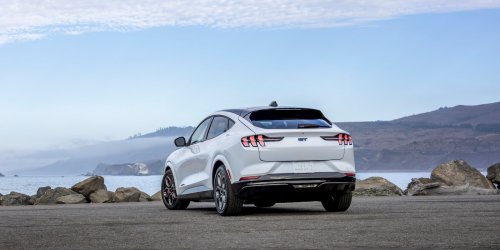
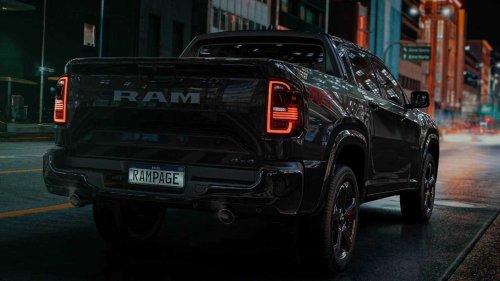
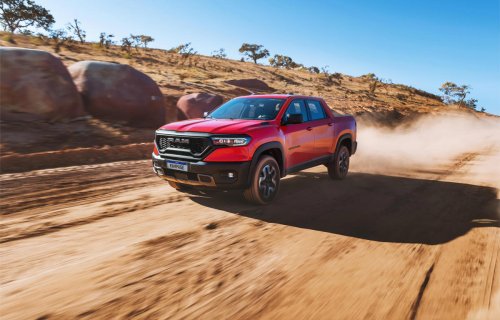
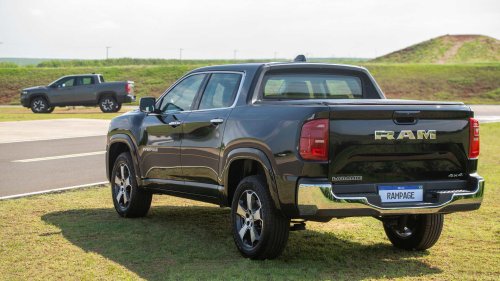
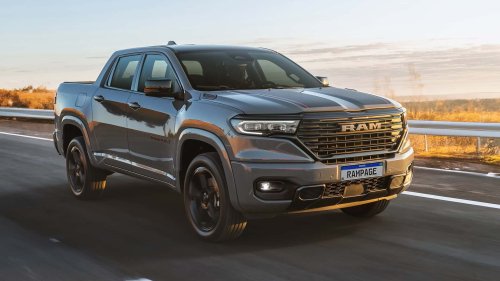
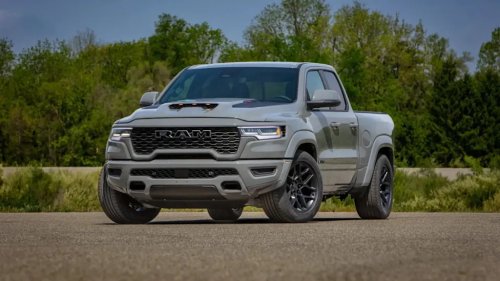
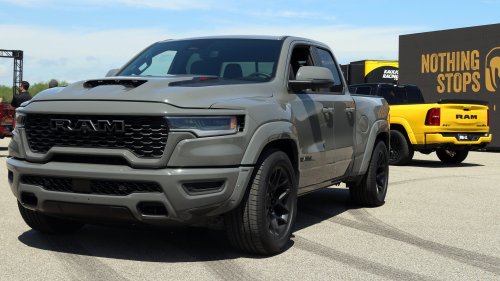
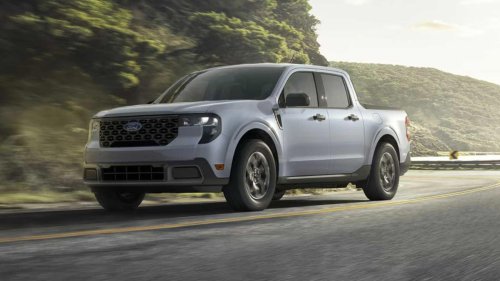
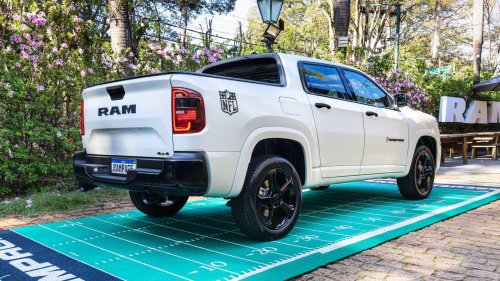
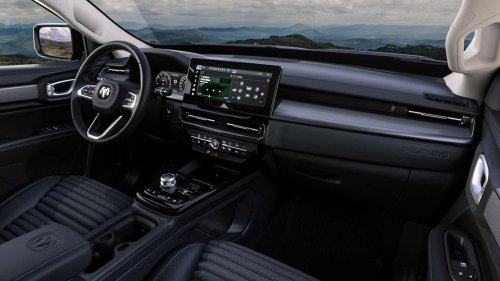
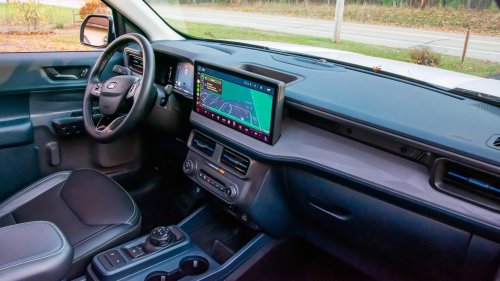
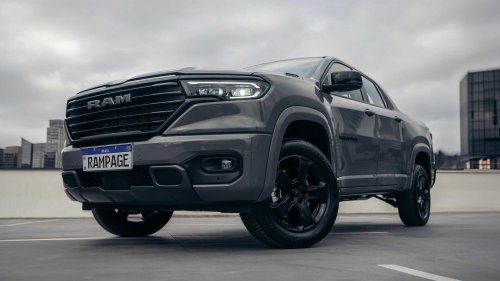
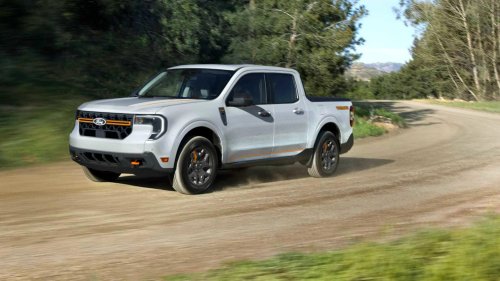
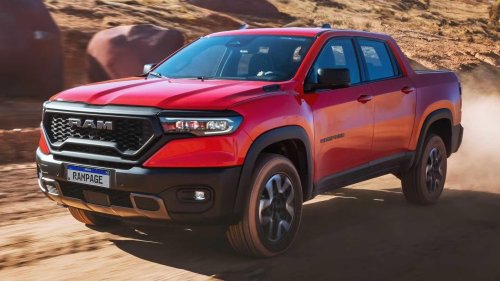
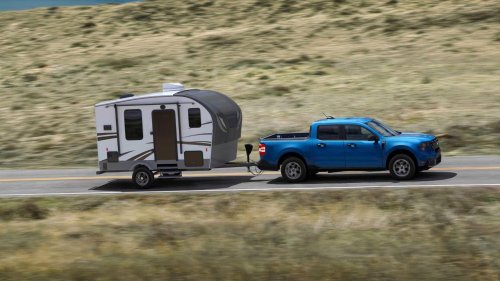
The compact truck segment is an interesting space right now. Ford dominates with the Maverick, but the only other competitor right now, the Santa Cruz, has done so poorly that Hyundai has reportedly decided to pull the plug on it after the 2026 model year. There have been rumors about Toyota and Chevrolet considering their own entries into the market. And one unique compact truck that is actually happening, the Slate Pickup, is planning to reach customers before the end of this year, but only as an electric two-door, no-frills vehicle designed to undercut the Maverick.During the 2026 Stellantis Investor Day presentation, the company revealed its Fastlane 2030 plan. The company announced that the Ram Rampage, currently built and available in Brazil, would come to North America to duke it out against the Maverick. To avoid the Chicken Tax, production of the version in the United States would happen somewhere in North America instead. Unless someone else beats Ram to the punch, the Rampage will be the only combustion-powered competitor to the Maverick when it arrives.Let's compare them and see how the Rampage stacks up.For this comparison, we're using the Rampage's Brazilian-market specs and measurements. Based on comments from Ralph Gilles, it will come over virtually unchanged, only getting minor tweaks to the lights and bumpers. One thing that will be different is pricing, so we'll be using estimates there. Exterior Differences FordLet's start by comparing the exterior differences between these two. Just looking at the Rampage, you can tell that it has a taller and wider presence than the Maverick, and your eyes don't deceive you. The Rampage is 1.7 inches wider and 1.4 inches taller, with that height advantage narrowing to just 0.6 inches if you go for the Maverick Tremor. What is possibly surprising is that, while the Rampage looks longer, it's actually 1.7 inches shorter than the Maverick, and the Maverick has a 3.3-inch longer wheelbase. Yet, the Rampage has a 2.7-inch-longer bed at 57.1 inches, so it should be slightly more usable for truck stuff.Ram do BrasilAs far as styling goes, Ram opted for a more angled windshield and shorter windows for a sportier look compared to the Maverick's boxy, upright proportions. Ram tried and largely succeeded in shrinking the 1500 styling to fit a smaller truck. Ford, on the other hand, appears to have started with a clean-sheet design that doesn't really share any styling cues with its larger siblings. Interior Differences StellantisThe interior of these two trucks is also quite different. The Maverick is more utilitarian in its approach, with large bins and durable materials. The Rampage goes for a more premium look and feel instead, with metal accents and piano black trim. Up front, the Rampage also feels roomier thanks to its extra 1.7 inches of width, which provides more shoulder and hip room. The Maverick's advantage is its longer wheelbase, which gives the Ford a roomier back seat, although it's still fairly cramped feeling back there.Christopher Smith / CarBuzz / ValnetAs far as tech goes, it's a trade-off between the two here as well. Ford has the larger touchscreen, at 13.2 inches compared to 12.3 inches in the Ram, but the Rampage has a larger 10.3-inch digital gauge cluster compared to the Maverick's smaller 8.0-inch screen. If you prefer physical HVAC controls, the Ram would be the only choice, with its bevy of climate-control buttons, compared to the Maverick's all-screen setup. Performance Differences StellantisThe powertrain is often the definitive aspect that makes a truck work as a utility vehicle. The Maverick is the only one that offers a hybrid, and that, combined with the lighter weight of all Mavericks, means that they'll be the more fuel-efficient ones. In Brazil, the Rampage also offers a turbodiesel option. Ram has done crazier things before, but it's highly unlikely that the company would offer the diesel in the US.Ford also offers the Maverick with front-wheel drive. In the Rampage, all-wheel drive is mandatory. Despite the Rampage having a bit more muscle from its engine, its extra size and 500 pounds of additional weight make it the slower of the two, clocking a 6.9-second 0-60 mph time versus the 6.5-second time the Maverick turns in with its turbo engine.FordThe Rampage's one advantage here is a slightly higher payload rating and longer bed, so for that kind of hauling, the truck should be slightly better. Ram hasn't provided a tow rating for the Rampage with a trailer with brakes, so we'll have to wait until it arrives in America to see how the tow rating compares to the Maverick's.We also have to wait and see what Ram trims are offered in the US. Still, in Brazil, the Rebel and R/T trims appear to be mostly appearance changes compared to the more substantial changes Ford offers the Tremor and Lobo versions of the Maverick, which give it a leg up for those seeking more off-road capability or a more sport-truck driving demeanor.Despite the onslaught of SRT models that Stellantis just announced, the Rampage, unfortunately, won't receive the performance treatment, at least not by 2030. That's the farthest out Stellantis has told us about their product plans so far, so we can still keep hope alive for an SRT version to embarrass the Lobo someday in the 2030s, maybe. Which One Should You Buy? StellantisIt's hard to say in 2026 which one will be the better buy, since we don't know the price of the US-spec Rampage yet, nor exactly when between now and 2030 it could even go on sale in America. In Brazil, at current rates, the Rampage starts at about $45,856, but you can never do a straight currency conversion when comparing prices across different markets.At anything remotely close to that price, it would be dead-on-arrival here considering the Maverick starts at just $28,145 for a stripped-down XL trim with front-wheel drive, which isn't really a fair comparison considering the Rampage's more upmarket starting point. Even a loaded Maverick Lariat with all-wheel drive is still just $38,410. So clearly, Ram would need to come in with a price tag that stays in the $30,000-$40,000 range if it hopes to compete without big incentives.FordPutting aside price speculation, the right one for you will come down to how you feel about the differences between the two trucks. If the Maverick interior feels too cheap for you, or you find its bed is just a hair too small, the Rampage's nicer interior and bigger bed could be a better fit. The Rampage's sleeker, more akin-to-its-larger-brethren appearance could be another factor swaying future shoppers.If you'd like a hybrid, or just better fuel economy even without hybrid assistance, the Maverick is the obvious choice. The Ford is also likely the best choice for those looking for a no-frills experience, and who would rather not have the extra plushness of the Rampage. And finally, it remains to be seen which one would win the tow rating award. Because of the platform the Rampage rides on, it may max out at a lower 2,000-pound rating, which could give the Maverick another potential advantage.Overall, though, as long as Ram prices the Rampage competitively, it should be a stout competitor to the Maverick, especially considering that the Maverick is already in its fifth model year and will be even more aged by the time the Rampage arrives, assuming Ford doesn't have a second generation out by then.If Ford does have a new Maverick up their sleeve soon, the Rampage's advantage might not help as much. And if any of the other brands out there finally get off the sidelines and into the game with fresher, brand-new competitors, it's possible the Maverick and Rampage could end up only fighting to stay out of last place in this hypothetically blossoming compact truck segment.Sources: Ram Brazil, Ford



















 +78 others