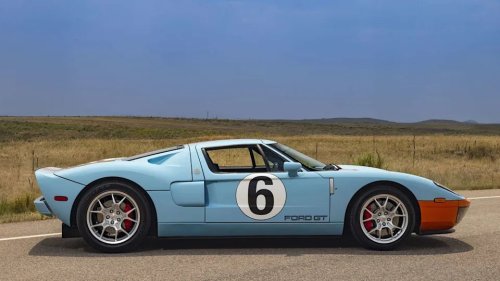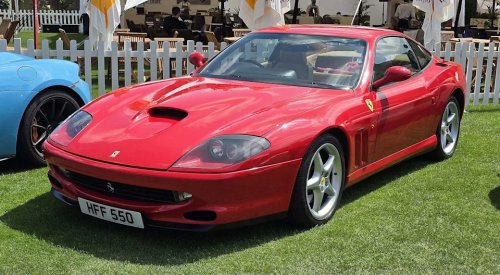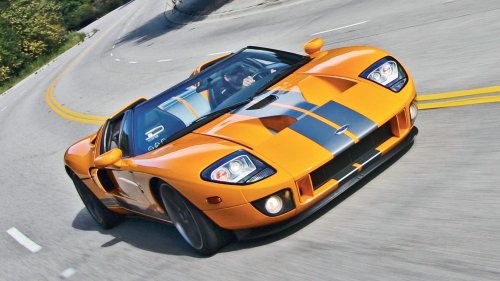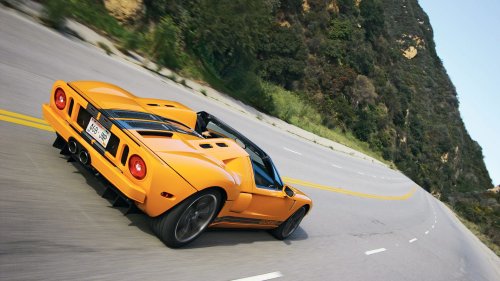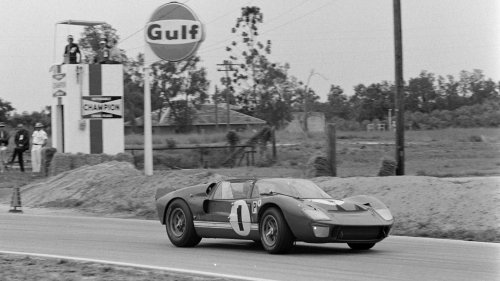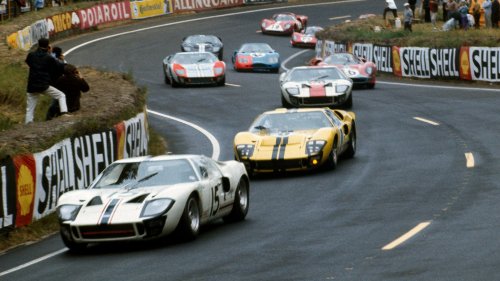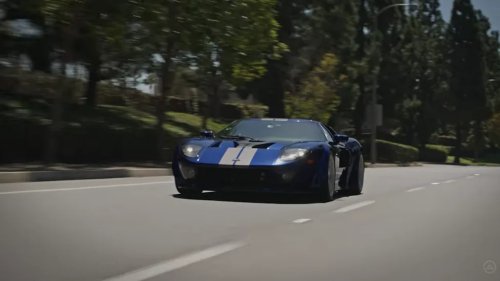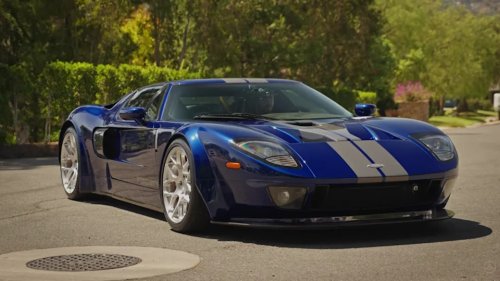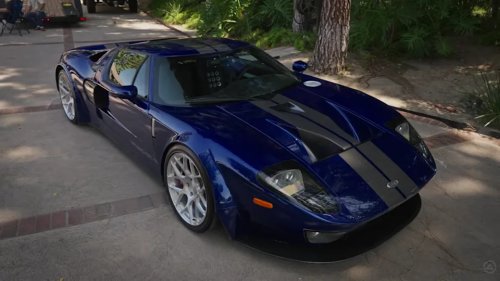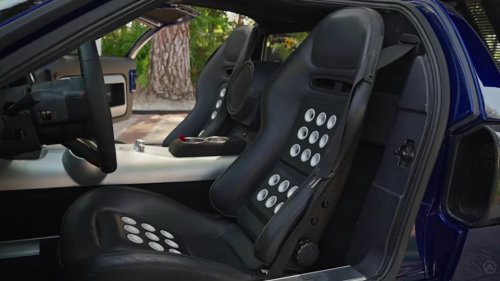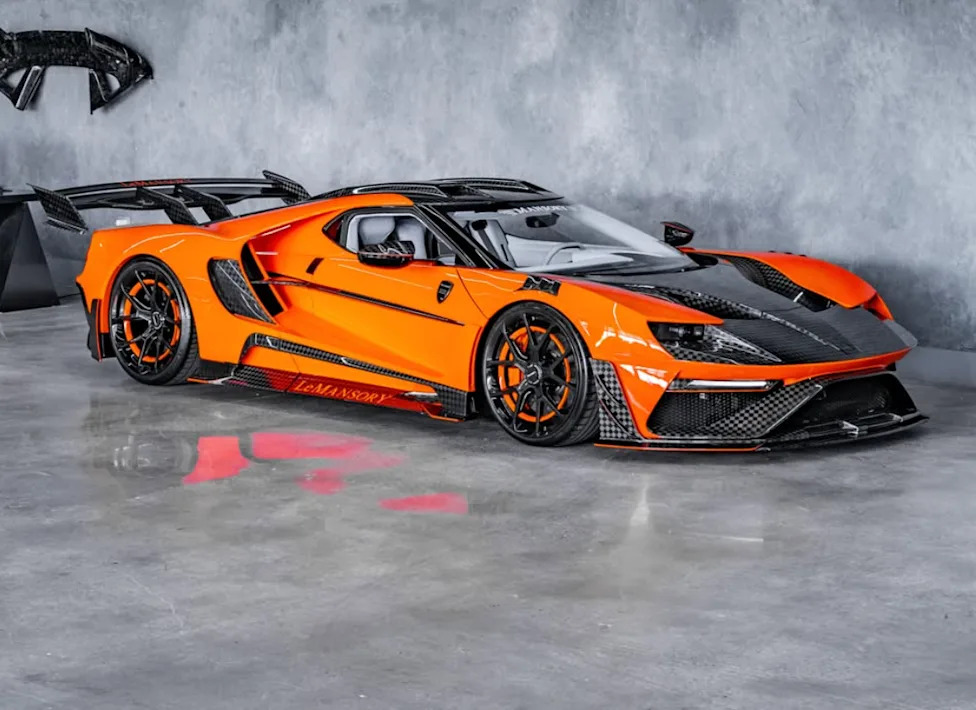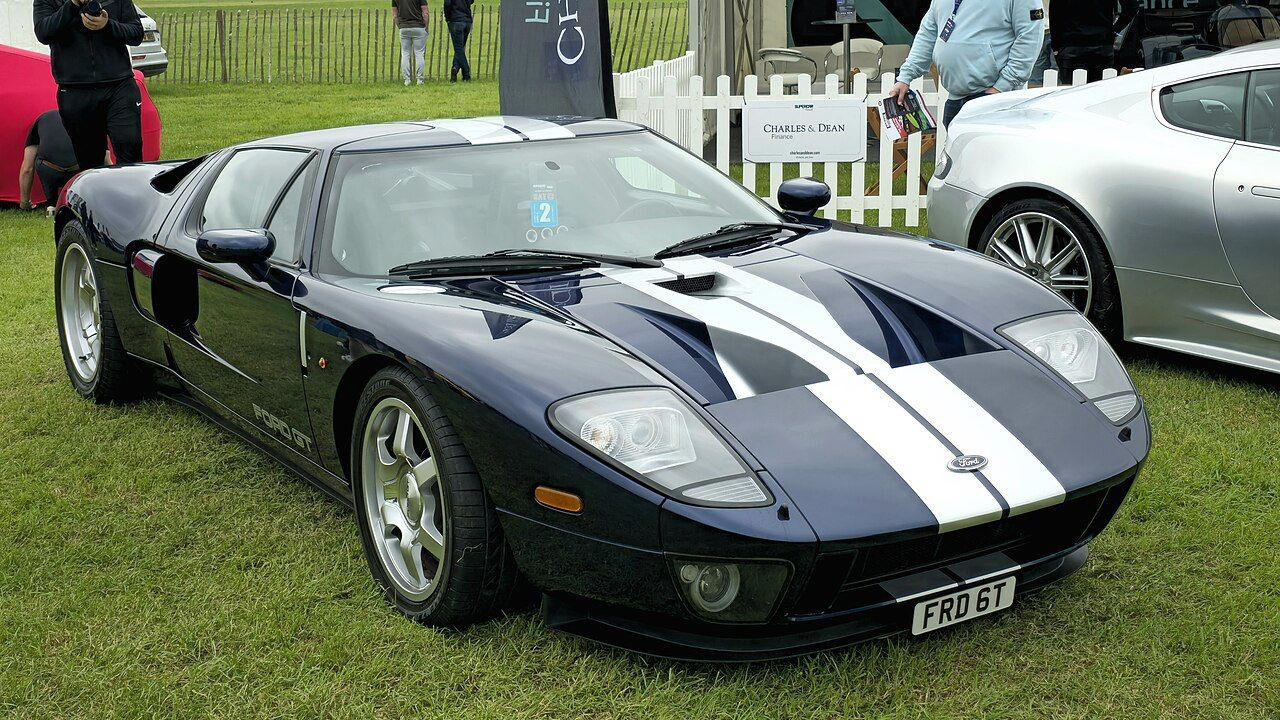



















The untold story behind the 2005 Ford GT built to silence ferrari comparisonsThe 2005 Ford GT was more than a retro-inspired supercar celebrating Ford’s racing history. Behind its dramatic styling and supercharged V8 was a deeper mission: prove that an American manufacturer could build a world-class exotic capable of standing beside Europe’s elite. In many ways, the car was engineered specifically to end comparisons that placed Ferrari permanently above American performance engineering. Ford used the GT project to revive its Le Mans legacy When Ford Motor Company began developing the Ford GT, the project was heavily influenced by the legendary GT40 race cars that defeated Ferrari at Le Mans during the 1960s. Ford wanted the new GT to capture that same spirit while proving the company could still engineer a serious high-performance halo car decades later. Unlike traditional muscle cars under the Ford lineup, the GT was designed as a mid-engine supercar with exotic proportions and advanced engineering. The goal was not simply nostalgia—it was to build a machine that could compete directly with European exotics in performance, design, and road presence. The GT was engineered to challenge European supercar assumptions The Ford GT arrived during an era when Ferrari and other European manufacturers largely dominated the global supercar conversation. Many enthusiasts still viewed American performance cars as powerful but unsophisticated machines focused mainly on straight-line acceleration. To challenge that perception, Ford Motor Company engineered the GT with a lightweight aluminum structure, race-inspired aerodynamics, and a supercharged V8 capable of delivering serious high-speed performance. The car was designed to feel refined and stable at speed rather than simply overwhelming drivers with raw horsepower. The supercharged V8 gave the GT its distinctly American identity At the center of the Ford GT was a supercharged 5.4-liter V8 that blended traditional American power with modern engineering precision. Instead of adopting a high-revving exotic engine philosophy similar to Ferrari, Ford leaned into massive torque delivery and instant acceleration. Under Ford performance engineering, the engine produced a broad and aggressive powerband that gave the GT a unique personality compared to European rivals. It remained unmistakably American while still delivering the refinement and responsiveness expected from a modern supercar. Ford carefully controlled the GT’s production and image Part of the strategy behind the Ford GT involved limiting production and maintaining exclusivity. Ford understood that competing with exotic manufacturers required more than performance numbers alone—it also required creating a sense of rarity and prestige around the car itself. Unlike mass-produced performance models within the Ford lineup, the GT was positioned as a halo vehicle that represented the absolute peak of Ford engineering. This helped elevate the car’s status internationally and forced critics to take the project seriously rather than dismissing it as another muscle-car experiment. The GT succeeded in reshaping perceptions of American supercars The Ford GT quickly earned respect from journalists, collectors, and enthusiasts around the world. Its performance, stability, and design quality demonstrated that an American manufacturer could produce a supercar capable of competing with Europe’s best on more than just horsepower alone. Under Ford Motor Company, the GT became a symbol of engineering ambition rather than nostalgia alone. It proved that American performance could combine exotic design, technical sophistication, and everyday drivability without sacrificing its own identity. Today the 2005 Ford GT is seen as a defining modern American exotic Years after production ended, the Ford GT remains one of the most respected American performance cars of the modern era. Its combination of heritage, exclusivity, and genuine supercar capability helped it transcend the expectations usually attached to American manufacturers. For many enthusiasts, the car represents the moment Ford Motor Company proved it could build a true global supercar without copying Ferrari’s formula. Instead of imitating European exotics, the GT succeeded by delivering something distinctly American—and impossible to ignore. More from Fast Lane Only Unboxing the WWII Jeep in a Crate 15 rare Chevys collectors are quietly buying 10 underrated V8s still worth hunting down Police notice this before you even roll window down