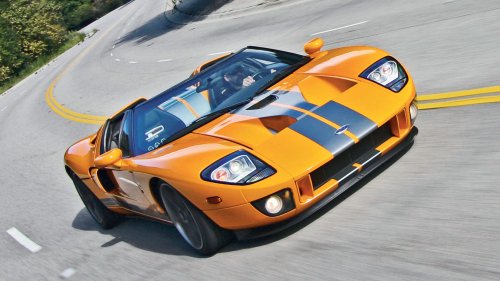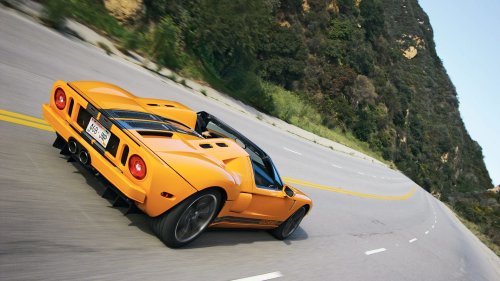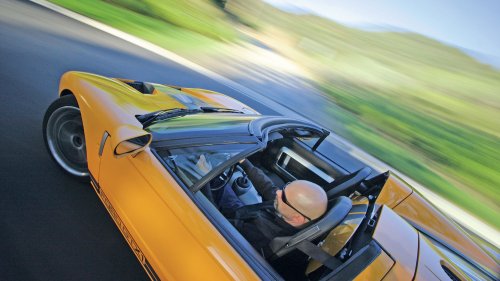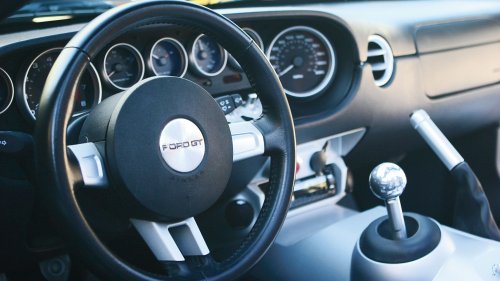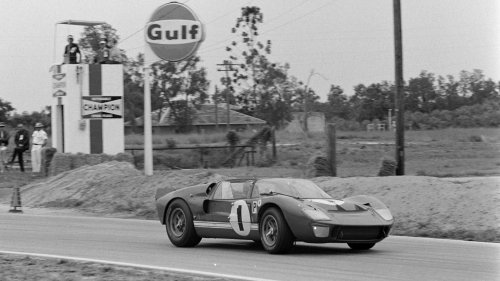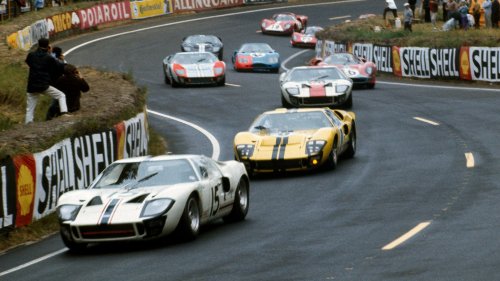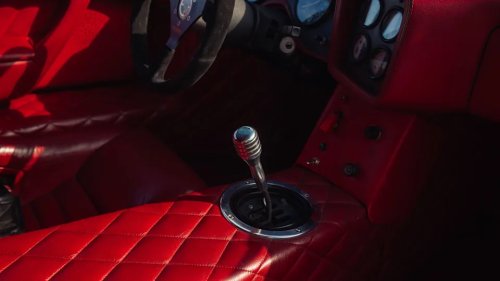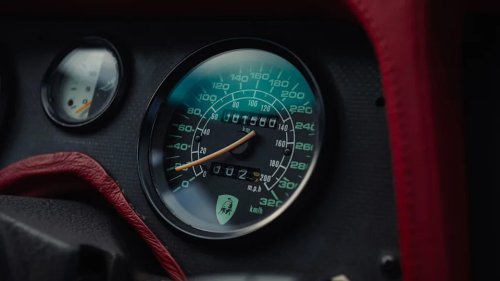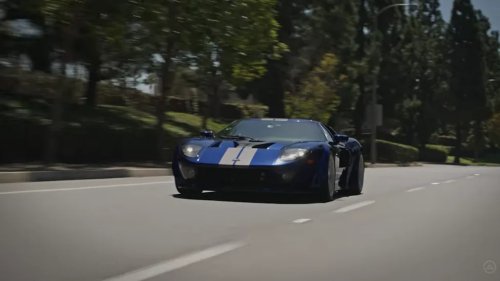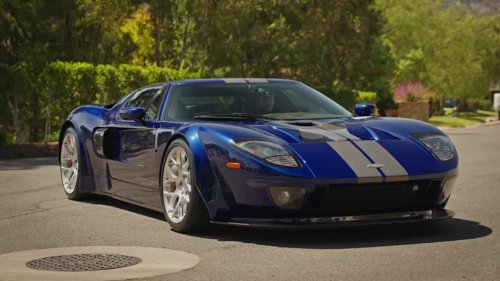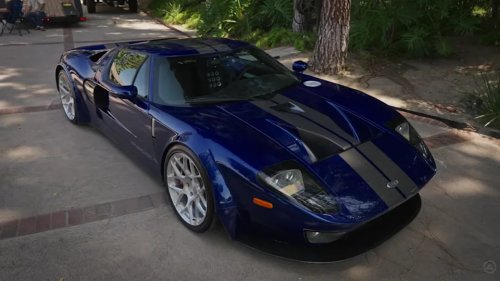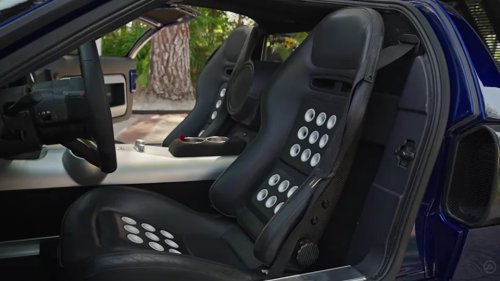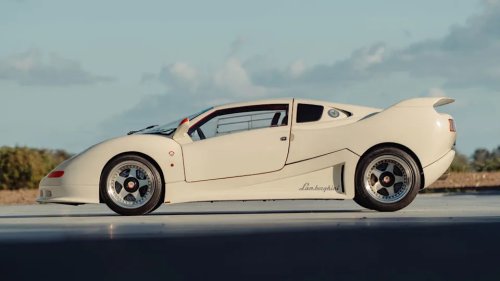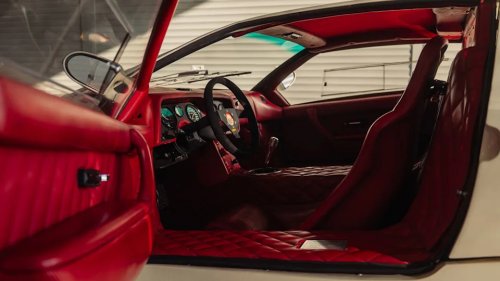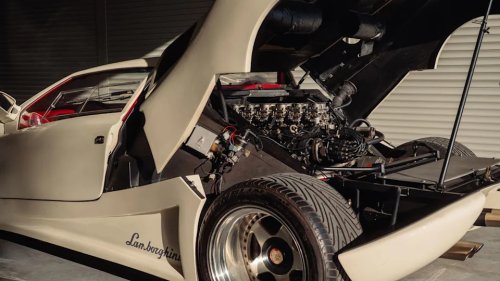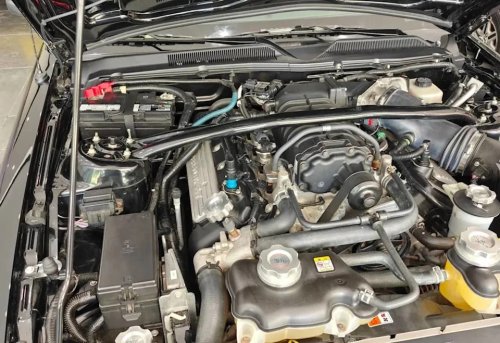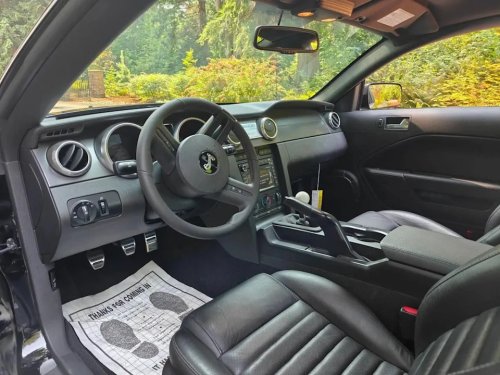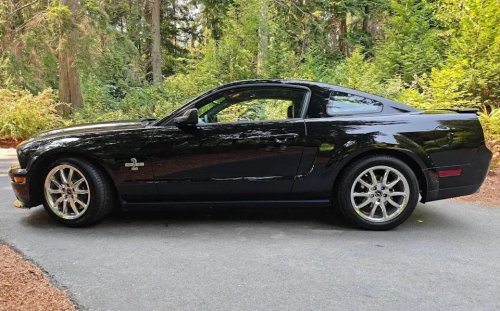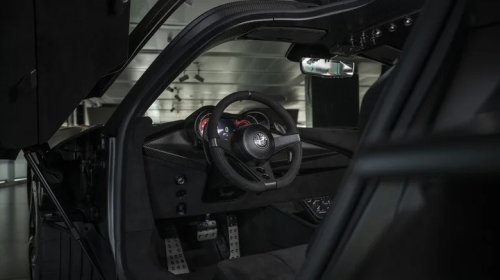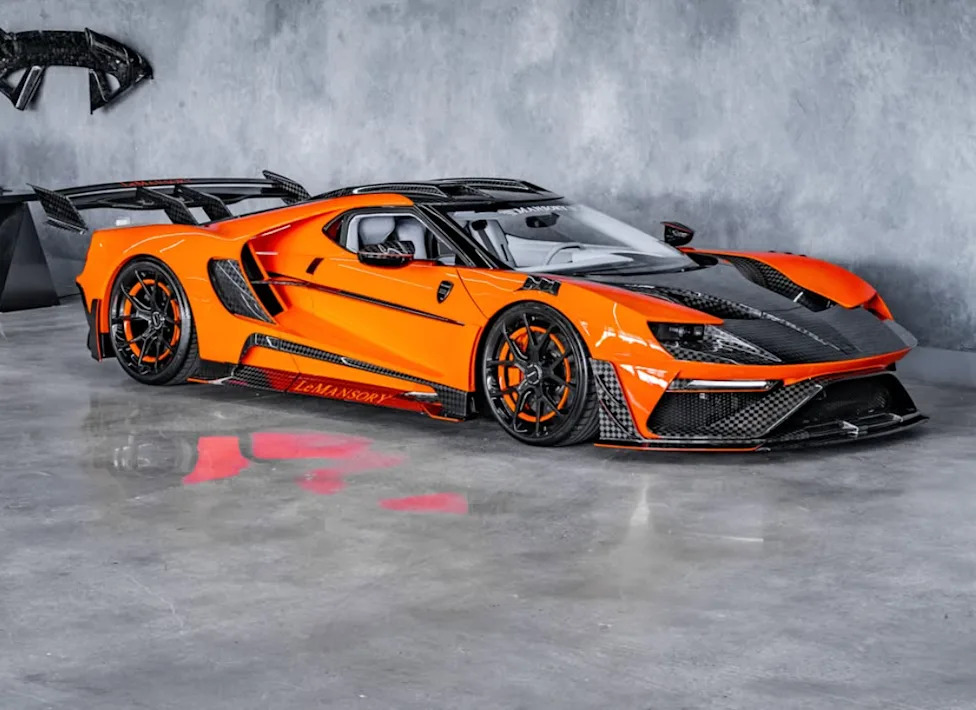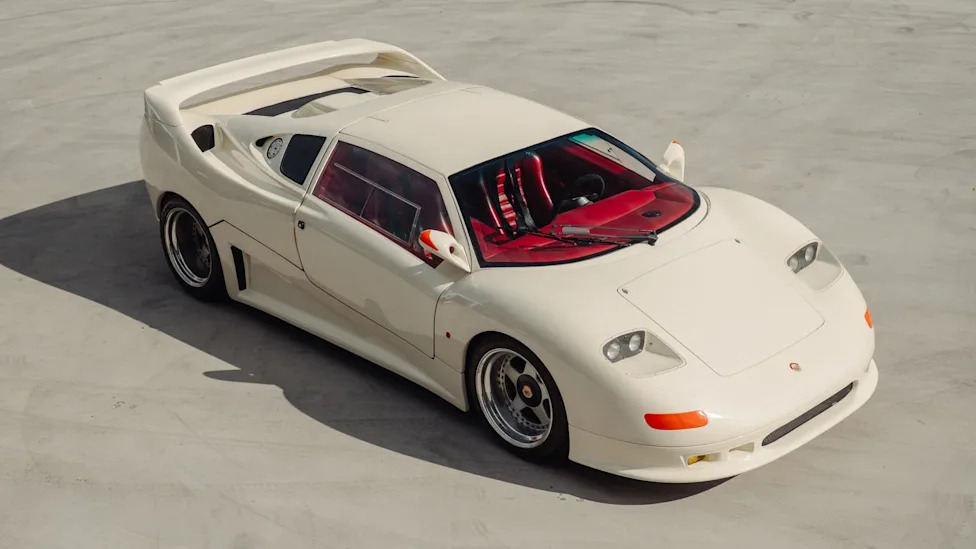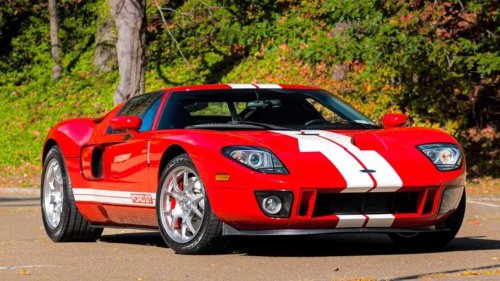
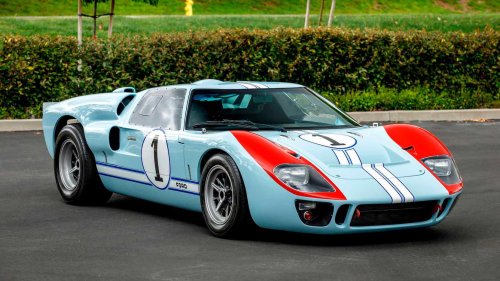
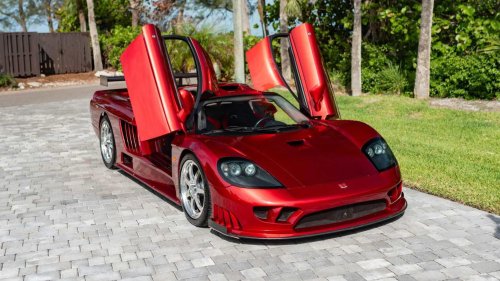
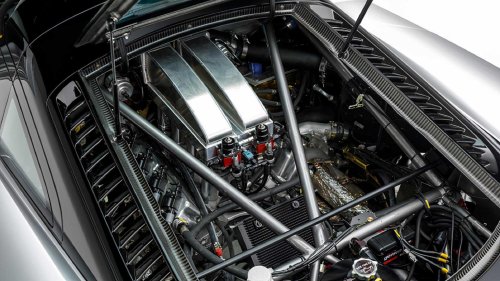
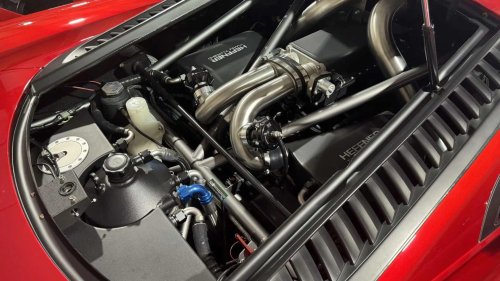
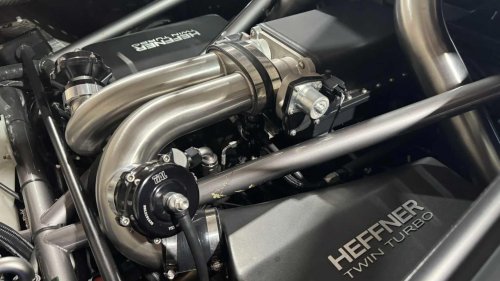
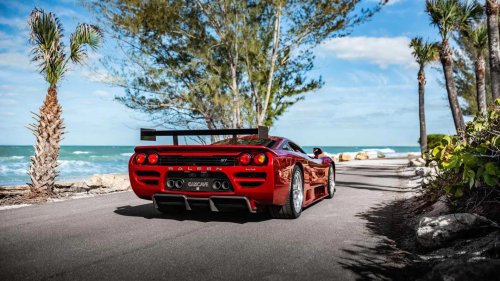
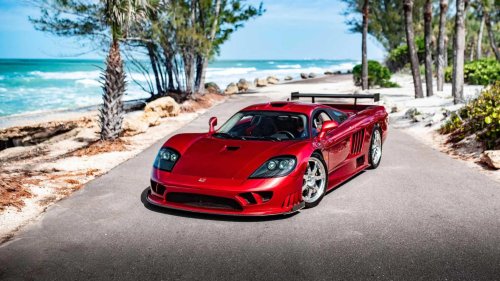
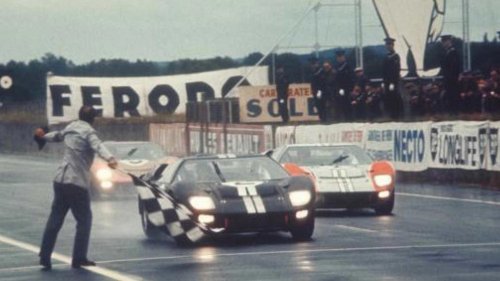
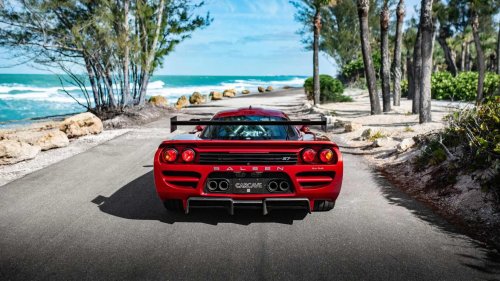
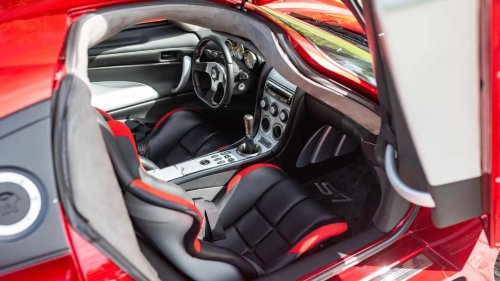
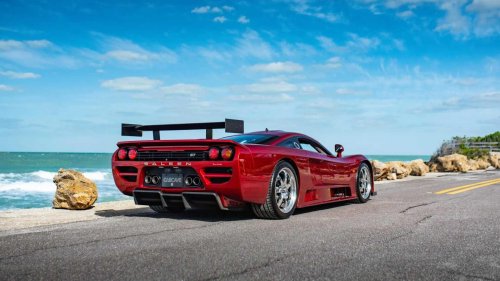
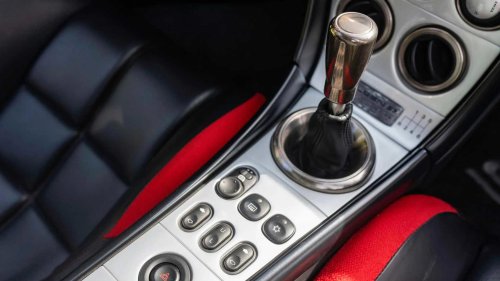


















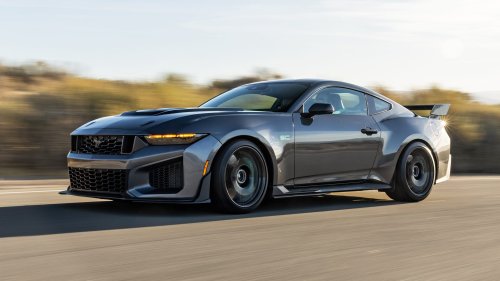
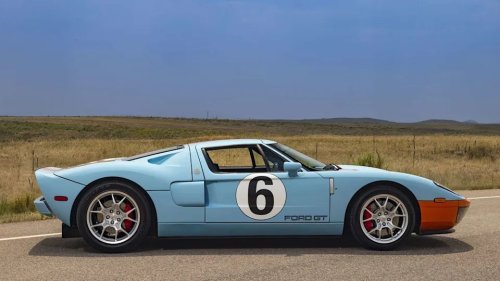


The Ford GT is an icon. It has the documentaries, the magazine covers, the museum displays, and the permanent place in American automotive mythology. It is the car most people point to when someone asks what the greatest American supercar of the modern era looks like. There is just one problem.Another American car beat it on every measurable axis. It was 800 lbs lighter, made 200 more hp, and claimed a top speed that put it in the same conversation as the Bugatti Veyron. Its racing variant went to Le Mans and won. Most people have never heard of it and that is precisely the problem. The Ford GT Was Supposed to Be America's Greatest Supercar Bring a TrailerThe original 1966 GT40 had been built for one reason: to beat Ferrari at Le Mans. It did exactly that, four years in a row. That story became a significant moment in American automotive history, and the 2004 relaunch inherited every bit of it.Mecum Ford backed the new GT with a full marketing campaign, magazine exclusives, and the kind of institutional muscle only a company with billions behind it can deploy. The car became a cultural event before most people had even seen one in person. It was a 550-horsepower, mid-engine supercar priced at $150,000, and it was treated like a national moment. But there was another American supercar from California that did not have the multi-million dollar backing from a large legacy automaker, and it beat the Ford GT in more ways than one. The Saleen S7 Beat The Ford GT On Every Measurable Axis Bring a TrailerWhile Ford was writing its comeback story, a small tuner shop in Southern California had already built something faster, lighter, and more powerful.The Saleen S7 debuted in 2000 as America's first true mid-engine V8 production supercar. It used a bored and stroked version of Ford's 351 Windsor small block, with Cleveland-style canted valve heads which have been extensively reworked and modified. This resulted in a proprietary 7.0-liter V8 rooted in Ford architecture which made 550 hp and matched the Ford GT. It was wrapped in a carbon-fiber body, and engineered from near-scratch by a company better known for modified Mustangs.Bring a Trailer Then in 2005, Saleen introduced the S7 Twin Turbo. The numbers it produced made the comparison with the Ford GT almost unfair. Saleen S7 VS The World The Twin Turbo made 750 hp and 700 lb-ft of torque, easily surpassing the Ford GT. The S7 weighed around 2,750 lbs whereas the GT weighed closer to 3,500 lbs. The S7 hit 60 mph in 2.7 seconds and topped out at a claimed 248 mph, figures that put it alongside the Bugatti Veyron as one of the fastest production cars on earth.Bring a Trailer The optional Competition Package unlocked a reported 1000 hp (matching the Veyron) while adding changes to the suspension, a revised front and rear diffuser, and an optional aerodynamic package with carbon fiber front and rear spoilers. On paper, the comparison between the Saleen S7 and the first-generation Ford GT was not even close. Saleen, The Tuner Shop That Went Up Against Detroit And Won MecumSteve Saleen built his reputation turning Mustangs into something Ford's engineers hadn't bothered to. He was great at modifying customer cars, but building your own from the ground up are two very different things.Bring a TrailerThe S7 was not an existing automobile then modified into a supercar that met Saleen's vision. It was engineered from near-scratch, with a purpose-built chassis, a carbon-fiber body, and a proprietary drivetrain developed specifically for this car.That distinction mattered enormously in engineering terms. But the automotive world had already filed Saleen under the "tuner shop" category, and that label stuck regardless of what the S7 actually was.Bring a Trailer When the Twin Turbo arrived in 2005 with 750 hp and a claimed 248 mph top speed, the car entered territory occupied by only one other production vehicle on earth at the time: the Bugatti Veyron. The Veyron cost over $1 million. The S7 Twin Turbo was priced around $585,000, but the Saleen never officially set a top speed record to challenge the Veyron.The fastest recorded top speed is 240 mph via a YouTube video, but not entirely verified with GPS data. However, the S7 was a federally certified, street-legal production supercar that could embarrass almost anything built by anyone, anywhere. The Racing Record That Should Have Changed Everything Bring a Trailer If road car performance wasn't enough, Saleen built a racing version to prove the point on track. The S7-R was a purpose-built competition variant, and 14 units were produced. It went up against some of the most powerful factory-backed programs in GT racing and won.In the FIA GT Championship, the S7-R beat works-supported Ferrari and Maserati teams. These were not private operations, but manufacturer-backed efforts with full factory resources behind them. Saleen beat them anyway.The S7-R also won its class at Le Mans. The exact race that turned the original Ford GT40 into an American legend. The S7 competed on the same circuit, against comparable opposition, and came away with the same result.24 Hours of LeMans The difference is that Ford's Le Mans victory became the centerpiece of automotive history that lasted decades. But Saleen's result never reached the mainstream.A major OEM with that racing record would have built a documentary around it, launched a heritage edition, and referenced it in every press release for the next twenty years. Saleen had neither the budget nor the brand infrastructure to do any of that. The wins happened, but the story rarely gets told. So Why Has Nobody Heard of It? Bring a Trailer Fewer than 100 street-legal S7s were ever built. Rarity at that level usually creates mystique. Think Pagani, think Koenigsegg. With the S7, it mostly created invisibility.A car that almost nobody can buy is also a car that almost nobody encounters, writes about, or argues over in conversation. Scarcity works in your favor when your name already carries weight. Without that foundation, it just means fewer people ever saw one in person.Then there is the label of a "tuner shop" problem. No matter what Saleen built or how it performed, the automotive press had a mental category for this company, and it was not exotic supercar manufacturer. That default framing shaped coverage in ways that pure performance data could not overcome.Bring a Trailer Ford had a forty-year head start over Saleen. By the time the 2004 GT launched, the Le Mans story, the Henry Ford II rivalry with Enzo Ferrari, the GT40 racing legacy. All of it was already baked into how people felt about the car before they ever drove it.The S7 had to build its case from nothing, with a fraction of the resources, against a competitor that arrived pre-loaded with cultural meaning.There is also the Paul Walker connection. A 2003 S7 was part of the AE Performance Collection owned by Walker and his business partner Roger Rodas. That tie to one of the most beloved figures in car culture should have given the S7 a pop culture foothold. It generated some attention at auction, but it did not change the broader narrative. The Greatest American Supercar Most People Can't Name Bring a Trailer The S7's obscurity is not really a story about one car falling through the cracks. It is a story about how automotive legacy actually gets made. But for the collectors who know, they value the S7 and the S7-R highly. On average, they are worth $782,202 according to Classic.com.What Saleen proved is that a small operation, with the right engineering ambition, can out-build the giants on every technical measure and that is genuinely remarkable.Bring a Trailer But the S7's story feels more relevant now than it did in 2005. Boutique manufacturers and small-volume EV startups are making the same argument today. That incumbents can be beaten on engineering merit alone. The S7 is the clearest proof that they can. It is also the clearest warning about what happens next.The car that weighed less, made more power, went faster, and won on the track still lost the race that ultimately mattered.Sources: Saleen, Road and Track, 24h-LeMans, Classic