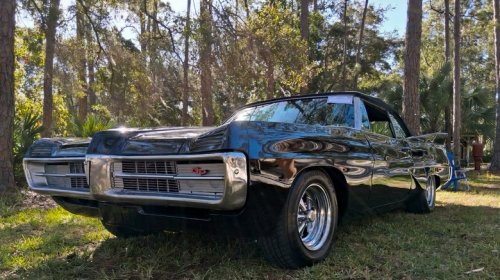
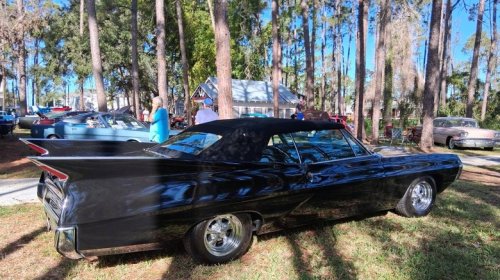
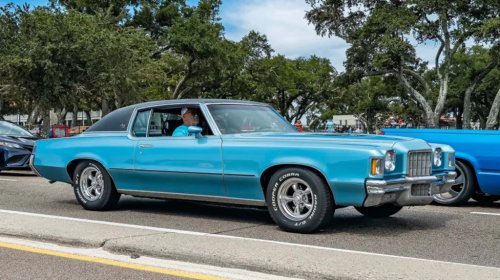
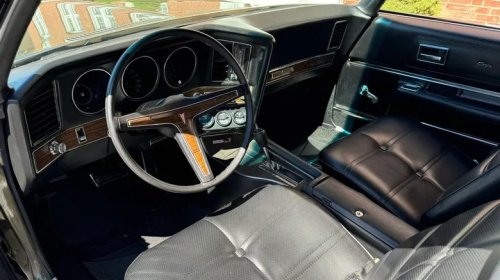
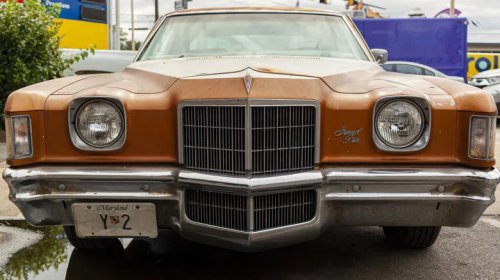
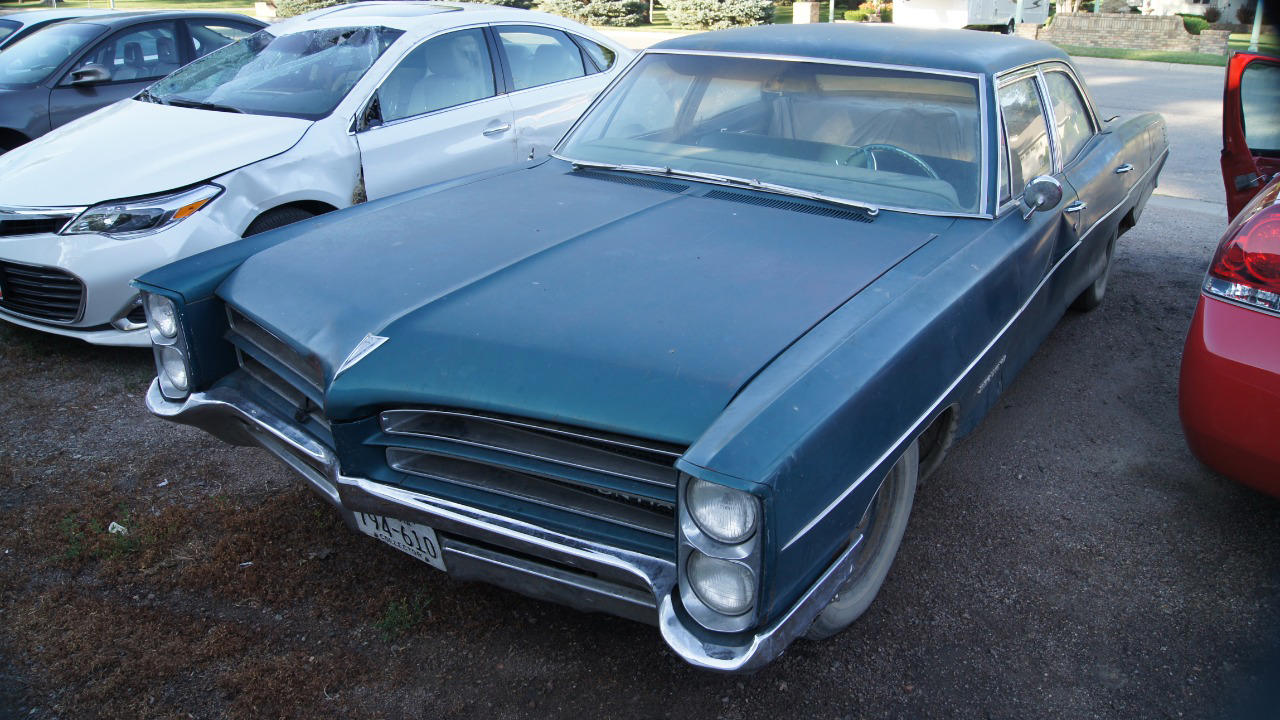
How the 1966 Pontiac Star Chief targeted comfort buyersThe 1966 Pontiac Star Chief Executive was not built for quarter-mile glory so much as for families who wanted to glide across states in quiet comfort. In its final model year, Pontiac repositioned the long-running Star Chief nameplate as a plush, value-focused full-size that sat between basic transportation and the brand’s prestige offerings. The result targeted buyers who prized space, smoothness and style more than raw speed. That strategy capped more than a decade in which the Pontiac Star Chief had evolved from top-tier status into a bridge between workaday sedans and luxury flagships. By 1966, Pontiac was using the familiar badge to court comfort-oriented customers who wanted an upscale feel without paying Bonneville money. From flagship to comfort specialist The history of the Pontiac Star Chief shows that the model arrived in the mid-1950s as Pontiac’s top trim above the Chieftain, with longer bodies and richer interiors that marked it as the aspirational choice in the showroom. As Pontiac refined its lineup, the Star Chief gradually ceded the very top spot to newer nameplates, yet it retained a clear identity as a well-equipped full-size car for buyers who valued amenities and presence. By the late 1950s, internal positioning had grown more complex, and whether the Star Chief became either a deluxe Catalina or cheaper Bonneville in 1959 depends on your point of view, a reflection of how tightly Pontiac was slicing the market for different comfort and status levels. That same year, when the Bonneville moved upmarket, the Star Chief series missed out on some of the most lavish prestige features, which nudged it toward the role of an attainable, comfortable cruiser rather than a pure flagship. Executive trim and the mid priced buyer For 1966, Pontiac attached the Executive label to the Star Chief, signaling a deliberate pitch to middle-class professionals who wanted something more refined than a base Catalina but still practical as a daily family car. Commentary on a 1966 Pontiac Star Chief Executive 4-door Hardtop notes that while no longer Pontiac’s prestige model, the Star Chief remained a well-appointed car, with the Executive positioned as a mid-priced model that shared some character with the upscale Bonneville without fully overlapping it. Within that context, the Star Chief Executive offered generous interior room, a long wheelbase and a substantial body that projected status in the company parking lot as much as comfort on the highway. Sales material from the period, echoed in a surviving Pontiac Star Chief Executive car ad that carries the line “Don’t make any…” in its caption, leaned on the idea that choosing this model was a smart, quick decision for buyers who knew they wanted comfort and space without overthinking options lists. Designing for relaxed travel Even as the Star Chief’s place in the hierarchy shifted, Pontiac kept the visual drama that had helped define the nameplate from its early years. One enthusiast description of a 1966 Pontiac Star Chief Executive 4-door Hardtop highlights its two-tone paint jobs and chrome-laden exterior as a true representation of 1950s Americana, a look that still resonated with comfort buyers who equated bright trim and color contrast with a sense of occasion. Another account of a 1966 Star Chief Executive Hardtop Coupe recalls that as Pontiac’s flagship model, the Star Chief featured extended body lines and lavish chrome accents, emblematic of the mid-50s auto styling that carried forward into later cars and helped the 1966 version feel substantial and upscale. Underneath that sheet metal, Pontiac’s signature wide-track stance, celebrated on models like the 1966 Catalina, gave its sleek body lines a stable, confident look on the road, an attribute that translated directly into a calmer, less fatiguing ride for long-distance drivers. Contemporary discussion of Pontiac’s wide-track philosophy notes that larger dimensions and a broader footprint were not just styling flourishes but part of a deliberate attempt to improve stability, a quality that comfort-oriented Star Chief buyers would have experienced every time the car settled into a highway cruise. The comfort oriented drivetrain Comfort buyers in 1966 expected effortless performance rather than aggressive acceleration, and Pontiac configured the Star Chief Executive accordingly. A surviving 1966 Pontiac Star Chief Executive Sedan is described as having a 389 V8 turbo 400 automatic, with the shorthand “66”, “389” and “400” capturing the combination of displacement and transmission that delivered smooth, low-stress power. Another profile of a similar 1966 Pontiac Star Chief Executive notes that the drivetrain delivers smooth acceleration and a comfortable ride, enhanced by power steering and factory-style suspension components that keep the car composed over imperfect pavement. Owners who present their cars in enthusiast communities often emphasize how these big Pontiacs feel from behind the wheel rather than what they can do on a drag strip. One Jan post that opens with “Hello everyone” introduces a Pontiac Star Chief Executive that the owner “wanted to be a cruiser,” a phrase that captures how many buyers, then and now, view the model as a relaxed touring car instead of a performance machine. Cabin space, amenities and the comfort buyer profile The Star Chief’s full-size footprint translated into a cabin that could carry families and luggage without strain, a key selling point for the comfort-focused audience Pontiac was courting. Earlier in the decade, marketing for the 1960 Pontiac Star Chief described it as a classic full-size luxury sedan produced by Pontiac, a division of General Motors, which underlined the combination of size and amenities that would continue through to the 1966 Executive. By the final model year, the Star Chief badge sat on cars that offered broad bench seats, generous rear legroom and quiet road manners that allowed passengers to converse easily, attributes that mattered more to comfort buyers than stopwatch numbers. The history of the Pontiac Star Chief shows that from its launch in 1954, the nameplate had been defined by longer wheelbases and richer trim than the Chieftain, and that heritage carried into the 1966 Executive’s emphasis on space and appointments. Even special-duty variants reflected this comfort-oriented DNA, with a Police Pontiac Star Chief from 1966 presented as a large, stable platform suitable for patrol work that demanded long hours behind the wheel. Surviving examples on the classic market are often described in similar terms, with listings for Pontiac Star Chief classic cars for sale stressing the model’s long-distance capability and relaxed driving character as much as its collectible status. From showroom choice to cherished classic The comfort focus that shaped the 1966 Star Chief Executive has also influenced how the car is remembered and preserved. Collectors today often seek out well-kept four-door hardtops and sedans as usable classics that can still carry a family on weekend trips in the same relaxed fashion that appealed to original buyers. Enthusiast posts about a 1966 Pontiac Star Chief Executive 4-door Hardtop suggest that its two-tone paint jobs and chrome-laden exterior, combined with its easygoing road manners, help explain why it remains a cherished classic among collectors today. For some owners, the appeal lies as much in the story as in the specification, with one Jun auction video host, Jeremy, introducing a 1966 Pontiac Star Chief Executive up for sale on a site called Street and focusing on its condition and cruising potential rather than on performance upgrades. The model’s long production arc, documented across English and non English Pontiac Star Chief Wikipedia pages, has also given it a broad fan base that spans regions and generations. Visual archives linked from Pontiac Star Chief Ultimate Guide and Research Hub material, including images of 1955, 1956 and 1957 cars, show how the nameplate’s styling evolved while maintaining an emphasis on presence and comfort that culminated in the 1966 Executive’s blend of space, chrome and quiet power. By the time the Star Chief name left Pontiac’s order sheets after 1966, it had completed a transition from pure flagship to a car aimed squarely at comfort buyers who wanted big-car ease without the top-shelf price, a role that helps explain why the final-year Executive still resonates with drivers who prefer a relaxed, unhurried way to cover miles. More from Fast Lane Only Unboxing the WWII Jeep in a Crate 15 rare Chevys collectors are quietly buying 10 underrated V8s still worth hunting down Police notice this before you even roll window down



















 +36 others