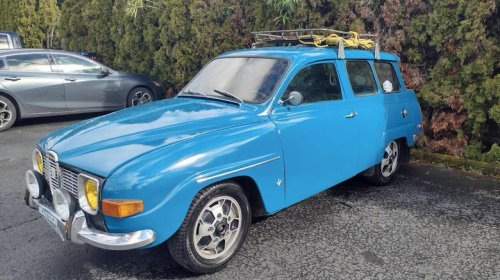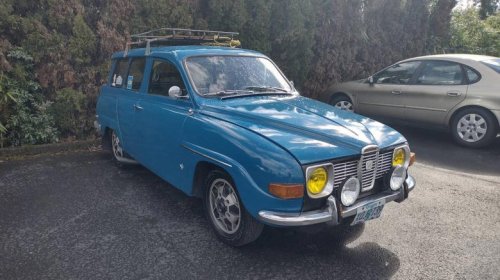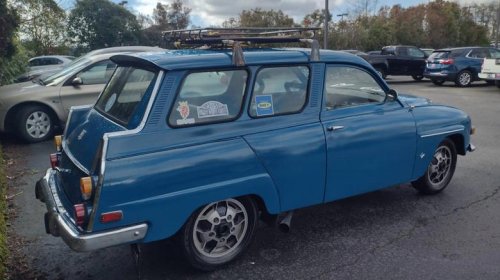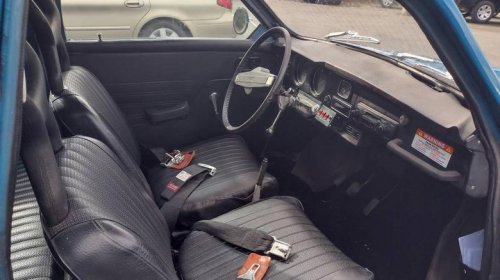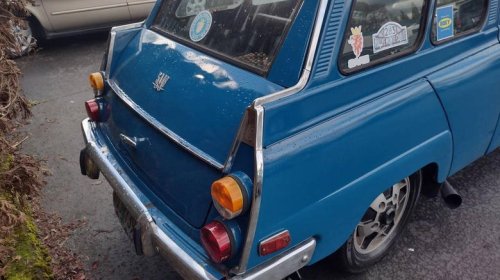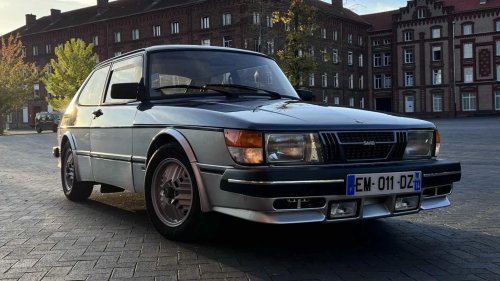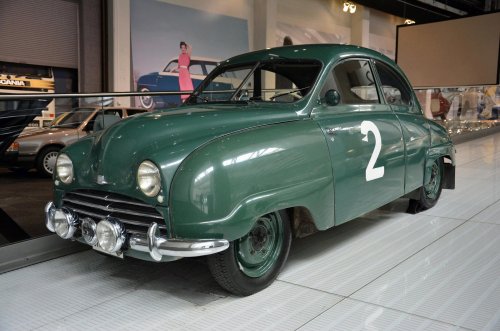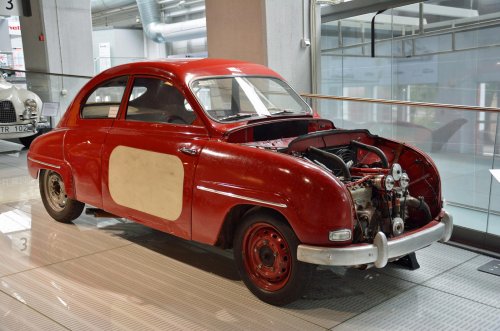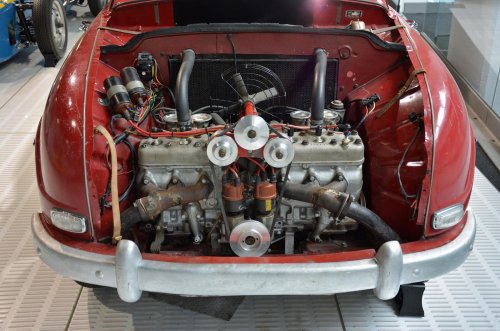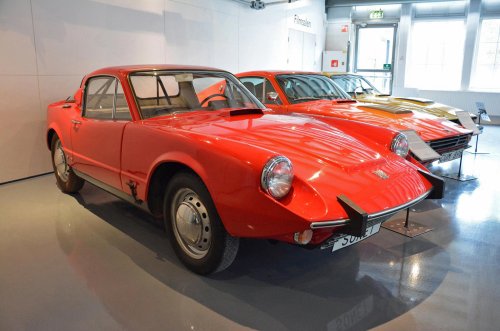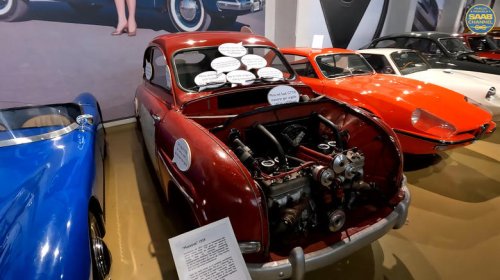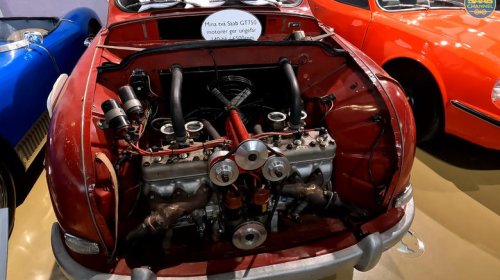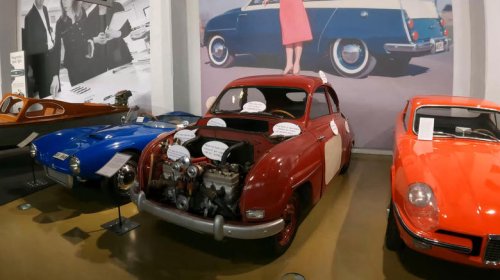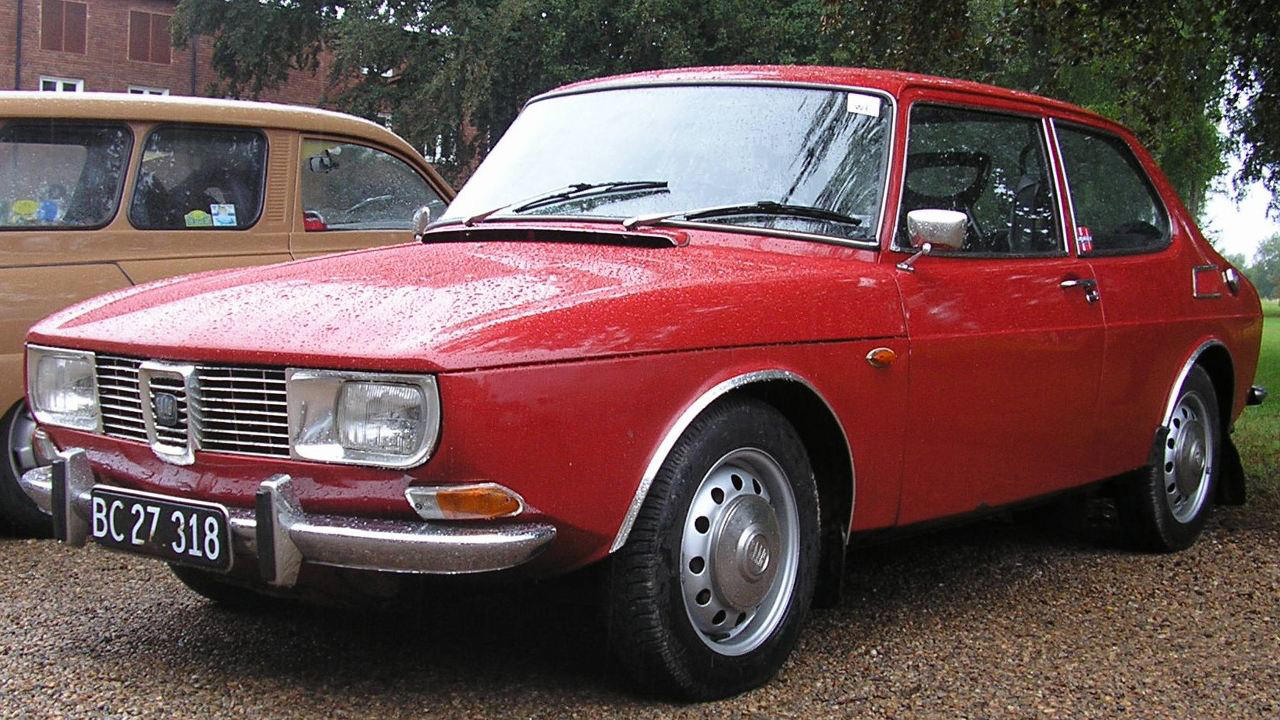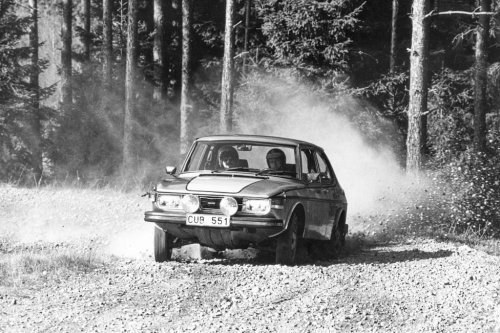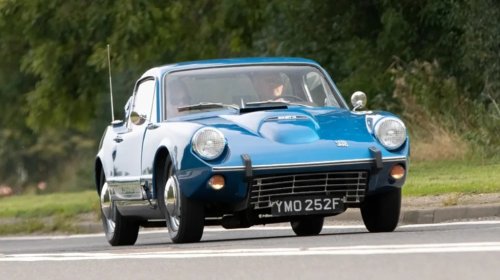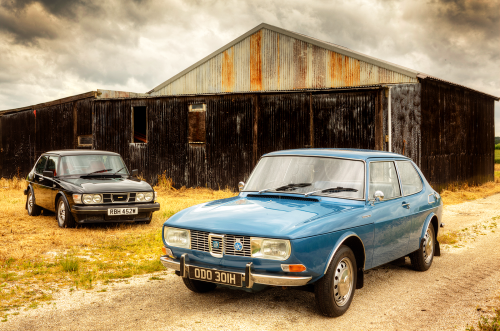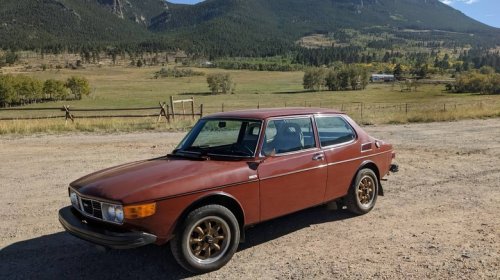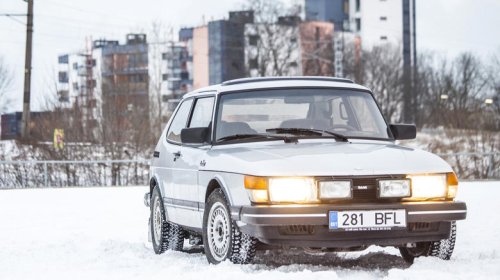


















Even understated cars like the 1966 Saab 96 earned a loyal followingThe 1966 Saab 96 never shouted for attention. Its rounded body, narrow track, and modest power figures looked out of step with the glamorous coupes of the era, yet this quiet Swedish two-door built a following that has proved remarkably durable. That loyalty came from a mix of engineering oddities, rally success, and a sense that the car was designed for thoughtful drivers rather than fashion trends. As collector prices rise and younger enthusiasts rediscover small, characterful machines, the 1966 Saab 96 stands as a reminder that understatement can age far better than flash. Its story connects aviation-inspired design, motorsport grit, and a subculture of owners who still treat these cars as rolling manifestos for doing things differently. The shape of a different idea The Saab 96 was an evolution of Saab’s earliest postwar cars. The model arrived for the 1960 model year as a development of the earlier 93 and, in turn, the original 92, giving the company a continuous small-car lineage that ran for two decades. Enthusiast accounts describe how the 96 started life with the so-called bullnose front and a larger rear window than the 93, visual cues that already signaled Saab’s preference for function over fashion. By 1966 the basic silhouette was familiar: a teardrop profile with a high roofline and a surprisingly narrow body. Period photos from factory material highlight how the car prioritized aerodynamics and interior space rather than low, wide aggression. That shape traced back to Saab’s roots as an aircraft manufacturer that had built fighter jets during World War II, a background later popularized in enthusiast media that link the company’s obsession with airflow and stability to its aviation heritage. Underneath, the 96 used front-wheel drive at a time when many rivals still relied on rear-drive layouts. Contemporary descriptions of Saab 96 engineering emphasize how this configuration, combined with a compact body and light weight, gave secure traction on poor surfaces and in harsh weather. In northern Europe, that mattered more than chrome. Why 1966 matters Model Year 1966 marked a turning point. Company documentation notes that Model Year 1966 began in August 1965, with new colors like dark grey and yellow replacing brown and green, and with The Saab Sport badge evolving as the performance variants matured. A period overview of Model Year changes shows how Saab used this year to refine both aesthetics and mechanicals rather than chase a clean-sheet redesign. Mechanically, the mid-sixties cars were transitioning from the earlier three-cylinder two-stroke engines to more conventional four-stroke units in some markets, yet the 1966 range still captured the essential character of the original concept. A detailed feature on a 1966 Saab 96 describes how the standard 95 and 96 models now shared a four-speed manual transmission and used one carburetor per cylinder on tuned versions, a setup that gave modest displacement engines a surprisingly eager response. For many devotees, 1966 combines the purity of the early body with the usability of the later drivetrain. It sits at a sweet spot where the cars retain their two-stroke charm in some specifications while gaining better gearing, improved interiors, and more refined trim. That balance helps explain why this particular year appears so often in modern features, auction listings, and enthusiast forums. From quirky commuter to rally weapon On paper, the Saab 96 looked like a sensible family car, not a competition machine. Motorsport history tells a different story. Enthusiast retrospectives on the Saab 96 describe it as essentially the 2nd revision of the original 92, built from 1960 to 1980 as Saab’s first true volume success. That continuity allowed engineers to keep refining suspension, brakes, and engines, and rally teams took full advantage. Accounts of the car’s rally record highlight how its front-wheel-drive layout and compact footprint made it exceptionally effective on snow and gravel. Social media tributes to the Saab 96 in point out that its front-drive chassis and durability let it punch far above its weight in events that punished heavier, more powerful rivals. Modern video features reinforce that contrast between appearance and ability. One documentary-style film introduces the 96 as a car that most people would not trust for their daily commute, let alone the world’s toughest rally, before recounting how the model tackled long-distance events with surprising toughness. That clip, hosted on YouTube, frames the 96 as an unlikely hero that used traction and stamina instead of brute power. The rally heritage still shapes values today. A recent post about a $27,000 rally-built Saab 96 describes how such a car sets a new benchmark for what the model is worth in competition trim, and emphasizes how its front-wheel-drive layout and competition history justify the premium. For a design that once blended quietly into Swedish traffic, that is a remarkable second life. Engineering oddities that became cult features Part of the 96’s charm lies in details that initially baffled drivers and later became talking points at cars and coffee meets. The most famous is the freewheel device. In two-stroke form, the car allowed the engine to disengage from the drivetrain when the driver lifted off the throttle, which prevented oil-starved overrun and let the car coast like a bicycle. Modern owners still joke about this trait. One widely shared forum thread on a 1966 Saab 96 describes it as the official car of freewheeling clutches that make a manual transmission car coast like a giant 10-speed bicycle when the driver lifts. That sense of mechanical quirkiness, tied to a real engineering purpose, has become central to the car’s identity. The high-revving nature of the early engines adds to the appeal. Video reviews of a 1965 SAAB 96 2 Stroke describe it as a crazy high revving Swedish legend, a phrase that captures both the noise and the willingness to spin. A popular clip posted in Feb walks viewers through the narrow cabin, column shift, and unusual controls, illustrating how every interaction in a 96 feels slightly different from a contemporary sedan. Even the gearshift layout reflects Saab’s idiosyncratic approach. Later four-speed cars, including many 1966 examples, used a floor or column lever connected to a compact transmission that shared design cues with the earlier three-speed units. A feature on a sleeper stroker build of a 1966 Saab 96 Special explains how these transmissions, shared with the 95 wagon, combined durability with short gearing that kept the engine in its power band. A car for “intellectuals” and individualists Saab’s customer base has long carried a certain stereotype. A widely discussed thread on Saabs and their recalls how the brand once attracted professors, doctors, and financial professionals who valued safety and engineering over status. The 96 helped establish that image in the first place. Contemporary reflections on Saab’s legacy describe the 1966 Saab 96 as a charming and quirky Swedish classic that played a key role in building Saab’s reputation for durability and safety. One enthusiast post on Saab’s character links the model directly to the brand’s later image as a maker of safe, slightly eccentric cars for thoughtful buyers. That perception persists in collector culture. A profile of Marc Vernon of Naperville, Ill, who is described as the 57-year-old creator and host of the Car Guys Report podcast, portrays him as America’s most obsessed Saab collector with a particular fascination for older models. The piece, hosted by the Wall Street Journal, illustrates how the 96 now sits at the center of a niche community that values stories and engineering detail as much as outright performance. How a 1966 Saab 96 feels on modern roads Driving impressions from recent road tests reveal why the 96 still resonates beyond nostalgia. A social media feature on a 1966 Saab 96 retrofitted for regular use describes how the car can be driven at 10/10ths while maintaining the speed limit, a neat summary of its modest power and exploitable handling. That post, shared by Bring a Trailer on Facebook, emphasizes the joy of wringing out a slow car in a world of overpowered traffic. Video reviewers echo that sentiment. A clip on a 1965 SAAB 96 2 Stroke, hosted on YouTube, shows the car hustling along country roads with the three-cylinder engine howling and the driver constantly working the column shift. The reviewer describes how the car rewards smooth inputs and punishes clumsy ones, turning every short trip into a small driving lesson. Modern builds push the concept further. The previously mentioned 1966 Saab 96 Special, profiled in detail by Hemmings, hides a stroked and tuned engine under stock-looking bodywork. The article outlines how the owner preserved the understated exterior while significantly increasing performance, effectively creating a sleeper that still looks like a modest commuter from the sixties. From World War II jets to quirky family cars Part of the 96’s enduring appeal comes from the broader Saab narrative. A widely viewed video on the rise and fall of Saab reminds viewers that the same company that built fighter jets during World War II also built one of the safest, quirkiest, and most beloved ranges of passenger cars. That documentary, hosted on YouTube, draws a straight line from aircraft cockpits to wraparound dashboards and from jet fuselages to teardrop car bodies. For owners, that heritage is more than marketing. A video profile of an American superfan titled Meet America’s Most Obsessed Saab Collector shows how one enthusiast immersed himself in tuning and maintaining old Saabs through trial and error, guided by books and hands-on experience. The clip, available on YouTube, portrays Saab ownership as both a hobby and an education. Online communities keep that culture alive. The official account for Petrolicious on X regularly shares images and stories of vintage Saabs, including the 96, reinforcing the car’s status as a design icon for people who value subtlety and engineering over flash. Regional Wikipedia entries, from Arabic to German, record the model’s production history, while enthusiast pages like the Catalan and Czech Saab 96 and Saab 96 entries demonstrate its global reach. Rising values and renewed respect For years, the Saab 96 sat in the shadow of more obvious classics. That is changing. Posts from dedicated Saab pages highlight how a rally-built 96 recently sold for $27,000, described as setting a new benchmark for what the model is worth in competition-ready form. The SaabPlanet community frames this as validation for a car that long delivered performance and character on a budget. Broader reflections on Saab’s history argue that the brand’s early models, including the 96, deserve more recognition for their innovation and character. A widely shared post titled Saab: A Legacy of Innovation and Character calls the 1966 Saab 96 a charming and quirky Swedish classic that helped define what Saab meant to its fans. That piece, circulated by SaabPlanet, positions the car as a touchstone for the company’s identity. More from Fast Lane Only Unboxing the WWII Jeep in a Crate 15 rare Chevys collectors are quietly buying 10 underrated V8s still worth hunting down Police notice this before you even roll window down