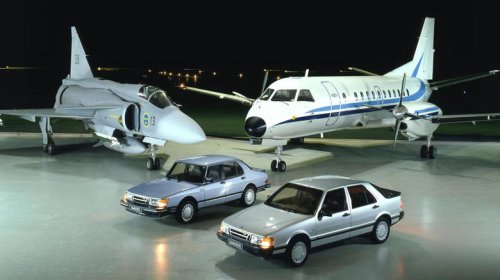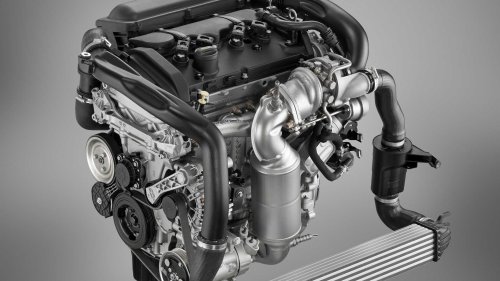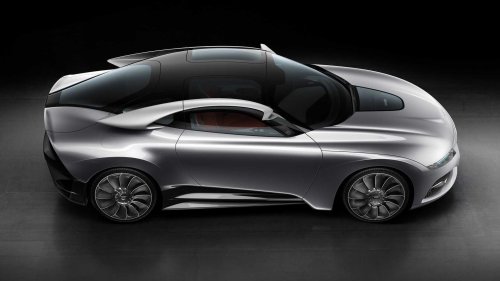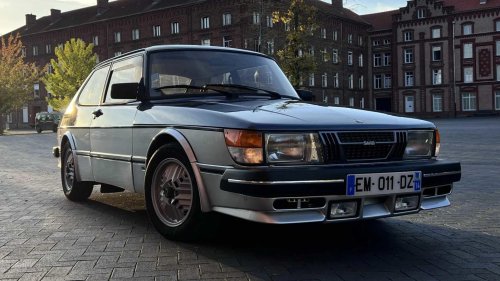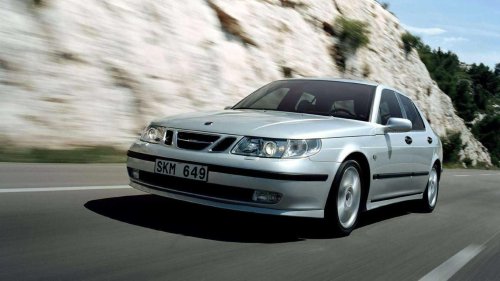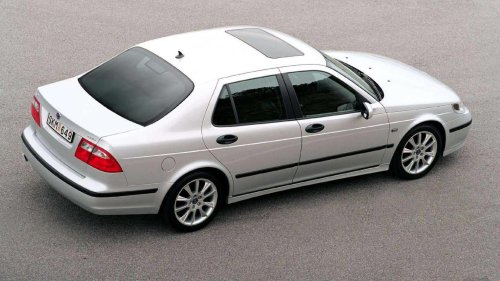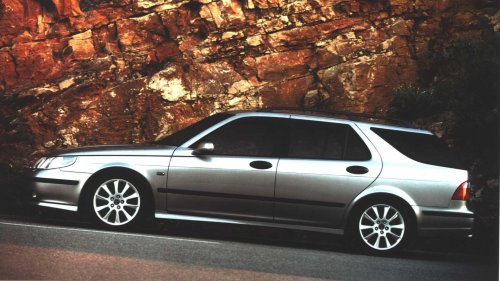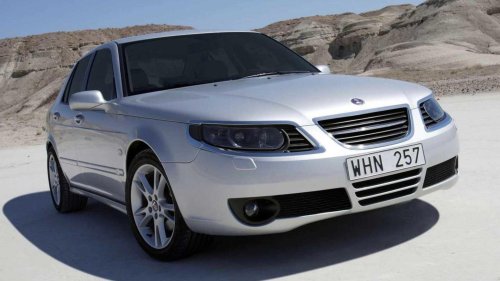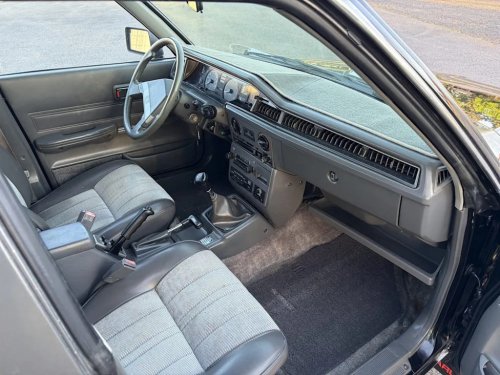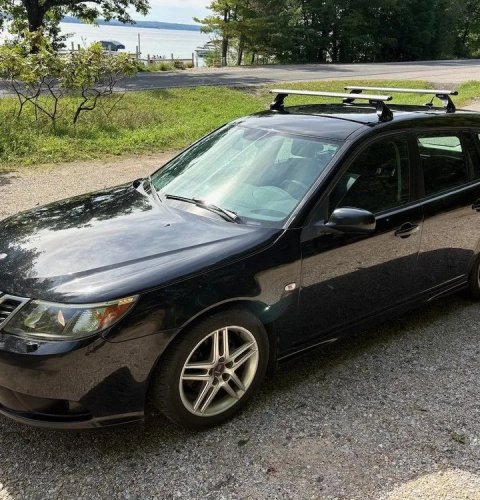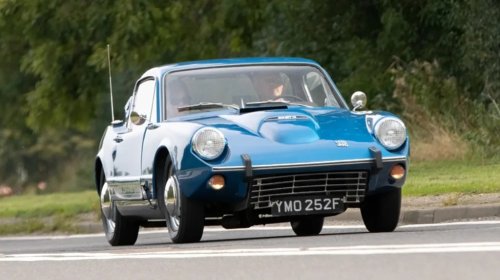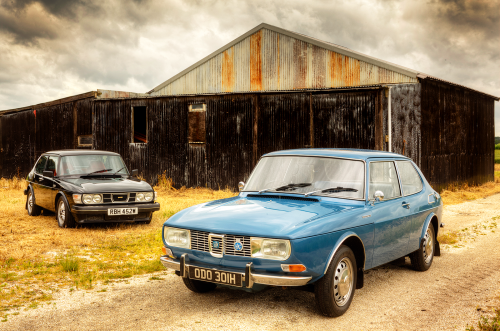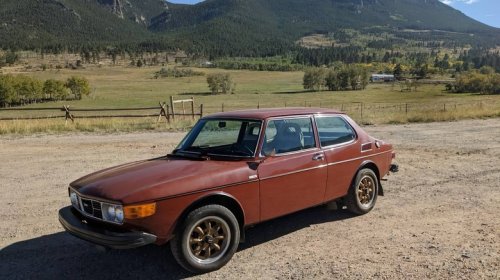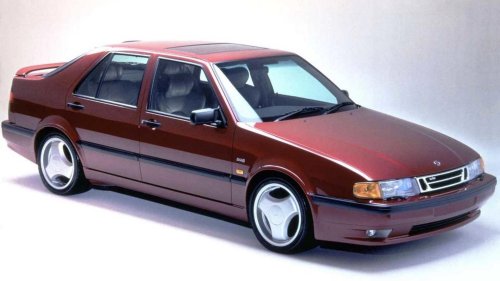
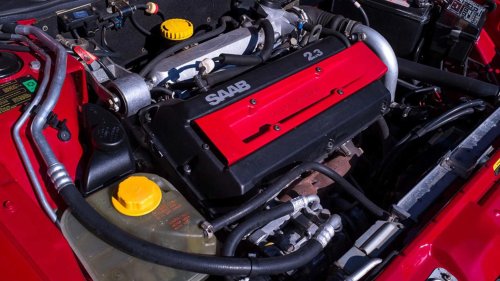
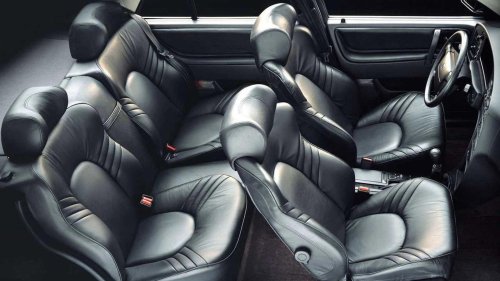
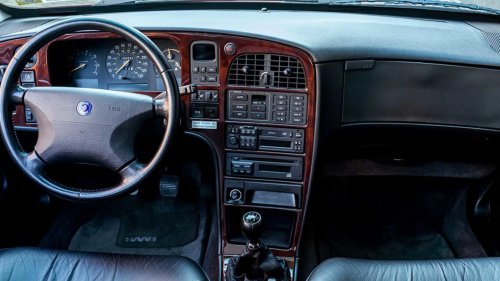
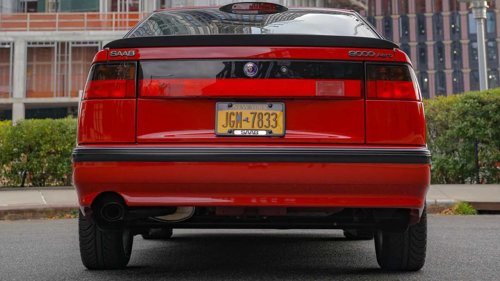
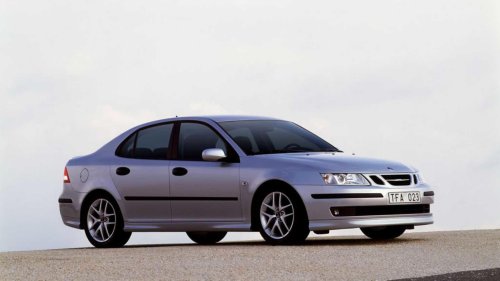
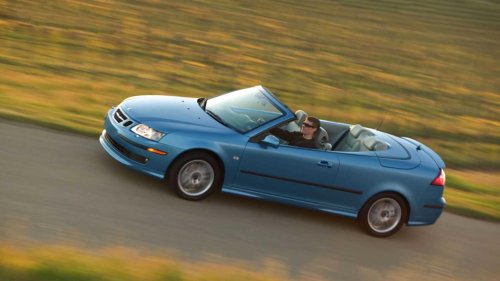
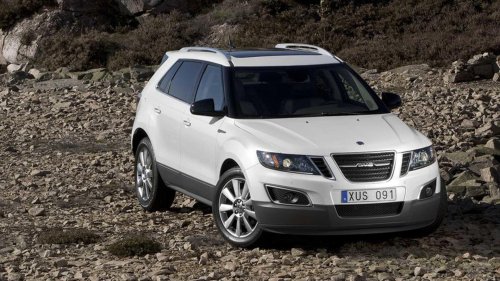
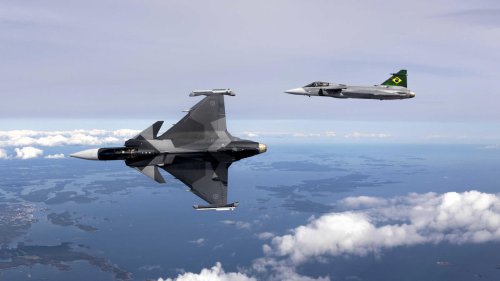



















Swedish company Saab was founded in 1937, building military aircraft. By 1949, it created its first car, and the automotive division soon became renowned for its innovation, safety and turbocharged engines. By the '80s, Saab introduced the 9000 saloon. It was on sale in the USA, with the 9000 Aero version, powered by a 225 hp, turbocharged engine, considered one of the fastest saloons when it was introduced in 1993. At the same time, it was also one of the most fuel efficient large sedans on the market.But, as fast and as accomplished as the 9000 Aero was, Saab sold less than 4,000 cars over a four-year period. This is the story behind the Saab 9000 Aero's failure to achieve lift-off. And why Saab automobiles eventually came completely undone, and is no more. A Mixed Bag Of Sedan SaabThe story of the Saab 9000 kicks off in 1985, when it first went on sale in European markets. It was a bit of a mixed bag of engineering. It shared its platform with the Alfa Romeo 164, the Fiat Croma and the Lancia Thema. This was done to save expensive development costs, a major expense for a relatively small automaker like Saab. Saab splashed a bit more on the design of the 9000... it was done by Italian icon Giorgetto Giugiaro, who would later go on to be awarded the designer of the century accolade.The 9000 went on sale in North America in 1986, initially powered by a two-liter naturally aspirated four-cylinder engine, as well as a turbocharged two-liter with 165 hp in the game. Up against the might of the American automakers, as well as the top German offerings, the quirky 9000 had a tough time in the US market. But in 1993, that was all set to change. Saab introduced the high-performance Aero version in the North American market. The Aero model came with model-specific 'Super Aero' 16-inch wheels, a lowered ride height to improve handling, as well as a special body kit.Bring a Trailer This version was powered by a 2.3-liter, turbocharged four-cylinder engine, producing 225 hp and a very handy 258 lb-ft of torque in the model fitted with a five-speed manual gearbox, driving the front wheels. It was the most powerful vehicle Saab had made up to that point, and it brought a new level of efficiency to the high-end saloon market. The engine, fitted with a Mitsubishi turbocharger, not only provided excellent straight-line performance, but also rewrote the fuel efficiency rule book for the luxury saloon segment. Interestingly, the Aero version fitted with a four-speed automatic gearbox was tuned to 200 hp. The manual version was clearly the one to go for. Still, sales remained pretty dismal. So Why Did The 9000's Wheels Come Off? Saab The Saab 9000 Aero was fast, able to reach a top speed of 150 mph. It was fuel efficient, achieving around 30 MPG if the driver took some care, and did not nail the turbocharged engine at every opportunity. It handled really well too, with the lowered sports suspension tailor-made for enthusiastic motoring. It looked pretty cool too, with the distinctive body kit and the smart alloy wheels.The cabin was a delightful place too. Well, mostly. The leather-trimmed seats were renowned for offering the Saab driver and passengers a plush and comfortable ride. The Saab 9000, being a Saab, had some quirky design features too. It came with a trip computer, as well as a lot of buttons and panels and switches. Saab's aeronautical engineers, designing fighter plane cockpits by day, clearly had some influence on the cabin design, possibly swapping some ideas in the staff canteen with their automotive colleagues. As a result, the center instrument panel is angled towards the driver. A bit like a fighter jet.Bring a Trailer In the mid-Nineties, the 9000 Aero represented a substantial performance bargain. It retailed for around $39,000. You could have yourself a BMW 525i for about the same money. The BMW's 2.5-liter straight-six engine had 168 hp and 184 lb-ft on tap, enabling the BMW to reach 60 mph in about 9.5 seconds... considerably slower than the Aero's 6.6 seconds.Which begs the question: why did Saab not sell them by the hundreds of thousands? It seems the 9000 was just not quirky and cool enough to compete with America's Big Three and the German luxury saloons. Perceptions in the 1990s dictated that Saabs were the reserve of 'nerds.' 'Cool' customers also didn't seem to appreciate the platform sharing and somewhat generic, boring styling. It was just not in the same league of cool as its predecessor, the quirky and unique Saab 900. The Saab 900 had proved quite the popular niche model in the USA.Bring a Trailer To add further insult to injury, the 9000 Aero was already quite dated when it arrived on the US market. So it was also on the back foot against more current and up-to-date saloons. In short, the Saab 9000 was always facing an uphill battle in the USA, no matter that delightful 150 mph top speed. By 1998, the 9000 Aero was discontinued. A total of 3,850 Aero cars were sold in North America. Today, you can pick up a 9000 Aero for less than $10,000.As is the case with 30-year-old cars, there are some 9000 Aero examples that are in great condition, and others, not so much. From a mechanical point of view, the Saab 9000 is normally pretty much bullet-proof if it is maintained properly. Specific points to look out for on the 2.3-liter turbocharged engine with high mileage are oil leaks, head gasket issues, cooling problems and turbochargers that give up the ghost. These potential problems are more prevalent in cars that do not get regular oil changes and maintenance. You can pick a Saab 9000 Aero high miler up for as low as $3,800, while a pristine example will set you back as much as $30,000. Saab's Tribulations Continues In The 2000s SaabGeneral Motors (GM) acquired a 50% stake in Saab in 1990, and a decade later, it owned Saab's entire automotive division. And if the nineties proved to be a tough old time for Saab, it only got a little bit better for the brand after 2000.Brand engineering was a big thing in the 2000s. Instead of taking a hint from potential customers who gave the 9000 Aero a skip, and disgruntled 900 fans that bemoaned the fact that the 9000 was not a real Saab, General Motors decided that brand engineering was exactly the way forward for the struggling brand. In doing so, GM planned to save on development costs, ultimately resulting in more profits. Enter the new 9-3 range, based on an existing GM platform shared by the Opel Vectra and Chevrolet Malibu, and introduced internationally in 1998. This 9-3 sedan joined the larger 9-5 sedan, which had effectively replaced the 9000 in 1997.Saab Well, things did take a slight turn for the better for Saab. The Saab 9-3 proved to be a cool niche model for customers who are into Scandinavian efficiency and quirky technology (and it is pretty efficient, with plenty of quirky innovations). The 9-3 convertible was also a cool fashion statement, and GM sold quite a few of those. During the mid 2000s, Saab sold more than 20,000 cars per annum. But the brand engineering curse was about to strike again. The End Is Nigh... SaabBy 2010, GM had decided to jump on the booming SUV gravy train, creating the Saab 9-4X. The medium-sized, crossover SUV featured some Saab styling lines, which was a good thing. It was also based on the same platform as the Cadillac SRX, as well as GM engines, but came with a unique suspension set-up, and some unique Saab touches like the dashboard that is angled towards the driver (the fighter plane's influence again).But ultimately, just over 800 cars were made in GM's Mexico plant before Saab's fortunes hit a brick wall at 100 mph. In the midst of recovering from the bankruptcy process brought about by the 2008 international financial crisis, General Motors halted production and put the Saab brand up for sale. A bid by Dutch automaker Spyker eventually fell through after the company could not secure the required funding. Saab essentially collapsed, resulting in 3,000 employees losing their jobs. Saab Automobile AB was no more, and the brand was relegated to the 'oh-what-could-have-been' folder.Saab For the record, Saab AB, the original aeronautical company, is still going strong, specializing in the aerospace and defense sectors. Today, Saab, part of a unique club of car companies that also build aircraft, produces some of the finest fighter planes on the planet, submarines, advanced weapons systems, ground combat systems, and much more. The original, innovative spirit of Saab lives on.