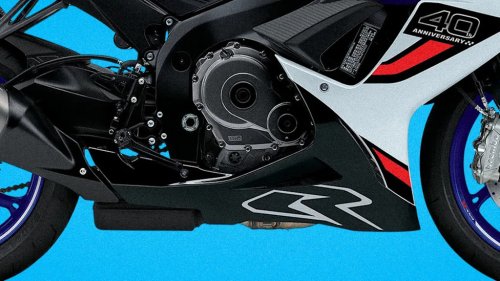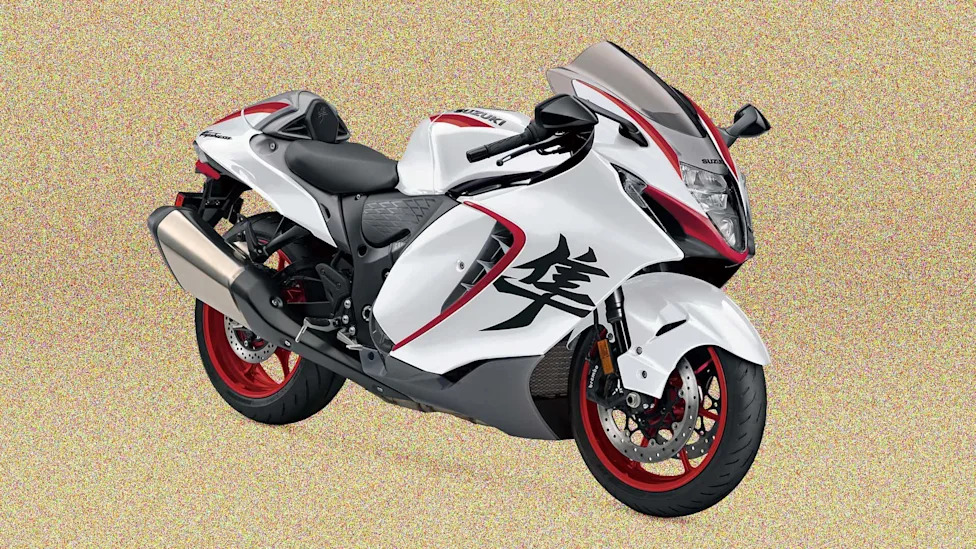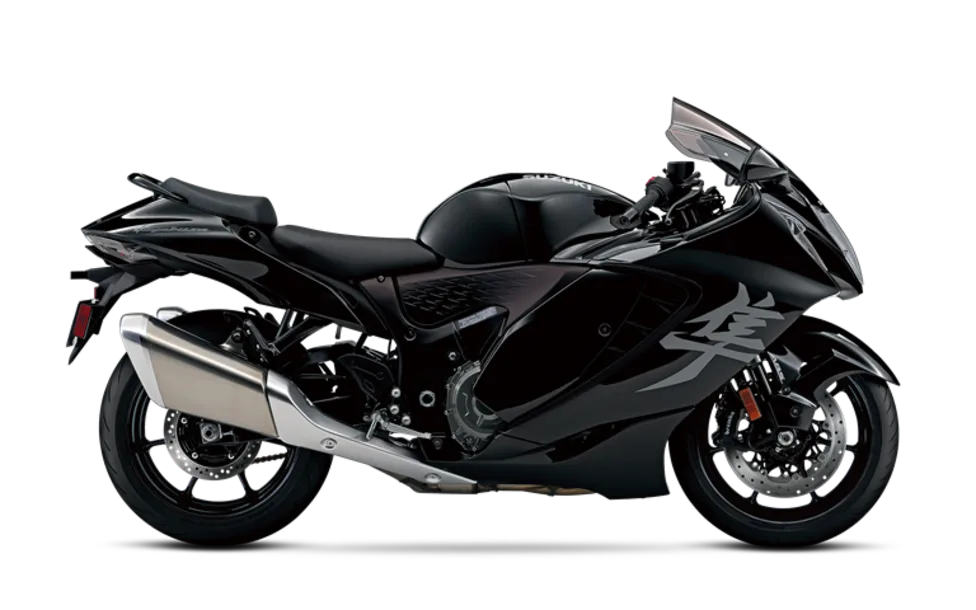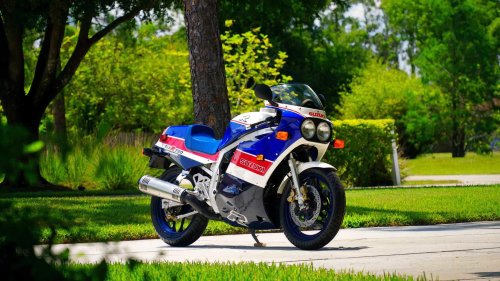
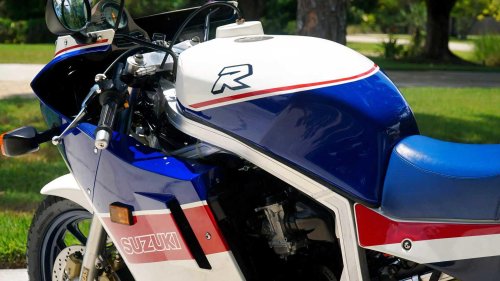
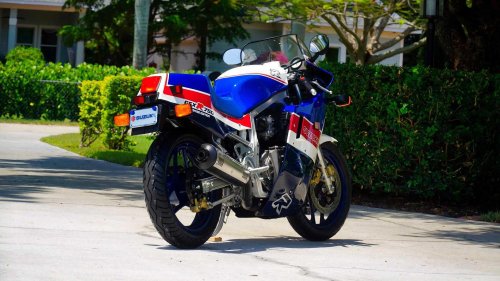
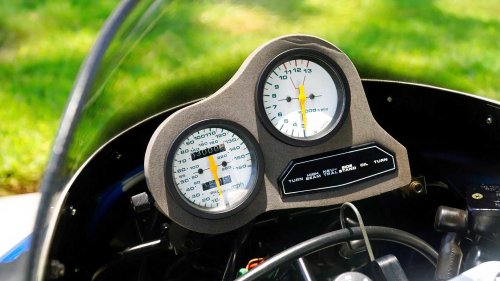
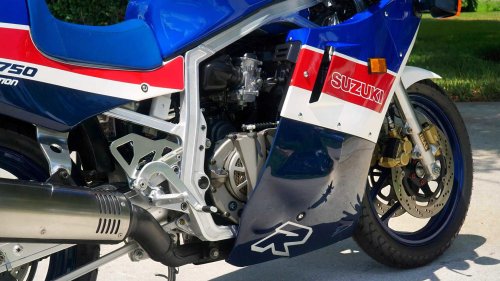
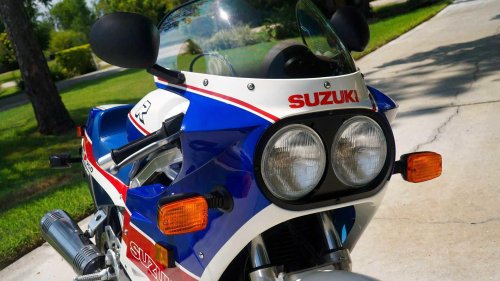
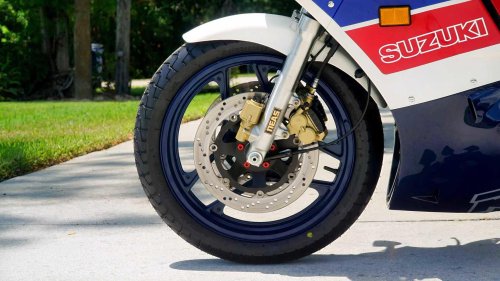
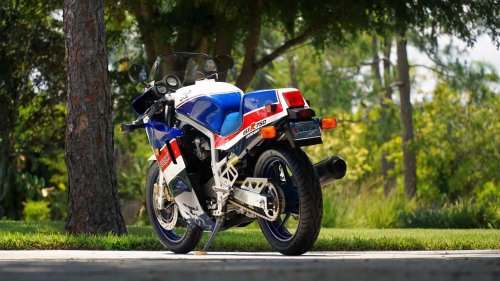
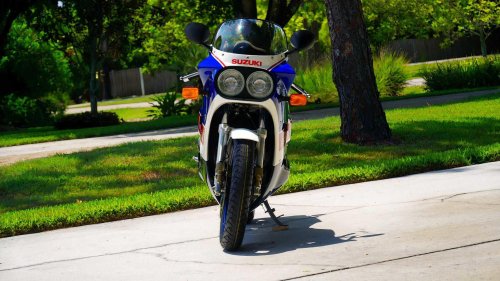


















There are motorcycles that enter a segment, and then there are motorcycles that arrive like they’ve been sent back in time to embarrass everything parked next to them. In the mid-'80s, one particular Japanese sportbike did exactly that. It looked leaner, sharper, and more serious than the machines it lined up against, and it carried itself with the sort of race-bred confidence that made a lot of established rivals seem slightly overdressed for the occasion.The Suzuki GSX-R didn’t become valuable because people suddenly got sentimental about circle headlights, flat bodywork, and neon-era graphics. It managed it because it changed the sportbike formula, left a mark that still shows up in motorcycles decades later, and survived long enough for collectors to realize they were essentially looking at the blueprint. Before The Money, The Suzuki GSX-R Changed The Rules Bring A TrailerWhen the GSX-R750 landed in 1985, Suzuki brought out something that felt unusually close to a race machine with mirrors attached, which was the whole point. The bike drew heavily from endurance-racing thinking, which meant lightweight construction, a focused chassis, and an engine package that chased performance with the kind of intensity manufacturers usually saved for competition specials.At roughly 395 lbs (dry weight), the GSX-R750 undercut major rivals by a huge margin, and that gave it a completely different character on the road. It felt smaller, tighter, and more alive, as if Suzuki had figured out that going fast gets a lot easier once you stop hauling around extra pounds for no good reason. Everyone Else's Problem Bring A TrailerSuzuki paired the bike’s lightweight approach with oil-cooling and an aluminum frame, creating a package that felt closer to the paddock than the parking lot. This was a motorcycle built around the idea that race-bike values could shape a production machine from the very beginning. Once that happened, the rest of the class had a problem.All in, the GSX-R750 established a formula that became hugely influential: a fully faired, high-revving inline-four that leaned on low weight, sharp responses, and proper performance credibility. Today, that layout feels familiar because generations of sportbikes have followed it, but the original GSX-R helped make that familiarity possible. Back then, it was the new kid who showed up, ran the table, and made everyone else start rethinking their homework. The Original GSX-R Is Worth A Chunk More Than When It Was New Bring A TrailerIn 1986, Suzuki priced the GSX-R750 at about $4,499. Today, a concours-condition '86 GSX-R750 carries a valuation of $24,600, while one in excellent condition sits at $14,600, and even a good-condition example lands around $8,800. Any way you slice that, the original GSX-R has crossed far beyond old-bike territory and into the realm of genuine collector machinery.It's interesting to see how the market now views this bike. People are no longer pricing it like a worn-out sportbike from the Reagan era with a cool tank logo and a questionable owner history. A pristine first-generation GSX-R now commands real money because the collector world finally treats it as one of the foundational performance motorcycles of its era. That’s a very different conversation from the one these bikes were part of 15 or 20 years ago. Preservation Gets You Paid Bring A TrailerOf course, that doesn’t mean every rough early GSX-R is a rolling treasure chest. Condition still does the heavy lifting, and the spread between fair, good, excellent, and concours examples makes that crystal clear. The money is in the right bikes, the well-kept survivors, the ones that haven’t been modified into oblivion or punted through decades of hard use. That’s how collectibles work. History gets you noticed, but preservation gets you paid.There’s also something deeply funny about this if you picture the original buyer. Back then, this was the sort of machine you bought because you wanted the closest thing possible to a race bike without needing a van full of spares and a team shirt with your name on it. Nobody was wheeling one home in 1986 thinking, "This should really mature nicely as an asset." Yet here we are, with clean originals now treated with the kind of care once reserved for much older classics and family heirlooms. The bike that encouraged mischief has become something people discuss with a lot of importance. The Early GSX-R Had The Right Kind Of Myth-Making Hardware Bring A TrailerA big part of the GSX-R’s lasting appeal comes from how honest its hardware was. The whole bike followed the simplest performance rule in the book: remove weight, sharpen the chassis, and let the engine do the rest. Suzuki’s decision to use oil-cooling instead of water-cooling fit that thinking perfectly. Water-cooling would’ve added more complexity and more mass, while oil-cooling helped keep the package lighter and more focused. For a bike like this, that was central to the character.The rest of the machine carried the same no-fat attitude. The aluminum frame was dramatically lighter than a comparable steel setup, and the engine itself was designed to be compact and efficient, right down to its race-minded internal thinking. This was a bike that wore its priorities on its sleeve. It wanted to be lighter, faster, and more responsive than the competition, and everything from the frame to the cooling system to the overall packaging served that goal. You can see why enthusiasts still talk about it with the sort of reverence usually reserved for first albums and undefeated seasons.Then there were the numbers, and they still hold up as proper bragging rights for the mid 1980s. Early GSX-R750 models were making 100 horsepower, running to roughly 146 mph, and covering the quarter-mile in about 11.2 seconds. That gave the bike serious credibility on paper and even more on the road. Scarcity, Survival, And Originality Are Doing The Heavy Lifting Now Bring A TrailerIf the GSX-R had only been historically important, it'd still be an interesting collectible. What pushes values harder is the fact that early bikes didn’t always have an easy path to old age. These were machines built to be ridden quickly and enthusiastically, often by owners who were far more interested in the next corner than the next caretaker.The early aluminum frames, while impressive and light, weren't exactly ideal for a lifetime of tumbles and rough treatment. Engine casings could be damaged in a drop, and original bodywork has become increasingly difficult to source. That creates the sort of natural attrition collectors understand immediately. Used The Way It Was Meant To Be Bring A TrailerThe original GSX-R was built to be hammered, revved, leaned over, and occasionally scared on. A lot of them lived exactly that life, which is great news for the legend and less great news for long-term preservation. When a machine’s cultural role involves being the fast, edgy thing everyone wants to ride hard, clean survivors don’t stay common for very long.So originality has become a huge part of the value story. The right early GSX-R, especially one that still has the details collectors care about, now stands apart from rider-grade examples in a big way. It’s the simple truth that many early bikes got used the way they begged to be used, and the ones that escaped decades of wear, modifications, and bad luck are now in a very different category. Suzuki’s Own Anniversary Lap Proves The GSX-R Is Now Bigger Than A Used Bike Bring A TrailerIn 2025, Suzuki celebrated the GSX-R line’s 40th anniversary, and that alone tells you how important this model family has become. By the end of June 2025, global GSX-R production had surpassed 1.2 million units. That's the legacy of a dynasty, and the original GSX-R750 sits at the root of all of it.The company points back to the original GSX-R750 as the model that established the GSX-R spirit through race-derived engineering, low weight, strong performance, and the kind of durability needed for real competition. In other words, Suzuki treats the first bike like the cornerstone. That's how collectors tend to think, too. Once the manufacturer itself makes clear that the first chapter defines the entire story, it becomes a lot easier to understand why the market pays attention. The Old-Fashioned Way Bring A TrailerThe original GSX-R is worth more than when it was new because it earned its place the old-fashioned way. It changed the rules, delivered the goods, survived a hard life in smaller numbers than people expected, and then watched the world catch up to what it had been all along. Strip away the dollar figures and that truth still stands. The money just confirms it.Sources: Suzuki, Motorcyclist, Hagerty.