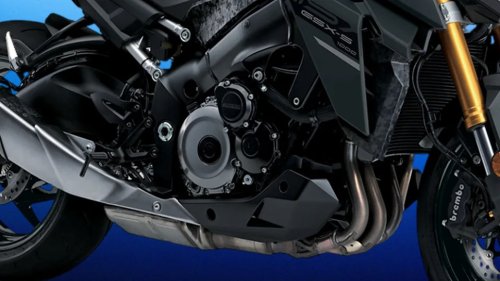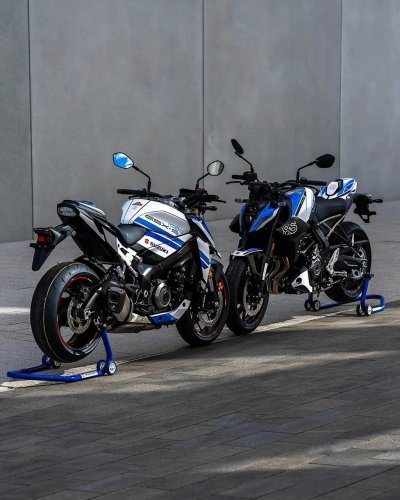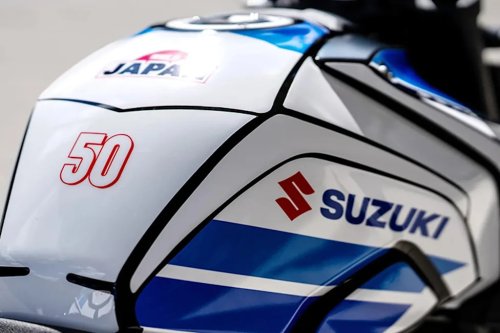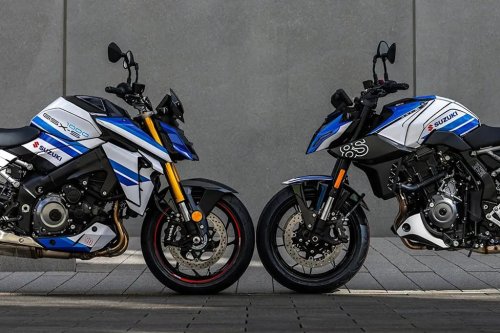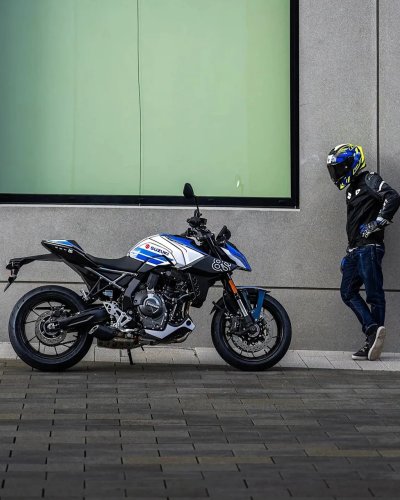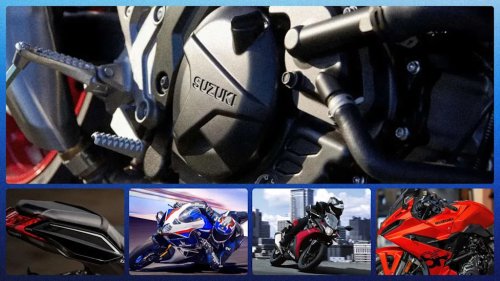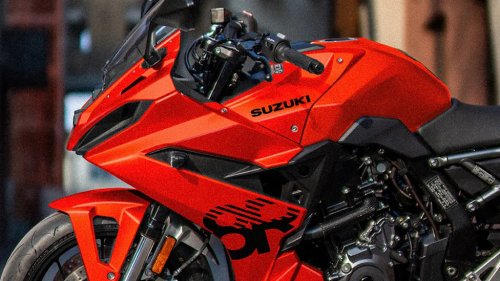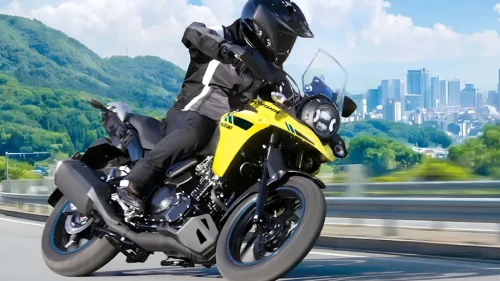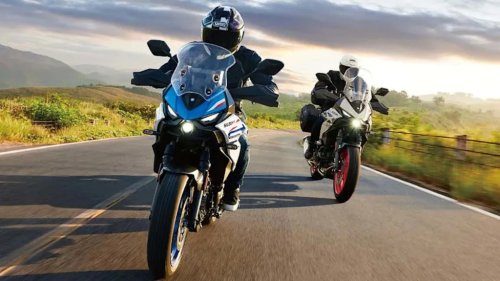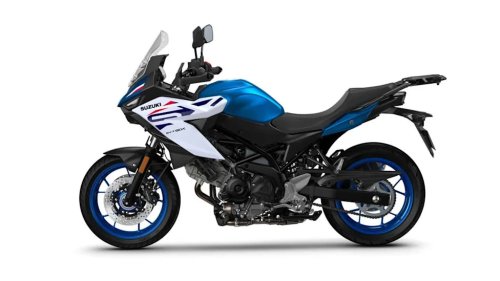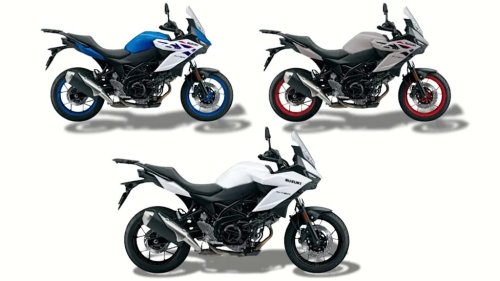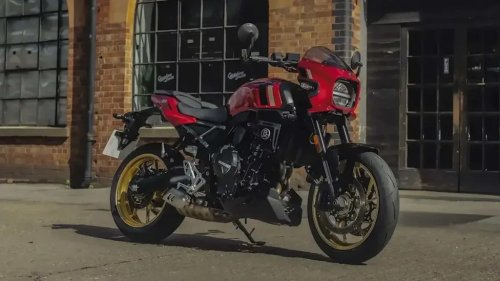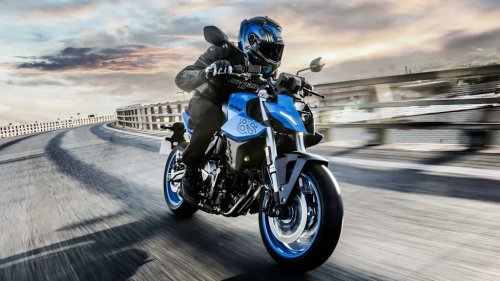
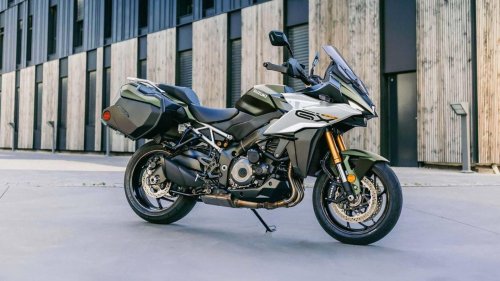
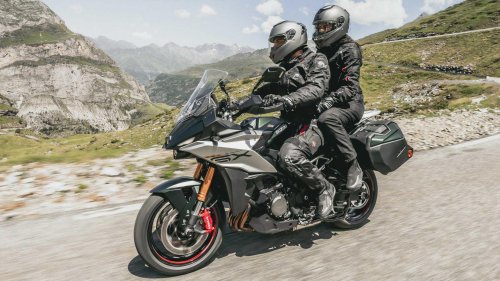
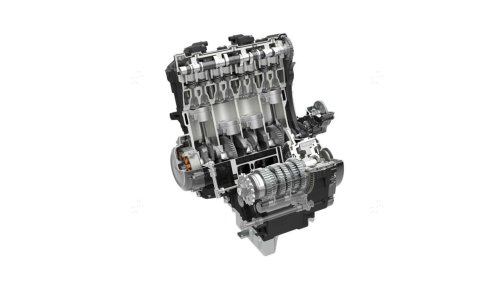
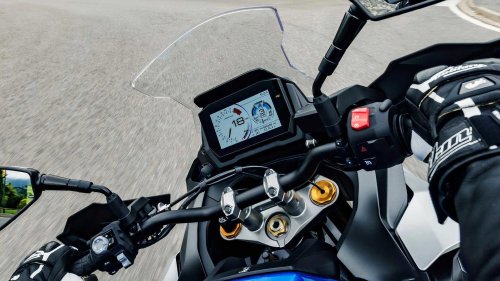
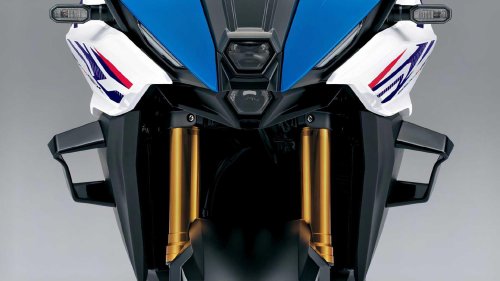
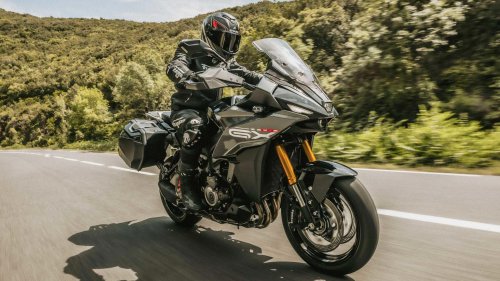
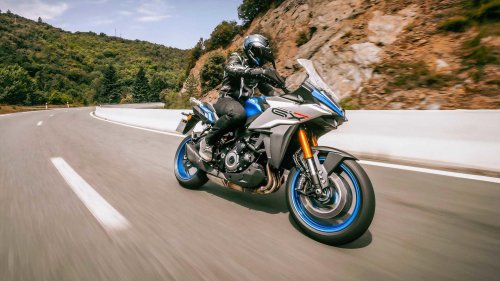
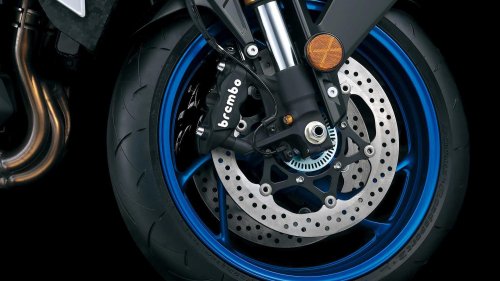
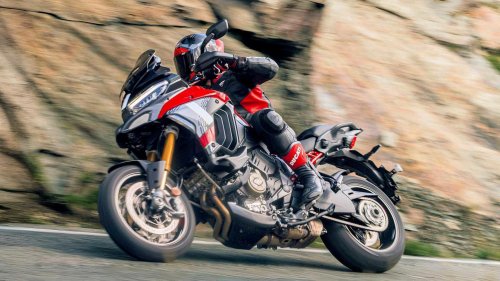
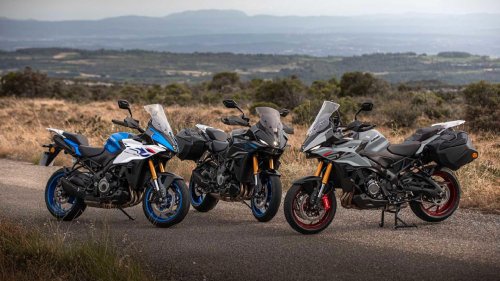



















The sport-touring motorcycle segment has a pricing tier where Italian badges command a significant premium over Japanese counterparts. Part of the reason is that this niche breed of ADV-styled, sport-touring machines, lately referred to as “crossovers”, have seen a more aggressive influx by the Japanese compared to European manufacturers. While it may seem like a game of catch-up, the Japanese have been quietly bumping up the tech and bringing down the pricing at the same time.What this usually means is that a large pricing gap either buys something exotic or simply gets you a cheaper replacement. Working out which one to choose requires looking at what actually determines the quality of tech being translated over distances, rather than peak output figures, which are fairly within a level playing field and don’t justify a massive price gap. What Riders Actually Pay For When A Sport-Tourer Costs More Than $30,000 DucatiPremium pricing in this segment generally rests on four pillars that include electronic suspension, chassis hardware with a credible performance lineage, an electronics suite deep enough to cover every riding condition, and luggage that comes in the box. In essence, this mix creates a luxury sport-touring machine, and when all four are present, a high asking price is defensible.BMWWhen only one or two are present, and the rest is a premium tax on badge value, the math starts to look askew. The long-distance rider evaluates a bike by what it asks of them throughout the ride and, at the end of the day, rather than what it promises at the start, will find that worth scrutinizing. Reliability is necessary, too. The 2026 Suzuki GSX-S1000GX+ Delivers Premium Ride Quality For Thousands Less Than Ducati SuzukiSuzuki built the GSX-S1000GX+ around the same GSX-R1000-derived 999cc engine and aluminum twin-spar frame that underpins the GT+, then added V-STROM 1050 ergonomics, 5.9 inches of electronically controlled suspension at both ends. It’s worth mentioning that this is the first semi-active electronic suspension system Suzuki has ever fitted to a GSX-S motorcycle. The result, the GSX-S1000GX+ at $18,749, is positioned as the brand's Luxury Crossover flagship. New for 2026 are the addition of aerodynamic winglets on the lower fairings, a detail that reinforces the bike's identity without changing its fundamental positioning. A GSX-R Engine Tuned For Touring Range, Not Track Sessions Suzuki CyclesThe 999cc DOHC inline-four carries a 73.4 x 59.0mm bore and stroke with a 12.2:1 compression ratio that helps produce 150 hp and 78 lb-ft of torque. But the figure that matters more for sustained distance riding is where the torque curve sits. Suzuki tuned this engine specifically to shine in the mid-to-high-RPM range where sport-touring pace lives in the real world, which means roll-ons at highway pace are clean and immediate without needing a downshift. Smoothness is another key factor for touring, and the inline-four has always trumped that department, but sadly, its days are numbered.SuzukiCompared to the prior GSX-S1000 generation, revised camshaft profiles reduce valve lift and overlap, balancing emissions compliance with rideability rather than sacrificing one for the other. The six-speed close-ratio transmission carries its GSX-R1000 lineage in the vertically staggered shaft layout, and the Suzuki Clutch Assist System increases clamping force under acceleration while acting as a slipper clutch on corner entry. Tourers will appreciate both, though the one they’ll notice more is the light lever pull that survives a full day in traffic without building fatigue. Suzuki Advanced Electronic Suspension Sets A New Benchmark For The Brand Suzuki CyclesThe SAES system controls damping at both ends through four settings, including a customizable User mode, each linkable directly to a Suzuki Drive Mode Selector Alpha (SDMS-α) system. So the suspension character changes with the riding context. Front and rear travel each measure 5.9 inches, more than the GT+'s 4.7-inch front and 5.1-inch rear, and that additional stroke gives the GX+ composure over surface changes that the GT+ runs out of travel to absorb.SuzukiThe SRAS program operates a layer above the damping settings. When it detects cobblestones or uneven surfaces, it activates Suzuki Floating Ride Control and simultaneously softens throttle response, then disengages when the road smooths out. On a multi-day run where road quality varies, the GX+ automatically switches the ride control, removing the constant adjustments by the rider and the decision-making fatigue that compounds over time. Electronic rear preload adjustment with an Auto mode that detects passenger weight changes and compensates automatically, completing the suspension package. And by the way, these features don’t require a higher trim to unlock; they come standard at the base price. An Electronics Suite That Works In The Background, Not Around The Rider Suzuki CyclesSDMS-α offers three power modes, each calibrated for a distinct riding context, from aggressive canyon running to loaded two-up touring. Smart TLR Control bundles traction control across seven selectable levels with a Lift Limiter and Roll Torque Control, the last of which is a Suzuki first that monitors roll movement and wheel speed data to predetermine optimal power output mid-corner before the chassis exceeds its envelope. Cornering ABS and the Slope Dependent Control System that manages rear wheel lift under downhill braking round out the safety layer.Smart Cruise Control holds speed on the highway and, critically, stays active through clutchless upshifts and downshifts via the bidirectional quickshifter, so a long freeway stretch requires even less input than a conventional cruise control setup. The 6.5-inch TFT display handles all of this tech alongside the Suzuki mySPIN smartphone connectivity for maps, calls, and music. So, a whole host of safety tech that actually keeps the rider engaged without distractions, leaving them to enjoy the ride. Ergonomics And Standard Equipment Justify The Touring Label Suzuki CyclesSuzuki set the handlebar grips 2.16 inches closer to the rider than on the GT+, with a 0.55-inch wider grip placement, positioning the rider in an upright posture. Floating handlebar mounts and rubber footrests reduce vibration transmission at every contact point. The 33.3-inch seat height accommodates a wide range of inseam lengths, while the seat's flat top surface maximizes contact area for comfort over sustained stints.SuzukiStandard knuckle covers protect the rider's hands from the elements while the 6.8-gallon side cases mount on a sub-frame designed with them in mind. A 5.0-gallon fuel tank clears a comfortable range between fuel stops. Again, all included in the base specification, and if you can see the pattern, the value proposition for the GX+ keeps stacking. So is there a catch? The 2026 GSX-S1000GX+ Against The Ducati Multistrada V4 Pikes Peak DucatiThe Multistrada V4 RS at $39,995 is a serious machine, but newer and tries out the Panigale-derived V4 for touring purposes. On the other hand, it uses components that are already doing duty on the proven Multistrada Pikes Peak. With its 1,158cc V4, the Pikes Peak produces 170 hp and 91 lb-ft of torque, both more than the GSX-S1000GX+. It rides on 48 mm Öhlins Smart-EC 2.0 forks and an Öhlins TTX36 rear shock, both fully adjustable electronically. Topped off by 17-inch Marchesini forged aluminum wheels. So what the colossal $15,246 gap buys is a specific tier of hardware, forged rims over cast, Öhlins over Showa suspension, and the street cred of an Italian V4.SuzukiSure, those are worthy distinctions for a rider whose measure of ownership is componentry provenance, heritage, and the exclusivity of an exotic. But for the rider whose measure of a sport-tourer is by what it asks of them over two full tanks of fuel, the GX+ delivers on every front, just at a value proposition. It packs similar high-tech adaptive electronic suspension, a proven Suzuki K5 engine tuned for sustained mid-range delivery, a full electronics suite, integrated luggage, and ergonomics drawn from a bike designed around long-haul comfort. So, the difference between the two isn’t a question of capability; that margin would be much smaller, but the answer lies in how much of the difference the rider would actually be able to extract and then quantify the thousands extra.