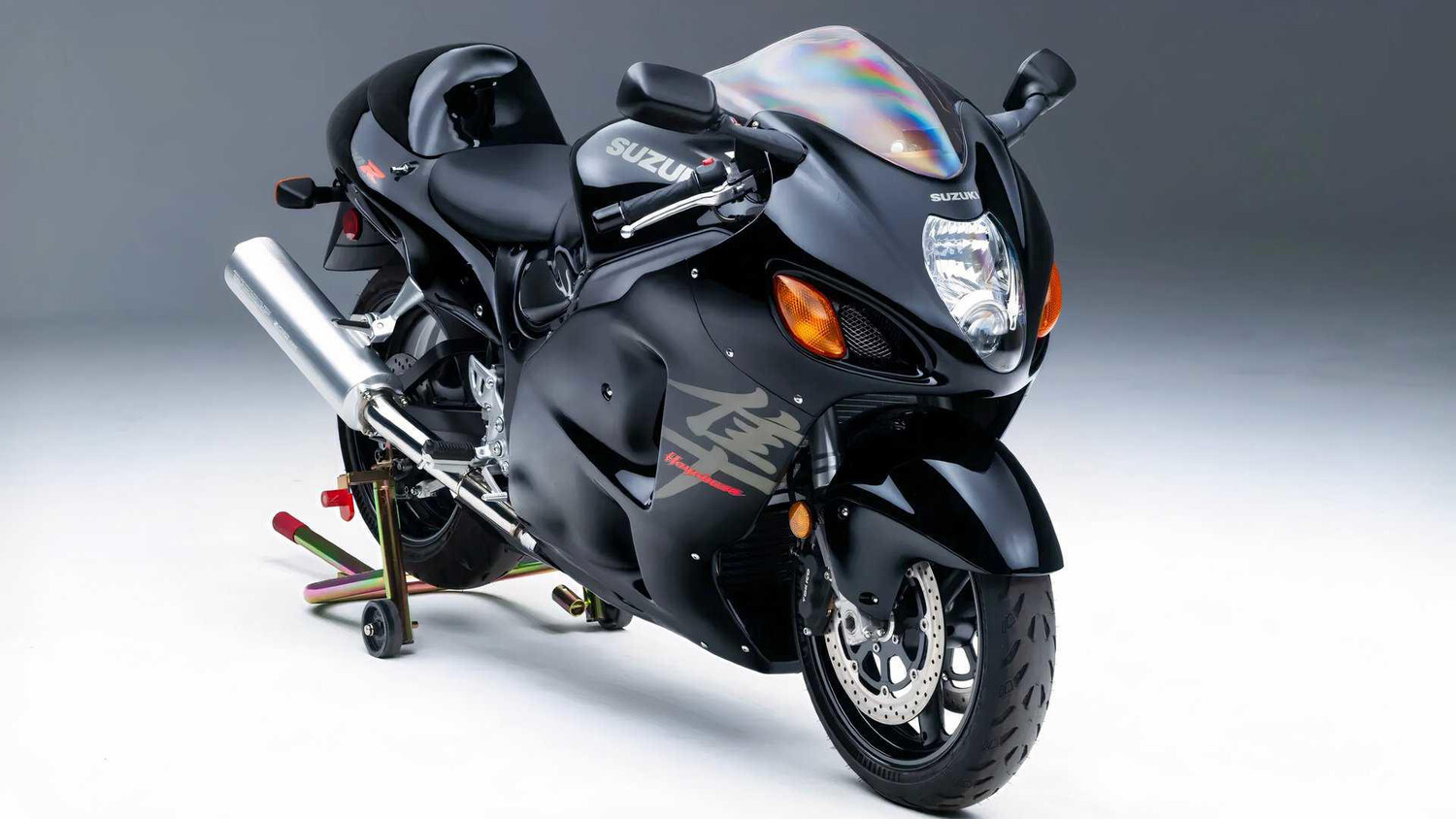
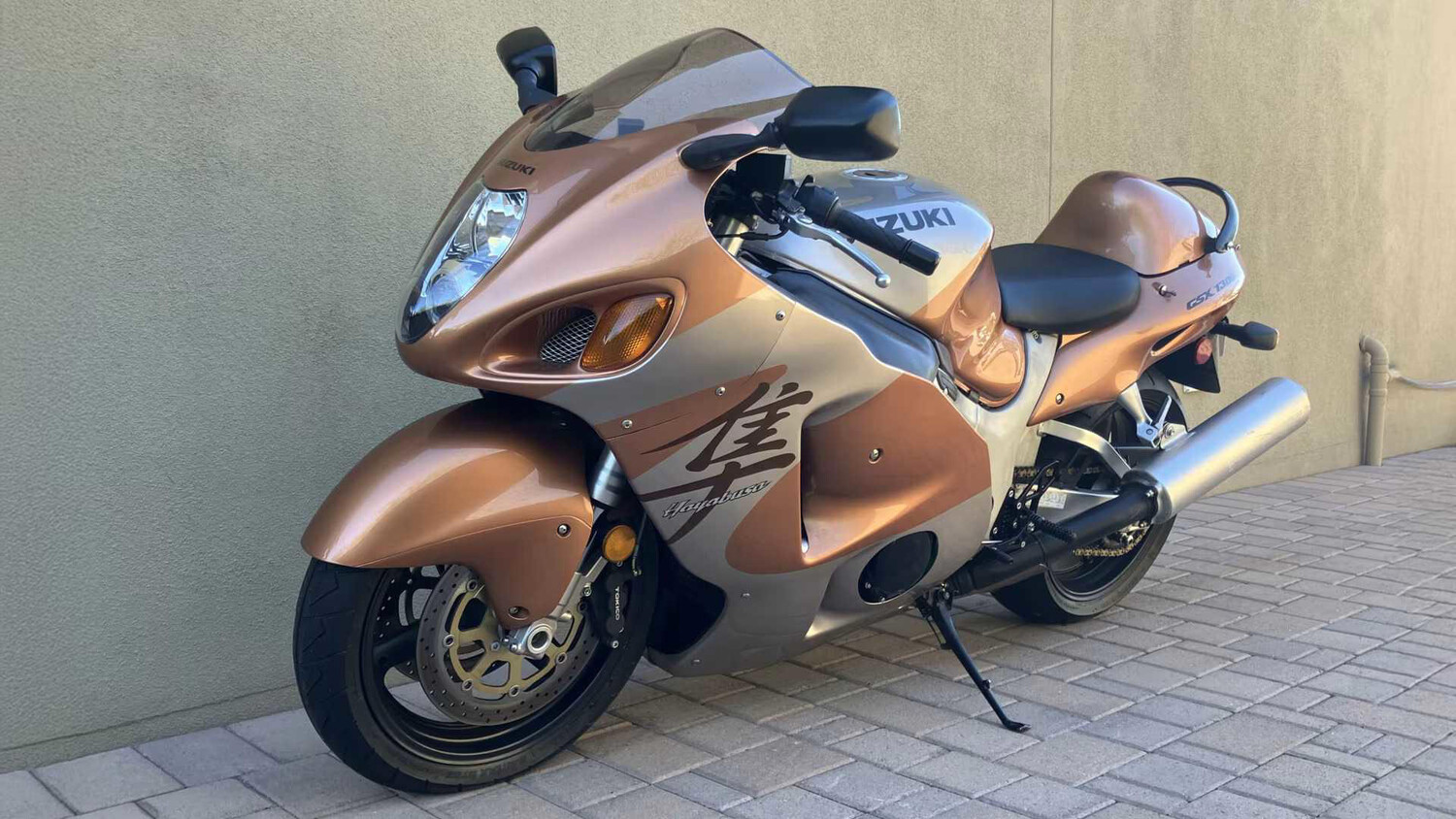
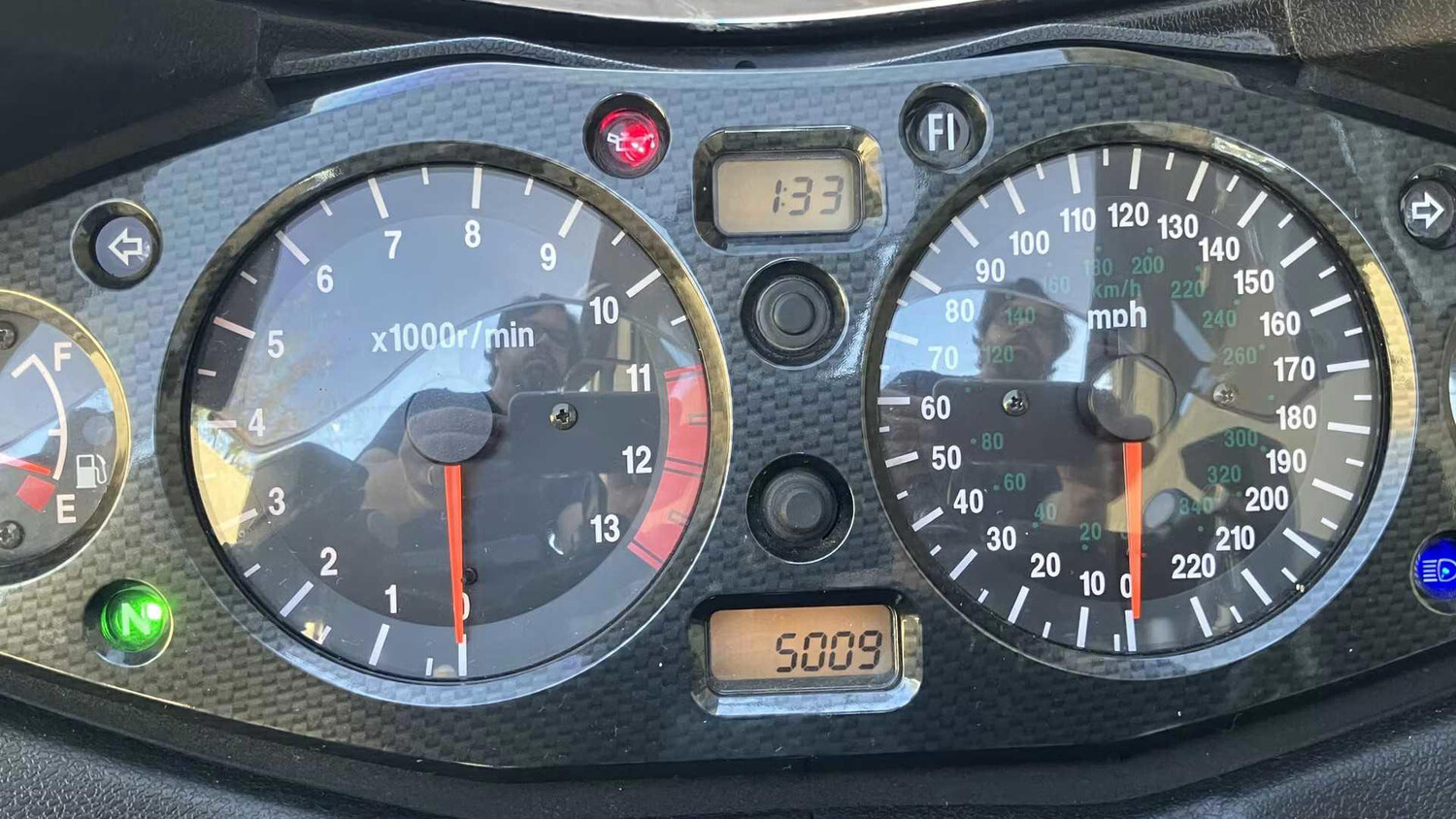
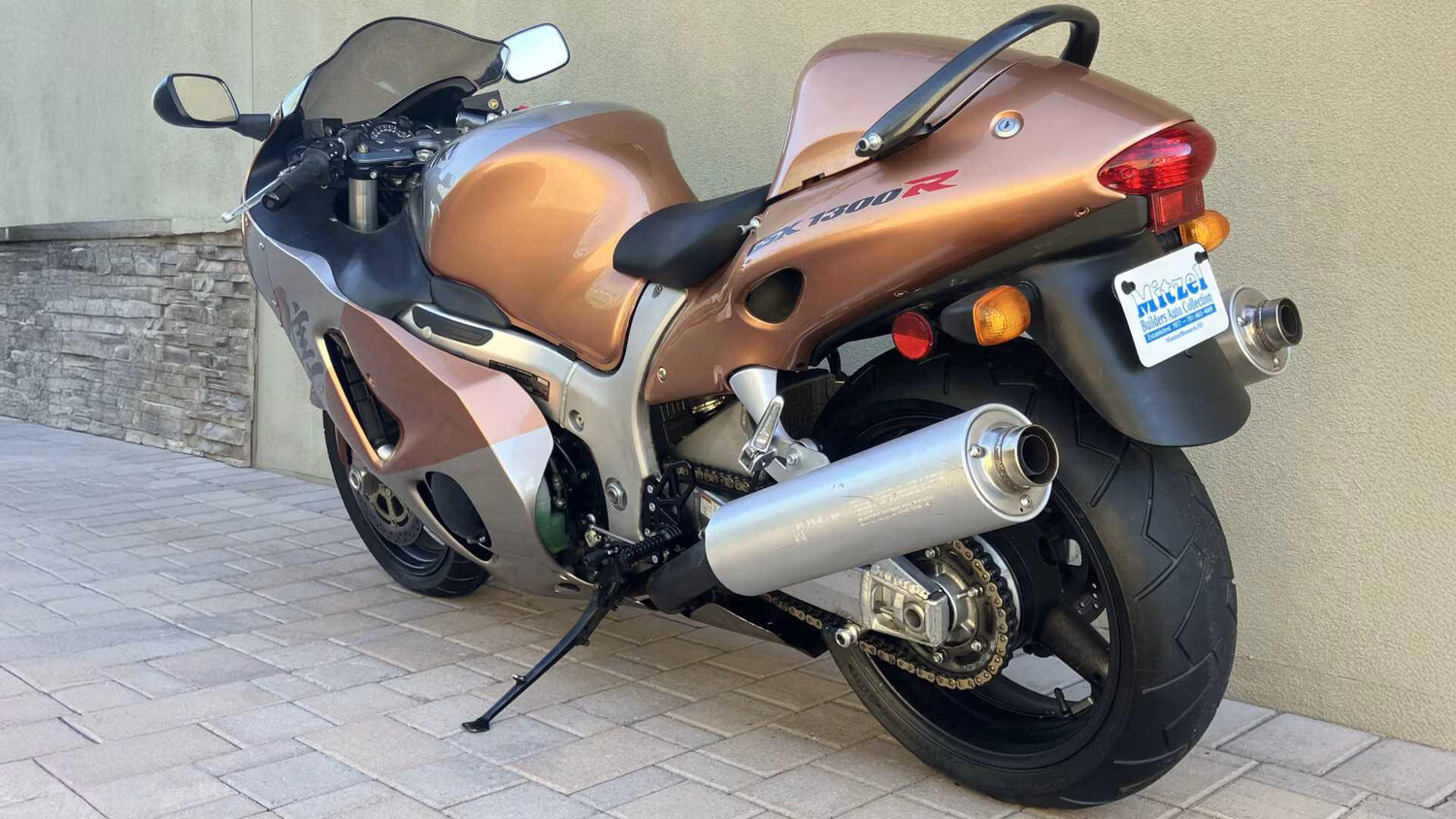
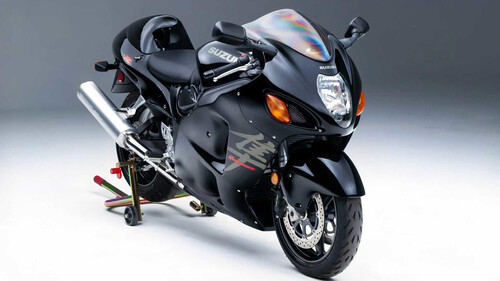
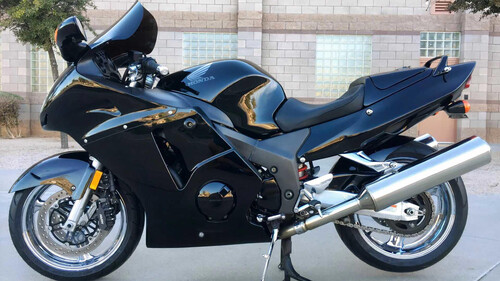
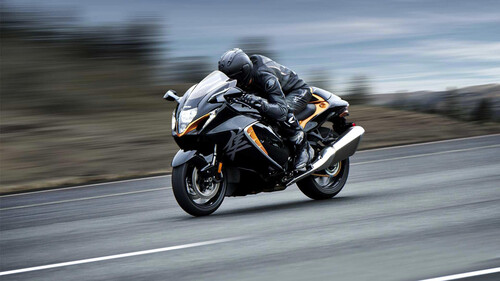
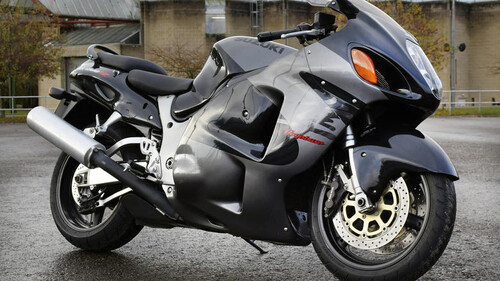
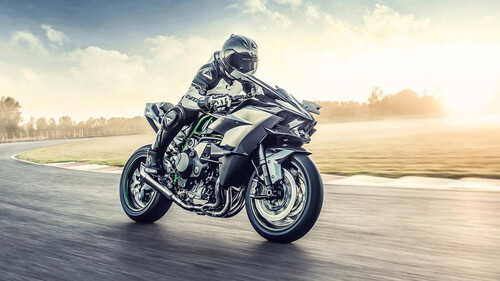
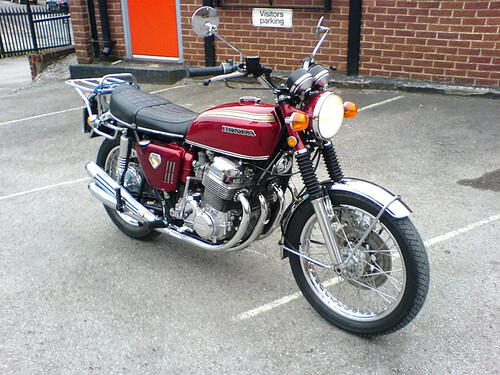
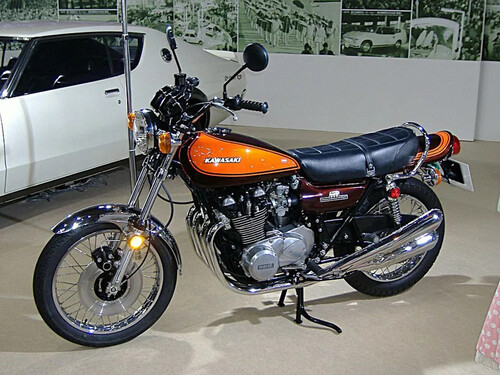
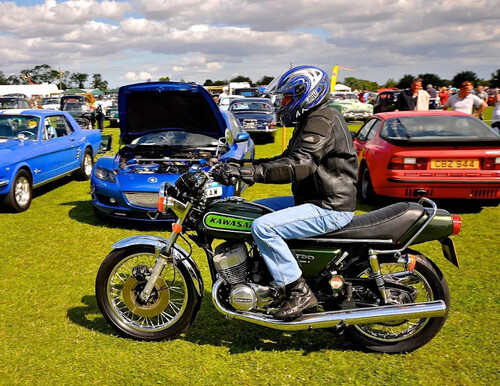
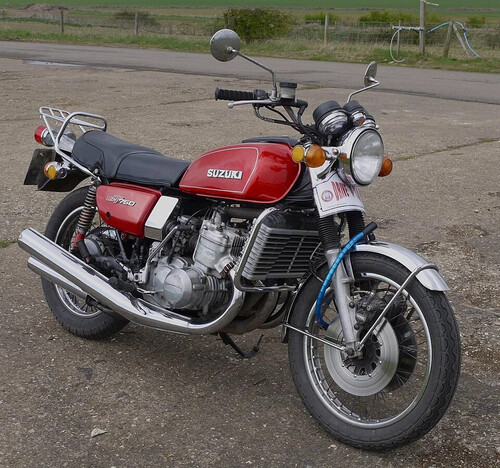
In 1999, the motorcycle industry reached a point of escalation that nearly triggered a total regulatory shutdown of the high-performance segment. Honda had already breached the 175-mph barrier, and whispers from Kawasaki suggested a 200 mph machine was undergoing final testing. The response from Suzuki was the release of a machine so statistically dominant it effectively ended the speed war by forcing a global truce. This motorcycle became the apex of mechanical engineering in the late 20th century, delivering a level of performance that contemporary chassis and tire technology were never truly designed to contain.The initial launch at the Circuit de Catalunya in Spain saw journalists recording top speeds only 5 mph slower than the 500cc GP prototype racers of the era. Unlike those specialized prototypes, this was a mass-produced street bike available at local dealerships to anyone with a license. It arrived with a raw, unrestricted nature that existed for only one production year before the entire industry surrendered to political pressure. UPDATE: 2026/02/28 19:33 EST BY RAUNAK AJINKYA We've updated this article with technical context and comparisons to better explain what made this motorcycle 'too fast to handle'. To provide better context, there's also a section that dives into today's hyperbikes and how they compare to fast motorcycles from 20+ years ago. Suzuki Hayabusa Performance Specs: The Speed War Data Bring A TrailerThe 1999 launch of this machine did more than just break records; it caused a genuine panic within European and American transportation ministries. While the competition focused on incremental gains, Suzuki moved the goalposts by nearly 20 mph in a single generation. The raw data from that first production year confirms that the bike achieved its objective of total dominance with a significant margin, rendering the existing hierarchy obsolete overnight.Bring A Trailer The table above highlights the disparity between the leading hyperbikes of the era. This comparison is particularly vital because it showcases the brief window before the Gentlemen’s Agreement of 2000, which capped all future production motorcycles at 186 mph (300 km/h). In this data, the unrestricted 1999 model stands as a historical outlier in the history of the GSX-R line that proved exactly why the industry felt it had reached a dangerous ceiling. The Aero-Aggression Of A 194-MPH Silhouette Mecum The aesthetic of the Gen-1 Hayabusa was purely a byproduct of wind tunnel necessity. Lead designer Koji Yoshiura prioritized a drag coefficient of 0.27, a figure that remains impressive even by modern standards. Every body panel was shaped to manage the massive air pressure generated at speeds approaching 200 mph. The stacked headlight configuration was not a stylistic choice; it was required to keep the front surface area narrow while allowing the Ram-Air Direct (SRAD) intakes to sit at the highest pressure point of the fairing.This aerodynamic focus resulted in a bike that was long, low, and remarkably stable. The 58.5-inch wheelbase and 24.2-degree rake were chosen to prevent the machine from becoming nervous at high velocities. While it lacked the flickability of a 600cc supersport, the Hayabusa was unparalleled in its ability to track straight while the rider was subjected to hurricane-force winds. The bulbous rear hump, often criticized by enthusiasts, was designed to smooth the airflow over the rider’s back, reducing the low-pressure pocket that would otherwise drag on the machine. The Hayabusa’s 1299cc Heart: A Masterclass In Over-Engineering Mecum The engine was a liquid-cooled, 16-valve, DOHC inline-four that emphasized torque over peaky horsepower. Suzuki used a gear-driven counterbalancer to manage the vibrations of the large 81 mm pistons, resulting in a power delivery that felt linear and deceptively smooth. The internals were notoriously overbuilt; the crankshaft was a forged steel unit, and the crankcase used a heavy-duty design that could withstand significantly more stress than the stock 175 hp provided.Technical nuances like the 11:1 compression ratio and Keihin fuel injection were advanced for 1999, but the real secret to the engine’s longevity was its thermal management. The radiator was designed with high throughput to prevent heat soak during sustained high-speed runs. This mechanical integrity is why the 1299cc block became a popular choice for engine swaps and land-speed racers. It provided a level of reliability that neither Honda nor Kawasaki could match when pushed to the absolute limit. 1999: The Only Year The Monster Was Unrestricted Mecum The 1999 model year represents the only time the Hayabusa was sold without electronic intervention. These bikes are identified by their unrestricted 220 mph (340 km/h) speedometers. In this original form, there were no secondary throttle plates to soften the power delivery and no software-coded speed cap. Independent testers frequently saw 191 to 194 mph on radar, figures that caused a political firestorm in Europe.Riding a 1999 model is a different experience than riding later generations. The throttle response is more immediate, and the lack of a 186 mph limiter allows the engine to pull through the top of sixth gear. This version of the bike required a high level of rider discipline; without traction control or ABS, the only safety net was the rider's right wrist. This lack of intervention is a far cry from the best motorcycle safety features found on contemporary motorbikes. The original Copper and Silver paint scheme from this year has since become the most sought-after configuration for collectors.What made the original machine feel “too fast to handle” though, was the blatant absence of any electronic restraint. The 1299cc inline-four produced immediate, muscular torque from as low as 4,000 rpm, lifting the front wheel in first and even second gear with nothing more than a firm throttle roll. There was no ABS, no traction control, no wheelie control, no lean-sensitive IMU calculating grip in milliseconds. There was no slipper clutch to smooth aggressive downshifts and no electronic safety net to save a ham-fisted rider mid-corner. The only fallback you had was a silent prayer if things got too hairy.Modern liter-class motorcycles may produce comparable horsepower figures, but they rely on cornering ABS, slide control, launch control, quickshifters, and vastly superior tire compounds to manage it. The 1999 Hayabusa asked the rider to manage 175 horsepower and a tidal wave of torque with pure mechanical feedback alone, so it's no wonder it earned its reputation as a machine few could truly master. The Gentleman’s Agreement: When The Industry Surrendered Mecum By late 1999, the speed war had become a liability. European regulators, particularly in France and Germany, were threatening to ban high-performance Japanese imports unless the manufacturers reigned in their top speed claims. Fearing an end to the hyperbike market, the Big Four manufacturers entered into an informal, unwritten truce known as the Gentleman's Agreement. If you know anything about JDM performance cars, then all of this sounds very familiar…Starting with the 2001 model year, all Japanese production motorcycles were electronically limited to 300 km/h (186 mph). Suzuki complied by adding a timing retarder in the top gear and replacing the 220-mph speedometer with a unit that stopped at 185 mph. This truce effectively froze the speed record for a decade, leaving the 1999 Hayabusa as the undisputed, permanent king of the unrestricted era. Even when Kawasaki released the ZX-12R shortly after, it was already hamstrung by the new regulations, preventing it from ever officially taking the crown from the Suzuki.More than 115,000 first-generation Hayabusas were produced, an enormous number for a hyperbike, yet genuinely untouched 1999 examples are now stupidly rare. Many were modified, raced, or crashed, which makes low-mile, stock survivors increasingly uncommon. Kawasaki’s Ninja ZX-12R arrived in 2000 as the next serious challenger, but by then the 186 mph ceiling was already in place, effectively ending any official pursuit of higher production-bike top speeds.Today, the technological gap is staggering. Kawasaki’s supercharged Ninja H2 and track-only H2R demonstrate how far performance engineering has evolved, pairing extreme horsepower with advanced electronics and aerospace-grade materials. What once required sheer nerve and throttle discipline now relies on software, sensors, and computing power that simply didn't exist in 1999. Modified Hayabusa Culture: Turbos, Stretches, And 700-HP Drag Builds Mecum The Hayabusa’s legacy isn't limited to the showroom floor; it became the dominant force in the drag racing and land-speed communities. Because the 1299cc engine was so robust, tuners discovered they could double the horsepower without changing the crank or rods. This birthed a subculture of turbo 'Busas capable of 500 to 700 hp. These machines are easily identified by their massively extended swingarms, which are necessary to prevent the bike from flipping over under the violent torque of a large turbocharger.In the drag racing world, names like Moore Mafia and Williford Racing have turned the Hayabusa into a 6-second quarter-mile machine. The bike’s low center of gravity and aerodynamic efficiency make it the perfect platform for high-speed stability. It isn't uncommon to see modified Hayabusas at events like the Texas Mile or Bonneville Salt Flats, where bikes continue to push toward the 300 mph barrier. This aftermarket popularity has ensured that parts for the Gen-1 remain plentiful in 2026. How Much The Suzuki Hayabusa Is Worth Today Bring A TrailerIn the 2026 collector market, the first-generation Suzuki Hayabusa is transitioning from a high-performance bargain into a blue-chip asset. While thousands were produced, the survival rate for pristine, unmolested examples is remarkably low. Most early Hayabusas were subjected to heavy modifications, amateur drag racing, or high-speed accidents, leaving a very small pool of investment-grade machines.Collectors are specifically targeting the 1999 and 2000 model years because they represent the unrestricted era. Among these, the original Copper and Silver launch colorway is the gold standard, often commanding a 25% premium over other factory colors from the same year. According to 2026 Hayabusa price data from Classic.com, Hagerty and recent results from the Mecum Las Vegas Motorcycle Auction, the market is beginning to reward originality over performance modifications.The price gap between a 1999 model and a 2001 model is widening. In 2026, buyers are willing to pay a significant premium for the 220 mph speedometer and the lack of a factory-coded speed limiter, even if they never intend to test those limits. This is a purely psychological market driver; the 1999 model represents a moment in history when engineering was not yet shackled by international diplomacy.For an investor, the most critical factor is the condition of the fairings and the presence of the original exhaust system. Many owners replaced the heavy factory twin-exhaust with aftermarket 4-into-1 systems; finding a Gen-1 with its original, unblemished "bazooka" mufflers is now the primary indicator of a high-value survivor. As Gen-X collectors enter their peak earning years, these unrestricted falcons are expected to follow the same valuation trajectory as the Kawasaki Z1 and the Honda CB750.Sources: Cycle World, Mecum, Hagerty, Iconic Auctioneers, Bring a Trailer, Suzuki Global Media.