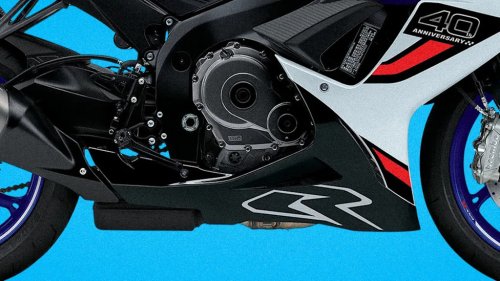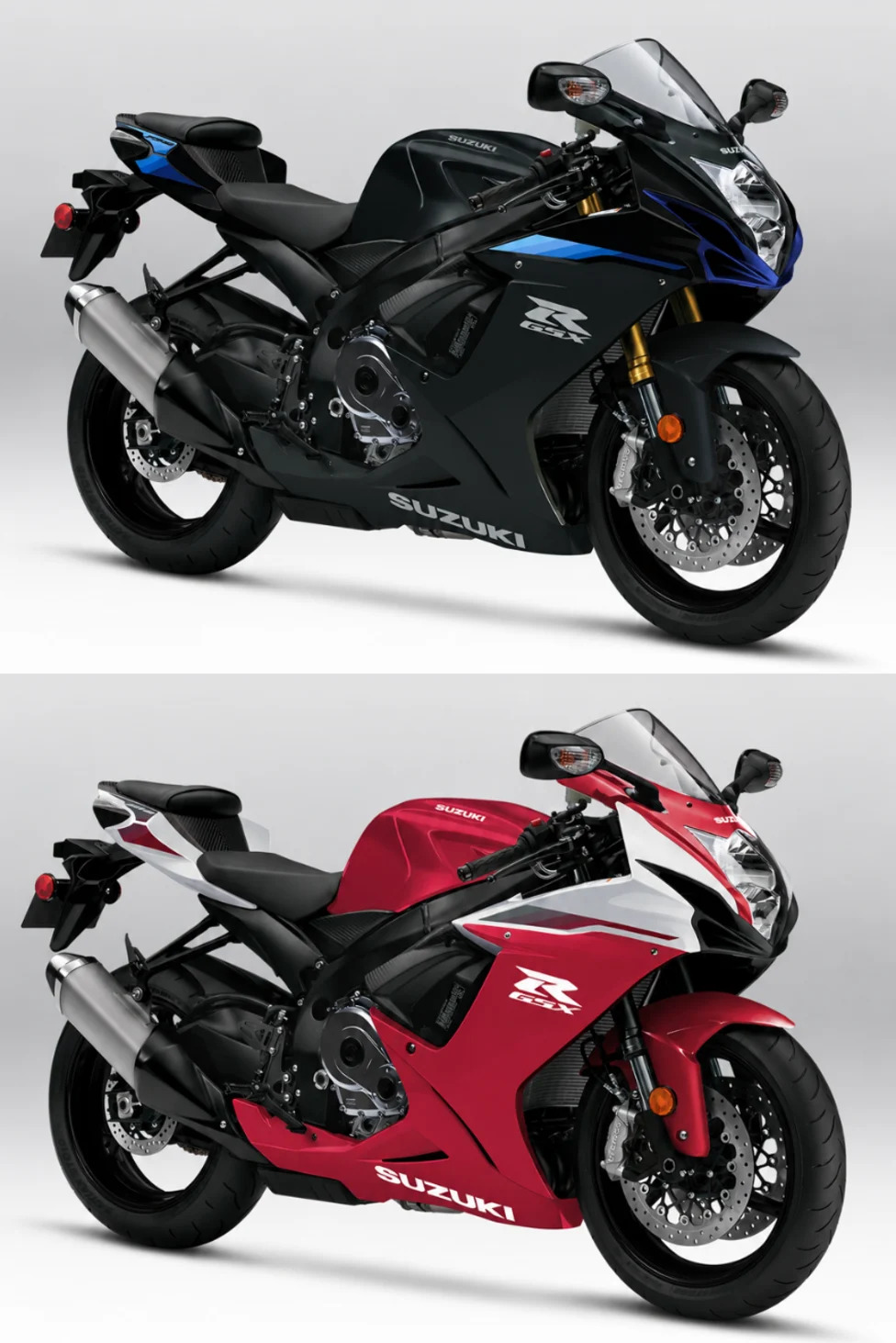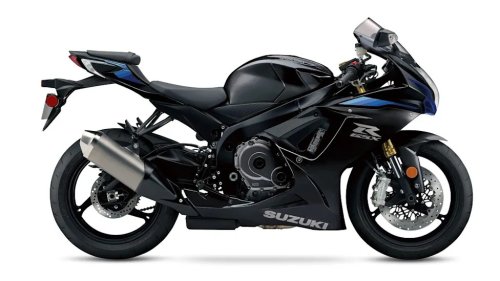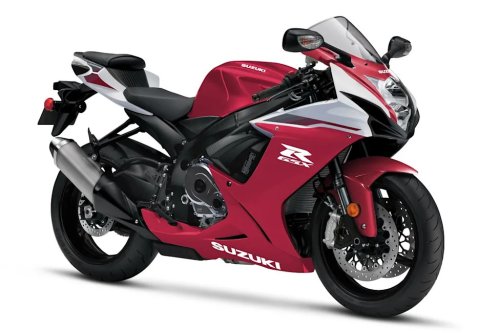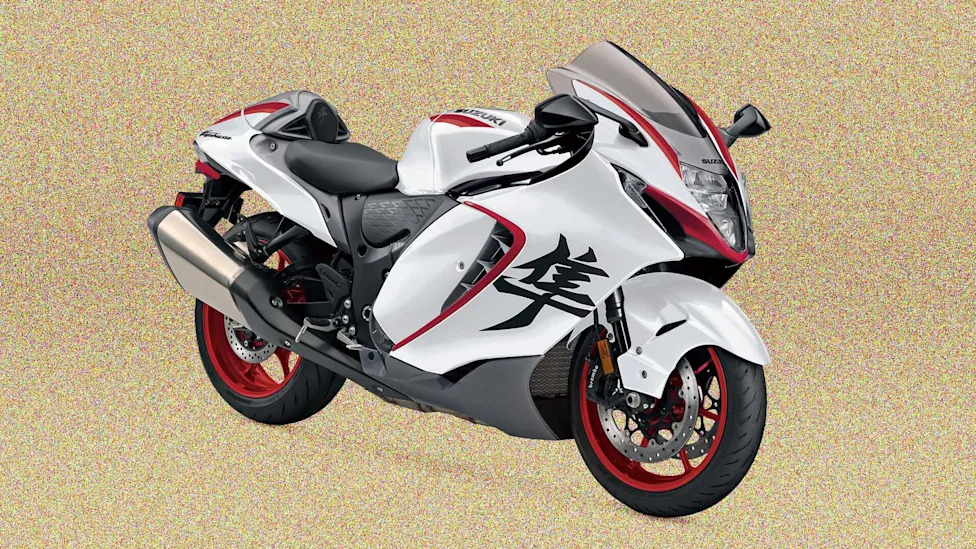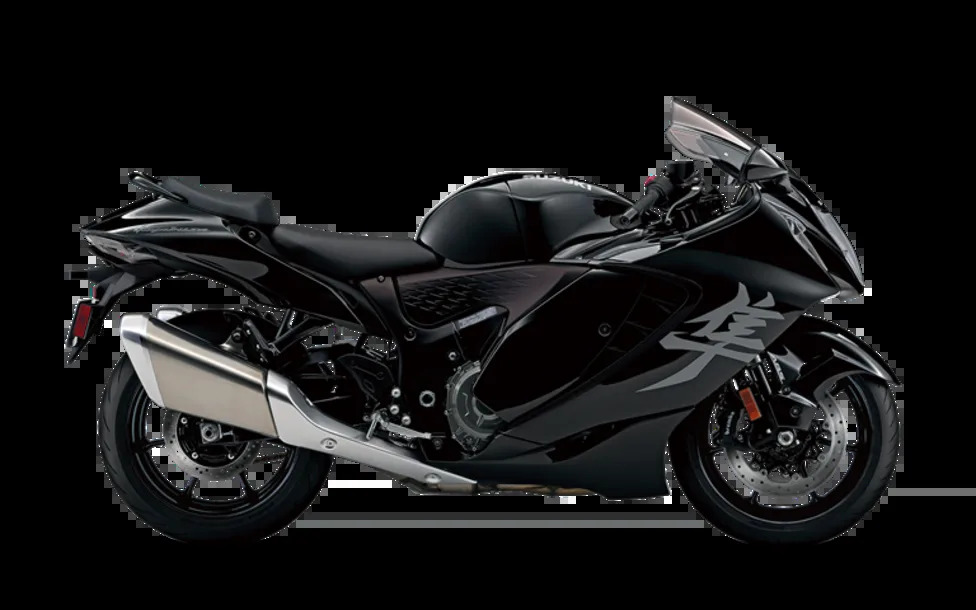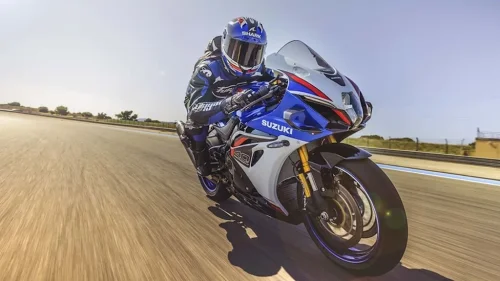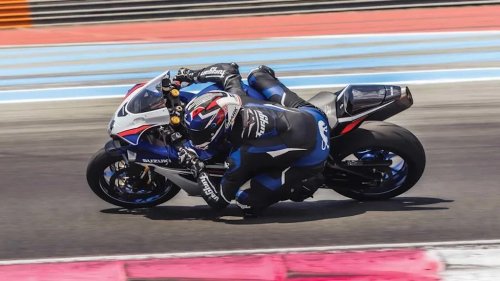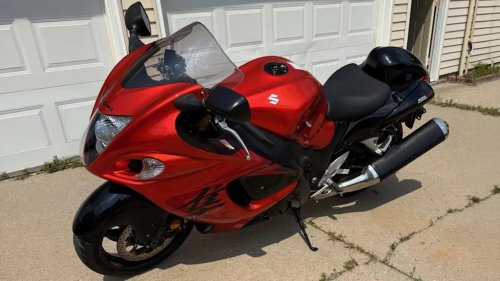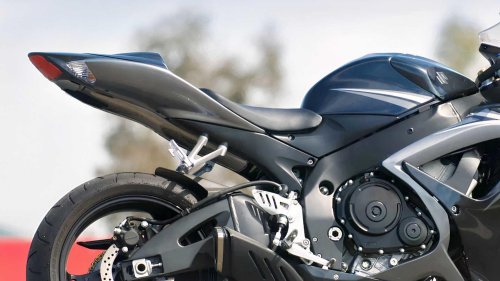
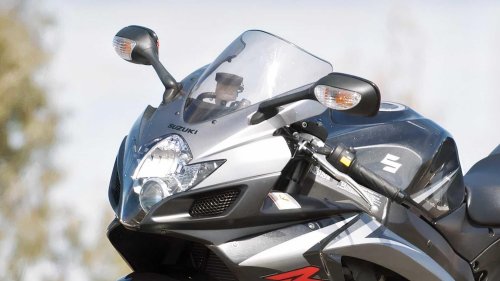
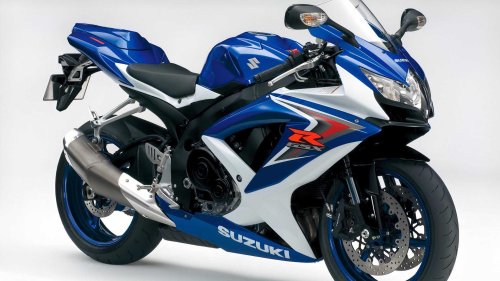
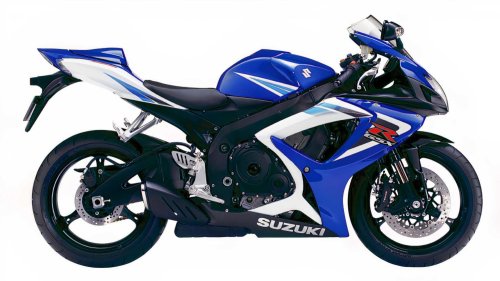
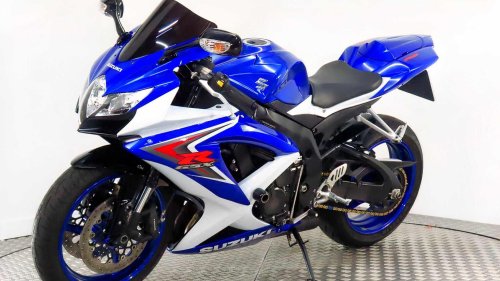



















Every rider out there needs to experience the thrill of taking a top-notch superbike for a spin, regardless of which motorcycle genre they normally prefer. All that brute force and blistering acceleration propelling you forward at unthinkable speeds, to the point where you’re exhilarated and likely terrified in equal measures. Even in the age of abundant electronic rider aids, these machines demand respect and may prove rather unforgiving to those with far more confidence than skill. Wrestling that liter-bike heft around corners is something of a full-body workout, in contrast to the finesse with which you'll want to twist the throttle. Engine Size And Horsepower Numbers Aren’t All That Matters Ultimate MotorcyclingAnd a modern superbike will surely set you back a pretty penny, more than some people can afford to spend in today’s economy. It’s also far from the most practical choice for your everyday riding needs, as city streets filled with traffic aren’t what we’d call a crotch rocket’s ideal habitat. This has many riders opting for a naked bike, but what if we told you there's a way to get 80% of that superbike flavor without the downsides related to cost or daily usability? There's one middleweight machine that delivers 80% of superbike performance for 20% of the cost — and most riders have completely forgotten it exists. No Longer Trendy, But Still A Great Pick Ultimate MotorcyclingWe're talking about the 750cc class here, which is pretty much extinct in today's market as buyers (and racing regulations) turned to smaller 600s or big old liter-bikes. But 750s were all the rage up until the mid-2000s, and they may take you just a little closer to that full superbike experience than a 600cc four-banger. There’s one specific model we have in mind, a middleweight slayer that’ll give any 1,000cc a good run for its money and cost way less while doing so. This forgotten middleweight doesn't just compete with liter bikes — in the right circumstances, it embarrasses them. And the best examples can still be found for pocket change. Suzuki GSX-R750 - The Gixxer Is The Answer Yet Again SuzukiThe motorcycle in question here is the Suzuki GSX-R750; variants produced between 2006 and 2010 in particular. Now, Suzuki still offers a 750cc version of the beloved Gixxer to this day, something of an outlier in a world that abandoned said category many years ago. But if you’re looking to get the most bang for buck on a tight budget, models from the earlier K6 up to the L0 made in 2010 seem like the perfect answer. But the real magic happens when you look at what $5,000 actually gets you in terms of raw performance numbers.One could view the GSX-R750 as a perfect middle ground — lighter and more nimble than a 1,000cc superbike while packing a much bigger punch than a 600. Some major upgrades were on the menu in 2006, extending from the powertrain all the way to the chassis department. Structurally, the Gixxer featured a redesigned aluminum frame and a longer swingarm for improved stability, but it was the motorcycle’s new engine that really stole the show. The K6 came with a fresh 749cc inline-four powerhouse boasting 12.5:1 compression, four titanium valves per cylinder and lightweight camshafts. It had a smaller bore and a longer stroke compared to the engine powering the K5, as well as larger intake and exhaust ports for enhanced airflow. A Power-To-Weight Ratio To Rival Any Superbike SuzukiIn terms of power output, the mill could unleash up to 148 horsepower at a whopping 13,200 rpm, along with 64 pound-feet of torque at 11,200 revs. All that power made its way to the rear wheel by means of a six-speed gearbox, now featuring a stacked design to keep things packed nice and tight. A slipper clutch from the GSX-R1000 was also thrown into the mix for good measure, and the figures mentioned above sound a lot more alluring once we begin to think in terms of power-to-weight ratio. With the GSX-R750 weighing in at just 359 pounds on an empty stomach, it was both insanely fast in a straight line and very maneuverable around corners. Top speed was rated at a generous but terrifying 170 mph, and the bike could go from zero to 60 mph in approximately three seconds.Those stats are pretty wild to say the least, so it’s not hard to see why the middleweight Gixxer can be such a threat to top-tier superbikes. Of course, an equally capable chassis accompanied the powerplant, with fully-adjustable inverted forks from Showa managing suspension duties at the front. The rear end tells a similar story, supported by a high-grade Showa monoshock with full adjustability and a swingarm 1.4 inches longer on the K6 than its predecessor. Larger front brake discs were also added to the GSX-R750 in 2006, coupled with radial Tokico calipers for ample stopping power. More Tokico hardware takes care of braking duties at the back to fully complement the bike’s agility. Why 2006–2010 Models Are The Ones To Look Out For AutoTraderStylistic updates and minor powertrain revisions took place in 2008, but the Gixxer stayed pretty much the same on a mechanical level up until 2010. And the models produced within this timeframe are something of a sweet spot, where the engineering is extremely refined without draining your bank account before it can be enjoyed. That brings us to the pricing aspect, and those GSX-R750s produced between ‘06 and 2010 offer an outstanding amount of horsepower per dollar. According to JD Power, you might be able to find a K6 in great condition for just a little over $4,000, which is the textbook definition of an absolute bargain! At the other end of the spectrum, you’ve got the later L0 with price tags generally ranging from $6,500 to around $8,000.Regardless of which one you choose, you'll be saving a whole bunch of cash by not throwing five digits at some newer, range-topping liter-bike. Sure, a Gixxer 750 from nearly two decades ago isn't as prestigious as a modern-day 1,000cc missile, but you simply cannot argue with its astounding performance or the fact that it costs next to nothing. K6 and K7 variants are particularly enticing in this regard, and the fact that they still hold up so well today is a testament to how well Suzuki nailed the sport bike formula all these years ago. So, if a budget-minded superbike experience is what you’re after, be sure to keep an eye out for these bad boys when scouting the classifieds online.