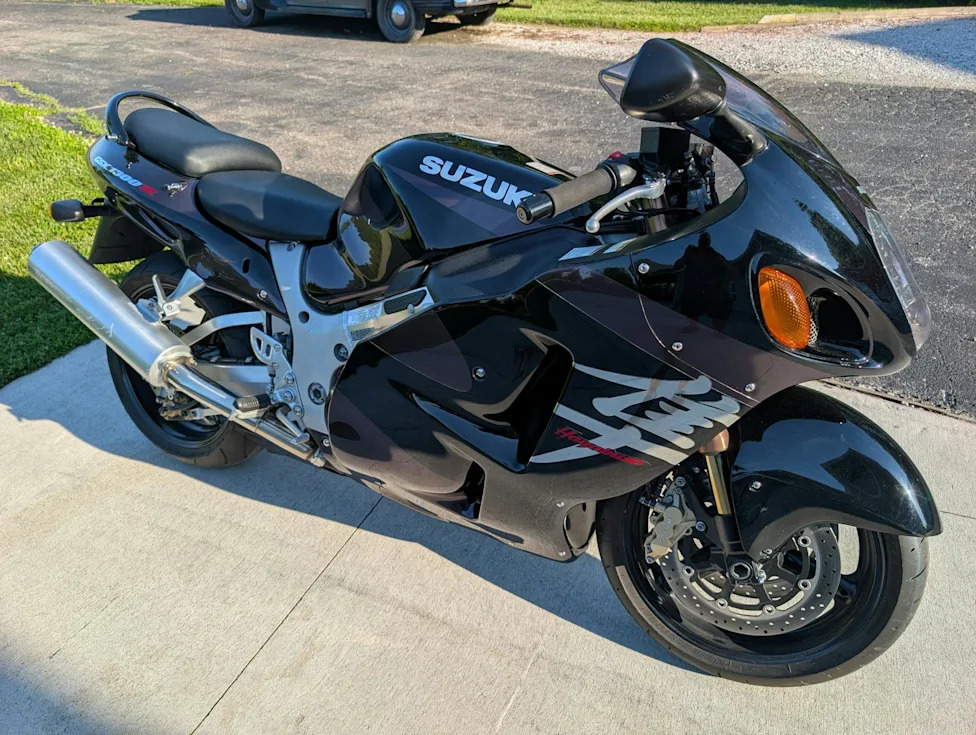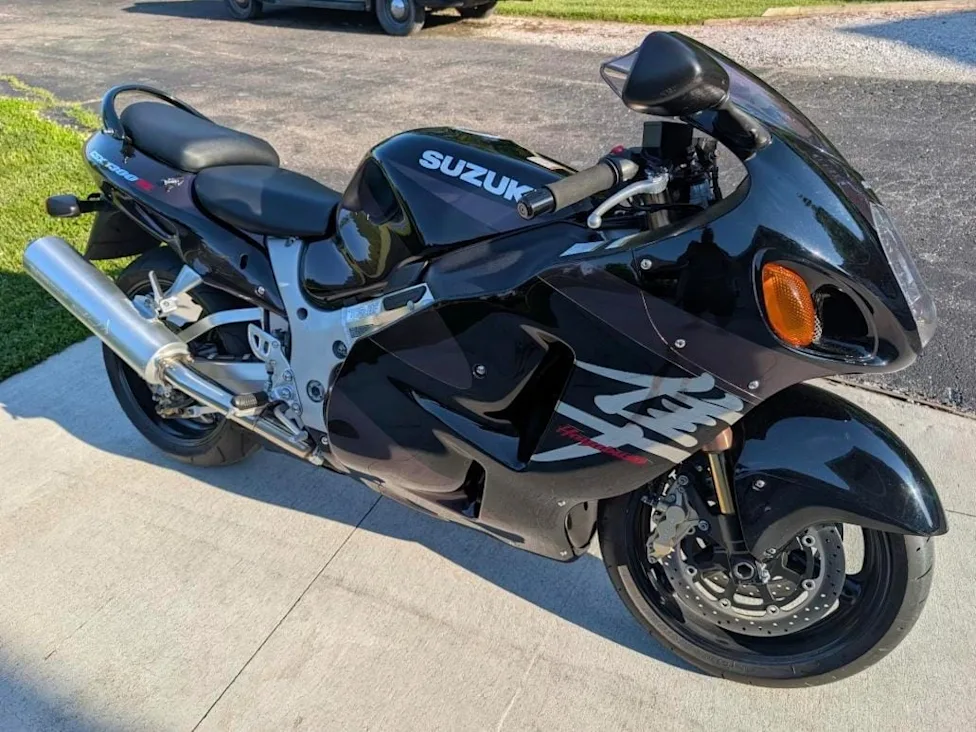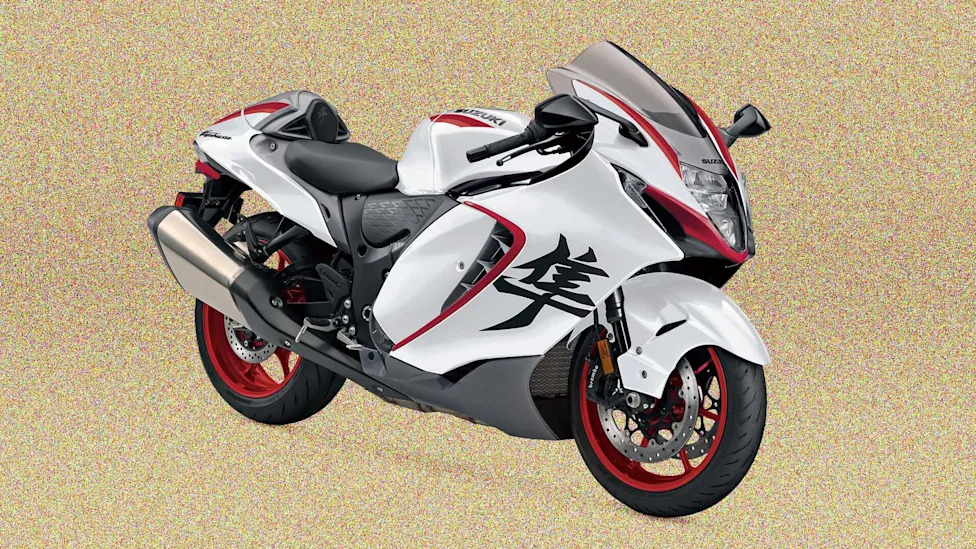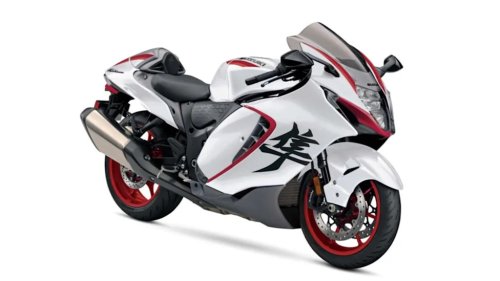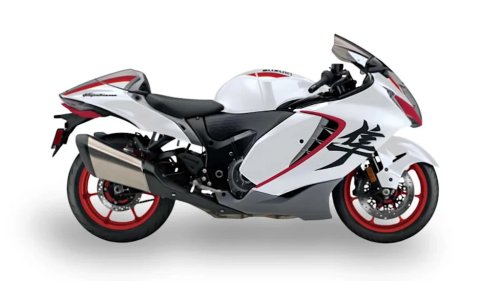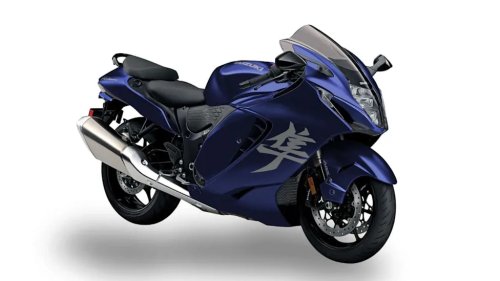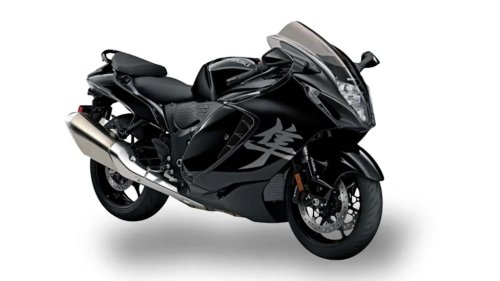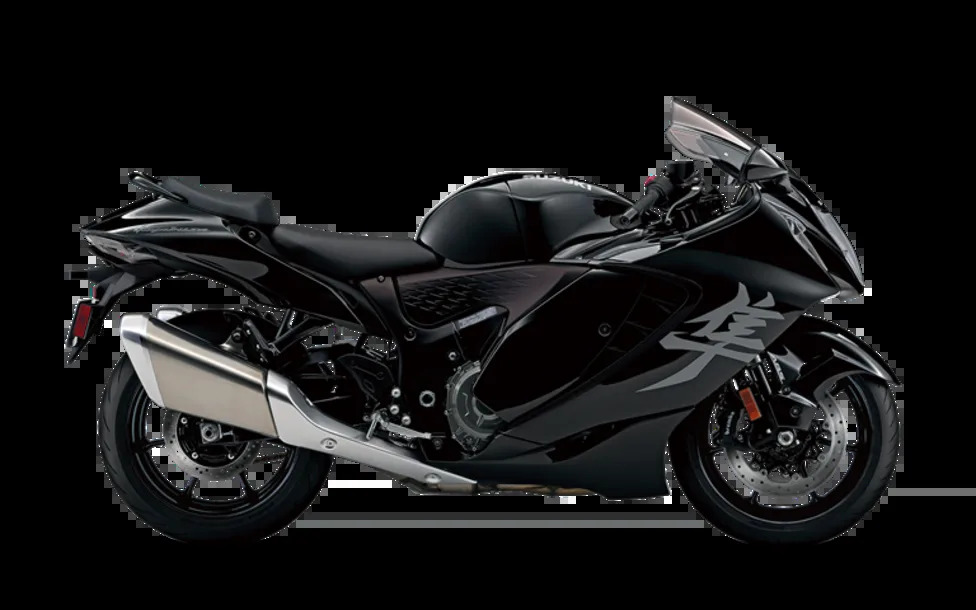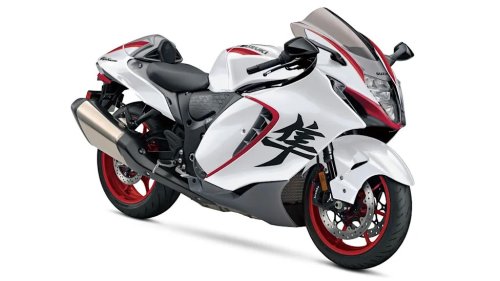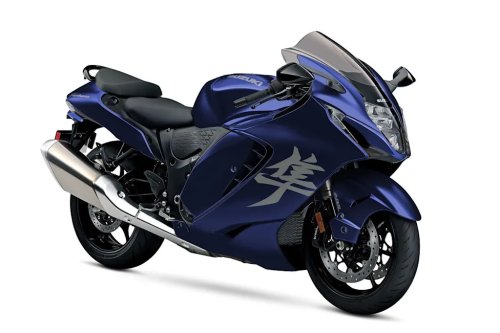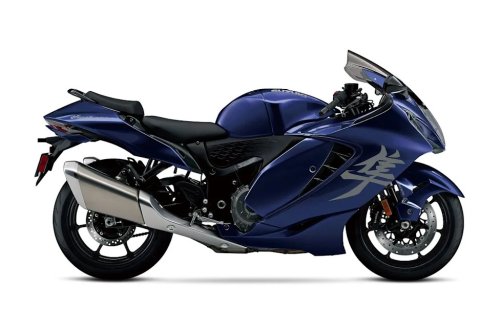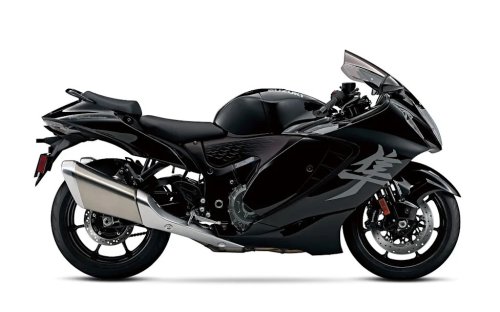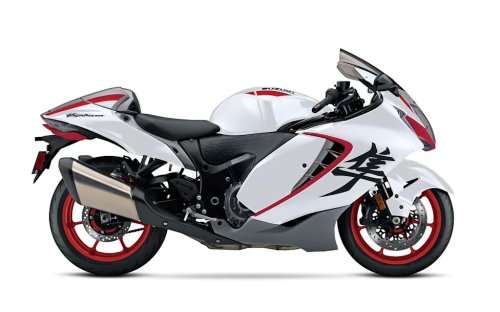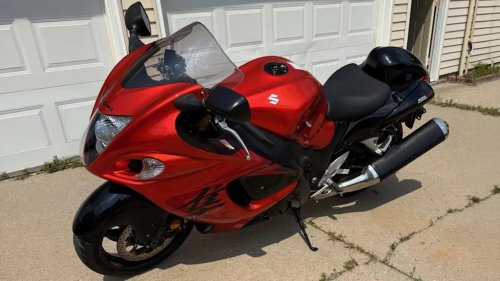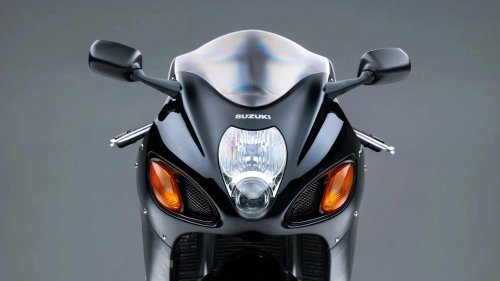
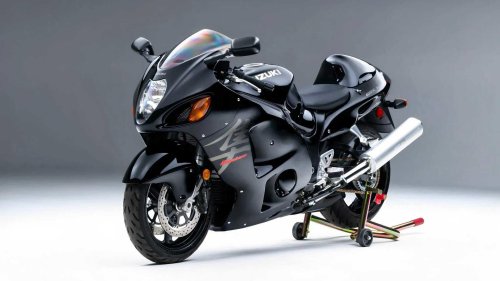
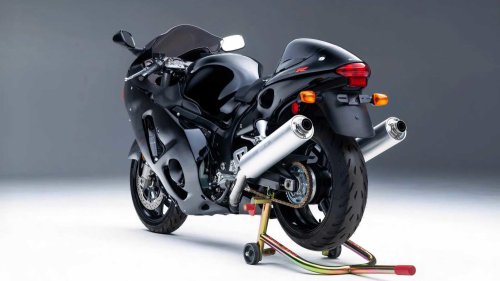
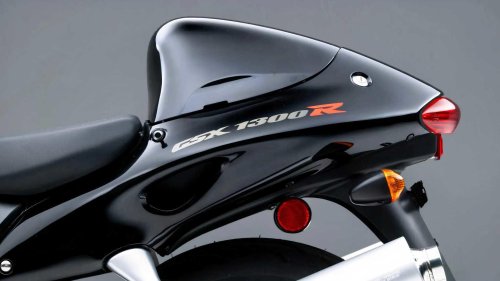
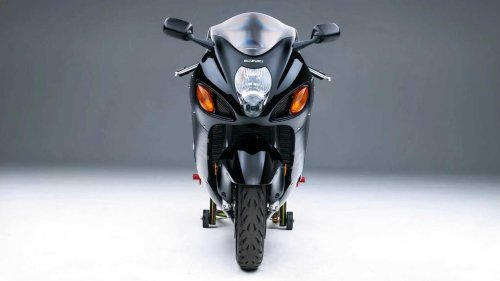

















The nineties were a wild time on the motorcycling landscape, when manufacturers constantly sought to gain the upper hand on the racetrack and in terms of outright speed. Sport bikes as we know them today were still relatively new, limited-edition homologation specials were at the height of their popularity, and riders chased performance like it was going out of fashion. There are tons of memorable models from that decade for us to look back on, many of them resulting from the fierce arms race which unfolded between Japanese manufacturers back then. It eventually came to an end to prevent regulators from stepping in, but not before giving us the most radical sport bikes the world had ever seen up until then. The Late-1990s Hyperbike Arms Race Bring a TrailerTake, for instance, the Kawasaki Ninja ZX-11, boasting a top speed of 176 mph and hailed as the world’s fastest production motorcycle between 1990 and 1995. Its reign came to an abrupt end in 1996, though, with Honda unleashing the mighty CBR1100XX Super Blackbird to steal the Kawi's crown. Reportedly, the bike could reach speeds of up to 178.5 mph, dethroning the Ninja by a small margin before it ultimately met the same fate a few years later. And when 1999 rolled around, it was Suzuki’s turn to join the party and show everyone how it’s done, not only sending the Super Blackbird back to its nest but also breaking the 300 km/h (186 mph) speed barrier in the process. The Hayabusa Breaks Through Bring a TrailerIt represented a huge milestone for the motorcycle industry, which made the Blackbird killer from Suzuki a true icon of its time. We are, of course, referring to the brutal GSX1300R Hayabusa, one of the most legendary sport bikes ever produced. Its name literally translates to peregrine falcon, a predator of the sky known for preying on blackbirds and something to make Suzuki’s intentions as clear as day from the get-go. Moreover, peregrine falcons are the fastest things out there in the animal kingdom, so the name could hardly be more appropriate for the GSX1300R. And the model lived up to it many times over, garnering a loyal fanbase that keeps the ‘Busa spirit very much alive to this day. Technical Specifications (1999 Model) Starting with its powertrain, the Hayabusa came with a liquid-cooled 1,298cc inline-four engine, featuring 11:1 compression, dual overhead cams and EFI technology. It could produce up to 175 horsepower right below 10,000 rpm, along with 102 pound-feet of torque at 7,000 revs. All that power made its way to the rear wheel through a six-speed transmission, thus enabling the mighty ‘Busa to reach a top speed between 188 and 194 mph (303-312 km/h). It could finish the quarter-mile sprint in approximately 10 seconds and accelerate from zero to 60 mph in just 2.6 ticks of the stopwatch. Those stats are absolutely bonkers even by today’s standards, but Suzuki’s ingenuity could also be found in other areas.The bodywork, for instance, was shaped with great emphasis on aerodynamics, so as to minimize drag and improve stability at high speeds. Admittedly, the GSX1300R wasn't the prettiest bike out there with its bulbous look and chunky tail section, though the organic lines of its bodywork served their functional purpose rather well. And even if the bike wasn't exactly light at 215 kg (474 pounds) dry, it still handled surprisingly well thanks to its beefy running gear. In the suspension department, it came with inverted forks at the front and a fully-adjustable shock absorber at the back. Six-piston Tokico calipers pinched a pair of 12.6-inch rotors for ample stopping power up north, while the rear end bore a single smaller disc and a twin-piston caliper. It goes without saying that Suzuki’s speed demon was no joke, and people were absolutely blown away by its capabilities. Kawasaki's Response And The Gentlemen's Agreement Bring a TrailerBut, in a way, the Hayabusa was too fast for its own good, raising concerns that the motorcycle speed wars of the nineties were getting a little out of hand. And when Kawasaki's response came in the form of the ZX-12R, it was electronically limited at 186 mph despite being able to go as fast as the 'Busa in unrestricted form. This was the result of a gentlemen’s agreement reached in 1999, when Japanese manufacturers vowed to cap top speeds at 186 mph. The agreement went into full effect in 2001, ending the fierce arms race that’d been going on for the last decade. In essence, Suzuki made a bike so fast that it almost single-handedly prompted the industry to take a step back and decide enough was enough. Why The Speed War Ended Bring a TrailerNaturally, you might be wondering why this agreement was reached in the first place, and that is indeed a very sensible question. It all boils down to regulations, or more specifically the desire to avoid them by being the first to fold. Manufacturers sensed that things were about to go too far and prompt regulatory bodies to step in, so they collectively chose to step back before it happened. Thus, the ‘Busa received an electronic governor starting with the model-year 2000, leaving the earlier 1999 variant as the only one whose full potential could be unleashed. And a clean stock example isn’t all that easy to come by, because many owners went on to tweak their Hayabusas in various ways. Legacy: The Bike That Ended Its Own Competition Bring a TrailerDrag bike conversions, elongated swingarms and all manner of cosmetic changes were all fair game, making the GSX1300R a true icon of custom culture. Additionally, turbo 'Busas have become a cultural phenomenon nowadays, intended for comedic purposes but also showcasing just how influential this nameplate became. As for the gentlemen’s agreement reached back in ‘99, it still holds up to this day for the most part. A handful of bikes did venture past the 186-mph threshold over time, but such instances were relatively few and far between. The first of them was the MV Agusta F4 R 312 in 2007, followed by the BMW S 1000 RR, Ducati 1199 Panigale R and Kawasaki Ninja H2R later on.But otherwise, the speed wars remained a thing of the past with the beloved Suzuki Hayabusa as their closing chapter. The model lives on and is still extremely popular today, powered by a 1,340cc mill with more than enough power to command respect. Currently in its third generation, the Hayabusa continues to act as a symbol of hyperbike excess, albeit more civilized than the initial model released in 1999. The core formula is very much the same, though, because it still manages to captivate riders after all these years.