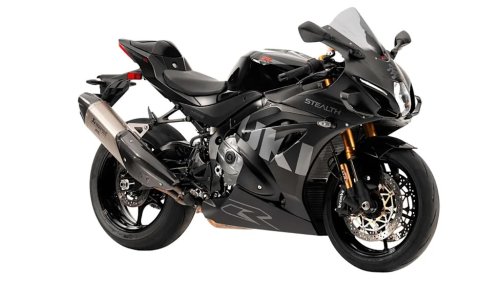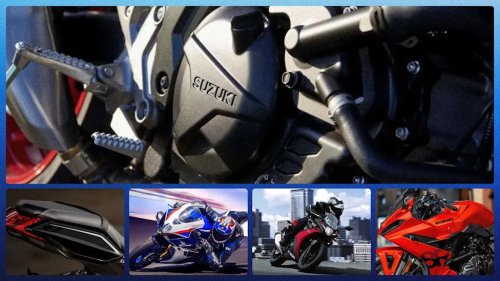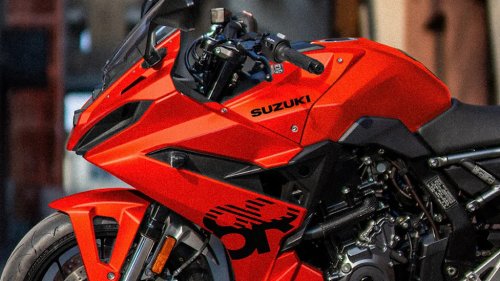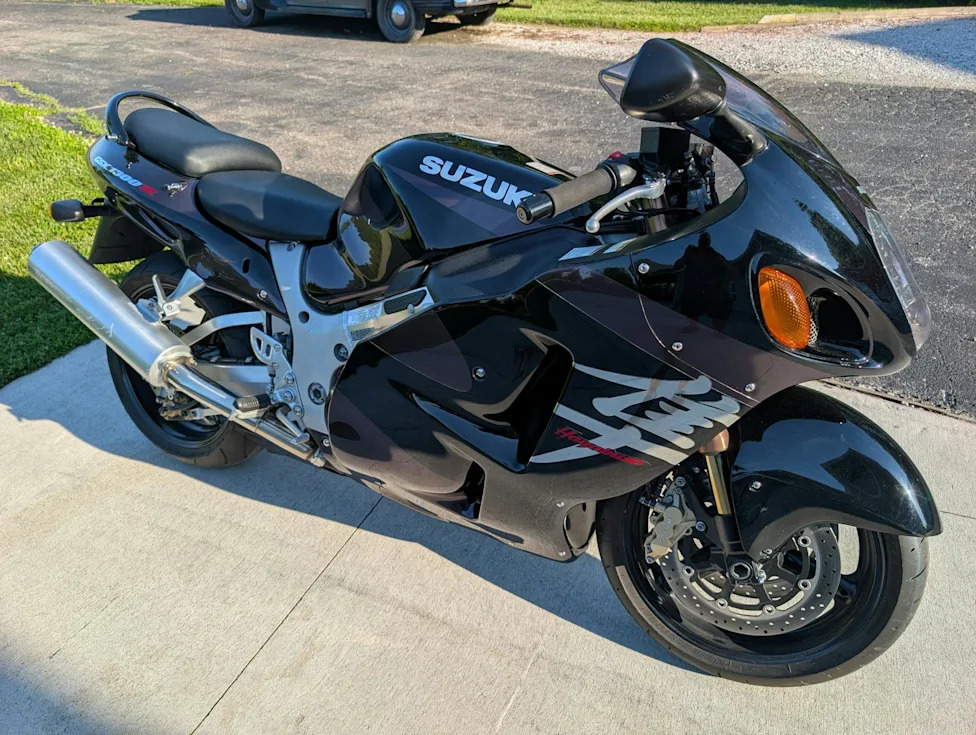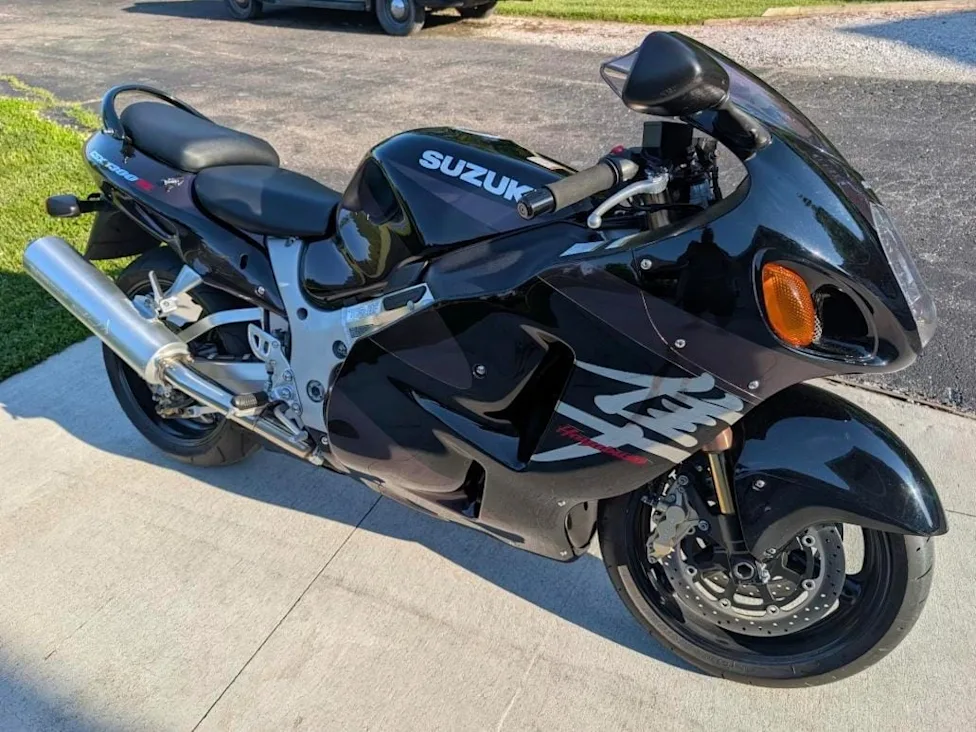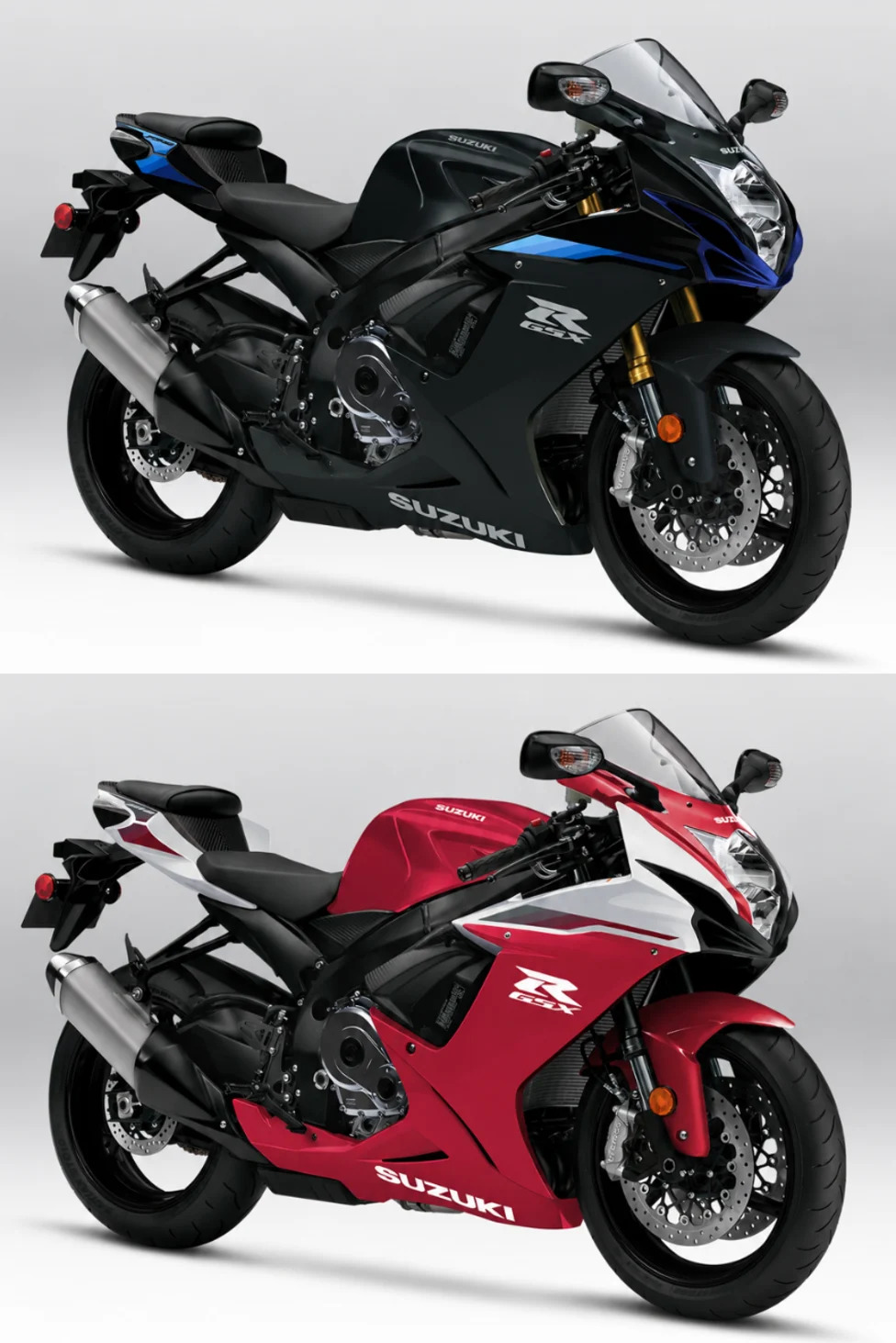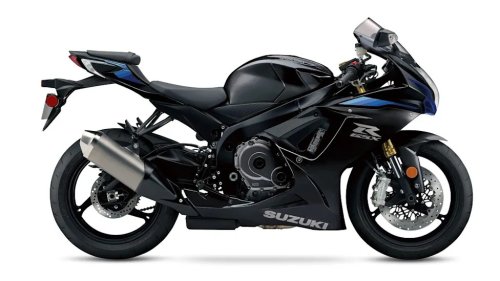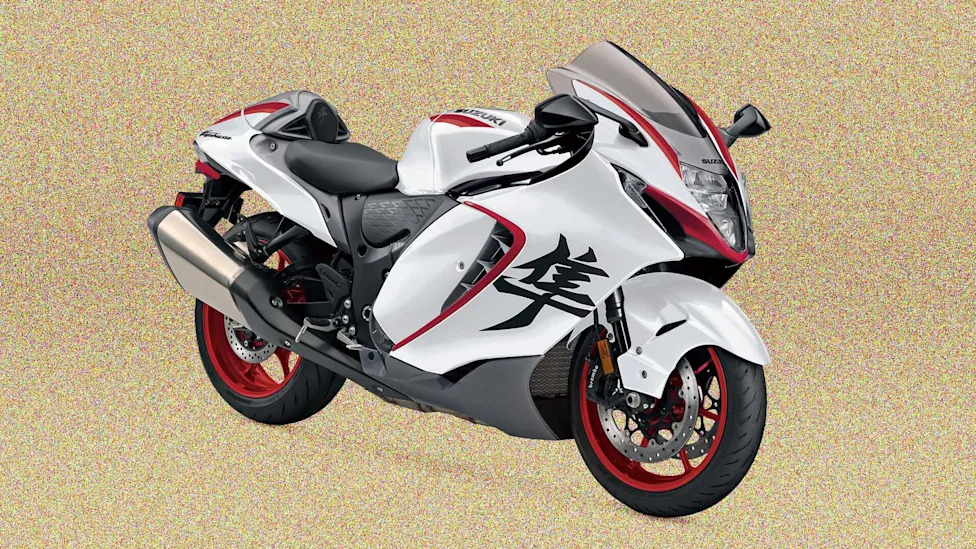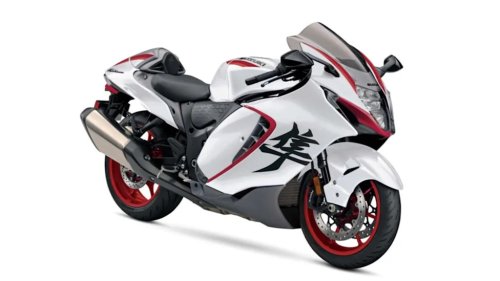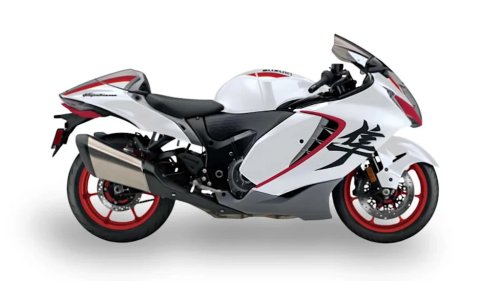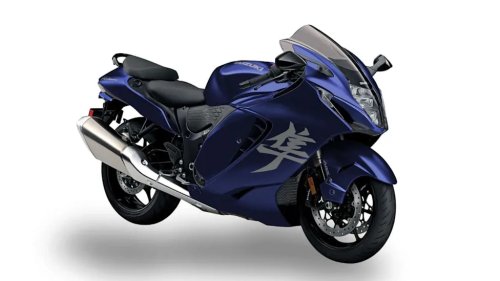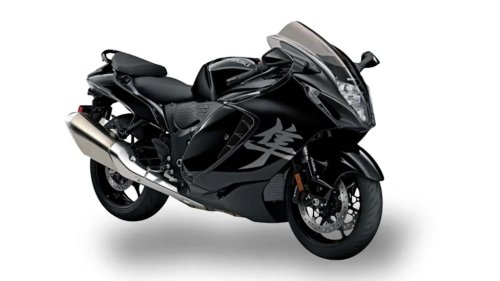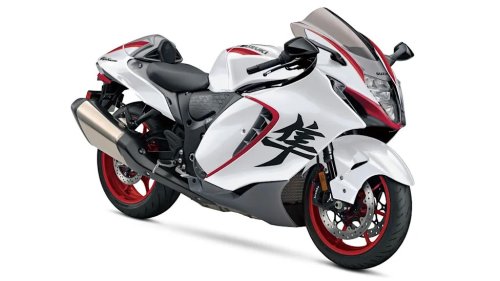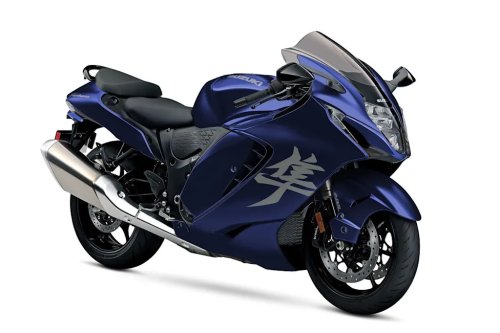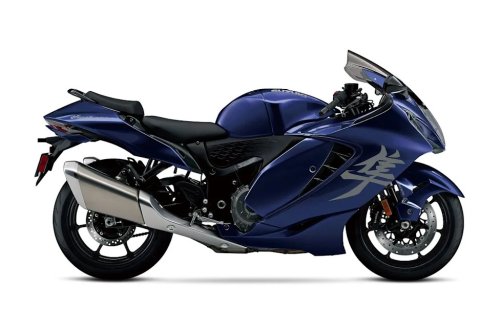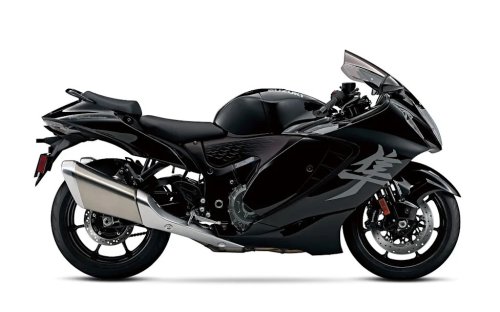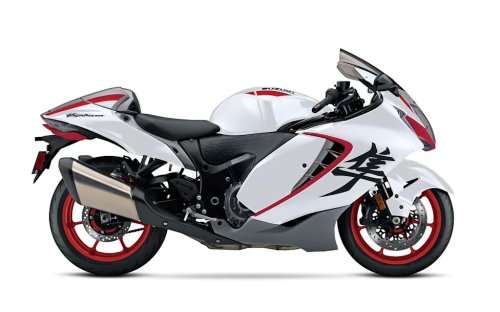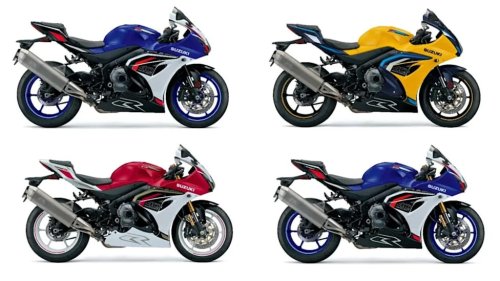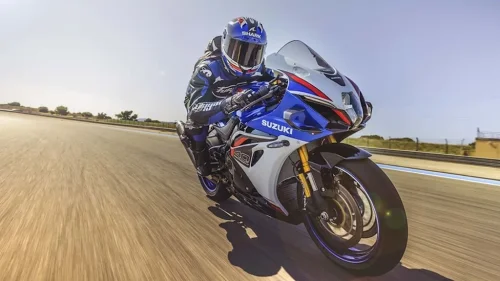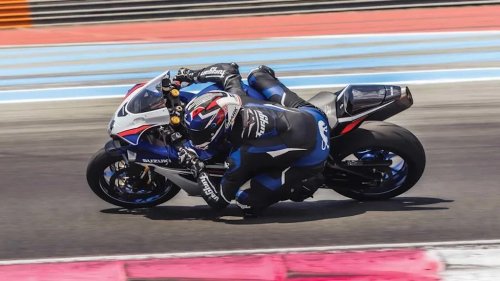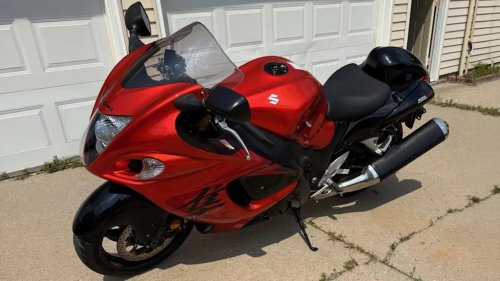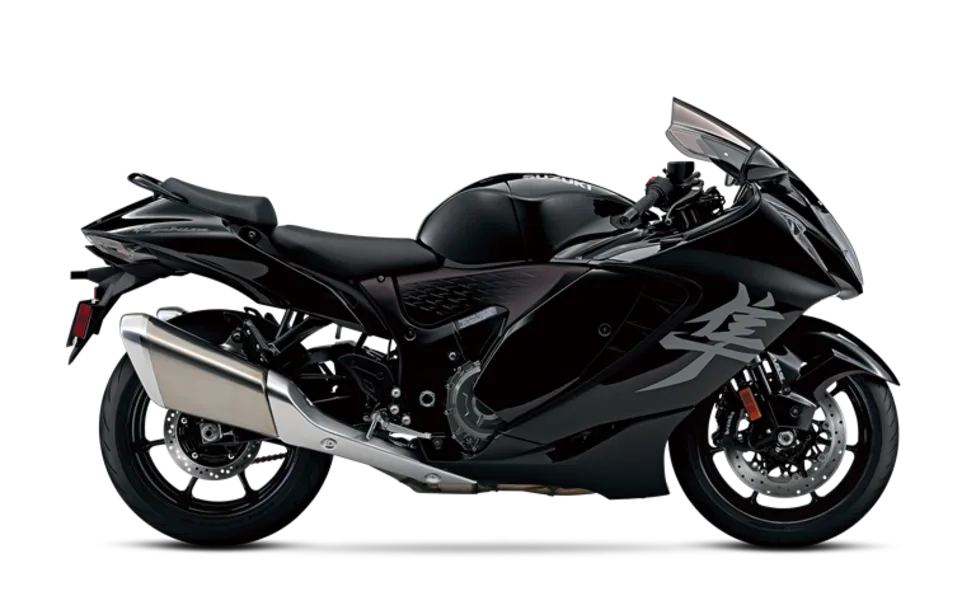


















2027 Suzuki Hayabusa: The One Fix That Actually MattersSuzuki just released full details on the 2027 Hayabusa, and if you were hoping for a ground-up reinvention, brace for disappointment. That's kind of the point. This is the third generation of a platform that's been quietly outrunning its own hype since 1999, and Suzuki's engineers spent this cycle sanding down the rough edges instead of starting over.Base MSRP sits at $19,699, plus a $750 destination charge, so budget north of $20,000 before your state adds its cut. For that money you're getting a bike whose core recipe hasn't moved much: a 1,340cc, liquid-cooled inline-four with a 12.5:1 compression ratio, fed through 43mm Ride-by-Wire throttle bodies. The changes for 2027 are more about refinement than raw output, and that's worth understanding before you assume Suzuki phoned this one in.The Engine Internals Suzuki Actually TouchedSuzuki added four extra Side Feed Injectors, positioned to fatten up low- and mid-range torque rather than chase a bigger peak number. That matters more than it sounds: a hyper-sport bike this size lives most of its life between 3,000 and 7,000 rpm on public roads, and injector placement aimed at that range does more for real-world rideability than a few extra horsepower at redline ever would. The reciprocating assembly, pistons, rods, and crank, was designed with reduced mass, paired with a gear-driven balancer shaft to cut vibration. Less reciprocating mass lets the engine rev and settle more quickly, and a properly tuned balancer shaft is the difference between mirrors that are still readable at highway speed and ones that turn to mush past 6,000 rpm. Twin Ram Air Direct ducts, built into the upper fairing, funnel pressurized air to the airbox as road speed climbs, a decades-old trick that still works.A Lithium Battery Enters the PictureThe most interesting spec change might be electrical, not mechanical. Suzuki swapped in a high-capacity lithium-ion battery built by ELIIY Power, a Japanese energy-storage company better known for grid and EV-adjacent battery work than motorcycle parts bins. The upside is straightforward: lithium-ion units typically shave several pounds off a comparable lead-acid battery while holding a charge better in storage, which matters on a bike plenty of owners park for months at a time. The tradeoff worth knowing before your first winter: lithium motorcycle batteries generally need a charger or tender rated specifically for lithium chemistry. Hook up an old lead-acid float charger and you risk mistreating a cell pack that doesn't respond to voltage the way your last battery did.The Electronics Suite Gets One Genuinely Useful FixSuzuki's rider-aid suite, badged S.I.R.S., carries over its Drive Mode Selector, Motion Track Traction Control, a ten-stage Anti-lift Control system, and a three-mode Engine Brake Control system, all present on the outgoing Hayabusa in some form. The change that actually solves a real complaint is Smart Cruise Control: on the previous bike, using the bi-directional quickshifter while cruise control was active canceled cruise outright, forcing riders to reset it after every gear change on the highway. For 2027, shifting no longer kills cruise. It's a small fix, but it's the kind of detail that suggests Suzuki's engineers actually ride these things and got tired of seeing the same complaint in owner forums. The bi-directional quickshifter itself still offers two distinct modes, one tuned for racing-style aggression and one softened for casual commuting, and Launch Control has been revised for better low-speed response off the line.Brakes, Suspension, and the Weight Nobody's HidingBraking comes from Brembo's Stylema calipers up front, four-piston units clamping a pair of 320mm floating discs, the same caliper family Brembo brings to its factory-backed WorldSBK weekends when it wants stopping power that won't fade. A Combined Brake System routes some front-lever input to the rear caliper automatically, and the whole setup ties into a six-axis IMU so the Motion Track ABS can modulate braking force while the bike is leaned over, not just running in a straight line. Suspension duties go to fully adjustable KYB components at both ends, an inverted fork up front and a link-type shock out back.AdvertisementAdvertisementNone of that erases a curb weight of 264 kg, or 582 pounds, heavy next to a literbike like an R1 or ZX-10R, but the Hayabusa was never built to be a trackday scalpel. That weight comes from a 5.3-gallon fuel tank, a full fairing built for wind-tunnel efficiency rather than lap times, and ergonomics relaxed enough for a genuine cross-country run. Buyers cross-shopping this against a pure sportbike should budget accordingly: more mass means more stress on brake pads and tires over a season of hard riding, and replacement Bridgestone Battlax Hypersport S22 rubber, sized 120/70ZR17 front and 190/50ZR17 rear, isn't cheap for a set that also has to handle this much bike at speed.Pricing, Warranty, and What It's Actually Like to Own OneSuzuki backs the Hayabusa with a 12-month limited warranty, extendable through Suzuki Extended Protection. Given how much electronics now live on this bike, an IMU, a CAN-style wiring harness, and a TFT display bolted into an analog gauge cluster, that extended coverage is worth serious consideration rather than an upsell to wave off at the dealership. Electronics failures on modern sportbikes tend to be expensive diagnostic exercises rather than simple part swaps, and a bike this reliant on sensors talking to each other isn't the place to gamble on a bare twelve-month window.Buyers get two color choices, Glass Sparkle Black or Metallic Reflective Blue, both wearing the kanji badge that's been part of the Hayabusa's identity since day one. Seat height comes in at 31.5 inches, reasonably manageable for a bike this size, though the weight still makes itself known the moment you're walking it backward out of a garage.The Legend Suzuki Is ProtectingNone of this happens in a vacuum. The Hayabusa built its reputation as the bike that pushed Suzuki, Honda, Kawasaki, and Yamaha into an electronic 186-mph gentlemen's cap on production sportbikes around the year 2000, and that outlaw mystique never fully faded. It's part of why the model still turns up in police blotters, including one Hayabusa that ended up crumpled against a Georgia patrol car after a chase, and it's a detail worth factoring into your insurance quote before you sign paperwork. Insurers price this bike against decades of claims history tied to its top-end reputation, not just your personal riding record.AdvertisementAdvertisementWhat Suzuki delivered for 2027 is a bike that knows exactly what it is: a halo model that doesn't need to prove anything on a spec sheet anymore, the same way Ducati doesn't need to justify why Supreme wanted to slap its name on a Streetfighter V4. The Hayabusa's job was never to win a drag race against internet comment sections. It's to be the bike everyone recognizes at a gas station, and for 2027, Suzuki made sure that recognition comes with a smarter battery, a fixed cruise control, and brakes that can actually match the reputation.