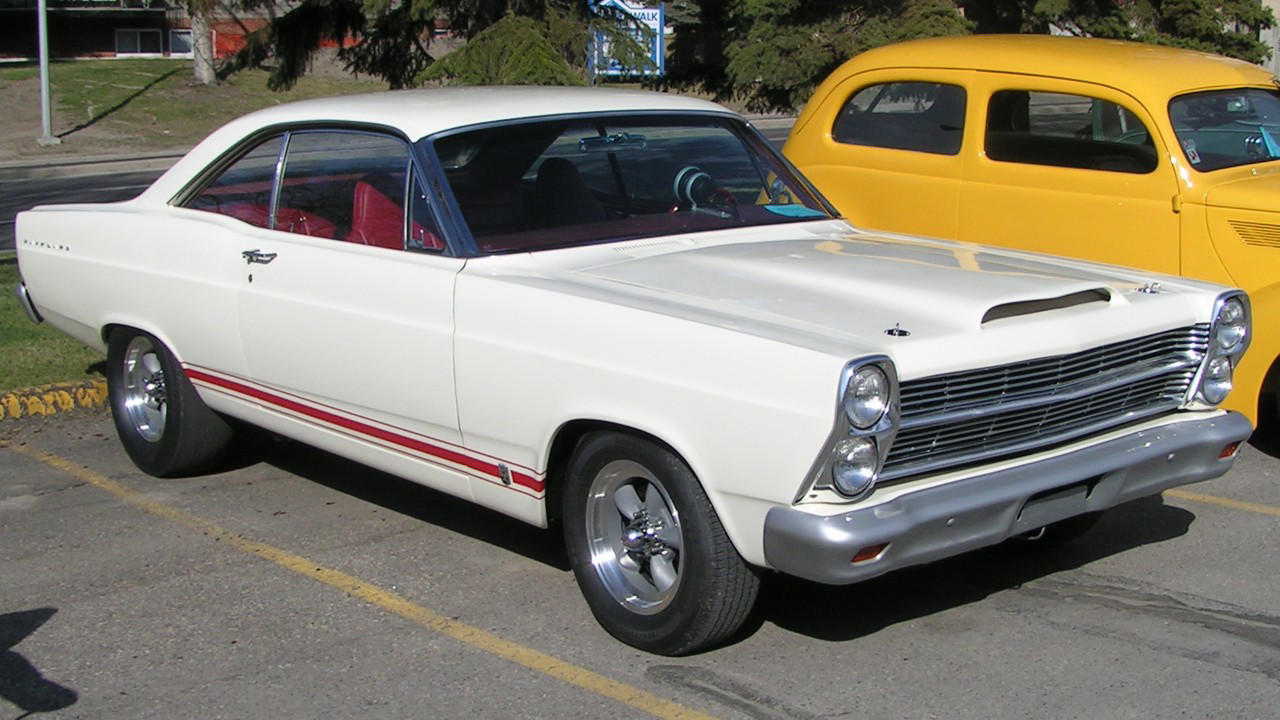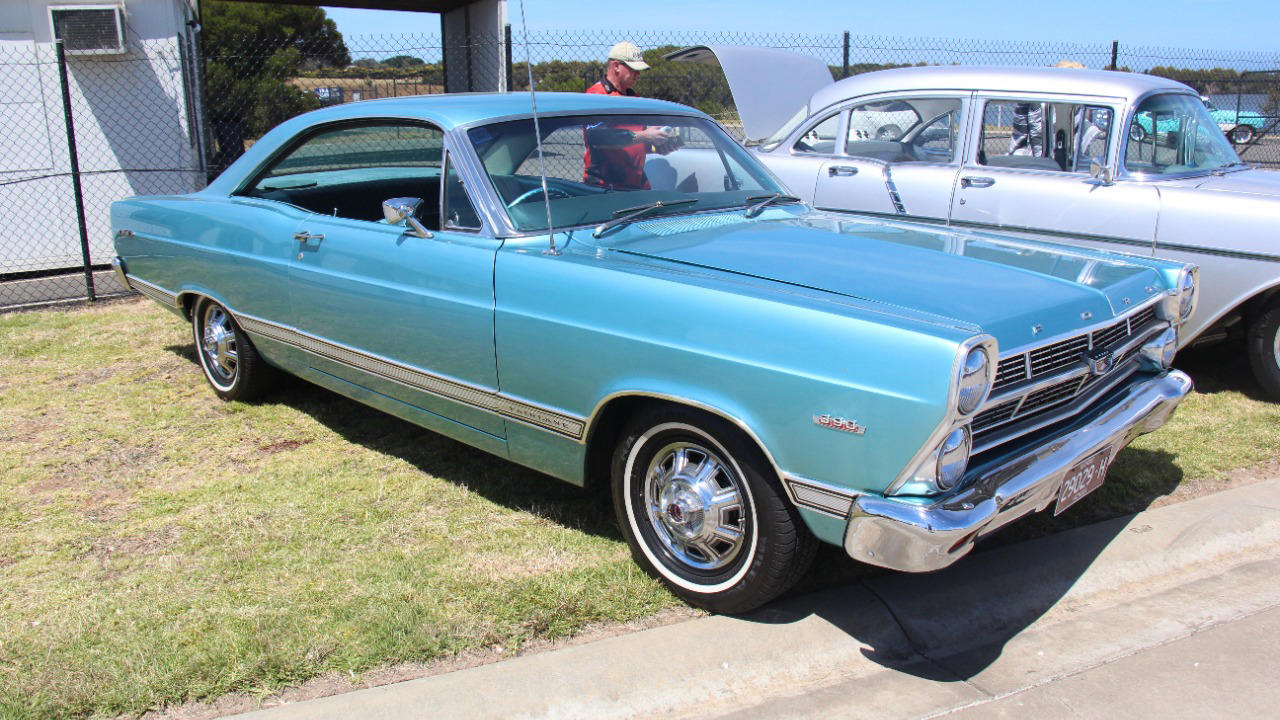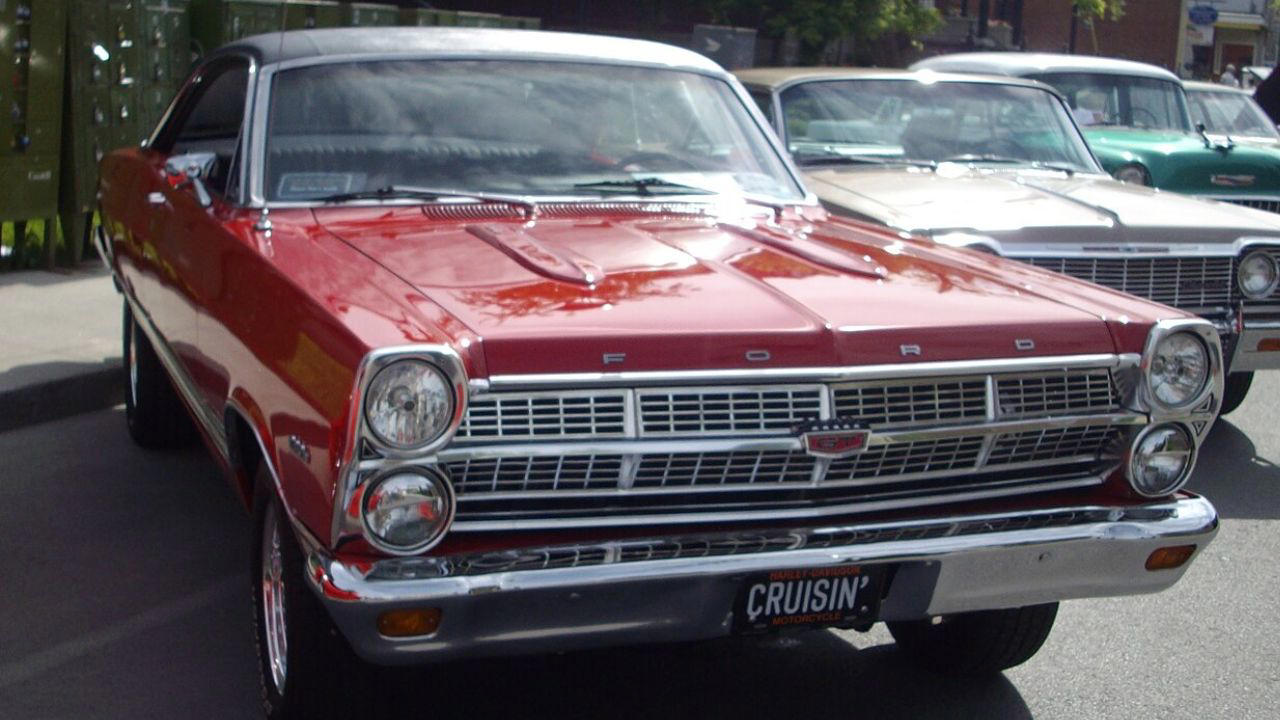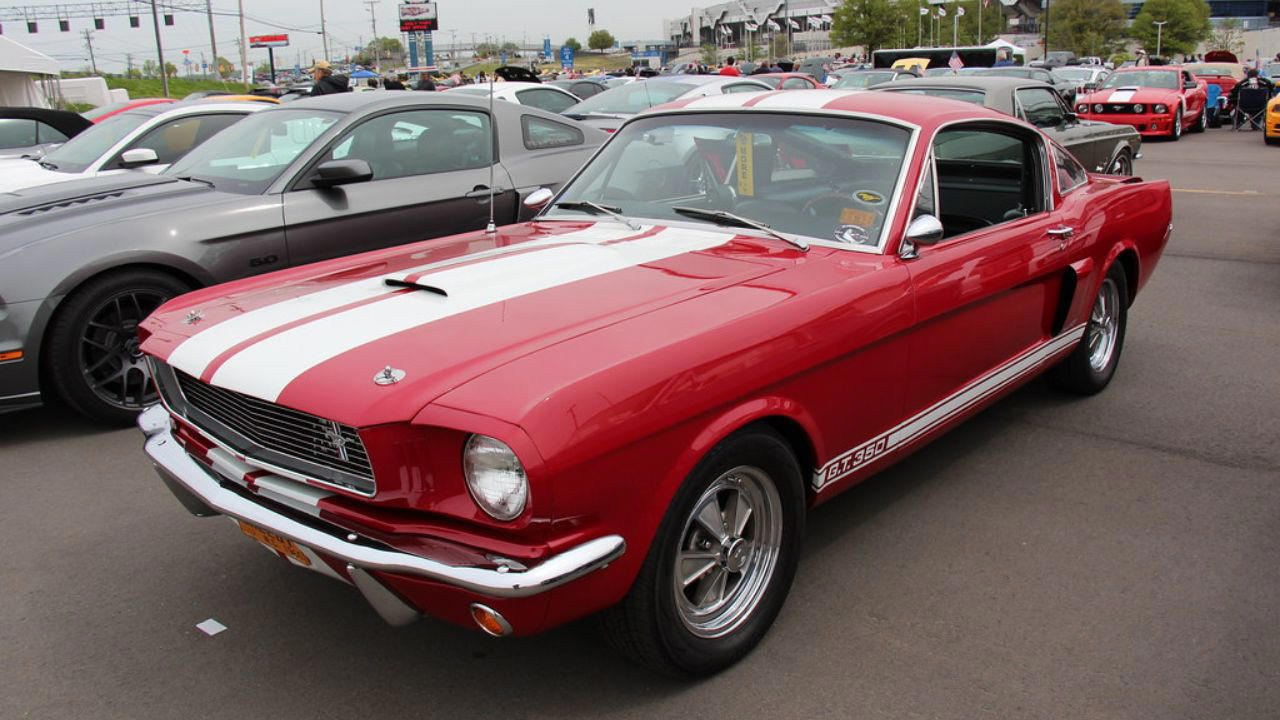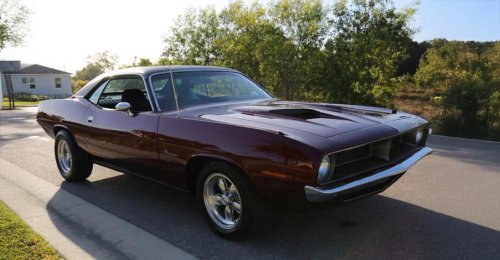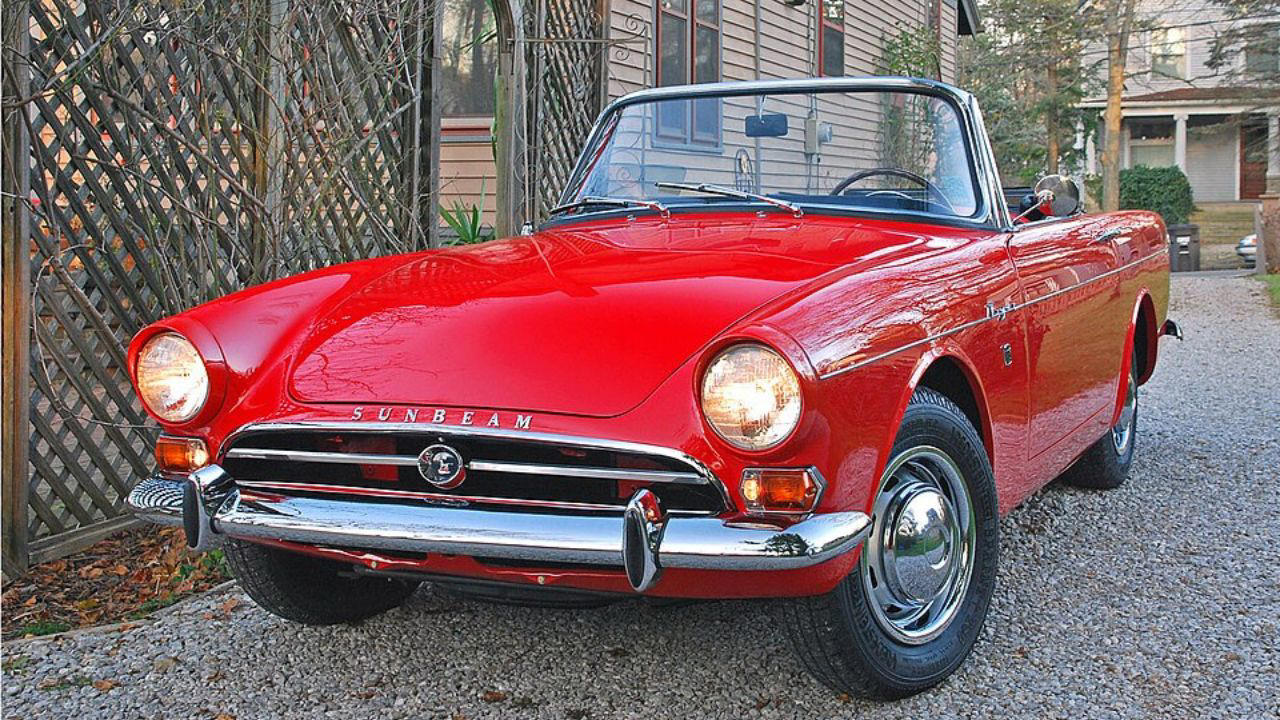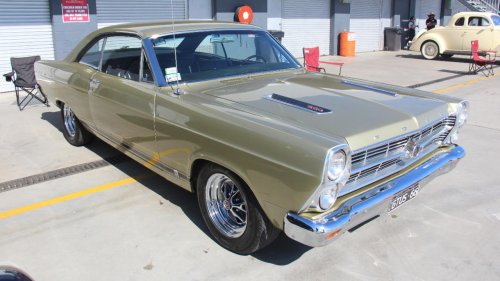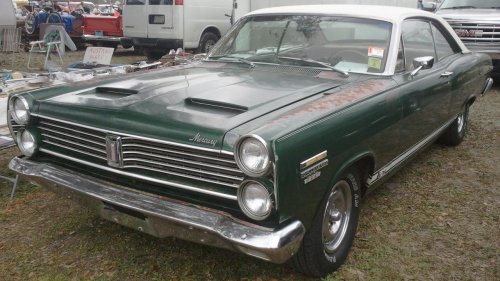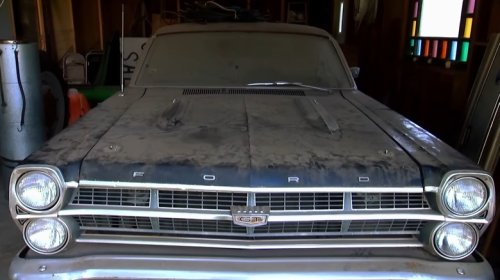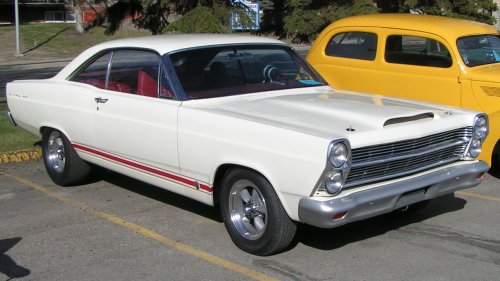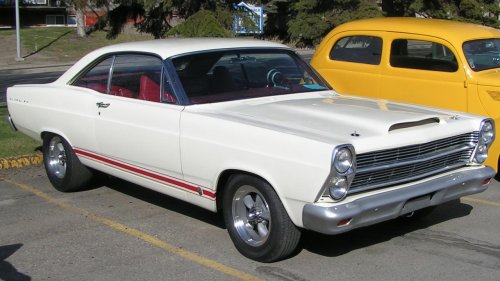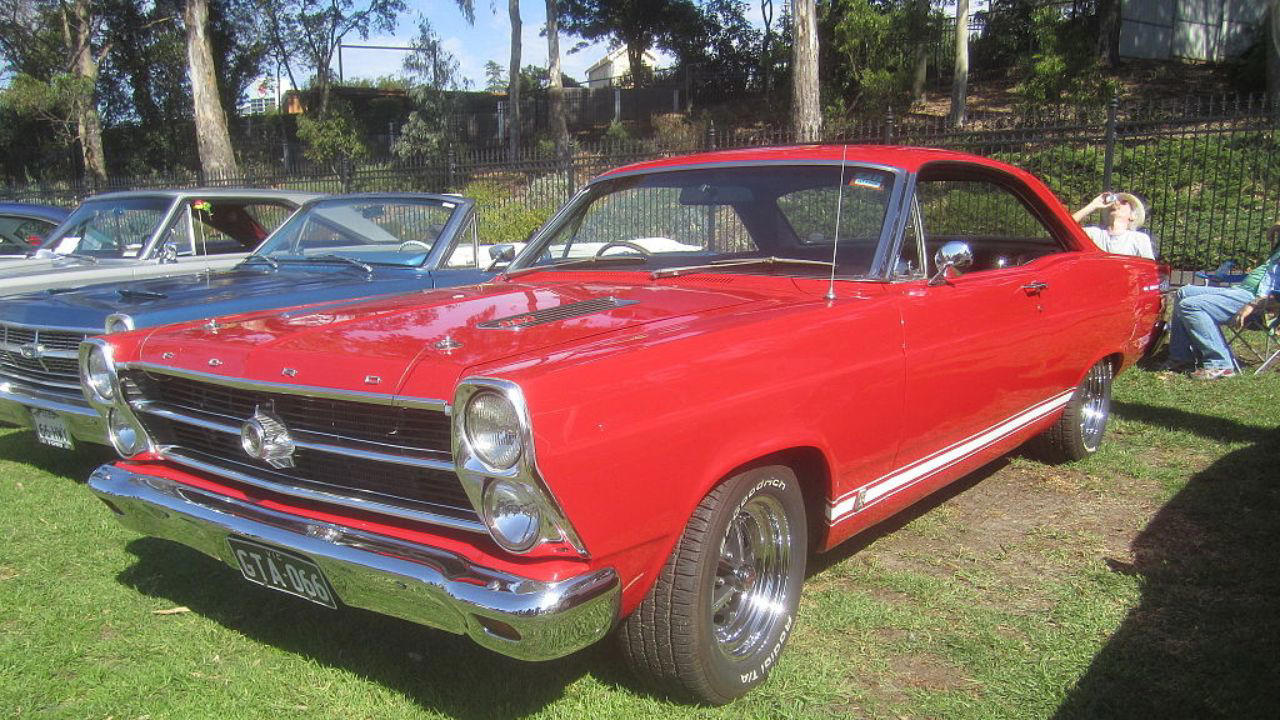



















The 1966 Fairlane GT found its way into more stories than people realizeThe 1966 Fairlane GT arrived as Ford’s first serious midsize muscle entry, yet it rarely gets mentioned in the same breath as Mustangs, Chargers or GTOs. That relatively quiet presence has allowed the car to slip into all kinds of roles, from factory street bruiser to custom showpiece and even movie villain hardware, without most people realizing they are looking at the same basic machine. The Fairlane GT did not just live in spec sheets and brochures; it kept turning up in pop culture, video games, race tracks and private garages, quietly shaping more stories than its modest fame suggests. The moment Ford aimed the Fairlane at muscle By 1966, Ford had already learned how to sell excitement with the Mustang, but the company still needed a true midsize performance car that could stand up to big-block rivals. Its answer was the Fairlane GT and Fairlane GTA, built on the intermediate Fairlane body but engineered with a clear performance agenda. Under the hood sat a 390 cubic inch V8 that enthusiasts still identify simply as the 390, and it turned the once sensible Fairlane into a serious straight-line threat. Contemporary descriptions of the 1966 Fairlane GT highlight that this model used a Thunderbird Special version of the 390, and that this engine was rated at 335 horsepower. One period overview described the GT as “racier” than the standard Fairlane, in part because the Thunderbird Special hop-up of the 390 came as standard equipment, its 335 bhp promising to twist the tail of just about anything that pulled alongside. That same big-block 390 configuration has since been repeatedly cited as the heart of Ford’s first proper midsize muscle car, a bridge between the company’s full-size 427 powered Galaxies and the lighter pony cars. The Fairlane GTA added an automatic transmission to the formula, giving buyers a way to enjoy the same basic powertrain with less shifting. Ford framed the GTA as a blend of style, muscle and daily-driver comfort, a car that could carry a family during the week and still feel like a beast under the skin when the road opened up. Together, the GT and GTA established the Fairlane name as more than a family sedan badge, and they did it in a single model year that would later become a touchstone for collectors. How the 1966 Fairlane GT looked and felt Visually, the 1966 Fairlane GT leaned into clean lines rather than flamboyant scoops. The body wore subtle GT badges and a crossbar-style grille, with just enough brightwork to separate it from lower Fairlane trims. Inside, the car could be ordered with the 500XL and 500 interior treatments, including bucket seats and a console that reinforced its performance intent. Owners and restorers still point to the way a correctly finished 1966 Ford Fairlane interior can transform the car, with one restoration group calling the cabin of a completed 1966 Ford Fairlane “gorgeous” and describing the car as a piece of history that sparks envy among fellow enthusiasts. The driving experience matched the visual restraint. Period tests and modern walkaround videos describe clean body lines, a relatively understated exhaust note at idle and a surge of torque when the 390 is given room to breathe. A factory four-speed version of the 1966 Ford Fairlane GT 390, shown in a detailed walkaround from a dealer in Clarence, Iowa, demonstrates how simple the recipe really was: big engine, honest manual gearbox and a chassis that could be hustled with confidence. From Detroit show floor to custom legend The Fairlane GT platform did not stay stock for long. Customizers quickly saw potential in its proportions, and one of the most famous examples became the 1966 Ford Fairlane GT-X. That car was unveiled at Autorama in Detroit and soon after appeared in an issue of Car Craft, which meant thousands of readers saw a Fairlane transformed into a show car with wild paint, a reworked interior and period performance upgrades. Throughout the rest of its early life, the GT-X toured events and helped cement the idea that a Fairlane could be just as glamorous as any other 1960s muscle machine. Decades later, the same GT-X resurfaced in the collector world after a lengthy restoration process and eventually found a new home in a private collection. Coverage of that restoration stresses how the car combined custom 60s glam with the underlying hardware of the Fairlane GT-X, which still traced back to Ford’s 1966 Fairlane GT program. The GT-X story shows how a single 1966 Fairlane could move from factory product to showpiece, then to long-lost relic and finally to prized artifact, all while carrying the same basic identity. The Fairlane GT on screen Even viewers who have never heard the term Fairlane GT have likely seen one on a movie screen. A 1966 Ford Fairlane appears in the Fast & Furious franchise, where it is driven by the villain Dante Reyes in Fast X. The car is cataloged on a dedicated fan page that tracks vehicles used in the series, and there it is listed as a 1966 Ford Fairlane associated with Dante Reyes and the broader Fast saga. In that context, the Fairlane is not a nostalgic collectible; it is a visual shorthand for menace and old-school American muscle. The choice of a 1966 Fairlane for that role is telling. The car carries the squared-off, purposeful look of mid-60s Detroit performance, and its relative obscurity compared with a Mustang or Charger gives it a slightly more unpredictable presence. Viewers see a big, angry Ford, but only dedicated fans will recognize it as a Fairlane GT derivative. That quiet anonymity allows the car to serve the story without distracting from the characters, even as it introduces the Fairlane shape to a new generation of moviegoers. Digital Fairlanes and quarter-mile legends The 1966 Fairlane GT has also slipped into digital culture. In one racing game, a 1966 Ford Fairlane GT is modeled as a selectable car, complete with track lists like Pacific Drive, White Sands, Voodoo Village and Colonial Grounds. The game’s vehicle entry, preserved on a fan wiki, places the Fairlane alongside more obvious performance icons and lets players experience a simulated version of Ford’s midsize muscle on fictional circuits. That presence in a modern game keeps the 1966 Fairlane GT in front of younger enthusiasts who might otherwise never encounter the car. On YouTube, the Fairlane’s quarter-mile reputation is reinforced by videos that count down the fastest Ford Fairlanes over the quarter mile. One such feature frames these cars as quarter-mile monsters and reminds viewers that The Ford Fairlane started life as a comfortable family car before becoming a drag strip weapon. In that narrative, the 1966 Fairlane GT sits near the origin of the performance story, a template that later Fairlane builds would push to extreme levels. Show floors, race tracks and Halloween matchups The 1966 Fairlane GT still appears at major indoor shows, where it often shares space with high-end muscle and rare Corvettes. A video shot in Chicago at the Muscle Car and Corvette National Show, for example, walks through a 1966 Ford Fairlane GT-X A Go Show Car and captures the crowd’s reaction. The host notes that it is his first time at the Corvette National Show and that the crowd’s energy is high, which underlines how a Fairlane can hold its own even in a room filled with some of the most desirable American performance cars. Out on the drag strip, stock-appearing Fairlanes continue to line up against period rivals. A Halloween themed video from a pure stock series pits a 1966 Ford Fairlane against a 1969 Plymouth Barracuda, with the announcer leaning into the Oct holiday atmosphere and promising to scare viewers with the performance on display. That race, and others like it, shows how the Fairlane’s 390 power and midsize weight still make it a credible competitor in tightly regulated stock classes. Personal builds and the “Quick Henry” legend Beyond factory specs and organized events, the 1966 Fairlane GT has inspired a long list of personal projects. One enthusiast build, documented in a video interview, focuses on a 1966 Ford Fairine 500 nicknamed Quick Henry. The owner, Bill Armstrong, describes how the car evolved into a purpose-built street and strip machine, with a flat build approach that emphasizes both appearance and performance. The nickname Quick Henry reflects both the car’s speed and its Ford heritage, and the story illustrates how a Fairlane 500 can be turned into something that feels every bit as special as a GT. Another short feature on a 1966 Ford Fairlane GT 390 describes the car as a muscle car built before the term was even famous. The video highlights clean body lines, subtle GT badges and a stance that looks ready for action even at a standstill. That framing supports the idea that the Fairlane GT helped define what a muscle car could be before the label became marketing shorthand. Why the 390 matters so much Nearly every serious discussion of the 1966 Fairlane GT returns to a single figure: 390. The 1966 Ford Fairlane GT 390 used a 390 cubic inch V8 that enthusiasts still view as the core of the car’s identity. One enthusiast group describes the 1966 Ford Fairlane GT 390 as Ford’s first proper midsize muscle car, emphasizing that it combined big-block power with pony car handling. Another summary of the 1966 Ford Fairlane 500 GT notes that the car came standard with a 390 cubic inch V8 pumping 335 horsepower and that this combination carried Ford’s muscle into the mid-size segment with style and power. Technical breakdowns of the 1966 to 1967 Ford Fairlane 500XL, GT and GT/A explain that the GT took a Thunderbird Special version of the 390 as standard equipment. That engine, rated at 335 bhp, gave the Fairlane GT a performance ceiling that far exceeded most family sedans of the era. The same sources describe how the chassis was reinforced around the inner shock towers to handle the added stress, a reminder that Ford treated the GT as more than a cosmetic package. The GTA and the idea of everyday muscle While the four-speed GT captured the imagination of purists, the Fairlane GTA broadened the car’s reach. In 1966, Ford brought out the Fairlane GTA as an automatic-equipped version that still carried serious power. Contemporary descriptions portray the GTA as a blend of style, muscle and daily-driver comfort wrapped in a sleek mid-size body. The automatic transmission made the car easier to live with in traffic, yet it was still a beast under the skin when the driver wanted to accelerate hard. This balance between comfort and performance foreshadows later muscle sedans and modern performance crossovers. The Fairlane GTA showed that a car did not have to sacrifice usability to deliver strong acceleration, and it did so at a time when many high-performance models were still relatively raw. The GTA’s role in the lineup reinforces how the 1966 Fairlane program anticipated trends that would become standard decades later. More from Fast Lane Only Unboxing the WWII Jeep in a Crate 15 rare Chevys collectors are quietly buying 10 underrated V8s still worth hunting down Police notice this before you even roll window down