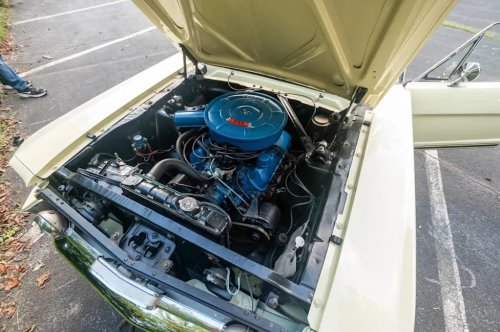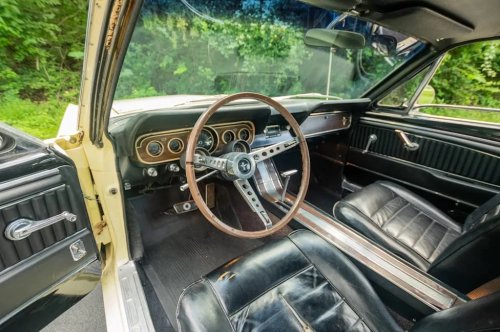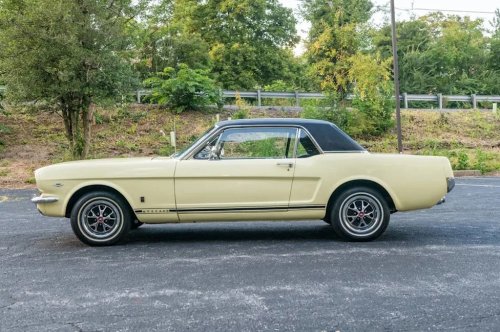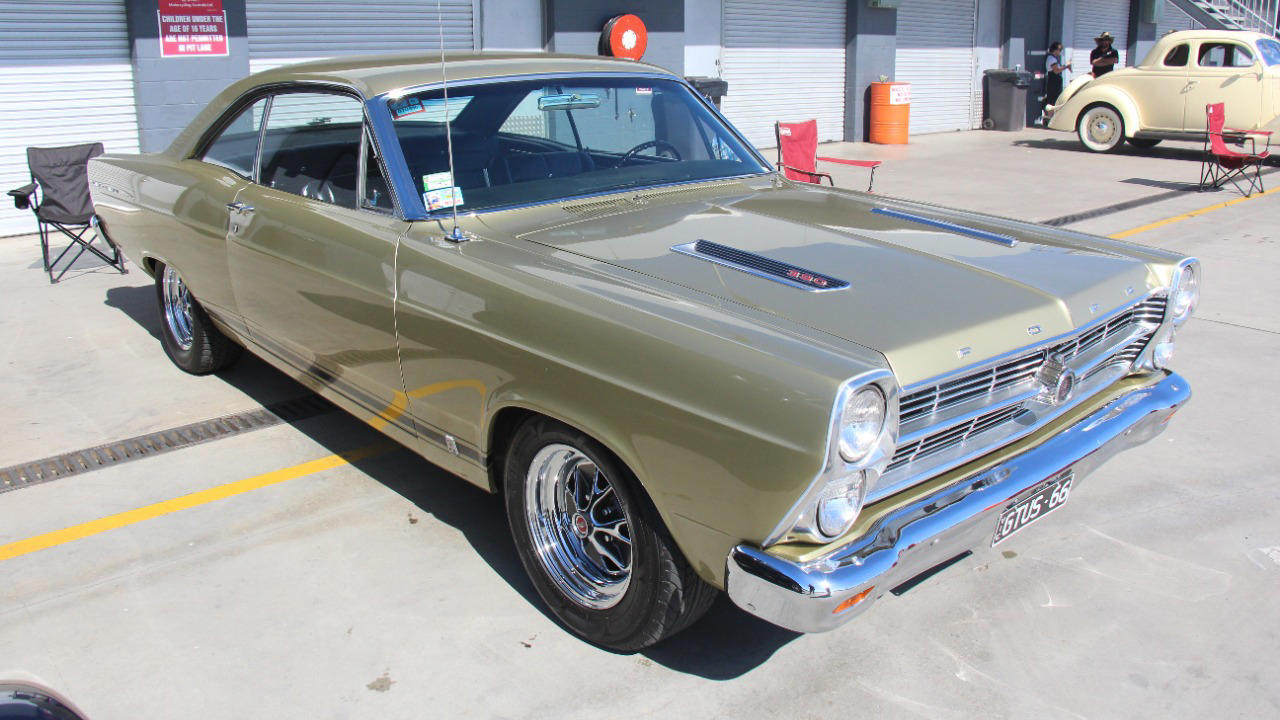
























Ford’s answer to muscle competition came alive in the 1966 Fairlane GT 390The 1966 Fairlane GT 390 arrived as Ford’s direct reply to the rising tide of American muscle, packaging big-block power in a mid-size body that could finally run with the street legends of its era. With a 390 cubic inch V8, bold styling, and real-world practicality, it marked the moment Ford stopped dabbling and built a thoroughbred contender for the muscle car wars. Today the car sits at a crossroads of history and nostalgia, celebrated by enthusiasts who see it as Ford’s first true midsize muscle machine and a turning point that linked everyday Fairlane commuters to serious performance hardware. The Fairlane steps into the muscle fight By the mid 1960s, the Fairlane name had already carried years of family duty, but the 1966 Ford Fairlane was redesigned with sharper body lines and a more purposeful stance that hinted at untapped performance. Contemporary descriptions of the Ford Fairlane in that model year highlight a sleek mid-size profile that blended classic American style with real performance potential. Positioned between compact and full-size offerings, the 1966 Ford Fairlane 500 became, as one enthusiast summary puts it, a mid-sixties muscle icon that blended style, performance, and everyday practicality, with the Fairlane 500 nameplate carrying a prominent 500 designation. That balance of usability and aggression made the platform ideal for a more serious performance variant. Ford seized that opportunity by turning the Fairlane into a carrier for big-block power in a mid-size shell. As later retrospectives on the 1966 Fairlane GT describe, this move effectively created Ford’s first thoroughbred in the intermediate class, a machine aimed squarely at rivals that had already embraced the formula. From family car to GT badge The jump from sensible Fairlane to Fairlane GT was not subtle. The official 1966 brochure shows that page layouts for the Fairlane GT promoted bright side stripes, a “black-out” grille, and gleaming hood louvers, with copy that described these as clues that the car was built to go. The document specifically calls out the Fairlane GT and uses the phrase Bold GT stripes to underline the visual shift. Those visual cues mattered in the context of mid-sixties muscle competition, as buyers wanted something that looked as serious as it sounded. The GT package delivered with badging, rocker stripes, styled wheels, and that distinctive hood treatment, all wrapped around a body that had been redesigned with crisper fenders and a longer, cleaner roofline. Inside, the GT treatment added a sportier flavor but still kept the Fairlane’s reputation for practicality. Bucket seats, a console on many cars, and performance-oriented gauges signaled intent, yet the car remained a usable four-passenger machine that could pull family duty during the week and hit the strip on weekends. The 390 big-block at the center Under the hood sat the defining feature: a 390 cubic inch V8. On the GT, this engine was tuned for real muscle car duty. Period and enthusiast sources agree that the 1966 Ford Fairlane GT 390 delivered 335 horsepower, with one enthusiast post describing the Ford Fairlane GT 390 as producing 335 horsepower and stout torque output. Technical data from a contemporary road test of the Fairlane GTA version lists the Engine Ohv V-8 with a Bore of 4.00 inches, a Stroke of 3.78 inches, a Compression ratio of 10.5 to 1, and a Displacement of 390 cubic inches. That same document credits the engine with Horsepower of 335 at 4,800 rpm, confirming that the Engine Ohv specifications were aimed squarely at performance. Enthusiast commentary on social platforms repeats the same core numbers. One widely shared post notes that the 1966 Ford Fairlane GT 390 was Ford’s first proper midsize muscle car and again cites the 390 cubic inch V8 and 335 horsepower rating, with the figures 390 and 335 treated as key selling points. This consistent emphasis on displacement and output reinforces how central the engine was to the GT’s identity. GT and GT/A: automatic or four-speed Ford offered the performance Fairlane in two primary flavors, the GT with a four-speed manual and the GT/A with an automatic. A detailed retrospective on the 1966 Fairlane GT describes the cars as Ford’s First Midsize Musclecar and notes that the 390 big-block was installed in an intermediate platform for the first time in this way. The GT used the four-speed to appeal to drivers who wanted full control, while the GTA targeted buyers who preferred the convenience of an automatic without sacrificing the 390. Video walkarounds of surviving cars, such as a factory four-speed example filmed at Kenyan Classic Cars, highlight the appeal of the manual-equipped GT today, with the shifter and clutch pedal seen as core parts of the experience. On the automatic side, modern commentators like Muscle Car Campy have revisited the 1966 GTA Fair Lane, again pointing to the 390 cubic inch engine and explaining how the GTA combined big power with a less demanding driving experience. In one video, Muscle Car Campy describes the Ford GTA Fair Lane 390 as a serious performer that could still serve as a comfortable cruiser. How the GT 390 stacked up on the street Contemporary testing and later recollections show that the Fairlane GT 390 was not just a straight-line curiosity. The same road test that lists the Bore, Stroke, Compression, Displacement, and Horsepower figures reports strong acceleration and a willingness to rev that surprised drivers who were used to heavier full-size Fords. Enthusiast posts highlight that the 1966 Ford Fairlane GT 390 was capable of quarter-mile times that placed it firmly in the muscle conversation, with one Facebook group dedicated to Ford performance cars describing the 1966 Fairlane GT as a legitimate threat to better-known rivals of the era. While exact elapsed times vary by source and setup, the combination of 335 horsepower, relatively light mid-size weight, and aggressive gearing made the car quick by any reasonable mid-sixties standard. Handling was more of a mixed story, as with most muscle cars of the period. The Fairlane’s mid-size chassis gave it an advantage over larger full-size models, and the GT package brought upgraded suspension and wider tires, but the car still carried a heavy big-block over the front axle. Owners who wanted sharper reflexes often turned to aftermarket shocks, sway bars, and modern radial tires, modifications that are common on restored cars today. Design cues that signaled intent Visually, the 1966 Fairlane GT 390 walked a line between subtle and aggressive. The factory brochure’s reference to Bold GT stripes captures one side of that personality, while the rest of the body remained clean and almost understated compared with some contemporaries. The blacked-out grille, hood louvers, and GT badging did the talking without resorting to oversized scoops or wild graphics. Later design writeups describe the 1966 Ford Fairlane as redesigned with sharper body lines and a more muscular stance, and one enthusiast group post about the Ford Fairlane emphasizes how the car captured the balance between mid-60s muscle and everyday practicality. That dual character is central to the GT’s lasting appeal. It looked special enough to stand out, yet not so extreme that it seemed out of place in a driveway or office parking lot. Inside, the GT and GTA packages typically added bucket seats, a center console, and unique trim that distinguished them from more basic Fairlane sedans and wagons. The cabin layout was still straightforward and functional, which helped the GT serve as a daily driver for many original owners. Safety and usability in a muscle package While the focus often falls on horsepower, the 1966 Fairlane also reflected growing attention to occupant protection. Period documentation from an auto catalog archive notes that Safety features were designed into the car for greater safety, and that Safety authorities agreed that safe driving meant proper use of the automobile and its safety equipment. The Safety language in that material shows how manufacturers were beginning to balance performance messaging with reassurance about responsible engineering. For GT buyers, this meant that the same car that could run a strong quarter mile also came with features like improved brakes and structural upgrades that were promoted as part of a safer driving package. That blend of performance and emerging safety awareness helped the Fairlane GT appeal to buyers who wanted excitement without feeling reckless. Part of a broader Fairlane story The 1966 GT 390 did not exist in isolation. It sat within a broader lineage that enthusiasts now track through generational guides. One such overview of the 6th Generation Ford Fairlane Production Years lists the various trims and notes that this generation included several Special Trims, Editions, Models that expanded the lineup. The Generation Ford Fairlane discussion places the GT among a family of models that ranged from basic transportation to serious performance. Within that spectrum, the Fairlane 500 GT stood near the top. A social media post focused on the 1966 Ford Fairlane 500 GT points out that the car came standard with the 390 cubic inch V8 pumping 335 horsepower, making the 1966 Ford Fairlane GT a standout among mid-size offerings. That standardization of serious power was a clear statement of intent from Ford. Enthusiast communities also highlight modified examples, such as a 1966 Ford Fairlane 500 m car that has been updated with a 5-speed transmission while still being described as a Ford Fairlane GT 390. Posts about this Ford Fairlane show how owners today continue to blend original muscle credentials with modern drivability. Why enthusiasts call it Ford’s first thoroughbred midsize muscle car Among Ford fans, there is a recurring theme that the 1966 Fairlane GT 390 represented the company’s first fully committed midsize muscle entry. Retrospective coverage explicitly refers to the car as Ford’s first thoroughbred muscle machine in this class, a point reinforced by the way the Fairlane GT and story is framed as Ford’s First Midsize Musclecar. Enthusiast posts echo that language. One widely shared description calls the 1966 Ford Fairlane GT 390 Ford’s first proper midsize muscle car and again emphasizes the 390 displacement and 335 horsepower rating, with the figures 390 and 335 highlighted as defining metrics. The same post, hosted by a page dedicated to Ford performance history, underscores that Sep Ford Fairlane commentary treats the car as a turning point. Another enthusiast-focused feature on the 1966 Fairlane GT describes it as a model that enthusiasts once overlooked but now recognize as a rare Ford muscle car that many did not fully appreciate at the time. The article, shared under a generic label as Discovered, reinforces the idea that the Fairlane GT 390 has grown in stature as collectors and historians revisit the period. The GT 390’s legacy on the road and in collections Surviving Fairlane GTs and GTAs are now prized by collectors who value their blend of rarity, performance, and understated style. Walkaround videos of original or lightly restored cars, such as the factory four-speed example at Kenyan Classic Cars Clarence Iowa, show how clean lines, Bold GT stripes, and that 390 badge still draw attention from modern audiences. More from Fast Lane Only Unboxing the WWII Jeep in a Crate 15 rare Chevys collectors are quietly buying 10 underrated V8s still worth hunting down Police notice this before you even roll window down