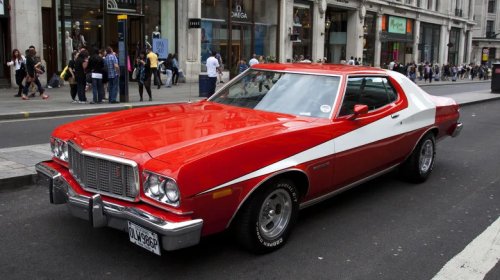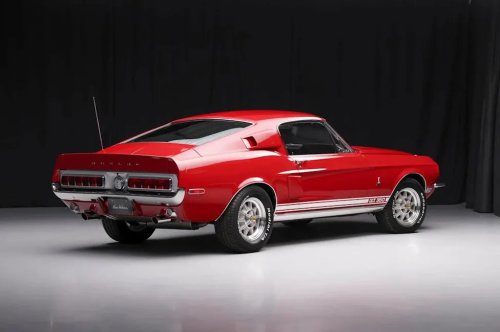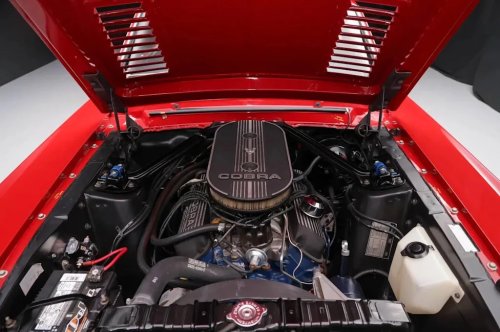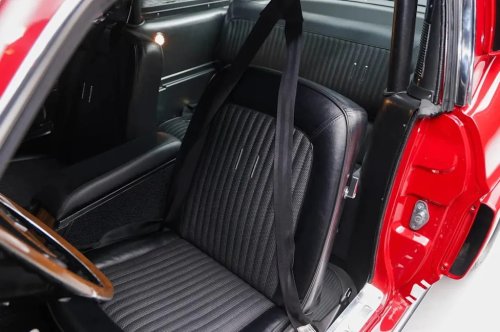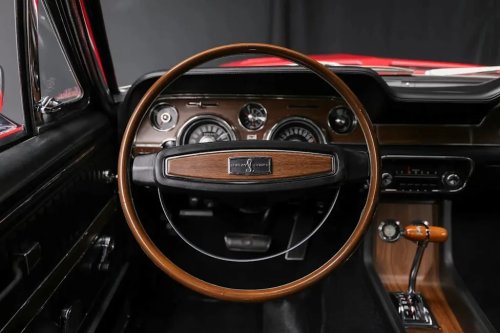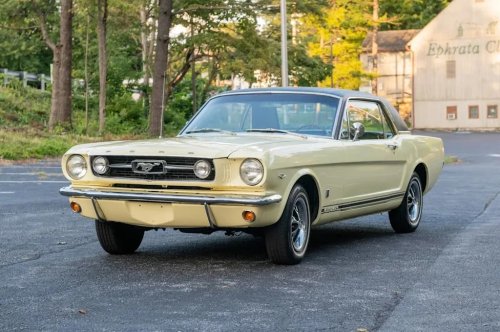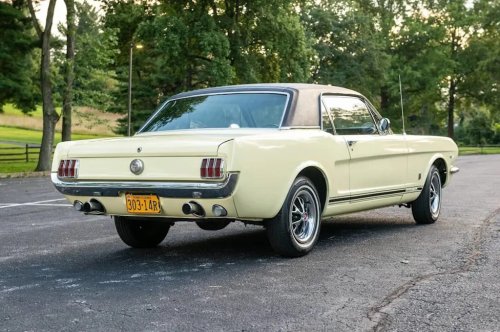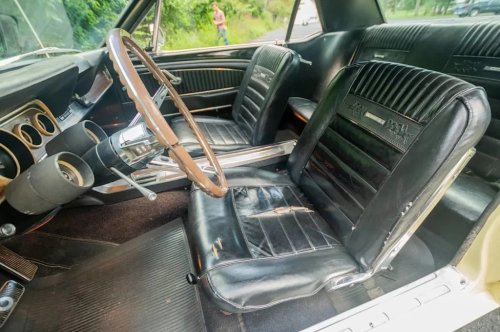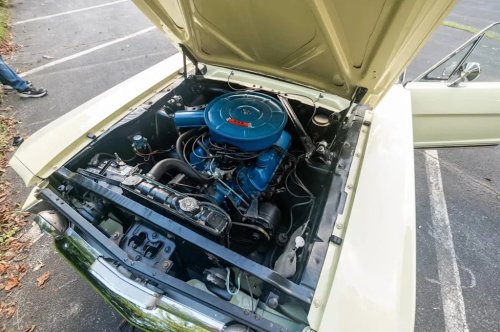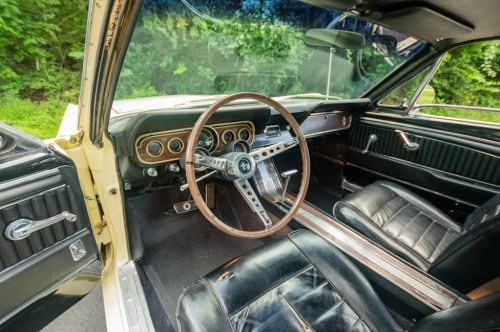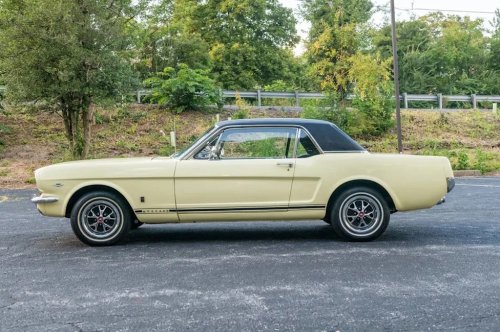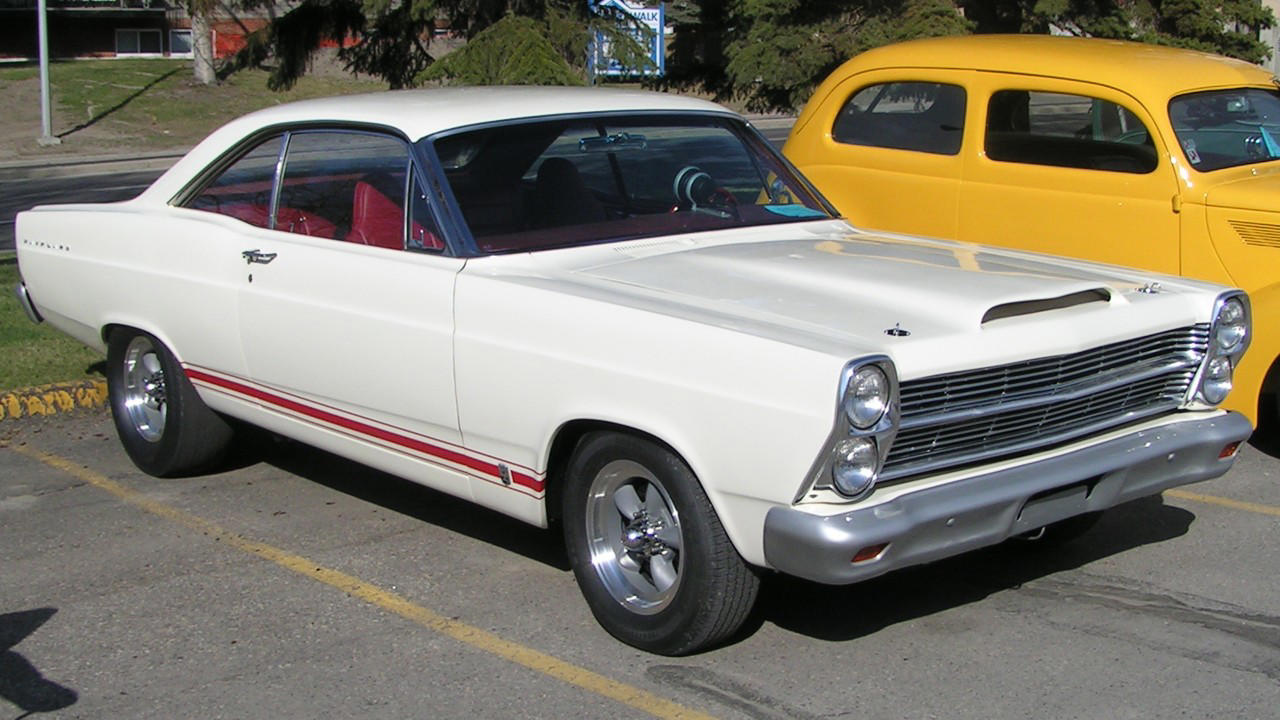



















The 1966 Ford Fairlane GT helped Ford compete but faded from attention quicklyThe 1966 Ford Fairlane GT arrived as Ford’s bid to claim a share of the booming midsize muscle market, aimed squarely at buyers who wanted big-block power in a tidier package. It helped the company close the gap with rivals, yet within a few short years, the Fairlane GT slipped out of the limelight, overshadowed by louder nameplates and changing tastes. Its brief moment at center stage says as much about Detroit’s rapid-fire muscle car wars as it does about the car itself. Ford’s late charge into the midsize muscle fight By the mid 1960s, General Motors had already staked out the midsize performance field with cars like the Chevelle SS and Pontiac GTO. Ford needed a direct answer. According to contemporary analysis, the redesigned Fairlane represented something new and something old for Ford, a clean-sheet body on a familiar nameplate that put the company back into the mid-sized game but still ran behind GM models such as the Chevelle SS in showroom buzz and sales. Ford’s strategy hinged on taking the Fairlane, previously a sensible intermediate, and turning it into a credible performance platform. The company leaned on its growing reputation in racing and big-block V8 engineering, looking to translate that success to the street. The result was the Ford Fairlane GT, a car that blended relatively compact dimensions with serious power and a more aggressive attitude than earlier Fairlanes. From family car to Ford Fairlane GT The transformation from family transport to muscle contender centered on the new GT equipment. The Ford Fairlane GT combined sporty aesthetics with strong performance, pairing a sleek body and chrome accents with optional V8 engines that gave it real authority on the road. Enthusiasts point to the way the car’s styling, from its stacked headlights to its sculpted rear quarters, signaled that this Fairlane meant business in a way its predecessors had not. Inside, bucket seats and a console shifter helped separate the GT from plainer Fairlane sedans and wagons. The package was designed to appeal to drivers who wanted something more serious than a basic intermediate but still more practical than a full-size performance car. Its mix of comfort and speed reflected Ford’s attempt to court buyers who liked hot performance without sacrificing ride quality or everyday usability. The GT and GT/A: Ford’s First Midsize Musclecar Production figures underline how central the performance variants were to the Fairlane story in 1966. Out of the 317,274 Fairlanes produced in 66, 37,342 were GT and GT/A models, and of these, 33,015 were hardtops, and 4327 were convertibles, according to period performance coverage of the Fairlane GT and lineup. Those numbers show that Ford did not treat the GT as a token halo car. It was built in meaningful volume and intended to move the brand’s image as well as its balance sheet. The GT/A designation signaled an automatic transmission in place of the standard four-speed. That distinction mattered in the mid 1960s, when many performance buyers still equated manual gearboxes with serious driving, but it also opened the Fairlane GT concept to a wider audience. The GT and GT/A together formed what enthusiasts now describe as Ford’s First Midsize Musclecar, a recognition that the company finally had a true intermediate hot rod to match what GM and others were selling. Chassis changes and the shorter 66 Fairlane Under the skin, the 66 Fairlane was shorter than the previous model, but it had a wider track front and rear. This contributed to the new car’s better stance and handling, giving it a more planted look and feel compared with earlier versions. The change in proportions helped the GT appear more muscular without resorting to exaggerated styling tricks, and it made the Fairlane a more capable base for high-horsepower engines. The broader track worked with revised suspension tuning to keep the car more composed in corners, an important factor once big-block power arrived. Enthusiast road tests from the period describe a car that still felt like a mid 1960s Detroit intermediate, yet one that responded more confidently when pushed. The chassis changes were subtle but significant, and they helped justify the GT’s performance billing in a way that pure engine upgrades could not. These refinements are documented in technical discussions of the updated 66 Fairlane platform. Big-block power: the 390 and beyond Engine choices cemented the Fairlane GT’s identity. In the Fairlane GTA, the only engine option was a 390 cubic inch V8, a big-block that delivered the kind of torque buyers expected from a serious muscle machine. Contemporary drag race coverage notes that the 66 Fairlane GTA’s 390 worked with a relatively high compression ratio and performance gearing to deliver strong quarter-mile times, as seen in footage of a Fairlane GTA lining up against later rivals. Other enthusiasts describe the 1966 Ford Fairlane GT as a classic American muscle car that carried Ford’s muscle into the mid-size segment with style and power, again emphasizing the 390 as the heart of the package. Promotional material and later retrospectives agree that the big-block V8 gave the Fairlane GT the authority it needed to compete with cars like the Chevelle SS 396 and Pontiac GTO, even if Ford’s entry arrived after those names had already built strong reputations. On the strip: quarter-mile credentials Performance numbers from the period show that the Fairlane GT and GTA could back up their aggressive image. When Car & Driver put a 1966 Fairlane GTA in a six-way test, it made the quarter mile in 14.26 seconds at 99 miles per hour, a result that placed it in the thick of the midsize performance pack. That test also compared the GTA with a big-block Chevelle SS396, highlighting how closely Ford’s new contender matched the established benchmarks in straight-line speed. Drag racing culture of the time treated these cars as weapons in what enthusiasts describe as a battle for American streets, a full-blown war fought on Saturday nights one quarter mile at a time. In that context, the Fairlane GT’s combination of a 390 V8, relatively trim body, and improved chassis made it a credible player. Some specialty builds went even further, with rare 427-powered Fairlanes and examples like one documented 1966 car that was one of just 57 in 1966 and recorded a best elapsed time of 11.95 seconds after years of careful ownership across 52 years. Showroom rivalry with the Chevelle SS and the Pontiac GTO Despite its strengths, the Fairlane GT entered a field already dominated by strong personalities. A period commercial pitted a 1966 Chevelle SS 396 versus Pontiac GTO and Ford Fairlane GT, framing all three as cars designed for drivers who liked hot performance without sacrificing ride quality. The very fact that the Fairlane GT appeared in that comparison shows that Ford had succeeded in inserting its midsize muscle car into the core of the market, even if the Chevelle and Pontiac GTO enjoyed more name recognition. The Chevelle SS 396 leaned heavily on its 396 cubic inch big-block and a strong marketing push, while the Pontiac GTO had already earned affectionate nicknames like “the goat” and “great one” thanks to its ability to accelerate from 0 to 60 m in 6.5 seconds in some configurations. Against those legends, the Fairlane GT felt newer and less defined. It offered similar performance and arguably cleaner styling, but it lacked the same mythology, which made it harder for Ford to keep the car in the public imagination once newer models arrived. Why the Fairlane GT faded so quickly The Fairlane GT’s slide from attention was not due to any single flaw. Instead, it reflected how fast the muscle car market evolved in the late 1960s. Within a short time, Ford shifted its performance spotlight to other models, and the Fairlane name itself would eventually give way to different branding. As the company’s portfolio expanded, the GT’s identity blurred, especially as buyers gravitated to more famous badges and fresh body styles. GM’s continued push with cars like the Chevelle SS and Pontiac GTO kept those names in front of enthusiasts year after year. The Fairlane GT, by contrast, did not receive the same sustained promotion. Period commentary suggests that while the Fairlane represented something new and something old, blending innovation with continuity, that same duality limited its long-term impact. It was never as radical as some rivals, and once the novelty of Ford’s first midsize muscle entry faded, the car struggled to stand out. Survivors, forgotten status, and modern appreciation Today, the Fairlane GT often appears in enthusiast discussions as one of Ford’s forgotten muscle cars. Collectors and restorers describe the 1966 Ford Fairlane as a model that deserves more recognition, particularly in high-spec forms such as the 427-powered test cars that occasionally surface in videos and club posts. One enthusiast video explicitly sets out to cover one of Ford’s forgotten muscle cars, the 1966 Ford Fairlane, and highlights how Ford introduced a brand new performance focus for the nameplate that year, as seen in footage of a Ford Fairlane 427 test drive. Online communities dedicated to the Ford Fairlane GT showcase restored examples and period-correct builds, praising Its blend of style and usable performance. Owners emphasize how the car’s shorter, wider stance and big-block torque make it engaging to drive even by modern standards. At the same time, the model’s relative obscurity compared with Chevelles and GTOs means that some survivors remain more affordable, which encourages hands-on enthusiasts to rescue and rebuild them rather than treating them as untouchable museum pieces. Documentation and the paper trail of a brief star The historical record of the 1966 Fairlane GT is scattered across factory archives, brochures, and enthusiast retrospectives. Corporate materials preserved in collections like the Ford Heritage Vault show how the company pitched the Fairlane as a modern intermediate with performance options, while original brochures archived at sites such as Fairlane focused on the combination of comfort and speed. Later reference works, including volumes that compile the complete history of Ford and catalogs of American cars, treat the 1966 Fairlane as a key transitional model between early 1960s family sedans and the more focused muscle machines that followed. Enthusiast media has also kept the story alive. Feature articles on the Fairlane GT and family and descriptions of Ford’s First Midsize Musclecar in print and online have helped frame the car’s legacy for new generations. Social media shares of these pieces, through tools such as dedicated Fairlane GT and links and enthusiast tweets that highlight Ford’s First Midsize Musclecar, have introduced the 1966 Fairlane GT to younger enthusiasts who might otherwise know only the headline names of the era. More from Fast Lane Only Unboxing the WWII Jeep in a Crate 15 rare Chevys collectors are quietly buying 10 underrated V8s still worth hunting down Police notice this before you even roll window down