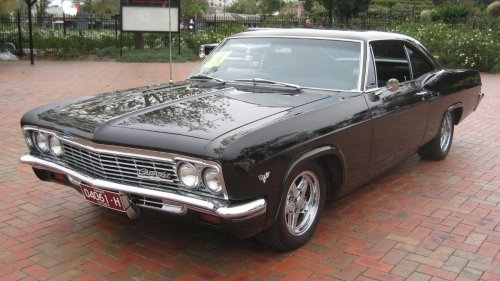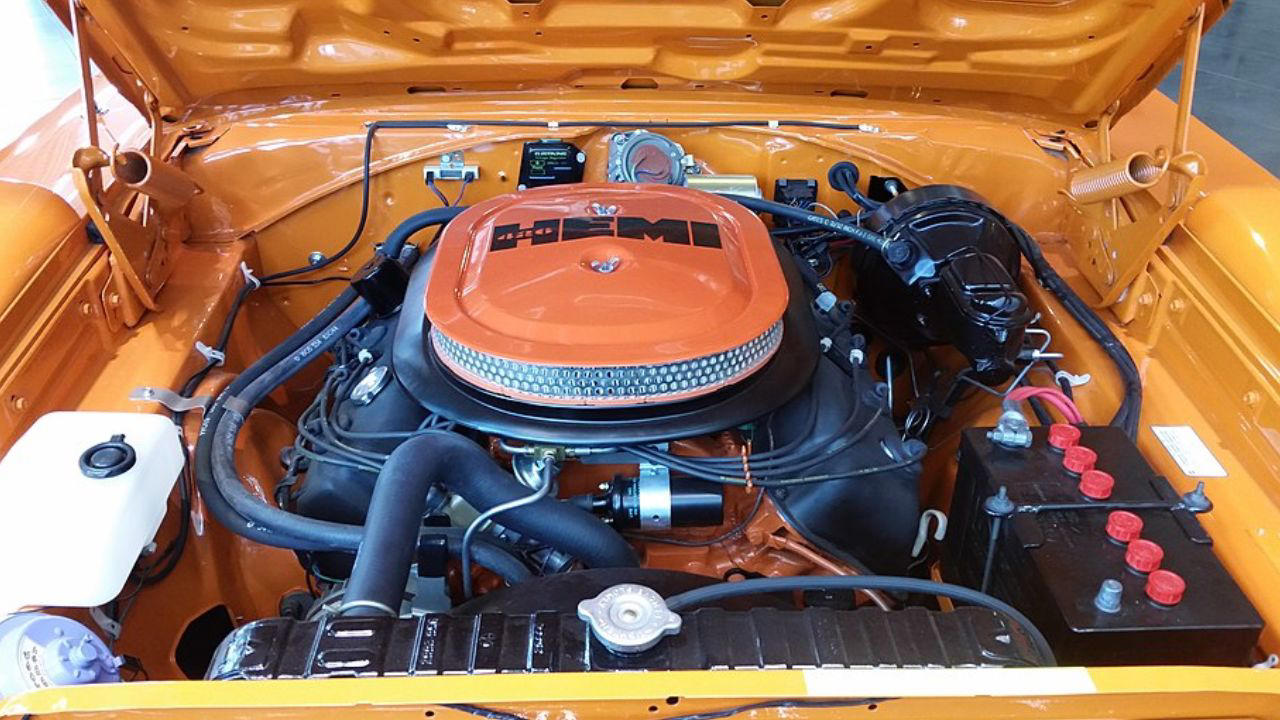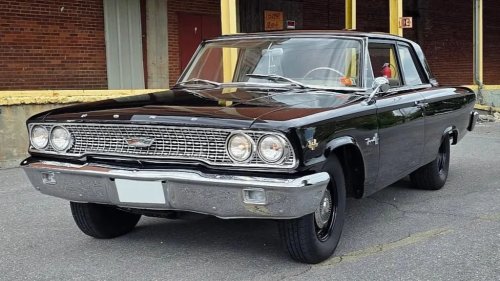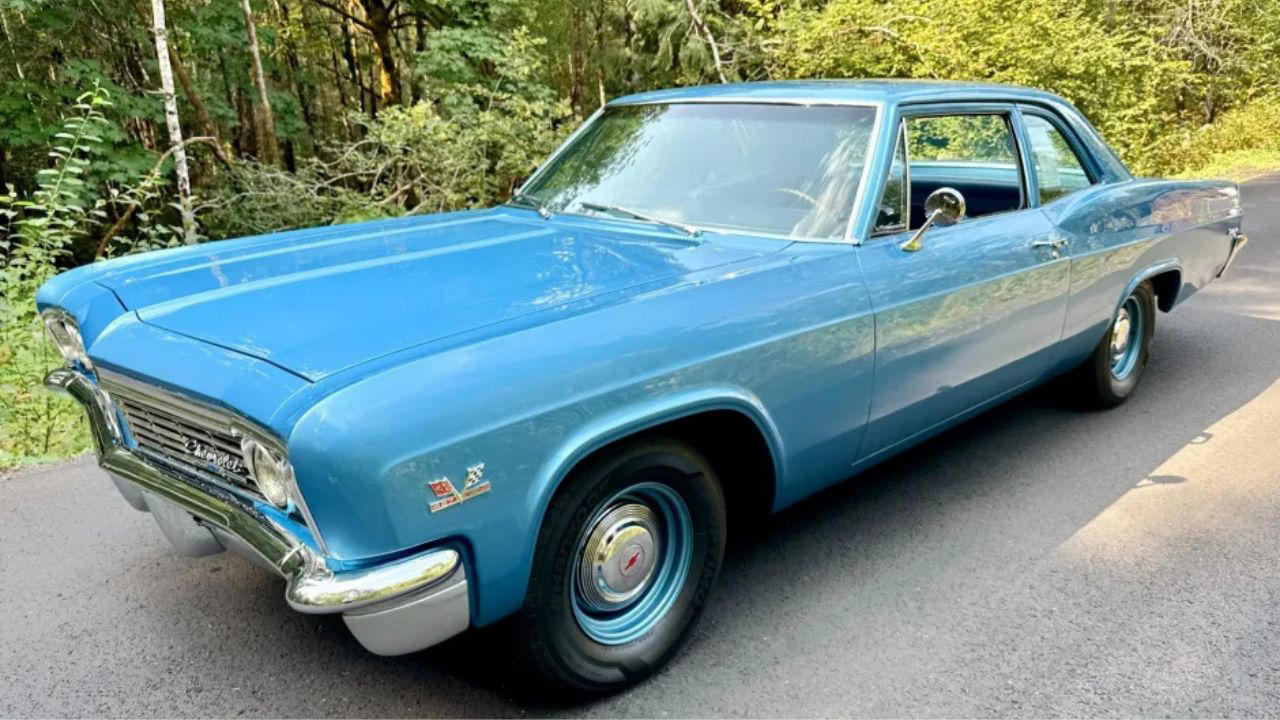


















Nobody expected a base car like the 1966 Biscayne L72 427 to hit that hardThe 1966 Chevrolet Biscayne L72 427 looked like a budget fleet car and hit like a factory prizefighter. Vinyl bench seats, rubber mats and a plain body shell hid one of the most violent big-block combinations Detroit ever slipped into a full-size sedan. Nobody expected a base model to run with dedicated muscle cars, yet this stripped Chevy repeatedly punched far above its weight. Here was a car that police departments and penny-pinching families could order, but hardcore racers quickly recognized it as a secret weapon. With the L72 427-cubic-inch V8, the lightest big Chevy body and almost no creature comforts, the Biscayne became a mythic sleeper whose production numbers remain hazy and whose survivors are fiercely hunted. The plain sedan that fooled everyone On the surface, the Biscayne sat at the bottom of Chevrolet’s full-size lineup. Aimed at companies, police departments and families counting every penny, it came with vinyl bench seats, rubber floor mats and absolutely no glamour, as one period walkaround of a boring sedan version makes clear. Chrome was minimal, trim was sparse and the car projected a no-nonsense, almost anonymous presence. That anonymity was the point. Fleet buyers wanted durability and low cost, not flash. The Biscayne delivered with a basic interior and a body that blended into traffic. At the same time, Chevrolet quietly allowed buyers to pair that bare-bones shell with some of the most serious powertrains in the catalog. In this case, the L72 427 turned the humblest full-size into a weapon that outpaced cars marketed specifically as performance models. Enthusiasts later described these cars as sleepers or fake-out specials, a label that fits the 1966 Chevy Biscayne perfectly. One account calls a 425hp 427 Biscayne a 425-horsepower weapon disguised as a boring family sedan and notes that it could outpace pure muscle cars while offering zero modern safety features to keep its driver on the road. That mismatch between appearance and ability is exactly what made the L72 Biscayne so dangerous. Why the L72 427 mattered in 1966 To understand why the L72 Biscayne hit so hard, it helps to look at the corporate backdrop. By the mid sixties, General Motors had imposed a 400-ci (6.5-liter) limit on engines installed in its intermediate line, which meant cars like the Chevelle could not officially receive the largest big-blocks. Chevrolet responded by putting its most brutal engines into full-size models, including the Biscayne. As one overview of the 1966 Biscayne 427 explains, the big sedans became the legal home for powerplants that would otherwise have gone into smaller, lighter cars. The policy created a strange situation. The hottest engine in Chevrolet’s arsenal, the L72 427, could not be ordered in some sporty intermediates but could be slipped into a car that looked like it belonged in a municipal motor pool. For racers who understood the rulebook, the path was obvious. They could order a base two-door Biscayne, add the right options and drive home with a car that was both street legal and ready for the drag strip. Period footage of a factory race-prepped example shows how enthusiasts saw these cars. In one Hot Rod Revue feature, the host describes reading about the L72 Biscayne in magazines and calls them almost mythical, with numbers produced not really quantifiable by anybody. That sense of mystery around production and intent only added to the car’s legend. The L72 big-block: 425-horsepower trouble The heart of the package was the L72 427-cubic-inch big-block V8. Chevrolet rated the engine at 425-horsepower and paired it with heavy-duty internals that were clearly designed with racing in mind. One detailed breakdown of the L72 427 notes that it was rated at 425hp at 5,600 RPM and 460-lbs ft of torque at 4,000 RPM, with a bottom end that featured a 4.251-bore four-bolt main block and forged rotating assembly. Another profile of a Biscayne ordered to race explains that the 425-horsepower L72 engine produced 460 foot-pounds of torque, thanks to a solid-lifter camshaft, high-compression pistons and a big Holley carburetor on an aluminum intake. In that account, Robert’s Biscayne was optioned to race from new and the car still carries the same brutal combination described in the Iron Fist feature. Video of surviving cars confirms those numbers on the pavement. One clip follows a 427 425 horse car, with the narrator stressing that it is a real L72 and a four-speed, before diving into the nuts and bolts of the two nearly identical Biscaynes. That 427 425 combination, when bolted into the lightest full-size body, gave owners a factory path to twelve-second quarter-mile times with little more than slicks and tuning. Stripped body, serious hardware The genius of the L72 Biscayne lay in how Chevrolet combined that power with minimal weight and cost. The Biscayne lacked the heavy trim and luxury options of the Impala or Caprice, which meant less mass over the rear wheels and fewer distractions for buyers focused on performance. One enthusiast piece on Rare Rides notes that it did not take long for hardcore Chevy enthusiasts to figure out that the stripped-down, base-model two-door Biscayne would make the perfect platform for the L72 427. Inside, the car remained brutally simple. Bench seats, basic gauges and little sound insulation created a cabin that felt more like a work truck than a performance flagship. Under the surface, however, buyers could specify heavy-duty suspension, big drum brakes and limited-slip rear axles that were borrowed from police and taxi packages. The result was a car that looked like a fleet special but could launch hard and track straight at the strip. Transmission choices only added to the dual nature of the car. While the base powertrains used column-shift automatics or three-speed manuals, buyers who knew what they were doing could select the M20 wide-ratio four-speed, the M21 close-ratio four-speed or the mighty M22 Rock Crusher heavy-duty four-speed. One enthusiast summary of the Chevrolet Biscayne SS highlights that Rock Crusher option as the ultimate match for big-block torque. From fleet car to factory hot rod On paper, the Biscayne remained a budget-friendly model. In practice, the L72 option turned it into a factory hot rod that few people saw coming. One enthusiast group points out that although they did not really need big-blocks to compete with much heavier full-sizers, some people still could not resist ordering the most powerful engines available. That Nov commentary captures the mindset of buyers who wanted to surprise rivals at the track or on the street. A period-style video asks what is more dangerous than a muscle car and answers that it is a muscle car that does not look like one, specifically a stripped down basic Chevy from the mid sixties. The narrator of that Chevy 427 clip points to the plain body and basic trim as the key to the car’s stealth appeal. For racers, the combination of low price, low profile and high output was irresistible. A feature on This Biscayne explains that its previous life in the fast lane should come as no surprise, since inserting the most powerful engine available from the factory into the lightest full-size shell created a car that practically begged to be run hard. How rare is rare? Part of the L72 Biscayne’s appeal today comes from how few were built and how fewer still survived. One detailed breakdown of the production suggests that approximately 183 to 200 units of the 1966 Chevrolet Biscayne with the 427-cubic-inch L72 engine were produced, with only about 11 original examples estimated to exist today. That figure, attributed to a Facebook analysis, helps explain why collectors chase these cars so aggressively. Other enthusiasts argue that the numbers are hard to pin down, since Chevrolet did not always break out engine and body combinations in public records. The host of one Hot Rod Revue segment calls the cars almost a little bit mythical and says that numbers produced are not quantifiable by anybody. That tension between specific estimates and broader uncertainty gives the L72 Biscayne an aura that more common muscle cars lack. What most sources agree on is that the L72 Biscayne sits near the top of the rarity scale for factory big-block Chevrolets. Another enthusiast summary describes a rare car 1966 Chevrolet Biscayne L72 427 as a twelve second car with a set of slicks from the factory and notes that the Biscayne line offered the largest selection of optional engines to date. That Rare description underlines both the performance and the scarcity that define the model. One of the first true sleepers Modern commentators often single out the 1966 Chevrolet Biscayne equipped with the L72 427 big-block V-8 as one of the first sleepers in American muscle history. A detailed overview of The Chevrolet Biscayne argues that the L72 version was one of the first sleepers and notes how the plain styling hid performance that rivaled or exceeded purpose-built muscle cars. Another enthusiast post goes further, stating that the 1966 Chevrolet Biscayne L72 was a 425-horsepower weapon disguised as a boring family sedan and that it outpaced pure muscle cars while offering zero modern safety features. In that telling of the Chevy Biscayne, the lack of disc brakes, traction control or stability aids only heightened the sense of danger. Social media clips and enthusiast forums regularly revisit the car’s sleeper status. One post about the ultimate sleeper points to the no-nonsense fleet styling and the ability to hide serious power beneath that plain skin. The consensus is clear. The L72 Biscayne did not just participate in the sleeper trend. It helped define it. Living with a 427 time capsule Modern owners of surviving L72 Biscaynes often describe a split personality. Around town, the car feels like any other sixties full-size sedan, with a soft ride, light steering and a cabin that would not look out of place in a taxi. Open the secondary butterflies on the big Holley carburetor, however, and the car lunges forward with a violence that surprises drivers used to modern performance. One feature on a restored example nicknamed Iron Fist details how Robert’s Biscayne retains its original mission. The car was optioned to race and still carries the 425-horsepower L72 engine that produced 460 foot-pounds of torque. The Discovered Iron Fist trail shows how enthusiast shops and magazines collaborate to preserve these machines and document their history. Another profile of a survivor in the Rare Rides series explains that enthusiasts quickly realized the potential of the base-model two-door Biscayne with the L72 427 and that surviving cars often have long racing histories. The Discovered Rare Rides social presence around that feature highlights how much attention even a single documented example can attract. Why the legend keeps growing Sixty years on, the L72 Biscayne’s appeal rests on three pillars. First, the numbers still impress. A 427-cubic-inch big-block rated at 425-horsepower and 460-lbs ft of torque, installed in a relatively light full-size shell, delivered performance that holds up even against modern cars. Second, the rarity figures, whether one believes the approximately 183 to 200 units estimate or leans toward the idea that numbers are not truly quantifiable, make every surviving car feel like a once-in-a-lifetime find. More from Fast Lane Only Unboxing the WWII Jeep in a Crate 15 rare Chevys collectors are quietly buying 10 underrated V8s still worth hunting down Police notice this before you even roll window down The post Nobody expected a base car like the 1966 Biscayne L72 427 to hit that hard appeared first on FAST LANE ONLY.