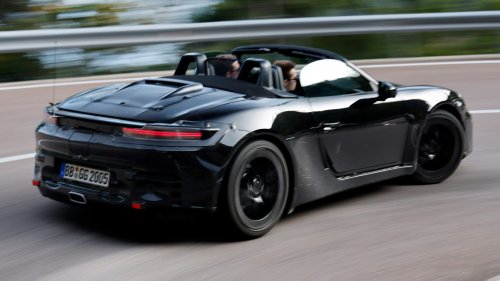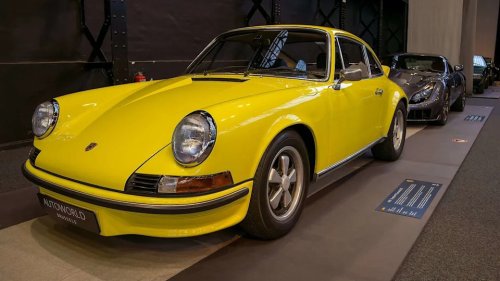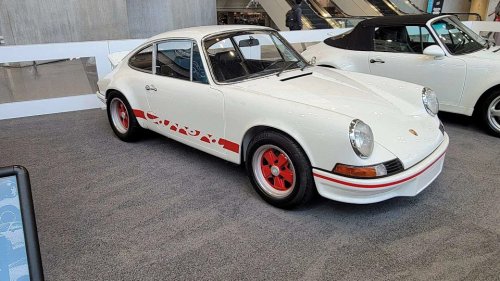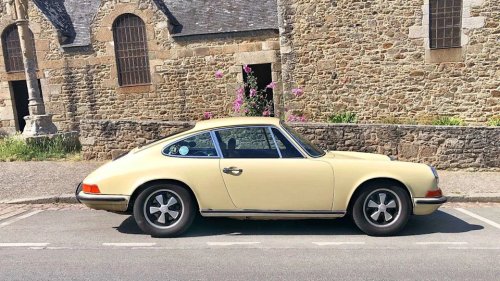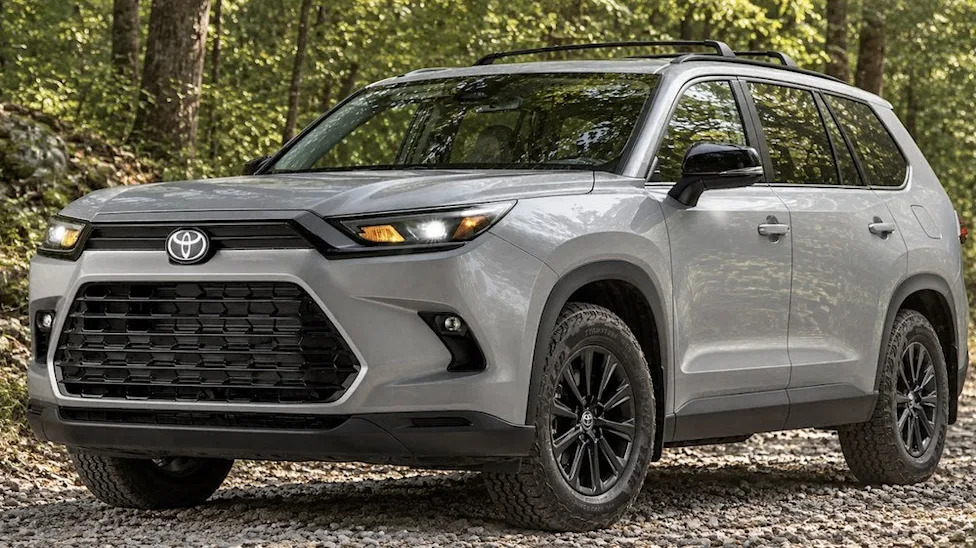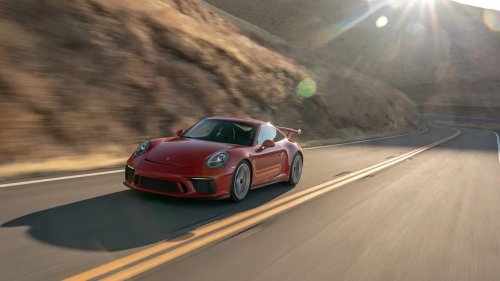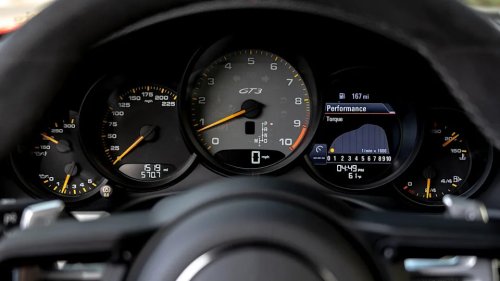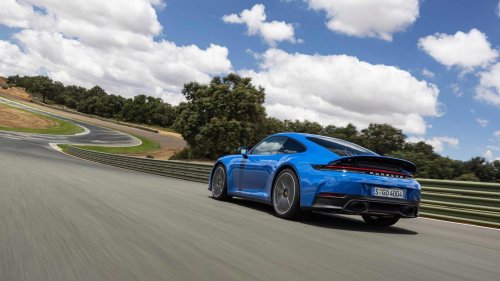
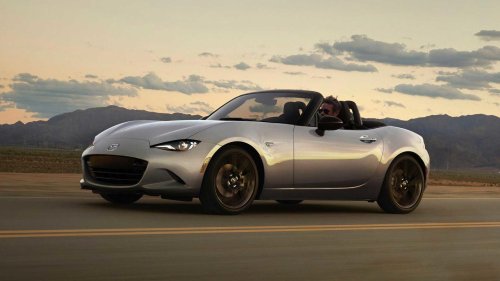
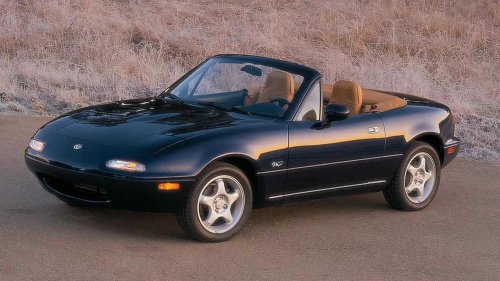
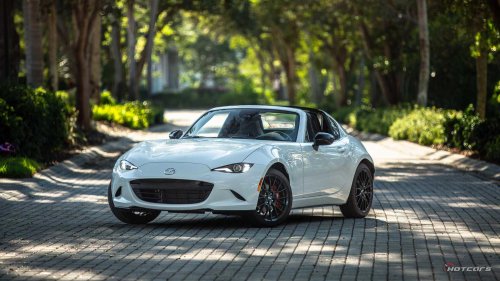



















When getting your hands on a sports car, you’re often faced with the inevitable choice of either prioritizing performance or reliability. It’s a classic dilemma: the logical side of your brain will push for a trustworthy vehicle, while the impulsive side will push for the adrenaline-packed, driver-focused sports car. Yet, there is a certain kind of sports car that seems almost too good to exist; the kind that brings a performance worthy of a German sports car, without punishing its owner with costly upkeep.This car is not the loudest, fastest, or most expensive option out there, which could explain why it is so often overlooked despite its popularity. Yet for those who know, this car represents one of the most genuine driving experiences available today. Reviving the once-lost lightweight two-seater sports car segment, there is a lot we owe to this best-selling car that brings the almost impossible combination of "Porsche-like performance" and "Toyota reliability" all under one roof. Porsche Performance, Toyota Reliability: What To Expect Porsche When it comes to Porsche-like performance, it often has very little to do with speed. Not that Porsche sports cars are slow —it's in fact quite the contrary, but these benchmark German sports cars often focus on things that truly make a difference behind the wheel. Often referred to as the gold standard of sports cars, the Porsche 911 sets the example for what a driver-oriented experience should feel like: precise steering, driver-focused cockpit, and balance. These are some of the key features we are looking out for.Similarly, reliability doesn’t necessarily have to mean safe and boring. Toyota levels of reliability show the trustworthiness of any car coming from the Toyota Motor Corporation, whether a family car or a sports car. Toyota (and by extension Lexus) has long set the benchmark for reliable automobiles, as confirmed by Consumer Reports, with drama-free maintenance even when putting your car through harsh driving conditions. In short, we are looking for something that you can keep for years without treating every noise or warning light as the start of a financial event.As driving a sports car pushes the engine and components to their limit, high performance puts a significant strain on the car as a whole, leading to more wear, as well as higher maintenance and repair bills. While reliable cars offering a driver-focused experience are rare gems in an industry where you often have to choose one or the other, there are some exceptions, especially if you look at some of the cars that Japanese manufacturers offer. But which Japanese sports car actually delivers this rare combination? The answer lies in a car that's been perfecting this formula for over three decades. Why The Mazda MX-5’s Driving Feels So Right Mazda To understand the performance behind the Miata, let’s go back to its origins. The original generation MX-5 (NA) car used a naturally aspirated 1.6-liter DOHC four-cylinder engine, double-wishbone suspension on all four corners, and came with a manual soft top. The MX-5 also featured a rigid aluminum beam running from the transmission to the rear differential, designed specifically to sharpen the shift feel and provide a communicative drivetrain. While a rear-wheel drivetrain or a coupe silhouette could have helped reduce production and engineering costs, Mazda did not cut corners when making the Miata.Decades went by, but Mazda never reinvented the formula, keeping things such as the original Miata’s near 50:50 weight balance intact while making the car lighter over the years. The fourth and current generation Miata shed over 220 lbs compared to its predecessor, saving weight wherever possible, with the lightest-spec version weighing approximately 2,366 lbs. While making the car lighter, Mazda also slightly increased engine size and power output, with the current car being fitted with a 2.0-liter engine producing 181 hp. Though by modern standards these are modest numbers, they are far from inadequate when looking at them from a driver engagement perspective.Built around the Japanese credo “jinba ittai” which translates to "unity of horse and rider," the Miata has always aimed to be a small, light, rear-wheel-drive and manual roadster that fits its driver like a glove, offering a communicative performance by translating every nuance of the road. The Miata is undeniably slower and perhaps less mechanically complex than a Porsche 911, but both are built with a similar standard of engineering obsession, with performance that seems to echo one another. Despite drastic weight and power differences, both aim to offer an engaging and forgiving driving experience, with precise steering, a communicative chassis, and a rewarding manual gearbox. While a Porsche 911 remains out of reach for many, the MX-5 is the perfect alternative for more reasonable budgets. As Jeremy Clarkson puts it: “if you want a sports car, the MX-5 is perfect. Nothing on the road will give you better value. Nothing will give you so much fun.” The Miata’s Consistent Reliability Over The Generations Mazda By nature, sports cars have never really been reliable vehicles. The more you push the car to its limits, the more intense the pressure on every component. It's no surprise that sports car owners have a tendency to visit their local garage more frequently than average family-friendly sedan owners. While it’s easy to point fingers at British and Italian sports cars, some German sports cars often end up having reliability issues due to the increasing complexity of hybrid systems. On the other hand, the MX-5 has often ended up on Consumer Reports’ reliability rankings. Mazda has ranked third in their “Used-Car Brand Reliability” ranking, behind Lexus and Toyota, while also classifying the current Miata as the best “Used Sports Car Under $20,000,” adding that the 2025 Miata has been “more reliable than other cars from the same model year.” This isn't an isolated ranking as another car ranking site “iSeeCars” has ranked the little Mazda convertible as its most reliable sports car and its most reliable convertible under $35k for 2026.Though the current, fourth-generation MX-5 is often said to be the most unreliable generation for the Miata, most issues that arose in the mid-2010s around the launch of the fourth generation have been resolved since. Miata issues have often reflected the addition of more technology, which resulted in complications, and never had much to do with any serious engineering issues. Even despite the occasional glitches across generations, the Mazda MX-5 has had very few recalls and no serious reliability concern, leaving its owners happy and without much to complain about. You probably could not say the same about your American muscle car. The Mazda MX-5’s Legacy And Relevance Today David Alpert / HotCars / Valnet Numbers speak for themselves when it comes to the Mazda MX-5, and the Japanese manufacturer’s total MX-5 production since 1989 now stands at more than 1.25 million cars. Built across four generations and assembled at the company's Hiroshima plant, the one-millionth MX-5 rolled off the line on April 22, 2016. This milestone highlights drivers’ loyalty towards the tiny sports car, also emphasized by the many awards it collected along the way. The current, fourth generation MX-5 (ND) won the World Car of the Year and World Car Design of the Year awards, and also makes regular appearances in top rankings across automotive news sites, last cheap sports cars.The Mazda has kept its stellar reputation for so long because it was never meant as a substitute for bigger caliber sports cars such as the Porsche 911. Even despite its modest performance figures, it has constantly set a clear example of how the sports car experience should be: small, light, manual, rear-wheel drive, and designed around the driver. It focuses on traits that are often reserved for cars such as the 911, while maintaining its affordability through the generations. Another advantage the MX-5 holds over the 911 lies in its simplicity. While Porsche has already started implementing more complex hybrid technology in its flagship sports car, the Miata has kept its performance simple and more straightforward, which helps the small Japanese sports car avoid complex issues. In 1989, the Miata figured out the magic formula that would blend fun and reliability. Thirty-seven years on, it still remains one of the most desirable sports cars that brings the impossible together: Porsche-inspired performance with Toyota reliability.Sources: iseecars, consumer reports, carbuzz