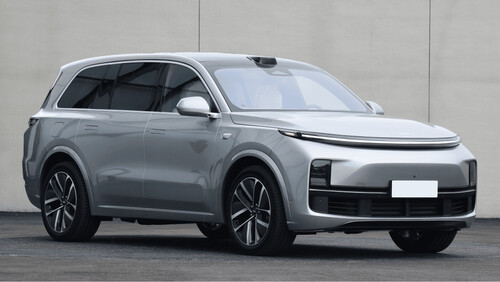
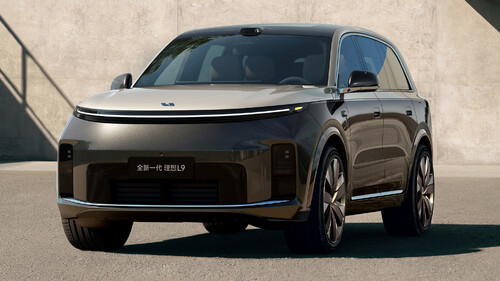
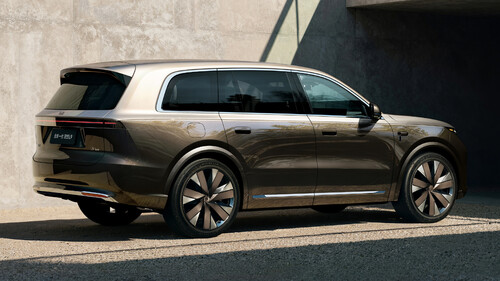
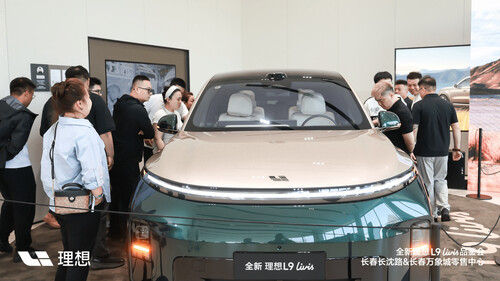
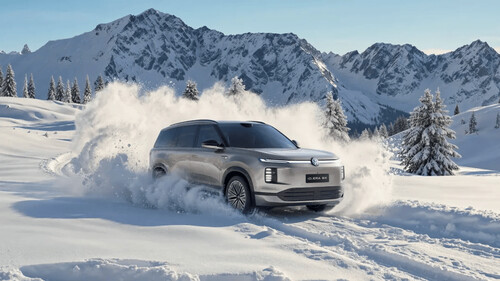
Amelia Scott · 4 months ago@ameliascott59Li Auto’s New L9 Nears 8,000 Locked-In Orders in First 72 Hours as Livis Dominates Liked by+43 othersZeekrZeekr 9XPost commentRelated PostsThe Big Car Frenzy: A Parking Nightmare 55 · Adam Gagnon · 6 months agoAnother "9-Series" SUV Enters the Fray: Stelato G9 Officially Unveiled, Adding a New Variable to the High-End Hardcore Segment 30 · Lucas Carter · 3 months agoThe ICE Meltdown Continues — July’s China EV Sales Report (44% BEV Share) 62 · Gabriel White · 1 months agoGeely has deployed 2,250 kW charging stations in five cities across China 60 · William Green · 10 days agoVolkswagen Joins China’s Range-Extended SUV Race with ID.ERA 9X 35 · Matthew Carter · 6 months agoChina’s Premium SUV Crown Up for Grabs as AITO, Li Auto, NIO and Zeekr Clash 81 · Gabriel Nelson · 4 months agoNew Model Joins the Midsize Five-Seat SUV Segment 54 · Jacob Rogers · 1 months agoThe City That Never Sleeps Now Has Taxi Drivers That Don’t Need To Sleep 81 · Lucas Fortin · 11 days agoChina’s Top 10 Large NEV SUVs in Dec 2025: NIO ES8 Takes Lead, Zeekr 9X Holds Strong 53 · Sophie Turner · 6 months agoJanuary Slump Hits China Auto Market as Xiaomi, NIO, AITO Post Sharp Growth 69 · Carter Lavoie · 6 months agoXpeng G9L revealed price with rear-wheel steering & 755 km range 21 · Annabelle Smith · 2 months agoGeely has deployed 2,250 kWh charging stations in five cities across China 43 · Olivia Lee · 11 days agoXpeng GX begins global mass production featuring Bosch next‑generation steer‑by‑wire system 52 · Oliver Pelletier · 6 months agoNIO ES9 Launches With Full-Stack Tech, Rivals Zeekr 9X and AITO M9 45 · Nathan Lavoie · 6 months agoLeapmotor July Deliveries Exceed 100,000 Units for the First Time; Geely Auto Group Establishes Sales General Company 71 · Parker Lavoie · 2 months agoGeely's AI fast charging 'heals' EV batteries for 20% more cycle life 40 · Carter Clark · 15 days agoAll-new Li Auto L9 Livis SUV revealed in China with 2,560 TOPS 23 · Charlotte Gagnon · 6 months agoTesla Shines Amid EV Slowdown in China — February 2026 Sales Report 45 · Grace Rogers · 6 months agoHalf-Year Auto Market Exam: SAIC Reclaims Top Spot, Three Automakers Double Overseas Growth 39 · Victoria Tremblay · 2 months agoTesla’s Semi Plant Opens, Rivian Recalls Nearly 99,000 EVs, and What Else Moved 31 · Lucas Lavoie · 16 days ago




 +43 others