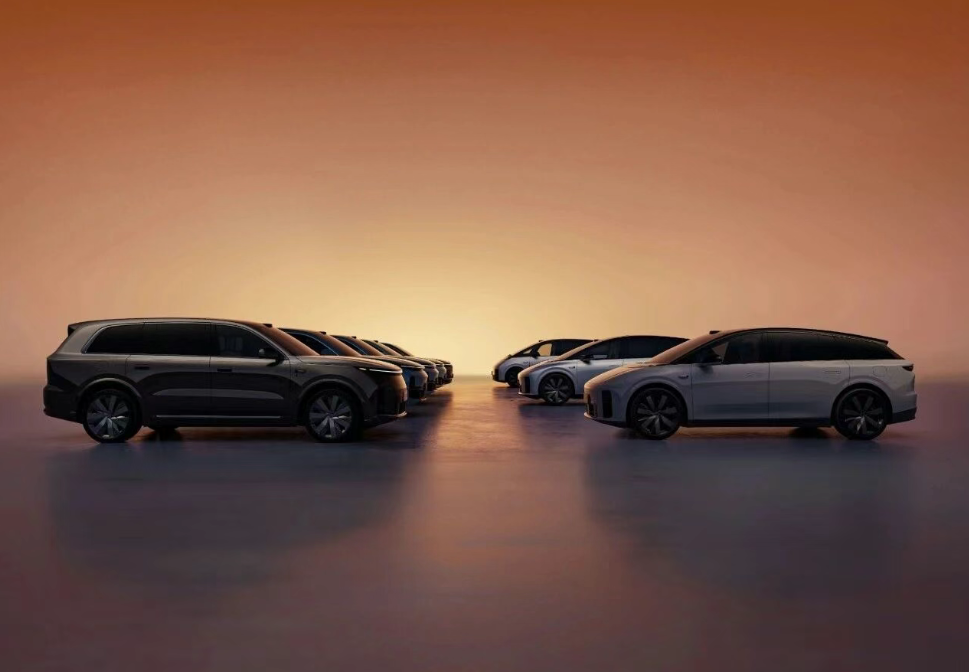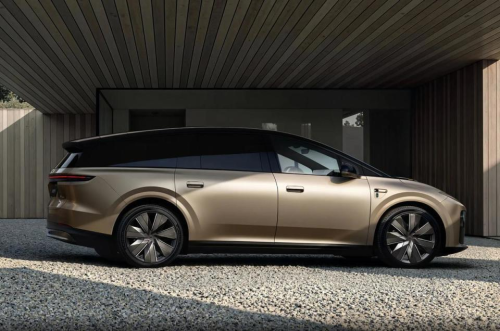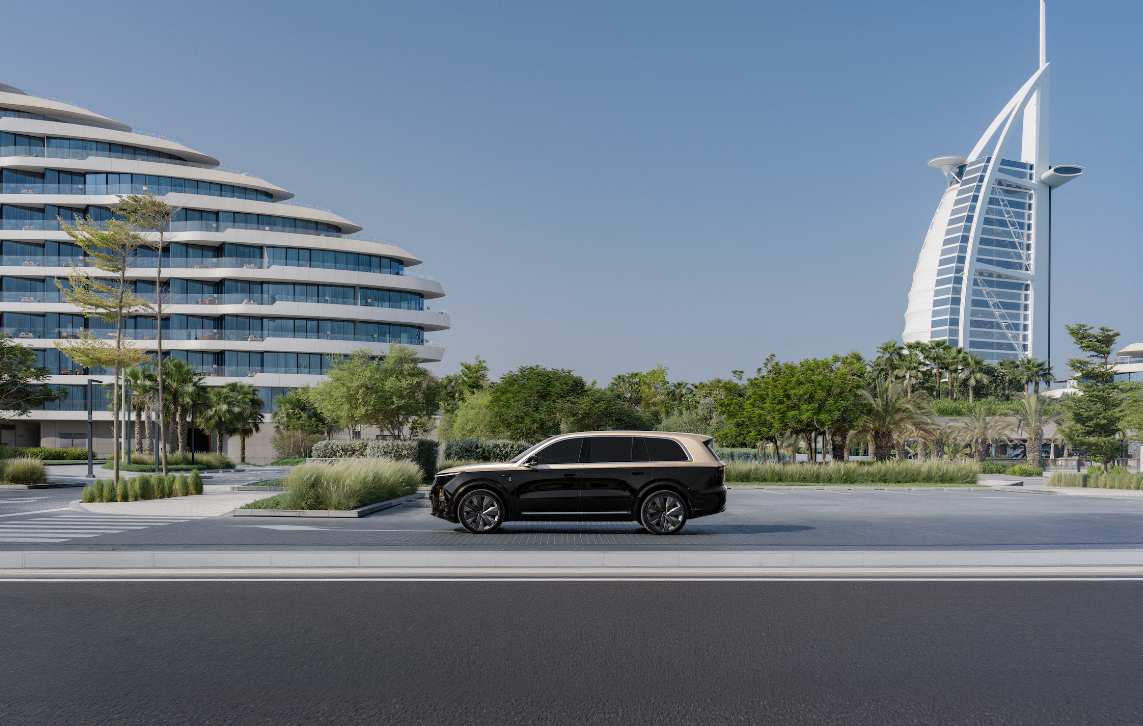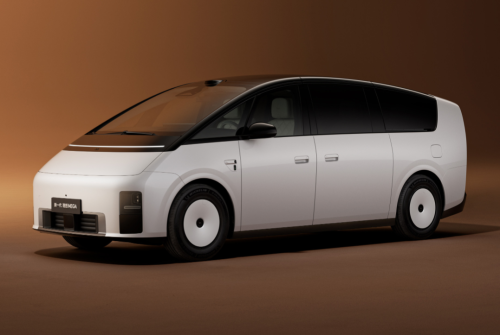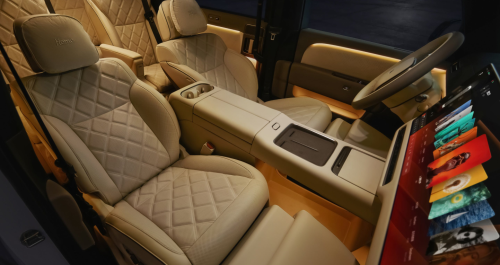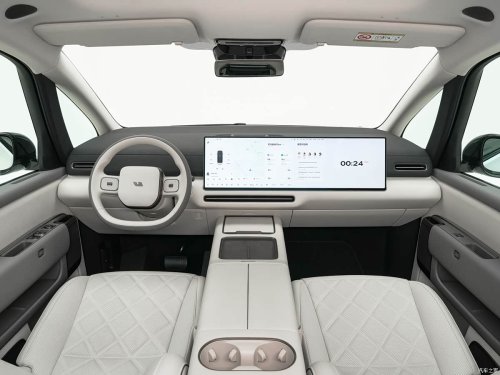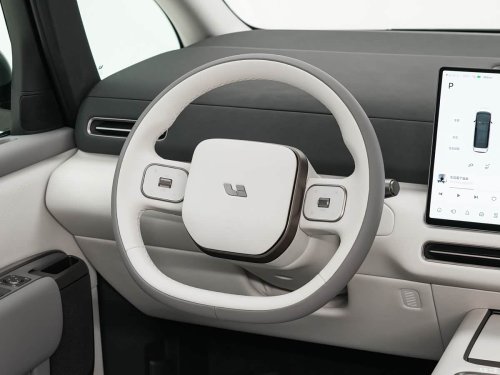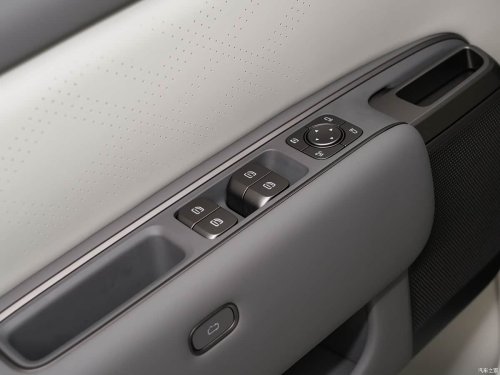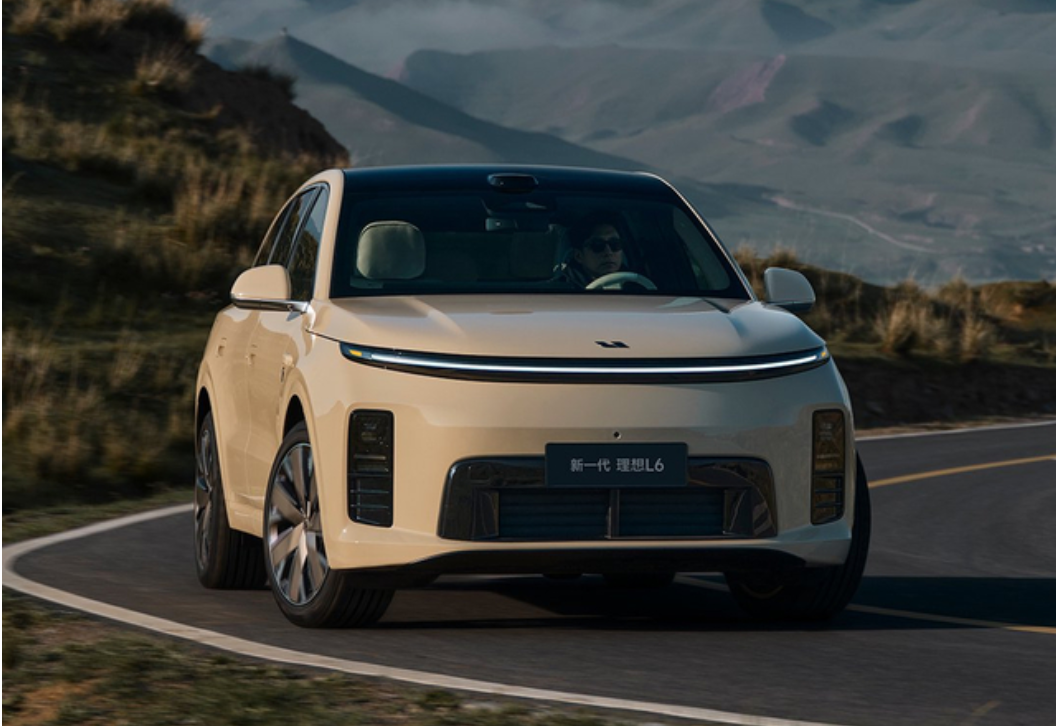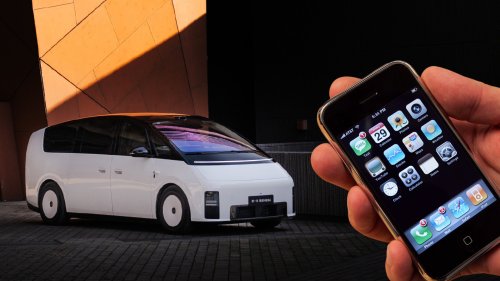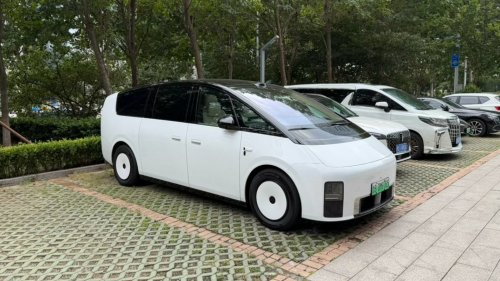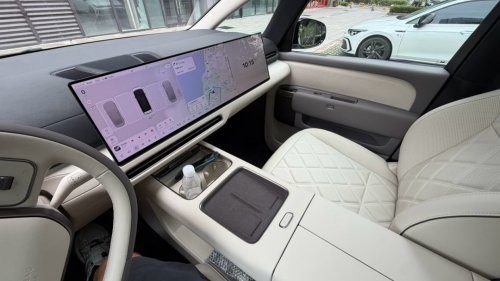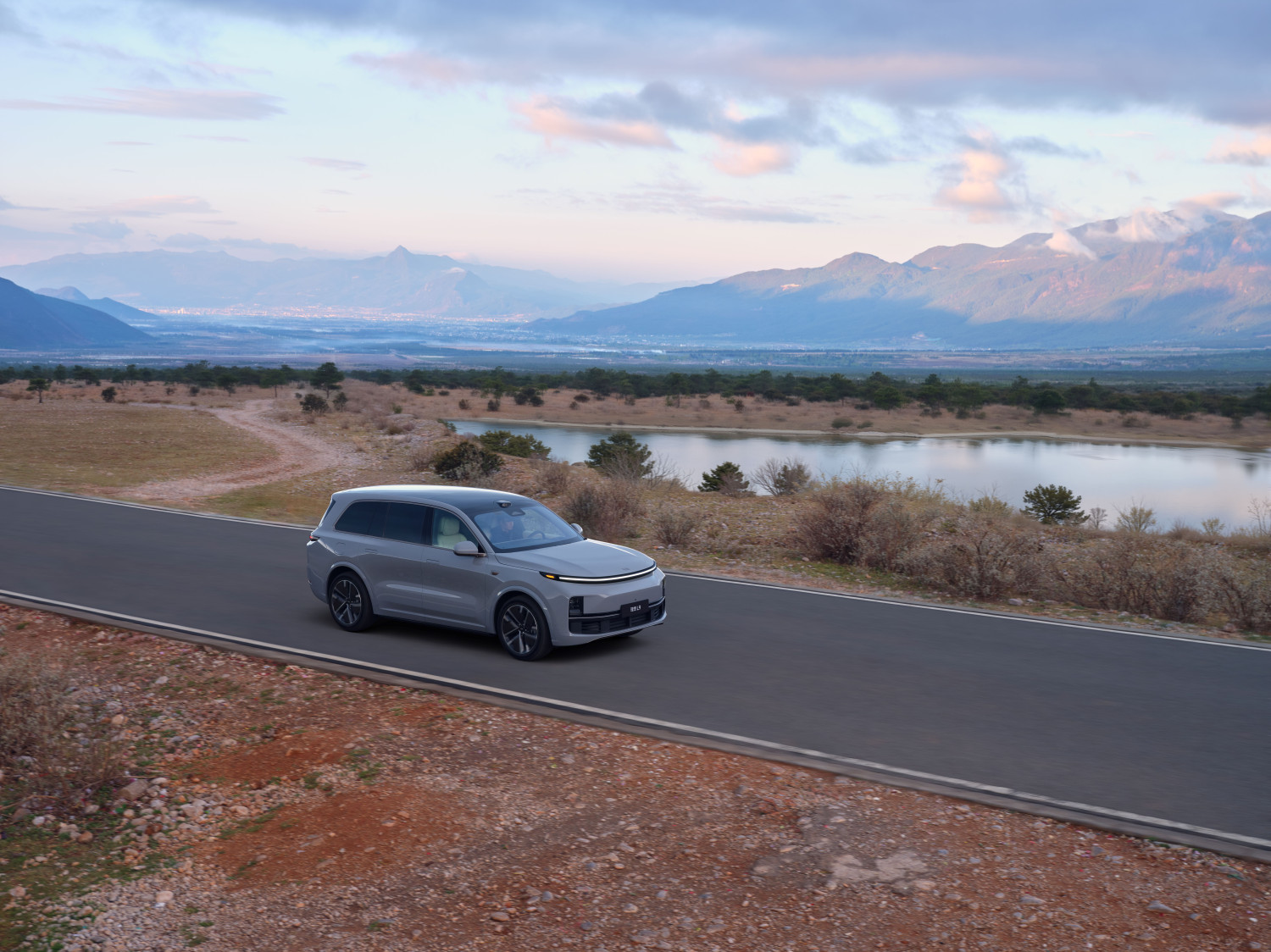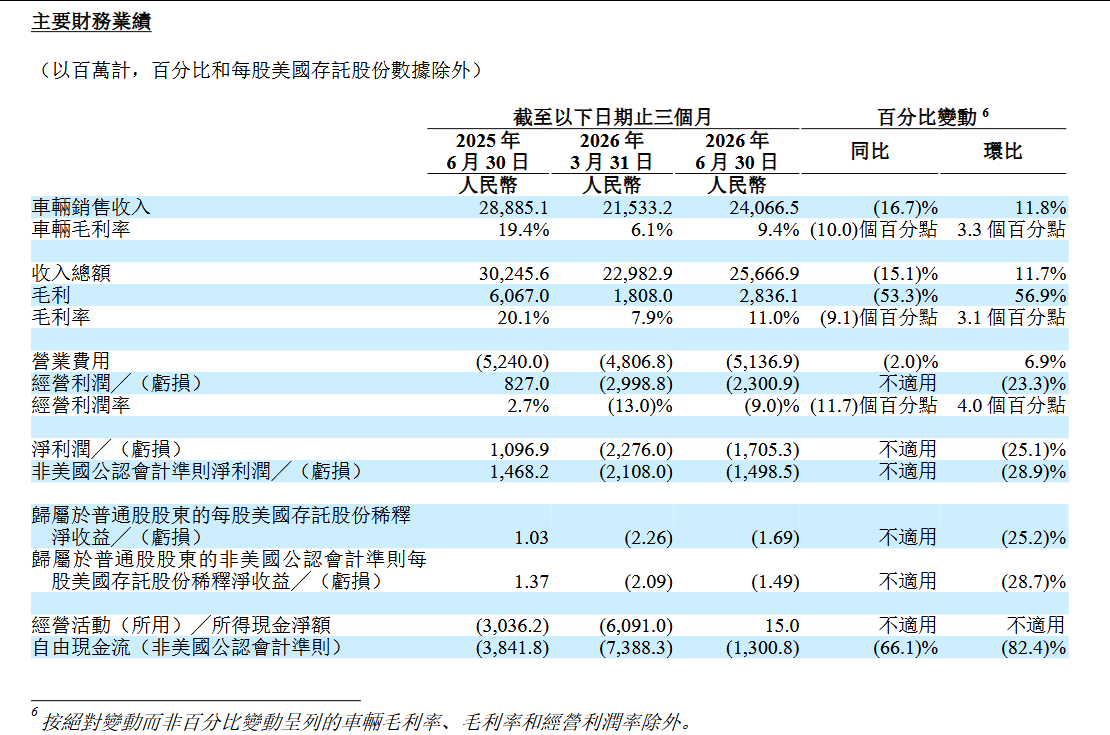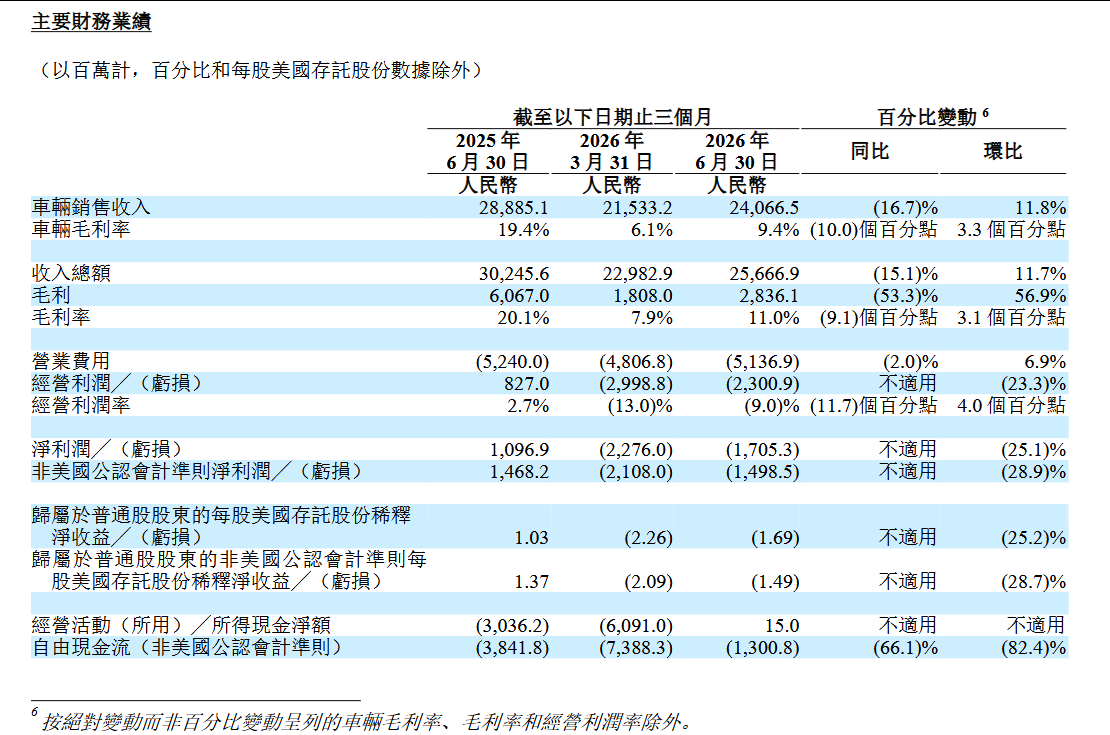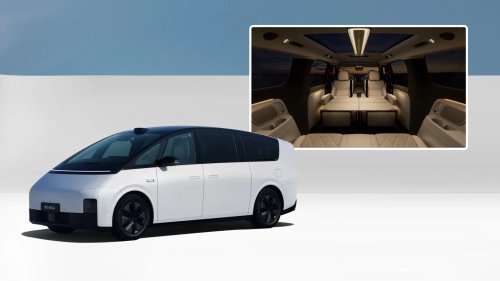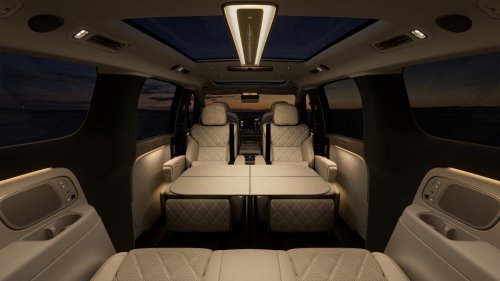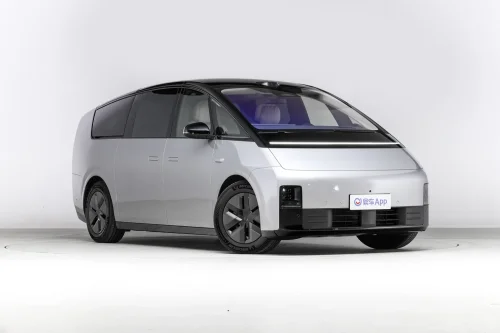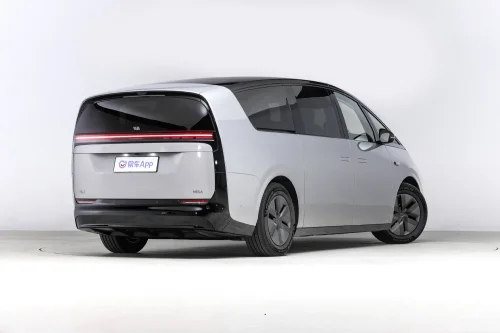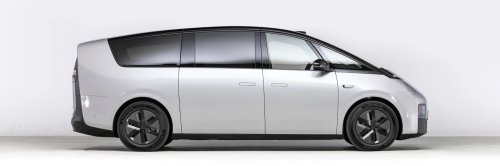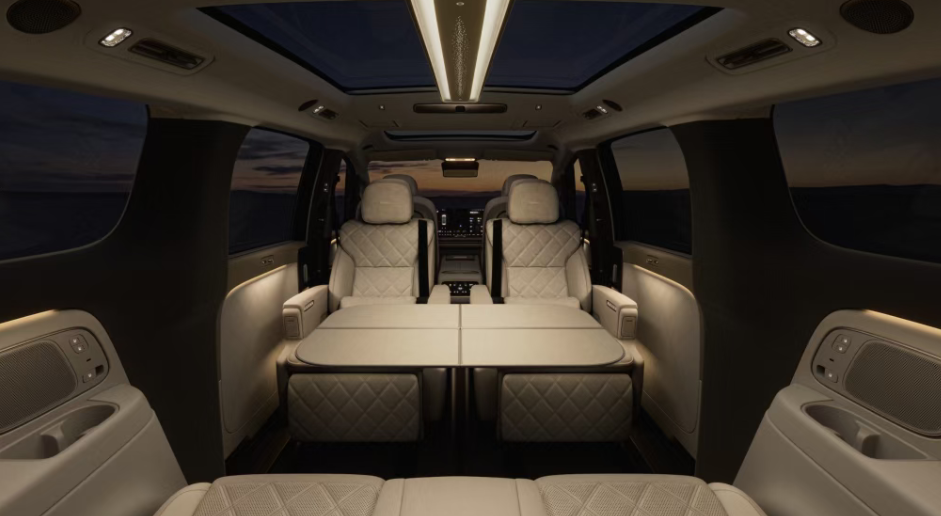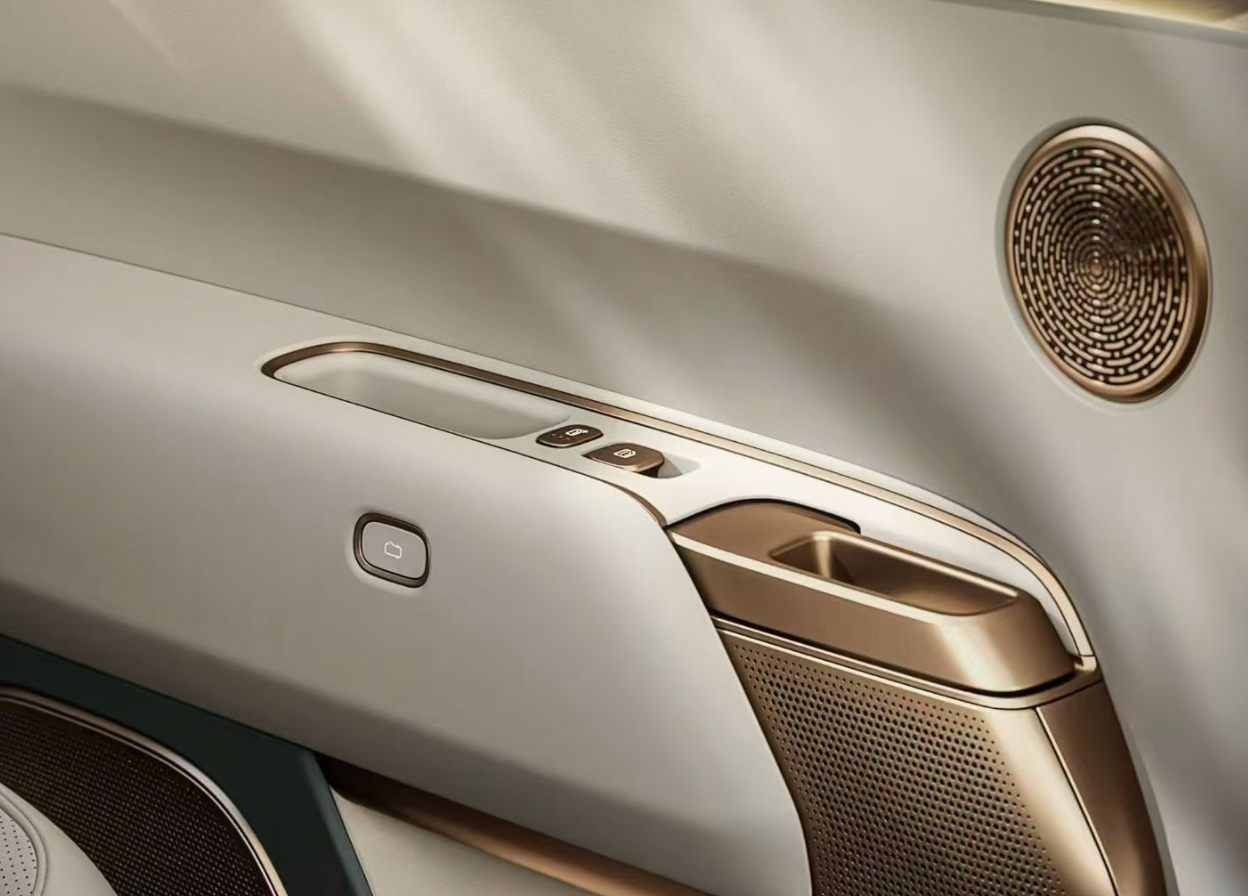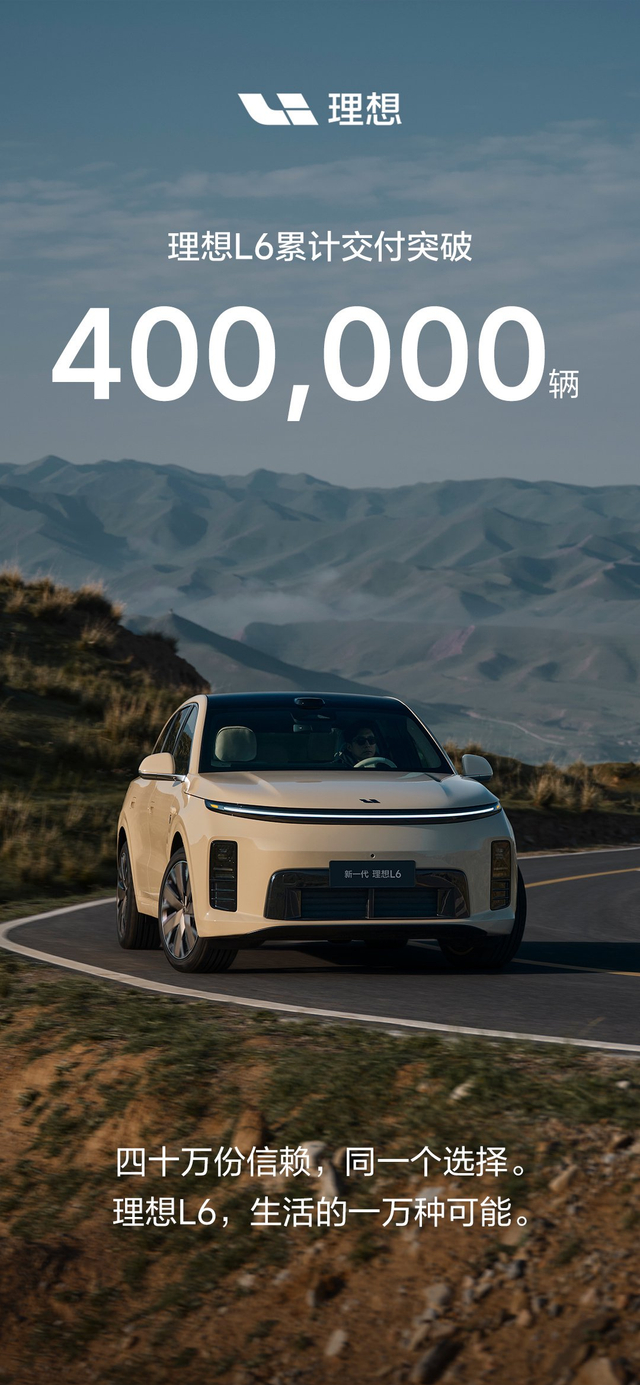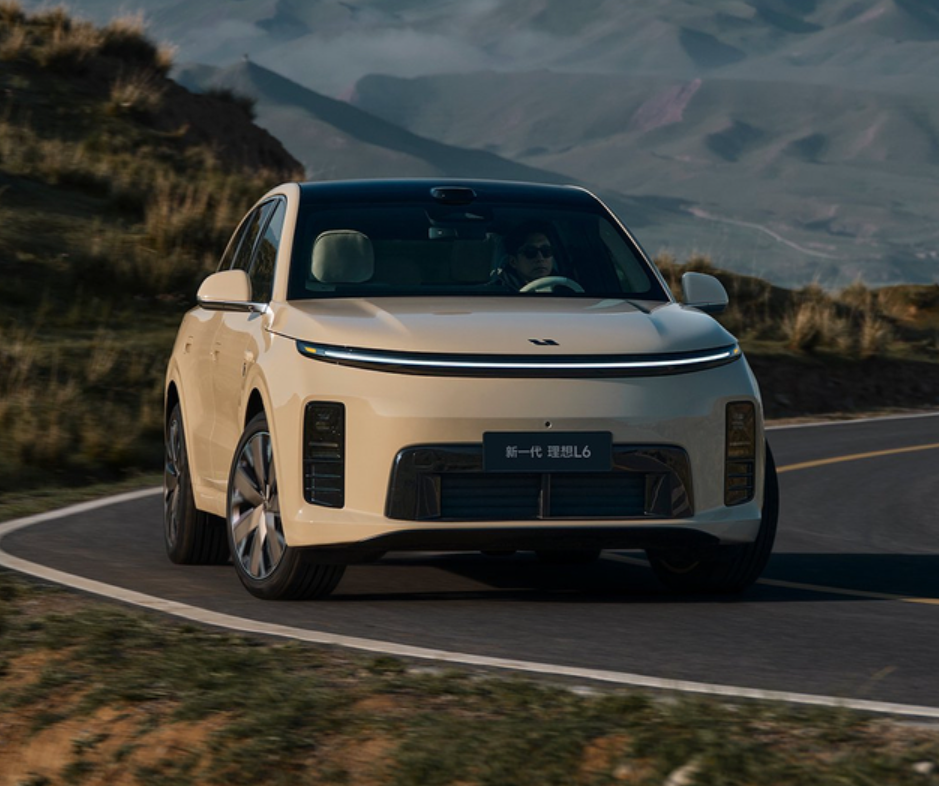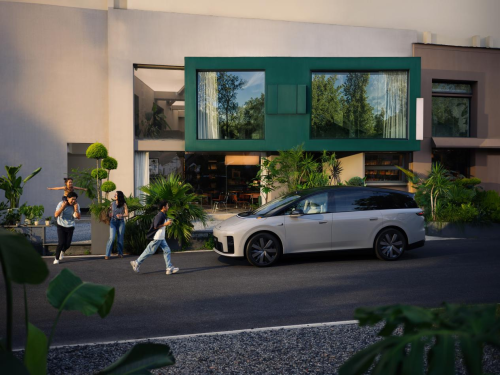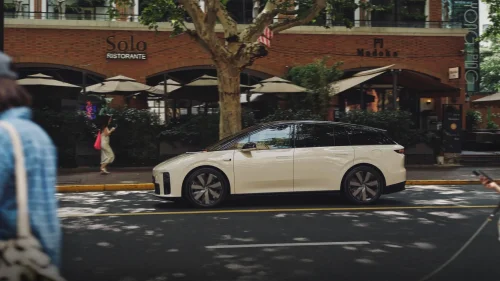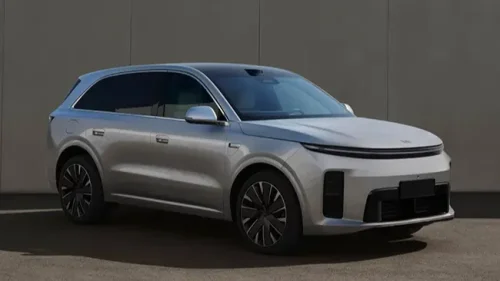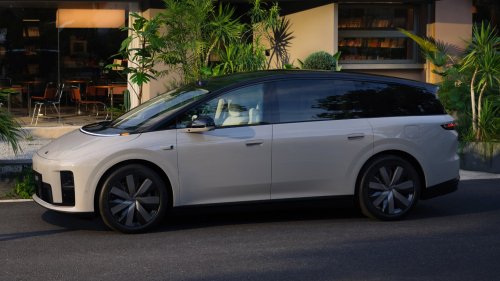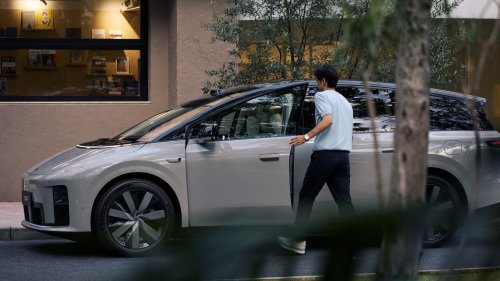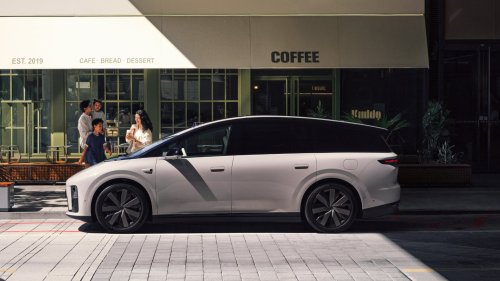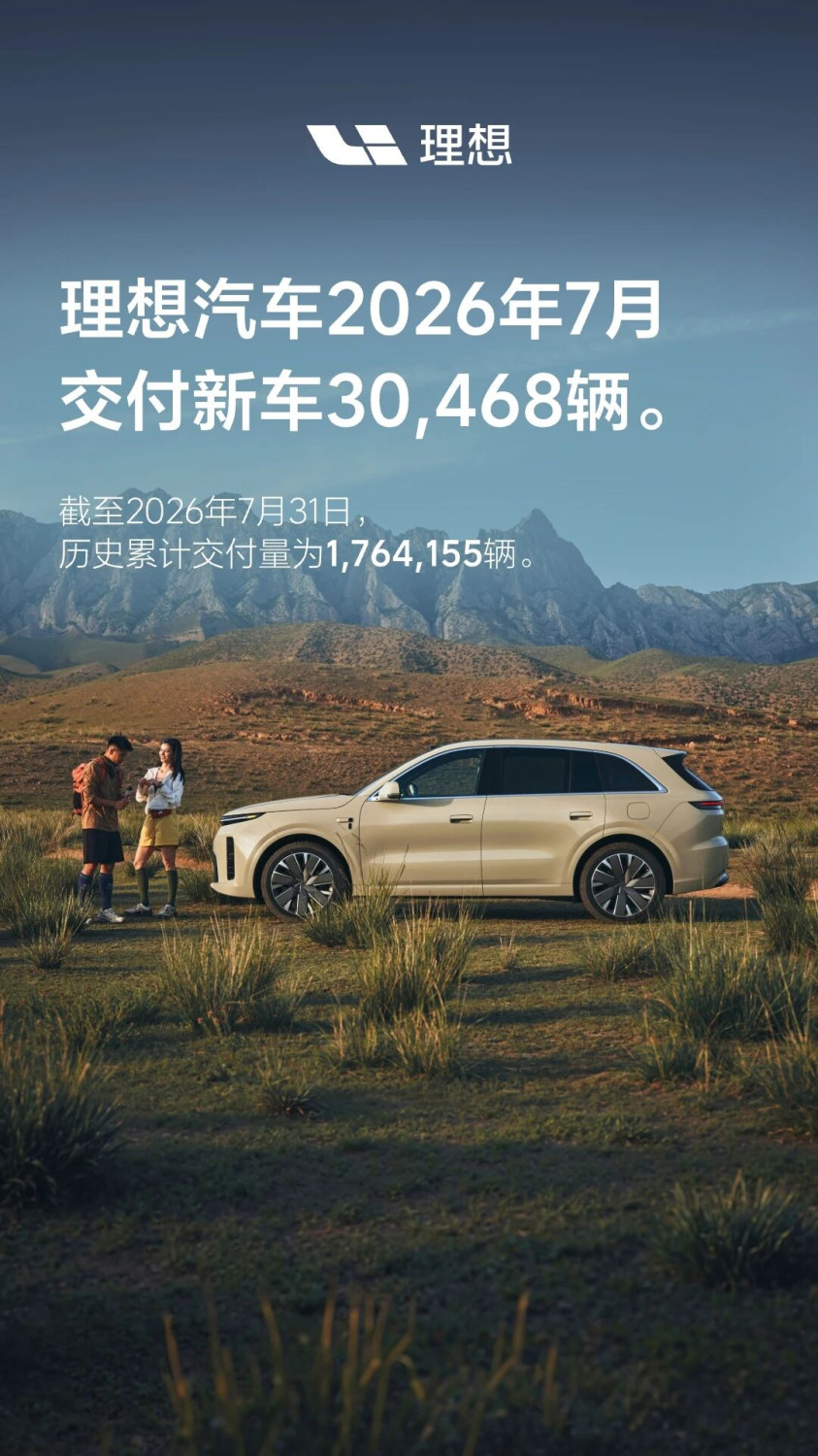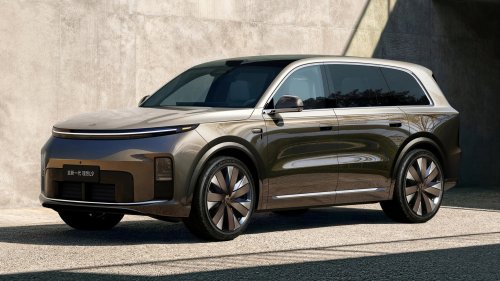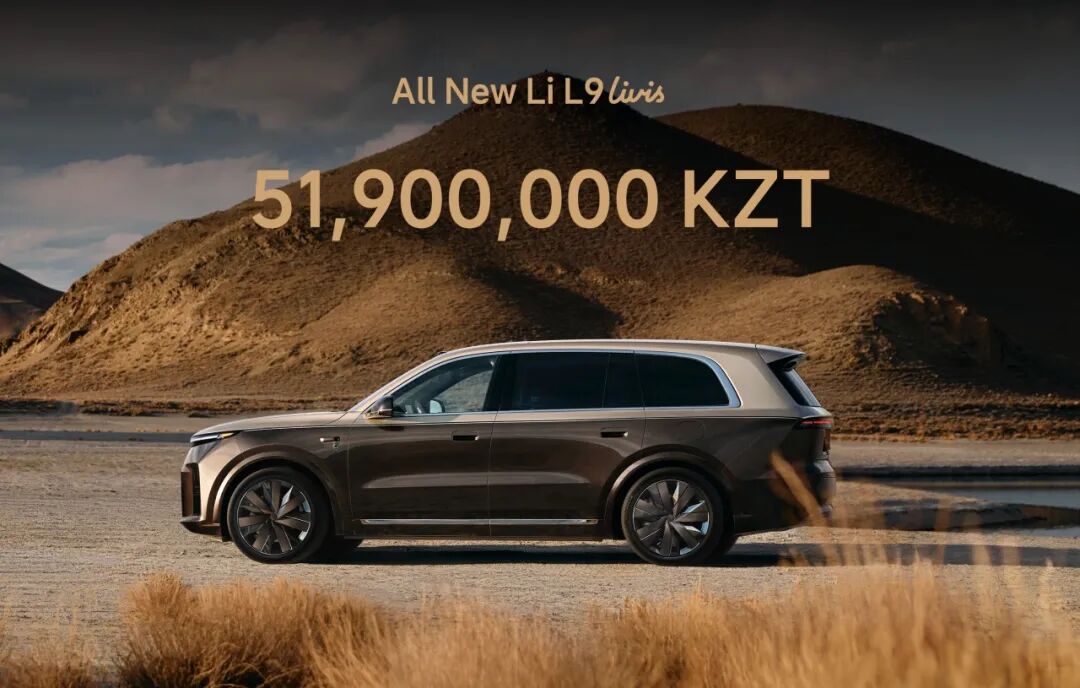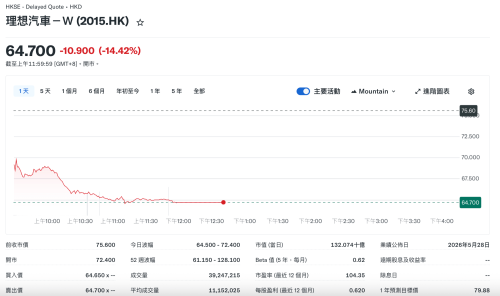
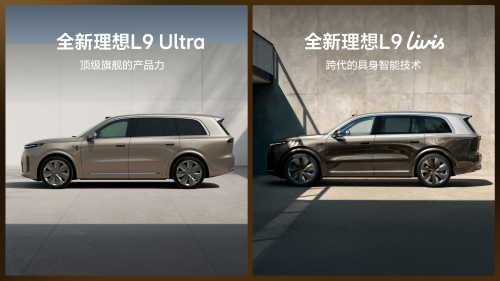
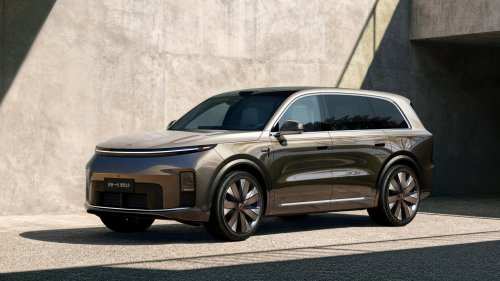
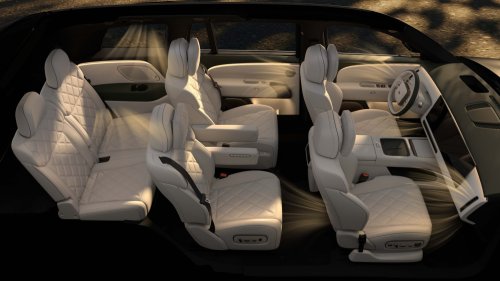
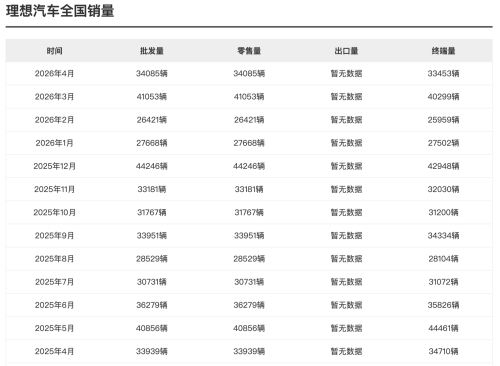



















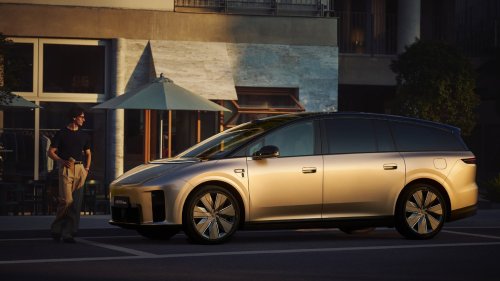
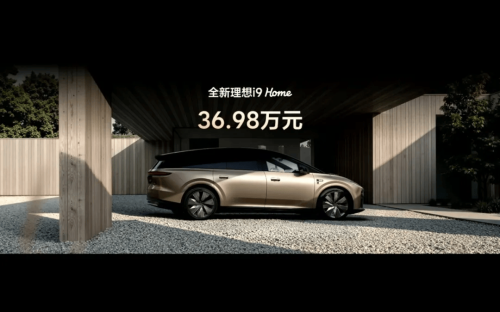
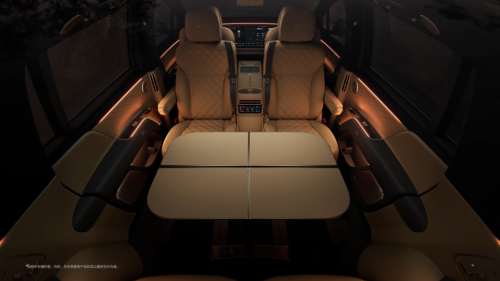
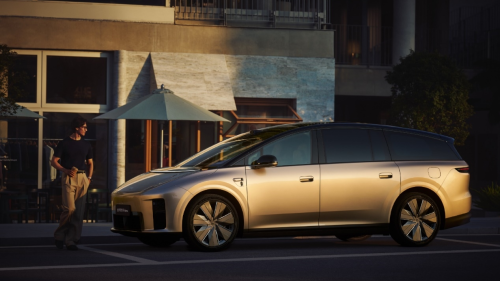



On May 18, Li Auto (02015.HK) took a heavy hit shortly after the Hong Kong market opened. By the midday close, the decline had widened to over 14%. Li Auto’s HKEX market performance This round of volatility is directly linked to the market feedback following the launch of the L9 Livis. Officially launched last Friday as the flagship facelift of the L-series, the model was heavily counted on to boost high-end performance and secure the brand’s premium market share. However, post-launch sentiment and public feedback have fallen noticeably short of industry expectations. Part of the issue is pricing. The revised strategy missed the mark for current consumer expectations. Amidst an increasingly aggressive EV price war, the new sticker price simply lacks competitive pull. The all-new Li Auto L9 is offered in two trims: Ultra and Livis The outgoing top-trim L9 Ultra was priced at just 439.8K RMB ($64.6K). The new L9 Livis, meanwhile, jumps to 509.8K RMB ($74.9K). Even factoring in a 20K RMB ($2.9K) early-bird cash discount, the actual transaction price lands at 489.8K RMB ($71.9K)—a full 50K RMB ($7.3K) premium over the older model. On the design front, the Livis sticks strictly to Li Auto’s established family design language, offering only minor tweaks to the details. Without any breakthrough changes to the overall architecture, it lacks the freshness needed to satisfy buyers looking for a genuinely new experience, inevitably weakening its product differentiation. Li L9 Livis In a recent interview with Chinese media, Li Auto’s head of design noted that the core philosophy for the L9 Livis is “relaxed luxury.” The new flagship remains anchored to the concept of “home,” deliberately steering clear of any “hotel or clubhouse” aesthetic. This approach creates a distinct contrast with the NIO ES9, which heavily leans into a “business-and-family” dual-purpose design. Setting aside whether this design philosophy is right or wrong, the reality is that the L9 Livis fails to deliver any substantive innovation in its interior cabin. Cabin design of the all-new Li Auto L9 By leaning too heavily into a cozy, homey vibe for a premium flagship, the overall styling comes across to many as a bit too plain and understated. It inadvertently dilutes the luxury presence that a vehicle in this segment should command. Looking at the retail data, Li Auto saw a month-over-month sales drop of around 17% in April. While the core L-series is still holding the line, momentum for key models—the L6, L7, L8, and L9—has noticeably softened, with their market share being steadily squeezed by direct rivals. Li Auto Monthly Sales in China: April 2025 – April 2026 As the flagship facelift, the L9 Livis was expected to inject some life back into the L-series volume. Its underwhelming market debut, however, has cast serious doubt on whether it can actually deliver.