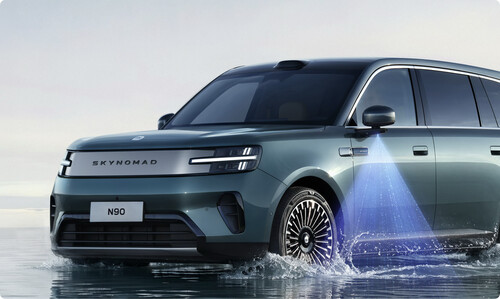
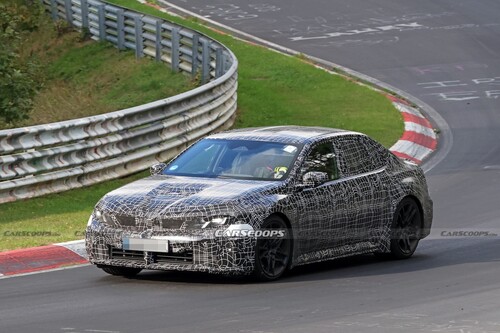
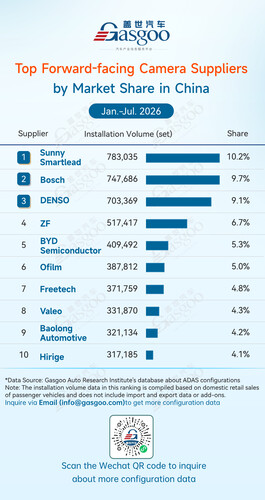
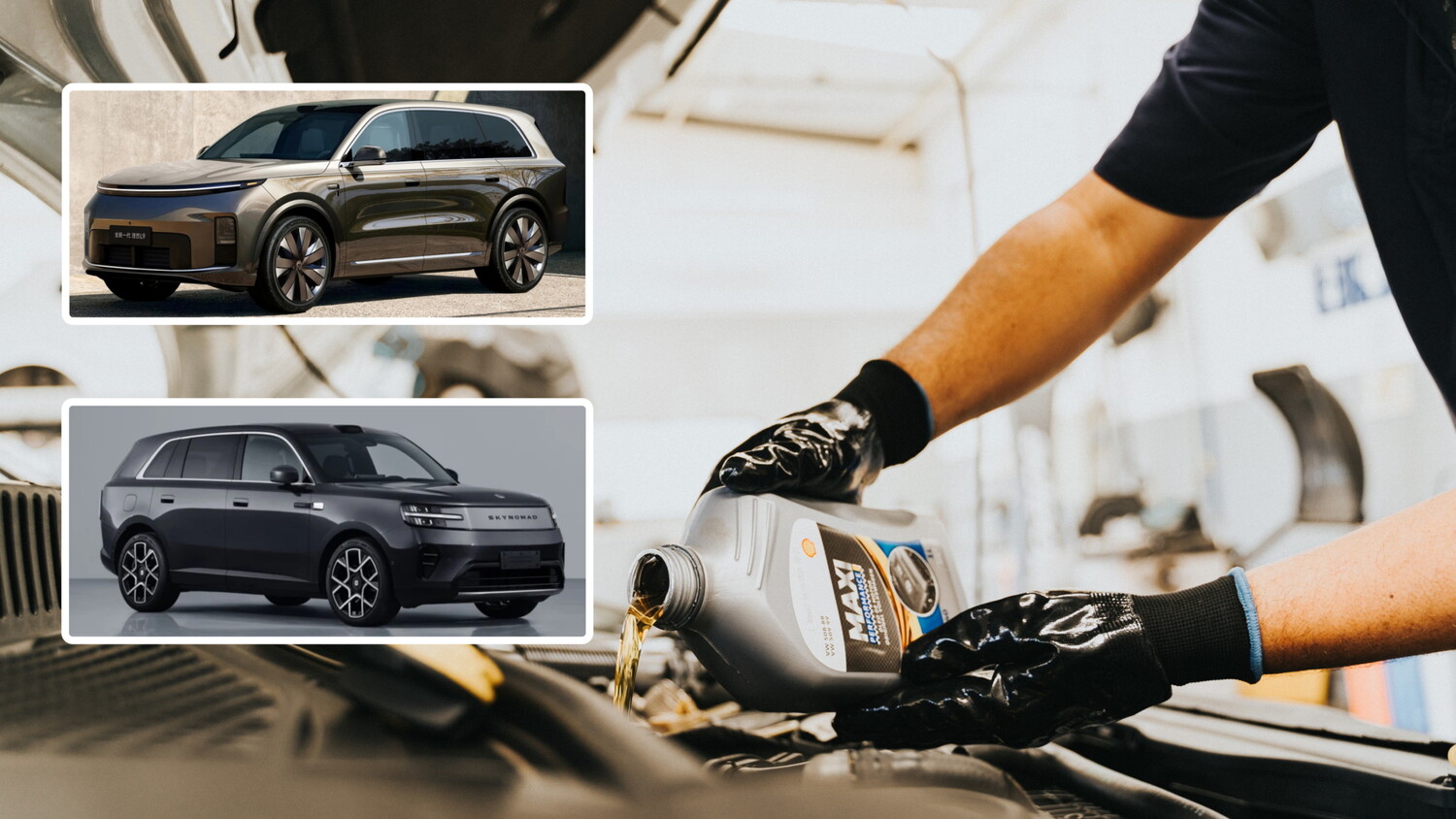
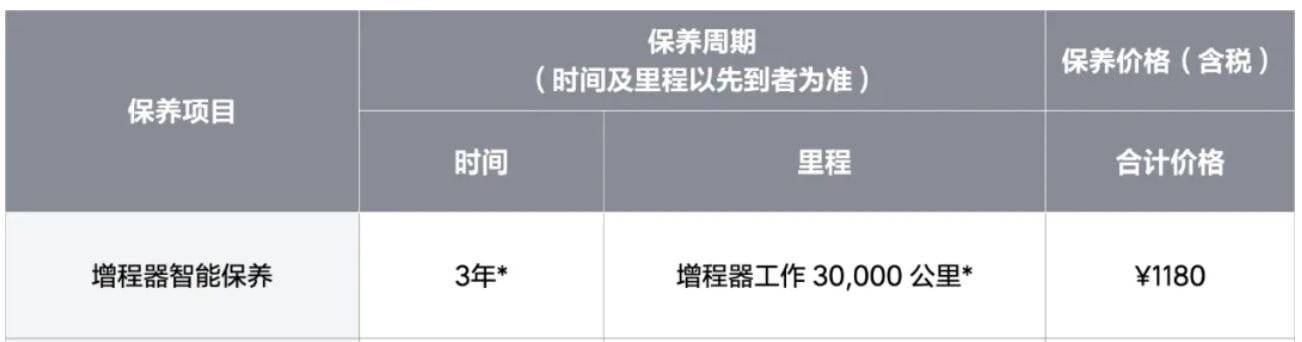
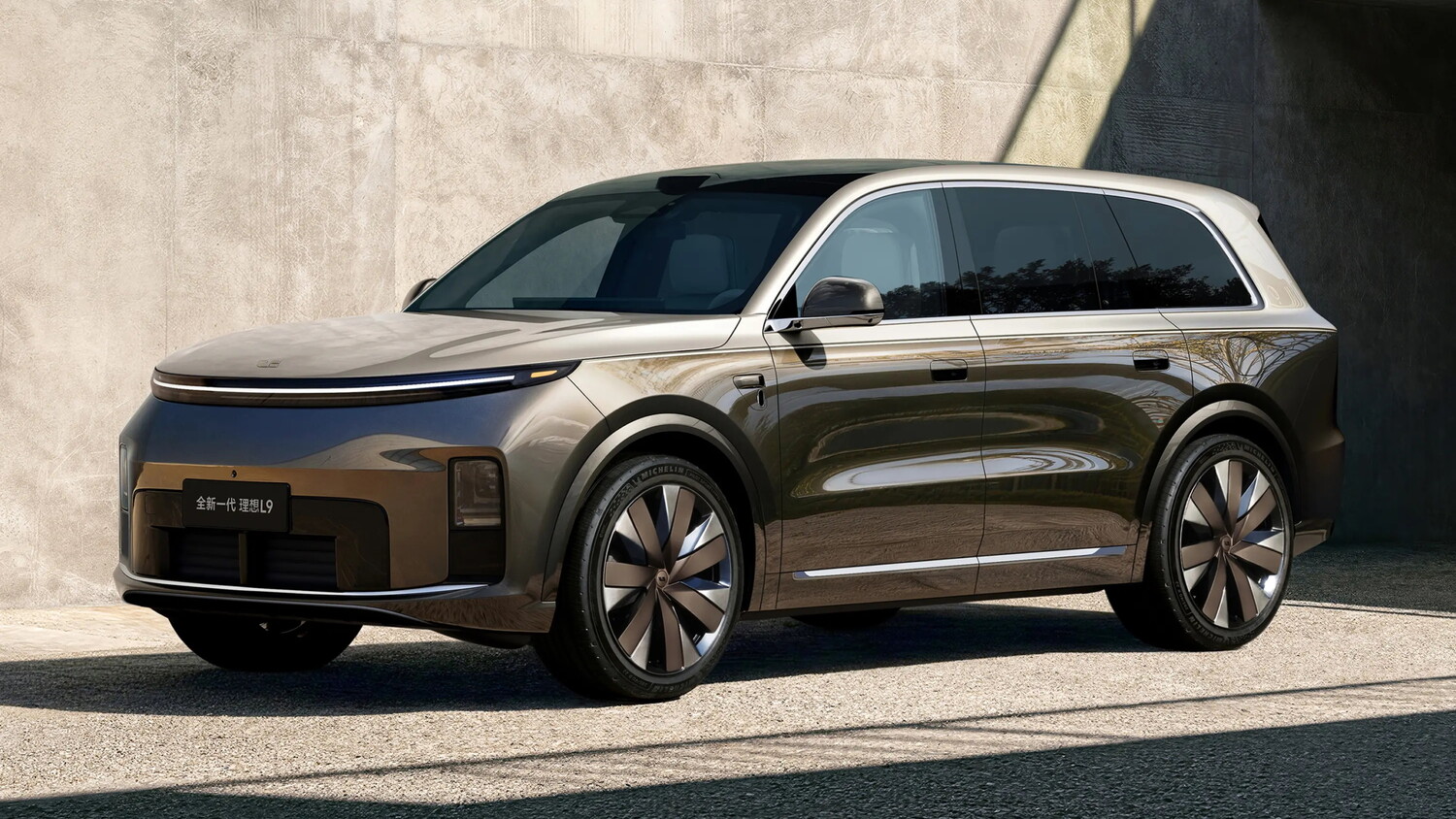
Adam Poirier · 2 months ago@adampoirier79Li Auto, Xiaomi stretch range extender oil change to 3yr, 30K km to narrow EV maintenance gap Liked by+63 othersPost commentRelated PostsXiaomi launches four SkyNomad SUVs in China from $31,275 59 · Carter Gagnon · 1 months agoHyundai warns US may be next for a wave of cheaper Chinese EVs 98 · Lauren Girard · 1 months agoXiaomi Auto Surpasses 800K Deliveries; New Li L9 launched in UAE; CATL Expands Copper Foil Partnerships 84 · Adam Pelletier · 1 months agoBMW M3 EV Lays Down 11s Trying To Shake Xiaomi At The Ring 36 · Emma Girard · 1 months agoJuly 2026 Off-Road/Premium/Shooting Brake Sales Rankings: Model Y Leads Premium Segment, Titanium 7 Tops Off-Road Segment | Gasgoo Automotive Institute 81 · Chloé Rogers · 1 months agoDetroit’s Big Three Push Back Against Trump’s Chinese Car Invitation 66 · Mia Hall · 1 months agoWho is Buying the SkyNomad Without 800V? 52 · Ryan Mitchell · 1 months agoArcFox Alpha T7: BAIC’s half-priced Xiaomi YU7 secures 30,000 orders in 60 minutes 70 · Mia Leblanc · 1 months agoXiaomi builds its own 3nm AI chip to give future EVs powerful onboard intelligence 91 · Mason Walker · 1 months agoBYD targets Xiaomi SU7 and Tesla Model 3 with new Fang Cheng Bao Formula S and S GT launch 53 · Caleb Scott · 1 months agoXiaomi Auto Confirms 2027 Europe Entry; Li Auto to Roll Out In-House Batteries Across Entire Car Lineup; EVE Energy Opens Arctic Shipping Route 20 · Lucas Hill · 1 months agoXiaomi Skynomad EREV SUV begins deliveries in China, CEO Lei Jun hands over keys to owners 67 · Audrey Anderson · 1 months agoRankings of ADAS component suppliers in China (Jan. - Jun. 2026): Chin's local suppliers gain ground | Gasgoo Automotive Research Institute 92 · Nathan Labelle · 2 months agoMaker of a 1,527-HP EV Introduces an SUV With a Pop-Up Roof Cabin 18 · Grace Pelletier · 1 months agoThe ICE Meltdown Continues — July’s China EV Sales Report (44% BEV Share) 62 · Gabriel White · 2 months agoIM LS6 undercuts Tesla Model Y, adds steer-by-wire from $31,000 91 · Kaitlyn Anderson · 1 months agoXpeng G9L revealed price with rear-wheel steering & 755 km range 21 · Annabelle Smith · 2 months agoAISTALAND Responds to "Offense-Defense" Info Leak: Admits Unprofessional Handling 69 · Thomas Clark · 1 months agoChina July model sales rank: Geely Xingyuan 1st, Leapmotor A10 2nd, Tesla Model Y 3rd 61 · Grace White · 2 months agoGeely TT launches at $19,100 — half the price of a Tesla 64 · Isabelle Hill · 1 months ago


 +63 others