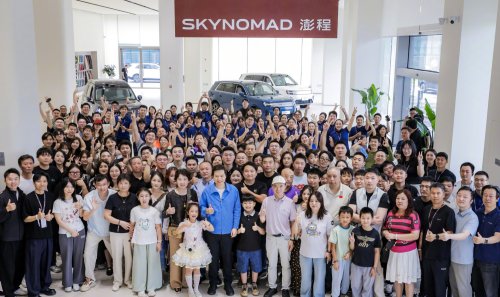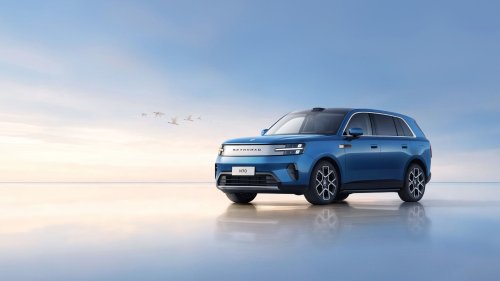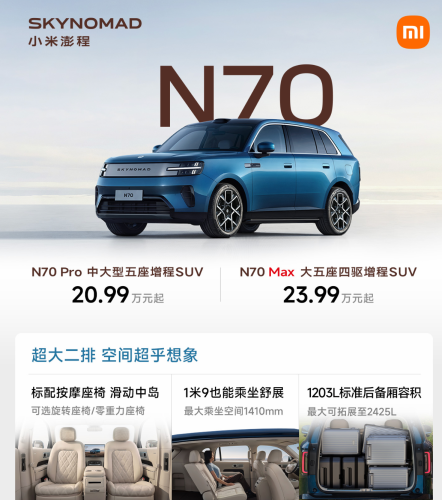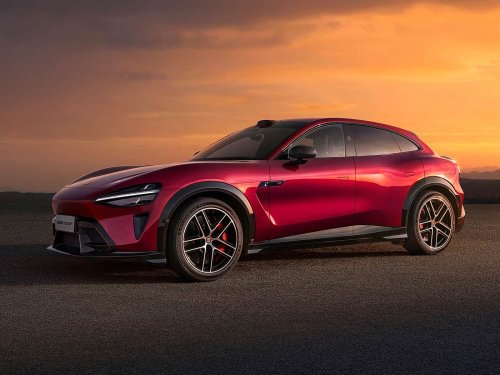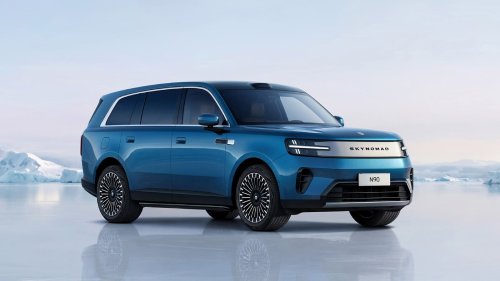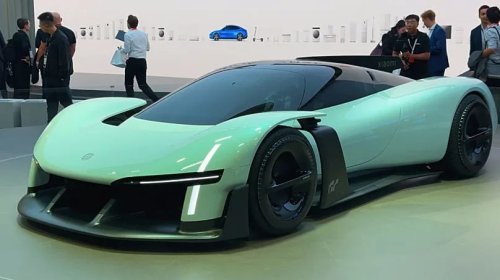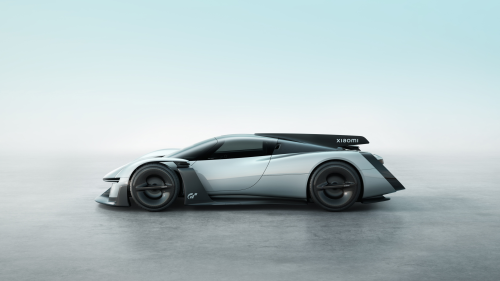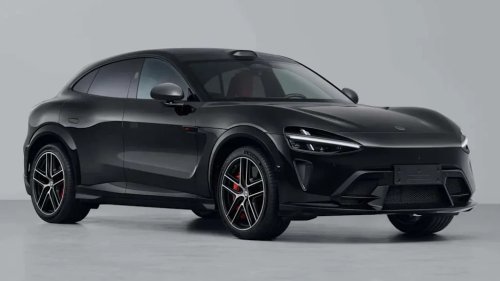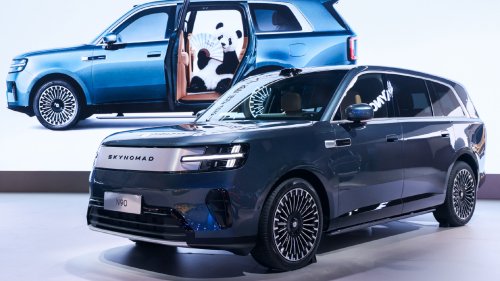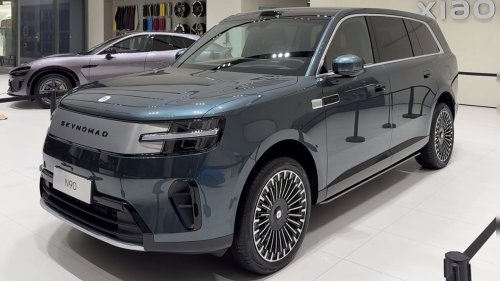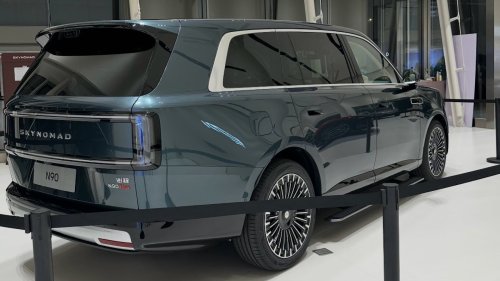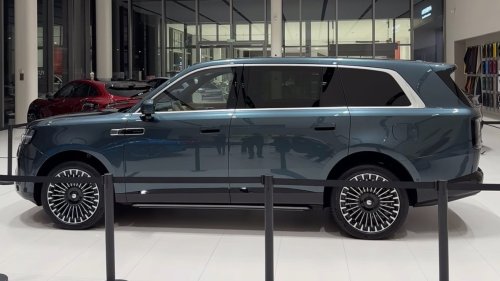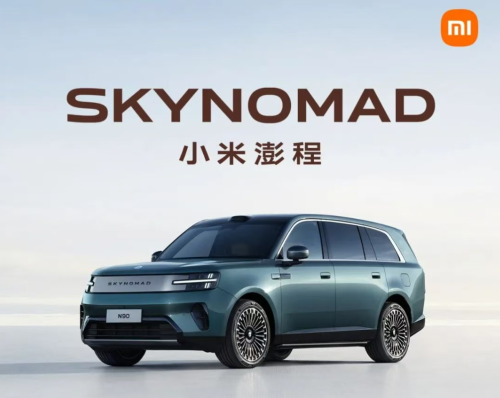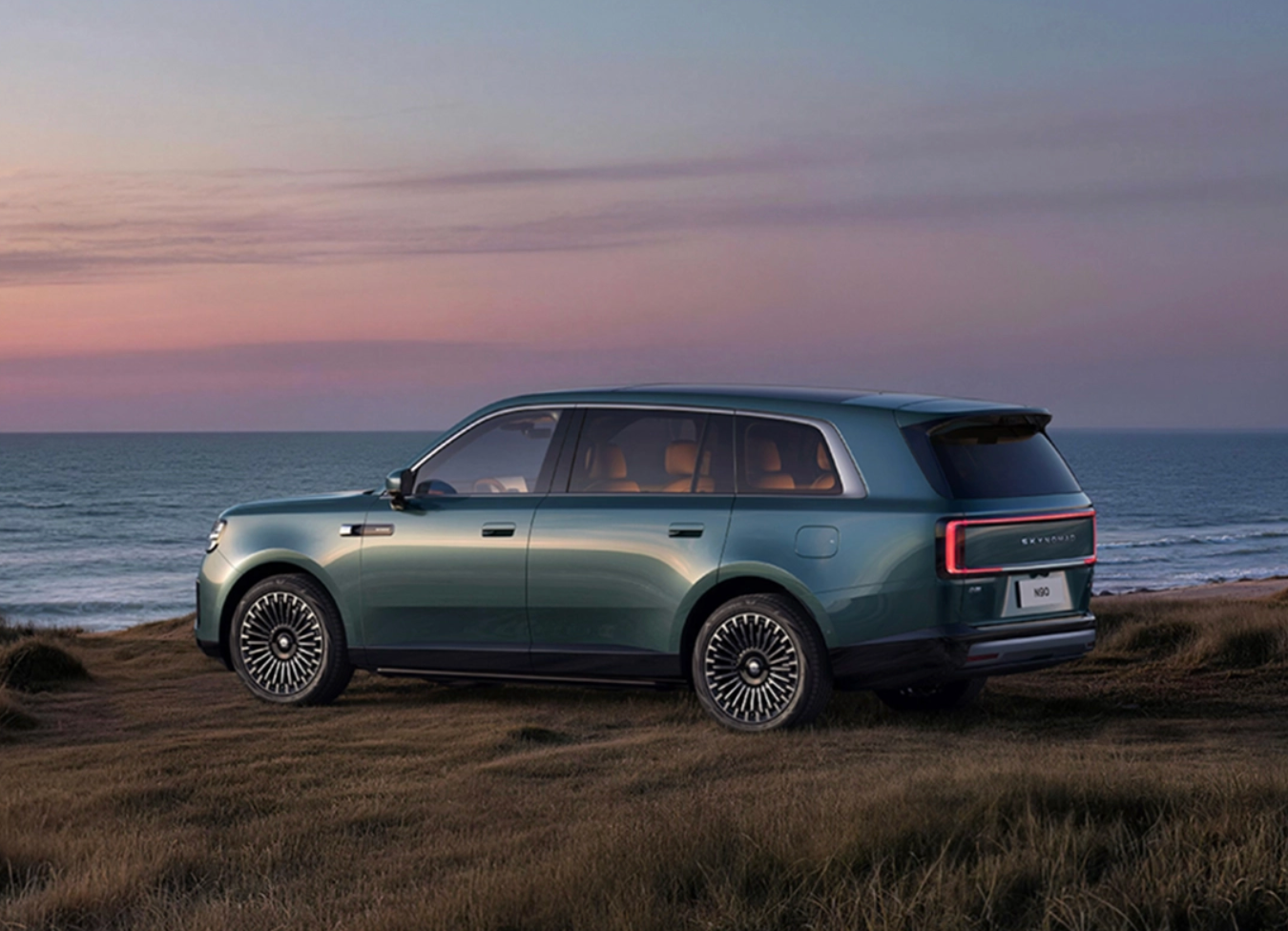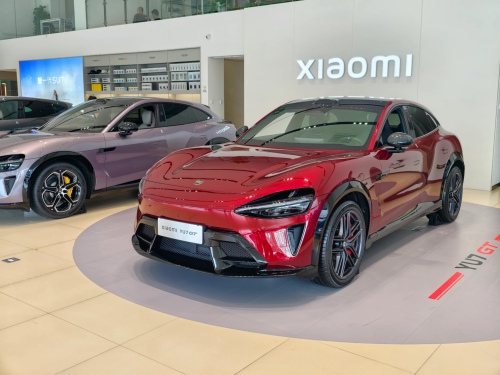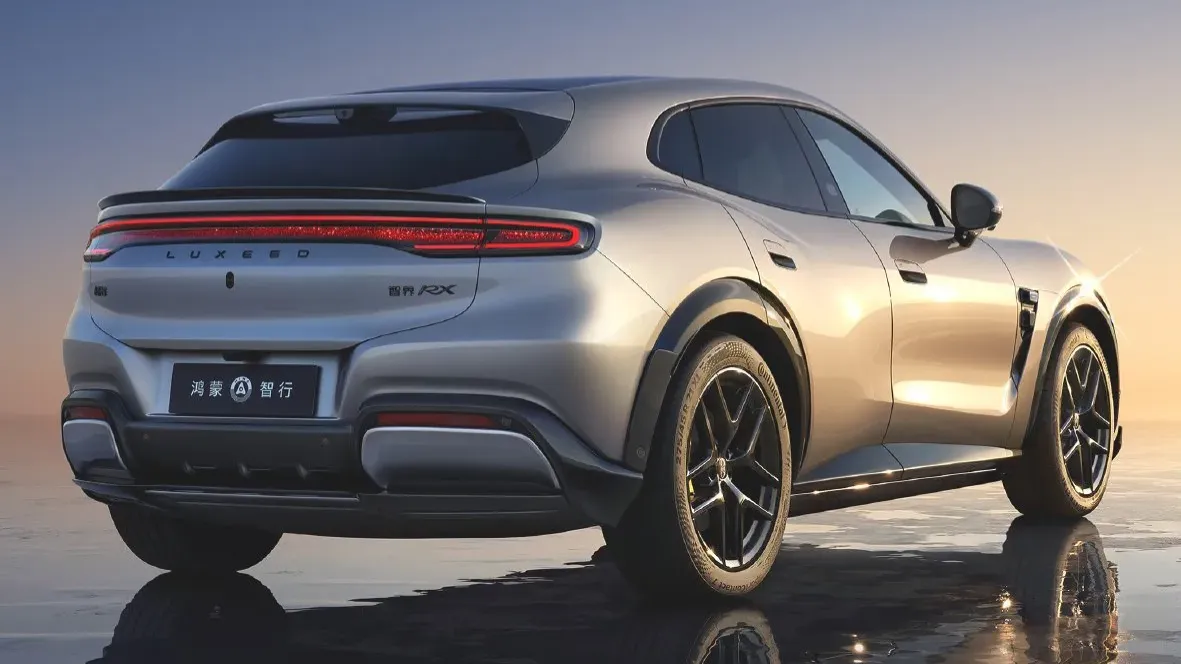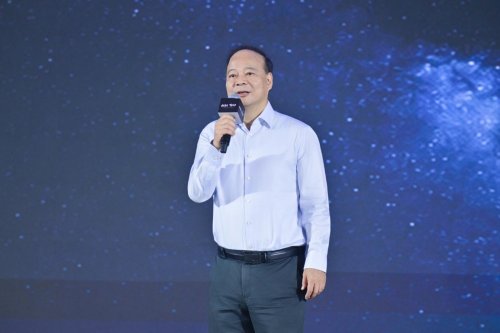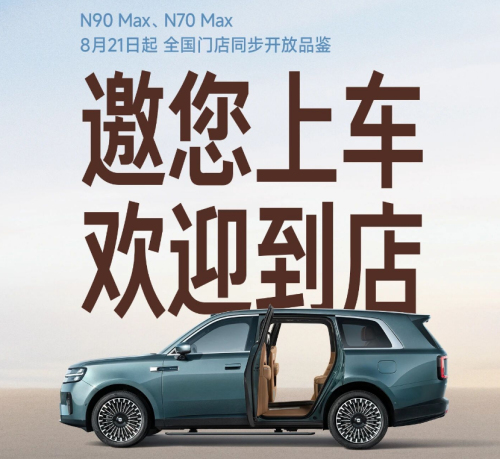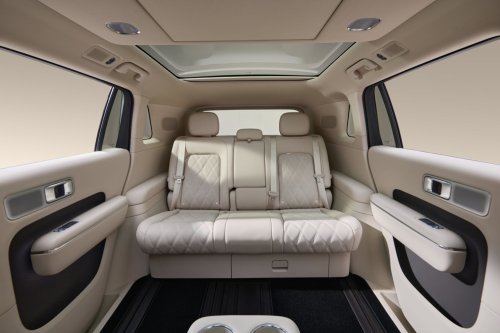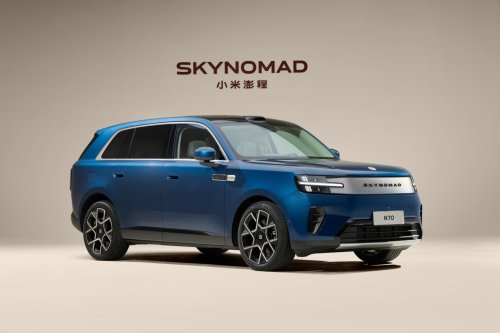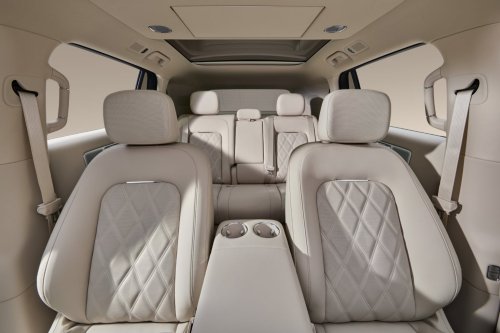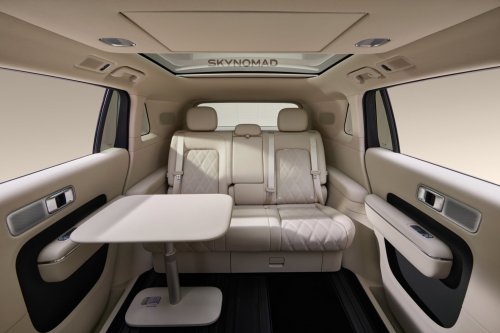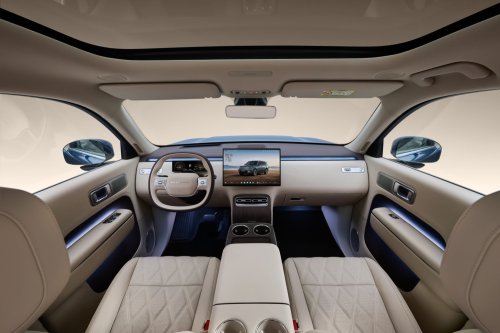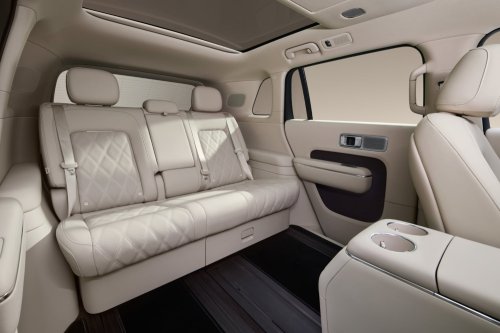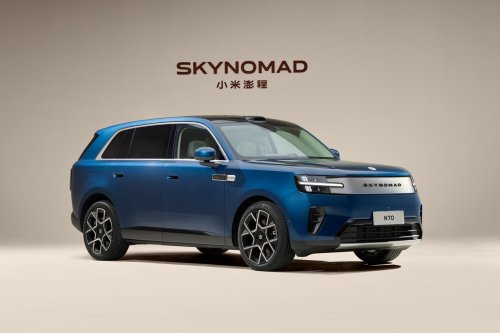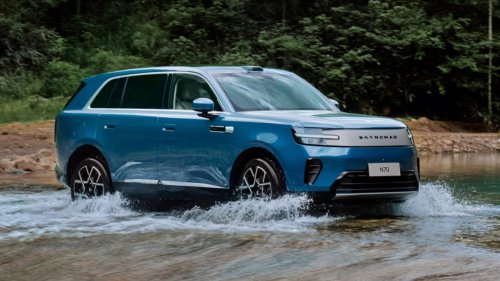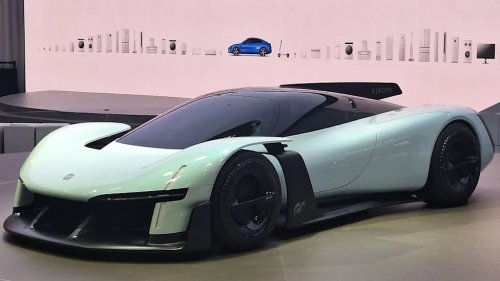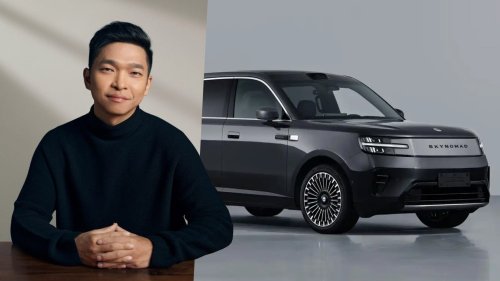
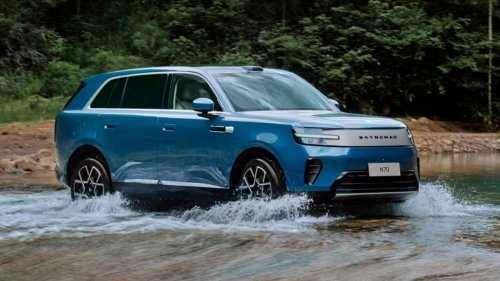
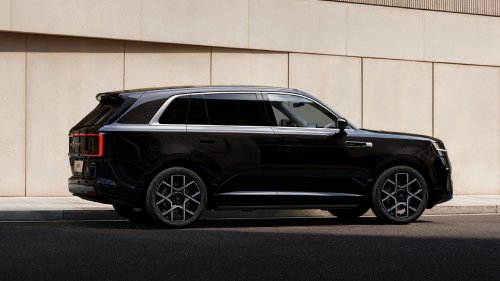
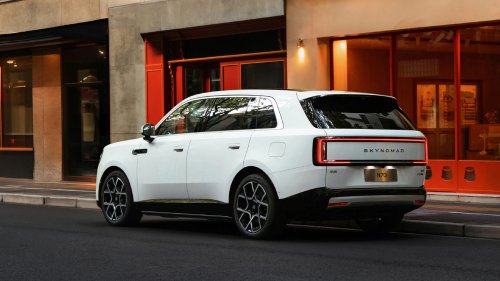
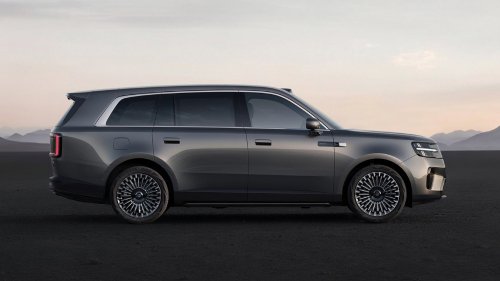
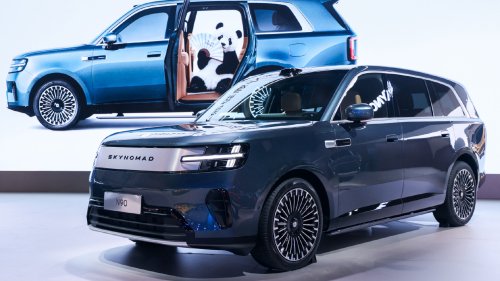
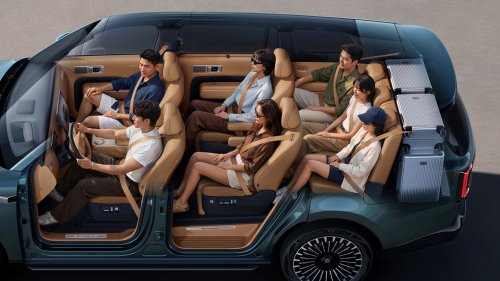
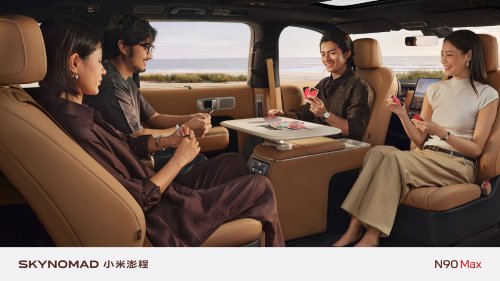
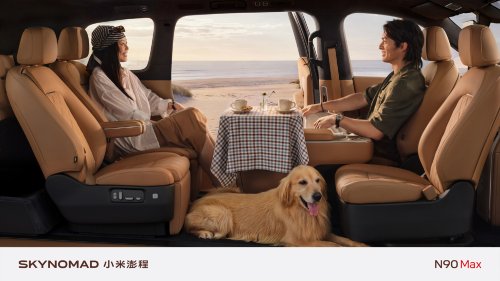


















Xiaomi head of design Tianyuan Li. Image created by CarNewsChina Understand China EV’s Market Real-time notifications when critical EV data is released All important data in one place 2,000,000+ data points Become a member Xiaomi Auto head of design, Tianyuan Li, answered CarNewsChina’s questions regarding the design of the Skynomad N70 and the Skynomad N90 crossovers. He explained some design language decisions and shed some light on the teamwork behind those newcomers. Tianyuan (Sawyer) Li was the first Chinese car designer to join BMW’s global headquarters. He also has work experience at Peugeot. In 2021, Tianyuan Li joined the Xiaomi Auto team as head of design. He led the design of both production models (YU7, SU7, Skynomad) and concept cars (Vision GT). We have provided our dialogue in full below. Denis Bobylev: Nowadays, we see many automakers adopting a more “robot face” design language, often characterized by a single LED light bar across the front of the vehicle. Skynomad, however, uses a more traditional, eye-like headlight design with two distinct lamp units. What was the reasoning behind this choice? Tianyuan Li: It’s a very interesting one, and we’ve discussed this topic extensively, both internally and externally, with colleagues, journalists, designers, and people working in AI and technology. I wouldn’t say we deliberately chose a “traditional” direction, nor do I think the so-called “robot face” is necessarily the only way to express technology. To me, it’s simply one trend. The real question is: how do we choose to express technology? Let me share a story. About three years ago, when we were developing the SU7, we conducted a very interesting internal workshop. Before joining Xiaomi, I worked in Germany at a traditional automotive company. When I came to Xiaomi and started working on Xiaomi’s first vehicle, we spent a lot of time discussing how a consumer electronics company could bring its strengths into the automotive industry. At one point, we asked colleagues from across Xiaomi Group, especially people who were not involved in automotive design, including members of our smartphone design team and ecosystem product design team: “What does high-tech mean to you?” The Xiaomi Skynomad N70. Credit: Skynomad Their answers surprised us. Many of them said that, to them, high-tech was not about screens, digital lighting, projections, or visual effects. Instead, they talked about sophisticated mechanical structures, intricate engineering solutions, and beautifully designed mechanisms. Then they asked us the same question. Coming from the automotive industry, our answer was almost the opposite. We immediately thought of screens, 3D projections, HUDs, ambient lighting, digital interfaces, graphics, and flat design user experiences. Both sides found the other’s answer quite strange. We would ask them: “You’re from a technology company. Why do you think mechanical structures and engineering are high tech?” And they would ask us: “Why do people in the automotive industry always think that screens and digital effects represent technology?” Xiaomi Skynomad N70 Eventually, we realized there was no right or wrong. It was simply a matter of perspective. People working in consumer electronics deal with smartphones, tablets, televisions, computers, and screens every day. These things have become completely normal to them. Meanwhile, people in the automotive industry spend their days around engineering, mechanical systems, physical controls, and buttons. Naturally, we tend to see digital technology as something more advanced. That realization became very important to us. If we want to create a design that can truly stand the test of time, we need to go back to real user needs and to the essence of automotive design. After all, we’re designing a car first, not simply a technology product. That’s why one of Xiaomi Auto’s core design philosophies is to create designs that can stand the test of time. Then we started asking ourselves another question: How should technology be expressed? Our view is that technology doesn’t always need to be visible. Technology can step back. It can stay hidden in the background. When you need it, it appears and helps you. When you don’t, it doesn’t constantly ask for your attention. It doesn’t need to stand in front of you all the time saying: “Look at me. I’m a robot. I’m super high-tech.” Instead, it quietly works when you need it. To us, that’s almost like magic. When we designed Skynomad, we carried the same thinking forward. We are already a technology company. We have AI, and in China we have HyperOS XiaoAi, which is deeply connected with our large language models. It can understand users, operate vehicle functions, and provide assistance in ways that traditional vehicles simply couldn’t. The technology is already there. It’s always beside you, always available, but often hidden in the background until the moment you need it. The Xiaomi Skynomad N70 Because of that, we don’t feel the need to emphasize technology purely through visual expressions. Instead, we wanted Skynomad to feel calm, approachable, and familiar. We wanted it to have a timeless quality and an aesthetic that people could naturally connect with. Then, when people actually experience the vehicle, all the technology emerges. The AI helps, the navigation helps, the voice control helps. The intelligent experience reveals itself exactly when it’s needed. That’s when the magic happens. We call that “beyond expectation.” And we believe this is the right balance between the automotive industry and the consumer electronics industry. That’s ultimately the direction we chose for Skynomad. DB: The Skynomad N90 achieves a drag coefficient of 0.255 Cd. How did you achieve this result, and was aerodynamics a priority during development? TL: Achieving a drag coefficient of 0.255 Cd was definitely not a coincidence. I would say it’s really the result of teamwork. At Xiaomi, the design team, engineering team, and aerodynamics team work very closely together. We always believe that every point counts and every millimeter counts. This mindset is part of how we develop our vehicles. Skynomad is a large vehicle with substantial volume, and we worked very hard to refine every surface on the N90. One of the biggest challenges of N90 is that, visually, Skynomad is not a vehicle that naturally looks highly aerodynamic. It’s relatively upright, has a larger body, and has a more boxy proportion. Skynomad N90 When people see a low, flowing vehicle like SU7, they instinctively expect strong aerodynamic performance. With Skynomad, we had to ask ourselves a different question: How can a vehicle with this kind of architecture and volume still achieve excellent aerodynamic efficiency? So we optimized details across the entire vehicle. At the front, we carefully studied the relationship between the front surfaces, the hood angle, and even the transitions between different radii. We analyzed how airflow moves across the hood, onto the windshield, and over the roof. Every angle and every millimeter was calculated and refined together with the aerodynamics team. The Xiaomi Skynomad N90 SUV The same approach was applied to the rear of the vehicle. Looking from the top view, we studied the tapering of the body, the length of the rear overhang, and the exact turning point of the rear bumper, all to manage airflow separation at the back of the car. We also worked extensively on the lighting elements, body sides, wheel arch treatments, wheel positions, and fender geometry. All of these details contribute to the final result. We put a huge amount of effort into achieving this number. For us, aerodynamics is important not only for pure EVs, but also for range-extended and hybrid vehicles, because customers benefit directly from it. Customers may not care about the drag coefficient number itself, but they do care about the outcome. Better aerodynamic efficiency means lower energy consumption, less frequent charging, and potentially a smaller battery requirement, all of which improve the user experience. That’s why aerodynamics was one of the key priorities throughout the entire R&D process. DB: Could you share more about the intended use cases for the rotatable front seats? For some people, it’s difficult to understand why they would need this feature. What are the core scenarios behind it, and why did you decide to make the front seats rotatable? TL: We believe rotatable seats are more than just a feature. Normally, when people sit in a car, everyone faces forward. When you want to talk to someone, you have to turn your head to the left, to the right, or toward the back. In many situations, that’s simply not a very natural way to communicate. Now imagine sitting face to face with someone. The feeling changes immediately. That’s why, for us, rotating the seats into Lounge Mode or Living Room Mode is not simply a functional change. What really changes is the relationship between people. When the relationship between people changes, the way they react to each other, the way they communicate, and the way they connect with each other changes as well. By rotating the seats into different modes, we’re changing the relationship between people inside the vehicle. Interior of the Skynomad N90 Because of that, there isn’t just one specific use scenario. Personally, I would enjoy sitting face to face with my friends or family. In that situation, you feel much closer to one another. There is no barrier between you anymore. For me, one scenario might simply be sharing food with friends. Normally, eating inside a car can feel a little stressful or awkward. But in this kind of environment, the experience feels completely different. At the same time, everyone imagines different possibilities. Some of my colleagues told me they would like to play poker in the car. Others talked about having business conversations, conducting interviews, or spending time together in a different way. We even have colleagues who imagine using the space for gaming, such as playing online games together as a team. Interior of the Skynomad N90 Max There are many possibilities. What’s important is that these scenarios shouldn’t be decided by me, and they shouldn’t be decided by our engineering team either. How people actually use the vehicle once the layout changes should ultimately be decided by our customers. Internally, we often use one word: Possibility. What we’re giving customers is the possibility to transform the layout, move the seats, and create a different environment. But life starts from that moment. And it’s not a life we create for them. It’s their own life. You never really know how people will use the vehicle once the seats rotate. You never know what kinds of experiences they’ll create. And that’s the magic. When every seat always faces forward, you can more or less predict what people will do inside the vehicle. But once the seats can rotate, once they can move along the extra-long rails, and once there’s generous legroom and open space, then almost anything can happen inside the cabin. For us, that’s the most exciting part. The possibility itself is the magic. Most important news in your inbox. Recaps · scheduled All you need, in one email. Instant alerts · real-time Ping me when an article goes live. 0 of 27 topics selected Bundle into one email per day — instead of one email per article No spam · Unsubscribe with one click · Change settings anytime