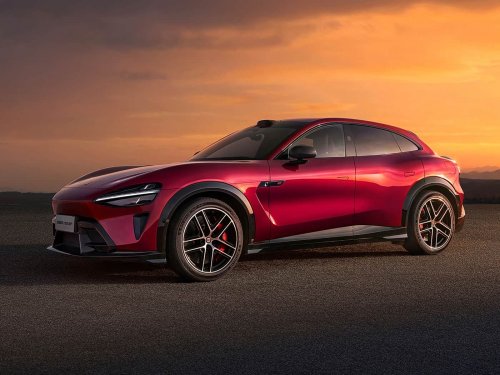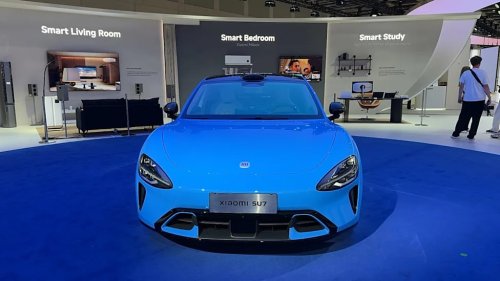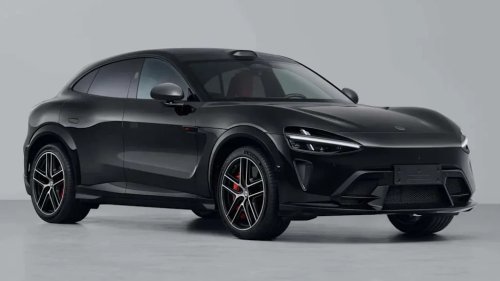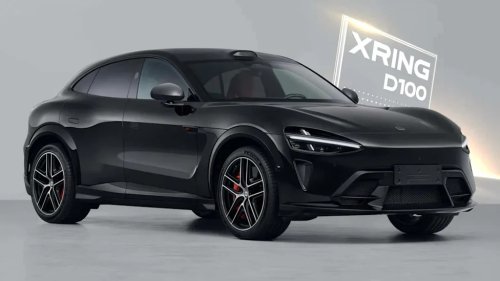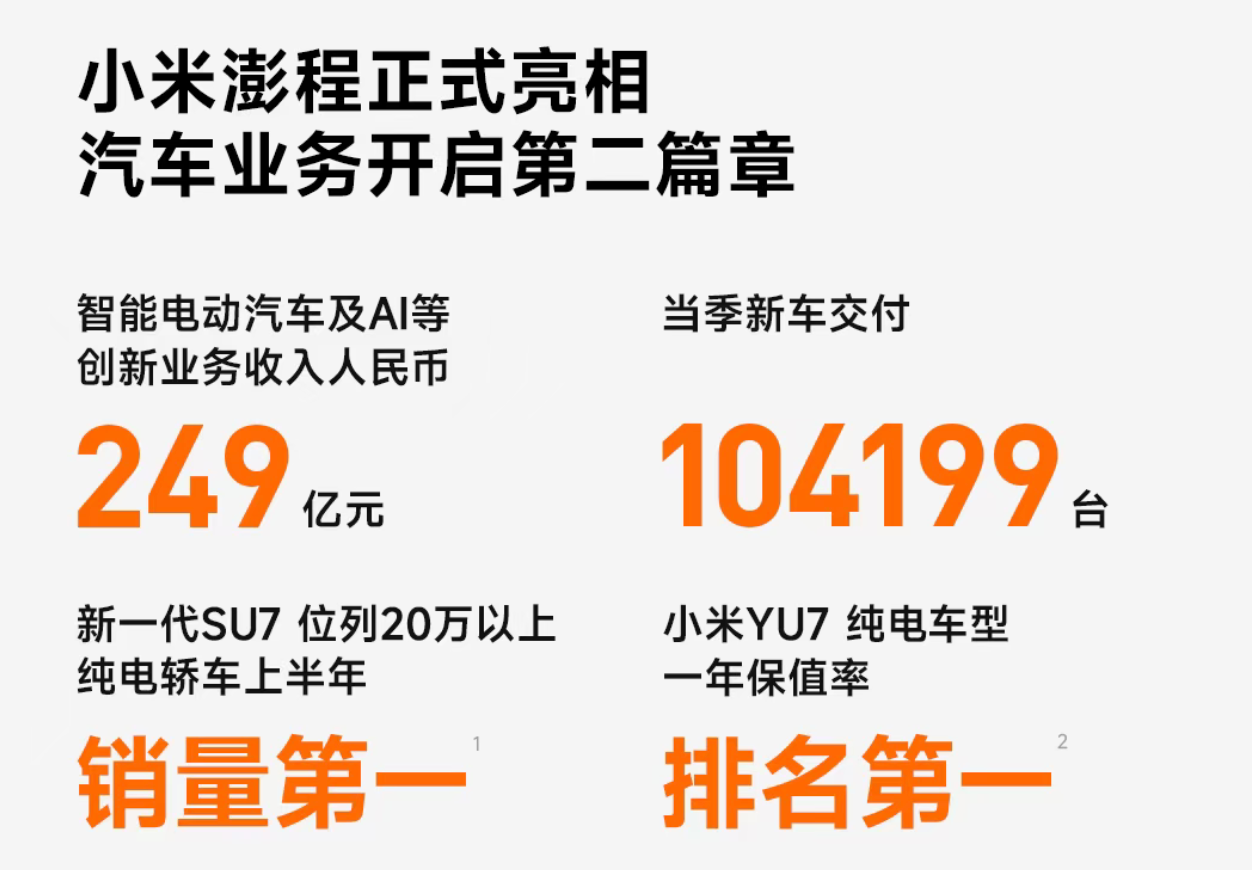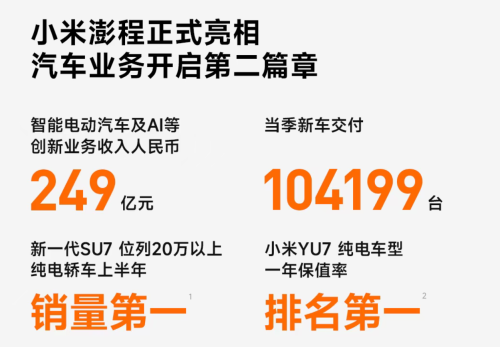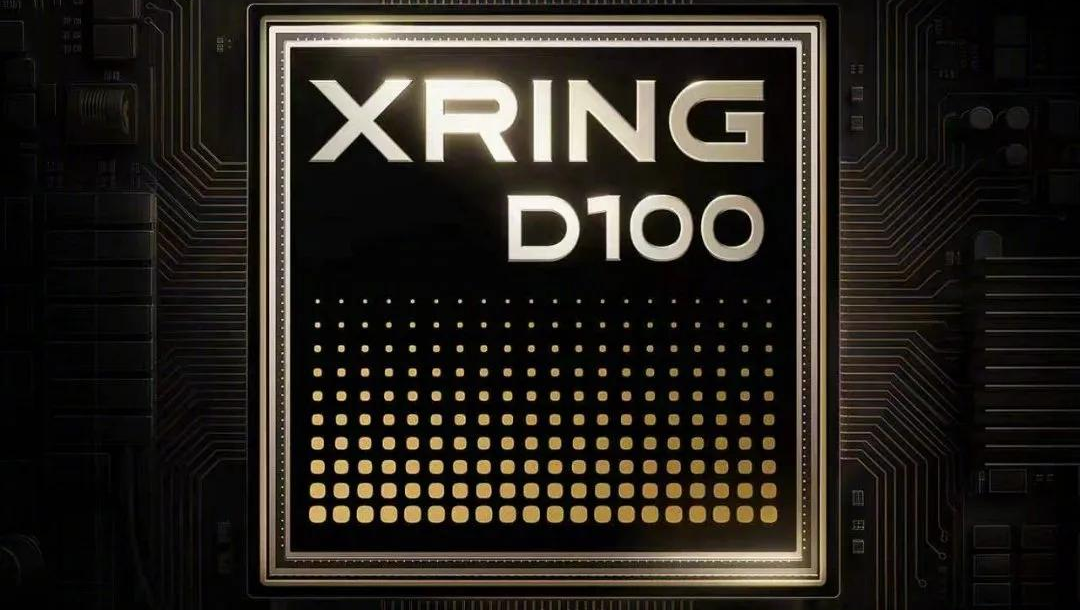
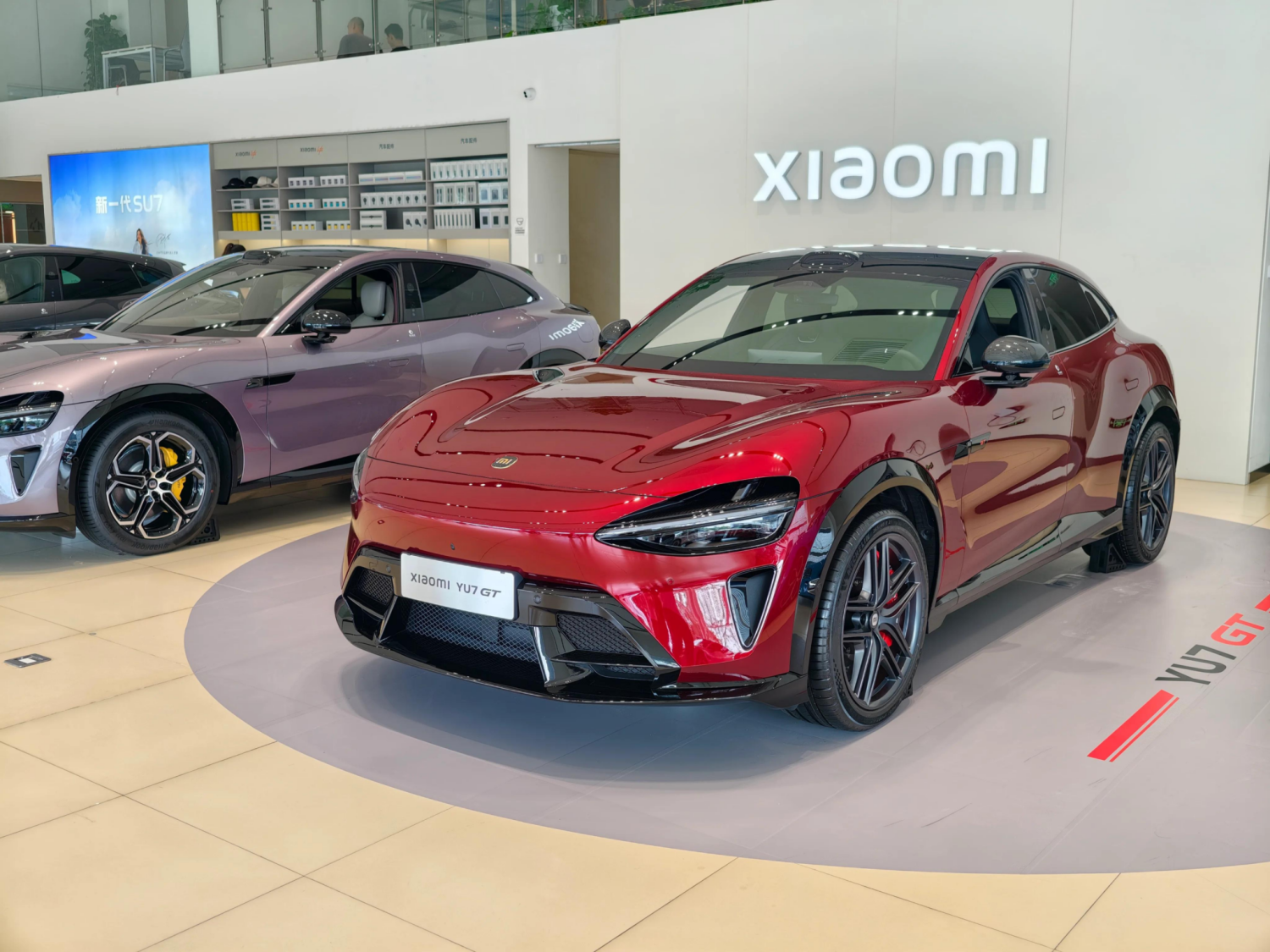



















Xiaomi's in-house smart driving chip Xring D100. Credit: Xiaomi Understand China EV’s Market Real-time notifications when critical EV data is released All important data in one place 2,000,000+ data points Become a member Xiaomi has officially joined a group of Chinese automakers, including BYD, Nio, Xpeng, and Li Auto, by unveiling its own self-developed intelligent driving chips. Its Xring D100 is said to be a high-compute AI chip designed specifically for advanced autonomous driving. Current Xiaomi SU7 and YU7 series models utilise Nvidia chips with 700 TOPS of computing power. The Xring D100 is notably the first intelligent driving chip in China based on a 3nm process. Its technical specifications include a 20-core high-performance CPU and a 16-core high-compute NPU. The chip supports up to 160GB of memory and enables the local deployment of large-scale models with up to 200 billion parameters. By controlling the entire chain – from the chip and domain controller to the underlying Board Support Package (BSP) software – Xiaomi can eliminate supplier markups and reduce the Bill of Materials (BOM) cost as production scales. Xiaomi YU7 GT. Credit: Dianchetong Beyond costs, the D100 allows Xiaomi to natively optimise its XLA end-to-end intelligent driving model. Unlike general-purpose chips that require extensive adaptation and quantisation, the D100 is designed around Xiaomi’s specific data flow and memory access patterns. Estimated to deliver between 700 TOPS and 1,000 TOPS – putting it on par with Xpeng’s Turing and BYD’s Xuanji A3 chips – Xiaomi’s Xring D100 must still undergo rigorous automotive certification, massive validation, and deep integration with the XLA model. The trend of self-developed silicon highlights a growing divide in the industry. Some manufacturers with high sales volumes can justify the multi-billion yuan investment and thousands of engineers required for chip development, many brands are likely to continue relying on commercial chips and open-source models to maintain economic viability. It is currently unknown which model this Xiaomi chip will be used in. CarNewsChina’s most optimistic estimate is that it will feature in next year’s updated YU7. Last year, Changan launched the Deepal L06, which features the world’s first 3nm cockpit chip, developed by MediaTek. Xiaomi delivered 80,856 vehicles in the first quarter of this year and 104,199 vehicles in the second quarter. Previously, Xiaomi set a target of delivering 550,000 vehicles in 2026. Most important news in your inbox. Recaps · scheduled All you need, in one email. Instant alerts · real-time Ping me when an article goes live. 0 of 27 topics selected Bundle into one email per day — instead of one email per article No spam · Unsubscribe with one click · Change settings anytime