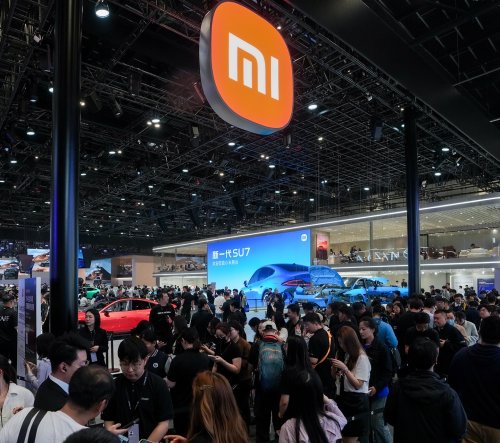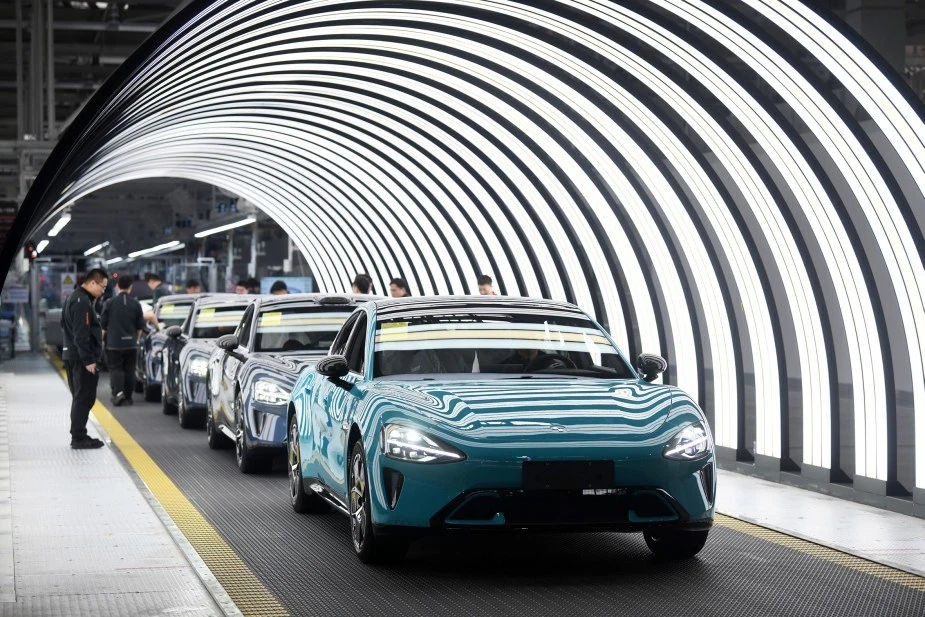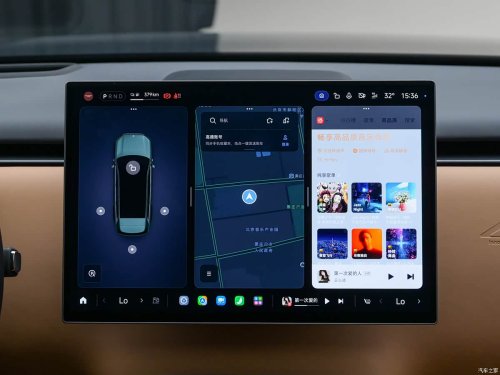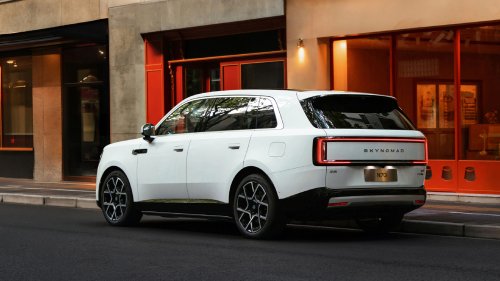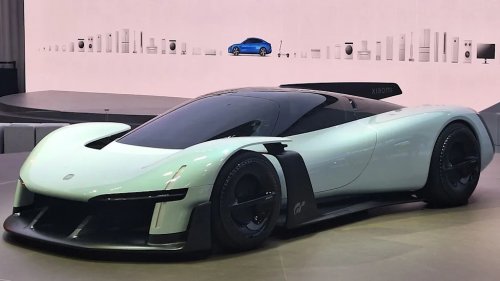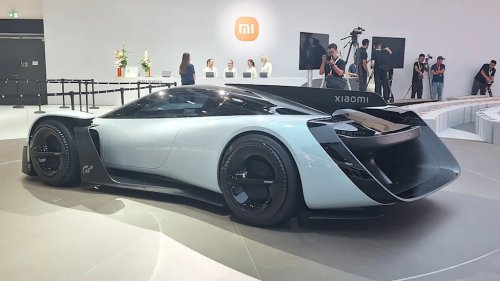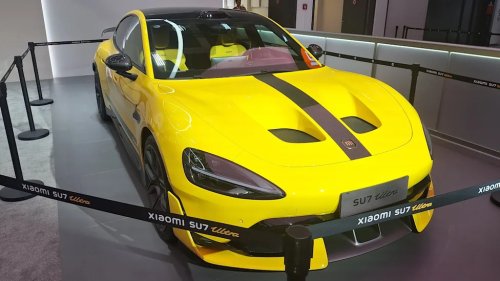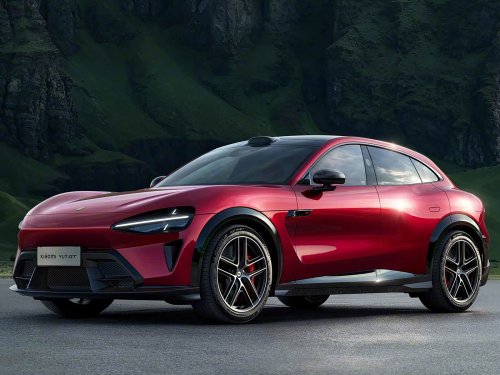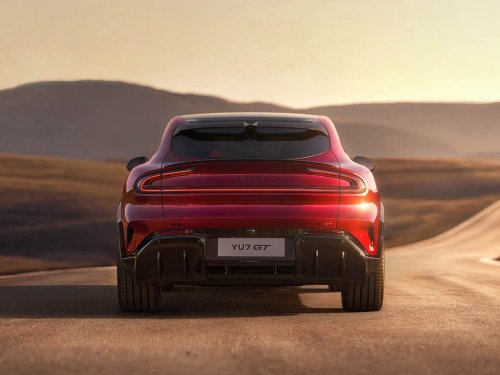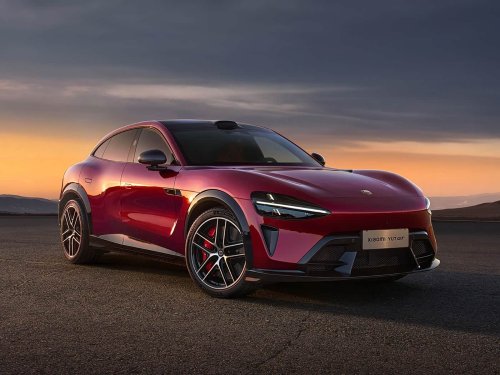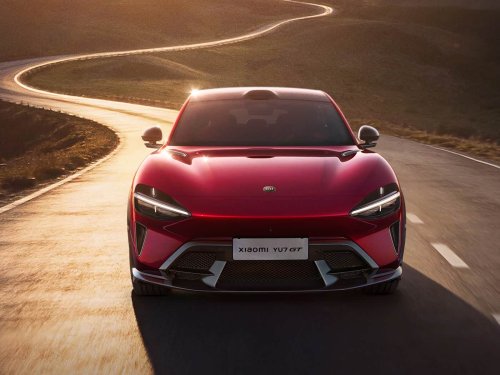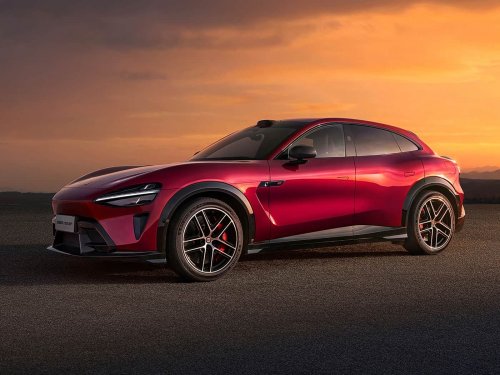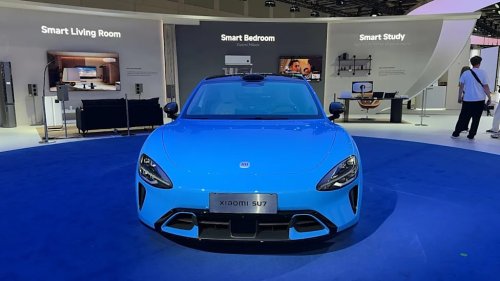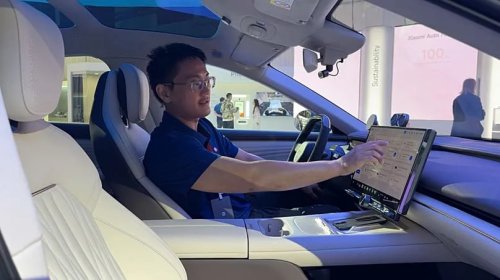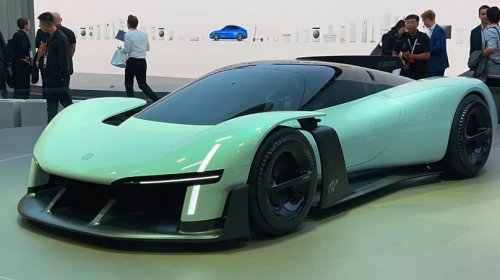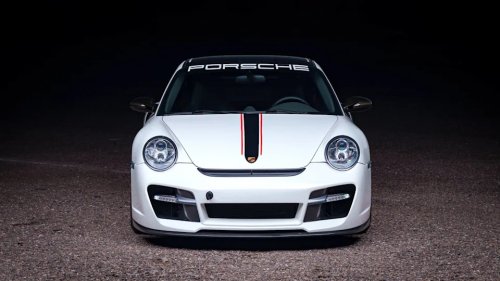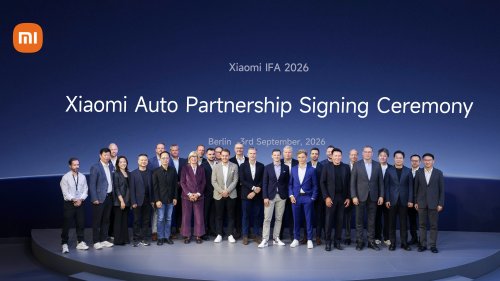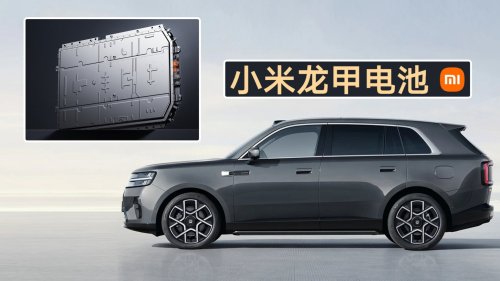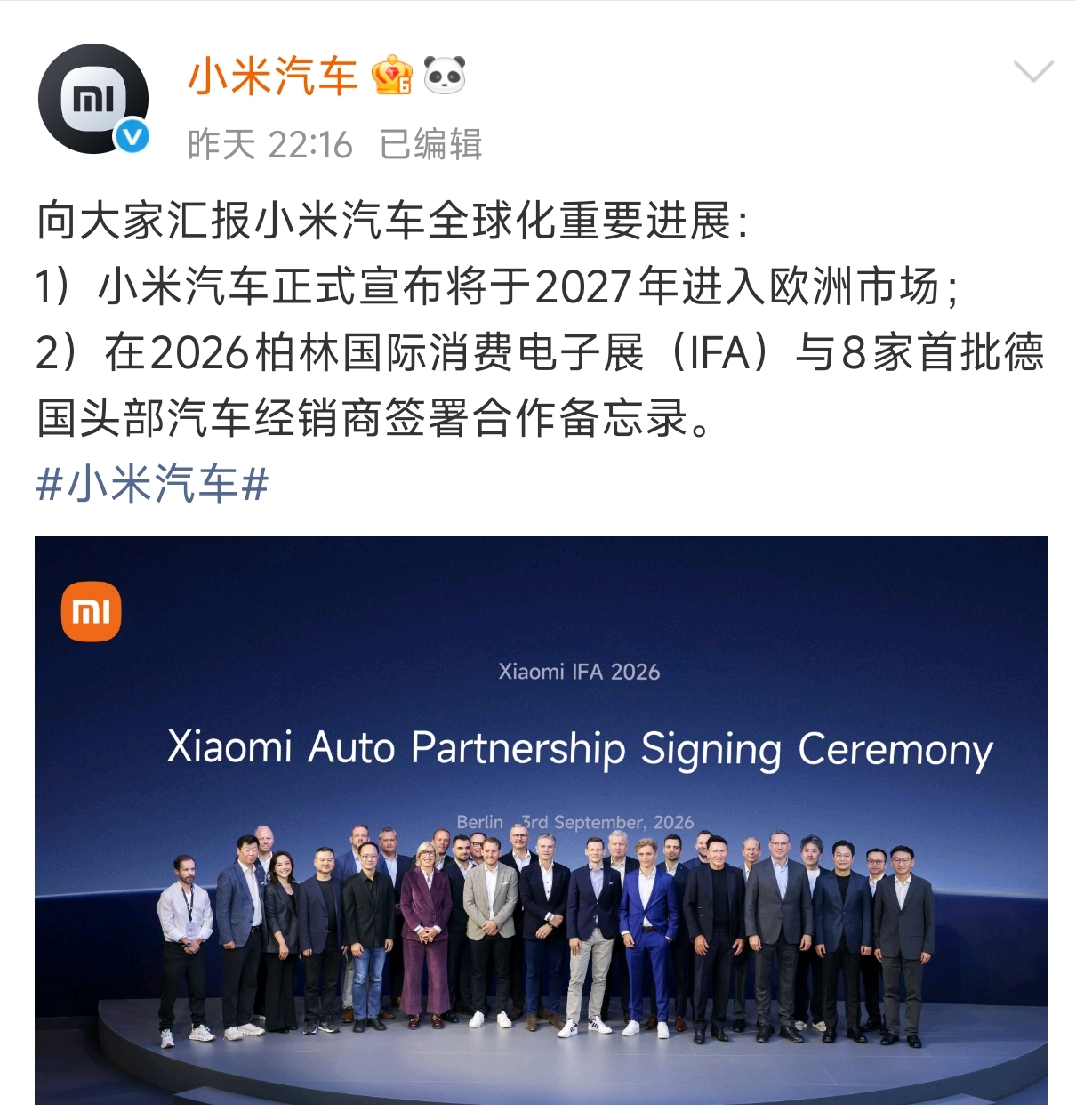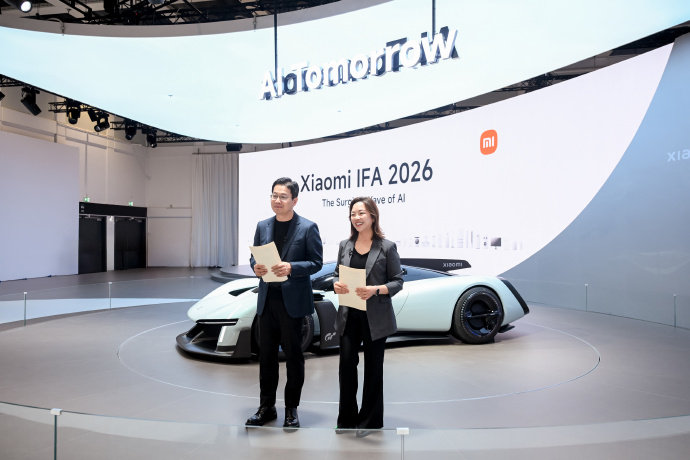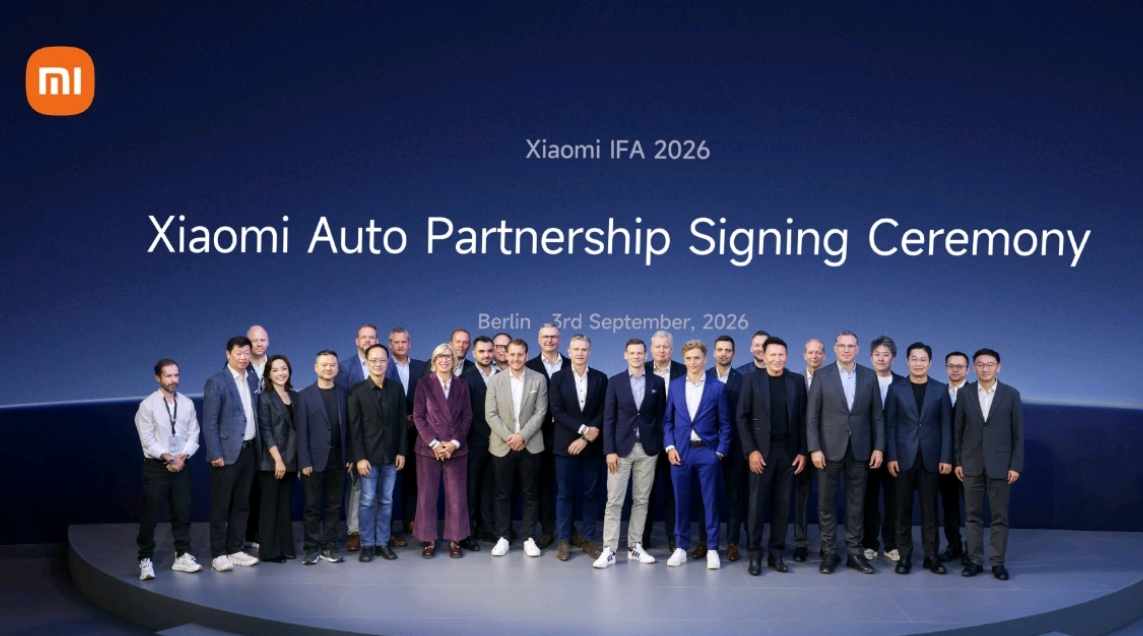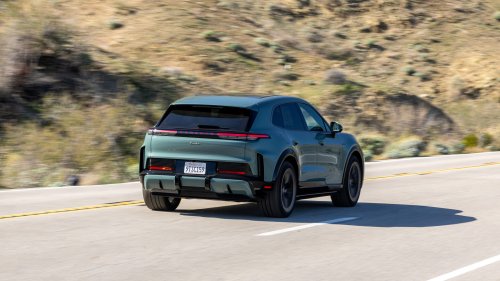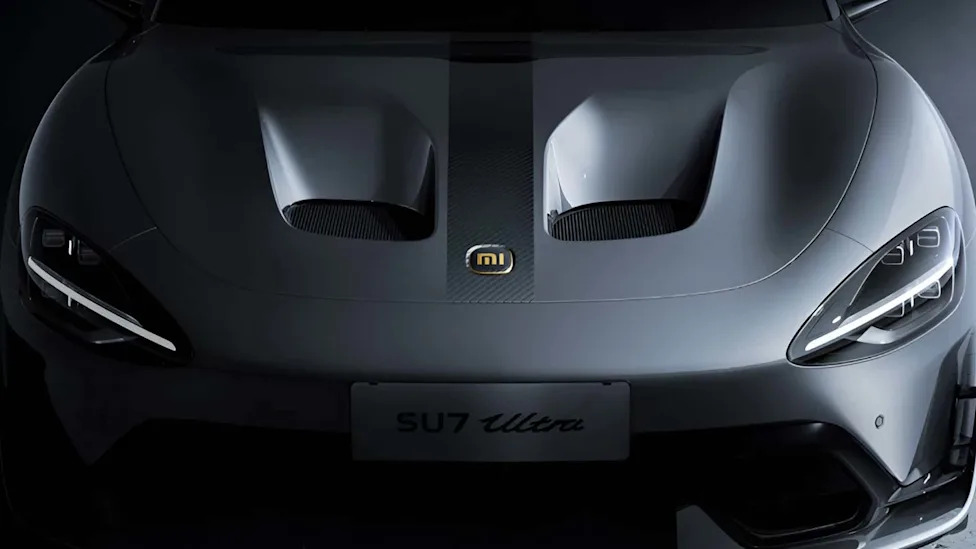
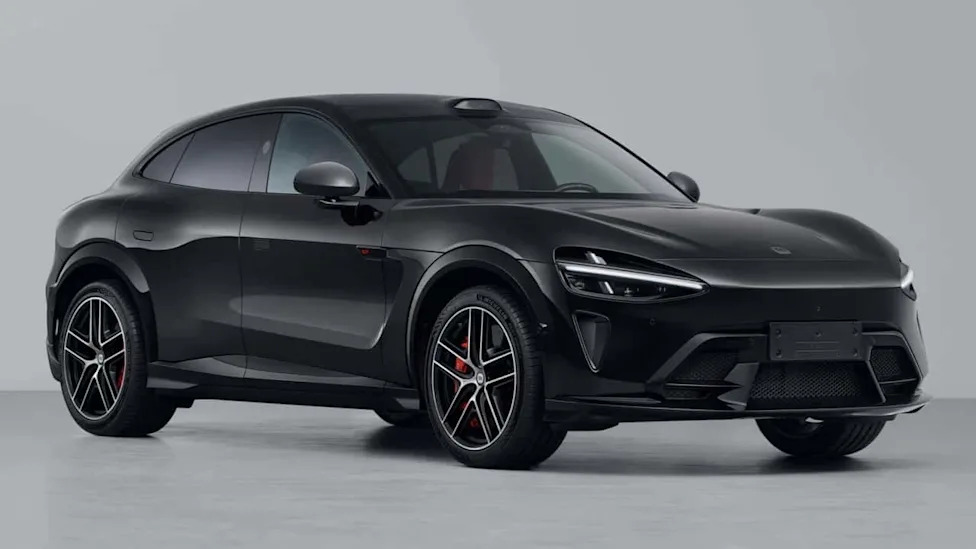



















Xiaomi SU7 Ultra HoodEight dealership groups have signed on as part of Xiaomi's entry into Europe, which starts next year.Xiaomi is officially headed to Europe, including Germany, in 2027, the company announced on Thursday.Eight dealership networks have now signed on.German luxury brands have been feeling the heat in China. Now that's coming to their backyard.Xiaomi has spent the last two years proving that a company that builds cell phones can also build your favorite car. The Apple of the East makes EVs that are fast, desirable, and chock-full of tech that makes most American cars feel archaic. It's passed the test in its home market, having sold over 700,000 vehicles there to date. Now it's setting its sights on Europe.On Thursday, the company announced plans to enter European markets, including Germany, in 2027. After bringing the heat to Porsche, BMW, Mercedes-Benz, and Volkswagen within China, the country's automakers are increasingly exporting the fight to European turf. Xiaomi is just the latest disruptor. Based on its popularity in China and high praise abroad, it could be a formidable competitor. Xiaomi YU7 GTAfter years of raking in healthy profits in China, European luxury brands have been struggling to keep up with the country's fast-moving homegrown automakers. Their sales have dwindled as a result. Only 125 vehicles were imported into China in July, a figure that's down 99% from its 2023 peak. One example: Porsche's China sales fell 26% last year and have been more than cut in half since 2021. Now the same tech that is winning over Chinese consumers is headed straight for the Germans' backyard. AdvertisementAdvertisementThe Xiaomi SU7 Ultra sedan has already been doing battle with Porsche on the Nurburgring, even dethroning the Taycan Turbo GT. Then there's the YU7 GT, a curvy crossover with 990 horsepower, which is about 300 more than you get in the highest-performance Porsche Macan EV. Xiaomi hasn't said which model (or models) it plans to sell in Europe. If pure speed isn't your thing, Xiaomi is also catering to tech-hungry buyers with its "Human x Car x Home" ecosystem, which integrates more than 1,000 different Xiaomi devices with the car. Xiaomi's cars are also aggressively priced in its home market and have a number of premium features baked in that make a pretty convincing value proposition over many of the offerings on the market today wearing a badge from a German luxury brand. How well Xiaomi manages to do in Germany, and Europe more broadly, may ultimately come down to price and positioning. The SU7 and YU7 could launch as Porsche and BMW rivals for a much better value. But if the brand prices its vehicles too close to cars from already well-respected brands, that could be a tougher sell. Xiaomi is just one of the Chinese brands making its way to Europe. Chinese-imported cars made up 14.2% of all EVs sold across the region during the first half of 2026, meaning that Western automakers across the board are already feeling the pressure.AdvertisementAdvertisementSome have even resorted to importing their own made-in-China vehicles into Europe as a way to stay competitive. But as up-market models from Xiaomi and others gain more traction, it could prove to be a tough road ahead for even Germany's most prestigious brands.More Chinese EV NewsXiaomi Unveils Custom Chip For Driver-Assist FeaturesAfter Driving Over 25 Chinese Cars, These Are The 6 I Would BuyEREVs Can Apparently Be Almost As Low-Maintenance As Full EVsXiaomi's First EV Just Hit A Massive Milestone