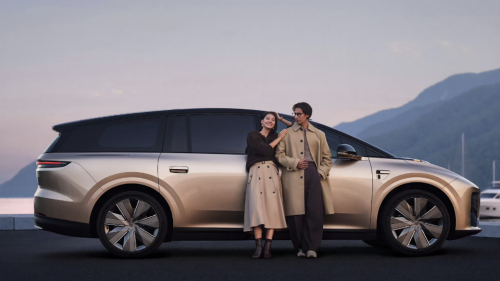
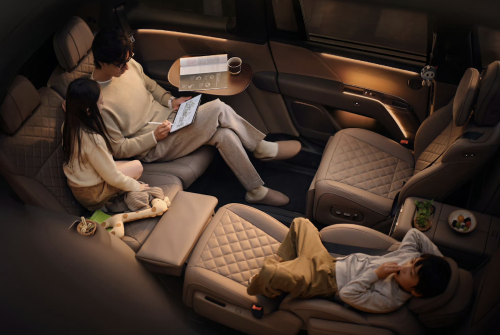
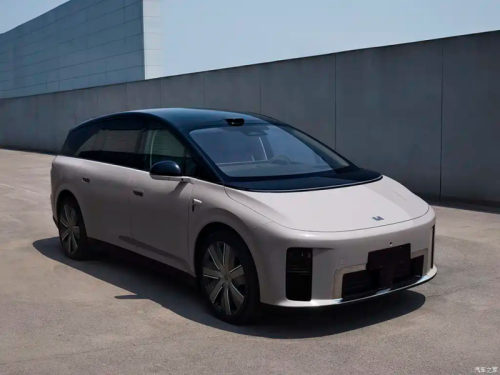
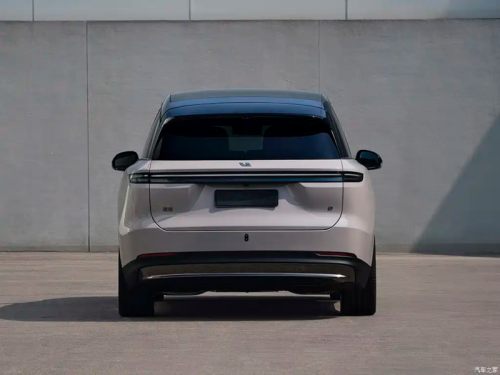
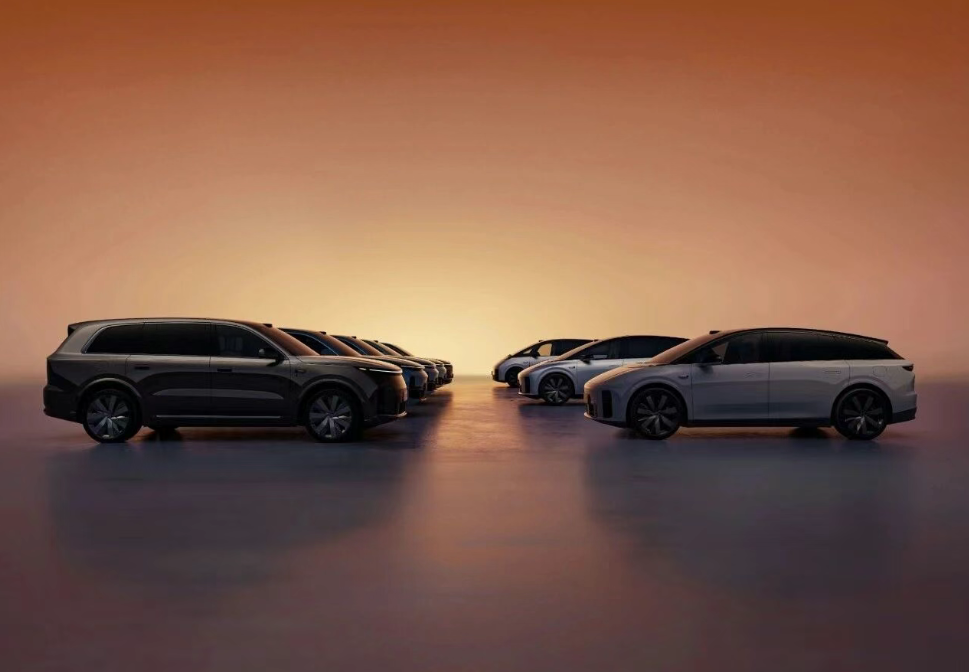
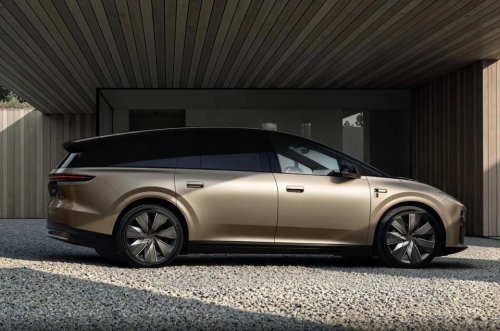
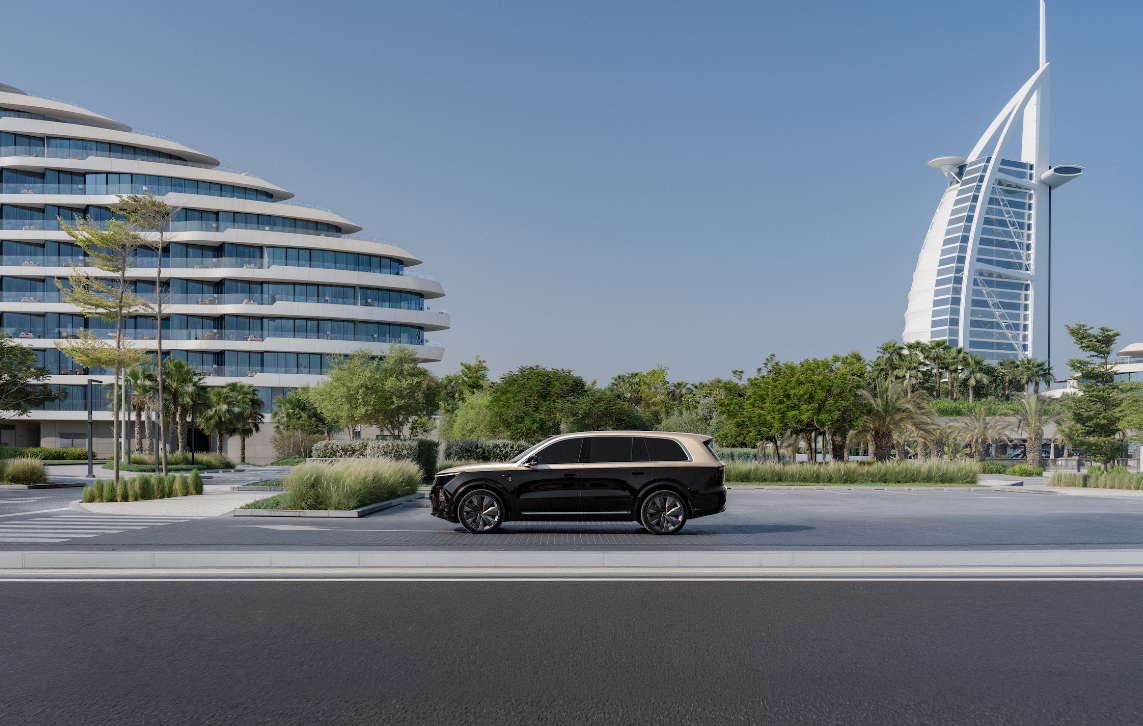
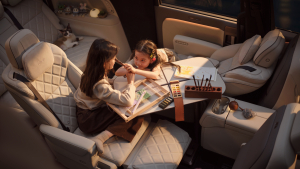
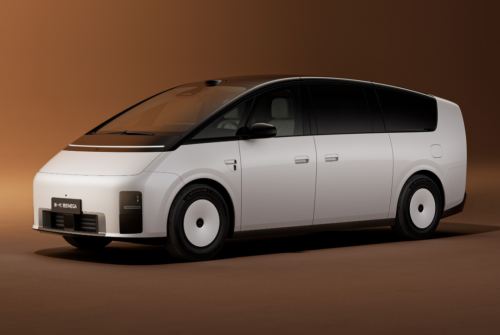
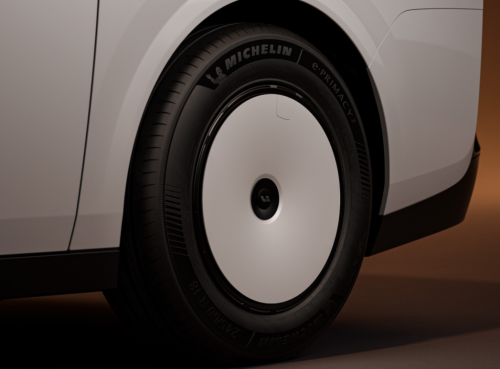
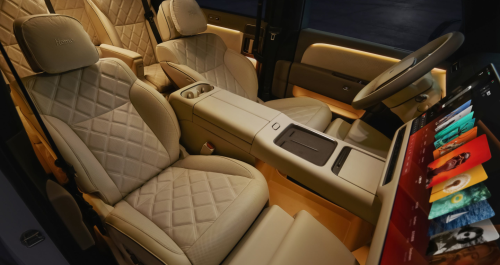
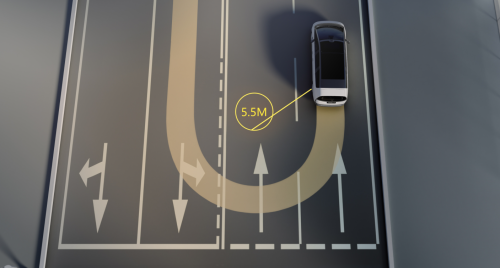
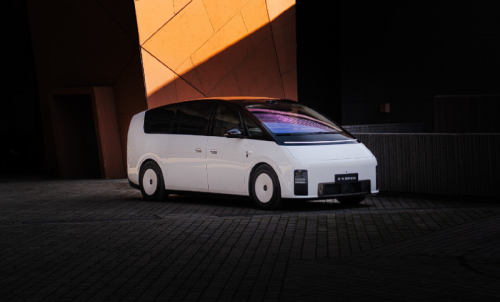
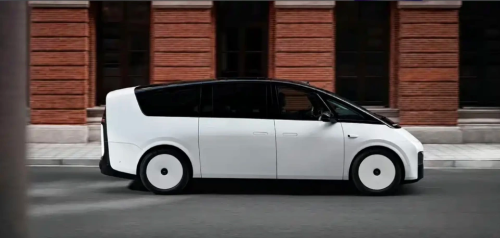
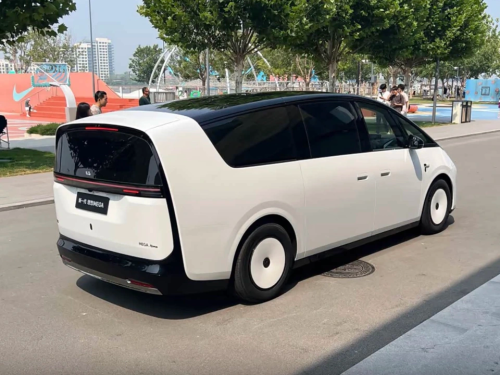
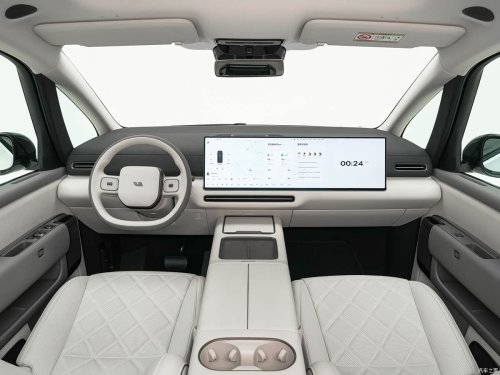
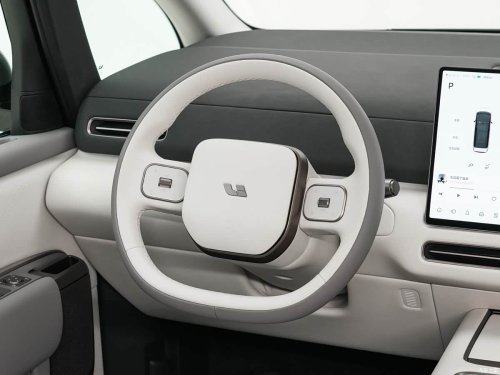
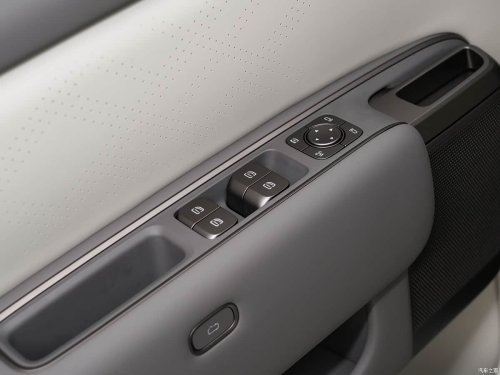
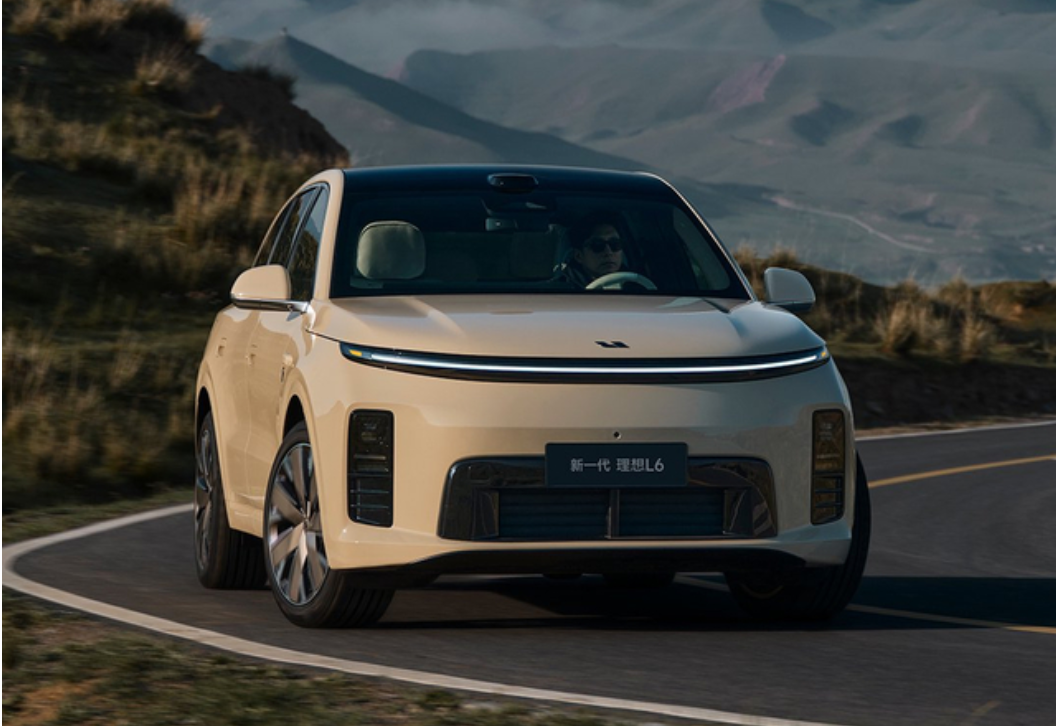
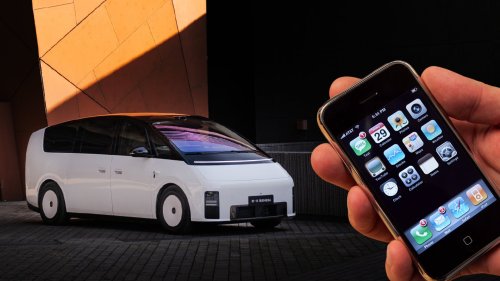
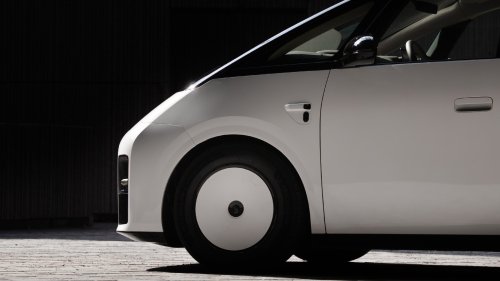
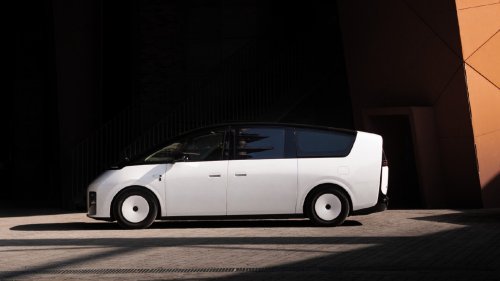
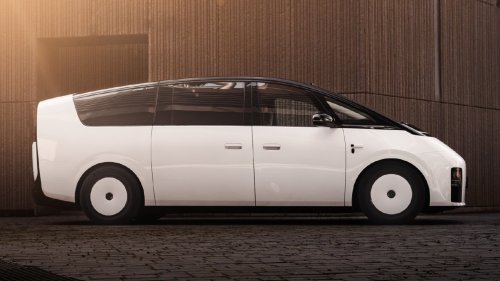
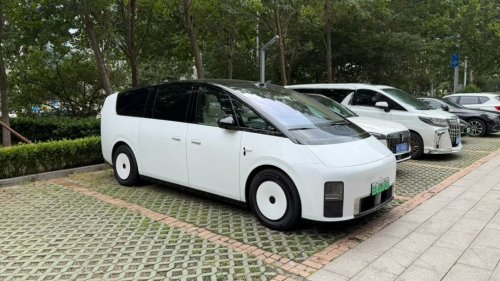
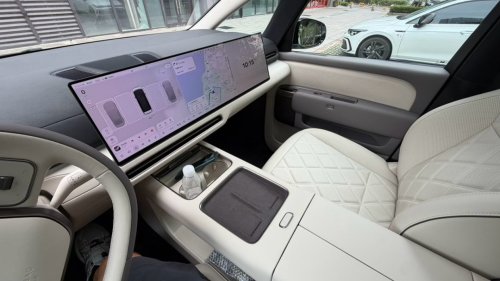
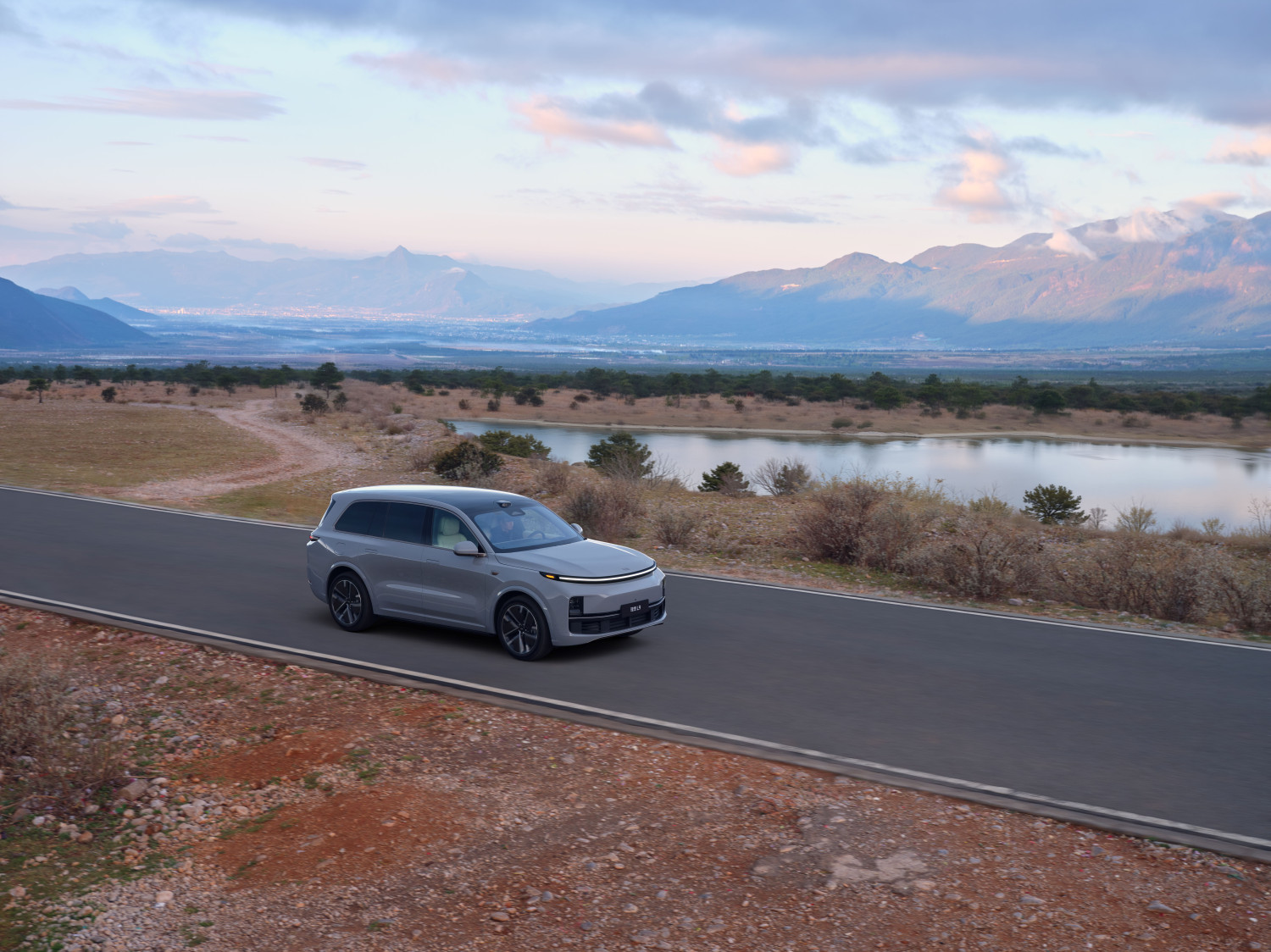
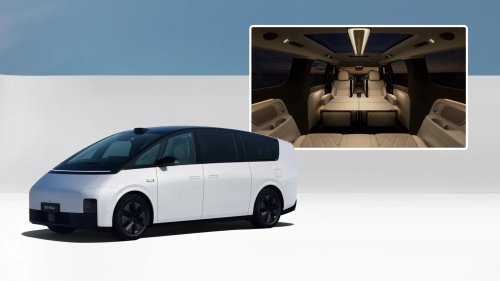
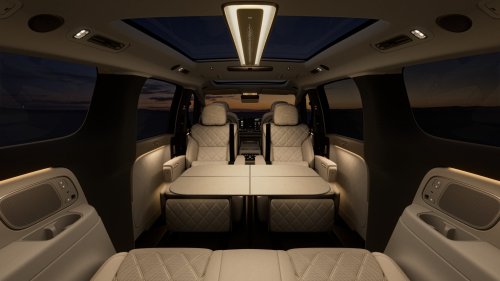
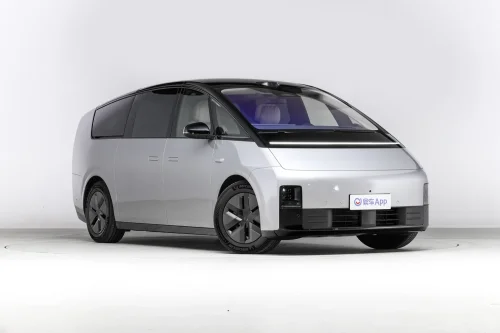
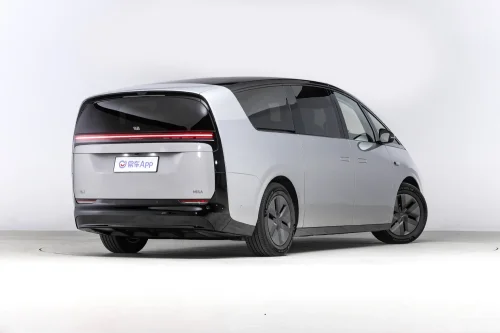
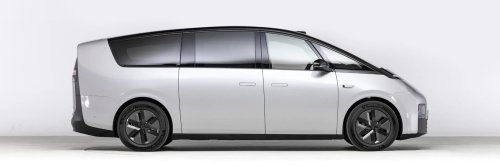
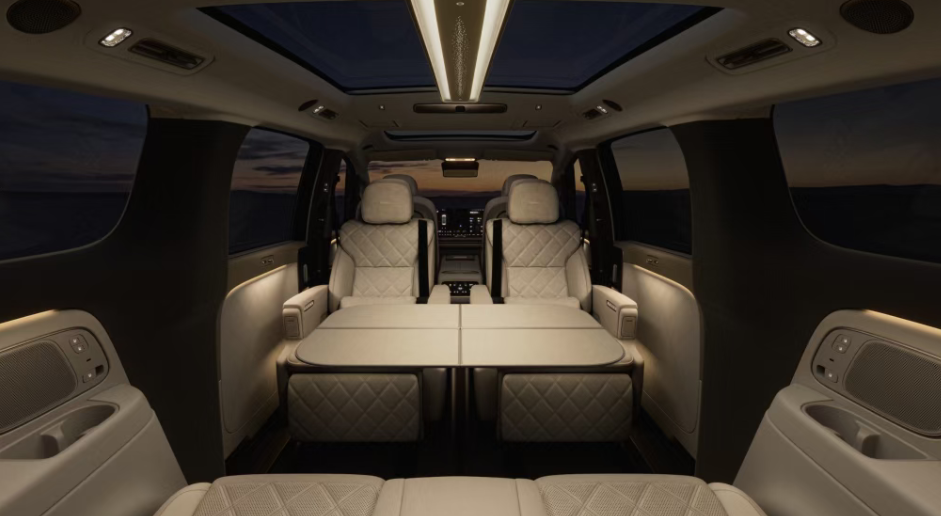
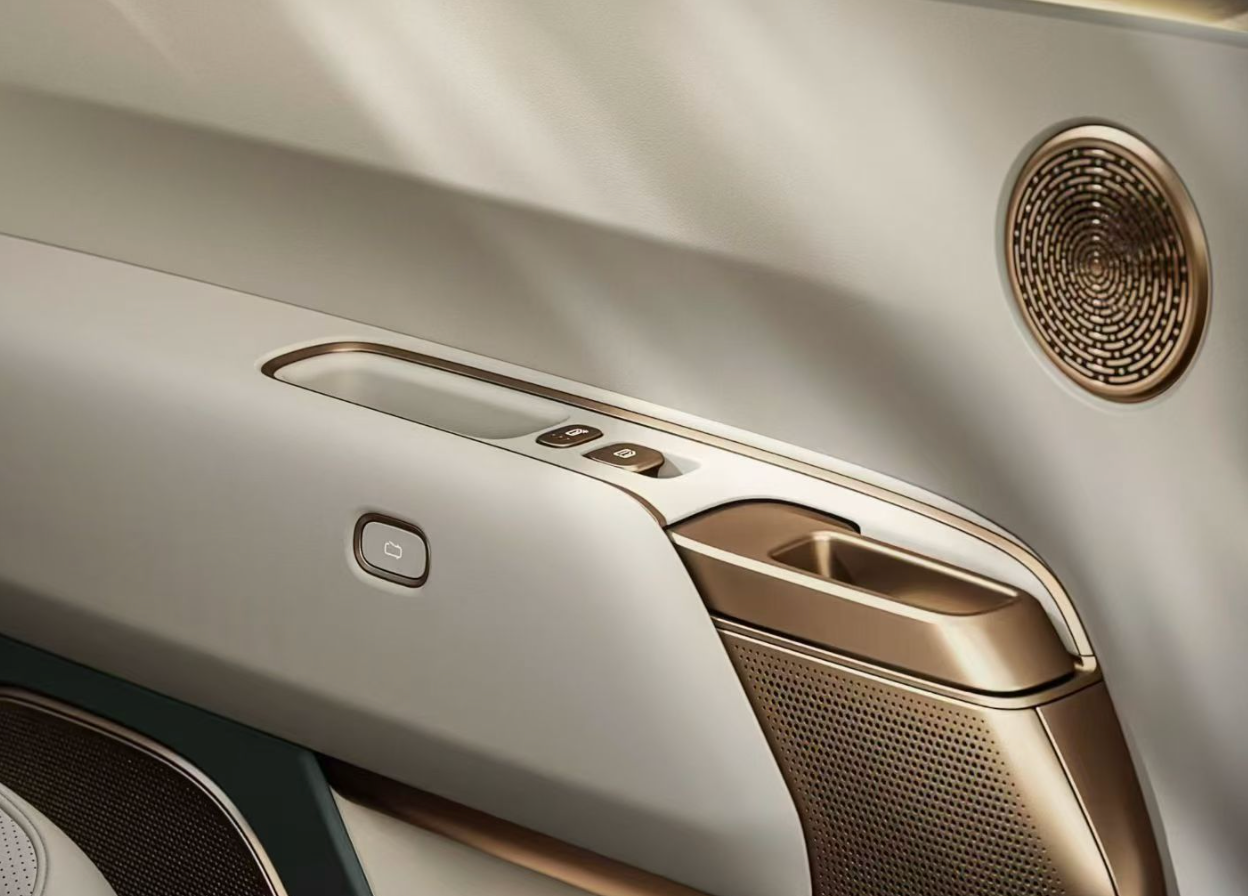
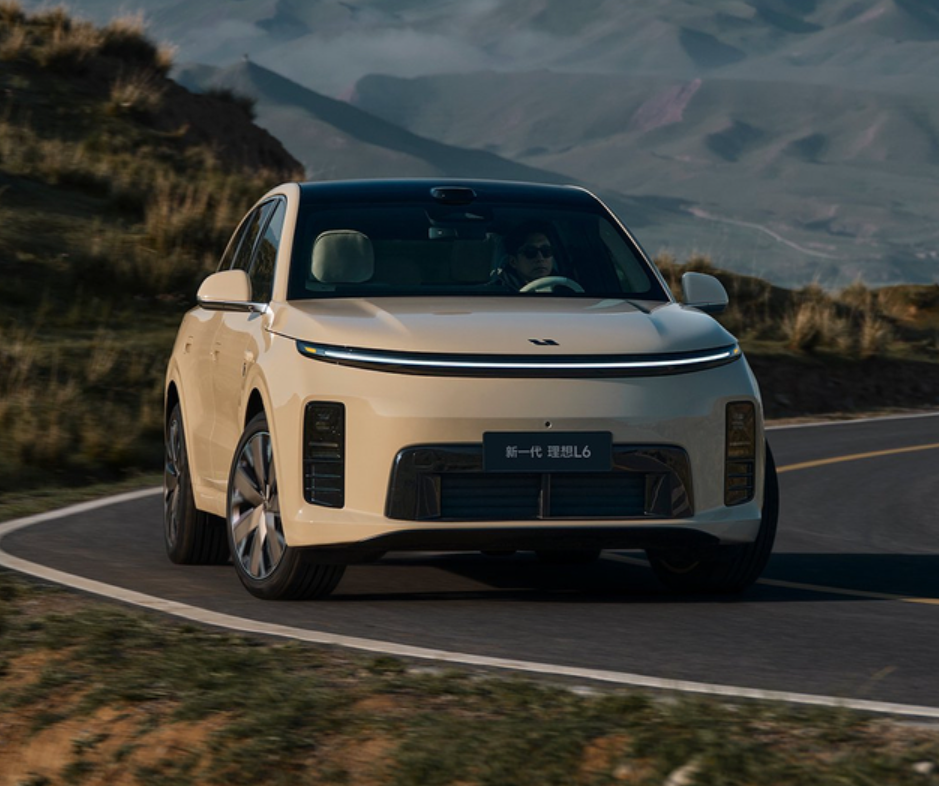
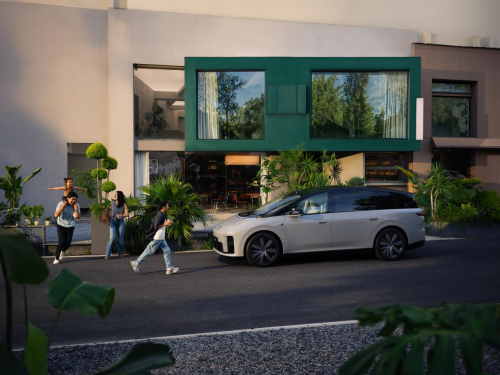
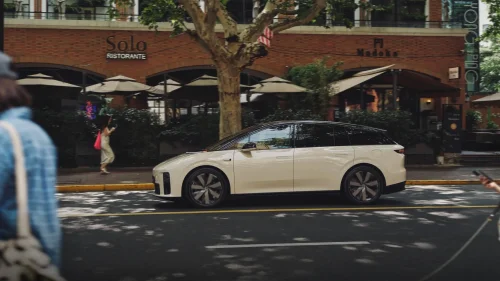
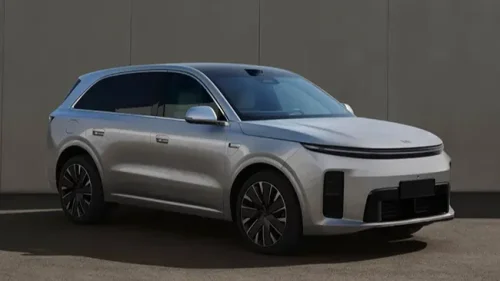
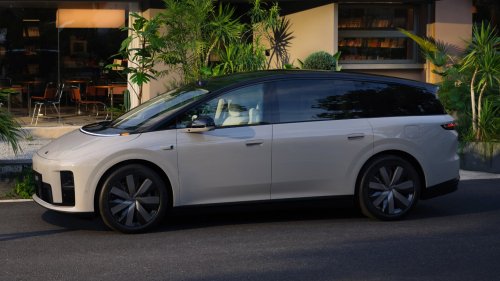
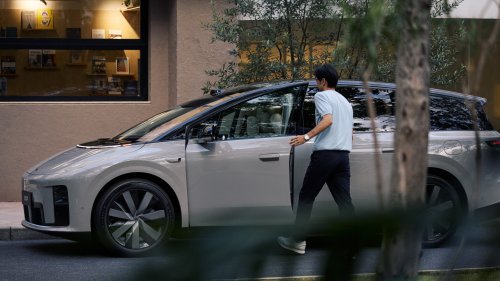
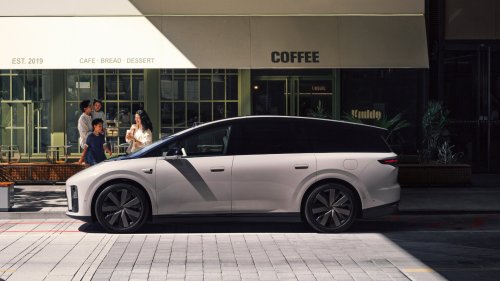
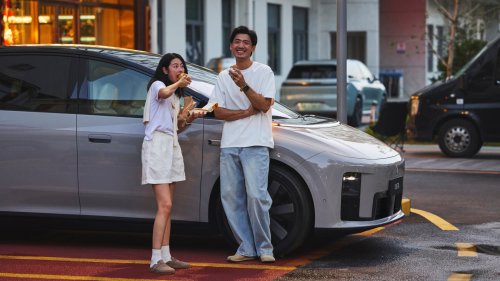
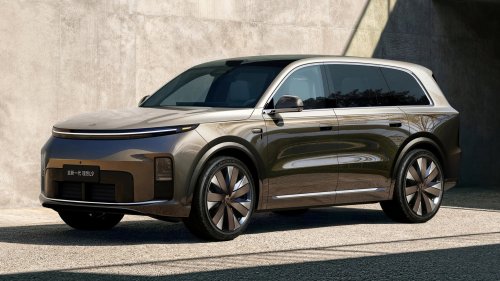
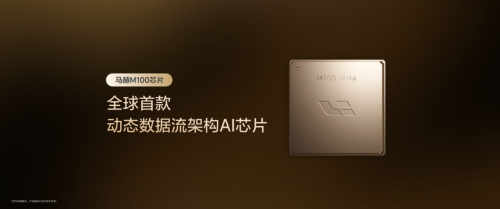
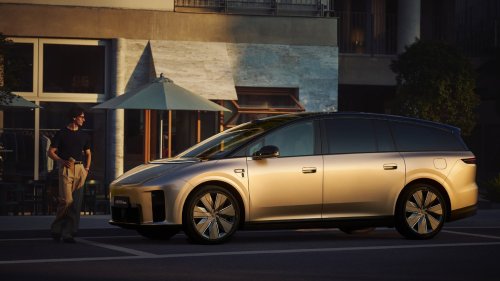
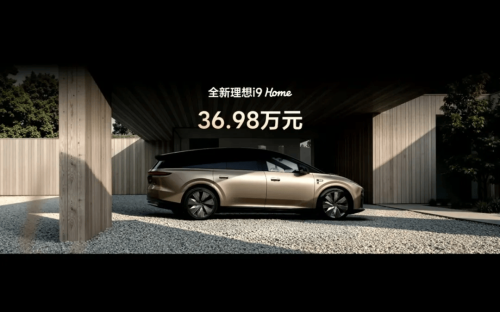
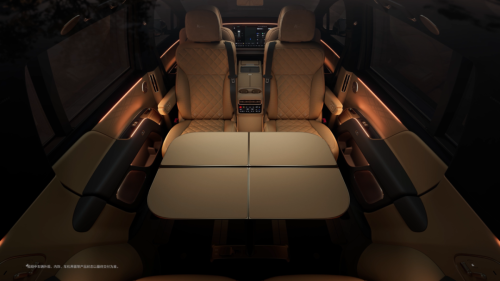
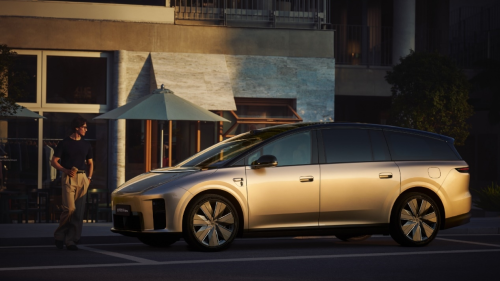
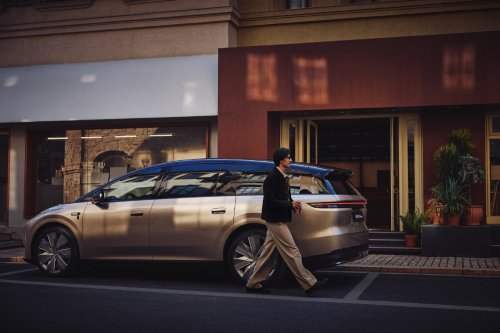
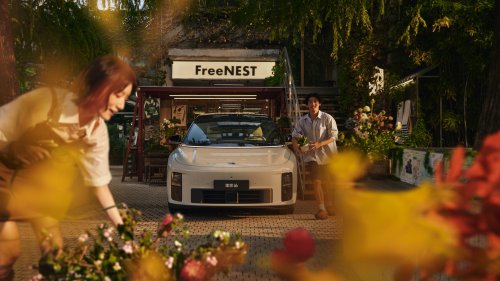
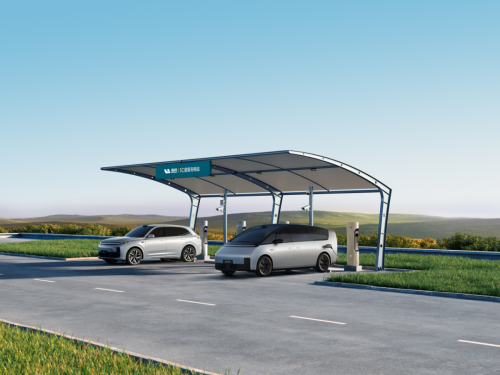
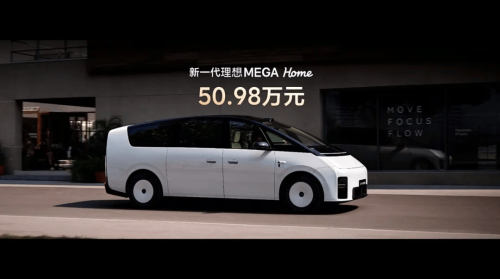
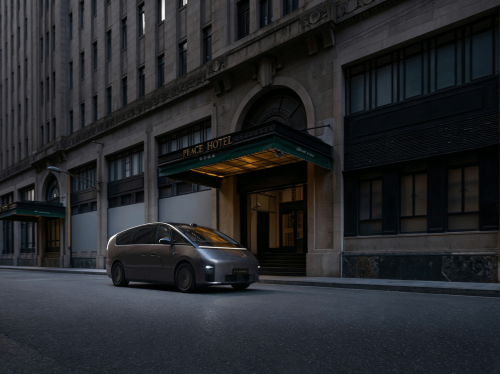
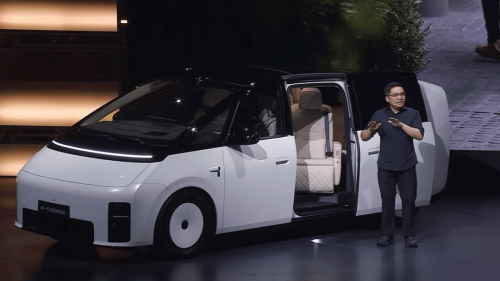
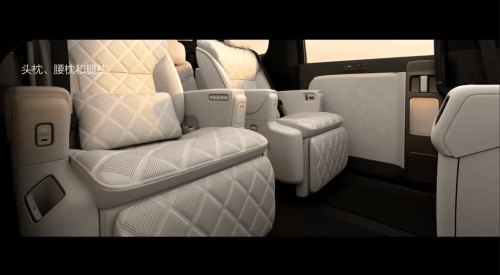
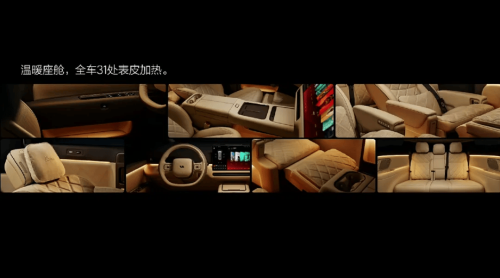
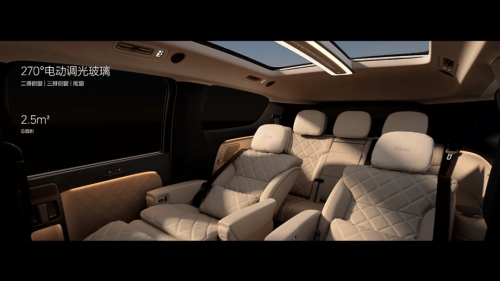
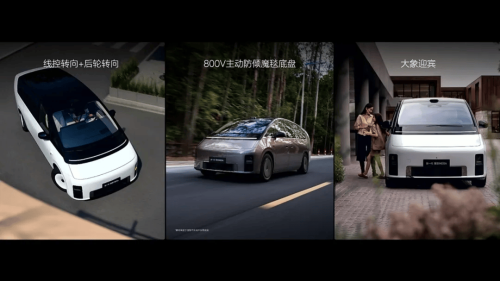
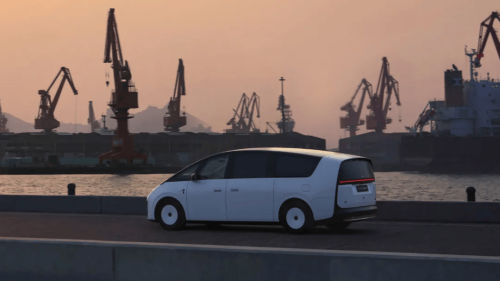
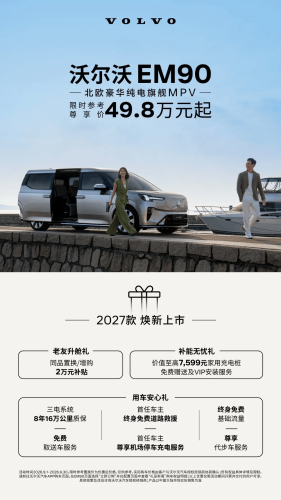
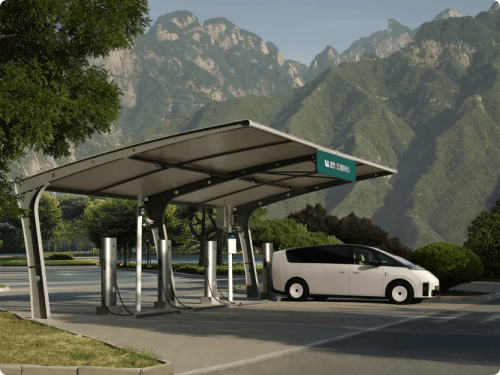
China’s golden September auto-sales season has arrived, and Li Auto is making the first move. The new-generation Li MEGA launched tonight at RMB 509,800 ($75,870), with the Home version currently the only configuration available. New Li MEGA was launched at RMB 509,800 ($75,870) After refreshing its existing lineup, Li Auto has finally turned to its all-electric range. As the company’s first major foray into the pure-EV segment, the new-generation MEGA is the first to arrive. The model serves as a bridge between Li Auto’s current and upcoming product lines. Ahead of it is the L series, which will complete its model refresh this year; behind it are the upcoming Li i9 and the i6/i8, which are awaiting annual updates. How Li Auto intends to differentiate its battery-electric and range-extender lineups, and what technologies may appear on the i series, can all be seen in outline in the new-generation MEGA. Even judged on its own merits, the new-generation MEGA represents a substantial upgrade. The new-generation MEGA adds rear-wheel steering, an 800V active anti-roll bar, dual-chamber air suspension with dual-valve CDC, and the “Elephant Welcome” function, alongside extensive upgrades to the chassis and interior. The goal is to apply a family-oriented standard and turn the MEGA into a vehicle that can credibly be called the “world’s best MPV.” So, has the new-generation MEGA achieved that goal? Let’s take a closer look. Keeping the “Home on Wheels” Formula Let’s start with the exterior. Like the recently refreshed L series, the new-generation MEGA does not undergo a radical exterior redesign. Instead, Li Auto has refined the existing design language in a series of more subtle ways. The new-generation MEGA is 5 mm longer at 5,355 mm. Its most visible exterior change is the addition of a new “Flying Saucer” wheel design, which is offered at no extra cost. New Li MEGA Beyond the wheels and dimensions, the MEGA team has made only minor adjustments to the new-generation model’s exterior. These include reducing the size of the front bumper, switching the door handles to a semi-recessed design, and replacing the 12 ultrasonic radar sensors previously mounted in the bumper with high-precision short-range perception radars that require no visible openings. The changes give the vehicle a more cohesive and refined appearance. At the same time, the brightness of the ADB matrix headlights has been increased by 40%, improving driving safety. The new-generation MEGA’s comfort upgrades also begin outside the vehicle. The front power-assisted doors have evolved into anti-pinch power-assisted doors as standard across the range. Outside the vehicle, a “sweet home” welcome light carpet works together with the “Elephant Welcome” mode, which can lower the body by 3 cm within 1.5 seconds. New Li MEGA’s front power-assisted doors As Li Auto Vice President Liu Jie put it, the goal is to “make everyone feel like they are coming home.” Inside, Liu Jie first highlighted improvements to second-row comfort and convenience. The defining feature of the new-generation MEGA’s cabin is perhaps summed up by Liu’s comment: “As the RMB 500,000 segment becomes increasingly business- and executive-oriented, the MEGA will always remain committed to taking the concept of a home on wheels to the extreme.” The interior upgrades of the new model revolve around the idea of “home.” For the second row, the new-generation MEGA features two zero-gravity seats. The small tables mounted behind the front seats also offer automatic leveling and anti-pinch protection. New Li MEGA’s second-row seats Combined with the floating modular table, which is available as a limited-time free option, they provide ample table space for rear passengers. The second-row seats feature independent floating cushions extending from the shoulders to the legs, creating a more enveloping seating position. Headrests, lumbar supports and leg rests are also included, while diamond-pattern Nappa leather appears throughout the cabin to further enhance seat comfort. As for the ventilation, heating and massage functions that have become particularly important for second-row seats in new-energy MPVs, all three are standard on the new-generation MEGA. Taken together, these upgrades are designed to give occupants an experience that is “more comfortable than the sofa at home.” Li Auto has also paid close attention to smaller details inside the cabin. A total of 31 high-frequency contact points throughout the vehicle, including the center armrest and the two second-row armrests, feature heated surfaces. New Li MEGA’s cabin The idea is presumably to address the cold feel of leather seats when entering the vehicle in winter. The roof has also been redesigned, replacing the previous single-piece panoramic roof with two longitudinal sunroofs and independent sunshades. It incorporates 396 LEDs and, according to Li Auto, offers two adjustable lighting modes to enhance the cabin’s sense of luxury and refinement. For privacy, the vehicle has five electric sunshades, while an optional 2.5-square-meter, 270-degree electrically tintable glass panel provides additional privacy for rear passengers. New Li MEGA’s interior view To take cabin comfort another step further, Li Auto has also upgraded the chassis. The new-generation MEGA comes standard with steer-by-wire and rear-wheel steering. The steer-by-wire system offers two modes, Agile and Stable. Despite the vehicle’s 5.35-meter length, the turning radius can be reduced from 6.2 meters in Stable mode to 5.5 meters in Agile mode. The 800V active anti-roll bar can respond within 30 milliseconds to suppress body roll. Beyond the “Elephant Welcome” boarding and alighting function mentioned above, Li Auto’s demonstration video also shows the system enabling emergency lane changes at speeds of up to 120 km/h. With the L series already receiving its major refresh, Li Auto did not spend as much time highlighting the new-generation MEGA’s intelligent features. New Li MEGA’s chassis performance The front display setup has been redesigned from the previous dual 15.7-inch center screens plus a separate passenger display into a 29-inch integrated panoramic screen. The rear entertainment display has also been upgraded from a 21.4-inch LCD to a 21-inch movable OLED screen. The vehicle’s infotainment system is powered by Qualcomm’s Snapdragon 8797 chip. For driver assistance, the number of LiDAR sensors has increased from one to four. Combined with two Mach M100 chips, the system provides navigation-assisted driving across a range of scenarios, as well as automated parking functions. From visible comfort features to less visible chassis and intelligent-driving upgrades, the new-generation MEGA addresses several long-standing customer requests, including rear-wheel steering and a more premium interior. The next question is whether the market will accept its RMB 509,800 price tag. Has the Core Problem Changed? Compared with the RMB 559,800 ($83,190) 2025 MEGA Home Family Edition, the new-generation MEGA is RMB 50,000 ($7,430) cheaper. However, compared with the previous entry-level Ultra version at RMB 529,800 ($78,740), the new model’s threshold has fallen by only RMB 20,000 ($2,970). Given upgrades such as rear-wheel steering, an 800V active anti-roll bar, four LiDARs, dual zero-gravity seats and the magnesium-aluminum alloy frame for the floating modular table, the additional hardware cost is likely to exceed the RMB 20,000 price gap. New Li MEGA Li Auto may therefore be seeking to use a lower entry price to attract a larger pool of orders. In fact, within the “RMB 500,000 pure-EV MPV” segment, the Li MEGA has few direct rivals and could even be considered a category pioneer. Even today, the MEGA is essentially the only RMB 500,000-level MPV that is purely electric while explicitly targeting family users. The harsh reality, however, is that the overall MPV market is limited in size, pure-electric powertrains are still not a firm preference for most consumers, and competition is becoming increasingly crowded. Potential rivals include the Buick Electra Encasa Pure Electric Luxury Edition, which comes from a brand with deep MPV roots and is available at a limited-time price of RMB 454,900 ($67,630). The Volvo EM90 offered at a limited-time reference preferential price of RMB 498,000 ($74,000). Volvo EM90 pricing It also includes the Voyah Dreamer 9, positioned in the RMB 500,000 segment and scheduled to open for presales on Sept. 5. The Li MEGA’s advantages are clear. Its interpretation of the “home” concept is reflected in detailed equipment and cabin design, while the segment has few direct competitors. The addition of intelligent-driving and chassis upgrades further strengthens its product proposition. But the fundamental questions remain the same as they were two years ago: limitations in the charging ecosystem for pure EVs and the barrier created by its unconventional exterior design are still there. Looking at the MEGA’s track record, its monthly sales peaked at 3,277 units in 2025, while its one-year residual value rate stood at 78.6%, ranking third among pure-EV models. Li MEGA For a vehicle that faced repeated skepticism when it first launched, that is hardly a poor report card. At least at the product level, the Li MEGA’s only real competitor is itself. Owners have generally rated its driving and riding experience highly, while non-owners have been less receptive to its exterior design. So how can Li Auto get the MEGA in front of more consumers who remain hesitant? Its answer is to invest in charging-station infrastructure, add equipment while cutting prices, and stick to its own judgments on design and comfort. In this niche market, how far can the new-generation Li MEGA go? Feel free to share your views in the comments.



















 +7 others