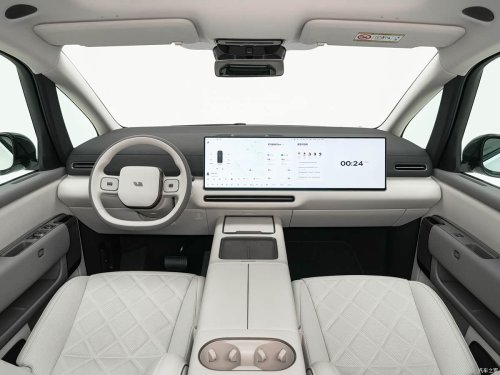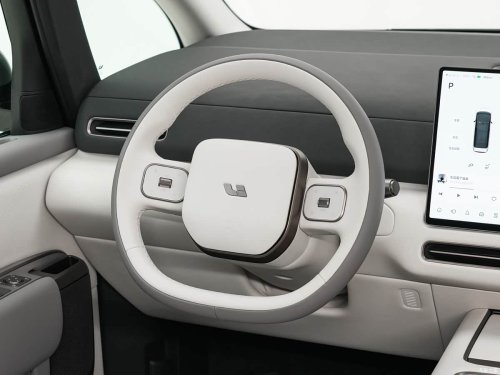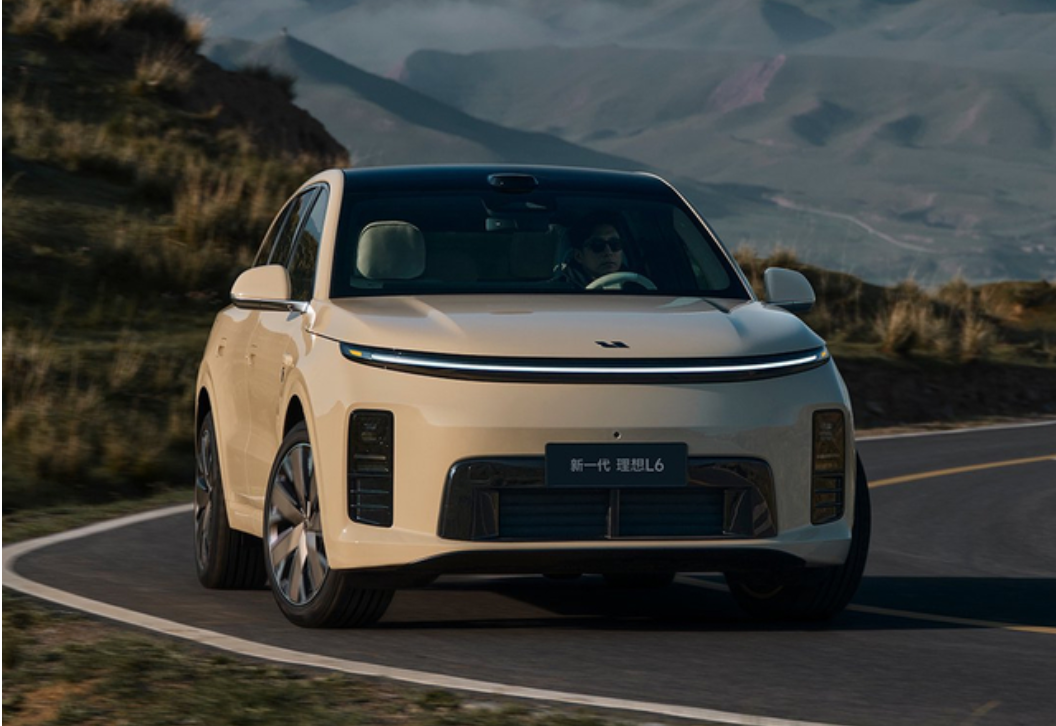



















Gasgoo Munich-Li Auto revealed on August 11 that its second-generation Livis AI glasses are slated for an official launch in the second half of 2027, according to current development plans. Meanwhile, the brand is advancing a native version for HarmonyOS, while a feature linking the glasses to vehicle parking will roll out to more owners later this month.The company stated that smart wearables remain in an exploratory technological phase, and it won't rush new products to market just to chase hype. R&D is prioritizing core pain points like weight reduction and long-term comfort. Li Auto is also collaborating with optical brand Zeiss to evaluate built-in AR display solutions, aiming to balance imaging quality with device weight. The second-generation product will only debut once the technology is fully mature.Image Credit: Li AutoFor current first-generation Livis users, the brand emphasized that the existing model already offers full functionality. New features will continue to arrive via OTA updates, meaning there is no rush to wait for the upcoming model.On the ecosystem front, Li Auto confirmed it is developing a native HarmonyOS version. This addresses the current limitation where HarmonyOS users must rely on compatibility channels, streamlining the experience across different mobile operating systems.Integration between the hardware and the vehicle's infotainment system is expanding. The new Li Auto L9, L8, and the latest L6 already support Livis voice-command parking. Owners can instruct the vehicle to park, exit, or summon via linear commands through the glasses, and the car handles the full process automatically. Internal testing is underway for other models on sale, with a broad rollout scheduled for the latter half of August to reach more Li Auto owners.Positioning-wise, Livis is more than a simple accessory; it is a crucial medium for Li Auto to bridge AI interactions inside and outside the car. Beyond parking control, the first-generation device already supports remote vehicle control, Sentry mode alerts, first-person visual Q&A, and multi-language voice assistance. Later this year, the brand plans to integrate more third-party AI agent interfaces, expanding the wearable's use cases to build a unified "Vehicle + Wearable" smart ecosystem.