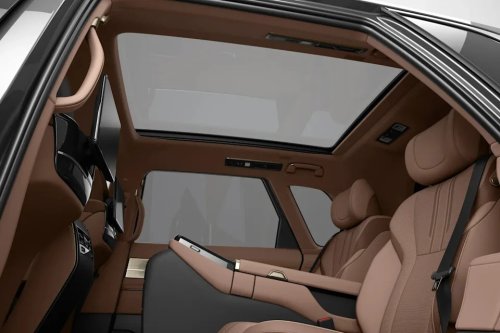
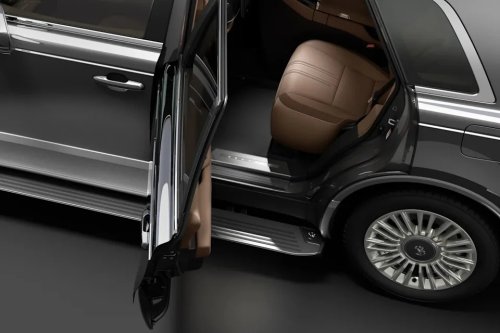
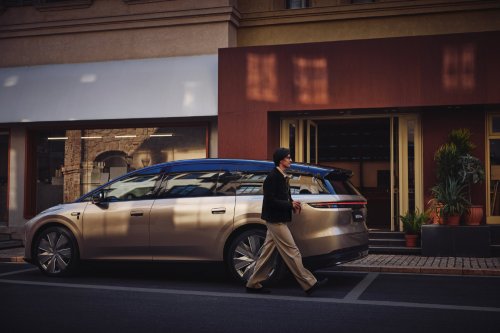
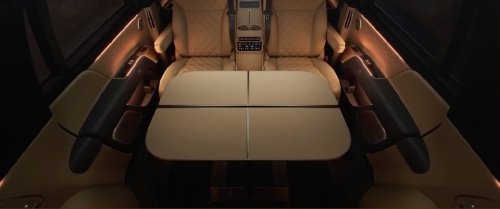
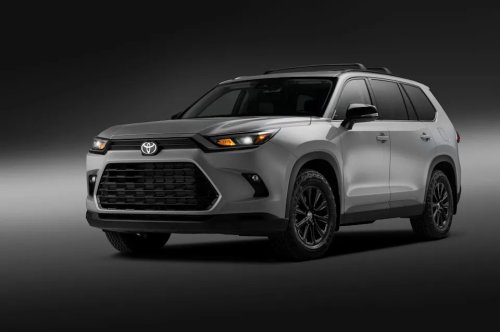
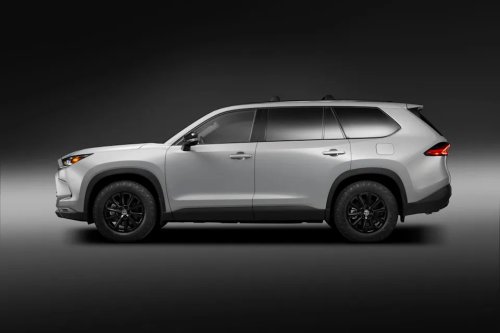
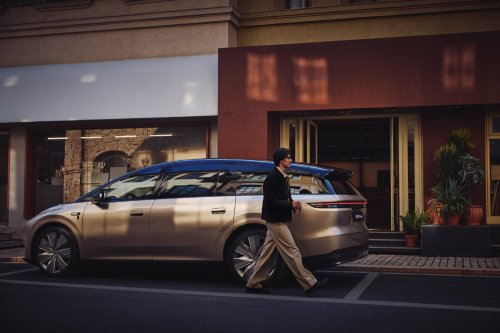
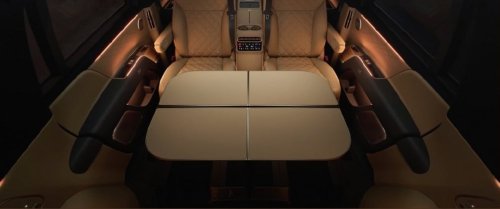
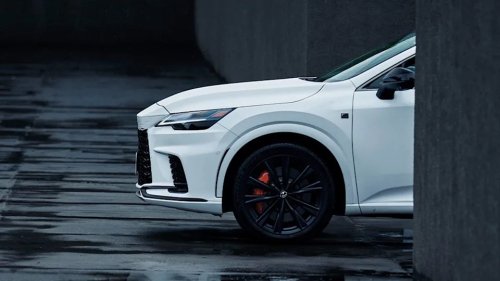
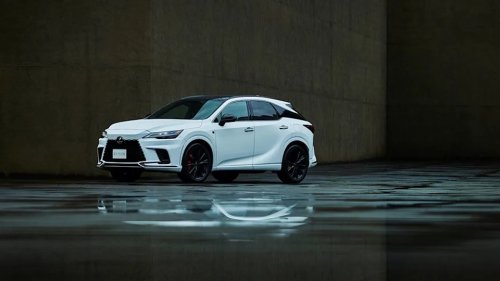
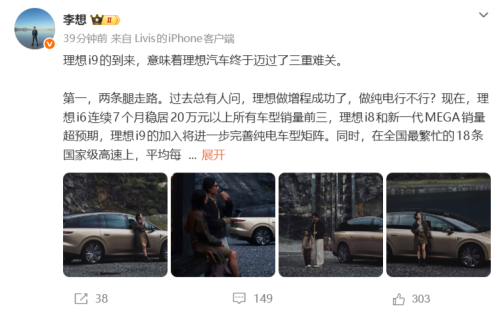
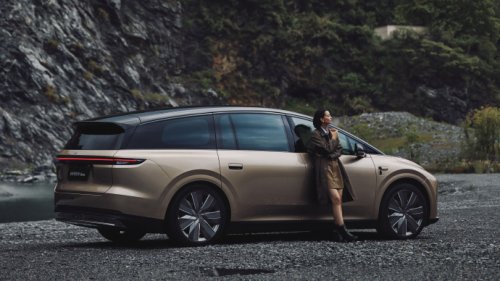
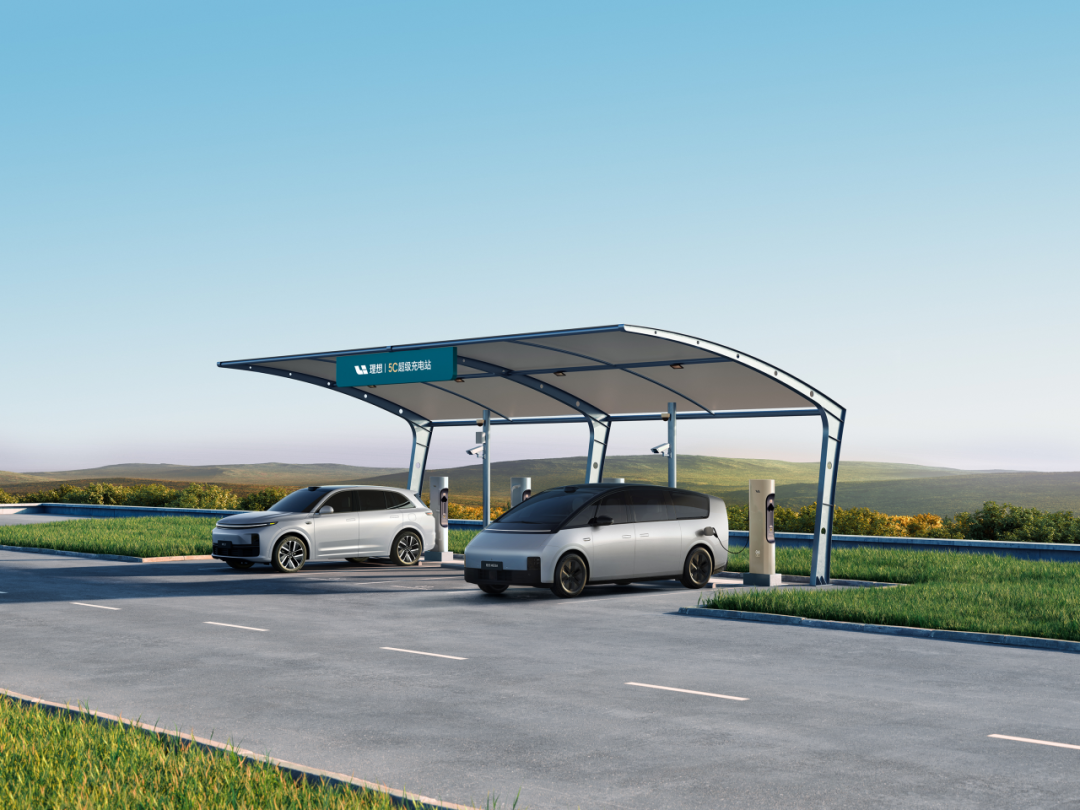
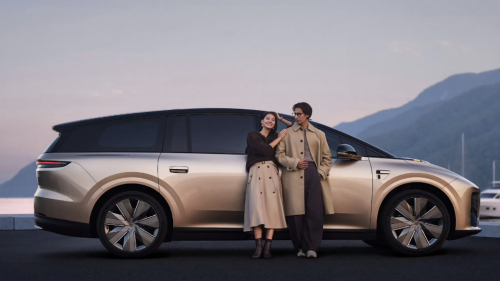
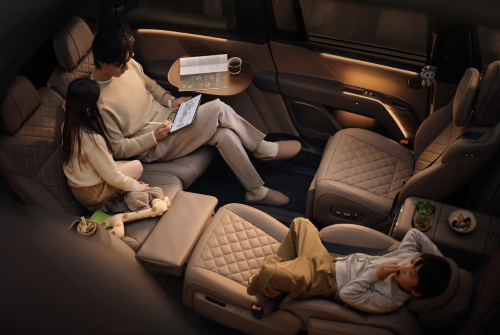
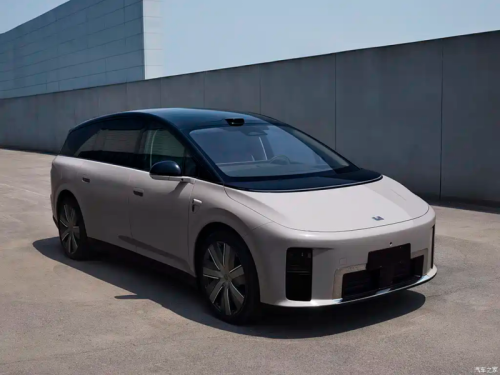
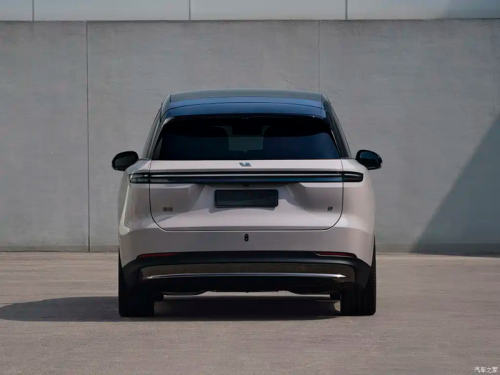
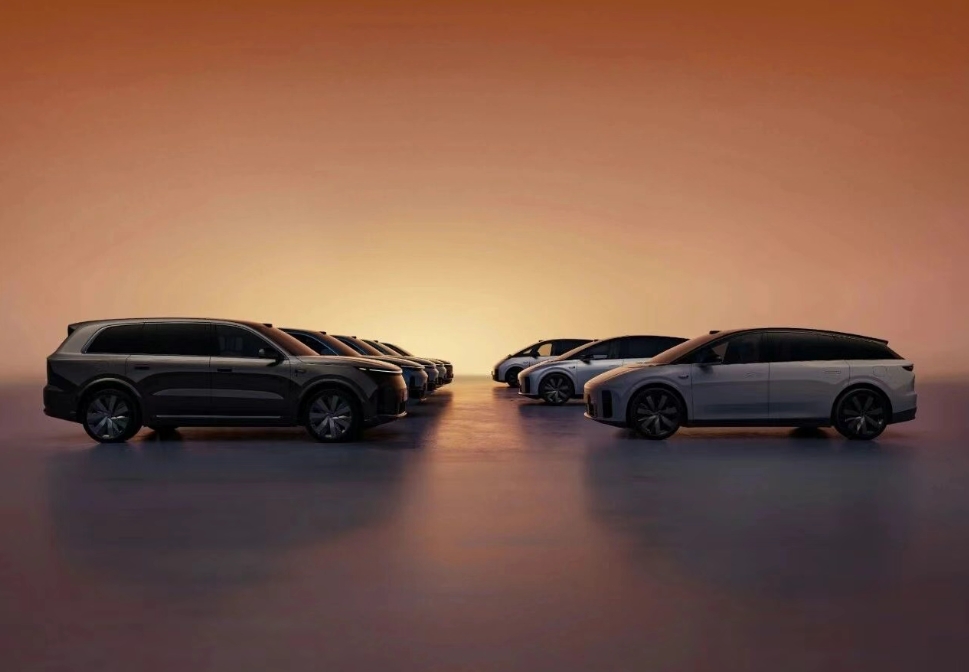
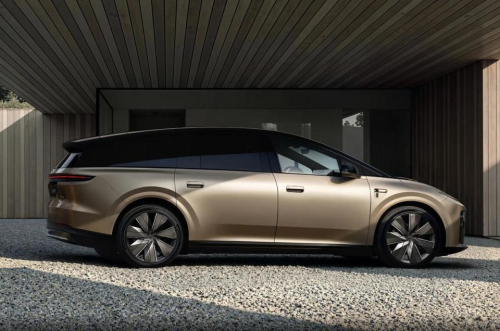
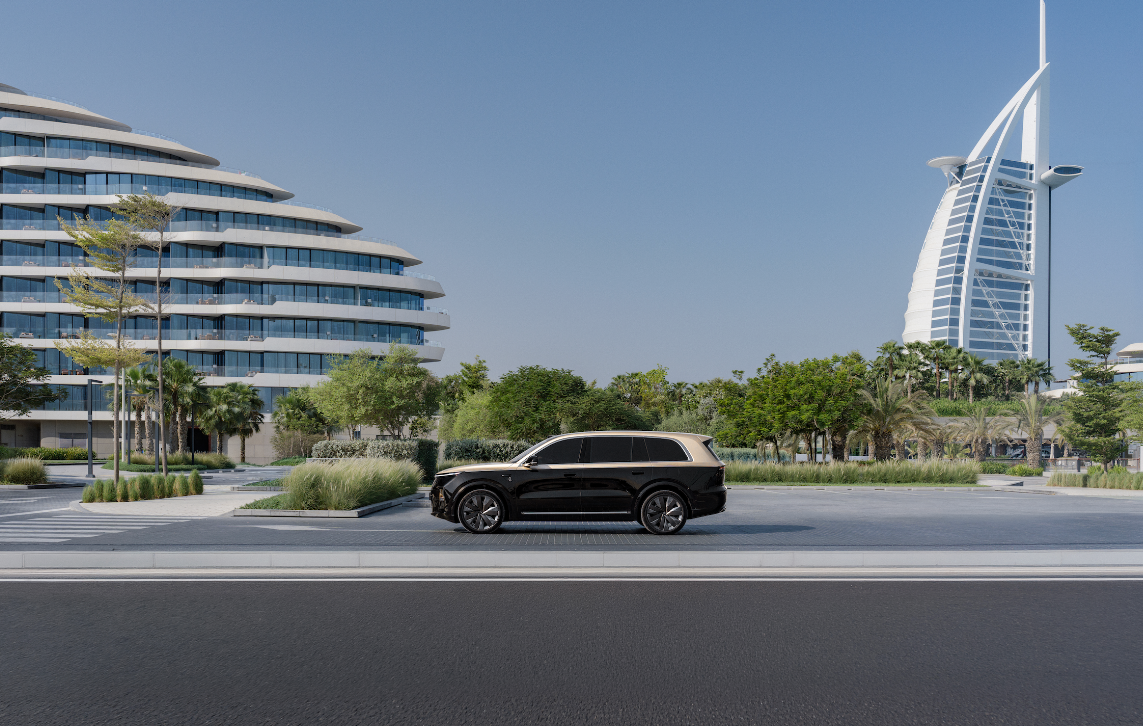
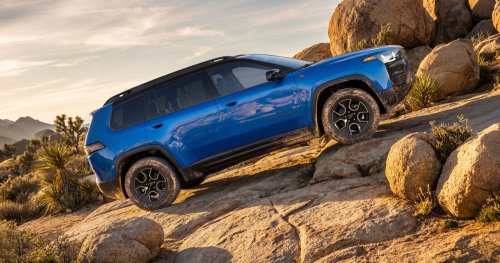
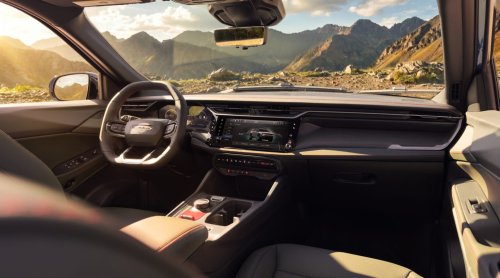
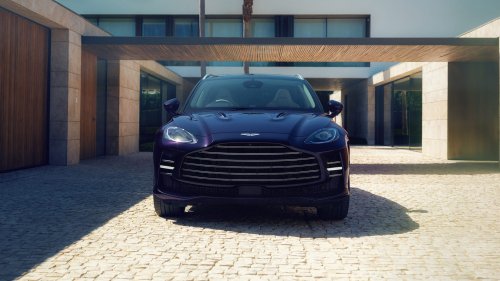
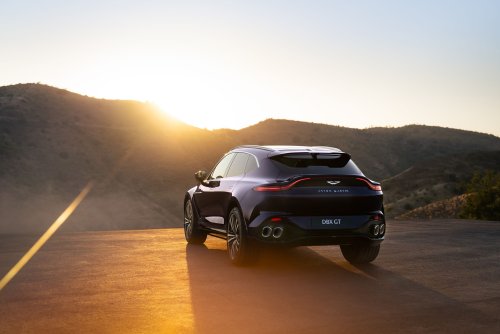
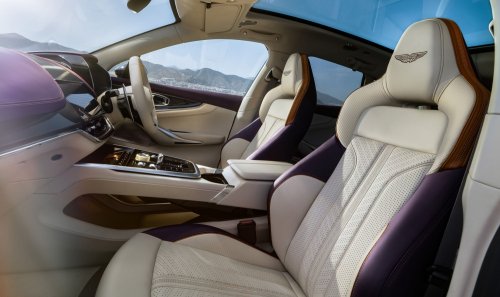
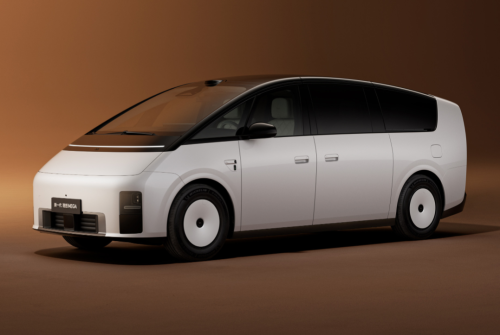
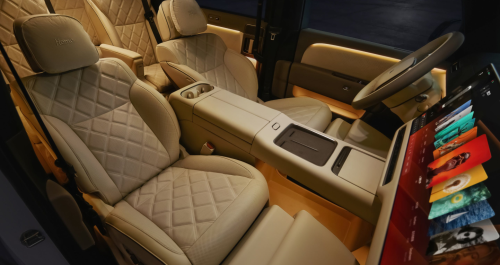
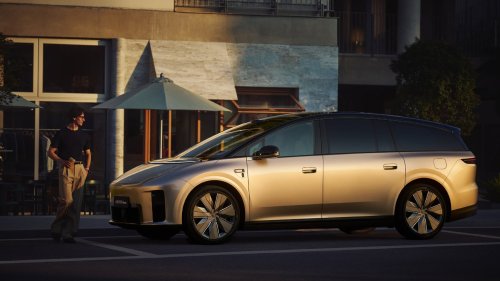
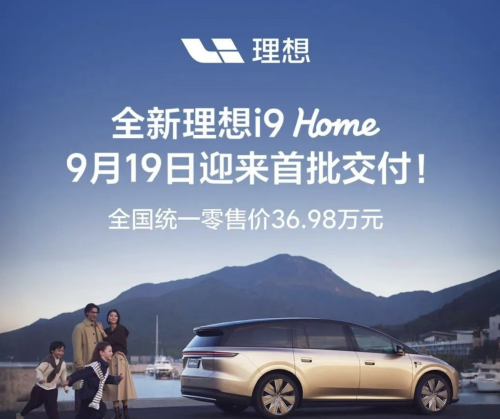
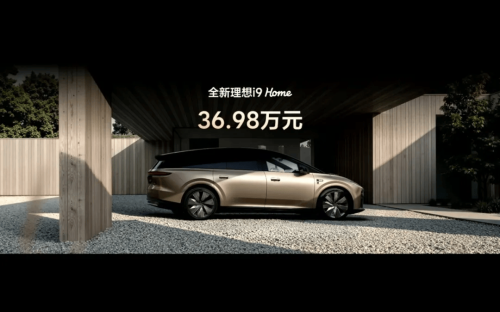
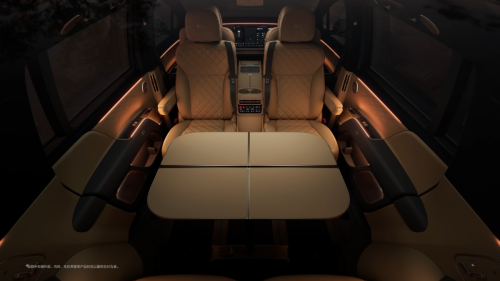
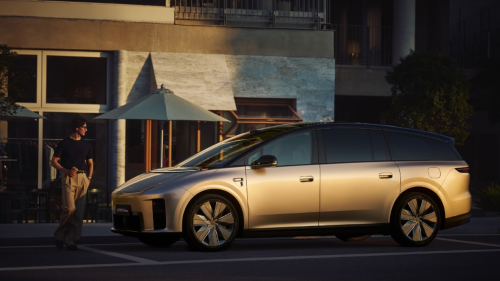
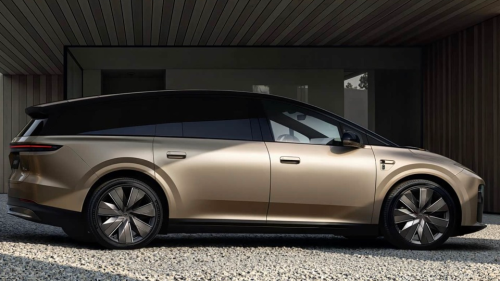
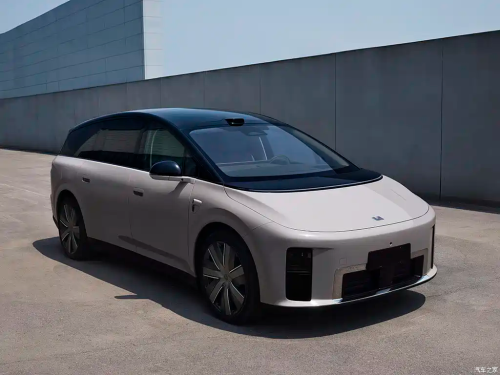
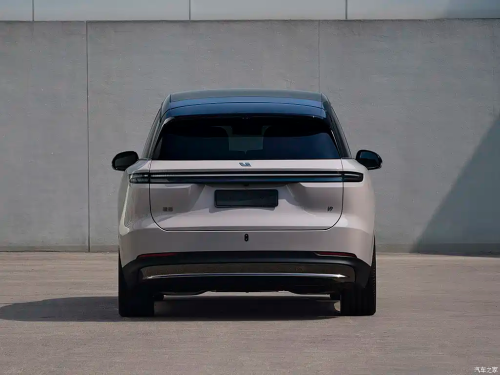
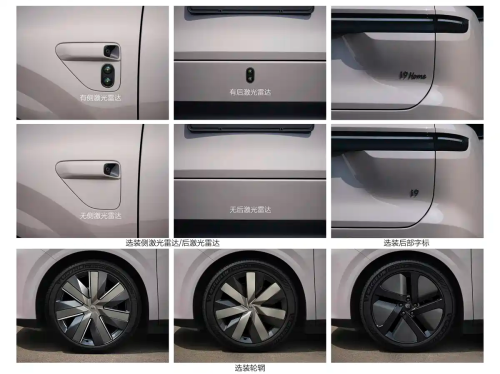
Li Auto i9. Credit: Li Auto Understand China EV’s Market Real-time notifications when critical EV data is released All important data in one place 2,000,000+ data points Become a member Li Auto has officially filed for its upcoming flagship electric SUV, the Li Auto i9, via the Ministry of Industry and Information Technology (MIIT). Positioned as the second “Home” version model in the brand’s lineup – following the Mega – the i9 is set to make its official debut in September 2026, with deliveries expected to commence as early as late September. Design and dimensions The Li Auto i9 continues the family design language of the “i” series, featuring a steeply raked A-pillar, a dual-tone body, and a distinctive ring-shaped daytime running light positioned below the windshield. The main headlight clusters are integrated into the sides of the front bumper. The vehicle measures 5,225 mm in length, 1,970 mm in width, and 1,752 mm in height, with a wheelbase of 3,168 mm. Compared to the i8, the i9 is 140 mm longer with a wheelbase extended by 118 mm. The exterior also features four LiDAR sensors and new semi-hidden door handles. Li Auto i9 photos from MIIT. Interior The i9’s cabin is designed to rival the space and comfort of the Li Auto Mega. The second-row zero-gravity electric rotating seats support 45-degree welcome, 90-degree viewing, and 180-degree face-to-face modes. Performance and charging The i9 is powered by a dual-motor all-wheel-drive system, delivering a maximum power output of 150 kW (201 hp) and 250 kW (335 hp). It is equipped with ternary lithium batteries from CATL and Sunwoda, achieving a top speed of 200 km/h. As part of Li Auto’s 2026 commitment to upgrade its entire lineup to an 800V high-voltage platform and 5C supercharging technology, the i9 allows for a 400 km range boost in 10 minutes of charging. With a 120 kWh battery pack, the vehicle is expected to achieve a CLTC range exceeding 800 km. Market positioning and pricing The Li Auto i9 is expected to be priced between 400,000 and 500,000 yuan (58,800 – 73,500 USD), filling the gap in the brand’s pure electric SUV portfolio for the 400,000+ yuan (58,800 USD) segment. It will compete directly with the pure electric versions of the Aito M9 and the Nio ES8.



















 +19 others