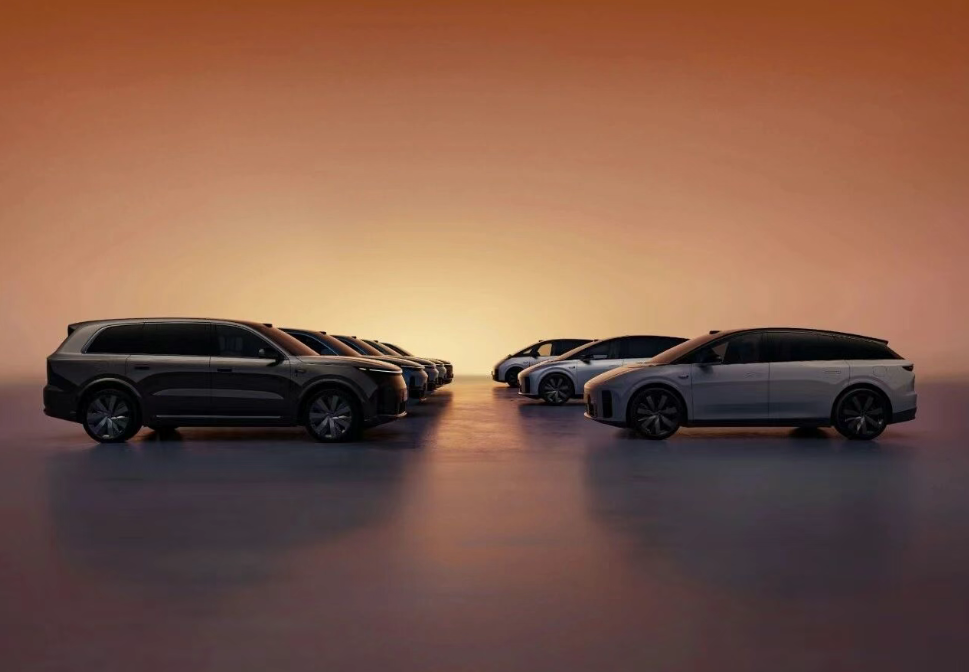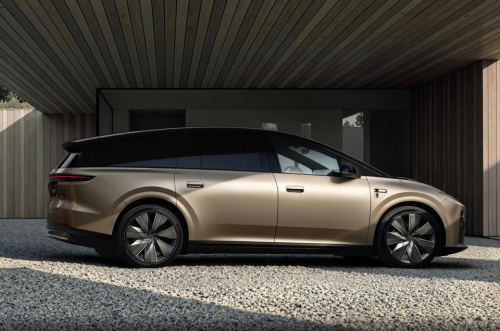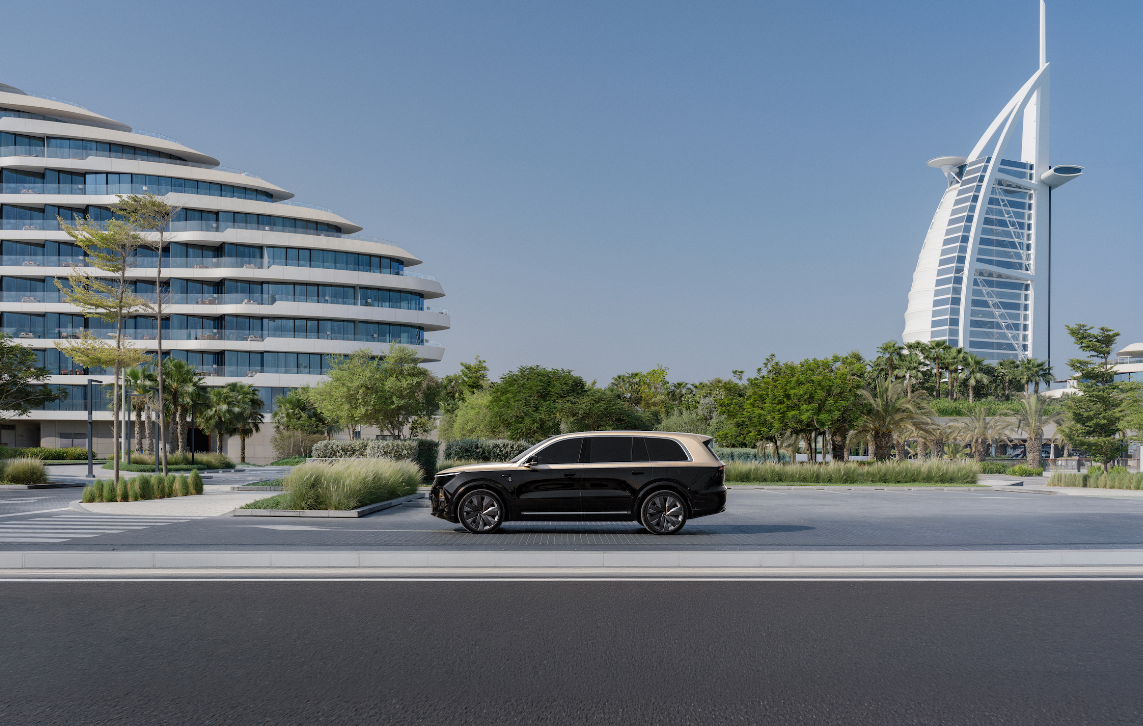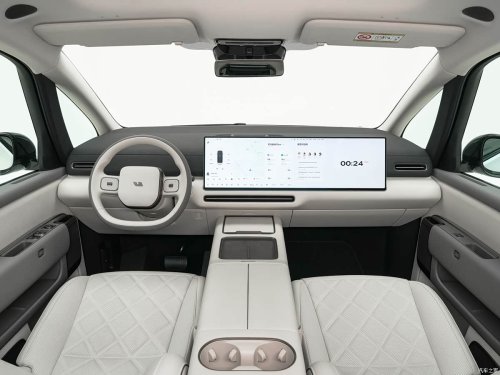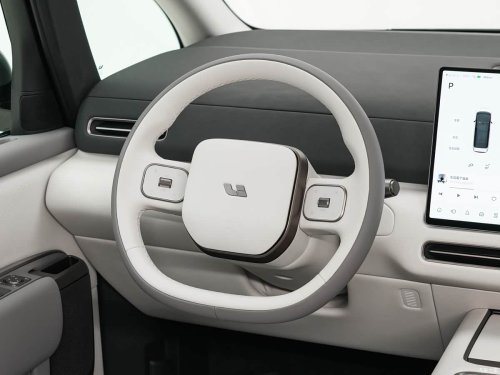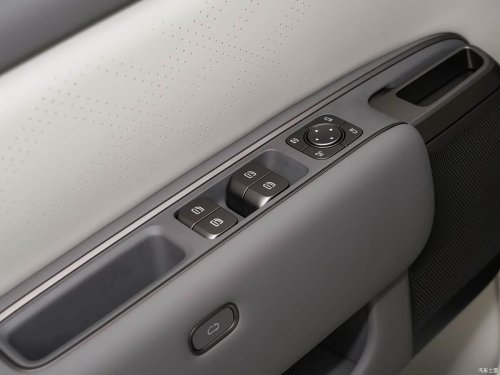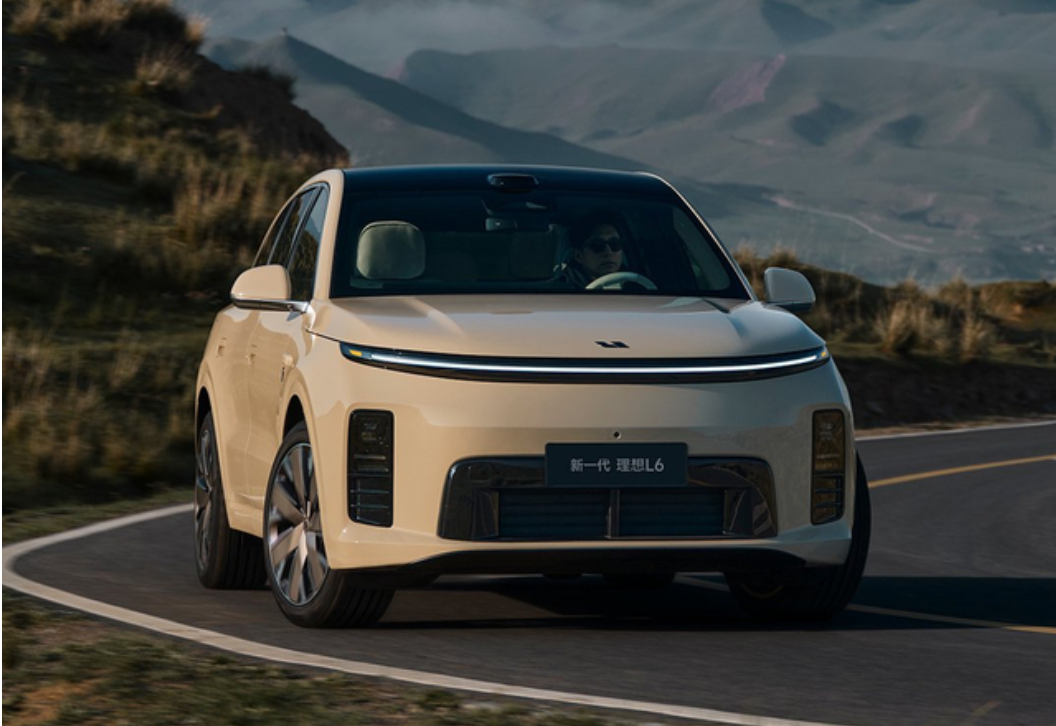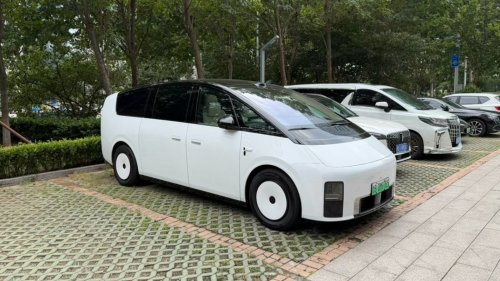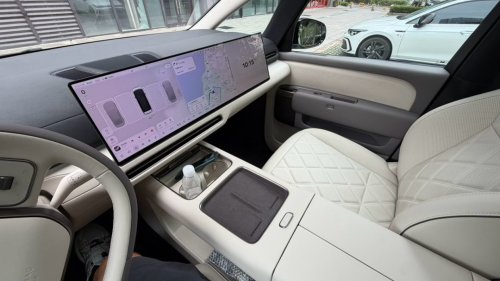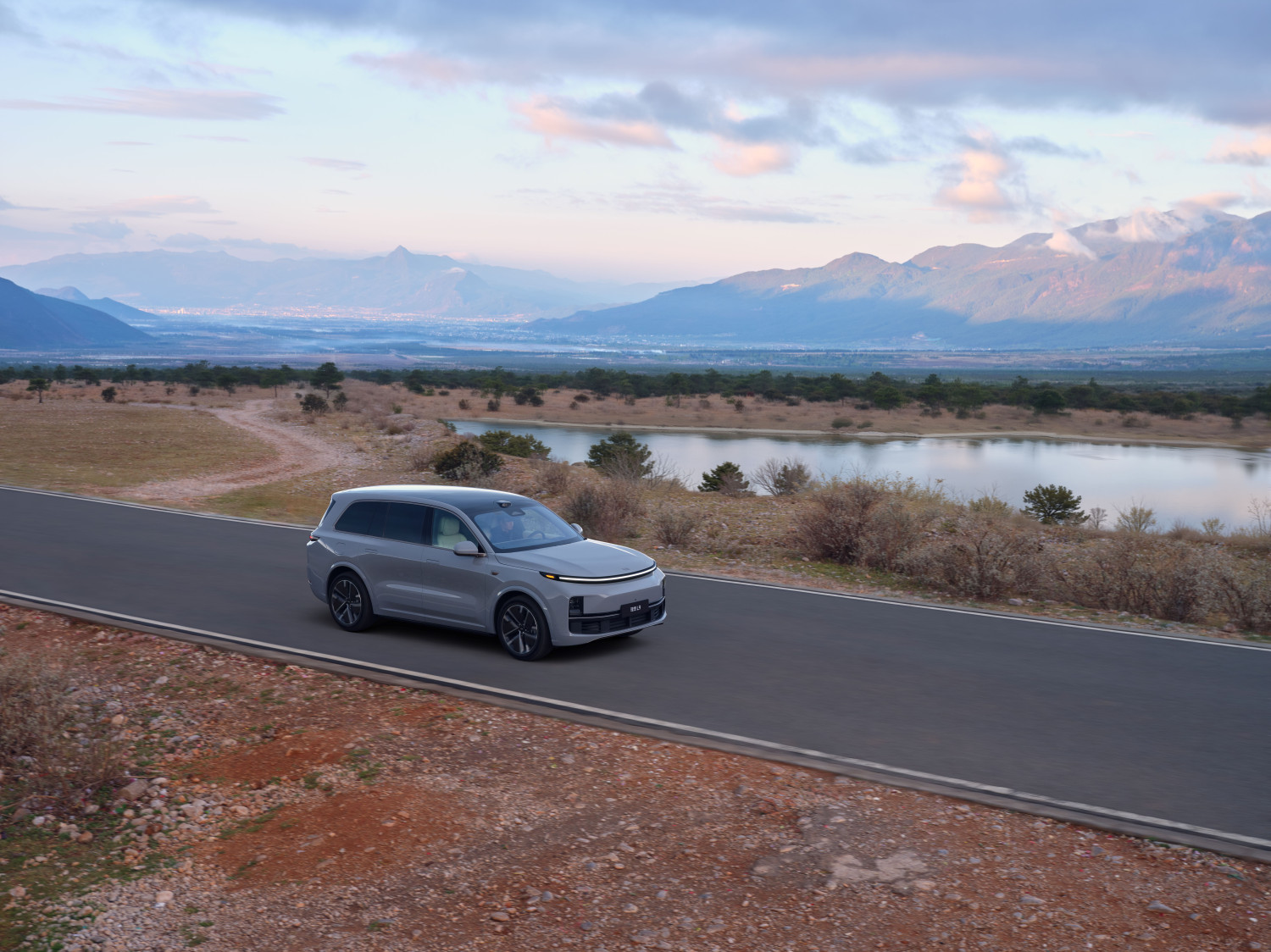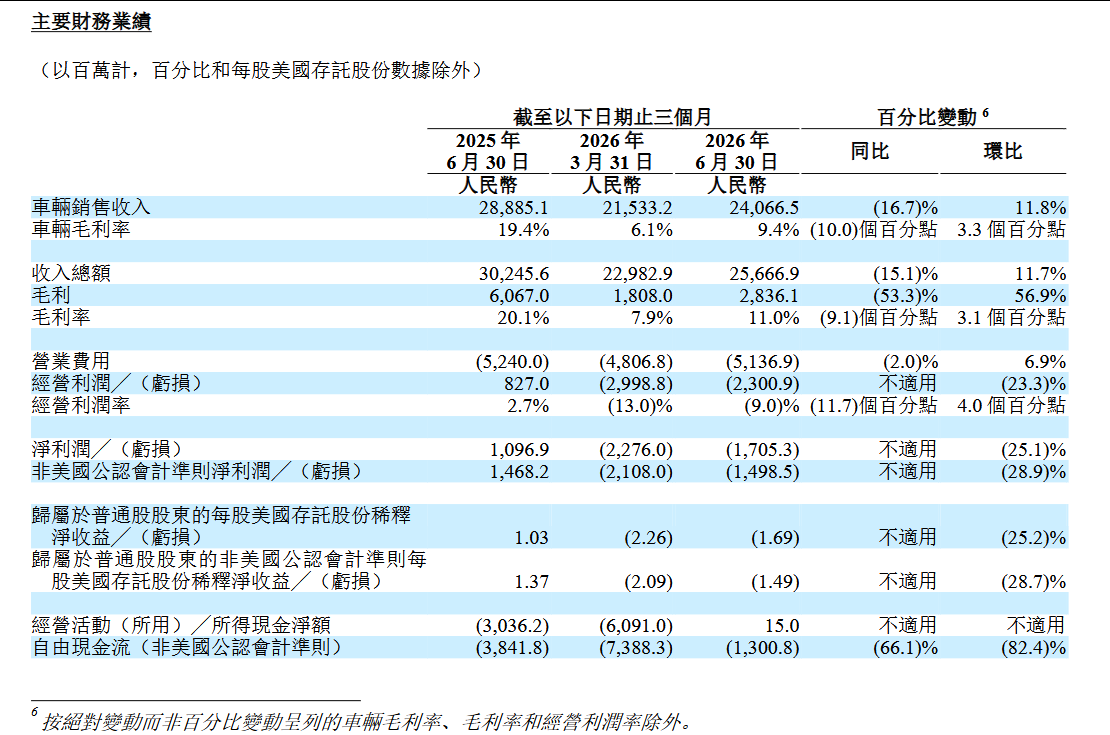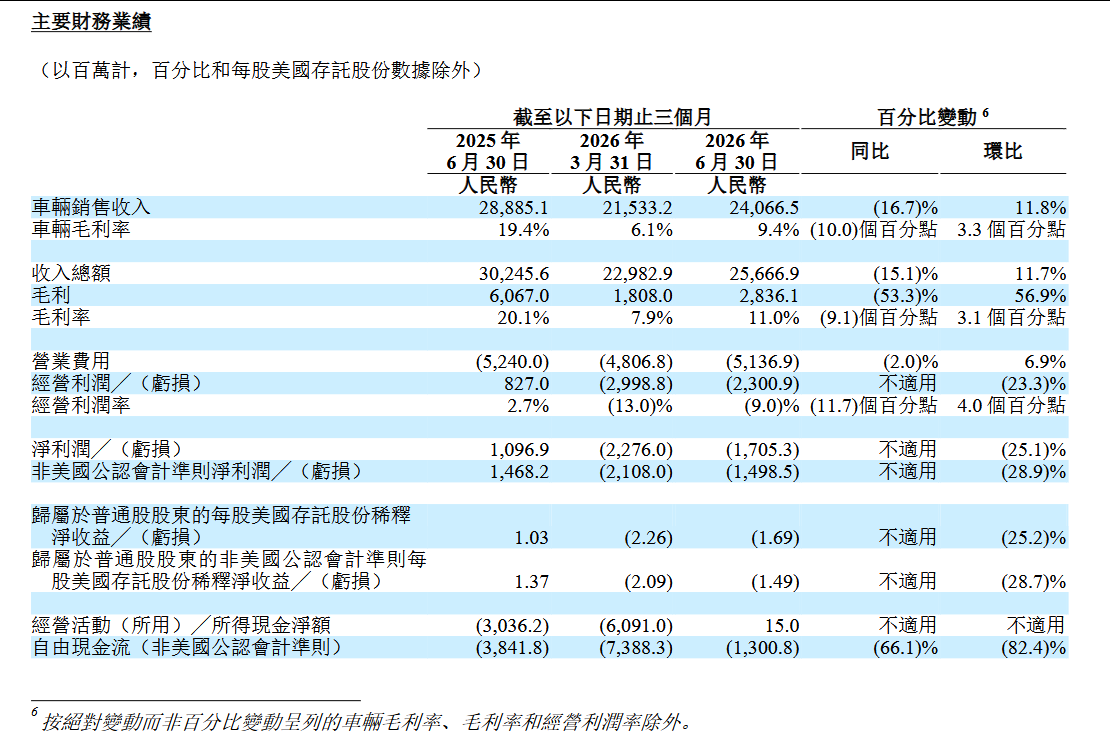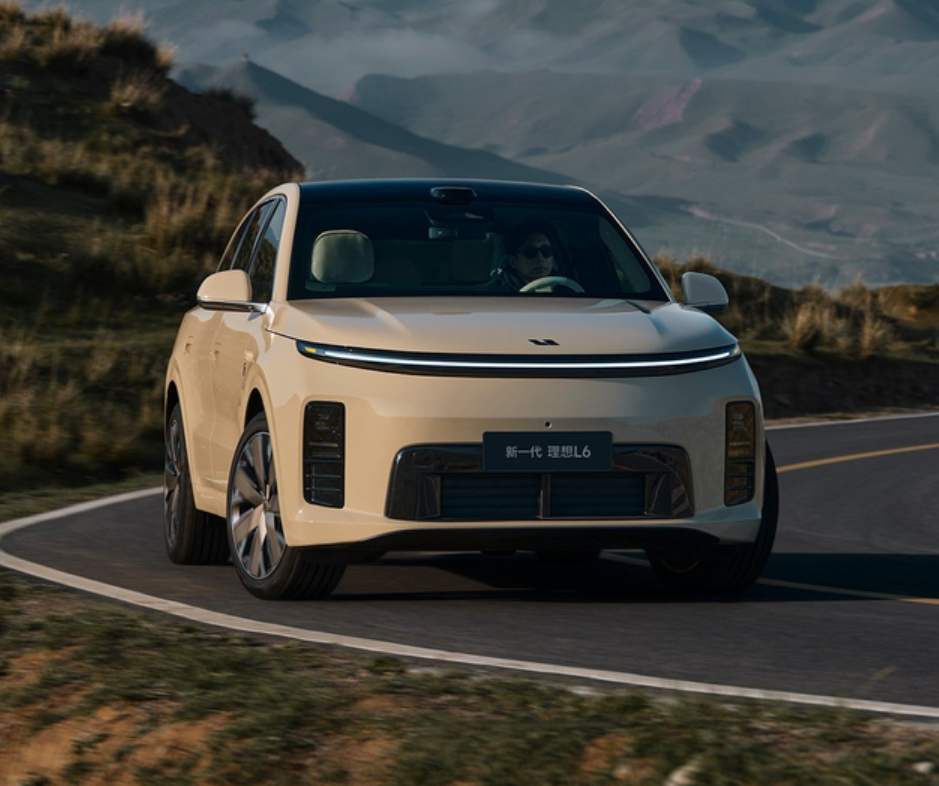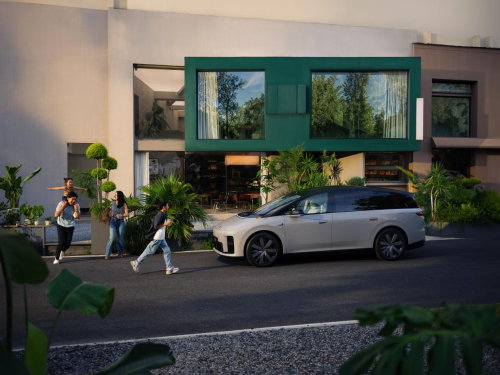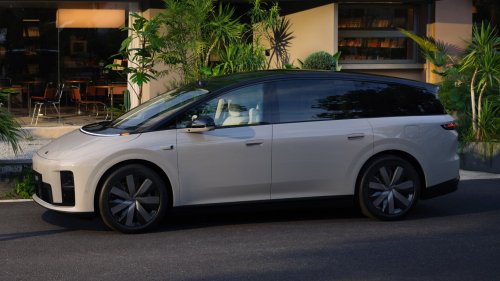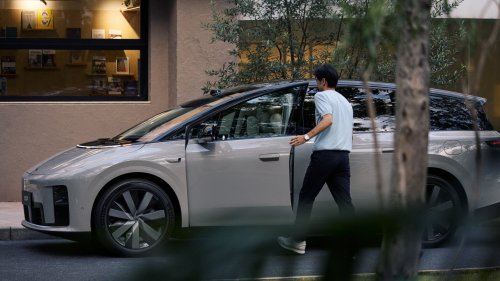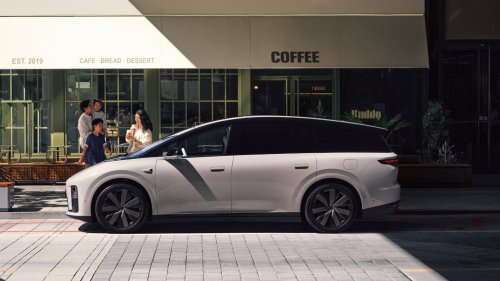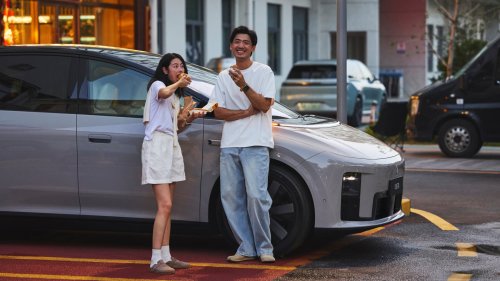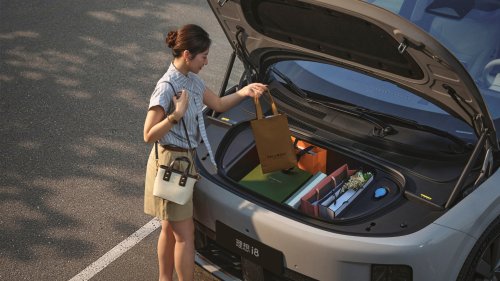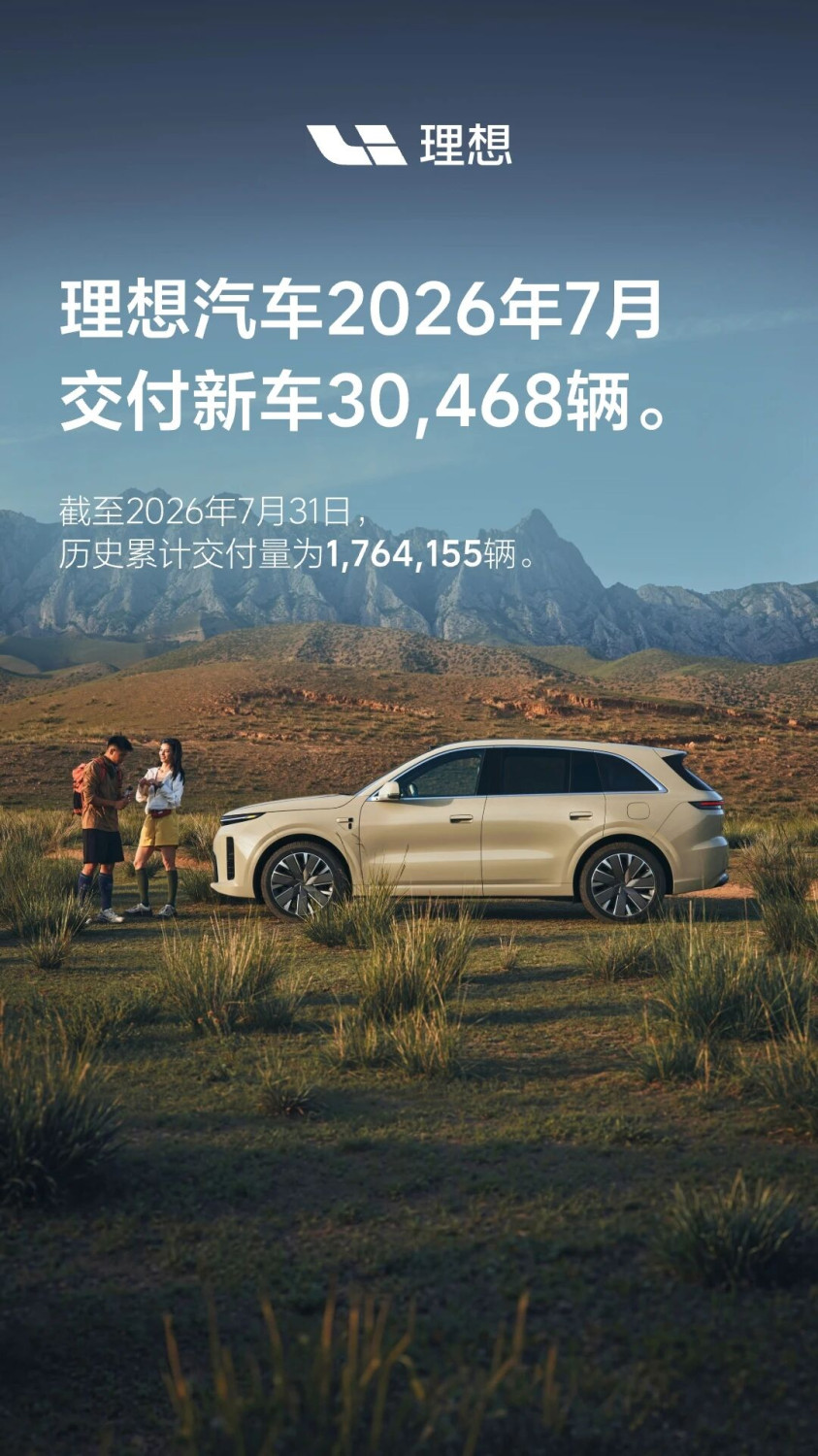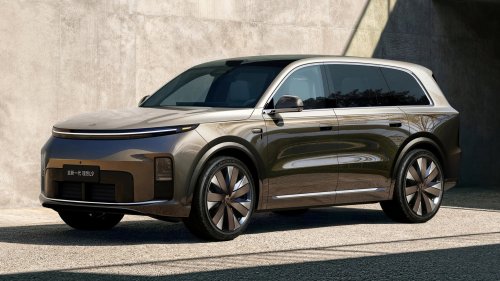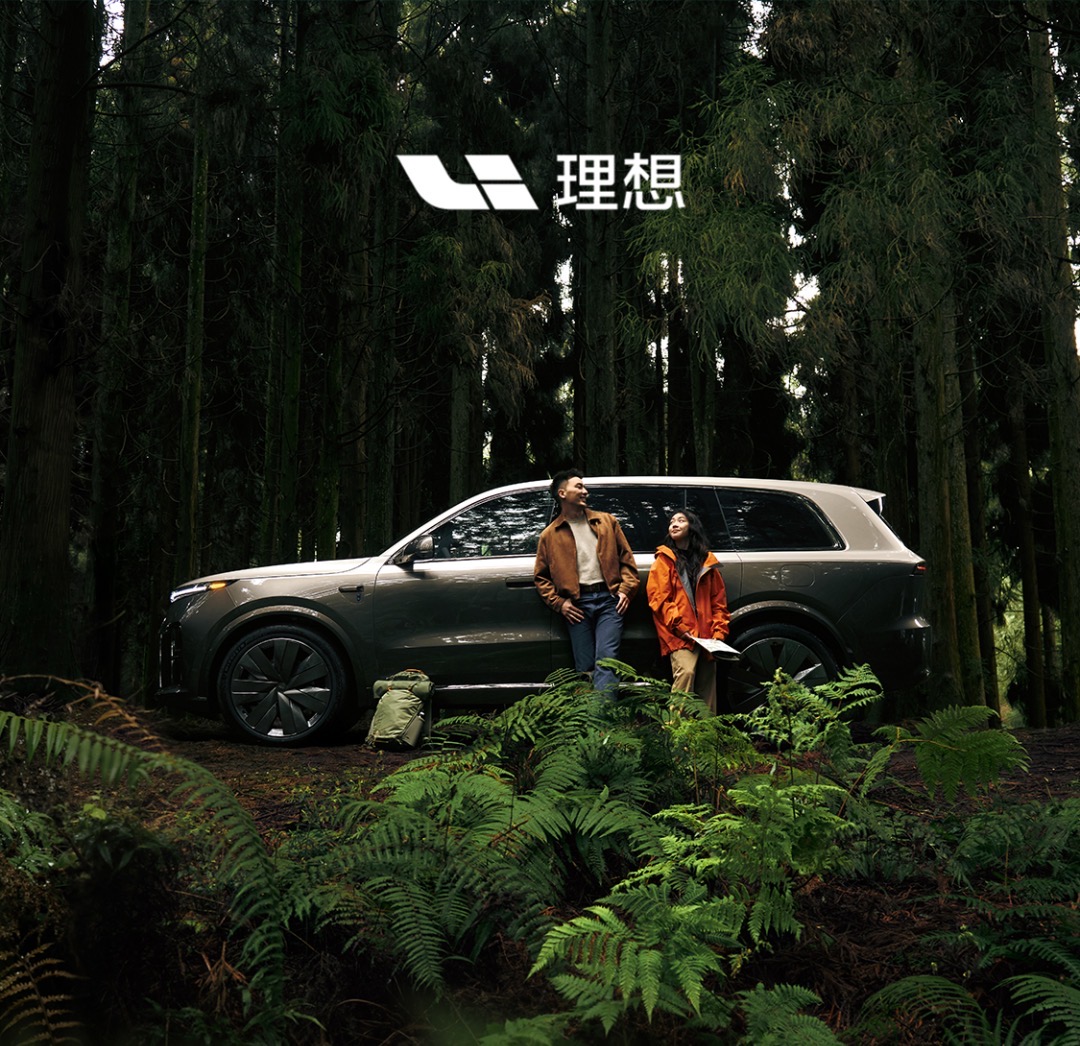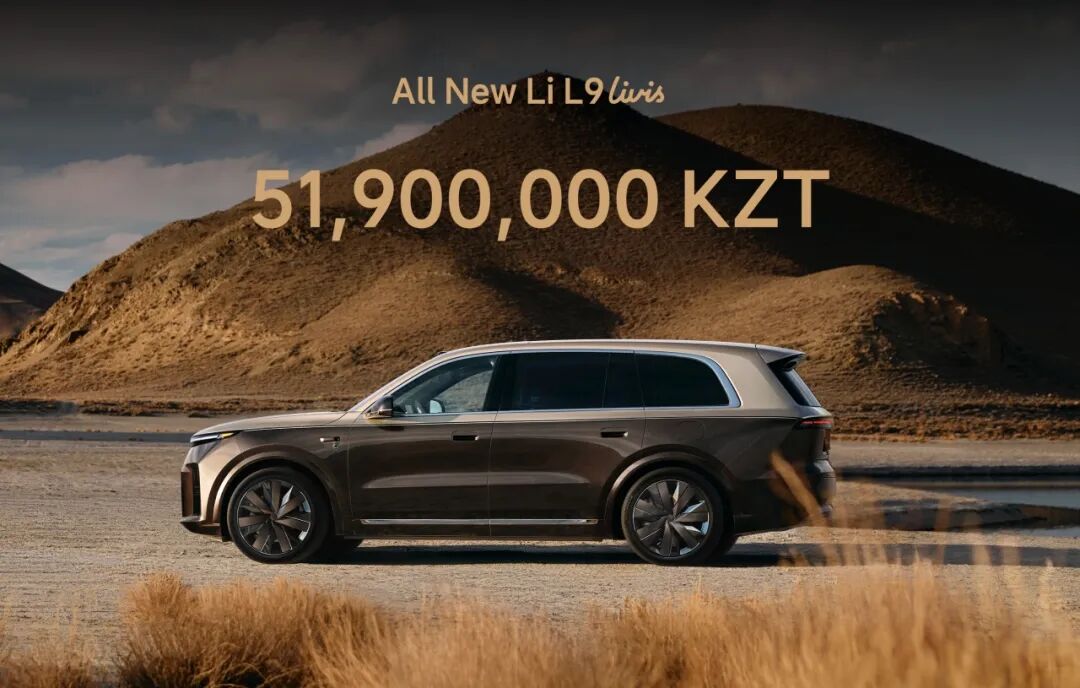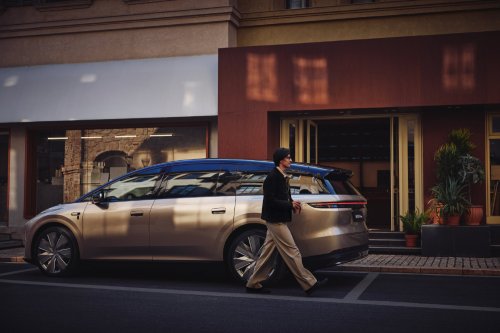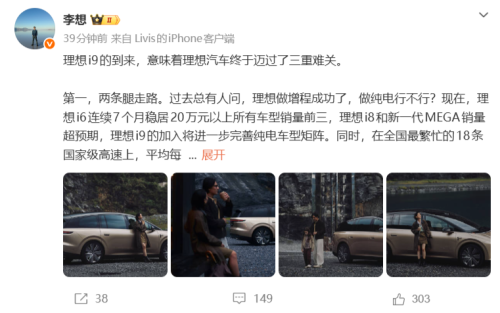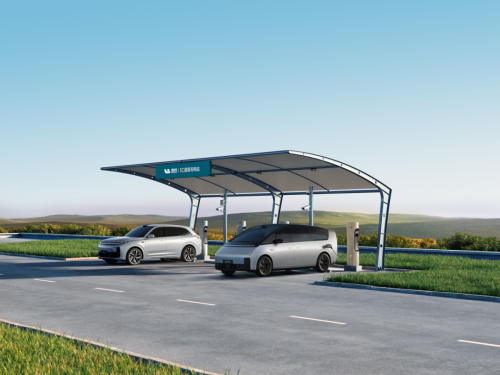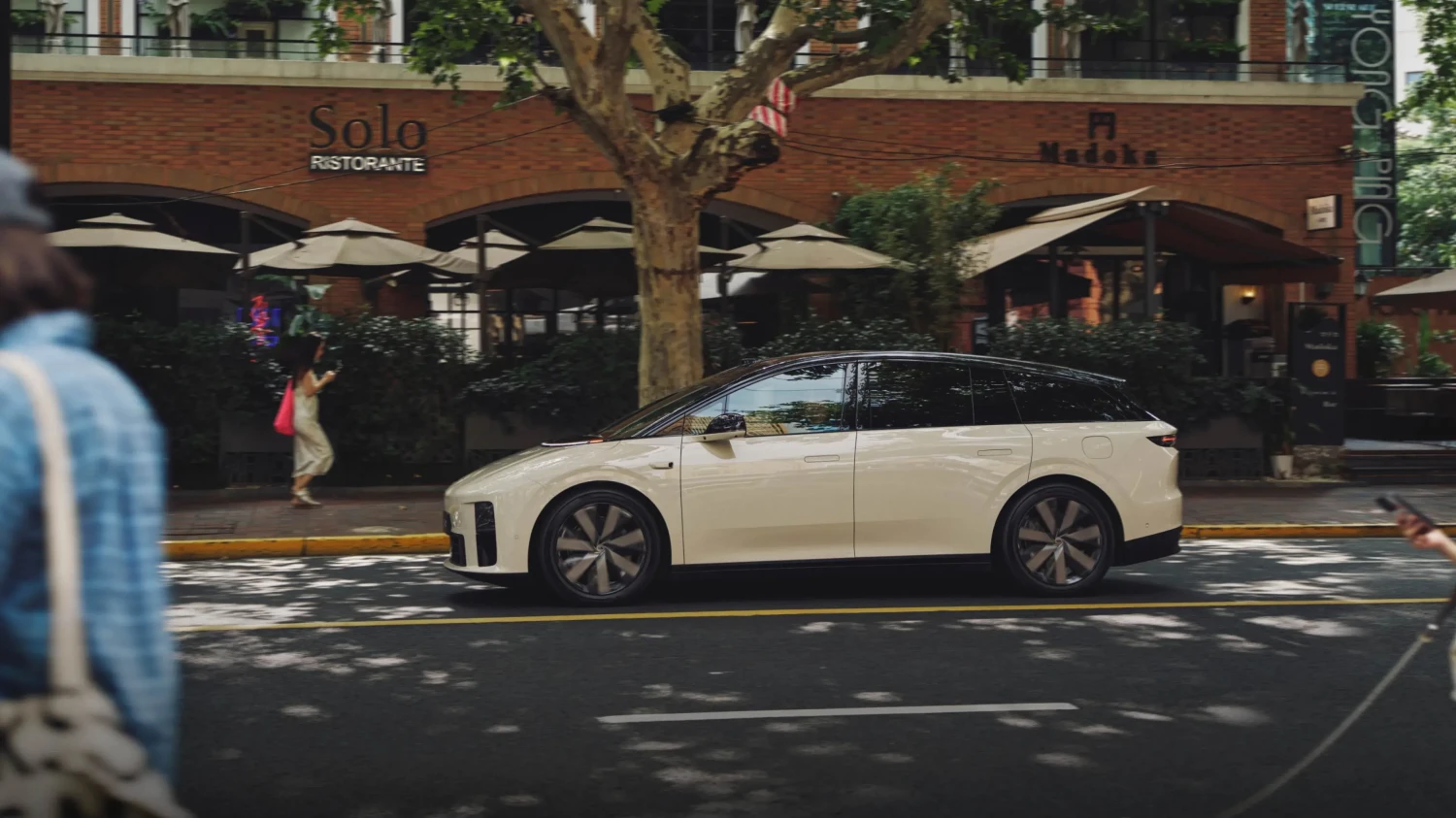
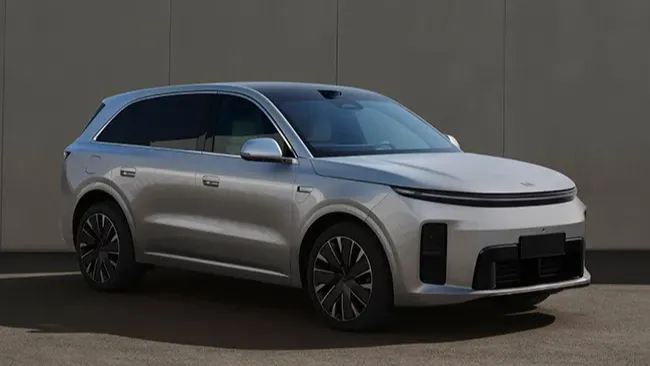



















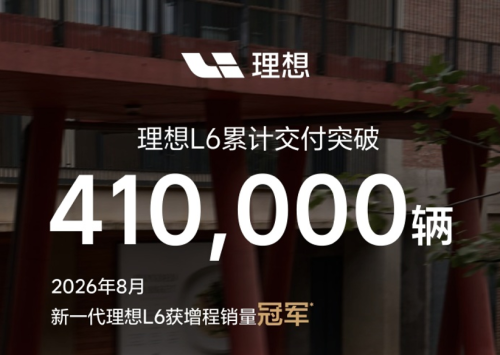
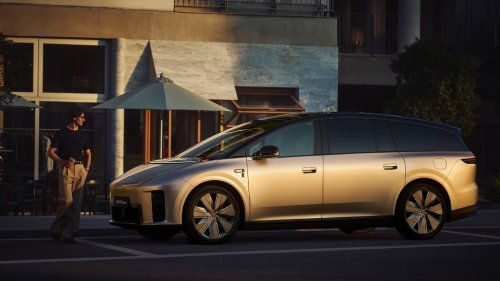
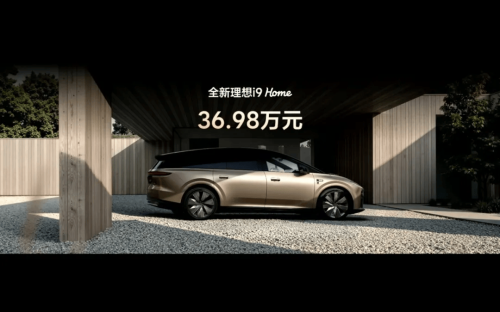
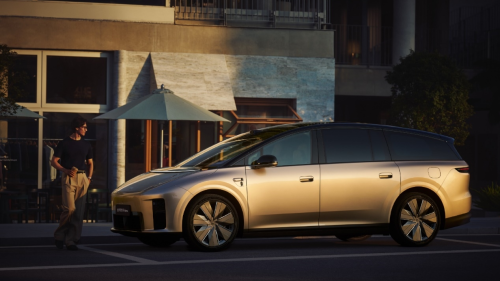

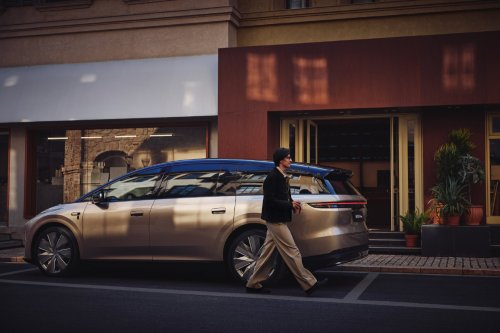
The 170,000th Li Auto i6 rolled off the production line on August 6, 2026, according to a Li Auto employee's post on Weibo. The all-electric SUV, Li Auto's (NASDAQ: LI) third pure-electric model, has become the second-best-selling EV in China's 200,000-250,000 CNY price segment this year, trailing only Tesla's (NASDAQ: TSLA) Model Y.Production has accelerated sharply since the i6's September 2025 launch. Li Auto reached the 100,000th unit on April 10, 2026, then the 160,000th in mid-July, before a temporary headlight-supply shortfall trimmed output by roughly 4,000 units in the second half of that month. The company said headlight supply and vehicle production had returned to normal by July 27. In January 2026, Li Auto had delayed some i6 order deliveries because of insufficient battery supply, encouraging buyers to switch battery configurations to shorten wait times. Production bottlenecks eased by March, when monthly i6 deliveries broke the 24,000-unit mark for the first time.The i6 has outpaced Xiaomi's (HKEX: 1810) YU7 in cumulative sales so far this year. It delivered an estimated 120,443 units in the first half of 2026, based on monthly delivery figures, compared with the YU7's 104,559 units over the same period. That tally put the i6 first in China's mid-to-large SUV retail rankings for the first six months of the year.Tesla's Model Y still leads the broader segment by a wide margin, with 172,513 units delivered in China in the first half of 2026, up 0.60% year-on-year. That leaves the i6 trailing Model Y by roughly 52,000 units over the same stretch, even as Li Auto's SUV has pulled further ahead of its next-closest domestic rival. Tesla's China business has faced broader headwinds even as Model Y sales hold steady. The Model 3 sedan's China deliveries fell 27.72% year-on-year to 66,442 units in the first half, and Tesla's overall China deliveries dropped 2.05% year-on-year in the second quarter, a fifth consecutive quarterly decline. Exports from the Shanghai plant, however, exceeded domestic deliveries for the first time last quarter, cushioning the pressure.Pricing plays into the rivalry. The i6 launched on September 26, 2025 at 249,800 CNY (c. $37,010), a level that matches Li Auto's own L6 extended-range SUV and undercuts the Model Y's 263,500 CNY (c. $39,040) starting price by about 13,700 CNY (c. $2,030).Li Auto's new-generation L6 extended-range SUV, launched July 16, 2026 at an unchanged starting price of 249,800 CNY, now shares the i6's exact retail price point. Deliveries of the refreshed L6 began July 20, positioning the two models as complementary rather than competing options within Li Auto's lineup. Li Auto has paired the i6's pricing with an expanding fast-charging network. As of July 31, the company operated 4,141 supercharging stations with 22,841 charging stalls across China, alongside 490 retail stores in 159 cities and 536 service centers.Li Auto i6, launched September 26, 2025 at 249,800 CNY, or about $37,010 (Li Auto)The i6 is a five-seat SUV measuring 4,950 mm long, 1,935 mm wide and 1,655 mm tall on a 3,000 mm wheelbase, with 3.3 meters of usable interior length. Standard equipment includes an all-aluminum suspension, four high-performance hydraulic bushings, continuous damping control and a dual-chamber air suspension at no extra cost.Driver-assistance hardware is standard across the lineup as well. Every i6 comes with Li Auto's AD Max advanced driver-assistance system, built around an ATL all-weather lidar unit and an Nvidia Thor-U chip, and supports the company's vision-language-action driving model. Buyers can choose a single rear-motor layout producing 250 kW, or a dual-motor all-wheel-drive version that adds a 150 kW front motor for 400 kW combined output. Both draw from an 87.3 kWh 5C lithium iron phosphate battery pack on an 800V architecture, rated for a CLTC range of up to 720 km (447 miles) with 5C ultra-fast charging.Monthly i6 deliveries climbed from 16,883 units in January to a 2026 high of 24,198 in March, then settled in the 20,000-21,000 range through June, when the model accounted for 69.44% of Li Auto's total deliveries that month. It has now topped 20,000 deliveries for four straight months, making it the company's dominant sales driver.That reliance comes as Li Auto navigates a difficult stretch. The company posted an unexpected net loss of 2.3 billion CNY in the first quarter, with gross margin sliding to 7.9% from 20.5% a year earlier, while July deliveries of 30,468 vehicles were down 0.86% year-on-year, a narrower decline than June's 14.84% drop. Cumulative company deliveries reached 1,764,155 as of July 31. Xiaomi's broader EV business has leaned harder on the YU7 this year. The SU7 sedan's deliveries fell 48.30% year-on-year to 80,496 units in the first half, while Xiaomi has set a 550,000-unit delivery target for 2026 that would require roughly 60,000 monthly deliveries in the second half to reach.New-generation L6, launched July 16, 2026 at 249,800 CNY, matching the i6's price point (Li Auto)To stabilize sales, Li Auto is refreshing its extended-range L-series lineup, including new versions of the L9, L8 and now the L6, and expanding overseas. The company brought the new L9 to Kazakhstan on July 15 with a local assembly deal, then launched it in Uzbekistan on August 3, and has said it plans to bring the i6 to Europe in the second half of 2026.Whether the i6 can close more ground on the Model Y once European exports begin, or whether Tesla's pricing and charging-network advantages hold the gap steady, may say as much about China's EV price war heading into 2027 as it does about either automaker.Conversion rate: 1 USD = 6.7490 CNY as of August 5, 2026.