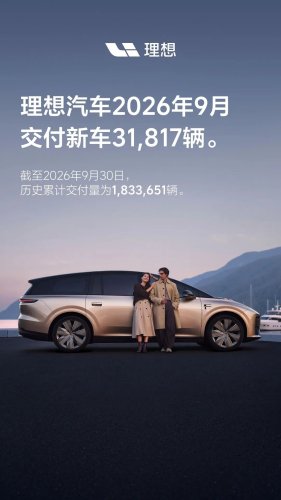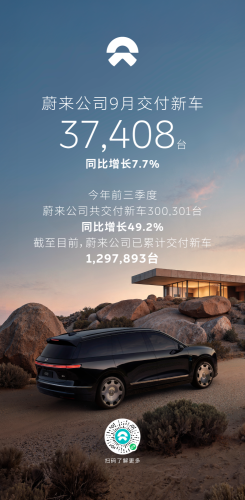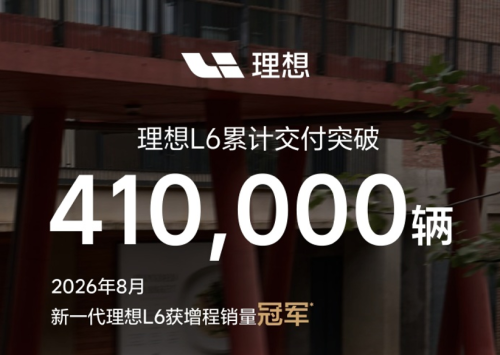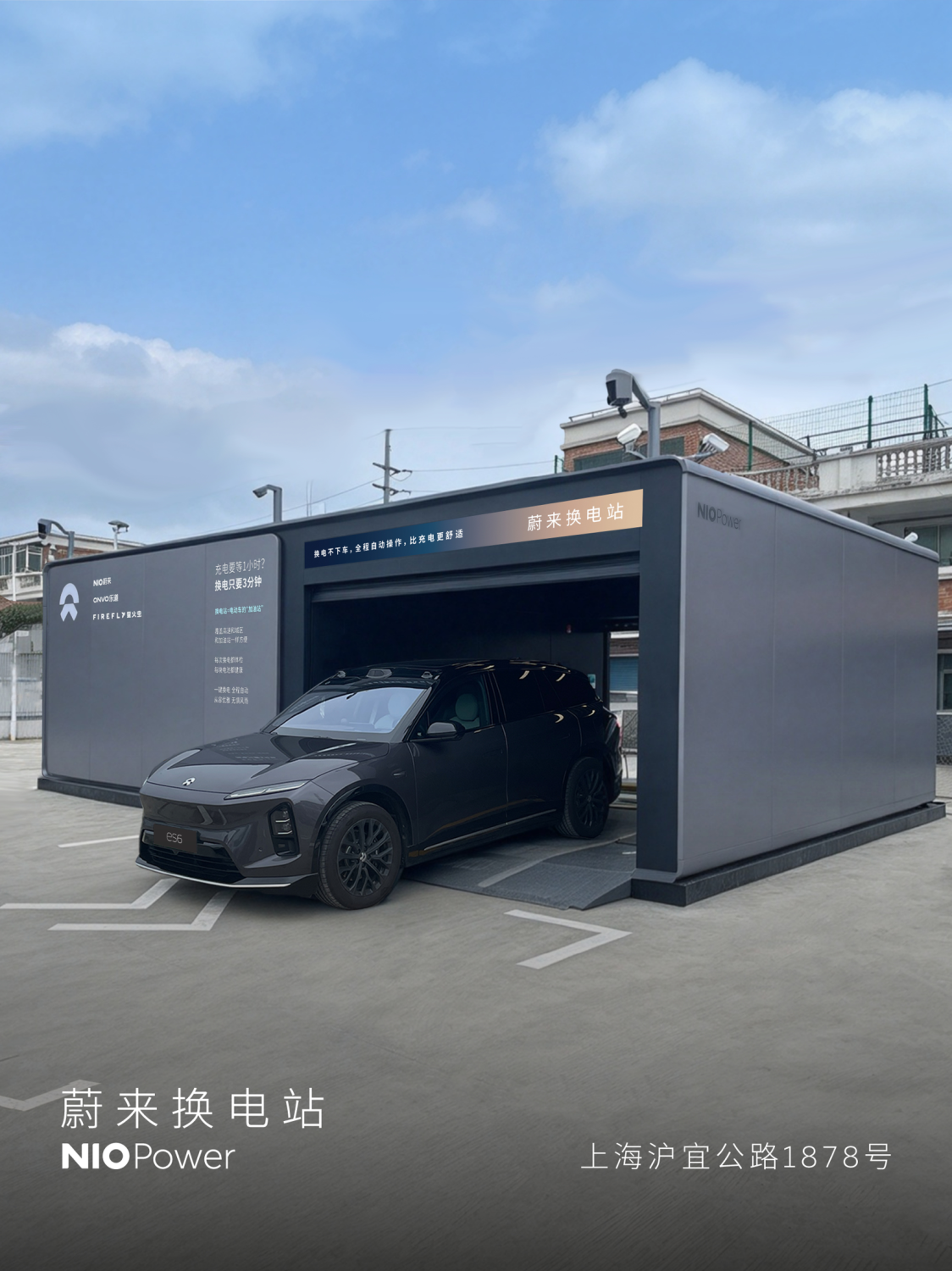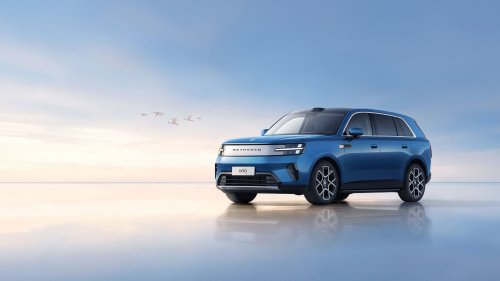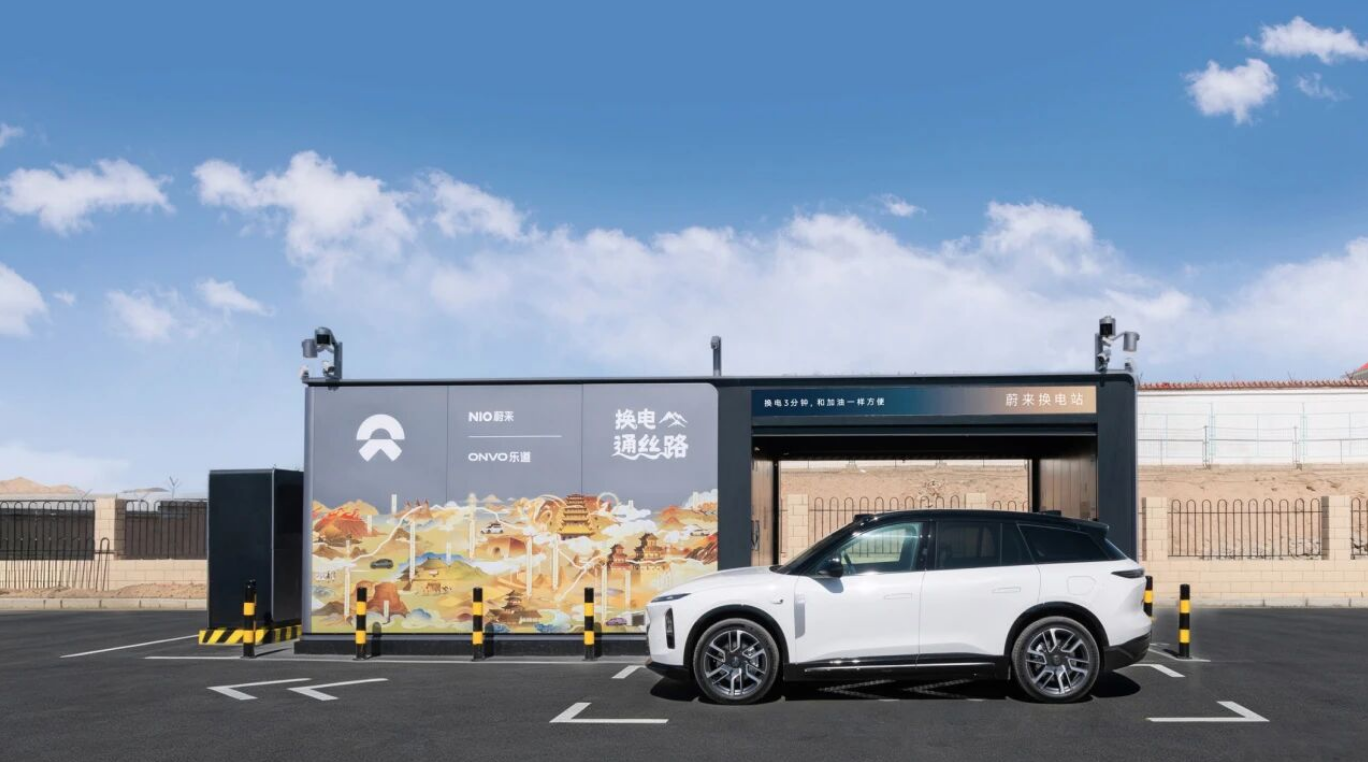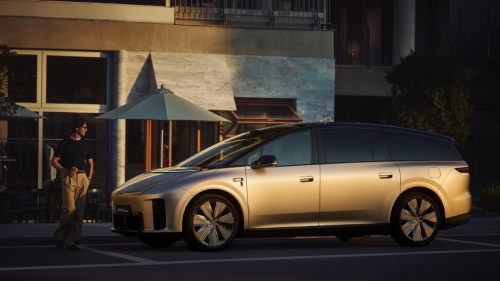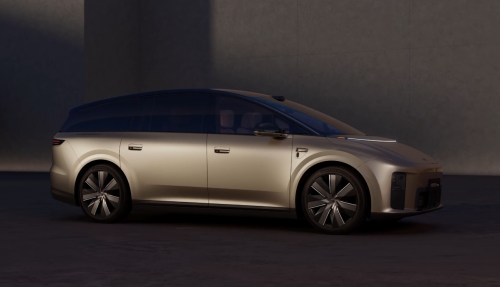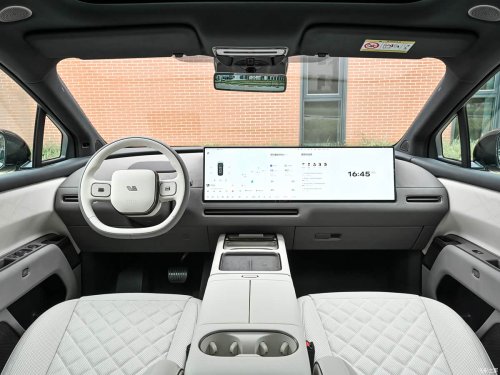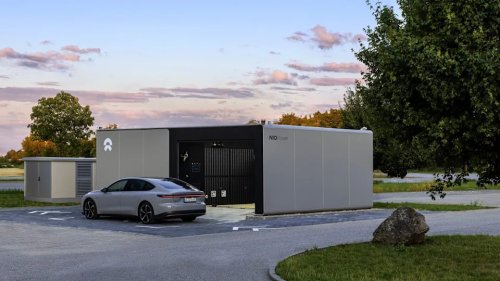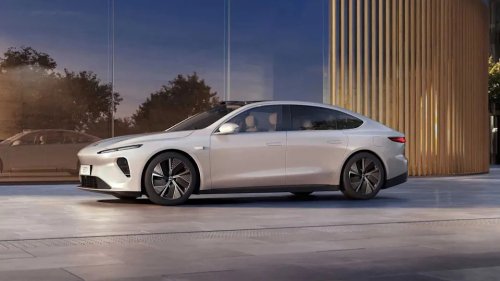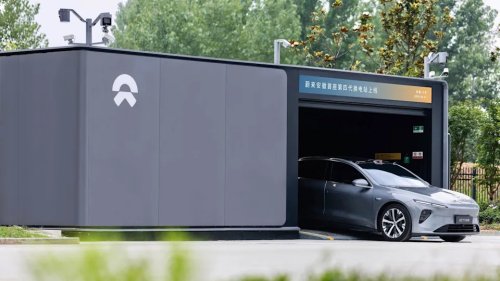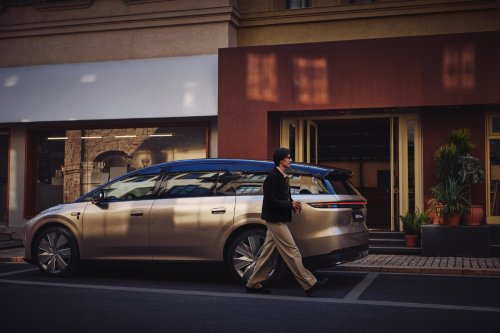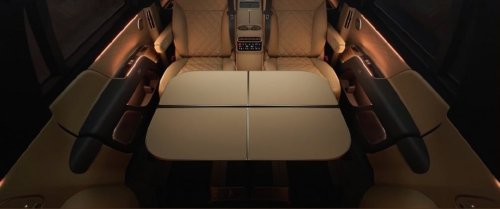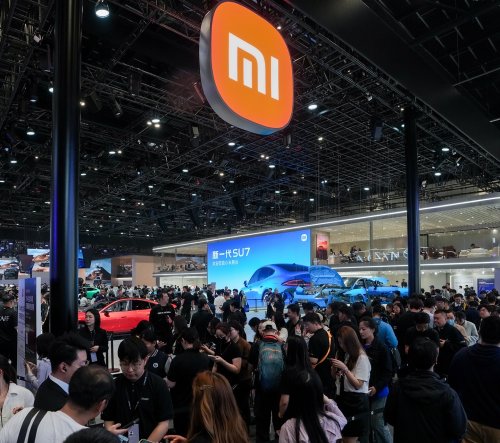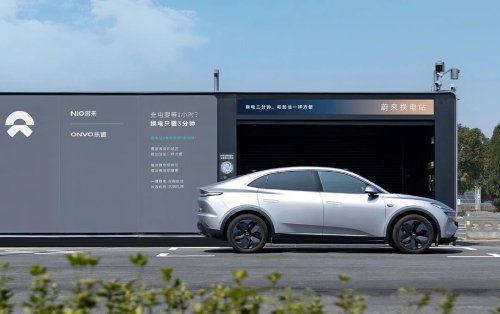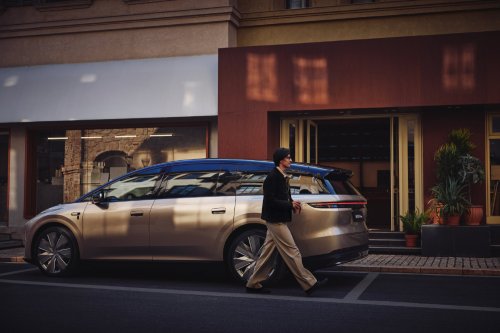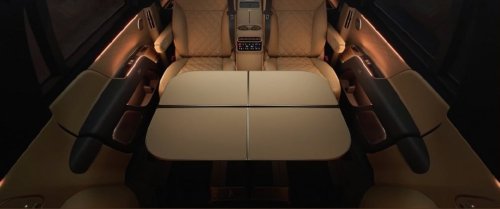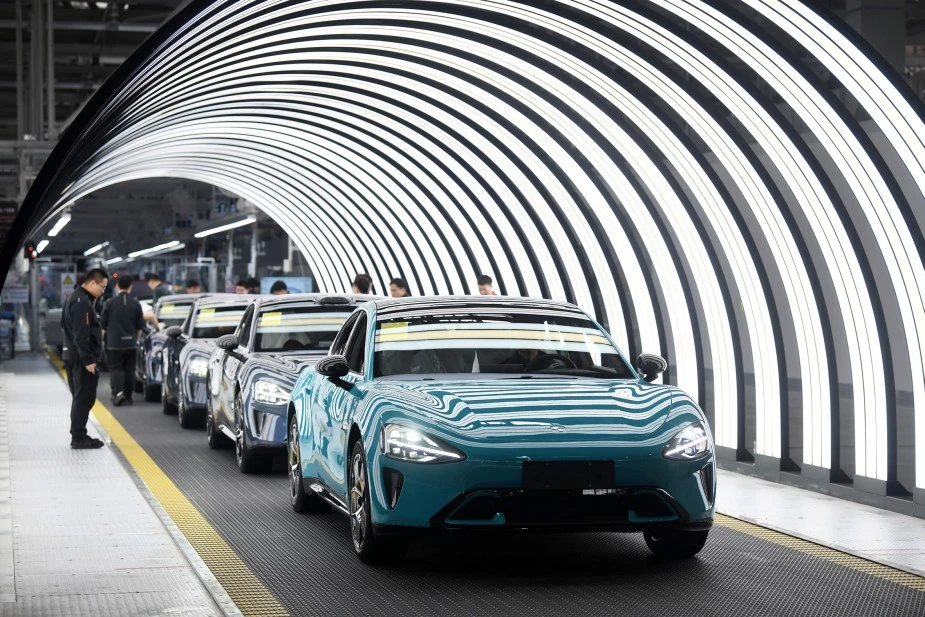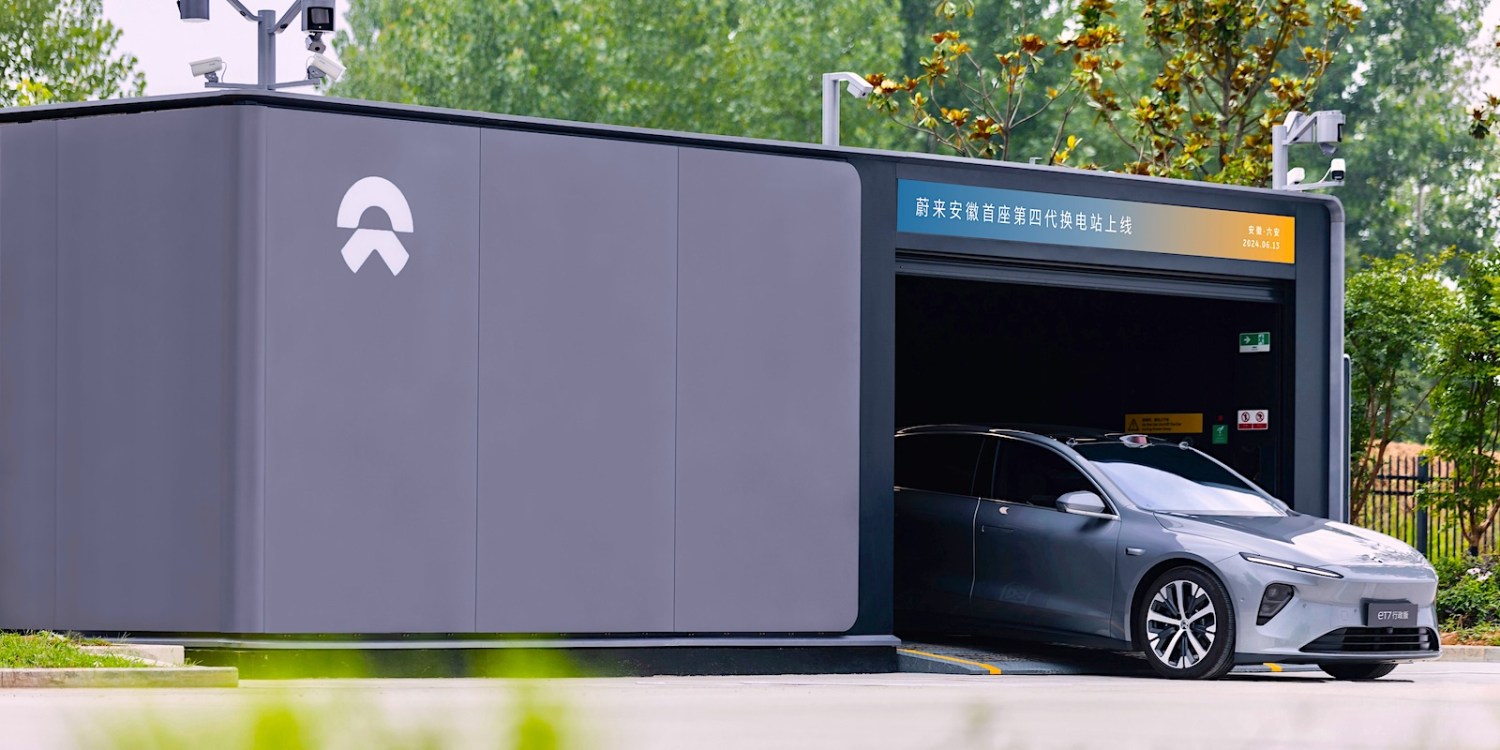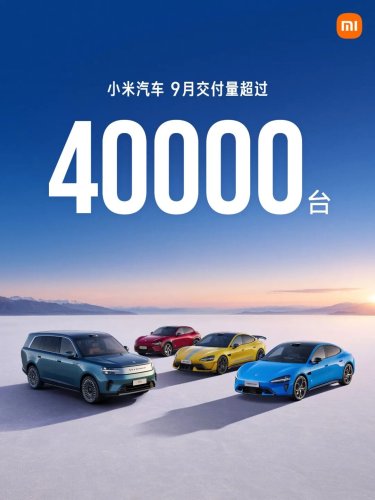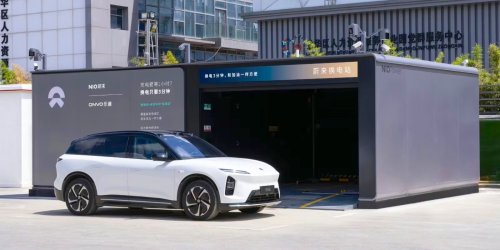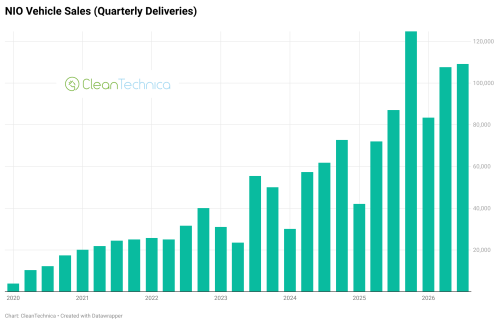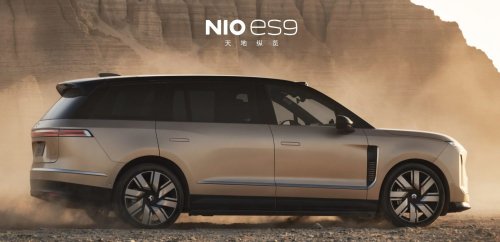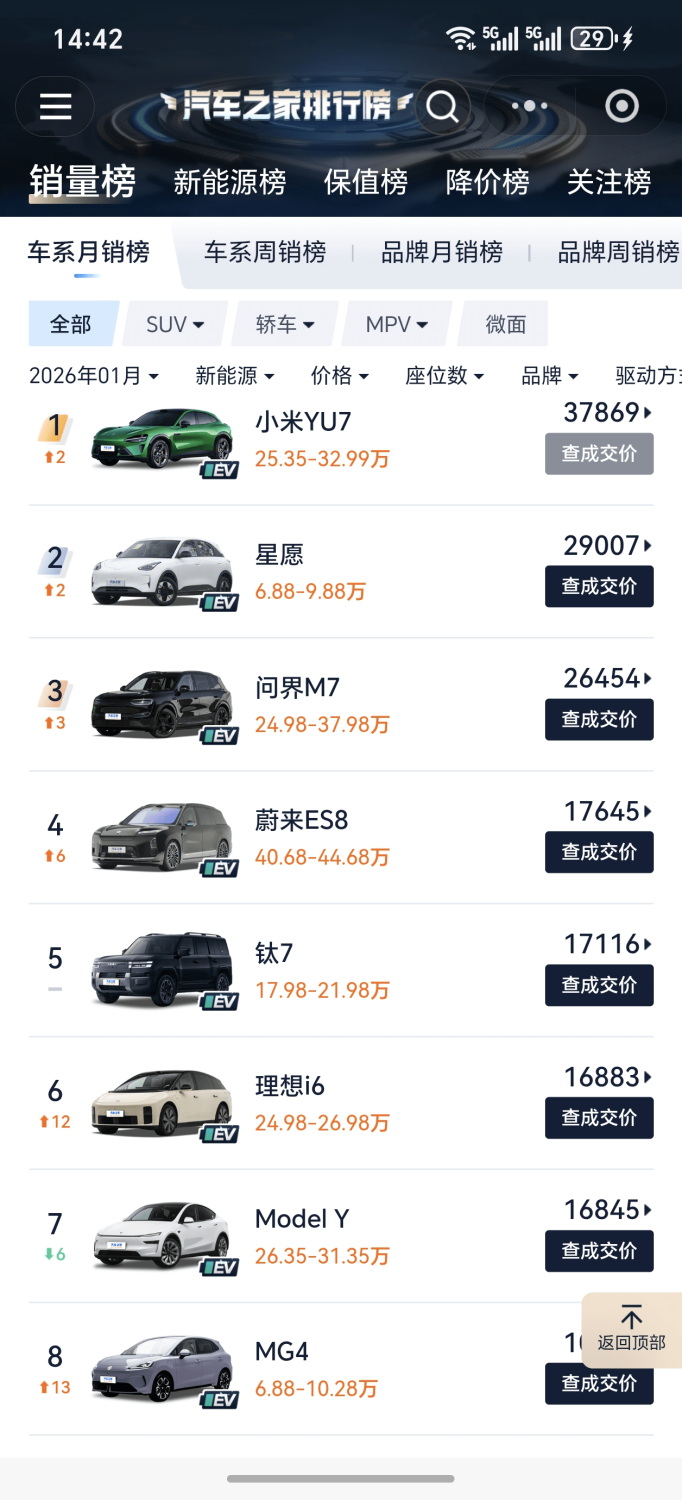
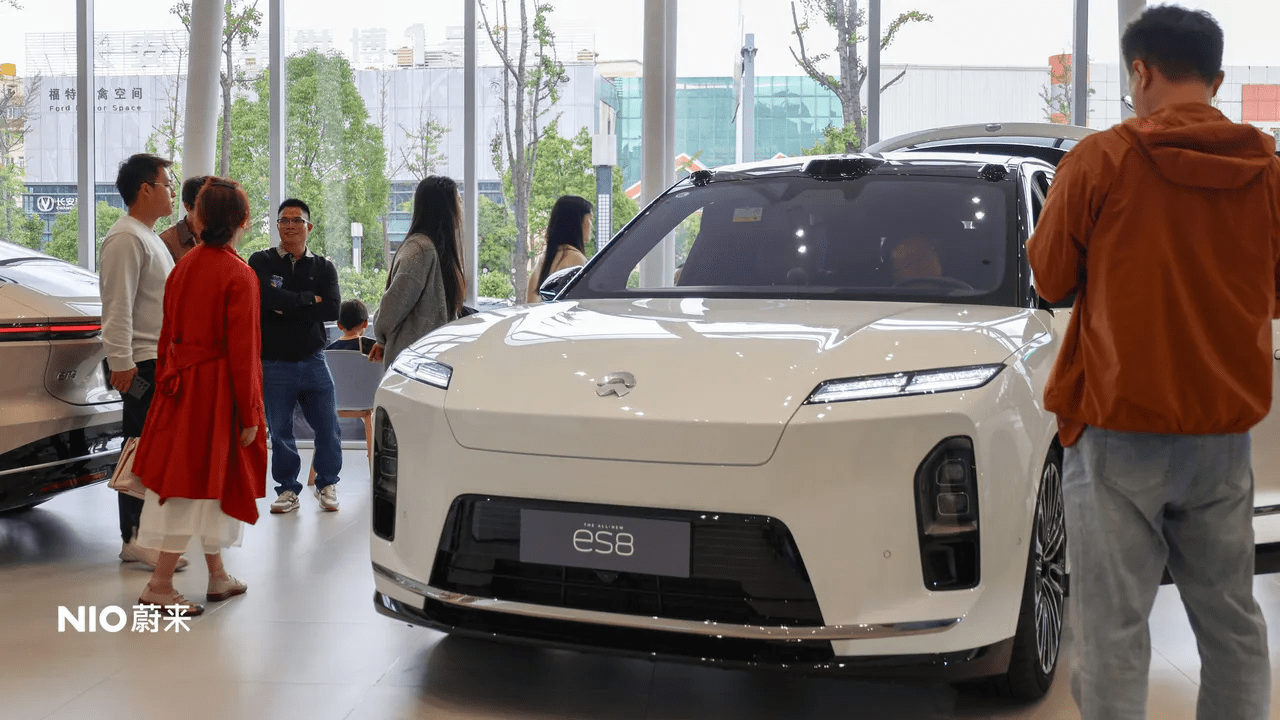
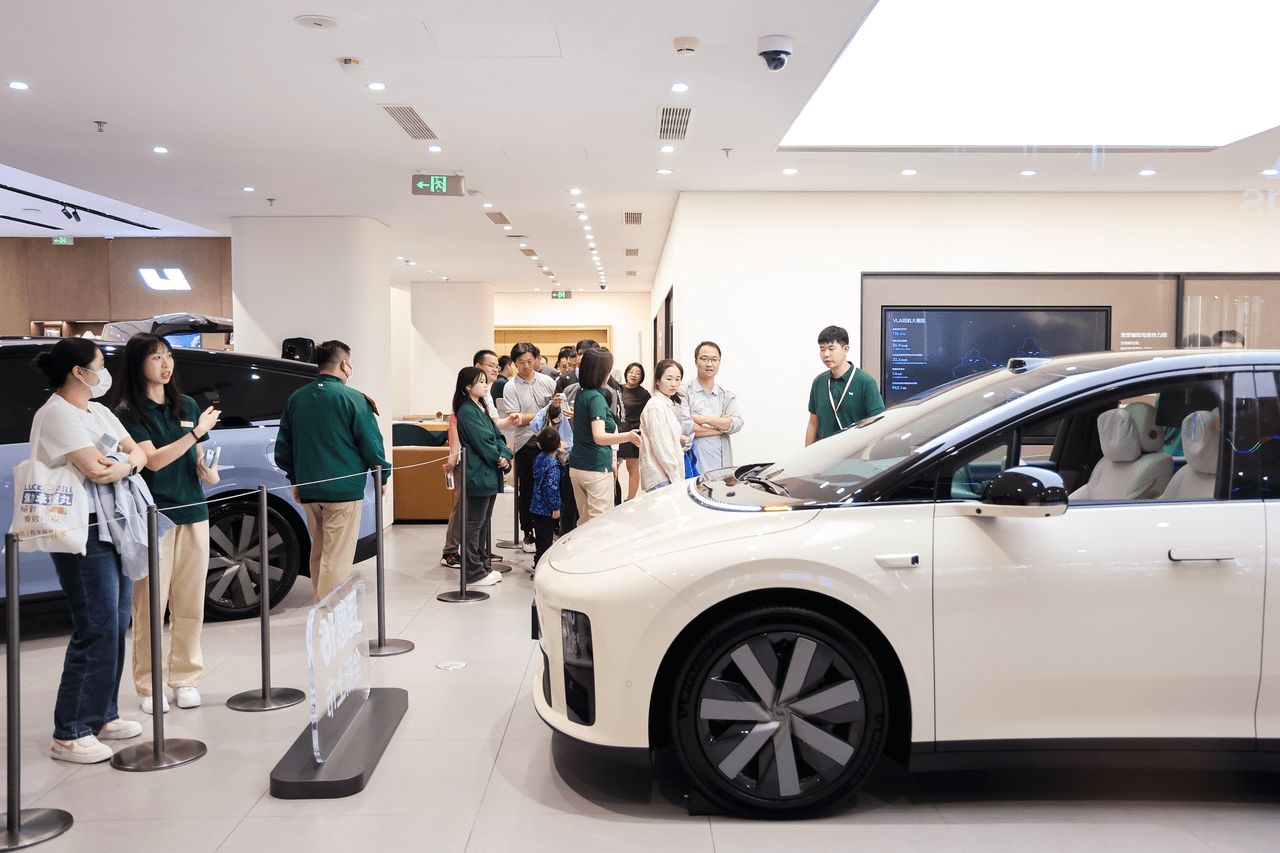


















China’s 2026 NEV market shows a marked shift from January, with Tesla Model Y losing its top position. According to Autohome’s compiled ranking of NEV sales for January 2026, across all price segments, body styles and powertrain types, Xiaomi YU7 surged from third place in December to the top spot with 37,869 units, becoming the best-selling NEV and vehicle in the first month of the year. China’s NEV sales ranking in Jan 2026 At the brand level, Xiaomi Auto delivered more than 39,000 vehicles in January, down about 22% month on month but up roughly 95% year on year. YU7 accounted for over 90% of total deliveries, serving as the brand’s primary volume driver. With the all-new Xiaomi SU7 scheduled for launch in April, the brand’s sales mix may shift. Geely Xingyuan ranked second with 29,007 units in January, down nearly 20% month on month and up two positions from fourth place in December. In 2025, the model recorded annual sales of 465,775 units, ranking first among all passenger vehicle categories in China. AITO M7 placed third with 26,454 units. As of January 2026, cumulative deliveries of the model series have exceeded 400,000 units, accounting for more than 40% of the AITO brand’s total deliveries. NIO ES8 ranked fourth with 17,645 units, making it the only model among the top eight priced above RMB 400,000 ($57,860). NIO ES8 NIO Inc delivered 27,182 vehicles in January, down 44% month on month but up 96% year on year. The new-generation ES8 accounted for about 65% of total deliveries, becoming the group’s core contributor. This performance is expected to bolster confidence ahead of the launch of the higher-positioned ES9 on April 10, which is slated to enter the market in the second quarter. Another notable shift came from Li Auto and Tesla. Li Auto i6 recorded January sales of 16,883 units, slightly surpassing Tesla Model Y at 16,845 units. Li Auto i6 Model Y fell from first place in December to seventh, with sales dropping 74.4% month on month. Li Auto delivered 27,668 vehicles in January, down 37% month on month and 8% year on year, with i6 accounting for more than 60% of total deliveries. Since its launch in September 2025, orders have been concentrated, and with improved battery supply, delivery momentum is accelerating. Tesla’s overall performance did not decline in parallel. Supported by a seven-year low-interest loan program, Tesla’s wholesale sales in China reached 69,129 units in January, up 9.2% year on year. During a recent earnings call, Elon Musk made clear that the company will gradually shift from traditional vehicle manufacturing toward physical AI businesses, with plans to discontinue Model S and Model X production in the second quarter and reallocate capacity to the Optimus and Robotaxi programs.