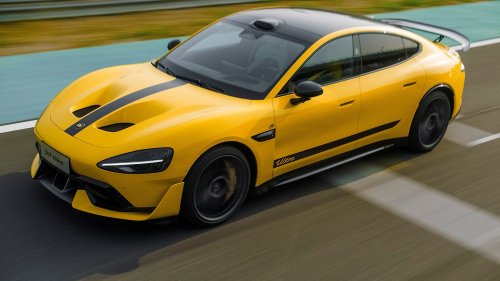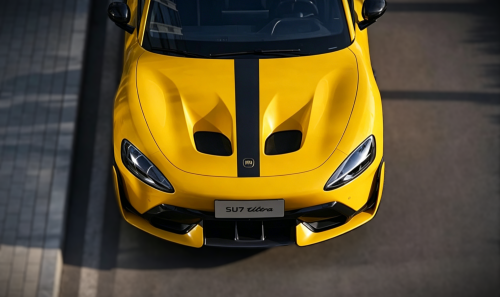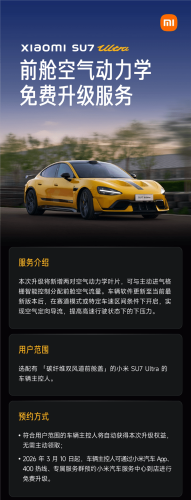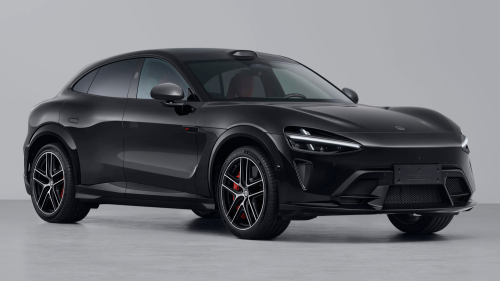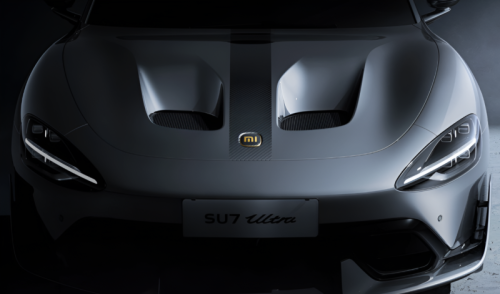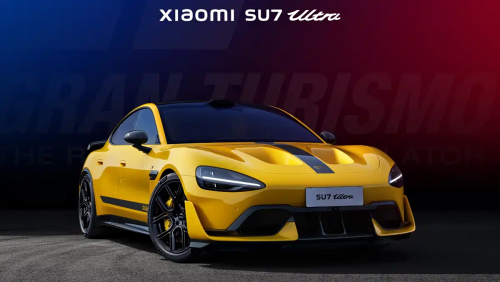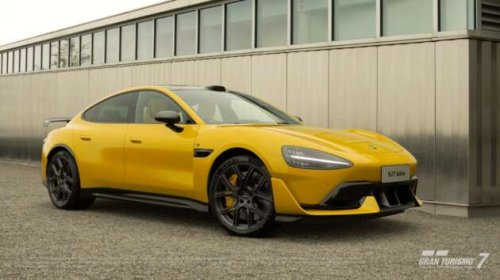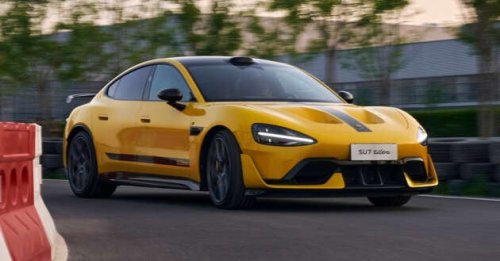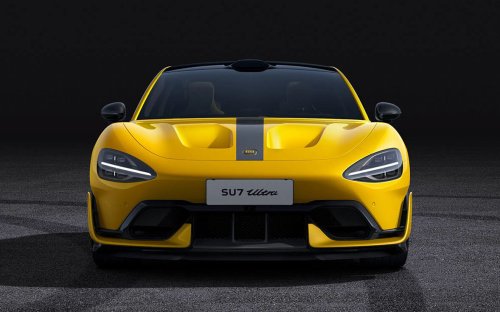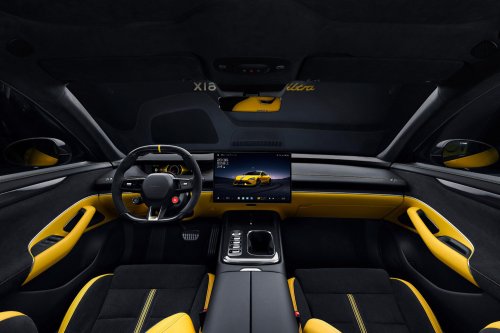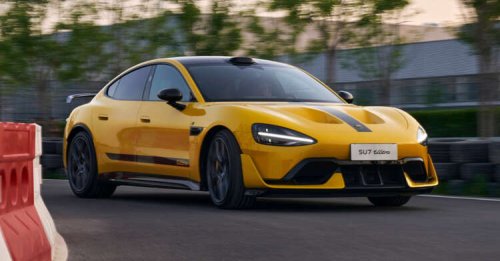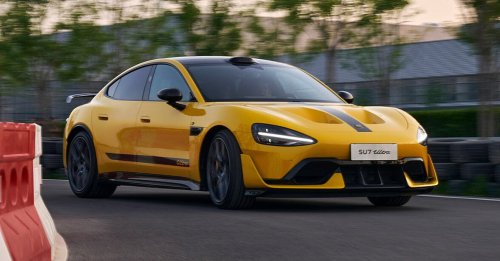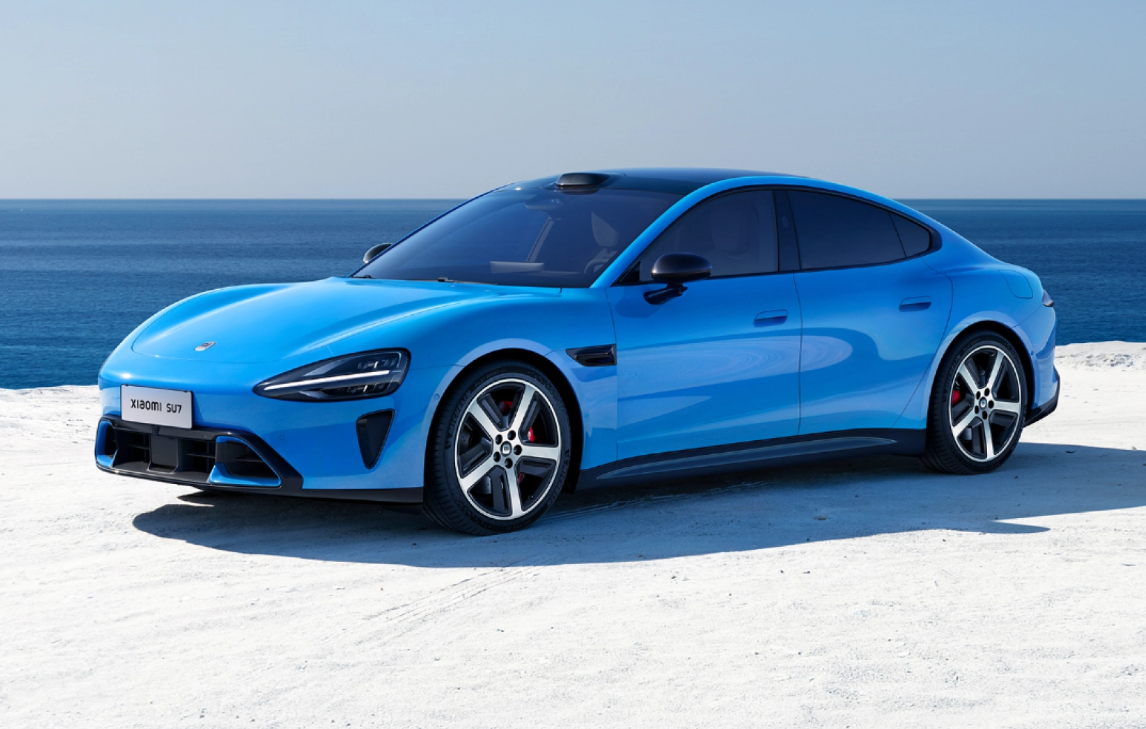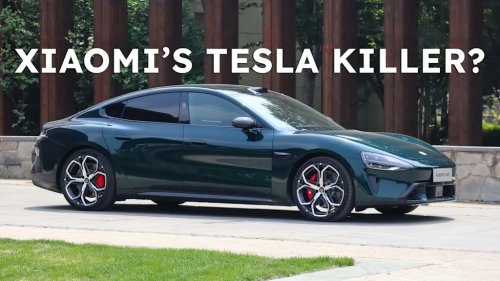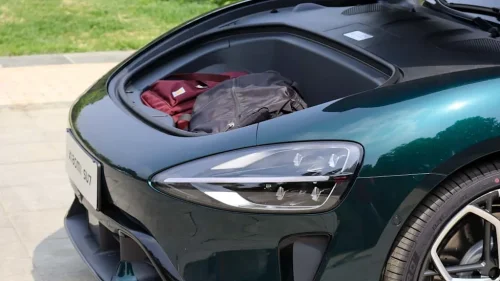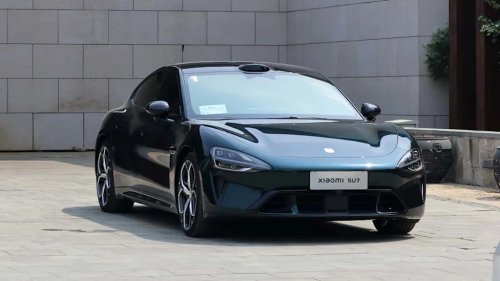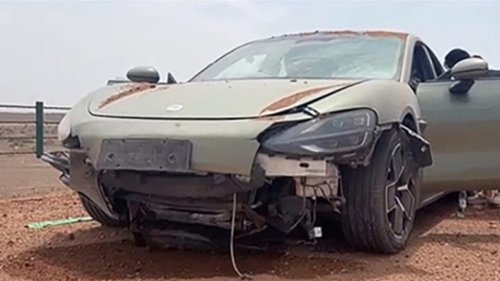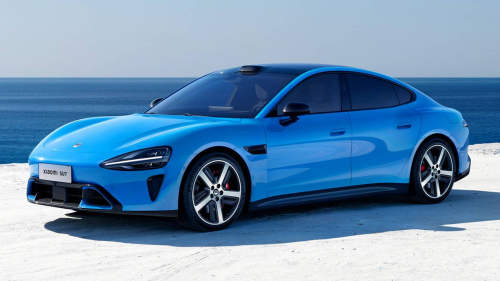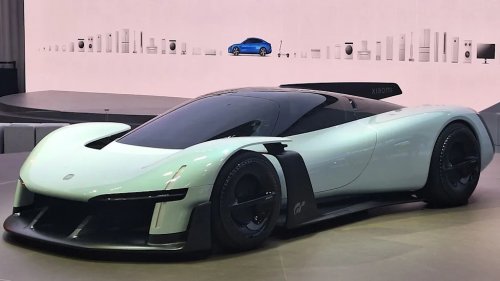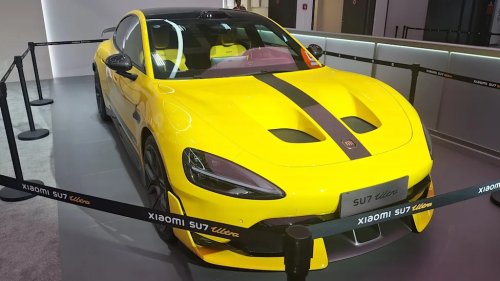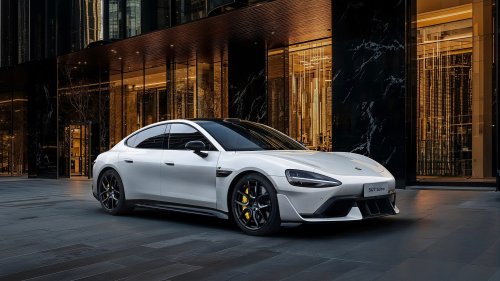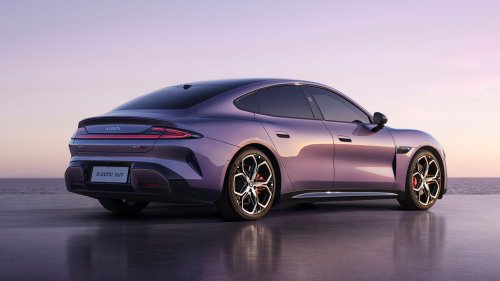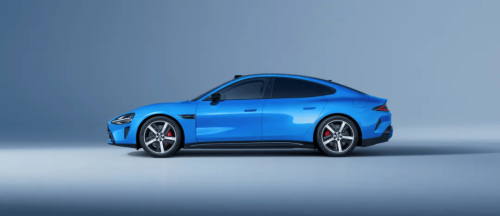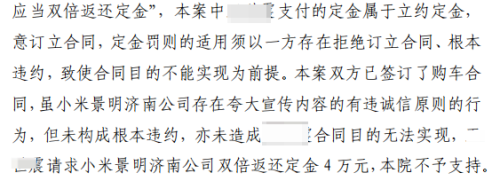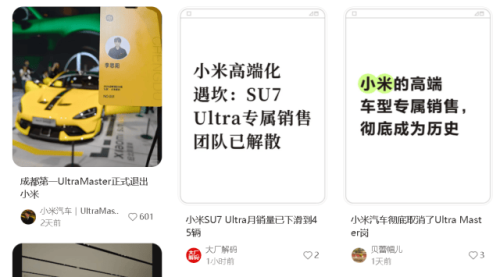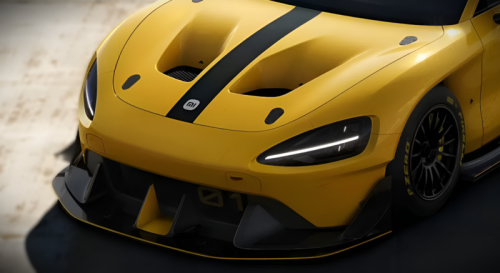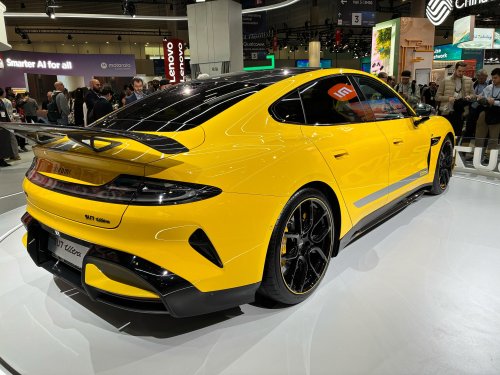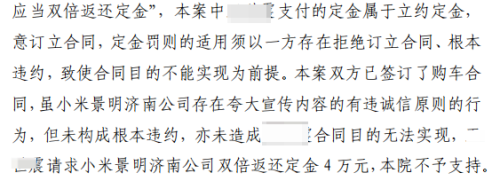
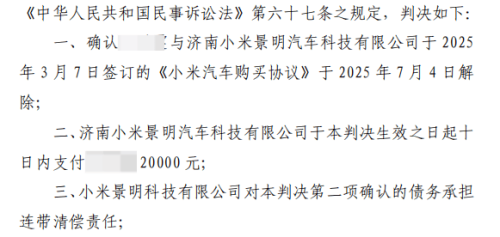
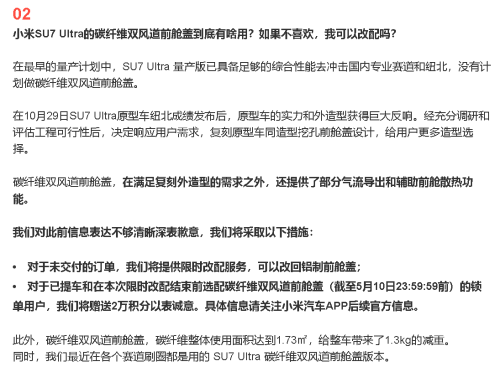
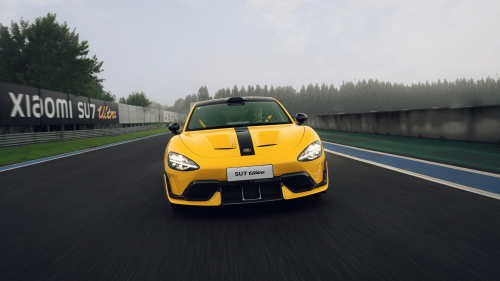



















On May 13, the Licheng District People’s Court in Jinan made a first-instance ruling on a user’s lawsuit against Xiaomi Auto over the “vented hood incident”, marking the first judicial precedent in China to support a car buyer’s refund of the purchase deposit. Judgment document The ruling stated that the court found Xiaomi Auto’s marketing contained “exaggerated claims” and violated the principle of good faith, but did not constitute legal consumer fraud. The court ordered the termination of the vehicle purchase agreement and the return of the buyer’s 20k RMB(~$ 2946) deposit, while rejecting demands for triple compensation or double deposit refunds. Judgment document For context, the root of this lawsuit dates back to early 2025. In February 2025, Xiaomi launched the production version of the SU7 Ultra, priced at 529,900 RMB(~$ 78078). Among all optional accessories, the most eye-catching was the 42k RMB(~$ 6188) “carbon fiber dual-duct front hood”, which the company officially described as “replicating the Xiaomi SU7 Ultra prototype, with two through ducts for efficient front air guiding”. The month after the new car’s launch, a car enthusiast from Shandong province signed a purchase agreement with Xiaomi Jingming Automotive Technology Co., Ltd. for the SU7 Ultra, opting for the expensive 42k RMB(~$ 6188) carbon fiber dual-duct front hood. Xiaomi had previously promoted that this vented hood provided dual-duct aerodynamic airflow guidance and heat dissipation functionality, perfectly matching the prototype’s structure. After taking delivery, the buyer discovered that the vented hood on the production car was merely a decorative exterior component. The openings were not connected to the car’s air ducts and did not provide the aerodynamic airflow guidance function claimed by the company, severely contradicting the advertised specifications and performance descriptions. Xiaomi Auto apology statement In response to the growing controversy over the vented hood, Xiaomi Auto issued an apology on May 7, 2025, stating that its earlier messaging had lacked clarity: the carbon fiber dual-duct front hood, in addition to meeting the demand for a replicated exterior appearance, offered partial airflow extraction and auxiliary front compartment heat dissipation. For affected buyers, Xiaomi offered compensation measures: for undelivered orders, a limited-time modification service was provided to switch back to an aluminum hood; for customers who had already taken delivery or had locked in the option before the modification window closed, the company gave 20,000 loyalty points (worth approximately $ 294) as a gesture of goodwill, but made no mention of allowing vehicle returns. Xiaomi SU7 Ultra Affected by the hood incident and other factors, Xiaomi SU7 Ultra sales experienced a sharp decline. The model dropped from an initial monthly sales volume of over 3,000 units to just over 400 units by September 2025, and fell to as low as 45 units in December 2025. It is worth noting that despite sales pressure, Xiaomi Auto officially offered a free upgrade for the vented hood in March of this year — adding two aerodynamic vanes to restore the originally missing functionality. Regarding the court ruling, the car buyer said: “I filed the lawsuit to stand on principle. I’m very happy with the first-instance verdict and do not plan to appeal.”