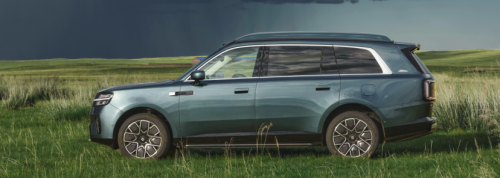
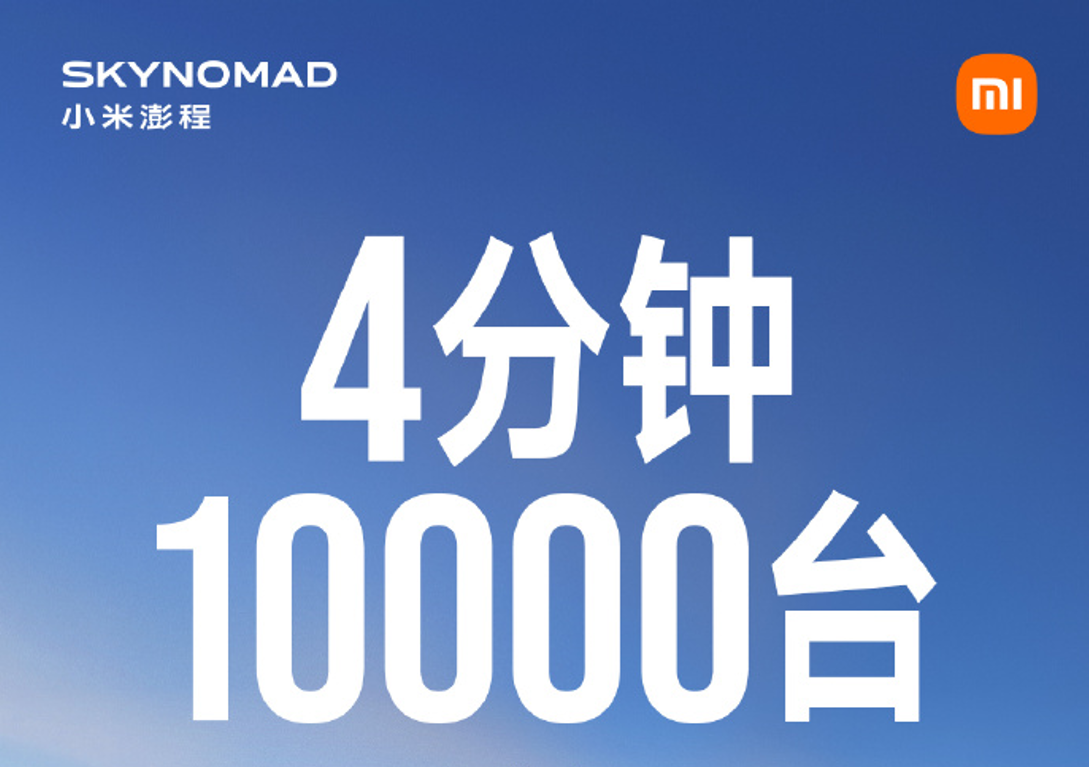
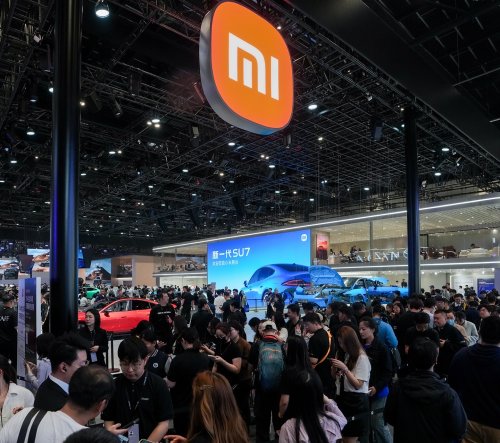
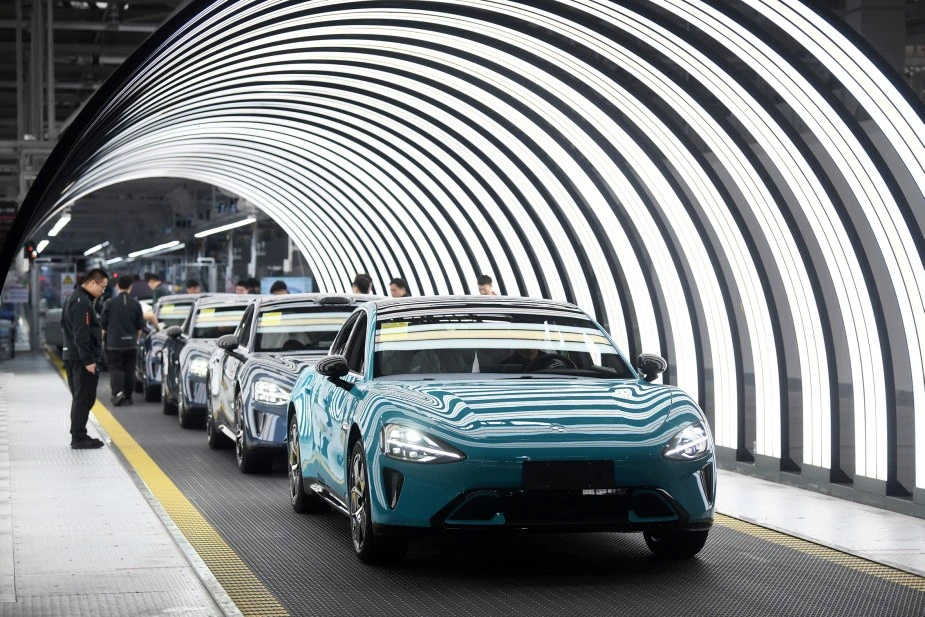
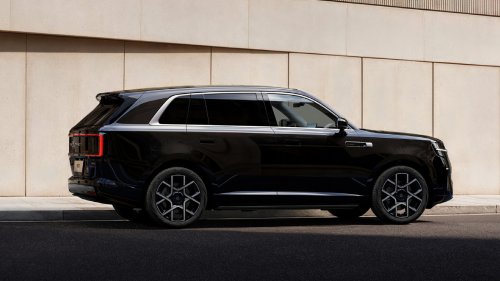
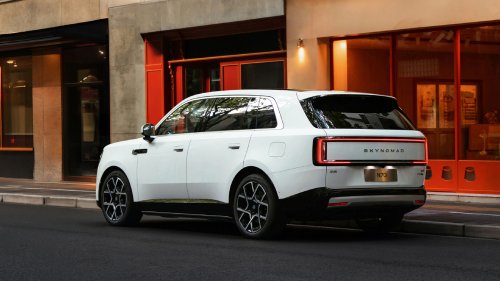
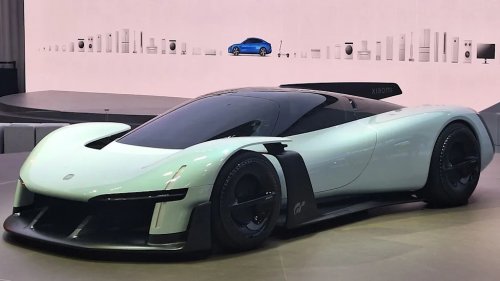
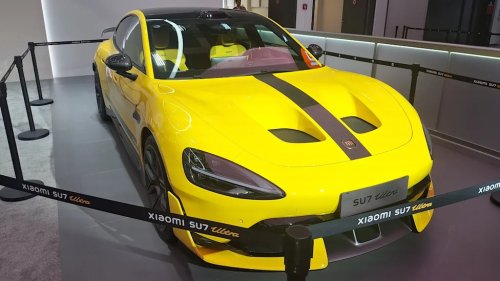
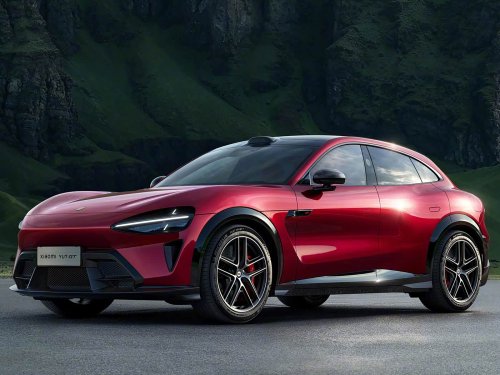
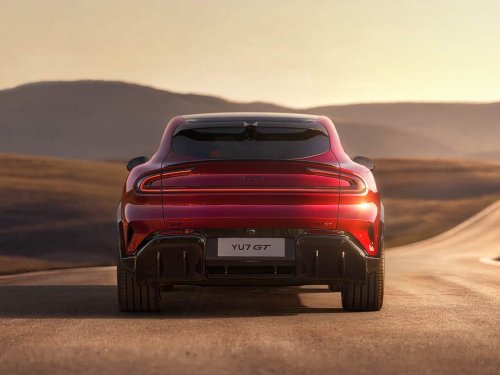
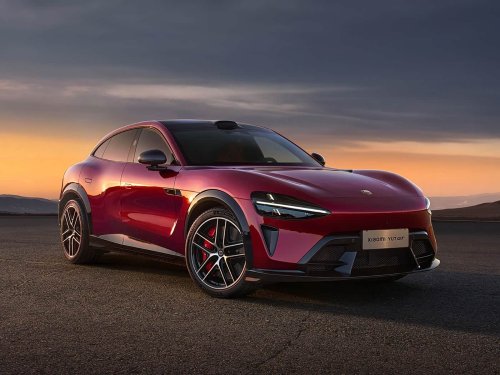
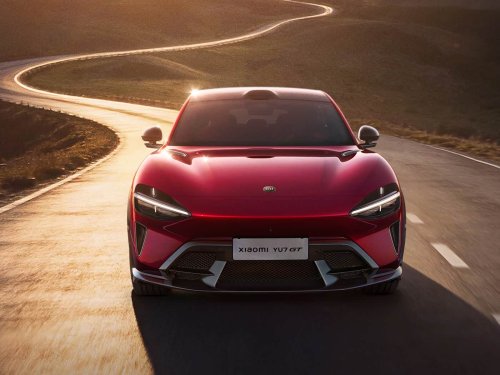
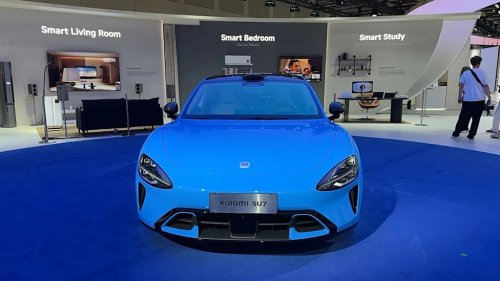
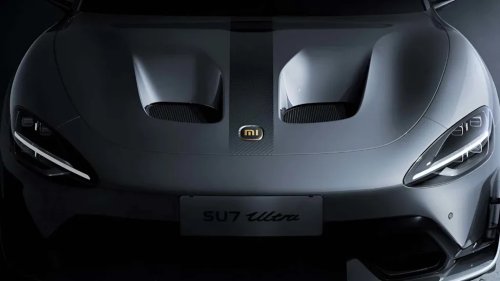
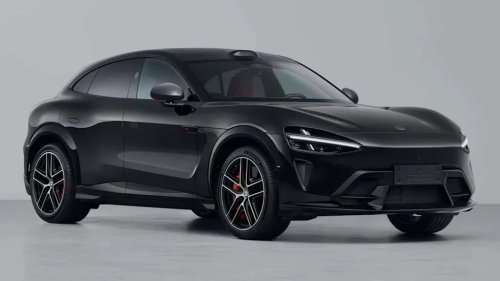
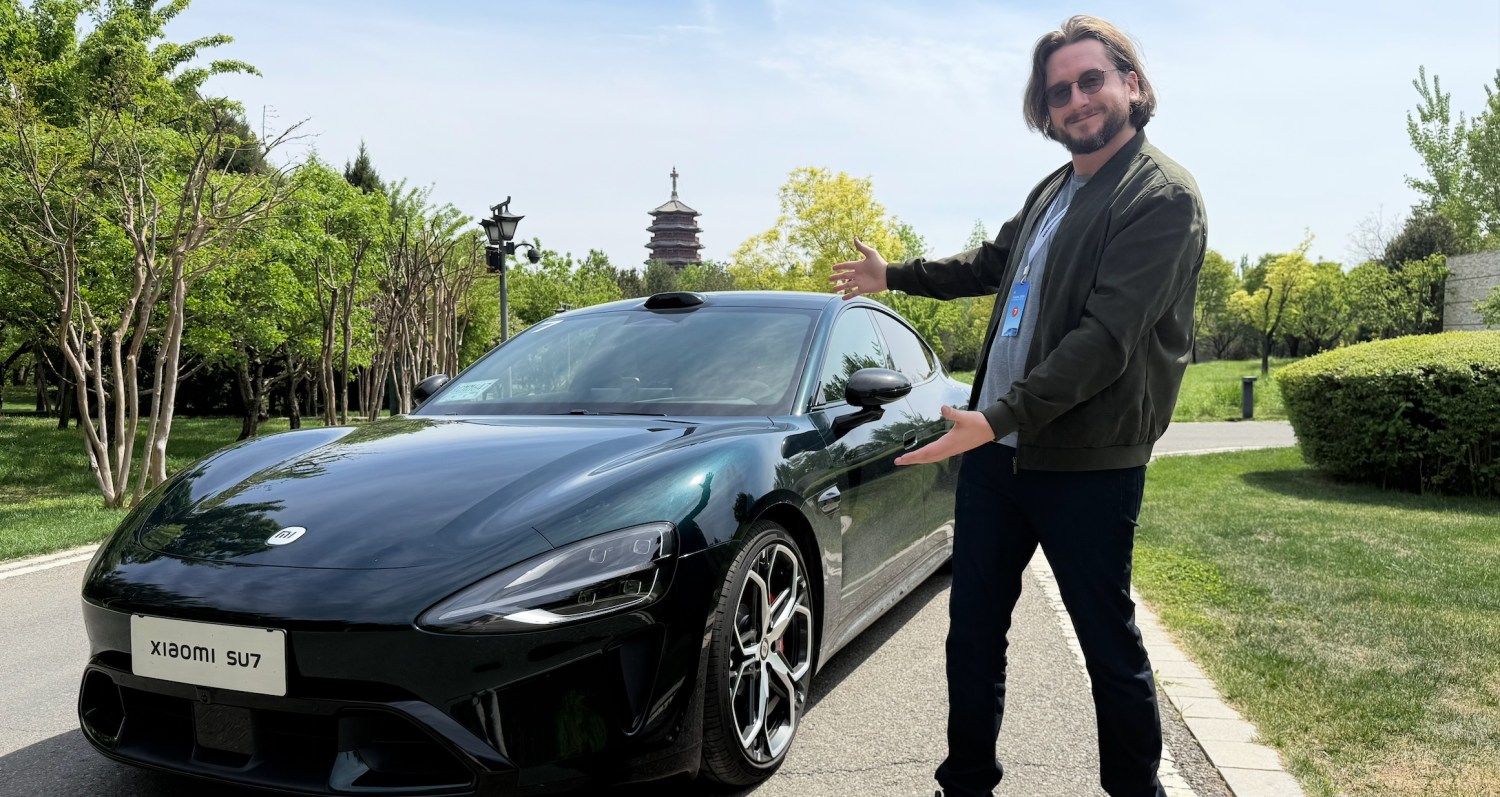
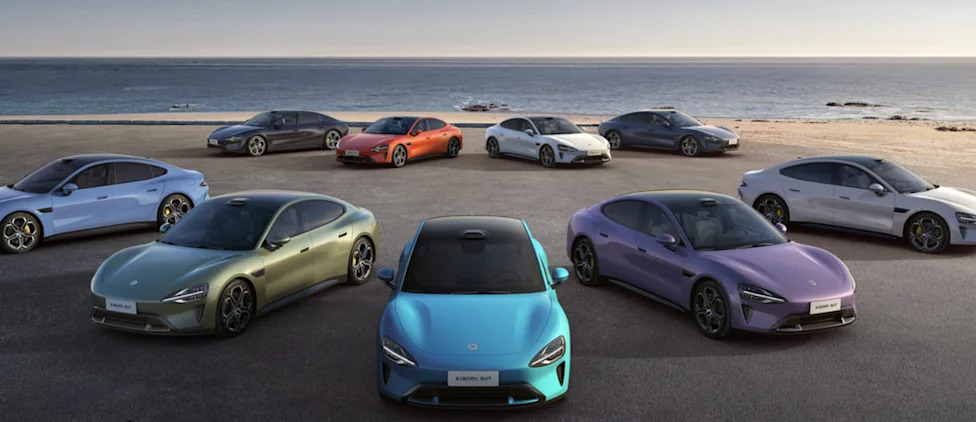
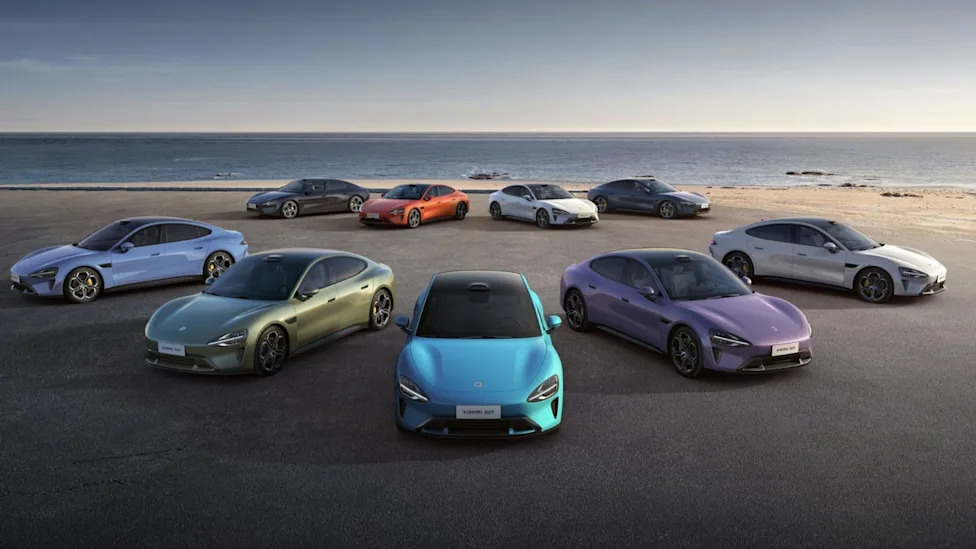
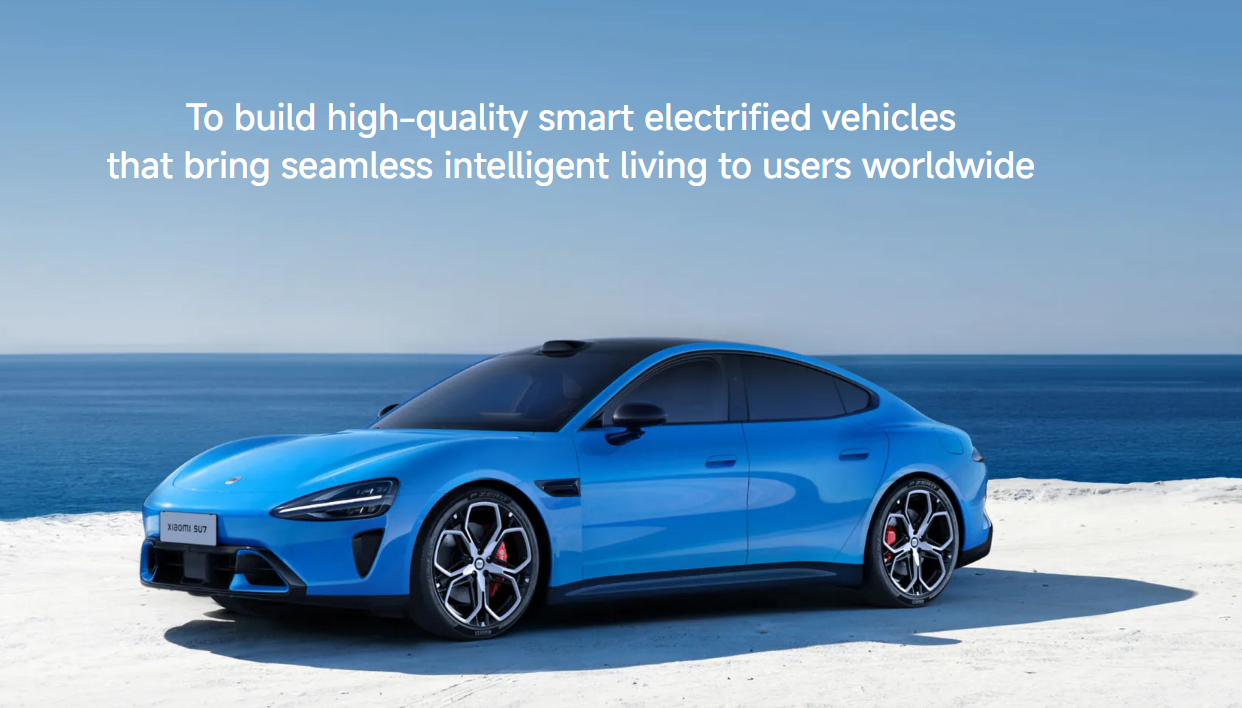
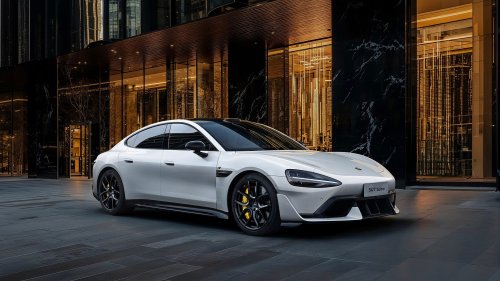
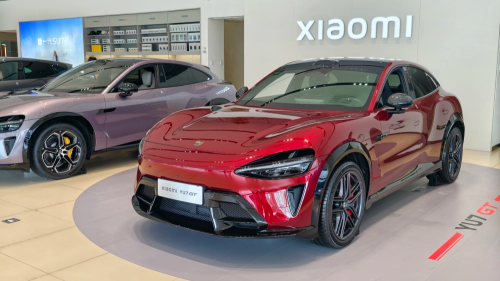
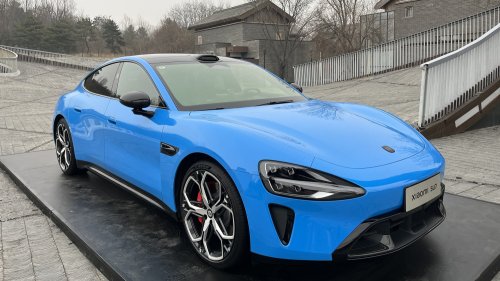
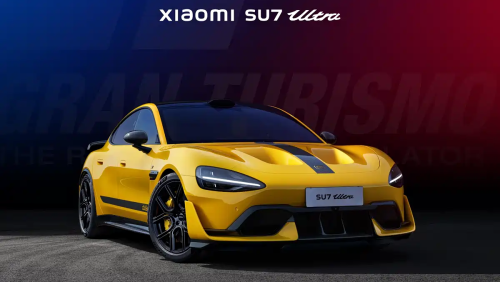
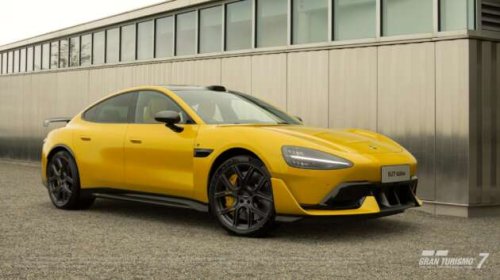
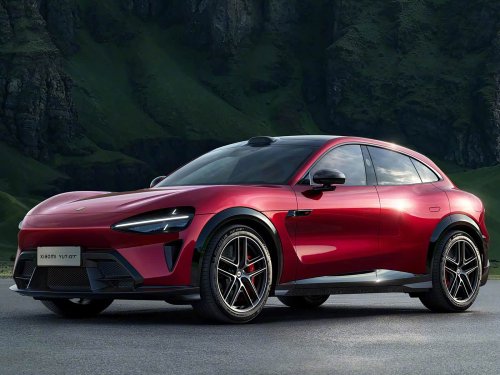
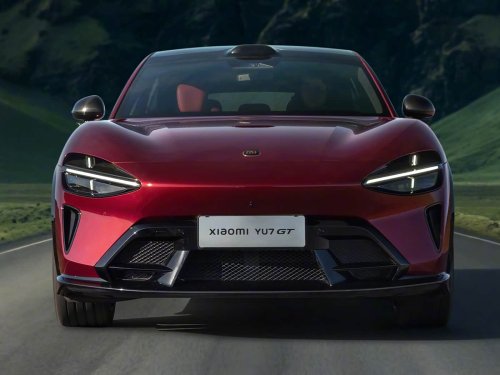
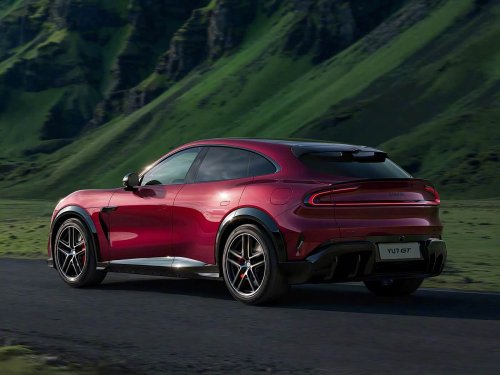
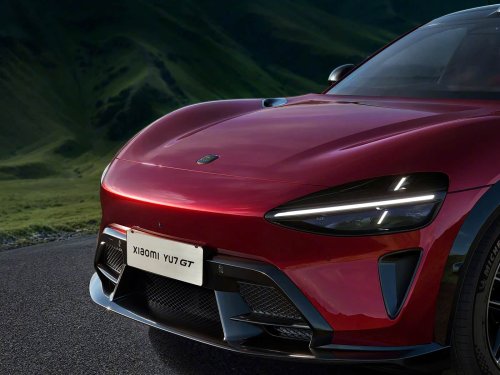
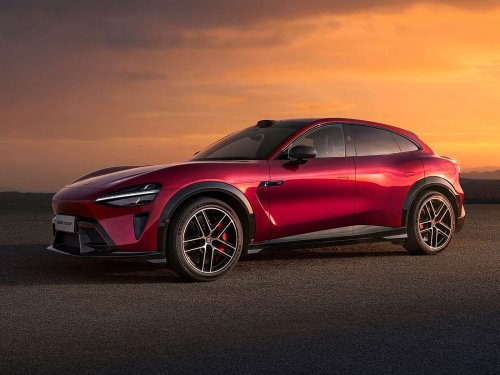
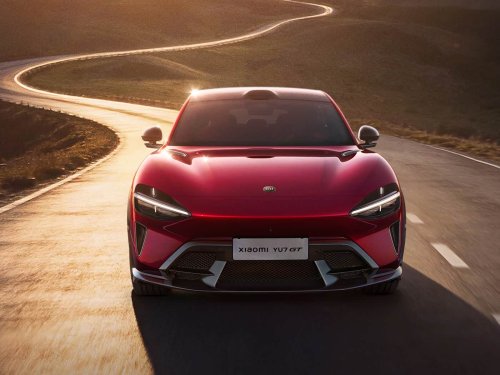
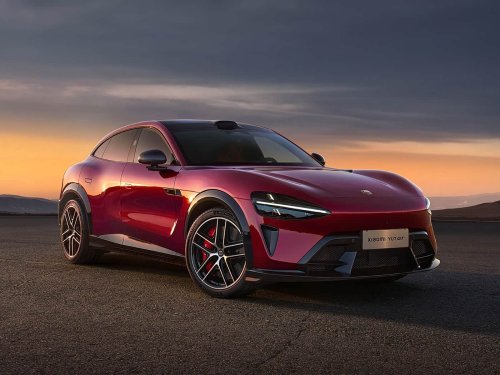
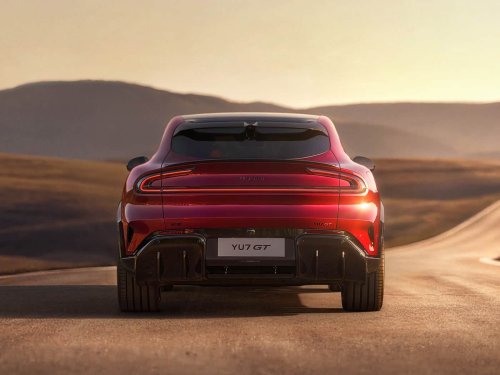
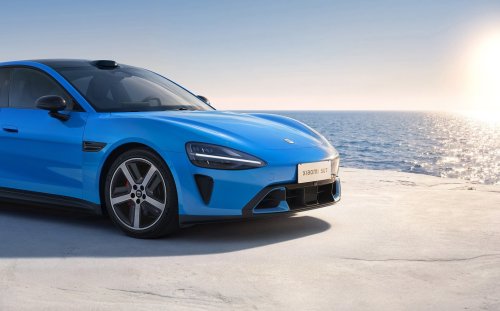
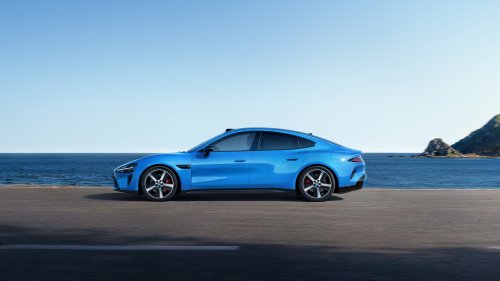
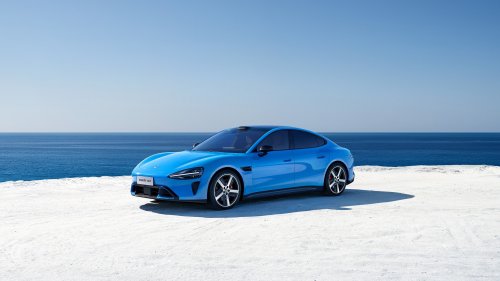
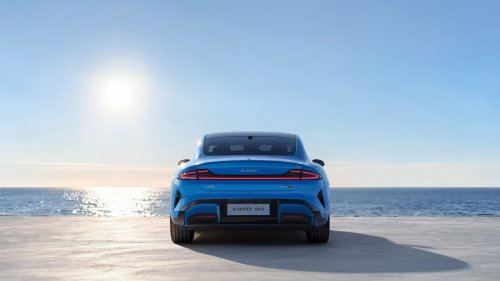
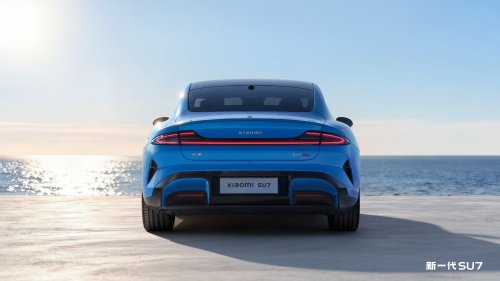
Xiaomi sold 80,856 electric vehicles across China in the first quarter. In the same period, its EV arm posted an operating loss of $457 million. That works out to about $5,600 lost on every electric vehicle it delivered. The headlines about Chinese EVs almost always lead with the prices, and for good reason, they’re often absurdly low. What gets buried is that most of the companies building these cars are often bleeding money on every one that leaves the factory. Xiaomi is the latest name to land in that column. The technology giant, often viewed as the Apple of China, spun up a smart EV and AI division a few years back with the express purpose of building cars. Two models are currently on sale: the SU7 sedan, which arrived to genuine acclaim, and the YU7 SUV. Both have found buyers in serious numbers. Xiaomi moved 80,856 vehicles across China in the first quarter alone. Read: Xiaomi’s 990 HP Family SUV Costs Less Than A Base Macan EV And Outguns The Turbo According to the company’s fillings seen by CarNewsChina, Xiaomi also generated 19.9 billion yuan or around $2.9 billion in revenue over the same period, yet posted an operating loss of 3.1 billion yuan ($457 million). This amounts to a loss of around $5,600 per car sold this year. From a financial perspective, things aren’t getting better for Xiaomi, and they’re actually getting worse. During the first three months of 2025, it sold 75,869 vehicles. Although this was down 6.6 percent from this year, the company’s losses were also much smaller, so much so that it only lost roughly $900 per vehicle sold. Losing Money As Quickly As Its Cars Accelerate One obvious lever is the average transaction price, which currently sits at just 235,000 yuan, around $34,600. Pushing more buyers into the higher-margin variants would change the math quickly. The new 990 hp YU7 GT opens at 389,900 yuan, or $57,300. The SU7 Ultra, the hypercar-baiting flagship, starts at 529,900 yuan, a hair over $78,000. Neither is a volume play, but every one sold drags the average up. Xiaomi posted particularly strong sales in April after a decline in February and March. Last month, it delivered 36,702 vehicles, significantly more than the 21,440 sold in March and the 20,414 sales reported in February. However, sales have yet to recover to the peak of 50,212 reached in December.



















 +42 others