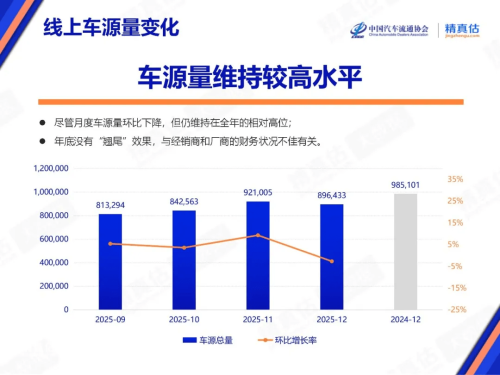
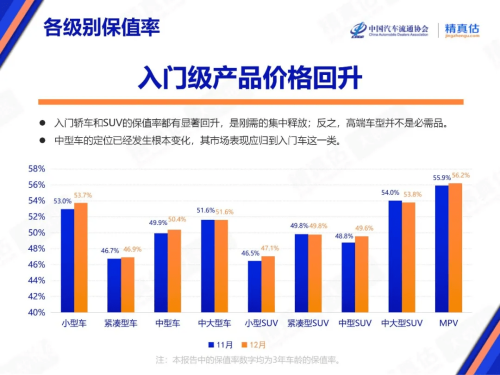
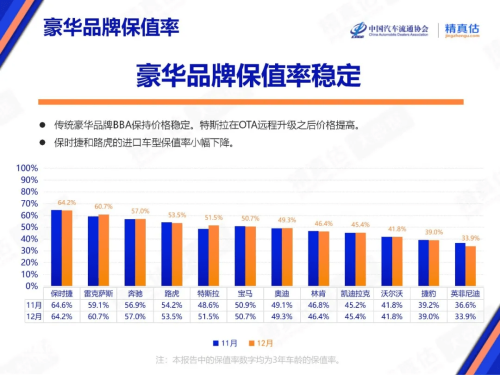
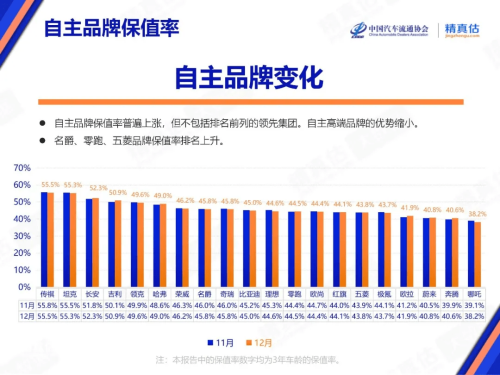
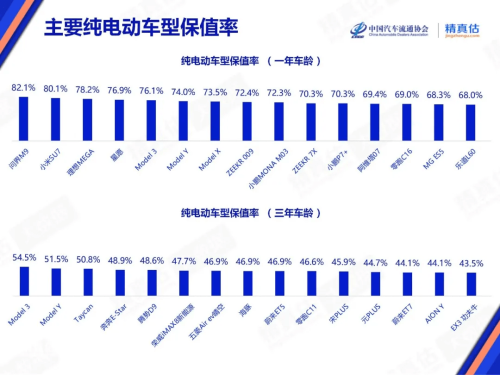
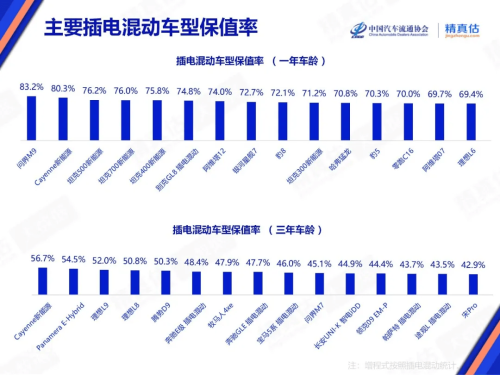
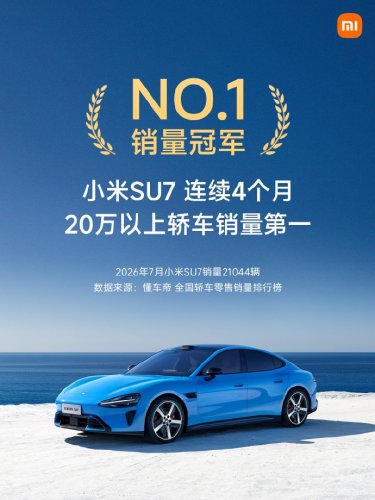
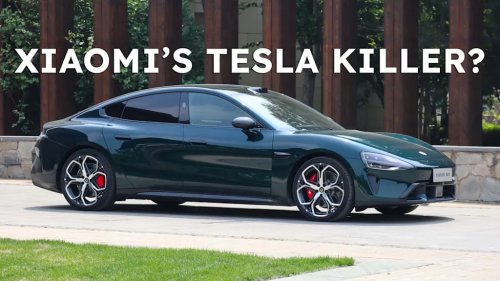
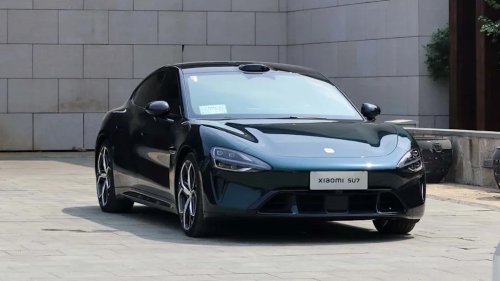
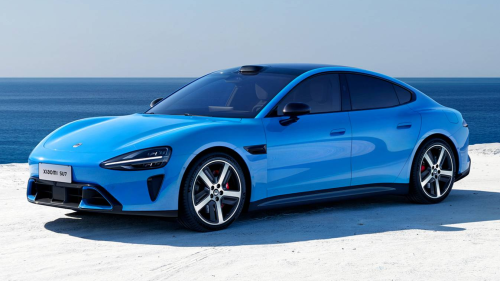
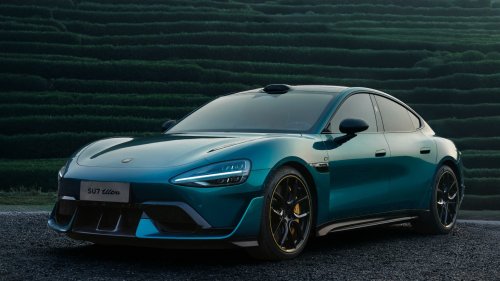
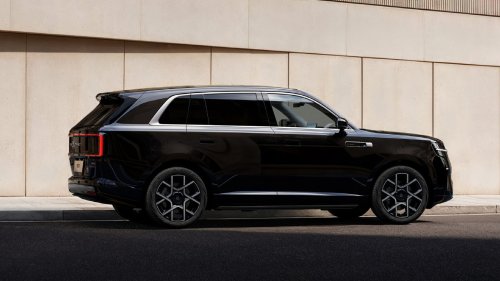
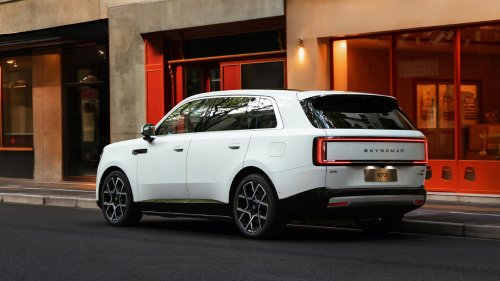
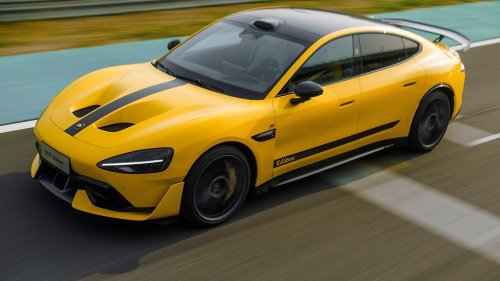
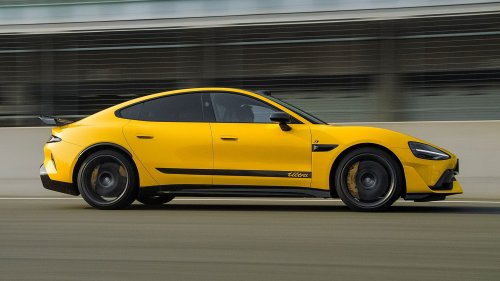
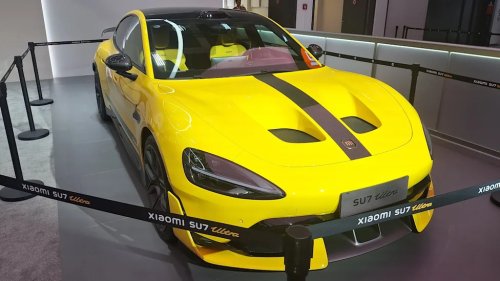
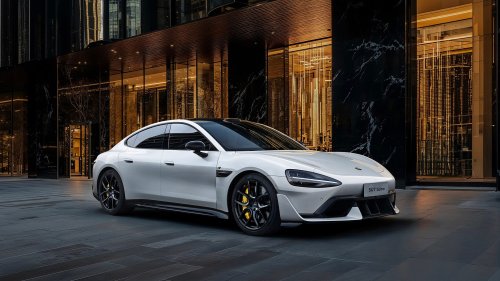
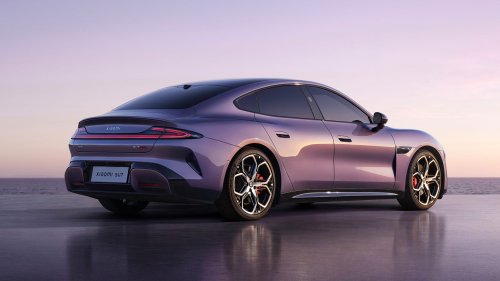
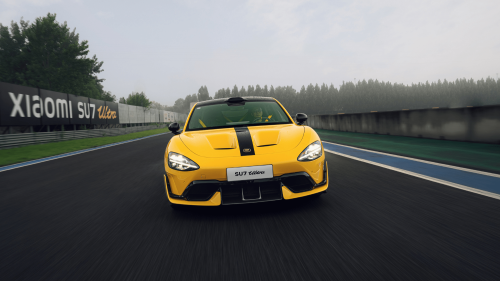
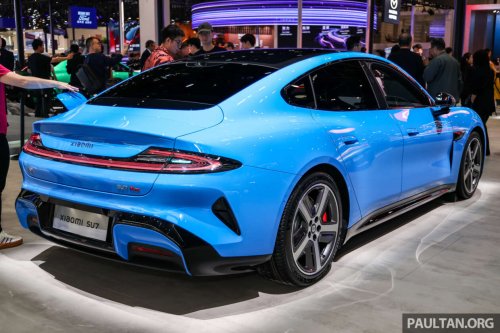
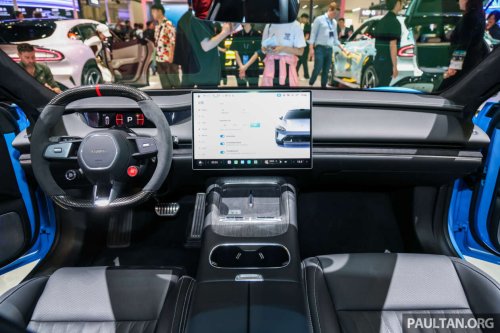
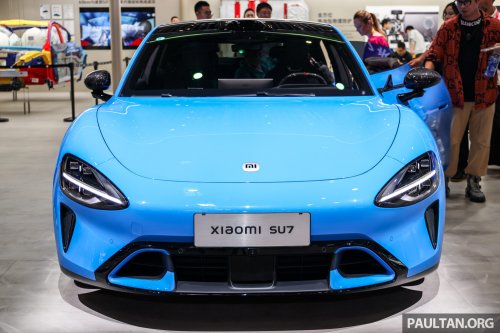
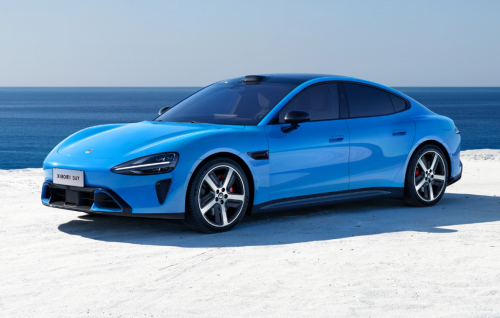
China’s used-car transaction volume reached 896,000 units in December, down 9% year-on-year and 2.7% month-on-month. Used-car retention rates in China improved in December, with new energy vehicles (NEVs) stabilizing after several months of decline, according to the China Automobile Value Retention Report (December 2025) jointly released on Jan. 5 by the China Automobile Dealers Association and Jinzhengu. Against a backdrop of cautious year-end market sentiment, the used-car market failed to deliver the traditional seasonal year-end sales surge. However, clearer signs of price repair emerged, particularly in the NEV segment. China’s used-car transaction volume reached 896,000 units in December, down 9% YoY and 2.7% MoM. While monthly vehicle supply declined, overall volume remained at a relatively high level for the year. China’s used-car transaction volume from September to December 2025 By vehicle segment, retention rates across most categories rebounded in December, reflecting the release of pent-up demand after prices stabilized. Small cars and mid-size SUVs recorded the most notable gains, with retention rates rising to 53.7% and 49.6%, respectively. Only mid-to-large SUVs saw a decline, falling to 53.8%, partly due to higher per-unit prices and weaker year-end replacement demand. Retention rates of different vehicle categories in November and December 2025 Among luxury brands, overall retention rates remained broadly stable. High transaction prices and slower turnover dampened year-end activity in the luxury used-car market. Porsche retained its top position, although its retention rate edged down to 64.2%. Mercedes-Benz and Audi posted modest gains, while imported models from Porsche and Land Rover saw slight pullbacks. Notably, Tesla’s retention rate rebounded to 51.5%, maintaining a relative advantage within the NEV segment. Retention rates of various luxury car brands in November and December 2025 Joint-venture brands showed a different performance pattern in the used-car market compared with new-vehicle sales. The report noted that the used-car market has, to some extent, acted as a buffer during the industry’s structural transition. As Chinese brands continue to expand market share in NEVs, Japanese and South Korean brands have begun to diverge more clearly. Toyota, Honda, and Kia posted retention rates of 56.1%, 55.3%, and 51.5%, respectively, remaining near the top of the rankings, while Nissan and Hyundai slipped to lower levels of 45.9% and 46.7%. Retention rates of various JV brands in November and December 2025 Chinese self-owned brands displayed a clear trend of overall recovery alongside structural divergence. Most brands recorded month-on-month increases in retention rates, signaling a broader restoration of market confidence. By tier, leading domestic brands such as GAC Trumpchi and Tank stabilized their core positions, with retention rates of 55.5% and 55.3%, respectively. MG, Leapmotor, and Wuling climbed in the rankings. Retention rates of Chinese self-owned brands in November and December 2025 NEV used-car retention rates rebounded in December after halting earlier declines. Battery electric vehicle retention rose to 42.4% from 41.3% in November, while plug-in hybrid models edged up to 42.7% from 42.4%. In the one-year-old battery electric vehicle rankings, domestic brands dominated. The AITO M9 posted a retention rate of 83.2%, overtaking the Xiaomi SU7 at 80.1% to claim first place, followed by the Li Auto MEGA, Geely Xingyuan, and the Tesla Model 3. In the three-year-old battery electric vehicle segment, Tesla continued to hold an advantage. The Model 3 ranked first with a retention rate of 54.5%, while the Model Y climbed to 51.5%, jumping from seventh place in the previous month to second. Retention rates of various BEVs over one-year and three-year periods in December In the PHEV segment, Chinese self-owned brands again took the lead, with SUVs accounting for a large share. The top three one-year-old models were the AITO M9, Porsche Cayenne E-Hybrid, and Tank 500 NEV, with retention rates of 83.2%, 80.3%, and 76.2%, respectively. In the three-year-old PHEV rankings, the Porsche Cayenne E-Hybrid, Panamera E-Hybrid, and Li Auto L9 topped the list, with retention rates of 56.7%, 54.5%, and 52.0%. Retention rates of various PHEVs over one-year and three-year periods in December Overall, the rebound in NEV used-car prices was driven by two main factors. First, year-end market activity slowed, dampening consumer transaction appetite and reducing dealers’ willingness to cut prices aggressively. Second, pricing in the new-car market stabilized, with anti-price-war dynamics beginning to transmit to the used-car segment. As the new standard for EV energy consumption is rolled out this year, the pace of new-model upgrades is accelerating, reshaping used-car purchase decisions and potentially widening disparities in retention rates.