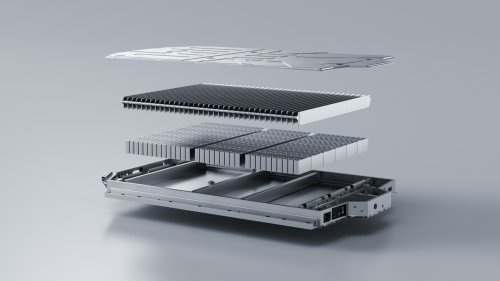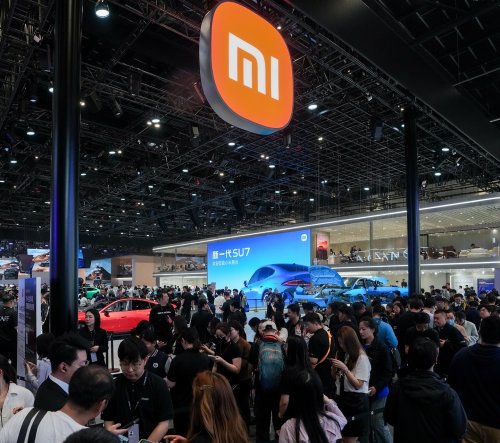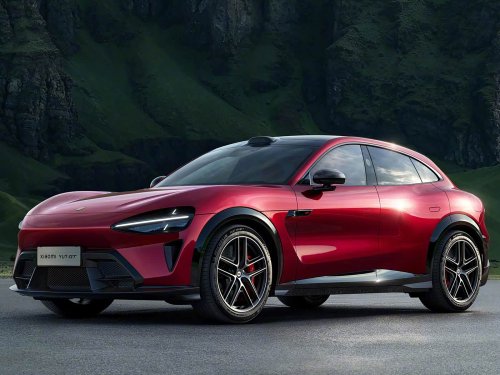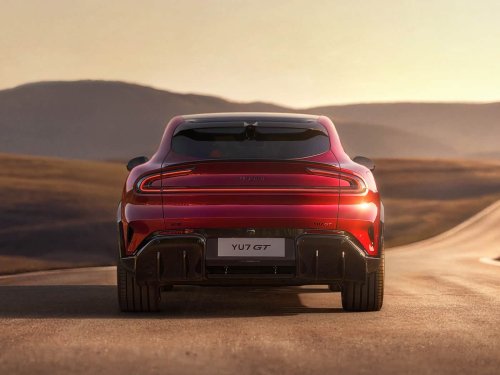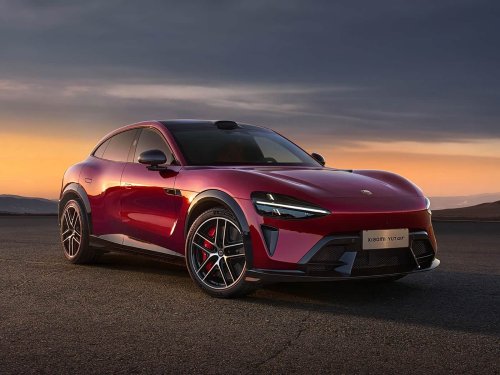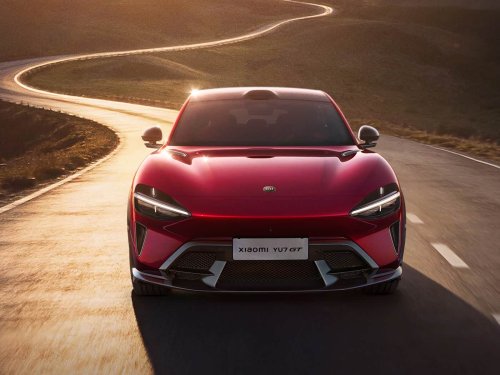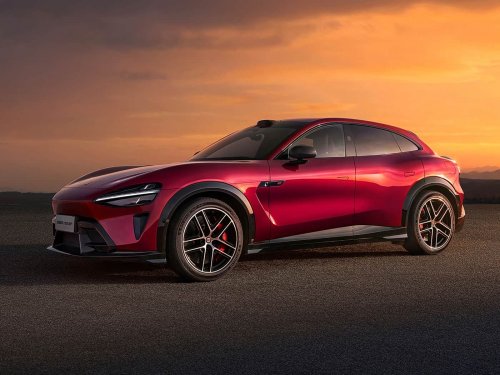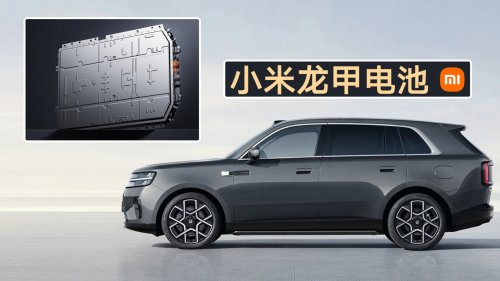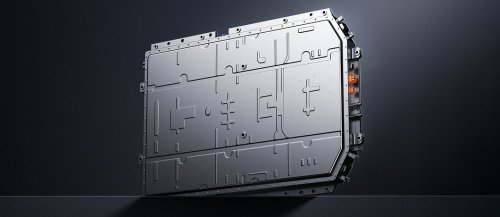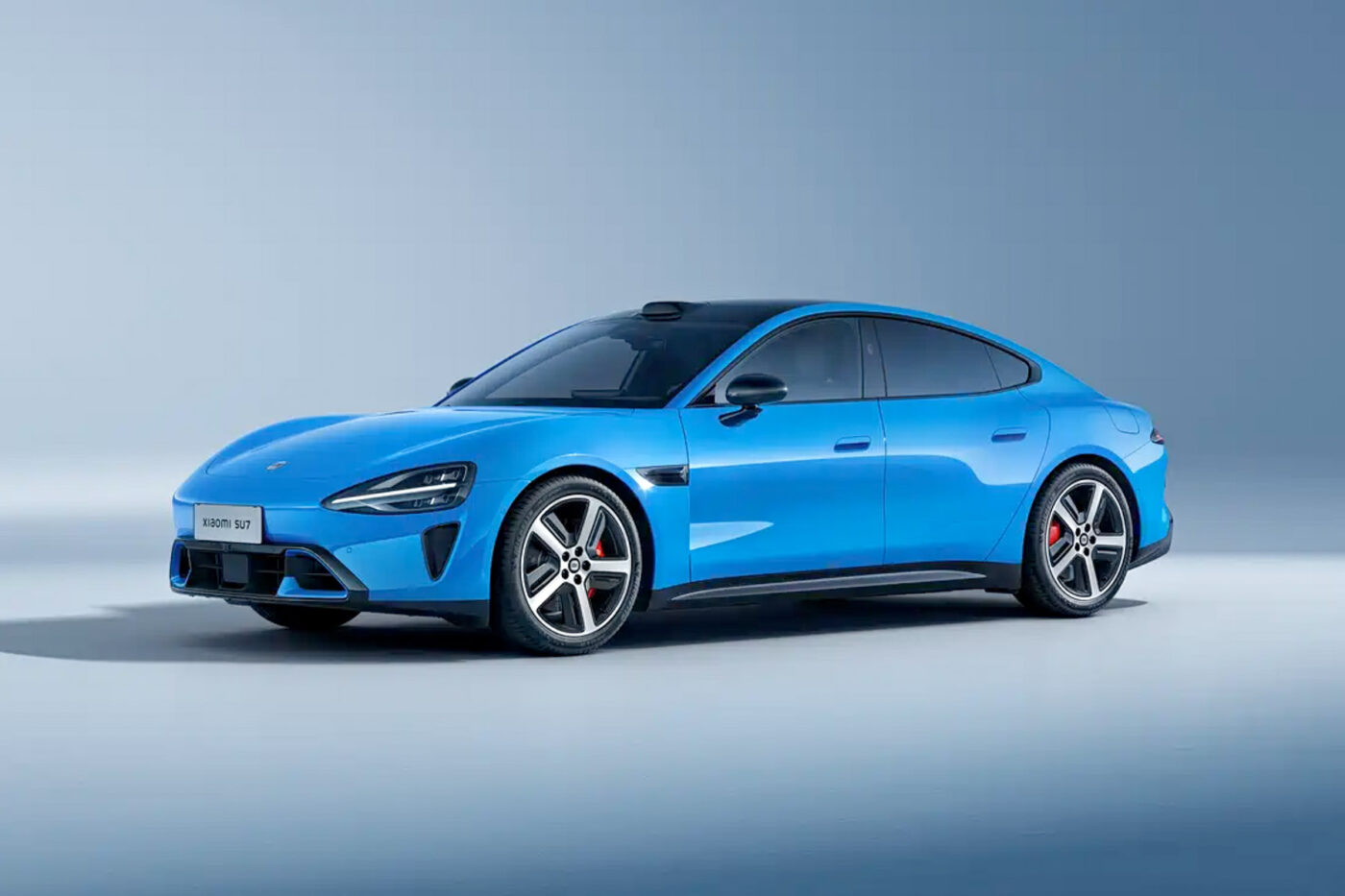





















Image: XiaomiSeveral Chinese portals, citing the information service provider Tianyancha, report that the new subsidiary, called Beijing Xiaomi Jingxu Technology, was officially established on 30 April with registered capital of 10 million RMB (approximately 1.26 million euros). The company’s business scope includes core electric vehicle components, such as batteries, electric motors, and electronic control systems. According to ownership structure details, the company is indirectly 100% owned by Xiaomi Intelligent Technology.Until now, Xiaomi has relied on suppliers for batteries, with whom it collaborated on development. In the battery sector, this collaboration has resulted in the so-called CTP3.0 battery pack with CATL and an LFP battery solution with BYD Fudi. In the motor sector, Xiaomi has already independently developed electric powertrains (HyperEngine V8s and V6s). With the establishment of the subsidiary, Xiaomi aims to become even more independent in the supply chain for key technologies.Regarding Xiaomi’s battery production, Chinese media report that a plant with a planned annual output of 15 GWh is expected to commence production later this year. However, Xiaomi is not undertaking this project alone—unsurprisingly, given the necessary lead time. As the portal ChinaEVHome reports, this factory is a joint project by Shidai BAIC New Energy Technology, a joint venture involving CATL, BAIC, Jingneng, and Xiaomi Auto. The site is located close to Xiaomi’s plant in Yizhuang. However, media reports do not specify which battery components—cells, modules, or packs—will be manufactured there.Regardless, the new subsidiary marks another strategic milestone for Xiaomi. The Chinese electronics manufacturer’s automotive division is growing rapidly and has achieved profitability in record time. Less than two years after the launch of its first model, the SU7, Xiaomi reported in March an EBIT profit of over 110 million euros for its electric vehicle division for the 2025 financial year. For 2026, Xiaomi Auto has set a delivery target of 550,000 units. However, as of 1 May, only around 20% of this annual target had been achieved. With additional models like the YU7 GT and SU7L still in the pipeline for 2026, sales are expected to rise significantly.chinaevhome.com, news.metal.com, autonews.gasgoo.com