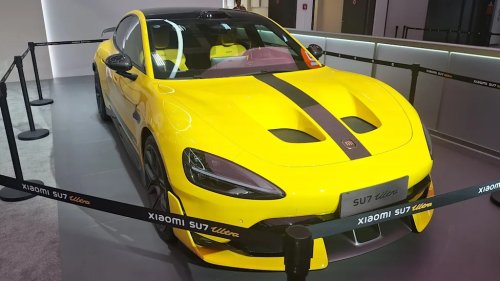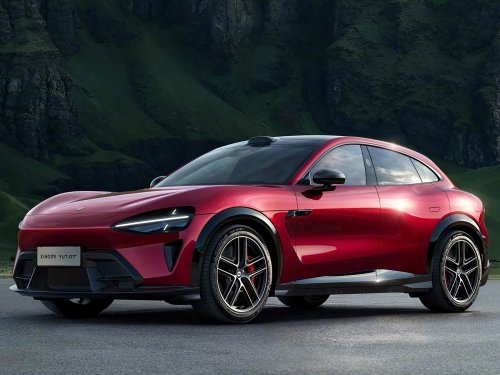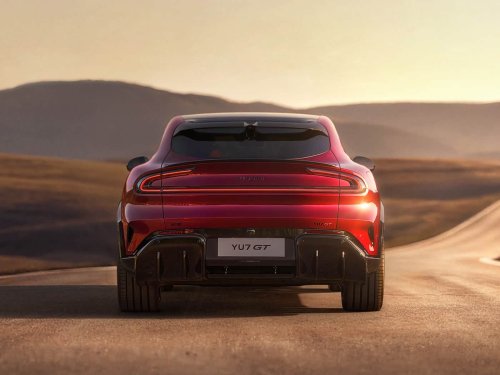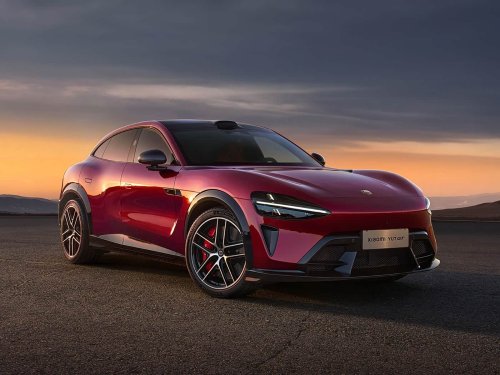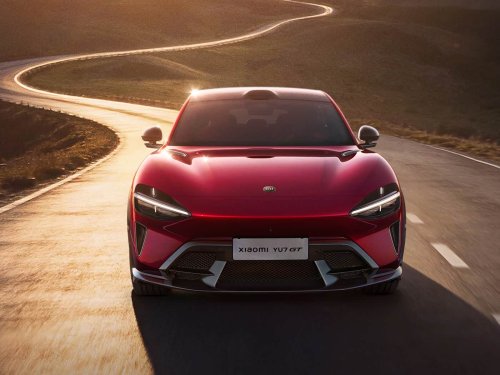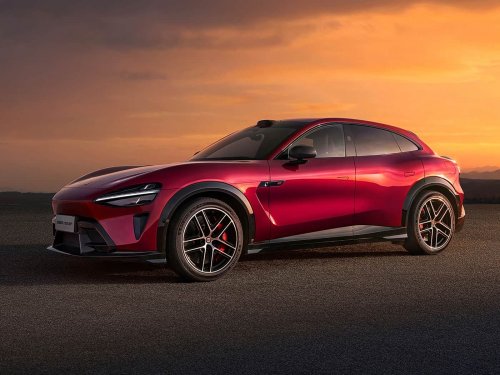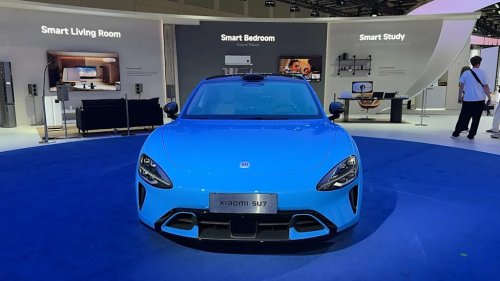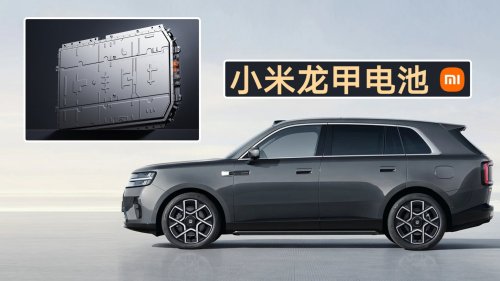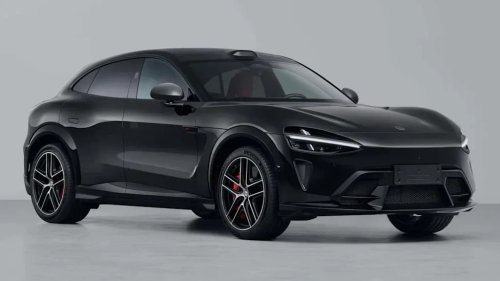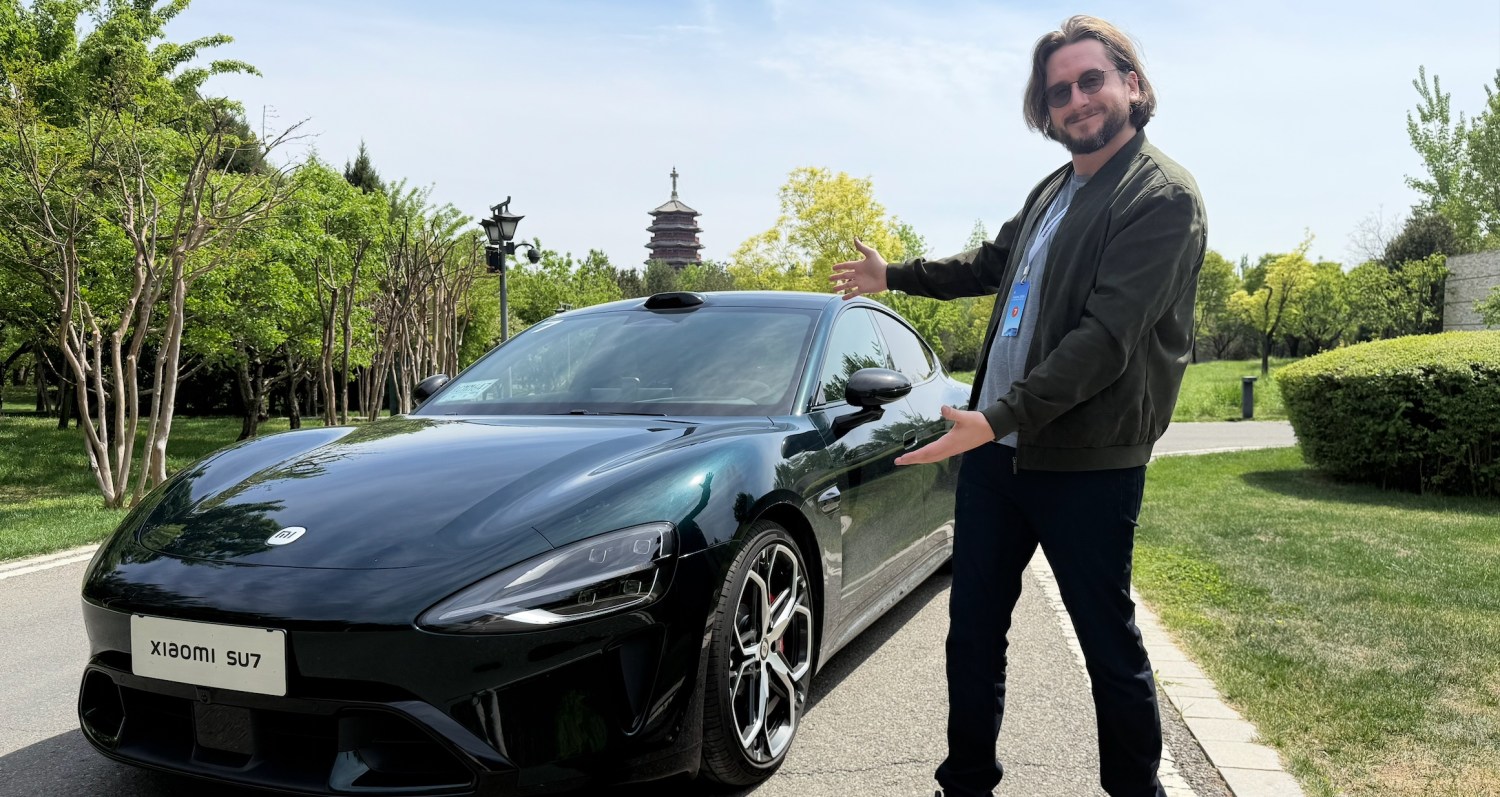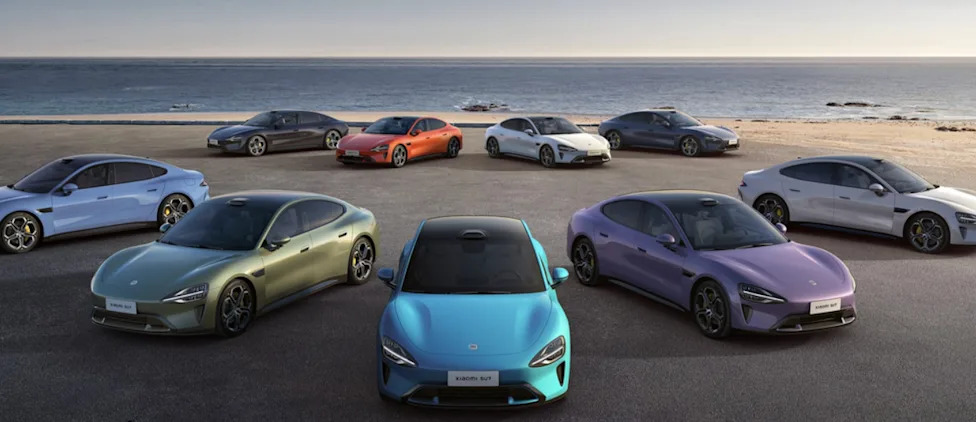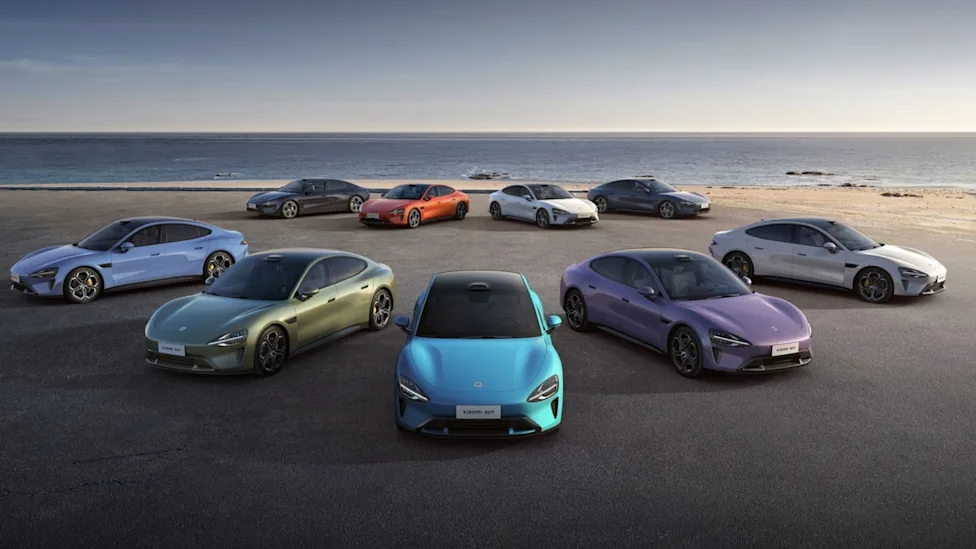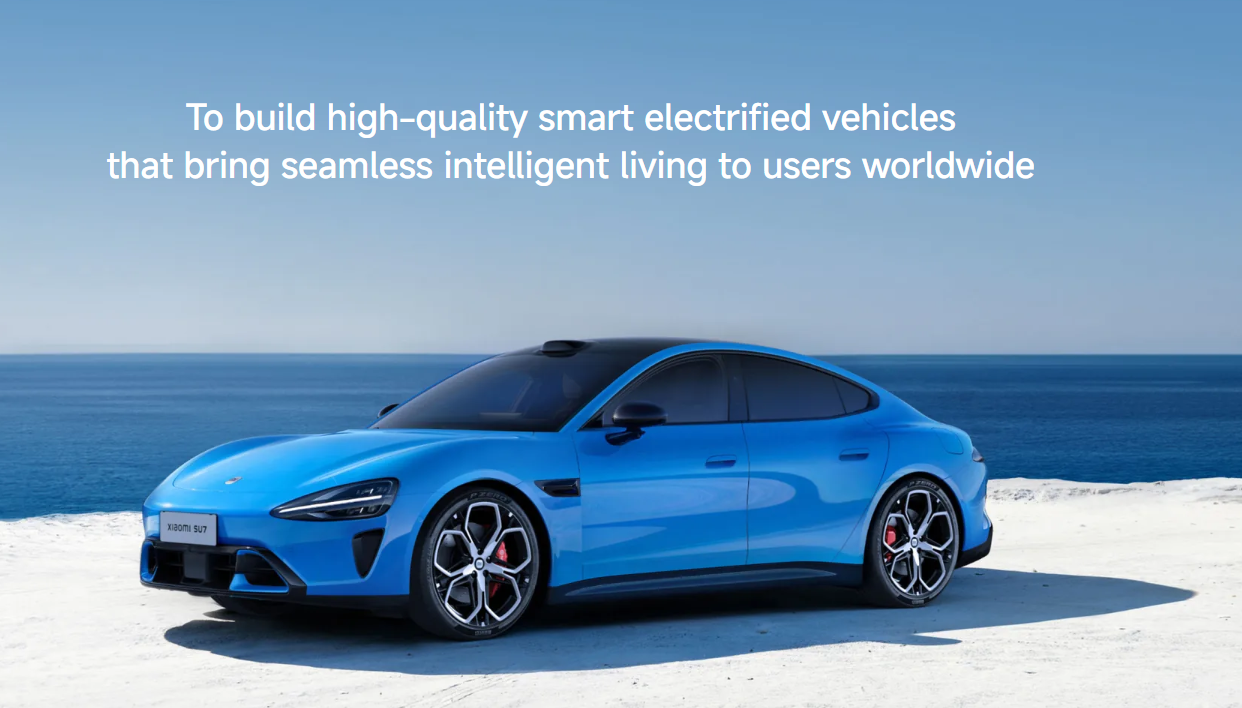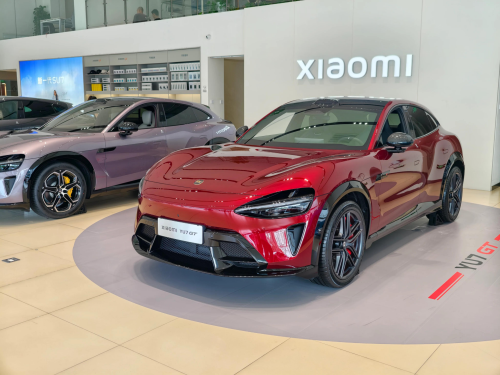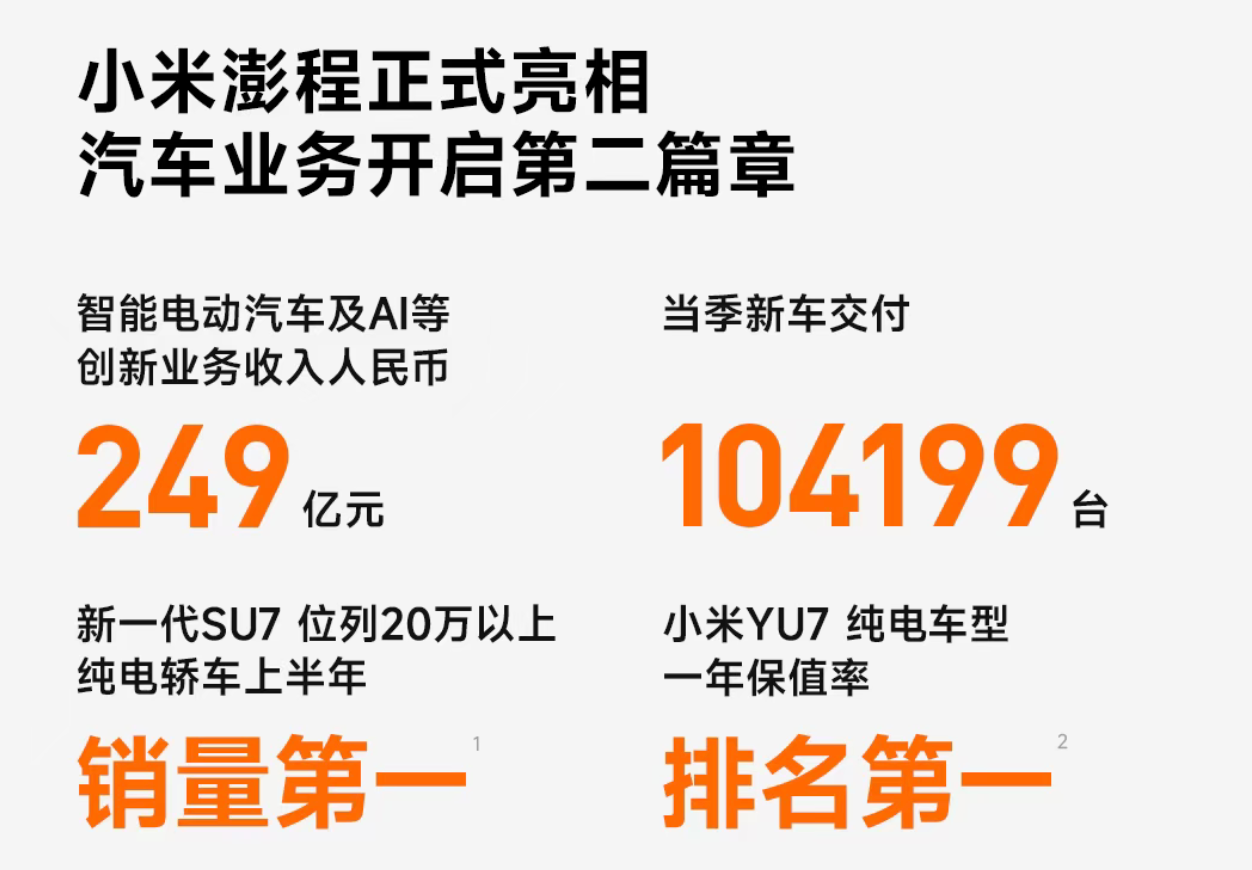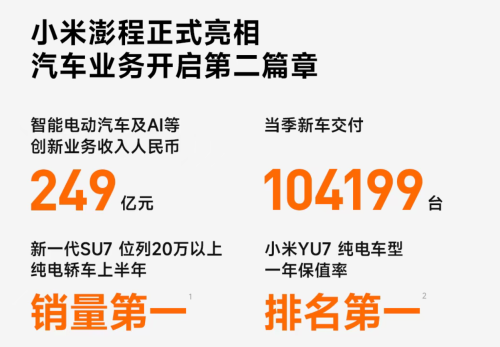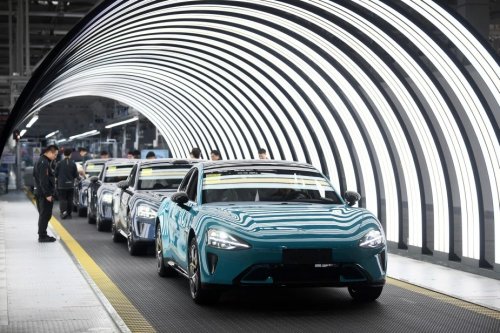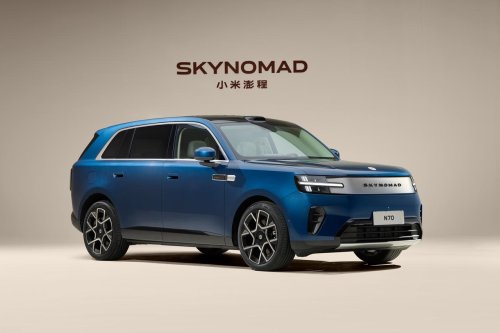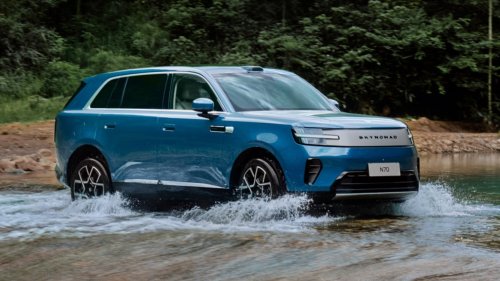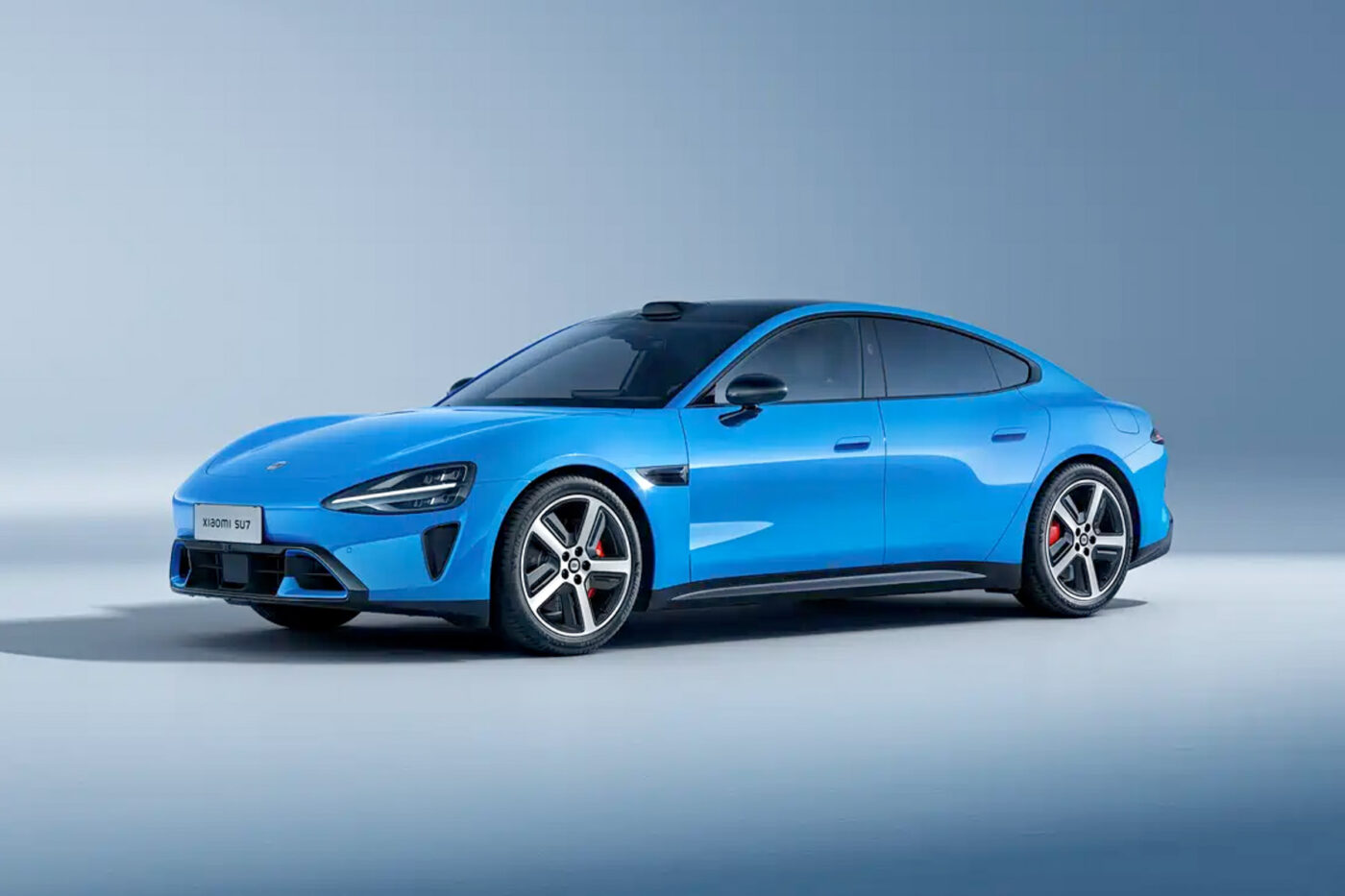



















Image: XiaomiXiaomi’s electric vehicle business is only two years old, yet the division again posted strong figures in the first quarter of 2026. The company delivered 80,856 vehicles, an increase of 6.6 per cent year-on-year. Xiaomi achieved this with just two models on the market: the recently updated first model, the SU7, and the YU7, introduced in summer 2025. By the end of 2025, Xiaomi had already delivered 411,082 vehicles, bringing the cumulative total to nearly 500,000 vehicles by the end of March 2026.Xiaomi reports its EV business under the segment ‘Smart EV, AI and other new initiatives’ in its financial reports. In practice, however, this segment is almost entirely driven by vehicle sales. Revenue grew almost in parallel with delivery figures, increasing by 6.9 per cent year-on-year to 19.9 billion yuan (approximately 2.5 billion euros). Of this, 19.0 billion yuan came directly from EV sales, while the remaining 0.9 billion yuan was generated through after-sales services and other sources.After recording its first profit in Q3 and Q4 2025, Xiaomi’s EV division returned to losses in Q1 2026, a quarter characterised by lower sales. The two preceding quarters had each seen over 100,000 vehicles delivered. This time, the segment reported an operating loss of 3.1 billion yuan (approximately 400 million euros).The gross margin for the EV division stood at 20.1 per cent (Q1 2025: 23.2 percent). Xiaomi attributes the decline to lower delivery volumes of the high-end model Xiaomi SU7 Ultra, company subsidies for vehicle purchase tax in China, and rising prices for key components.Xiaomi considers itself well-positioned for the future in the EV sector. By the end of March, the company already operated 490 EV sales outlets across 143 cities in China. The expanded portfolio of electric vehicles, including the new base and high-end variants of the Xiaomi YU7, is expected to contribute to further success.carnewschina.com, mi.com (PDF quarterly report)