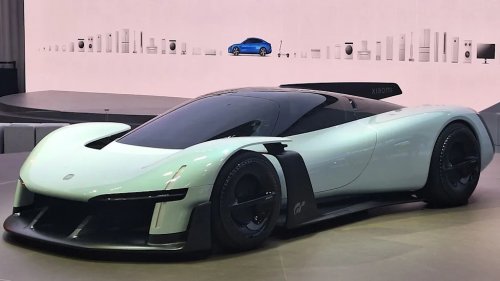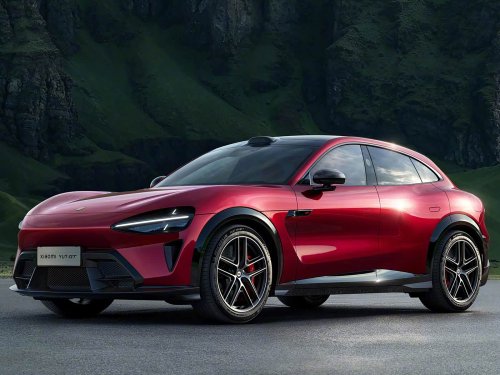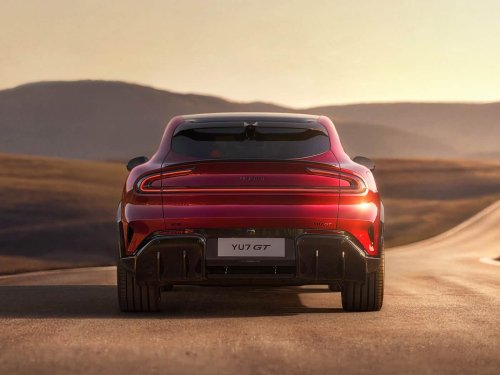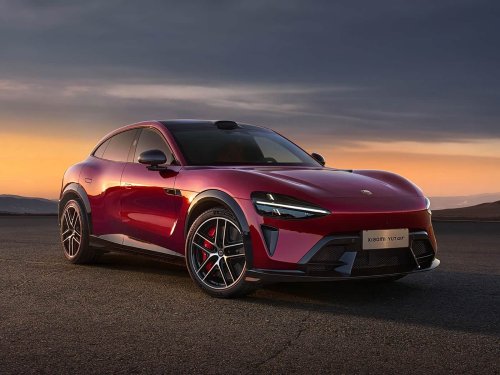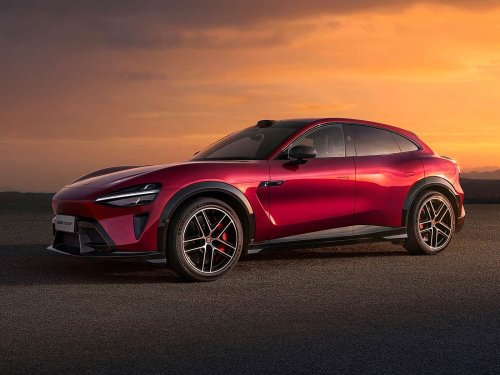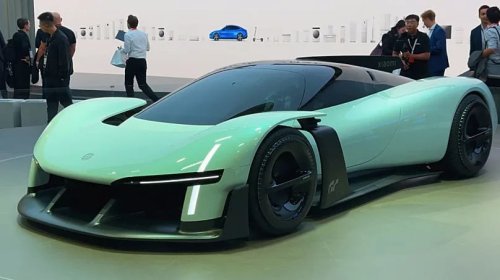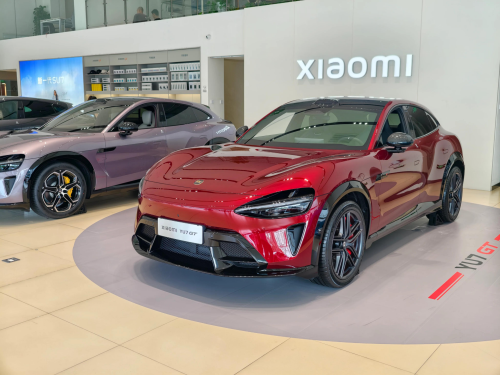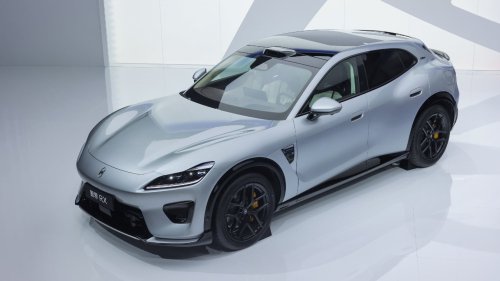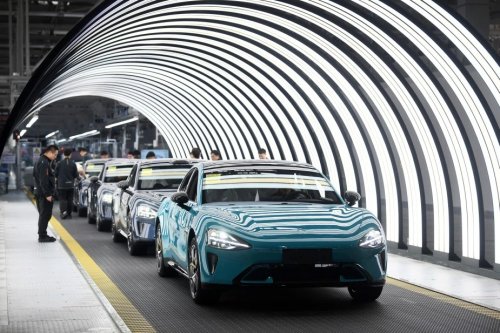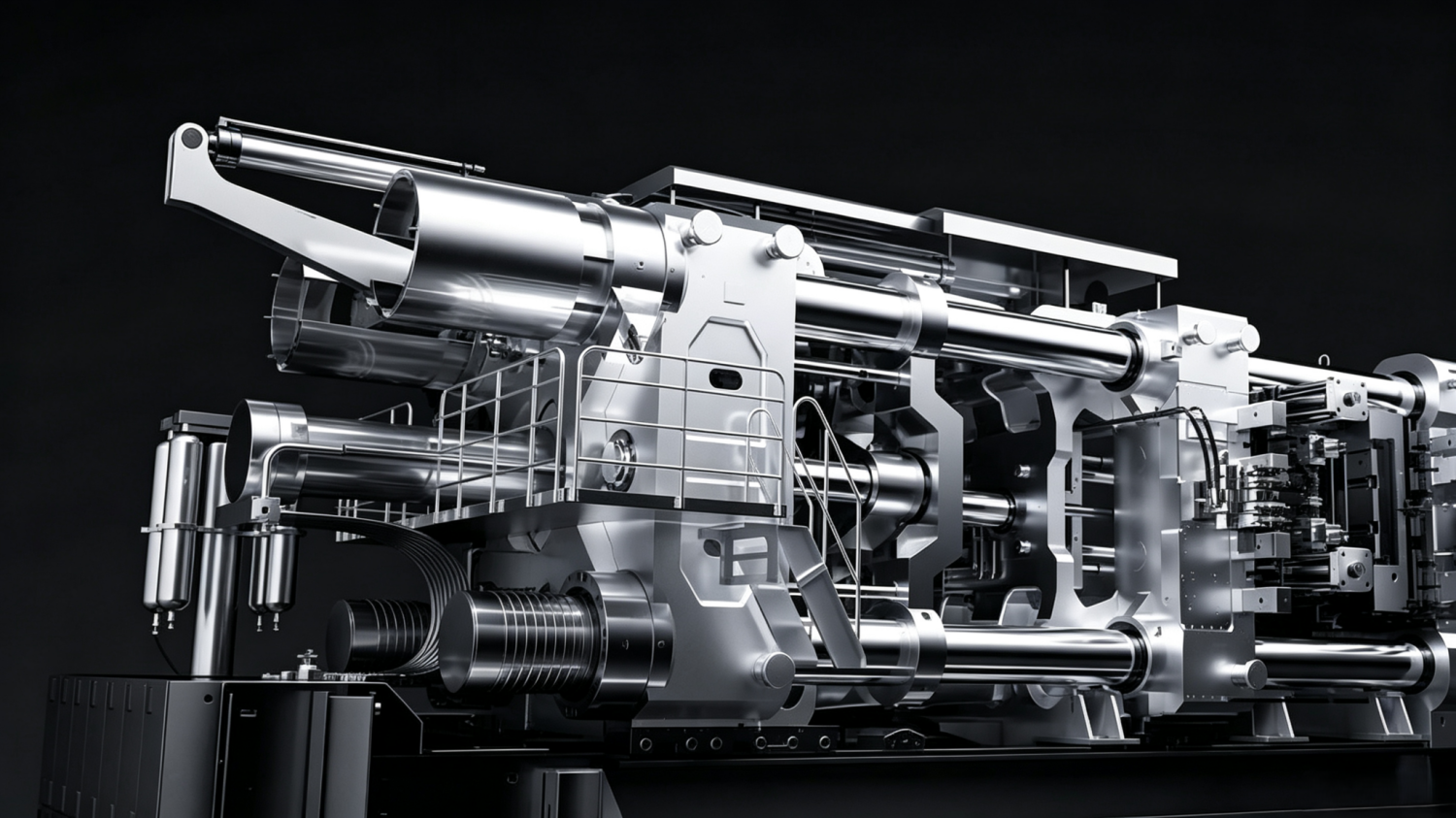



















Xiaomi introduced Titan Alloy 2.0 utilizing 100% recycled aluminum for integrated die-cast automotive rear floors. Credit: Xiaomi Understand China EV’s Market Real-time notifications when critical EV data is released All important data in one place 2,000,000+ data points Become a member Xiaomi Auto has officially launched its proprietary Titan Alloy 2.0 manufacturing material. The domestic EV manufacturer confirmed that the new formulation achieves a 100% recycled-aluminium composition for automotive structural applications. The material represents the first domestic deployment of fully recycled alloys inside mass-produced integrated die-cast rear floor assemblies. This technology eliminates reliance on virgin metal in high-stress automotive structural safety zones. The specialised alloy registers a certified carbon emission value of 1.1 kgCO₂e/kg. This rating represents a 93% reduction in manufacturing carbon output compared to traditional primary aluminium. Independent auditors at the IVL Swedish Environmental Research Institute verified the low-carbon metrics. The structural material has been officially registered in the international EPD system. Metallurgy and testing The production process involves a specialised six-step manufacturing sequence. Raw material undergoes a five-stage preprocessing phase, followed by smelting and fine-tuning of composition. The resulting alloy ingots are fed directly into automated gigacasting assembly lines to ensure mechanical performance, verified through internal X-ray diagnostics. A technical verification committee organised by the China Machinery Industry Federation validated the casting’s structural integrity. This manufacturing transition occurs alongside broader portfolio expansions, including the previously leaked design for a two-door electric sports car. The material formulation handles structural safety parameters dynamically during vehicle operation. Trade and regulation Deploying low-carbon structural castings reduces carbon emissions by approximately 800 kg per vehicle. This environmental optimisation directly alters the carbon profile of cars entering the international marketplace. The European Union is implementing its Carbon Border Adjustment Mechanism to tax imported vehicles based on lifecycle environmental metrics. This compliance footprint changes the regulatory position of future export variants such as the Xiaomi YU7 GT electric SUV. Volume and projections Internal company projections estimate an annual production rate of 550,000 vehicles for the next-generation model platform. Reaching this capacity reduces carbon dioxide emissions by approximately 450,000 tons annually across the assembly network. This output framework aligns with the brand’s ongoing scaling requirements as production pipelines expand. China EV DataTracker data from May 2026 shows the Xiaomi SU7 secured 24,023 sales, representing a 10.4% month-over-month decline and a 14.2% year-over-year decline while holding a 73.3% brand share. Concurrently, the newly launched Xiaomi YU7 logged 8,736 deliveries, accounting for 26.7% of the monthly volume.