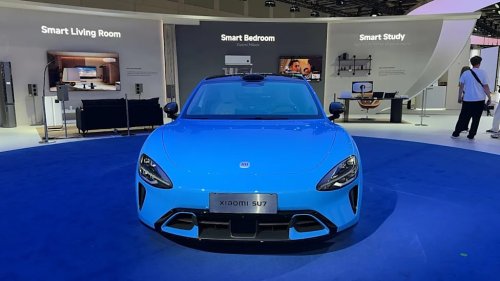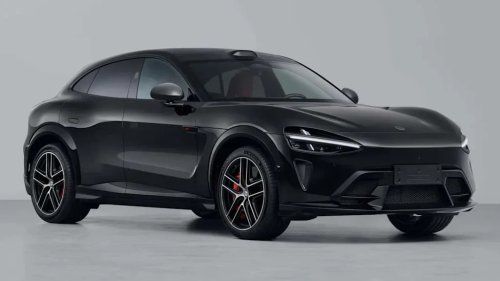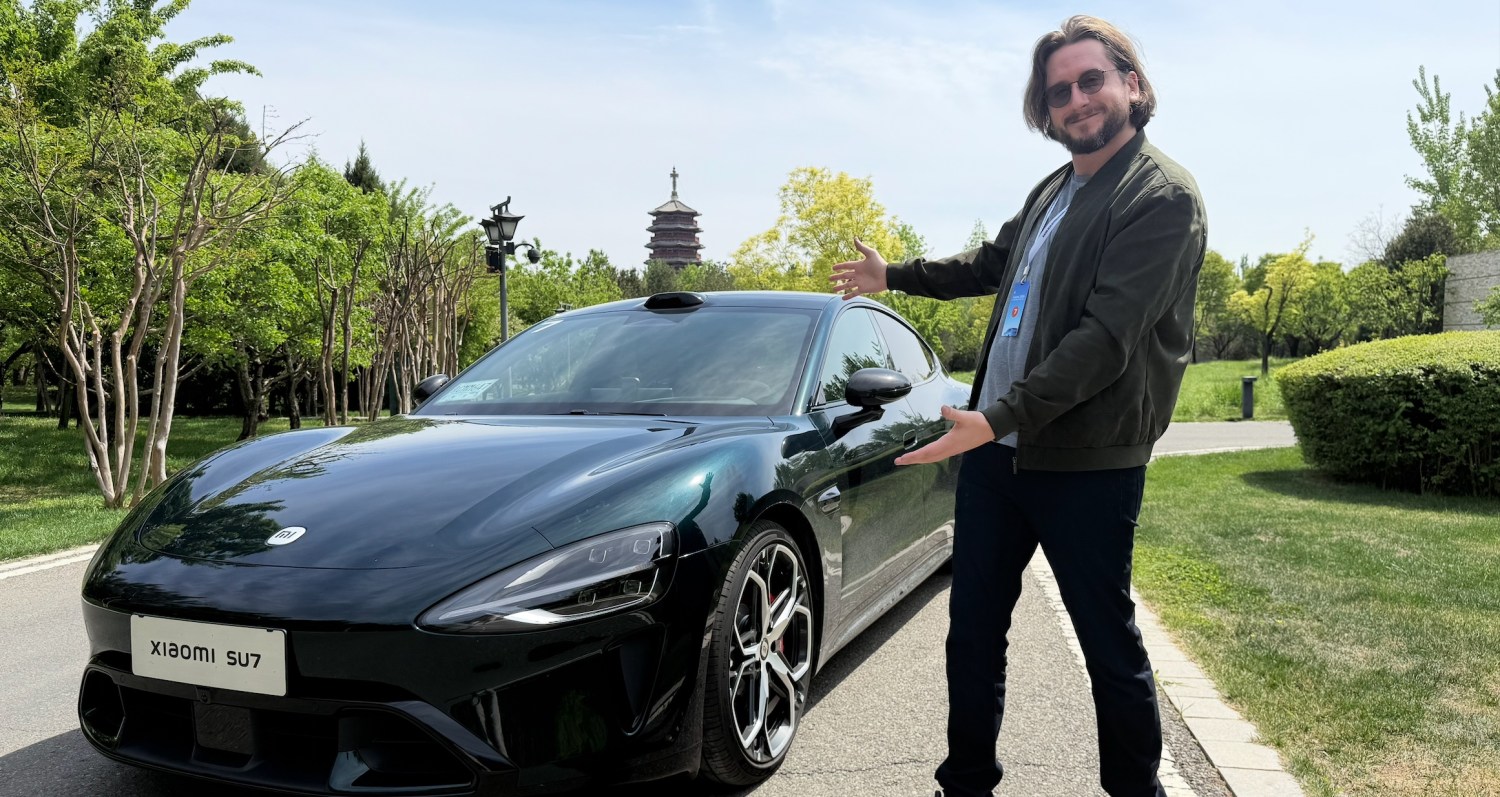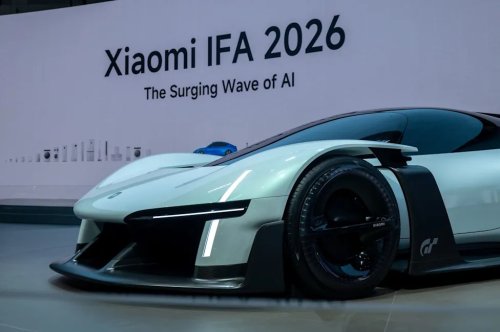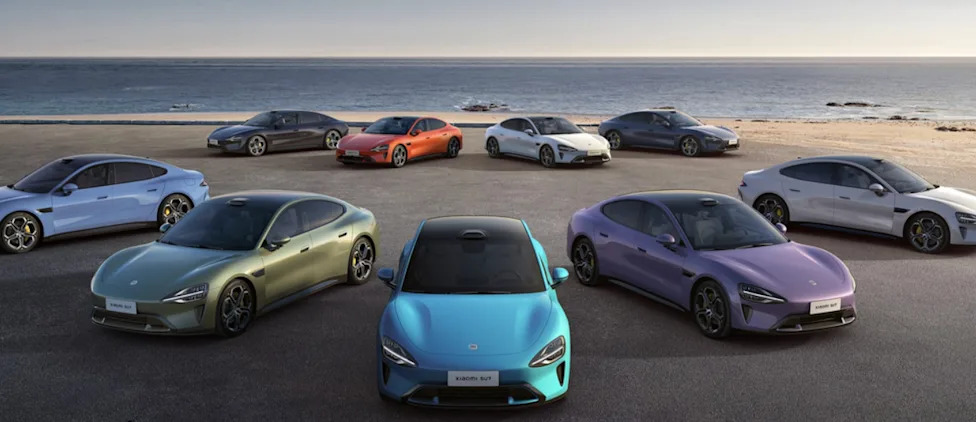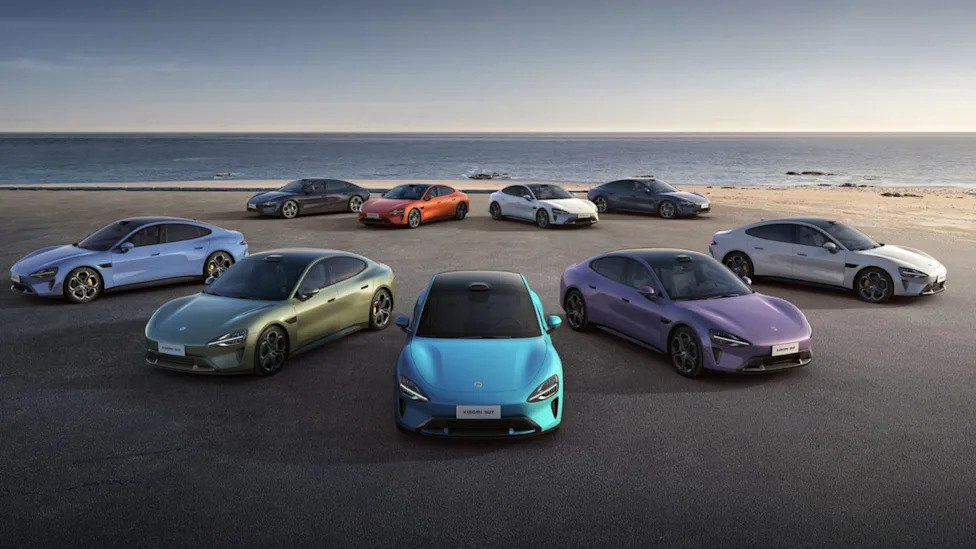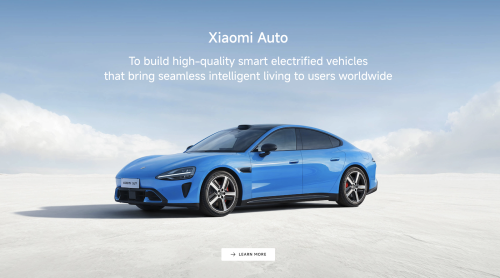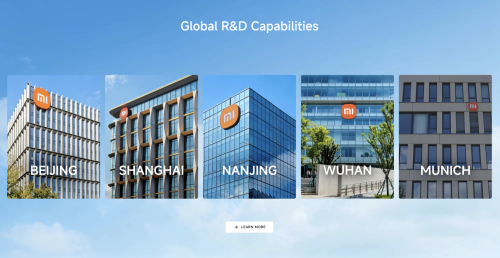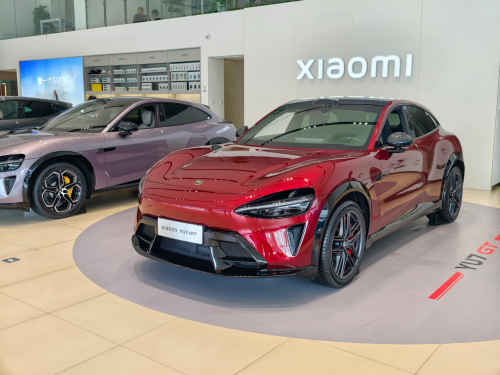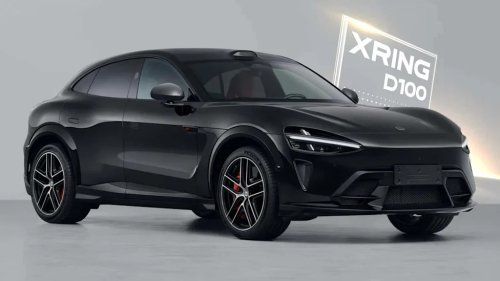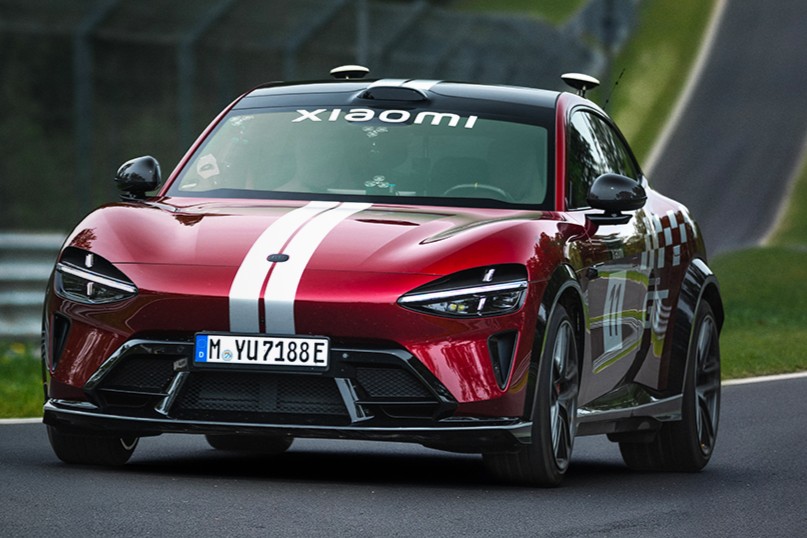



















Image: XiaomiTo call this a record-breaking run might be somewhat of an overstatement in the case of the autonomous Xiaomi YU7 GT. As the operator of the racetrack notes, this was the first time in the history of the Nürburgring that a fully autonomous vehicle completed an officially timed lap of the Nordschleife. As a result, the car now holds the record in the newly established category for autonomous battery-electric vehicles – though this is currently due to a lack of competitors.The high-performance battery-electric version of the SUV, which was only unveiled in May and additionally equipped with Xiaomi’s Track Package, completed the 20.8-kilometre lap autonomously in 10:29.483 minutes. The average speed of the driverless lap by the Xiaomi YU7 GT was approximately 118.96 km/h. During the challenge, Xiaomi YU7 GT autonomously completed all driving tasks across the Nordschleife’s 73 corners, approximately 300 meters of elevation change, and a wide range of complex, continuously changing road surface conditions.The lap demonstrates what is already possible with today’s technology – namely, completing a fully autonomous drive on a racetrack. However, it also highlights that the artificial intelligence of Xiaomi’s autonomous driving system does not yet push the limits in the same way a professional racing driver would. Just weeks earlier, Belgian racing driver Vincent Radermecker had lapped the same Xiaomi YU7 GT with the Track Package in 7:22.755 minutes. In other words, Radermecker was over three minutes faster than the autonomous Xiaomi.It remains unclear how much preparation was required for the autonomous lap of the Nürburgring. Typically, to undertake such a project, the track must first be mapped using the vehicle itself or a model with identical technology. What is clear is that, while the chassis and bodywork are those of a standard Xiaomi YU7 GT, the car was enhanced with autonomous driving technology not yet available to customers. Thus, it is effectively a prototype.Through the Nürburgring autonomous driving project, Xiaomi is collecting valuable data and system feedback under extreme operating conditions. This supports the continuous improvement of vehicle dynamics modelling, control strategy optimisation, and safety redundancy mechanisms, according to the company.Currently, Xiaomi’s EVs – including the YU7 battery-electric SUV and the SU7 battery-electric saloon – are only available in China. However, Xiaomi plans to start selling its vehicles in Germany and Europe in 2027. Likely to protect its official launch, Xiaomi is currently taking targeted action against grey imports of its vehicles by platforms such as Autohelden. “An application for an EU-wide border seizure will be made in the near future for the import of all unauthorised vehicles,” a spokesperson stated last week. To prepare its vehicles for the European market – among other reasons – Xiaomi has been operating an EV research and development centre in Munich since September 2025mi.com