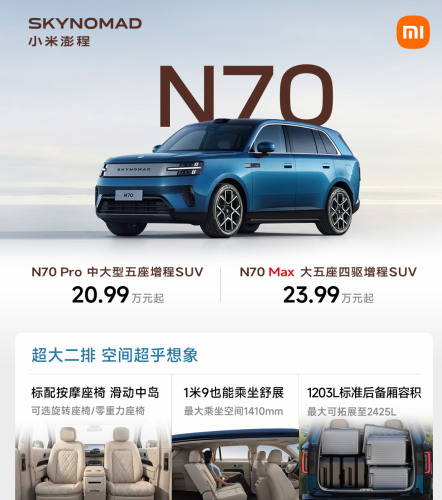
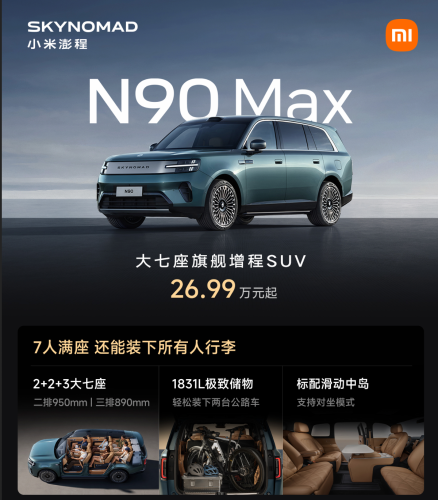
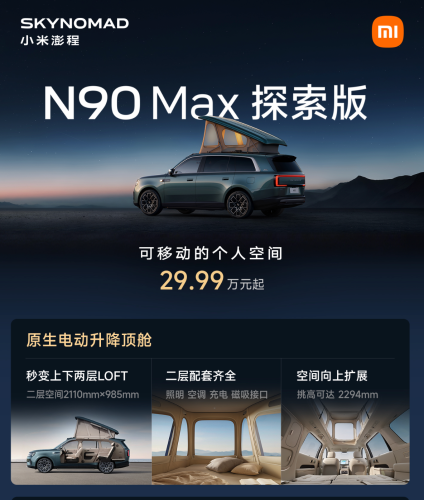
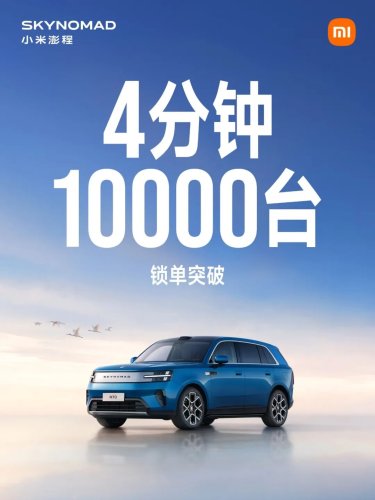
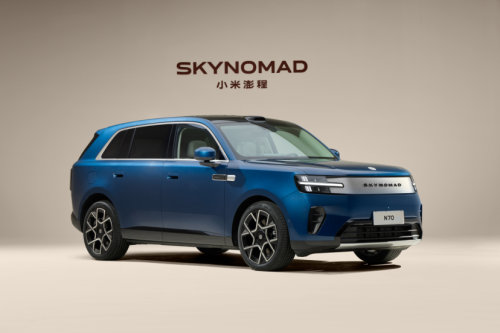
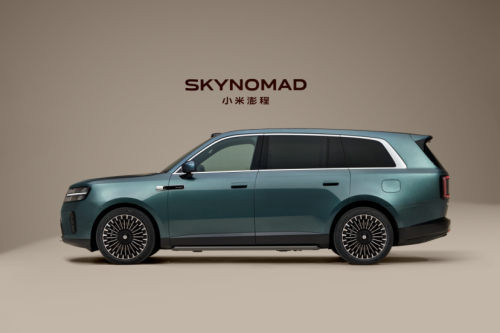
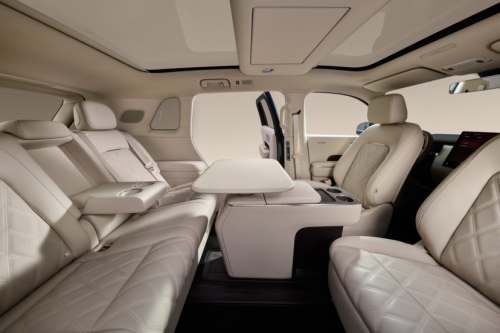
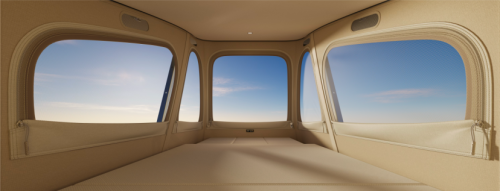
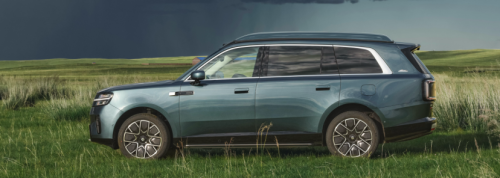
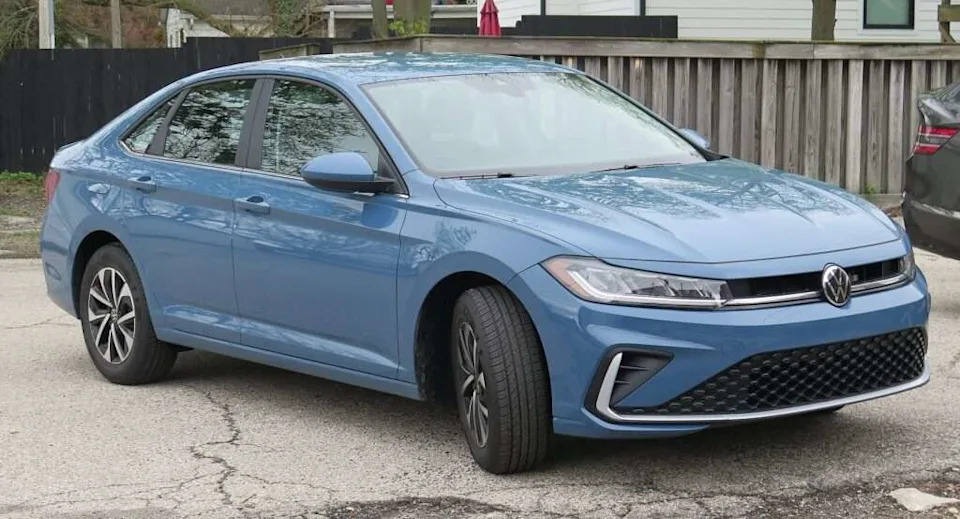
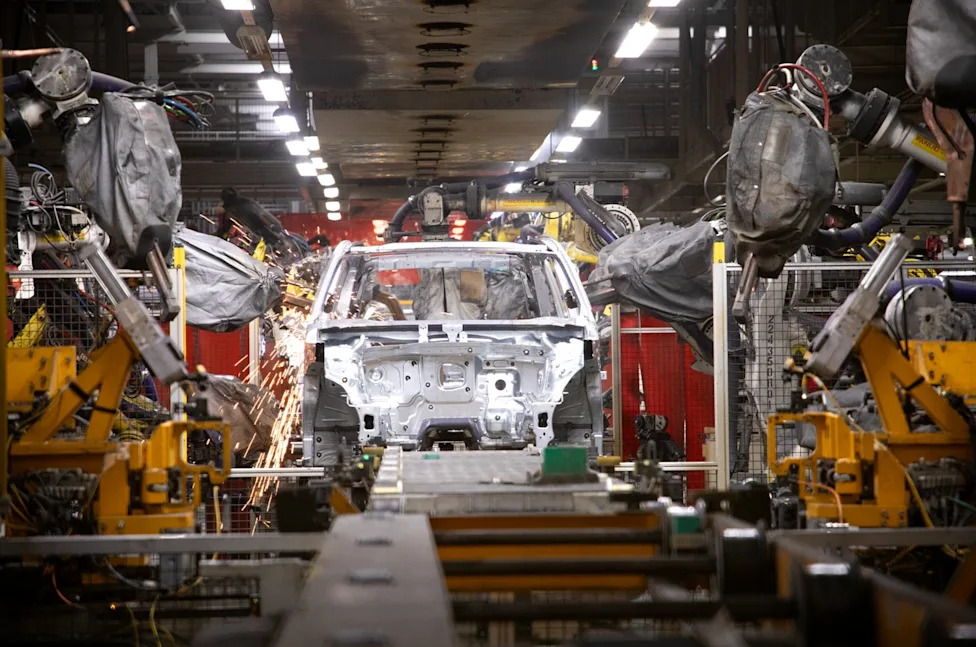
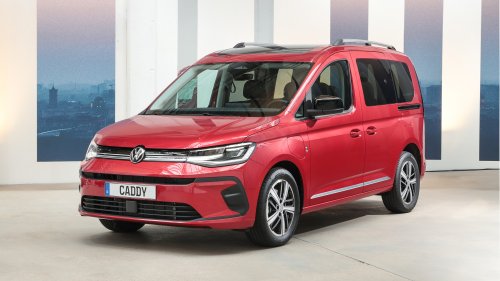
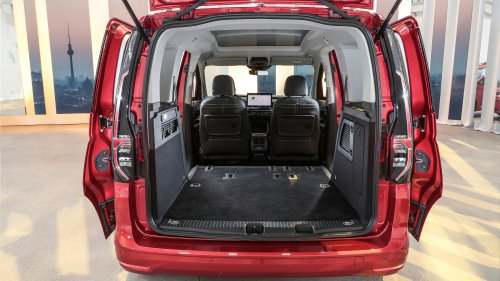
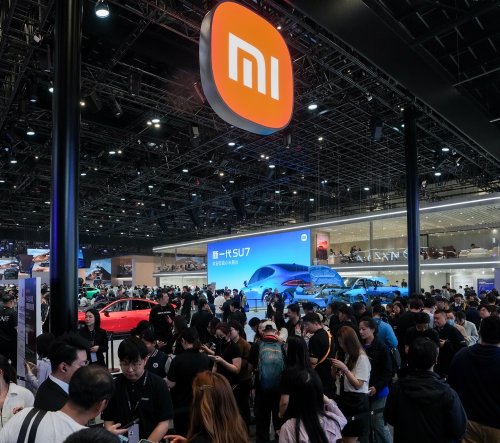
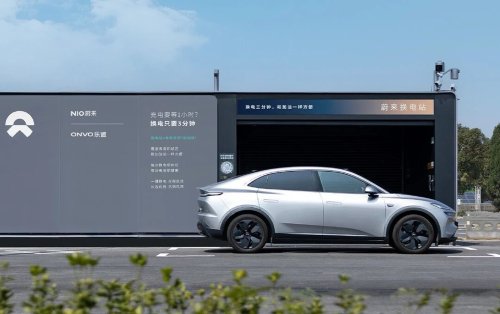
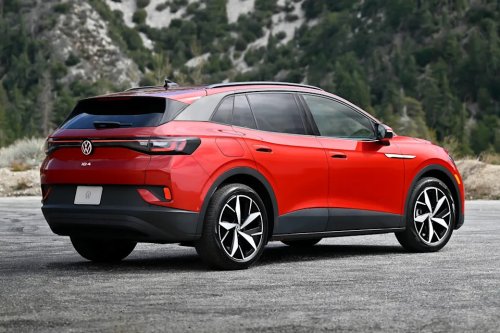
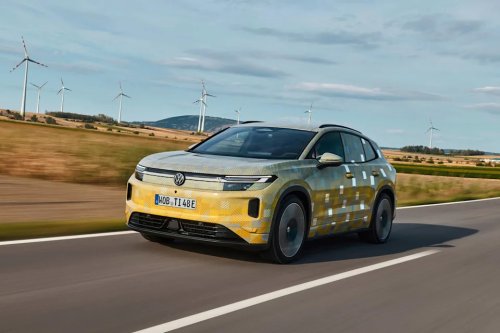
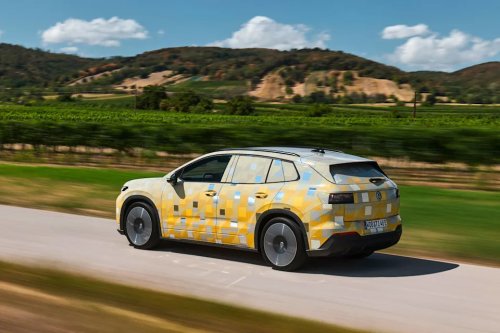
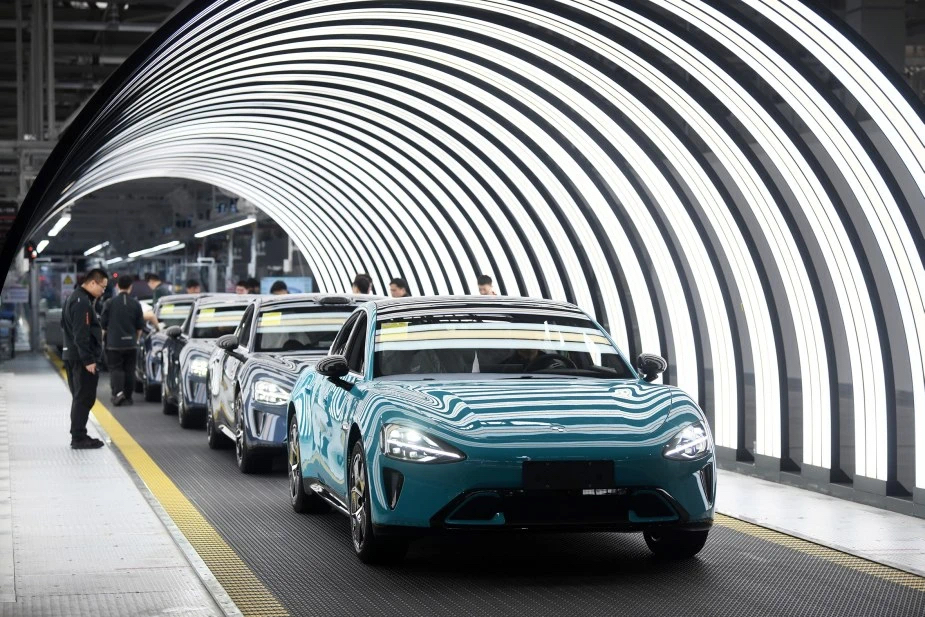
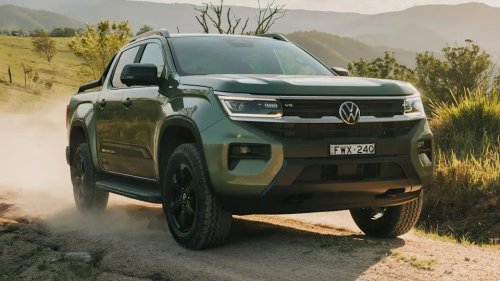
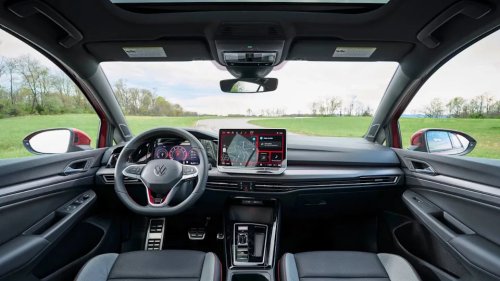
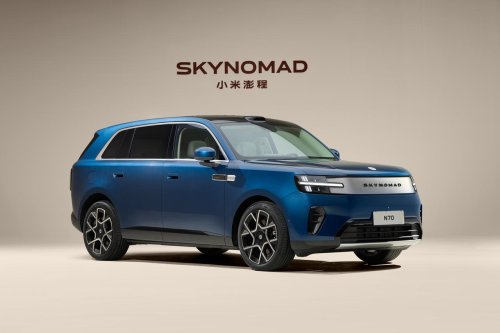
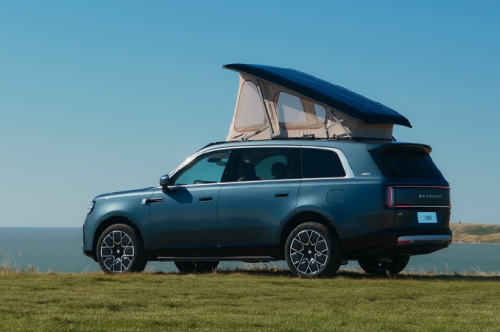
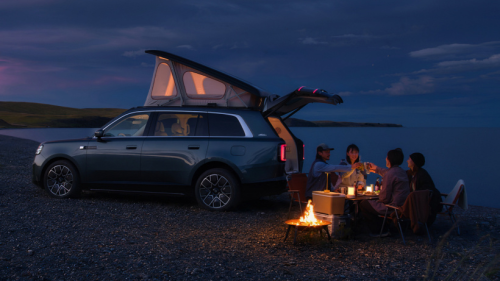
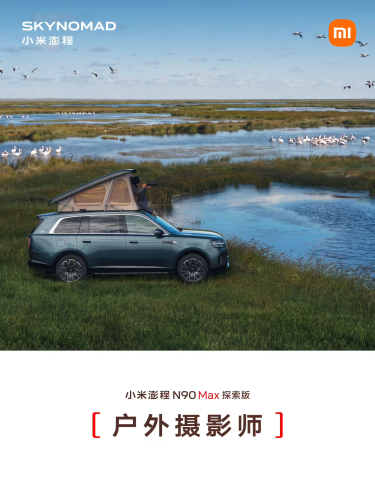
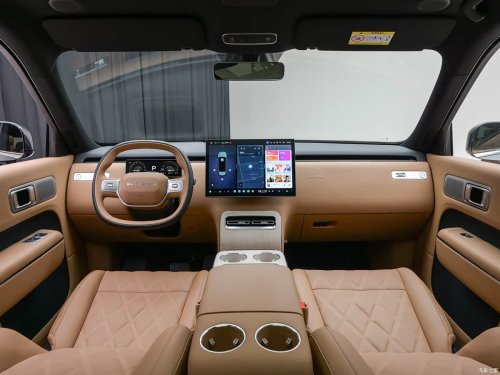
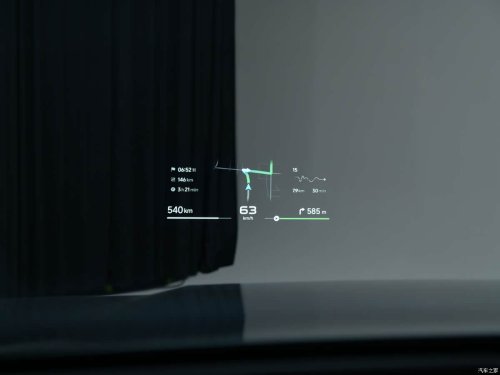
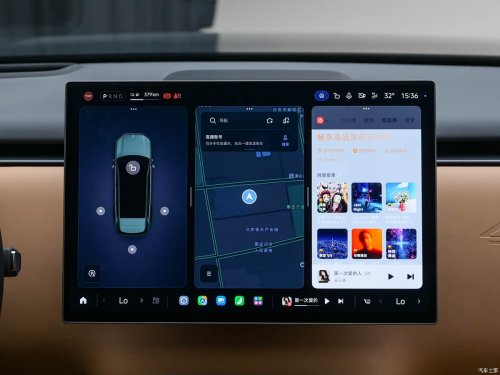
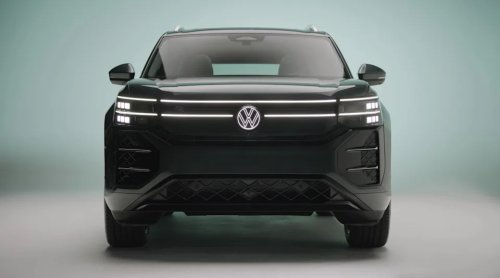
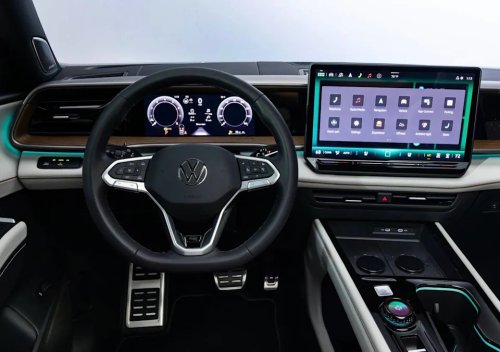
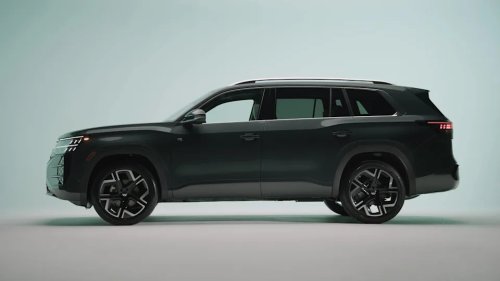
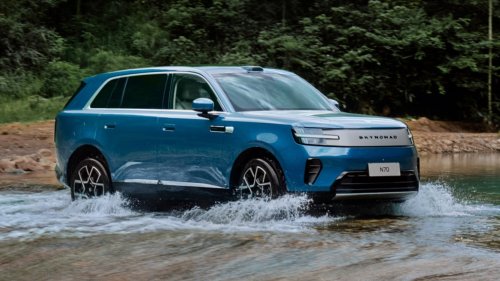
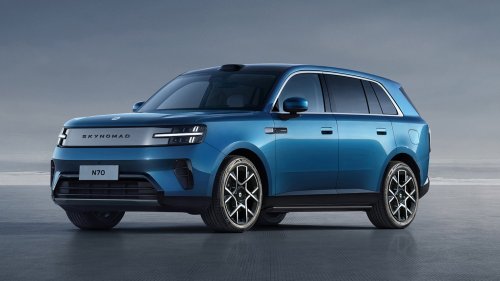
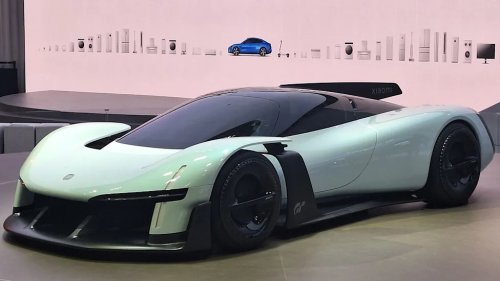
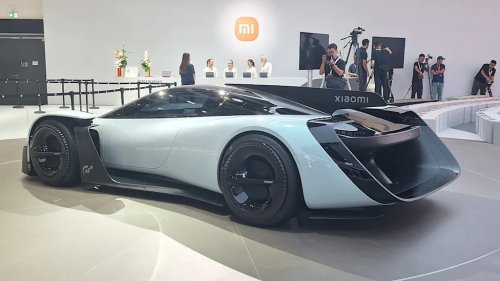
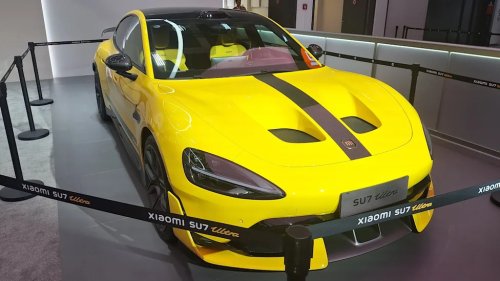
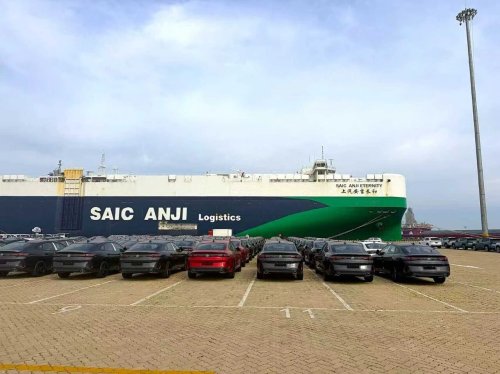
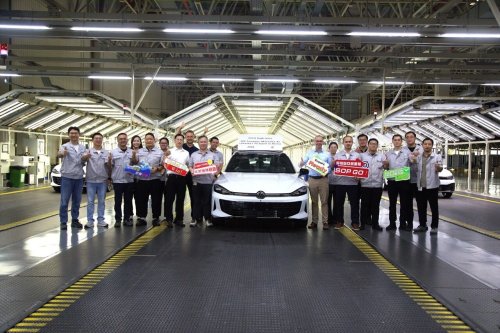
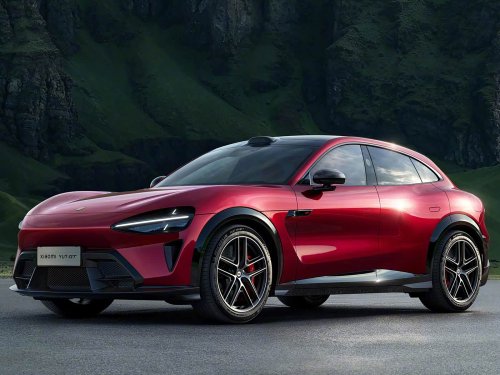
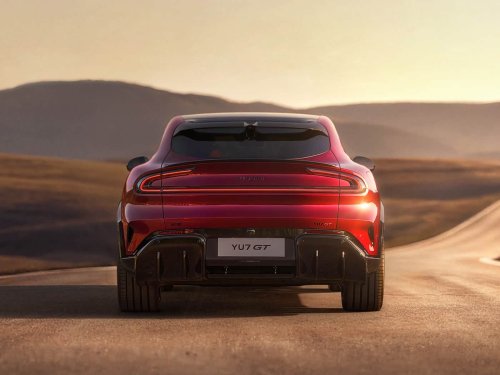
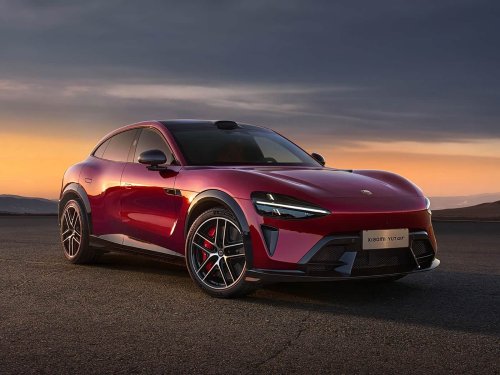
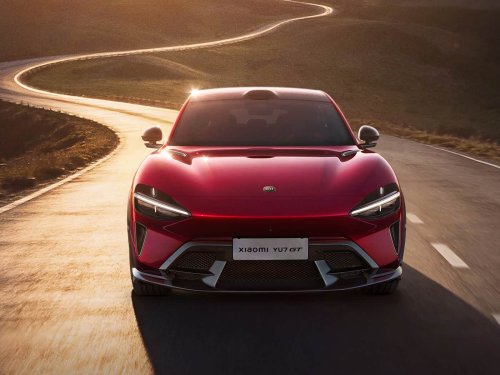
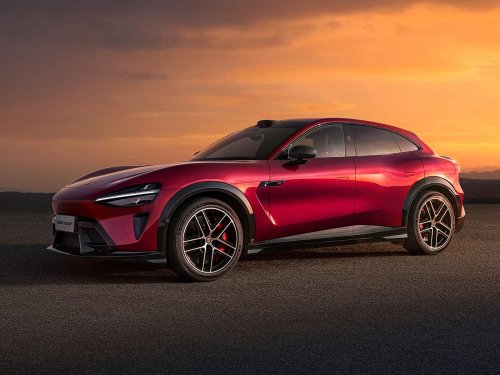
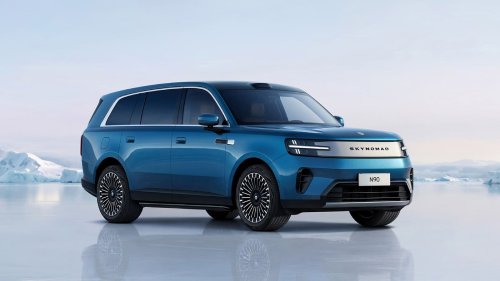
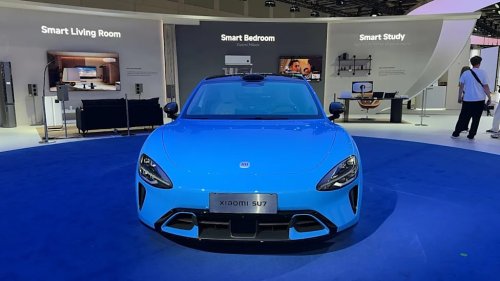
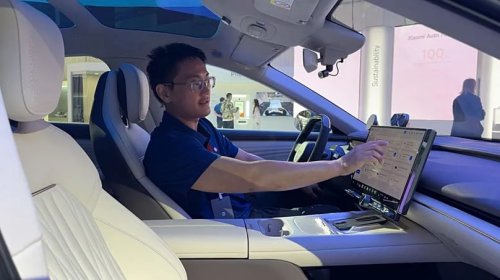
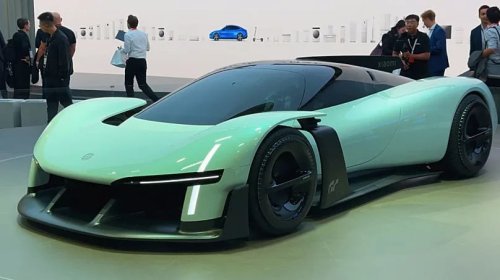
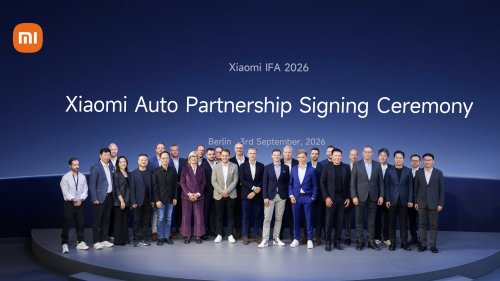
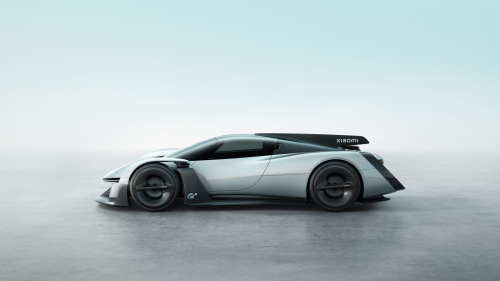
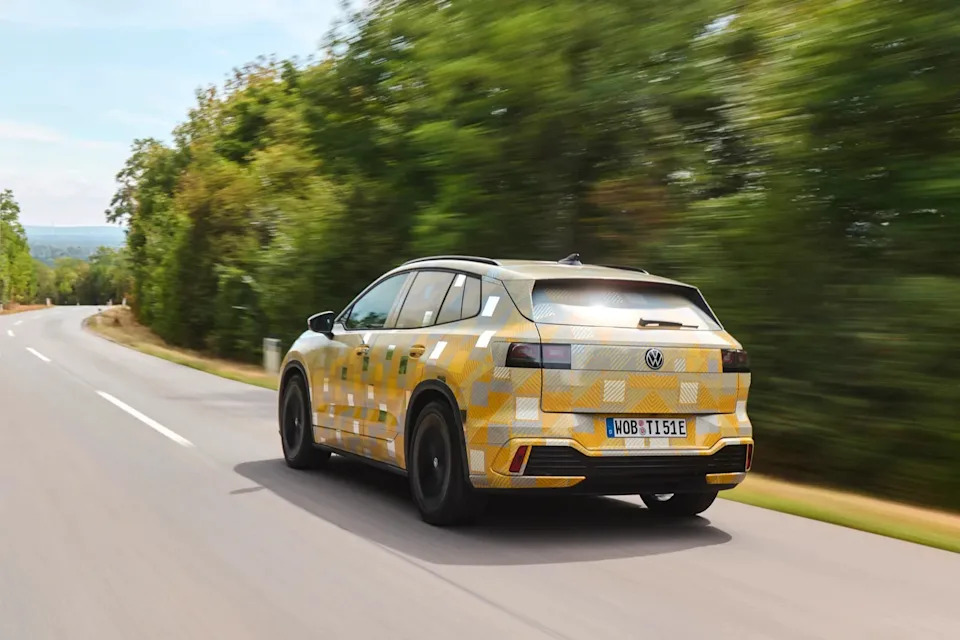
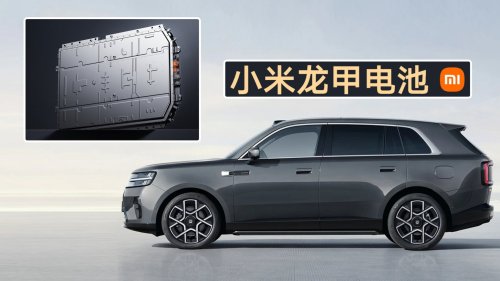
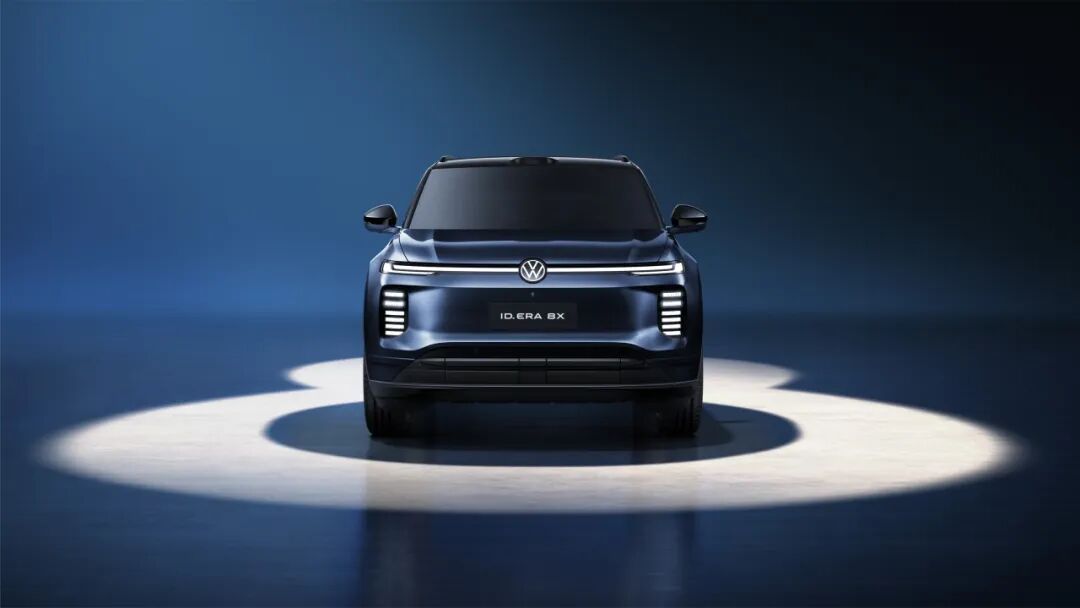
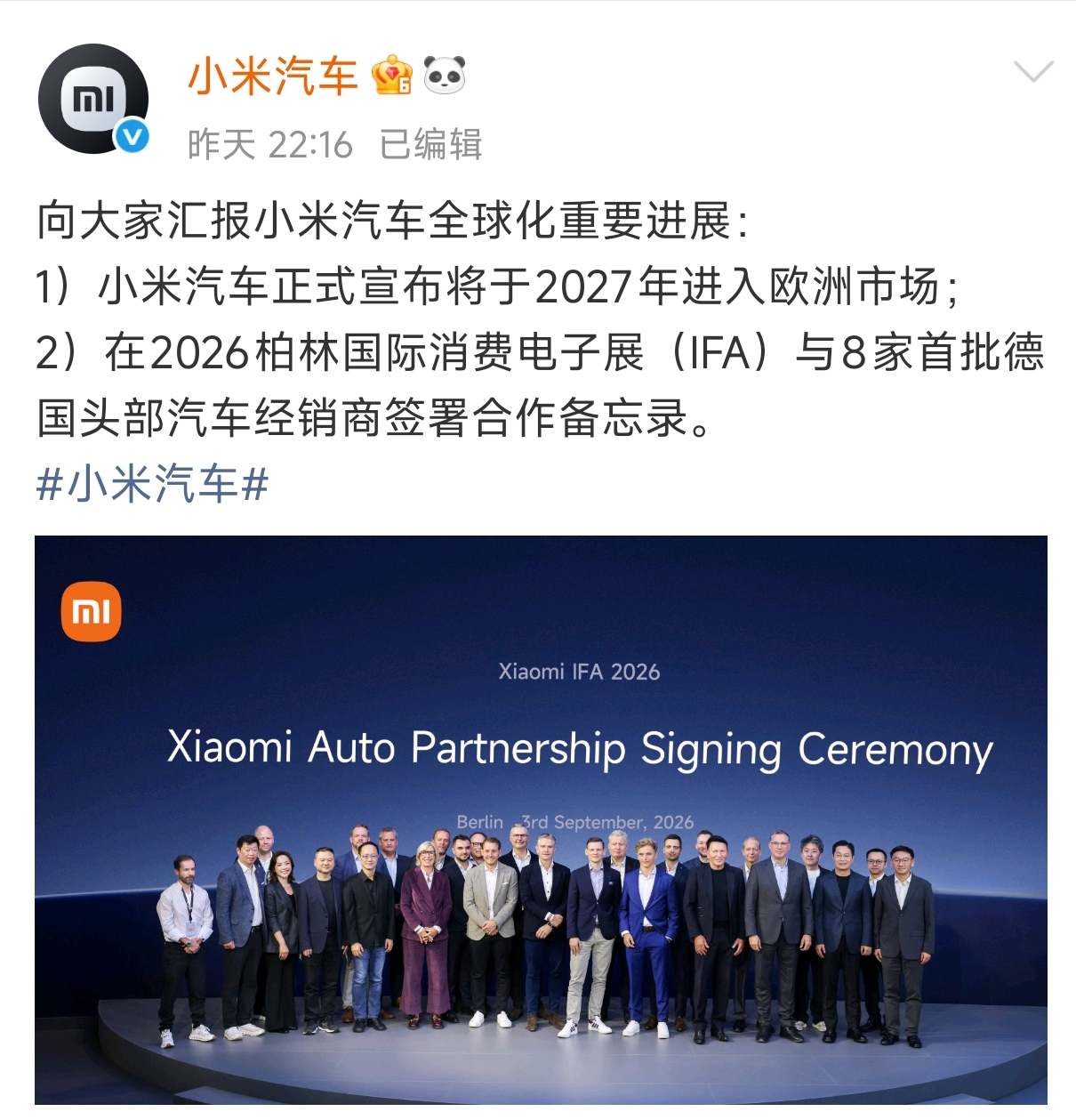
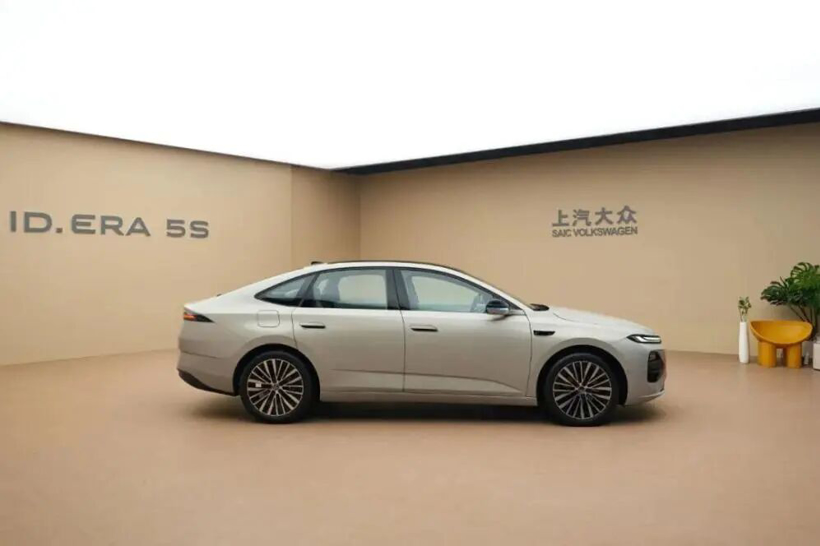
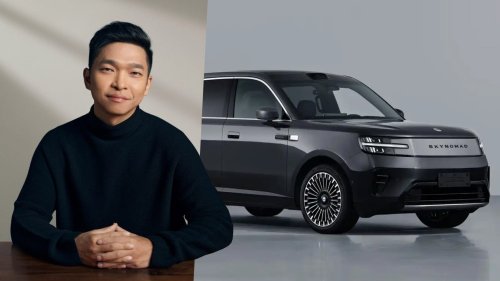
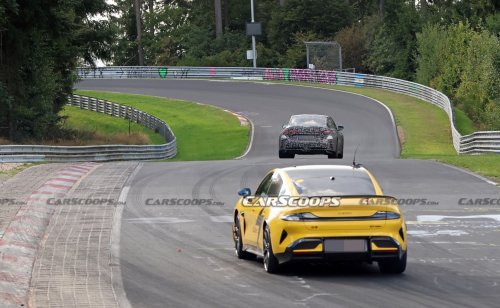
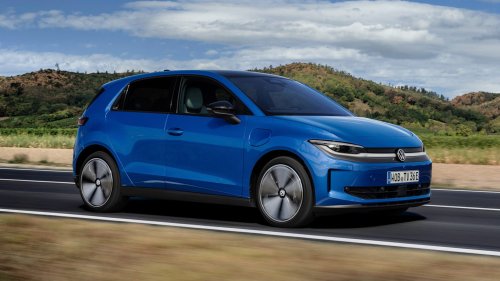
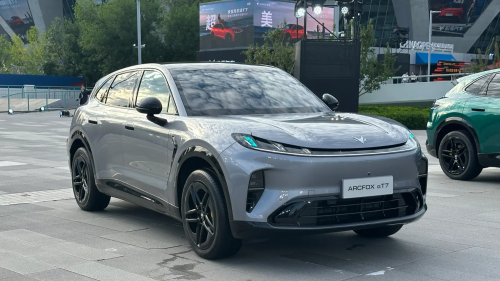
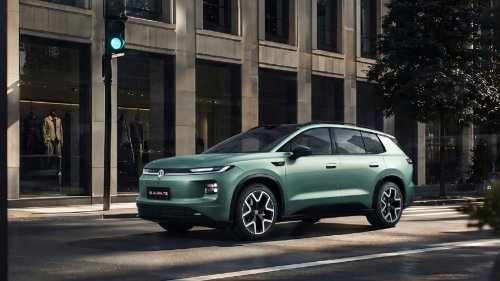
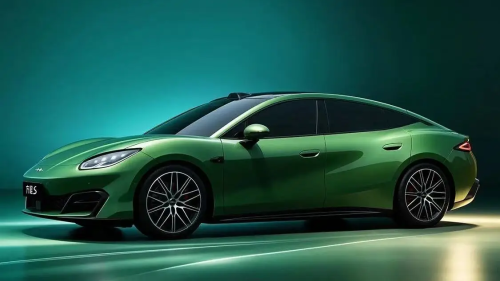
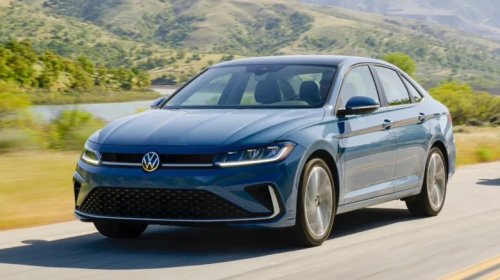
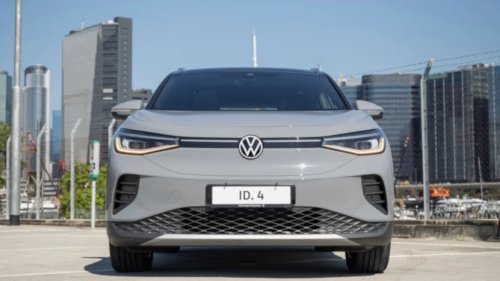
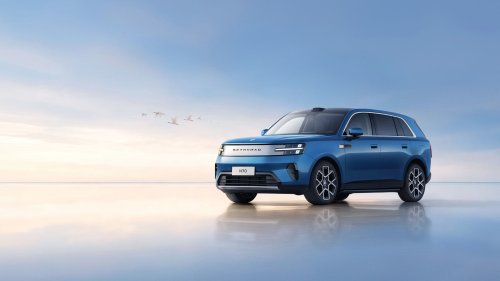
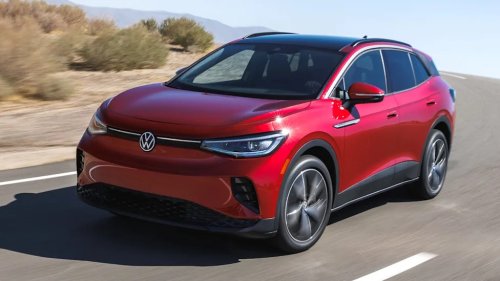
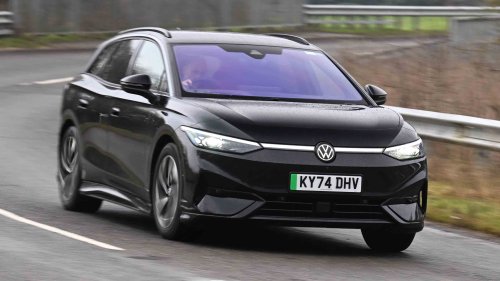
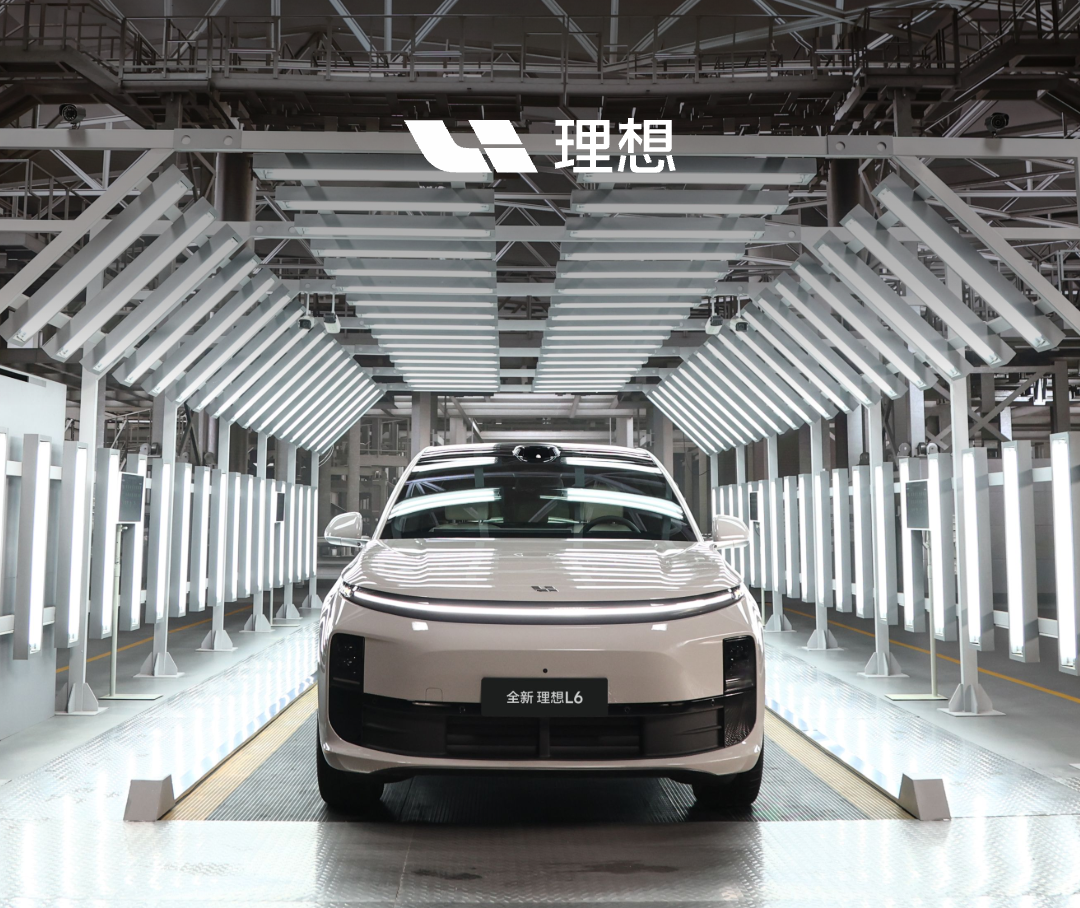
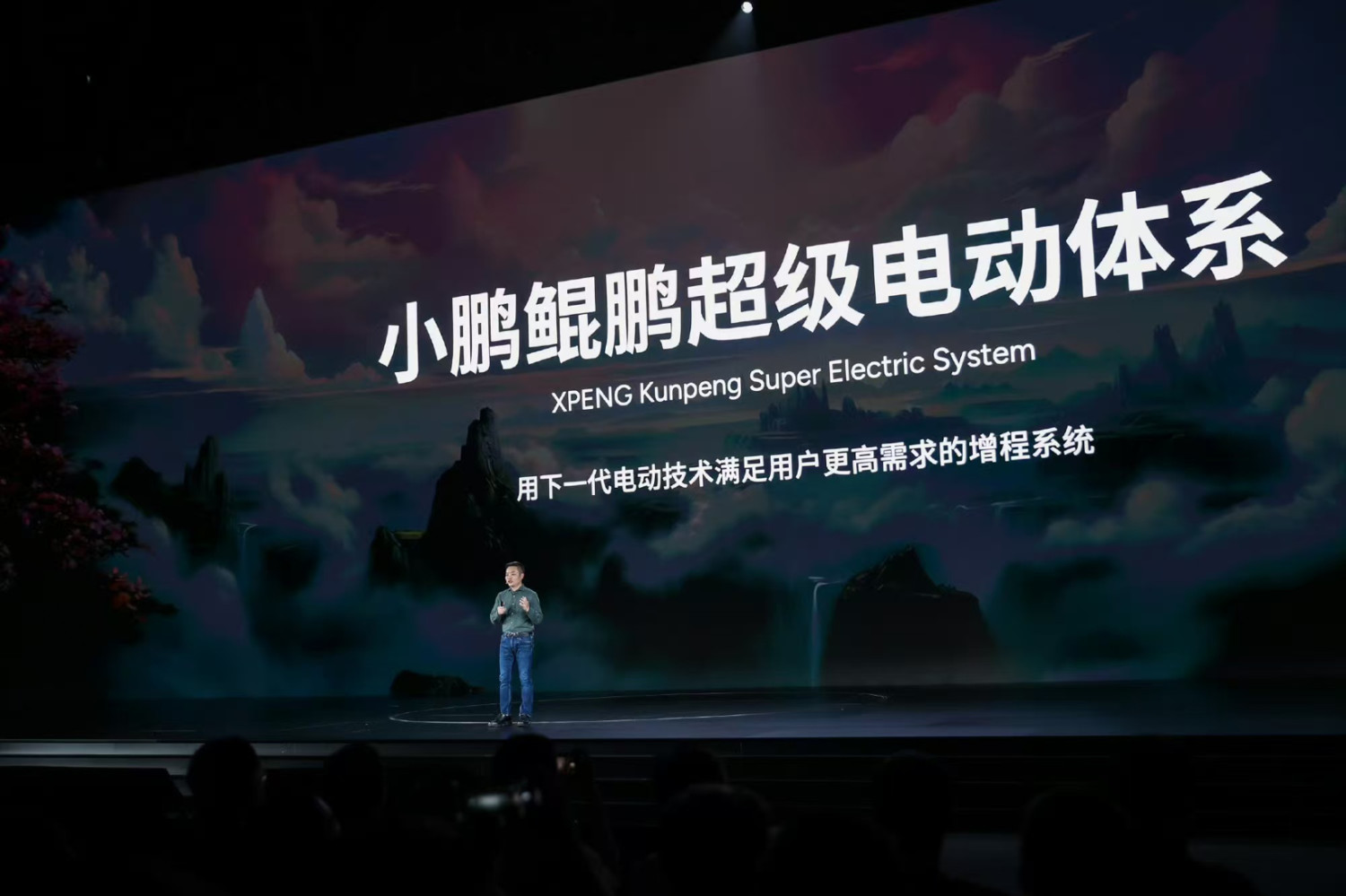
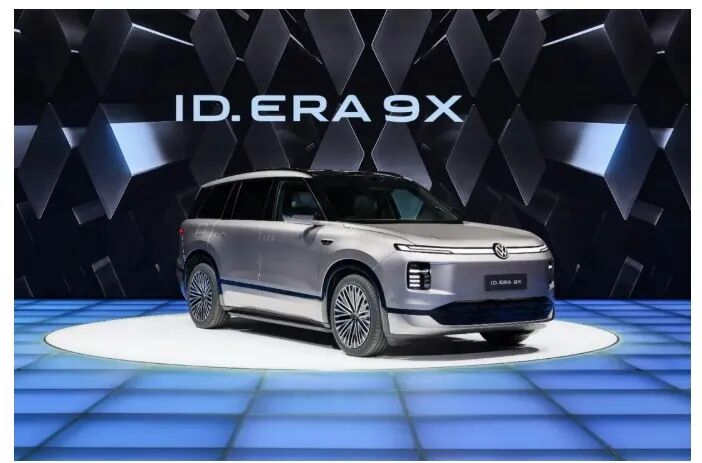
Gasgoo Munich- Xiaomi recently secured regulatory approval to produce extended-range electric vehicles. Earlier, SAIC Volkswagen rolled out its first EA211 range extender, destined for the ID.ERA 9X. Even XPENG, once a staunch defender of pure-electric mobility, unveiled a G6 super extended-range version early this year.Yet, these latecomers are stepping into a market that is cooling fast.Data from the China Passenger Car Association (CPCA) shows wholesale sales of extended-range models in China slumped to just 95,000 units in May 2026 — a 24.9% year-on-year plunge and the steepest monthly drop in five years. The segment's share of the new-energy market shrank from 10.3% in May 2025 to 7.0%. Only three extended-range models now sell more than 5,000 units a month: the AITO M6, the AITO M7, and the SAIC Volkswagen ID.ERA 9X.Extended-range vehicles have gone from red-hot to screeching halt just as these latecomers secured their entry tickets. Is this road still viable?Why the Sudden Stall?The primary driver behind the collapse is a strategic retreat by the segment's dominant player, Li Auto.In May 2025, Li Auto delivered 40,856 vehicles, nearly all of them extended-range. By May 2026, deliveries had slipped to 33,350, though its pure-electric i6 has now topped 20,000 units for three straight months.In just one year, Li Auto's monthly extended-range sales shrank by nearly 29,000 units, accounting for the bulk of the industry's total year-on-year decline of roughly 31,500 units. Li Auto's deliberate contraction explains almost all of the market's downturn.But the malaise extends beyond Li Auto. CPCA data reveals a shift in sales mix among startups: pure-electric versus extended-range sales flipped from a 59:41 split in 2024 to 71:29 in 2025. By May 2026, pure-electric models accounted for 81% of startup sales, up from just 58.9% a year earlier. Pure-electric vehicles are aggressively encroaching on extended-range territory.Image Source: Li AutoBehind this shift lies the erosion of extended-range technology's core selling points.Historically, the technology's biggest advantage was freedom from range anxiety. But as charging infrastructure rapidly improves, that edge is fading.By the end of April 2026, China's charging infrastructure totaled 21.96 million units — a 47.4% annual increase — effectively building the world's largest charging network. With 800V/5C ultra-fast charging, a 10% to 80% charge takes just 12 minutes. That's roughly 60 kilometers of range per minute, nearing the convenience of a gas station fill-up.At the same time, the economics of ownership are shifting. Average battery pack prices have fallen from 910 yuan per kWh in 2023 to 620 yuan by mid-2026, nearly erasing the price premium between pure-electric and extended-range vehicles. Meanwhile, rising fuel prices have inflated the cost of running an EREV: pure-electric consumption costs about 8 to 9 yuan per 100 kilometers, whereas fueling an EREV with a depleted battery costs roughly 49 yuan for the same distance.Image Source: XPENGFor a driver covering 20,000 kilometers annually, a pure-electric owner with home charging spends roughly 1,600 to 2,400 yuan on energy per year. An EREV driver, even using electricity 70% of the time, still faces fuel costs of about 6,500 yuan annually — the remaining 30% involves highway driving with a depleted battery, consuming 7 to 9 liters per 100 kilometers. Over the vehicle's lifecycle, maintenance costs for EREVs are also higher.Technical shortcomings are also coming under scrutiny. When the battery is depleted, real-world fuel consumption often exceeds official figures. The Li Auto L9, for instance, consumes about 7 to 8 liters per 100 kilometers in extended-range mode, dropping below 6 liters only when the large battery is fully charged. Multiple energy conversion steps mean theoretical efficiency inevitably lags behind direct-drive systems.Dongan Power, a supplier of range extenders, has also acknowledged the hit to its business, citing policy rollbacks, market saturation, and consumer hesitation.Is EREV Headed for a Niche?First, the downside.The technological ceiling for extended-range is clear. It is essentially a combination of an electric powertrain and a fuel-burning generator. The engine doesn't drive the wheels directly; it charges the battery, which then powers the motor. This double conversion means efficiency is inherently lower than that of plug-in hybrids or pure-electric vehicles.As pure-electric ranges extend and charging speeds accelerate, the market is validating the view that extended-range is merely a transitional technology.Policy is tightening, too. The purchase tax exemption has been halved, and range requirements for EREVs have been raised. With subsidies fading and fuel prices high, the narrative that extended-range vehicles "save money" is crumbling.Image Source: SAIC VolkswagenNow, the upside.Extended-range still has its irreplaceable scenarios. For families, the flexibility of electric driving in the city and gasoline for long trips remains a necessity. Not every household can install a home charger, and not every driver is willing to queue at highway service stations during holiday peaks.It takes two to three years to move from project approval to launch. When XPENG, Xiaomi, and Volkswagen greenlit these projects, extended-range was the fastest-growing category — a rational decision at the time.A solid user base remains. Extended-range sales exceeded 1.23 million units in full-year 2025. Even with growth slowing in 2026, monthly sales still top 80,000. This is hardly a negligible niche.The key shift is that extended-range is moving from a mass-market strategy to a specialized one.Once the default choice for families, extended-range is now losing ground. Pure-electric large three-row SUVs have outsold their extended-range counterparts for eight straight months, breaching the segment's strongest fortress. The survival space for extended-range is being squeezed to a specific subset of users: those with poor charging access and frequent long-distance travel needs.For Xiaomi and the others, the cost of being late is the need for sharper differentiation. Xiaomi's edge lies in its ecosystem — the deep integration of phones, tablets, appliances, and smart homes with the car. But if it merely builds a large SUV, slaps in a range extender, and adds a fridge, TV, and sofa, it's just another Li Auto L8 or AITO M7.Extended-range won't disappear, but it is evolving from a boom sector into a defensive position. Whether latecomers can hold that ground depends on their ability to carve out their own user base as pure-electric vehicles continue their advance.



















 +43 others