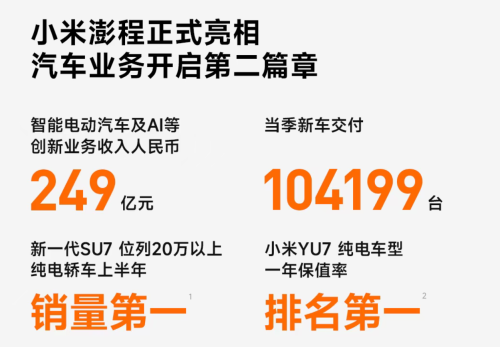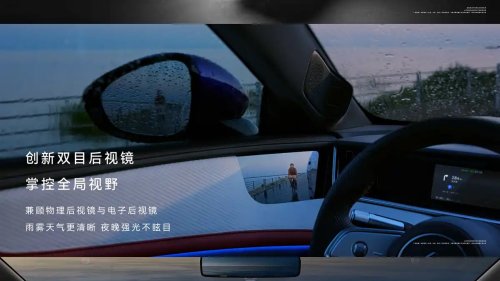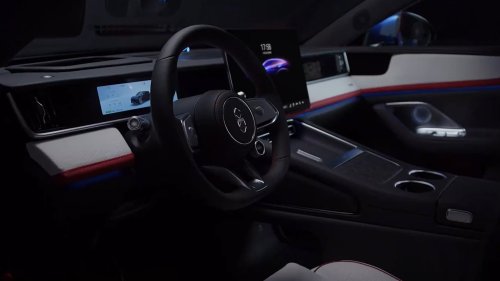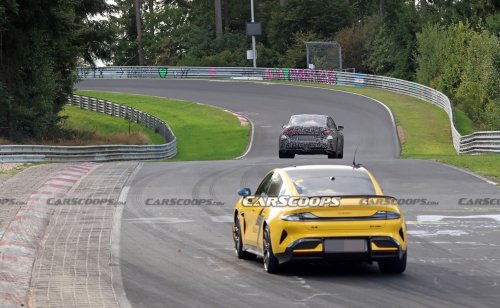
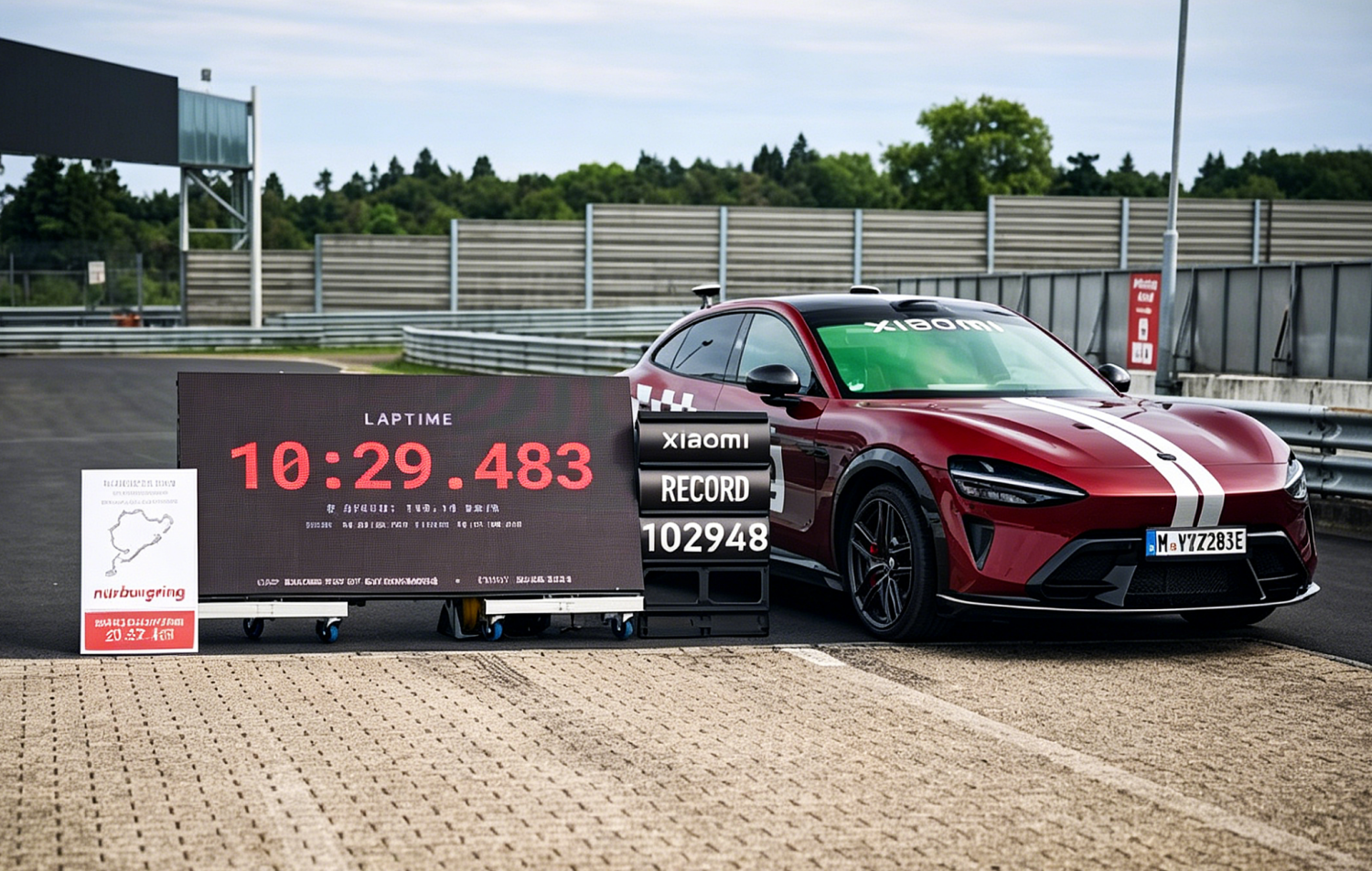



















Advanced XLA software modeling allows automated networks to navigate extreme driving hazards without human driver inputs. Credit: CCTV Understand China EV’s Market Real-time notifications when critical EV data is released All important data in one place 2,000,000+ data points Become a member Xiaomi YU7 GT software algorithms are undergoing accelerated track validation to enable the direct transition of dynamic motorsport parameters into mainstream commercial vehicles. Corporate product strategies prioritise circuit-training environments to develop real-time computer-based emergency interventions for unexpected everyday highway hazards, according to Xiaomi CEO. The active validation pipeline uses the newly deployed XLA software platform to analyse tyre contact patch adjustments under terminal load conditions. Engineers designed this computational loop to substitute traditional rule-based driver assistance with automated cognitive modelling. Traction control dynamics Vehicle control loops process friction variations across the 73 turns of the Nürburgring Nordschleife course to establish baseline safe manoeuvring models. Operational commands operate within single-digit millisecond windows during high-velocity cornering manoeuvres to actively mitigate chassis instability. The technical details of the real-time slip angle calculations that guide the automated traction management system. The testing platform targets unstable environmental variables, including sudden hydroplaning parameters and low-friction winter pavement simulations. The underlying algorithmic models prioritise stabilising passenger compartments when mass-market vehicles confront unforeseen velocity and traction imbalances on public roads. Advanced software modelling directly downscales these high-frequency torque distributions into consumer product updates. Xiaomi YU7 GT’s algorithmic torque loops manage 73 race circuit corners. Circuit testing limits Chassis development teams leverage structural hardware configurations from an optional track professional package to evaluate component thermal tolerances under high-load conditions. This automated validation program has established a novel industry precedent for manufacturer-led autonomous lap documentation at the circuit. The testing environment compresses mechanical response limitations to verify core processing thresholds. The integration of track-derived dynamic parameters allows software engineers to continuously map structural suspension components under high-g deceleration forces. Testing under these conditions establishes a data-driven baseline for localised crash preventative measures. These engineering frameworks expand the safety margins of vehicle electrical architectures prior to public deployment. The strategic initiative follows earlier performance testing, during which a human-operated prototype recorded an alternative-vehicle benchmark at the same location. Automaker executives noted that the continuous track data stream shapes the foundational steering and deceleration algorithms for all upcoming production variants. Continuous computational refinement enables engineering groups to progressively align algorithmic driving performance with that of veteran human racers. Commercial delivery volume Domestic market registries show that Xiaomi Auto delivered 32,759 vehicles in May 2026, marking a 10.7 percent monthly decline. This performance reflects a 16.9 percent increase year-on-year, sustaining a domestic market share of 2.1 percent, according to China EV DataTracker. The brand manages these volume adjustments across expanding regional sales channels. April registrations reached 36,702 units, marking a 71.2 percent monthly acceleration. Earlier manufacturing data catalogues stable quarterly movements, with 21,440 retail deliveries in March and 20,414 units during February 2026. These metrics highlight the operational background supporting continuous development programs. Historical delivery benchmarks recorded a peak volume of 50,212 units in December 2025. These highly distributed commercial vehicles rely on software updates derived from the autonomous lap execution, ensuring that high-velocity validation testing effectively reinforces the routine highway driving security of mass-market car buyers.