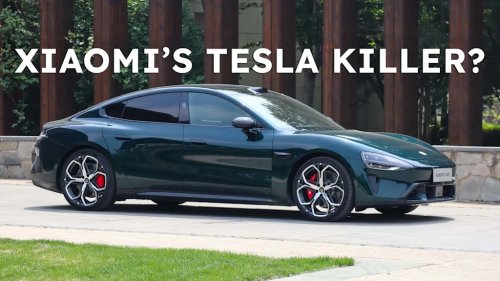
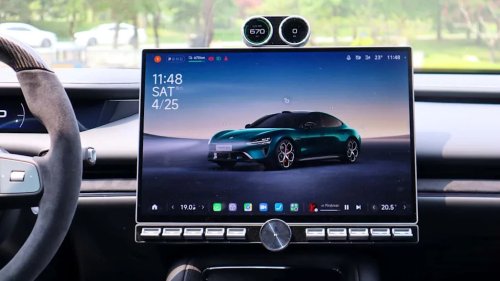
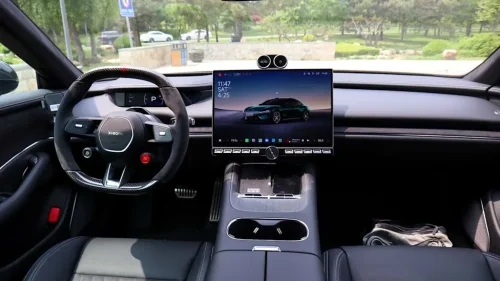
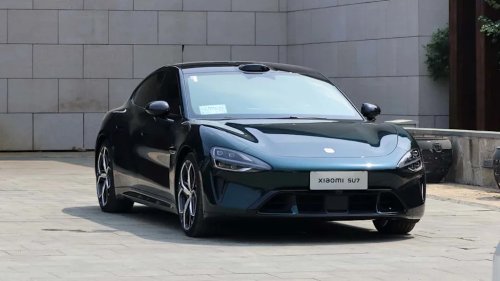
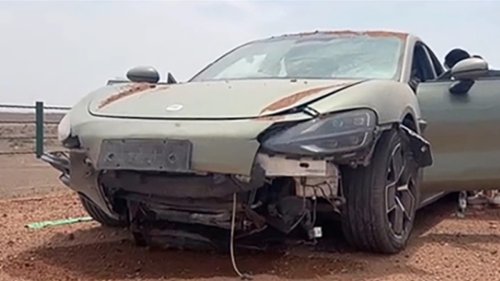
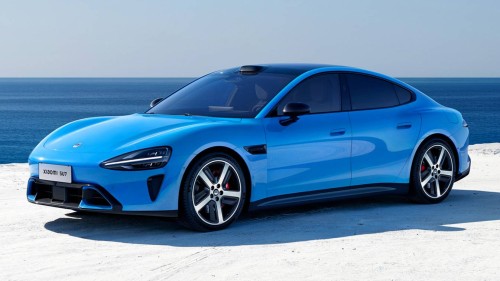
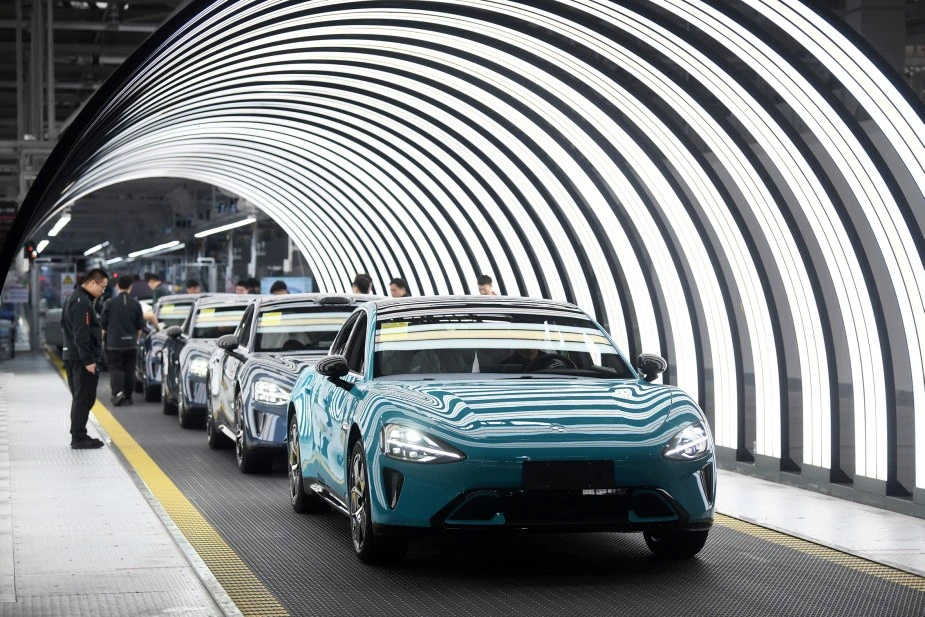
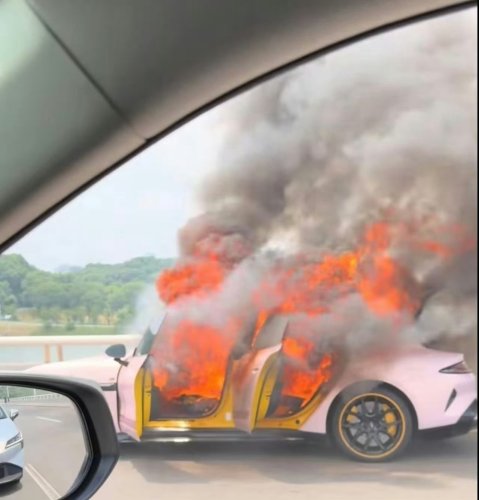
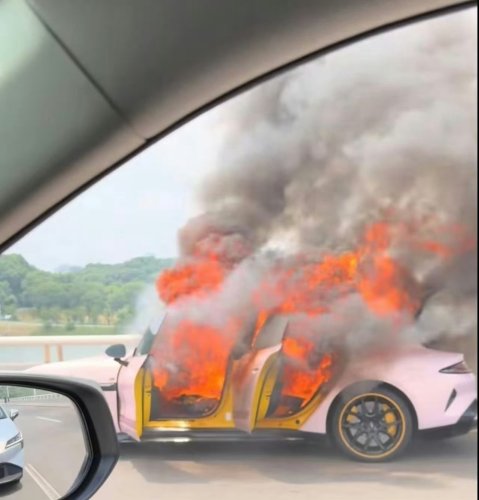
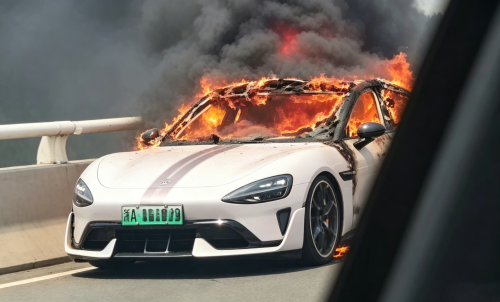
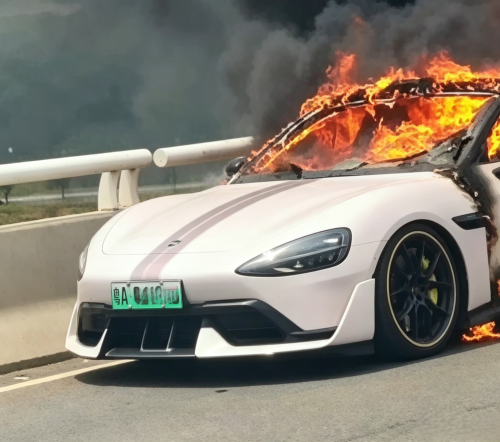
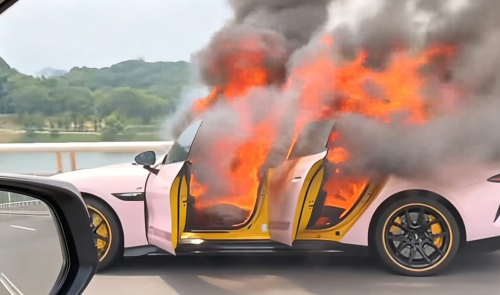
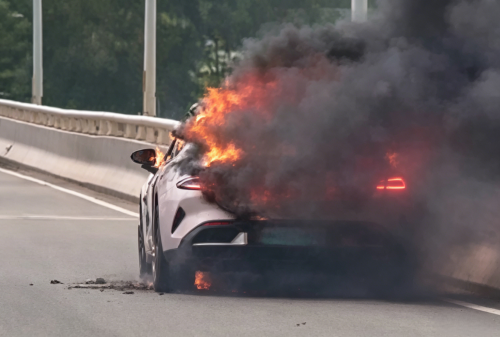
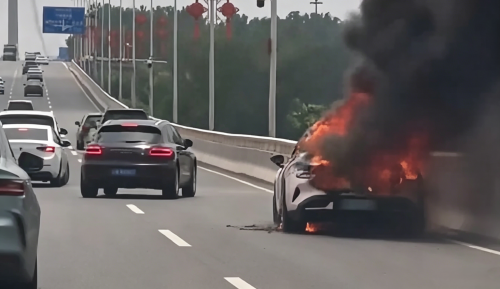
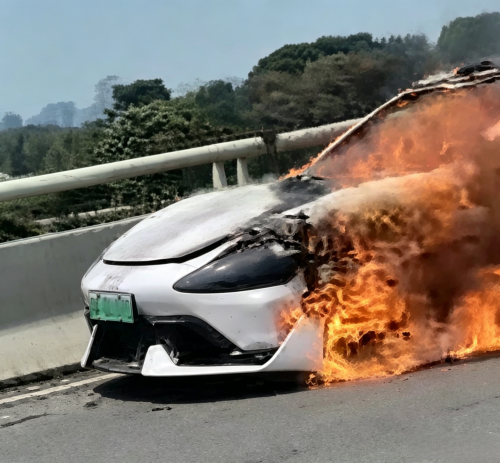
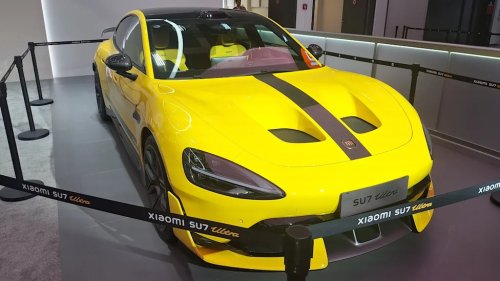
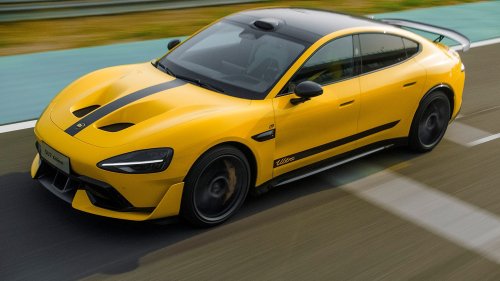
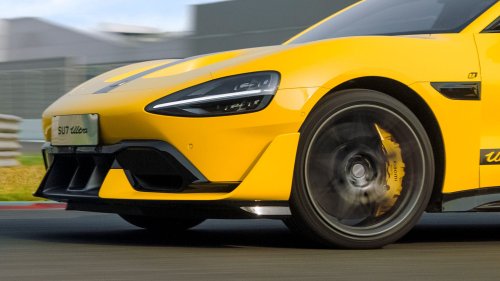
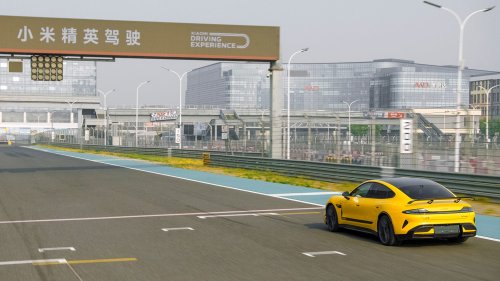
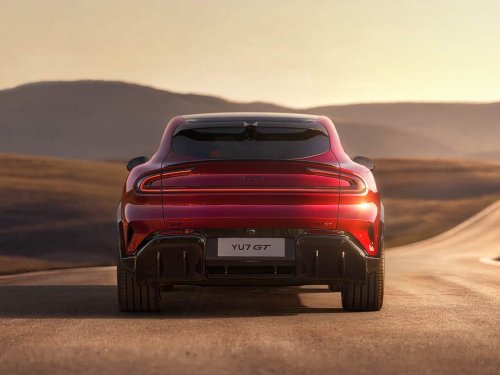
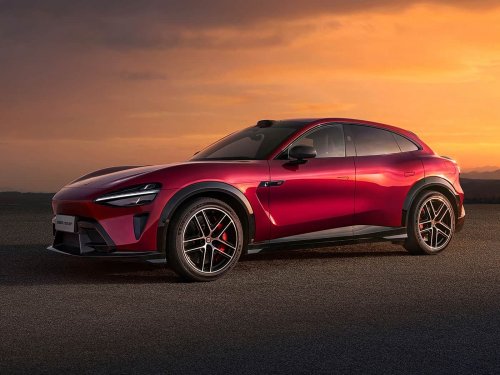
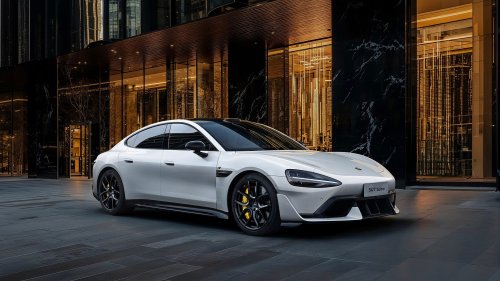
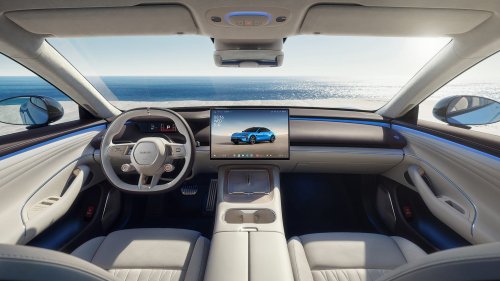
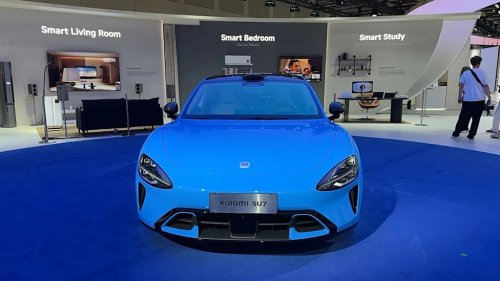
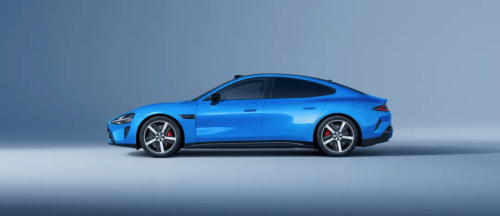
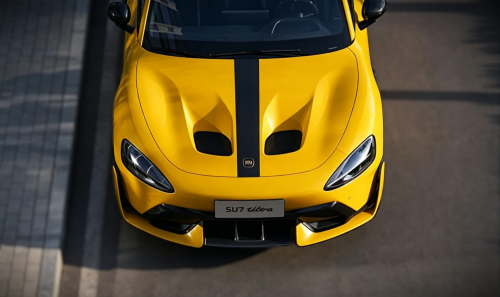
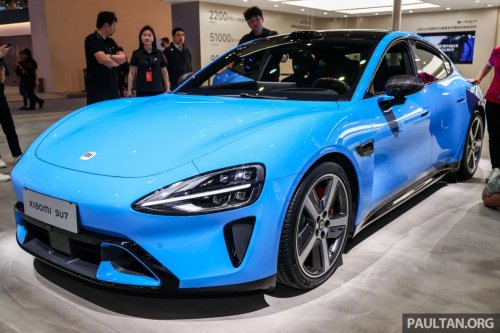
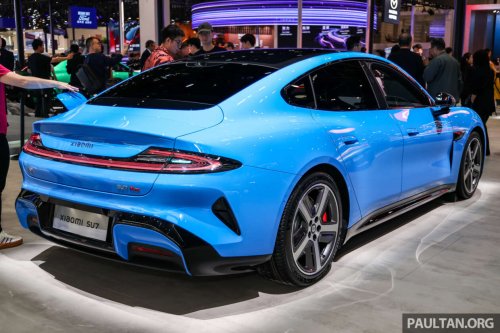
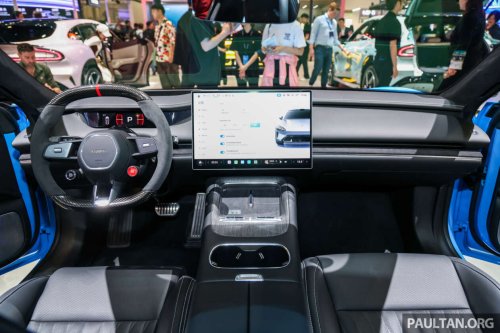
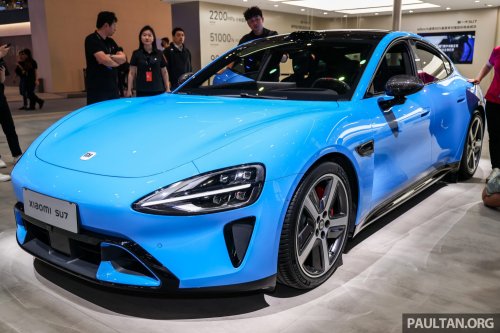
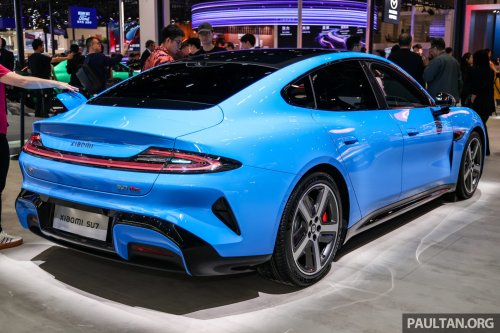
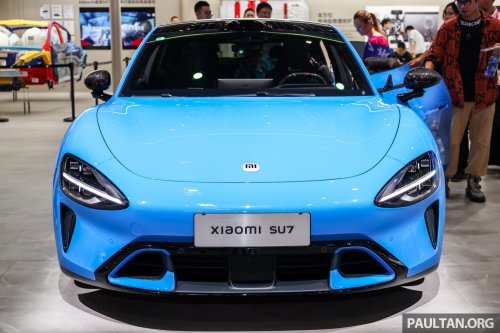
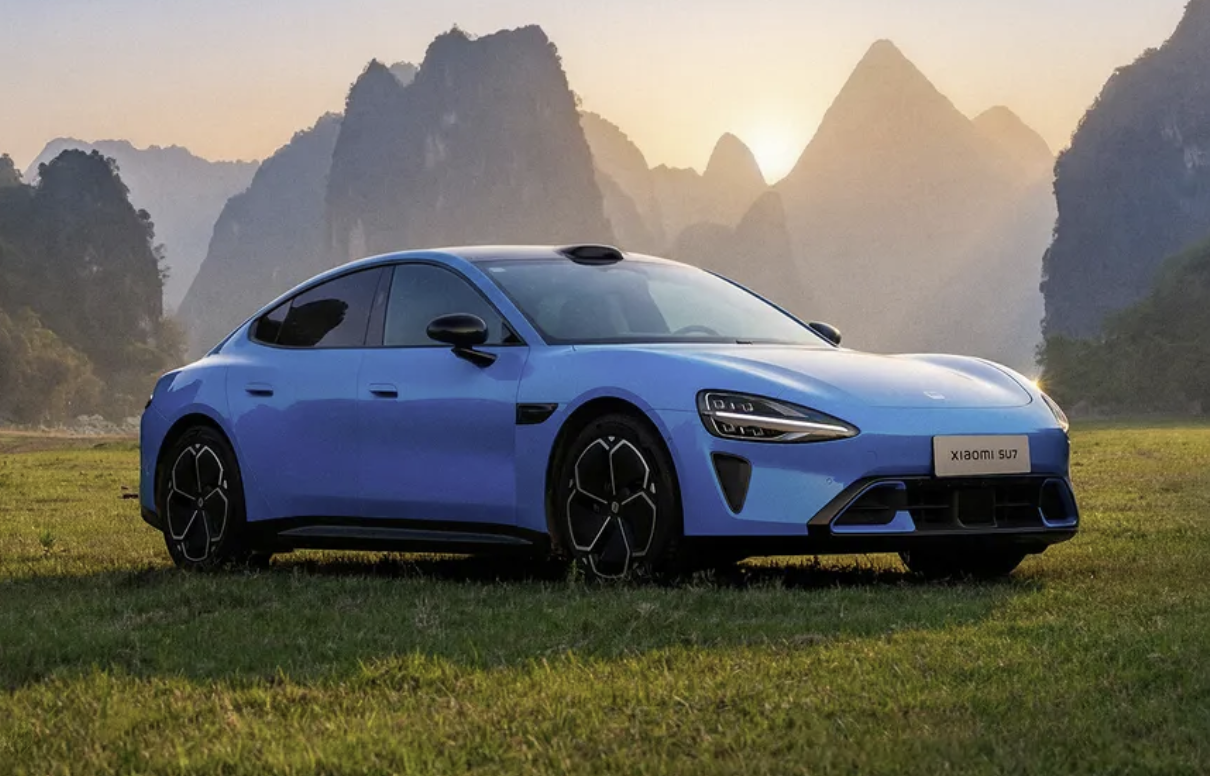
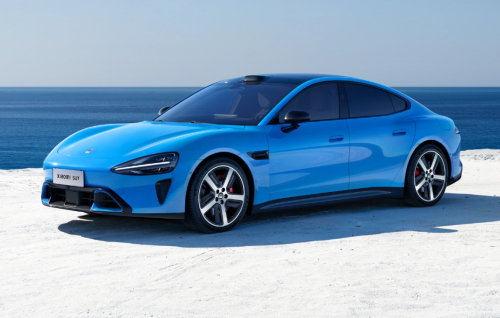
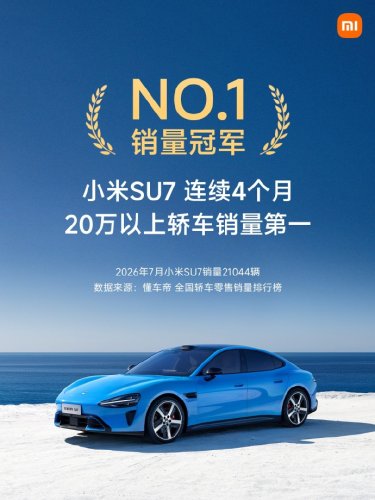
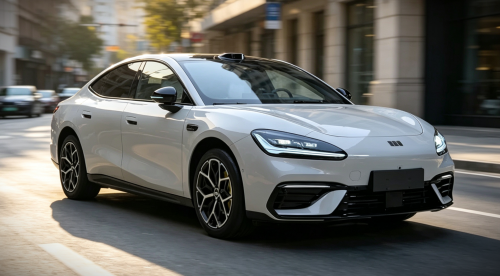
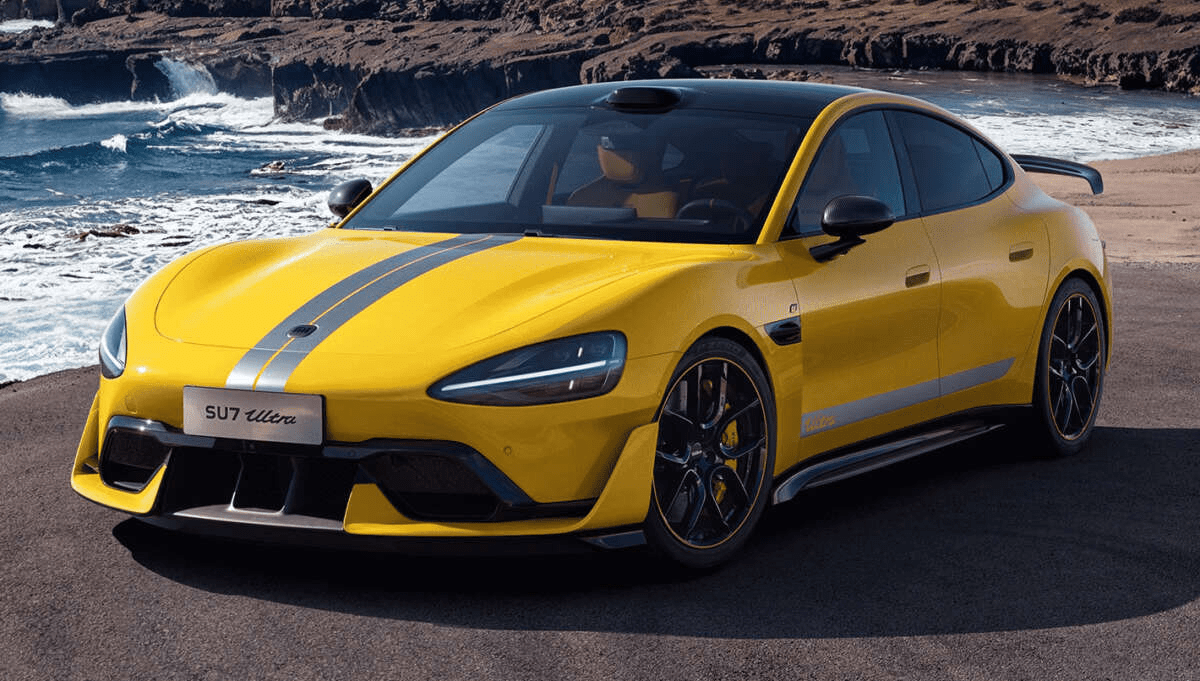
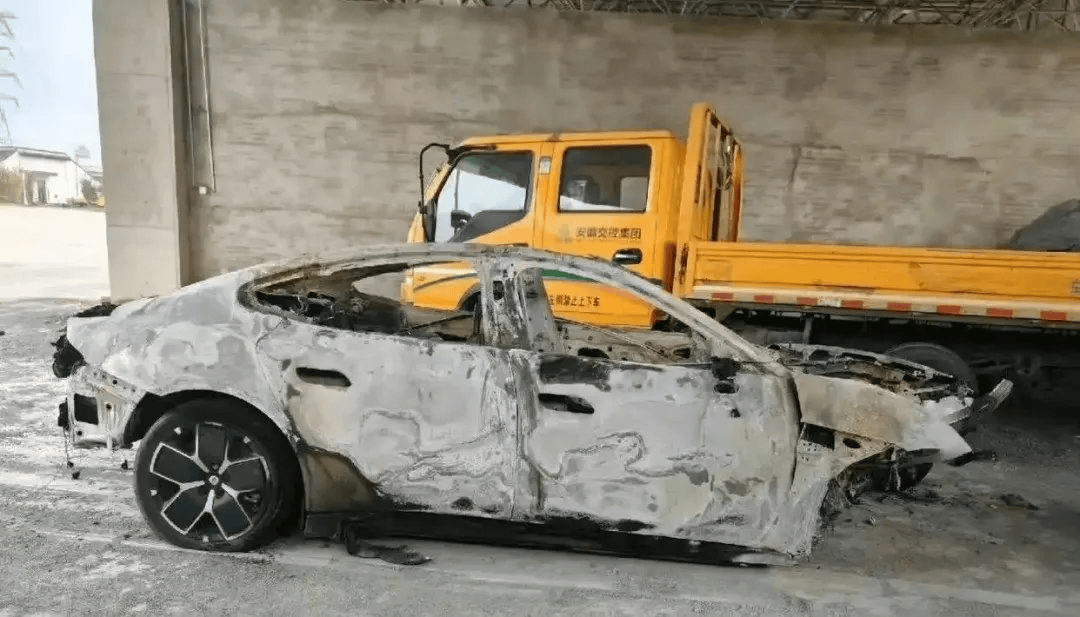
The findings of this Chengdu investigation have once again thrust the issue of safety redundancy in NEVs’ door handle design into the public spotlight. The reconsideration result of the liability assessment report for Xiaomi SU7 collision and fire accident last October in Chengdu, China, has been released. According to a Chinese report, a judicial appraisal opinion issued by a local forensic center disclosed key details of the incident. In the early hours of October 13, 2025, at 3 a.m., a 31-year-old driver, surnamed Deng, was driving a Xiaomi SU7 Ultra at extremely high speed when he collided with a vehicle traveling in the same direction. Xiaomi SU7 Ultra collision and fire accident last October in Chengdu, China The vehicle subsequently lost control, crossed the central median and caught fire almost instantly. The vehicle appraisal report showed that about three seconds before the collision, the vehicle’s speed reached 203 km/h, and at the moment of impact it was traveling at 167 km/h, indicating an extremely dangerous driving condition at the time of the incident. Chengdu police had previously confirmed in an official notice that Deng was suspected of driving under the influence of alcohol. The combination of excessive speeding and drunk driving was identified as the primary cause of the tragedy. The forensic report further identified a critical detail: the collision caused a failure of the vehicle’s low-voltage electrical system, directly resulting in the inability to open the doors normally. Deng ultimately died from burns caused by the post-collision fire. This conclusion has led to disagreement over the attribution of responsibility for the fatal outcome. Xiaomi SU7 Ultra Although authorities have determined that Deng bears full responsibility for the accident due to drunk driving and severe speeding, the driver’s family has raised explicit objections regarding liability for the death. The family argues that while the driver should be accountable for the collision, the inability to open the doors due to low-voltage power loss after impact obstructed escape routes, and that this design-related factor should be considered in assessing responsibility for the fatal result. The two sides have not yet reached agreement on compensation. This was not the first time Xiaomi vehicles have faced safety scrutiny over door access. In March 2025, a separate high-speed SU7 crash in Tongling, Anhui province, also involved doors failing to open after impact, resulting in three fatalities. Xiaomi SU7 crash accident in Anhui, China More broadly, several domestic new energy vehicle accidents have raised concerns over post-collision fires and hidden door handles failing to deploy properly, hindering rescue efforts. In September last year, China’s Ministry of Industry and Information Technology organized the drafting of a mandatory national standard, Safety Technical Requirements for Automotive Door Handle, releasing it for public consultation. The new standard was formally approved and issued at the end of January this year. The regulation stipulates that each vehicle door must be equipped with both external and internal mechanical door handles, and that external handles must reserve sufficient space for manual operation. On February 10, Xiaomi Group Chairman Lei Jun announced during a livestream that production of the first-generation SU7 had officially ended, with the final mass-produced unit rolling off the line. The next-gen SU7 is scheduled for launch in April this year, and its door handle design has been updated in advance to comply with the new national standard.




















 +18 others