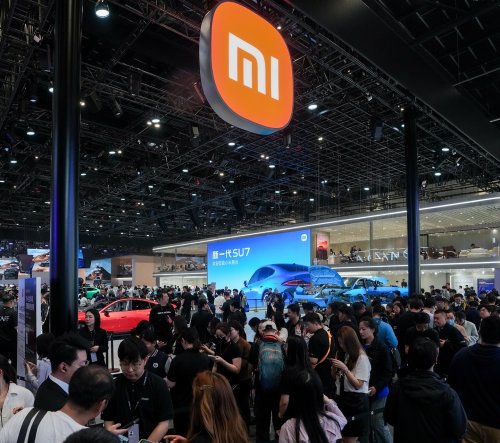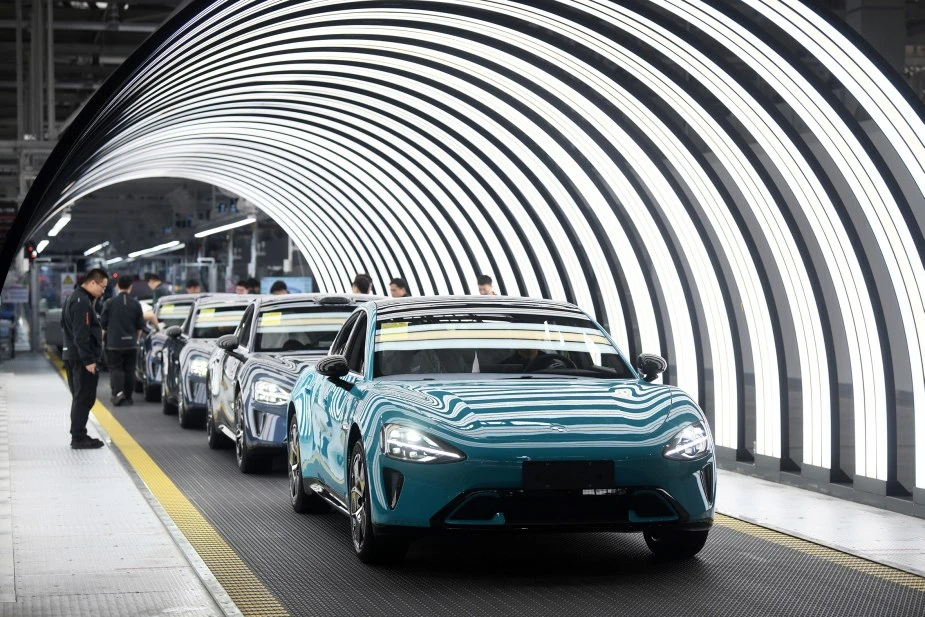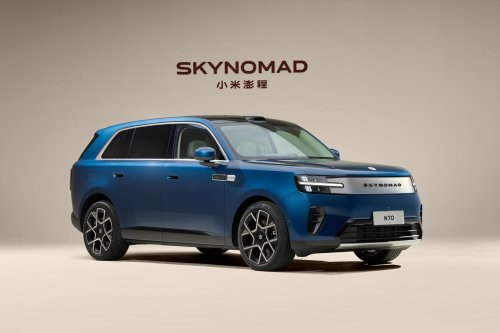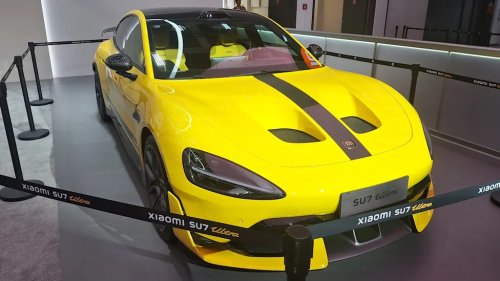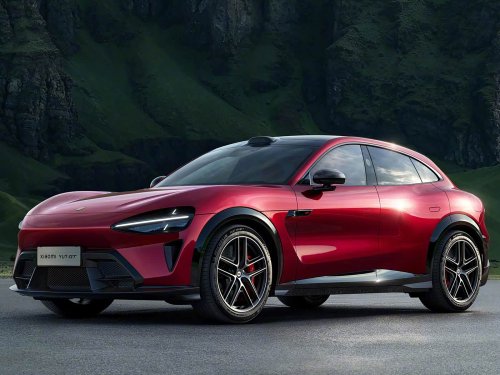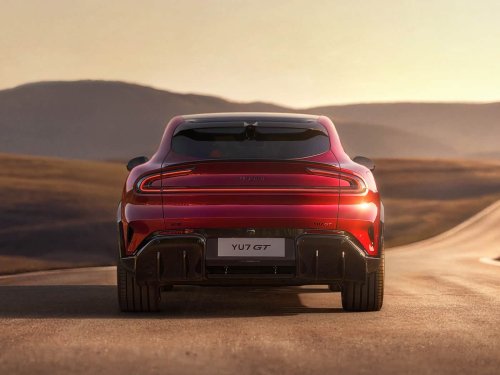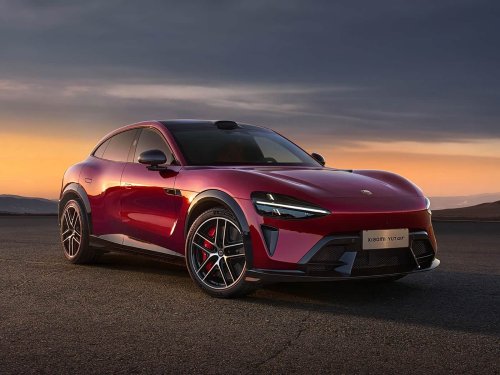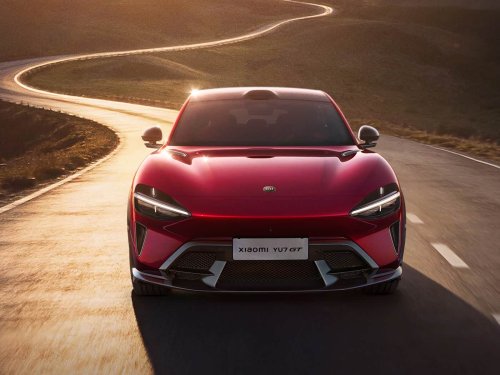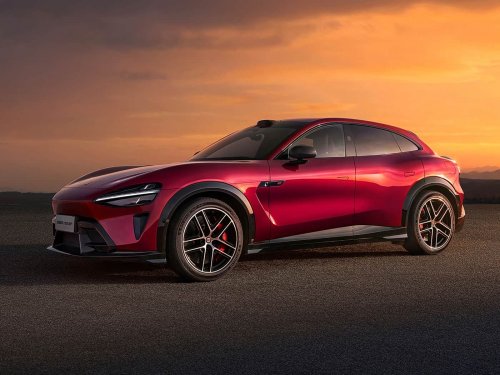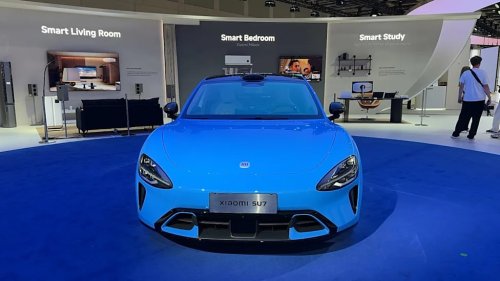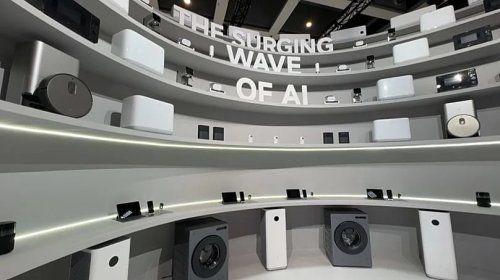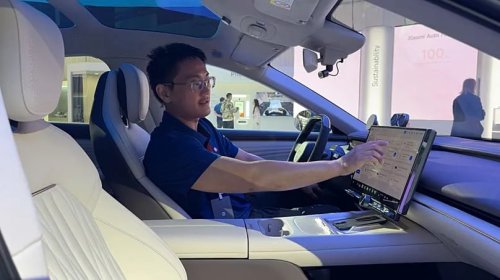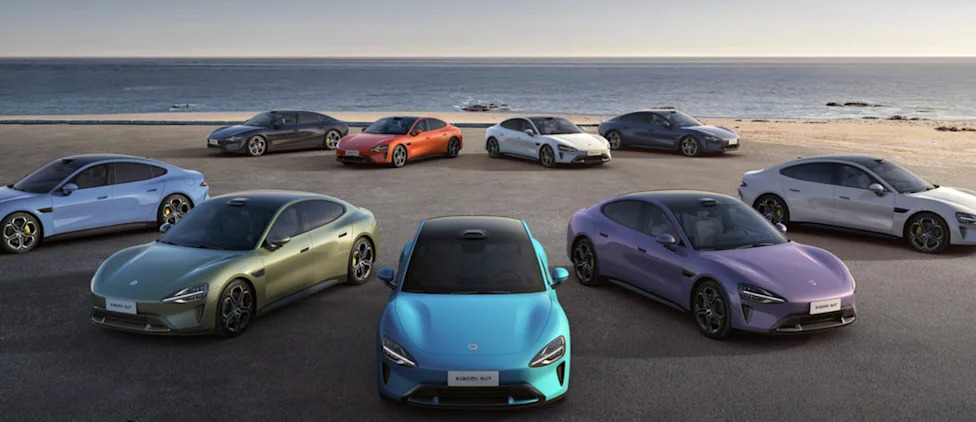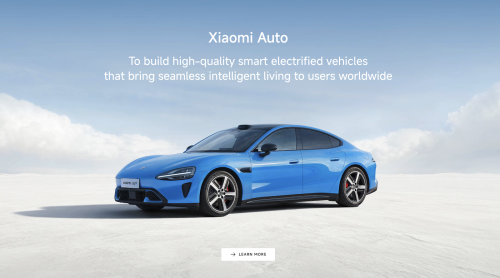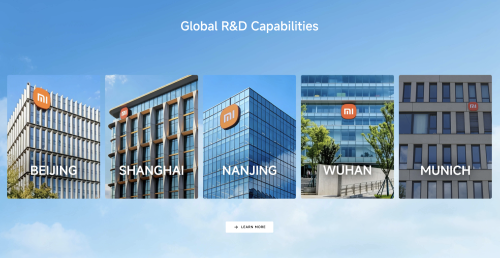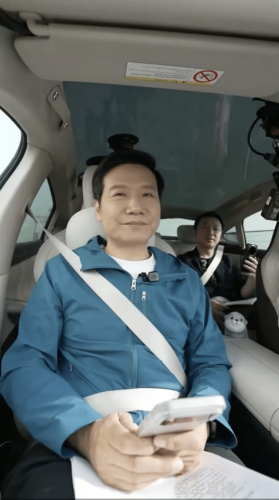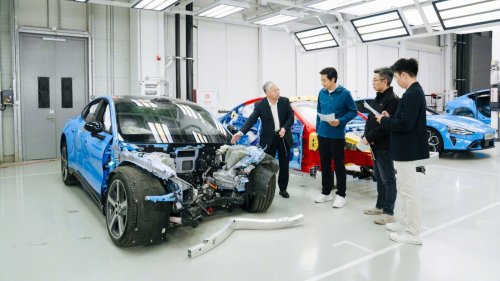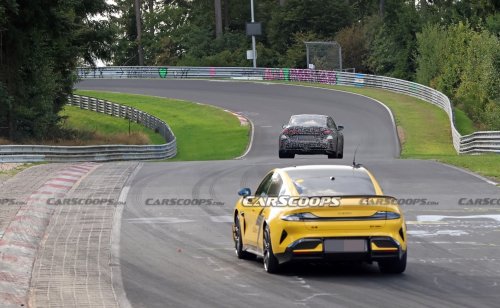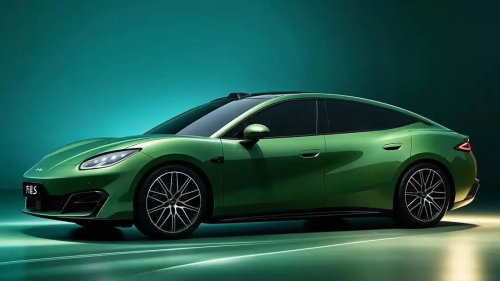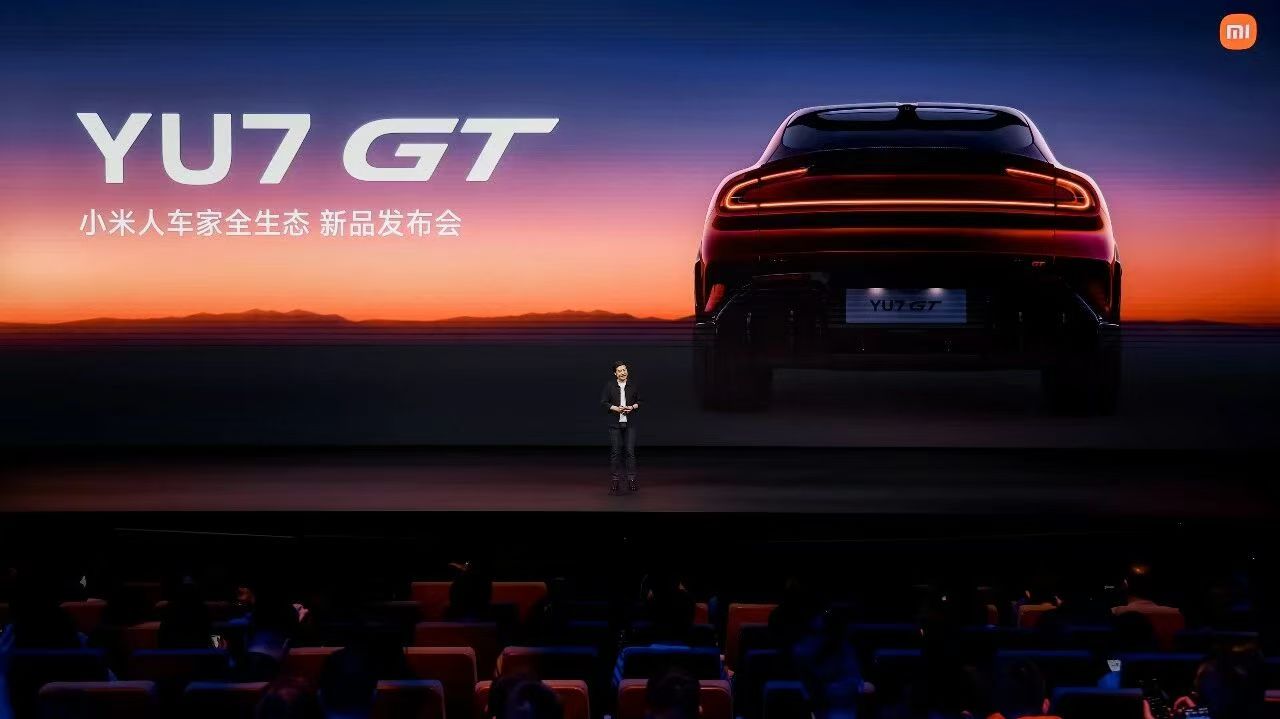
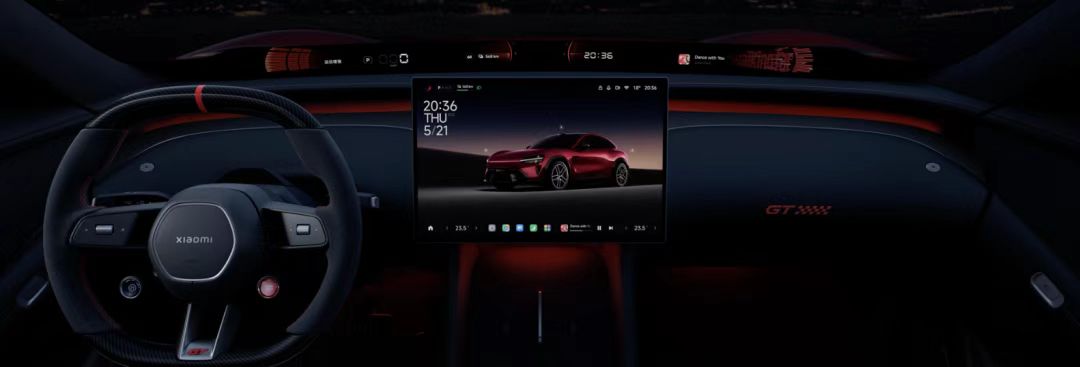



















Gasgoo Munich- On May 21, Xiaomi's "Human x Car x Home" ecosystem launch event took place in Beijing, featuring the debut of the new YU7 GT and the YU7 Standard Edition.Following the event, Xiaomi Founder, Chairman, and CEO Lei Jun revealed in an interview that the company has poured 105.5 billion yuan into R&D over the past five years—far exceeding its initial 100 billion yuan pledge. Looking ahead, Xiaomi plans to invest at least 200 billion yuan over the next five years, using chips, OS, and AI as its core technological bedrock to drive a comprehensive upgrade of its "Human x Car x Home" ecosystem."Please give Xiaomi another five years," Lei said. "Five years from now, Xiaomi will definitely reach a whole new level."Where Did the 105.5 Billion Go? Xiaomi's Hard Tech Report CardBack in 2020, Xiaomi committed to a "technology-first" strategy, pledging 100 billion yuan in R&D over five years. That period has now closed, with actual spending reaching 105.5 billion yuan and annual growth exceeding 20%.In the interview, Lei offered the first systematic breakdown of where that capital went: four key areas—chips, large models, smart manufacturing, and robotics.As one of Xiaomi's three core technology pillars, chips remain a top priority for R&D. Over five years, Xiaomi has built a complete portfolio ranging from the Surging series for smartphones to dedicated chips for vehicles. Notably, the V8sEVO super motor powering the YU7 GT relies on a core electric control chip developed in-house. This means Xiaomi has partially reduced its reliance on external suppliers in the "three-electric" domain—battery, motor, and control—which is critical to new energy vehicles.Image Source: Xiaomi EVIn March, Xiaomi EV released data showing it had invested 5.79 billion yuan in its XLA cognitive large model, backed by a team of over 1,800 and a test fleet exceeding 400 vehicles. As a brand that only delivered its first car in March 2024, Xiaomi's resource allocation for autonomous driving AI has already placed it in the industry's first tier, with AI capabilities permeating cockpit interaction, driver assistance, and full-link IoT collaboration.On the manufacturing front, Xiaomi's Yizhuang smart factory has become a benchmark for the new energy vehicle sector. In robotics, Xiaomi has achieved three generations of iteration in three years since launching the first CyberOne humanoid robot in 2022. The third generation arrived at the Yizhuang factory in February 2026, handling quality inspection and material transport, with plans to deploy over 2,000 units this year.Underpinning these achievements is the HyperOS, which now spans smartphones, vehicles, and IoT devices. Lei emphasized that Xiaomi's strategy rests on three core foundations—chips, OS, and AI—to support its "Human x Car x Home" ecosystem, viewing phones, cars, and IoT devices as different terminal forms under a single technological architecture.These long-term investments are crystallized in the newly released YU7 GT. At the launch, Xiaomi revealed the YU7 GT features an 897V silicon carbide high-voltage platform and a 101.7 kWh ternary lithium battery pack, clocking a 7 minutes, 22.755 seconds lap at the Nürburgring Nordschleife—shaving 14 seconds off the previous SUV record. The YU7 Standard Edition, priced from 233,500 yuan, rounds out the pure electric SUV lineup.Lei admitted that the YU7 compares to the Model Y with "eight losses and two wins," yet he expressed confidence in "closing the gap with Tesla." He stressed that "building cars is a decade-long endeavor; we don't compete over the span of a single month."A 200 Billion Pledge: The Hard Battle for Xiaomi EV's Second ActIf the past 105.5 billion yuan was the "entry ticket" for Xiaomi's pivot to hard tech, the next 200 billion yuan is the critical bet determining whether it can stand among the world's tech giants.In 2025, Xiaomi's revenue hit a record high of 457.3 billion yuan, providing the financial muscle to sustain heavy R&D spending. Yet, turning a pledge into reality means Xiaomi EV still faces several tough battles.While Xiaomi has made breakthroughs in mobile and automotive chips, it still lags behind international giants like Qualcomm and Nvidia in computing power, energy efficiency, and process technology. The degree of autonomy in smart driving and cockpit chips directly dictates cost control and iteration speed. Over the next five years, the company must achieve a qualitative shift from "patching weaknesses" to "building advantages."In intelligent driving, rivals like Huawei's ADS, XPENG's XNGP, and Li Auto's AD Max are doubling down, while Tesla's FSD poses a long-term threat through its global data accumulation. Xiaomi must quickly establish a convincing lead in core metrics like City NOA and end-to-end large models, validating its confidence in "closing the gap on Tesla" through real-world experience.Image Source: Xiaomi EVCurrently, Xiaomi EV's mass production is concentrated at its Beijing Yizhuang plant, which must handle multiple vehicle models and large-scale deliveries within the next few years. Scaling from an annual capacity of 100,000 units to 500,000 or even 1 million presents a severe test of manufacturing standardization, supply chain management, and quality control. Furthermore, the execution of the humanoid robot deployment plan remains to be seen.There is no denying the YU7 GT's Nürburgring performance proves its hardware prowess. However, Lei's candid "eight losses, two wins" assessment indicates significant room for improvement in soft power like brand premium, user experience, and after-sales service. As it rolls out high-performance models, Xiaomi EV must build a service ecosystem and brand trust capable of supporting mass-market operations.The leap from 105.5 billion to 200 billion in R&D signals a fundamental shift in Xiaomi's identity—no longer just a consumer electronics company known for value, but a hard-tech enterprise driven by underlying technology.For the automotive industry, the sheer scale of R&D spending from a cross-border player is now enough to go toe-to-toe with traditional automakers and leading EV startups. The competitive landscape is being rewritten.