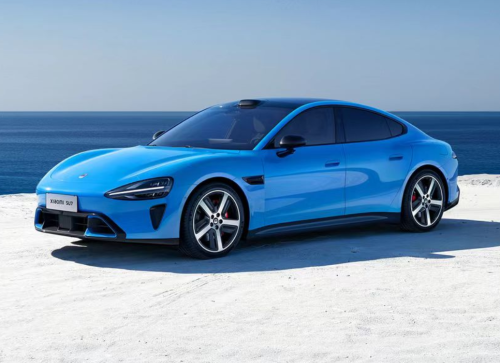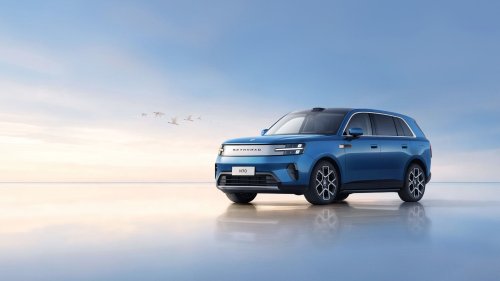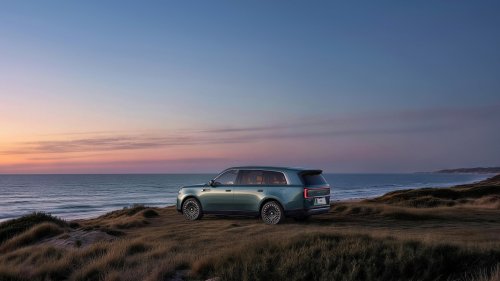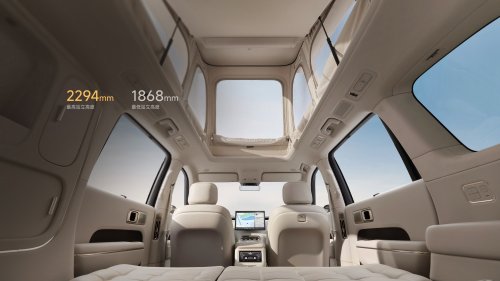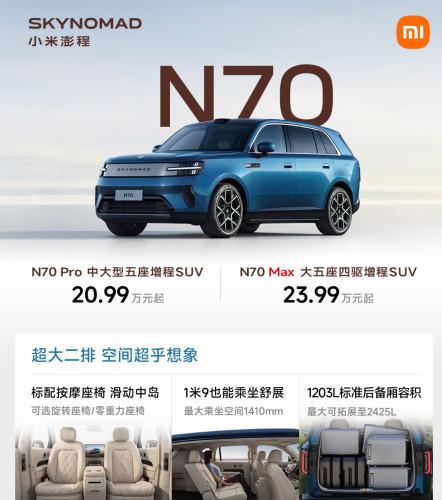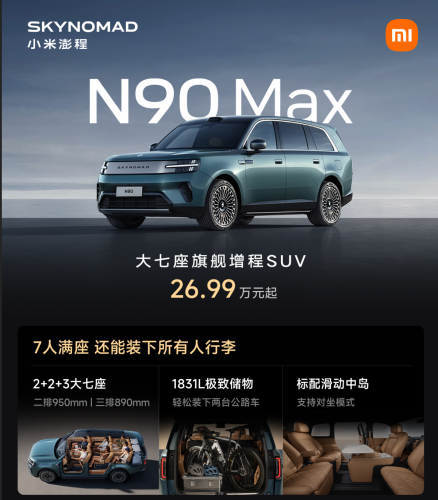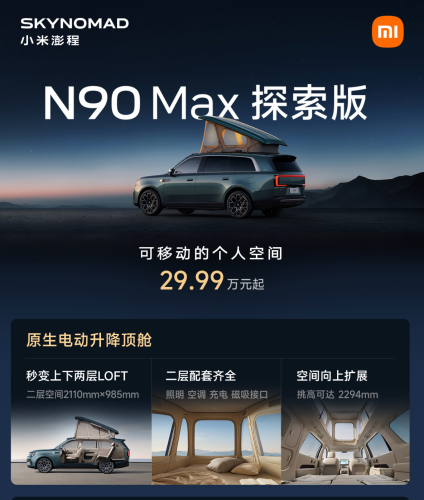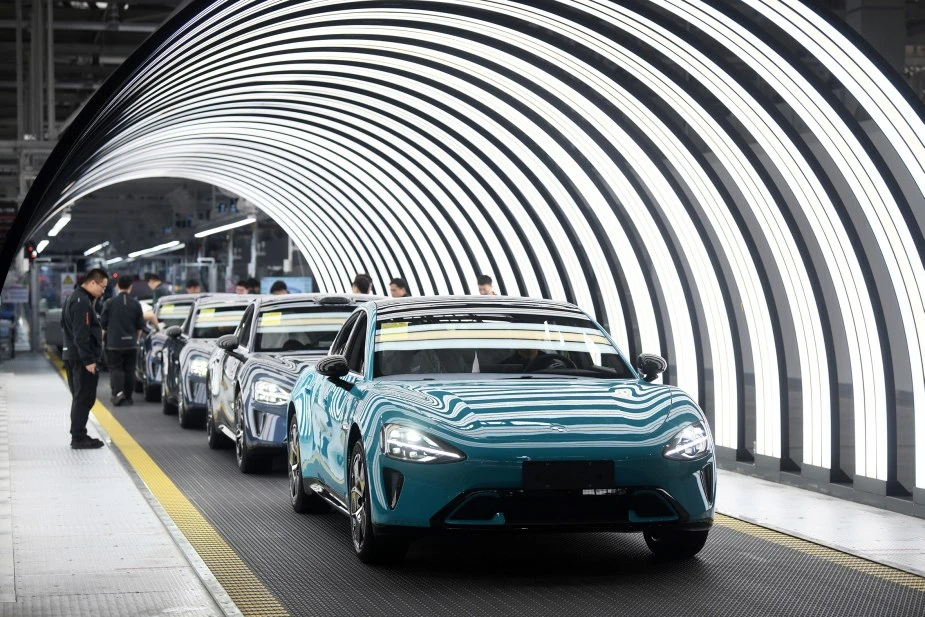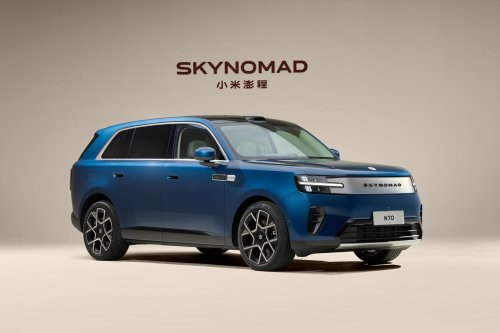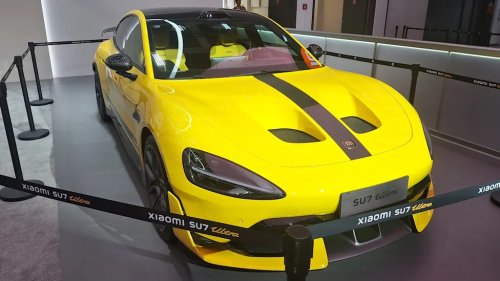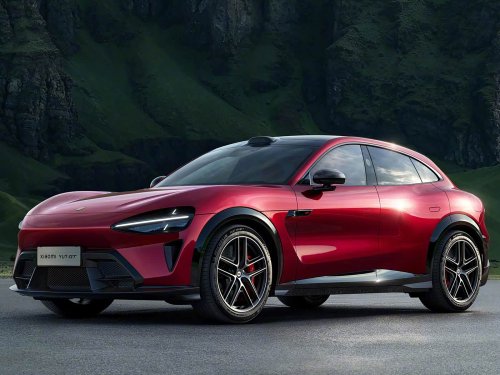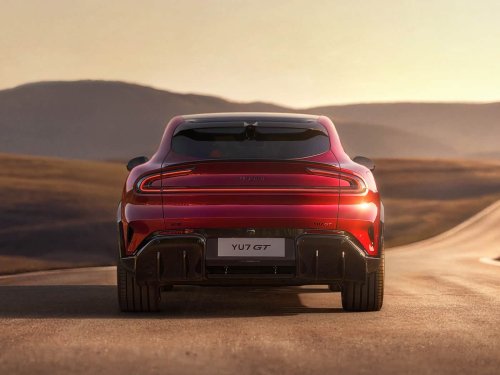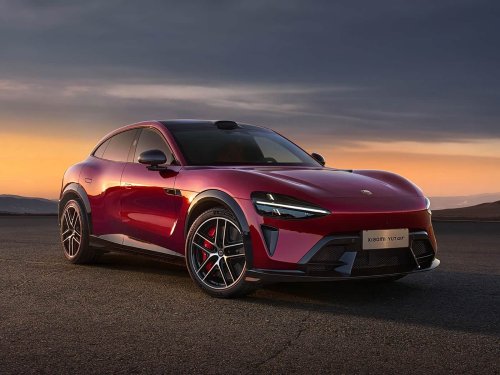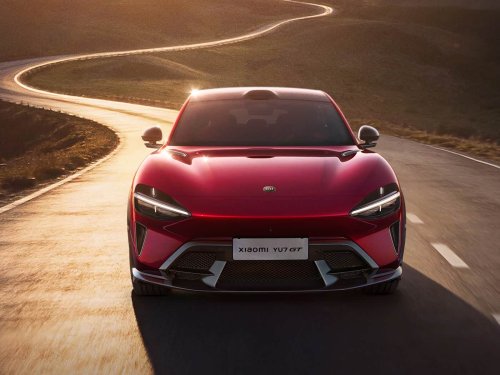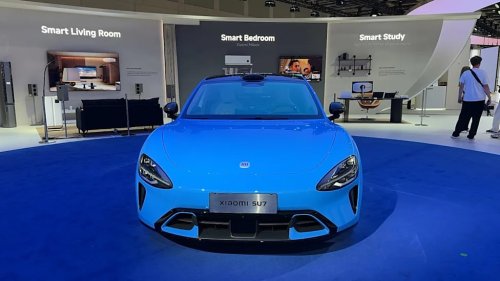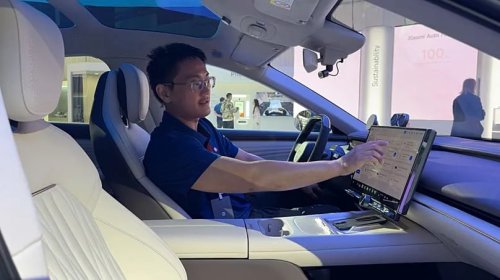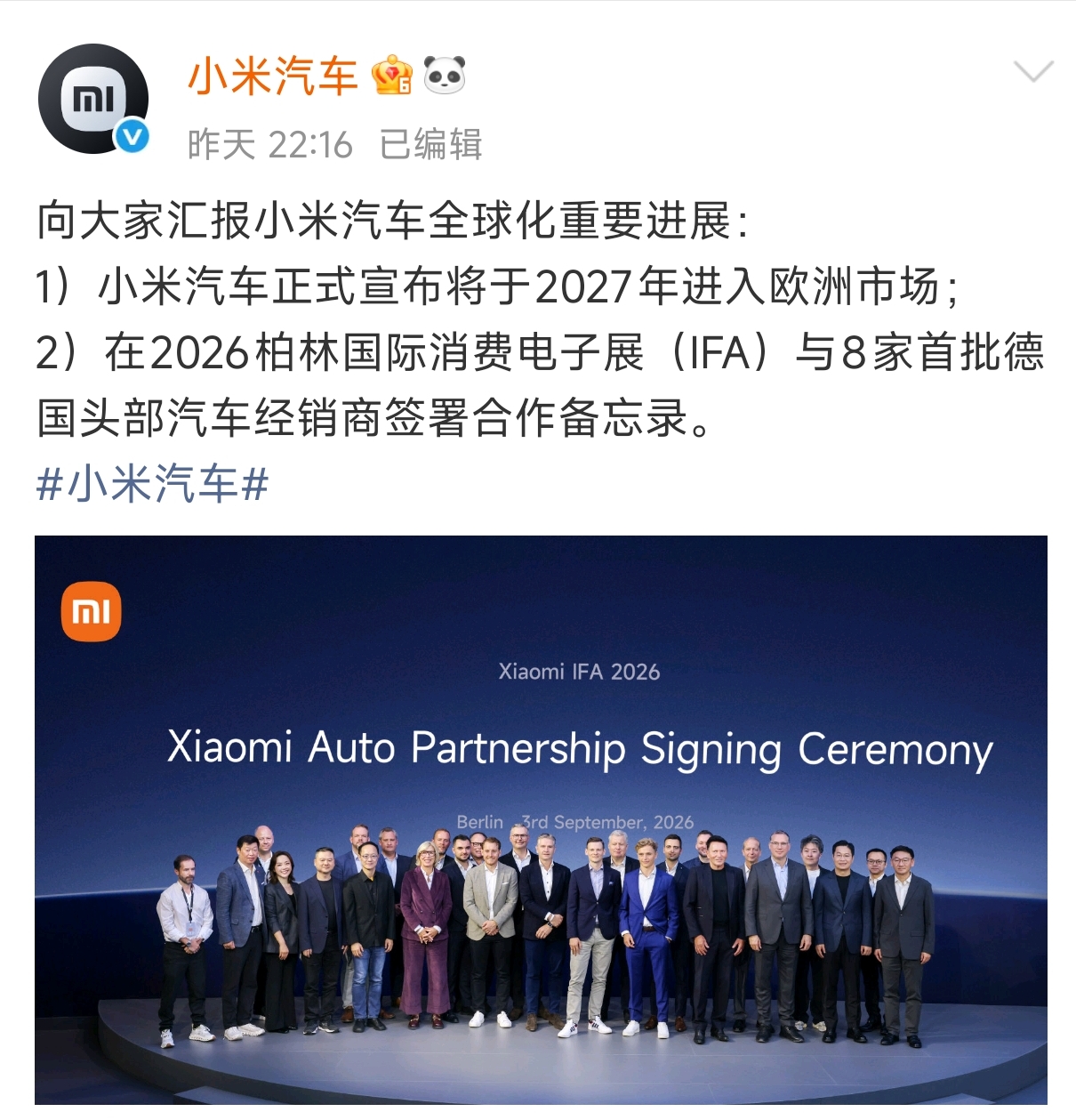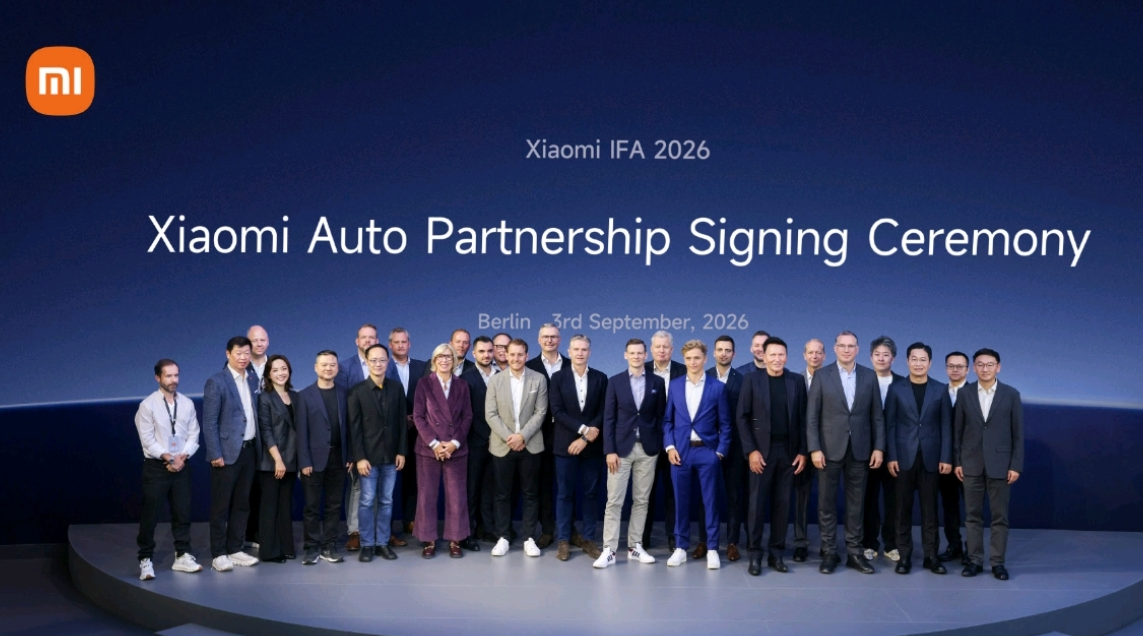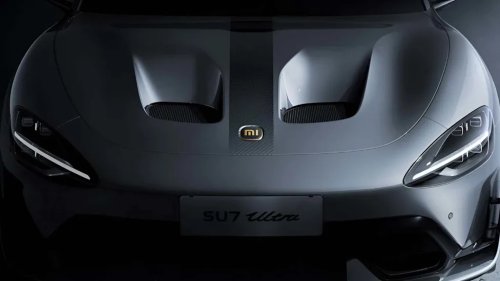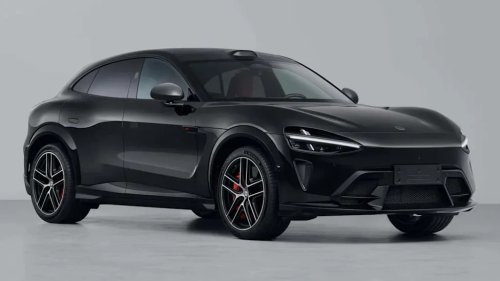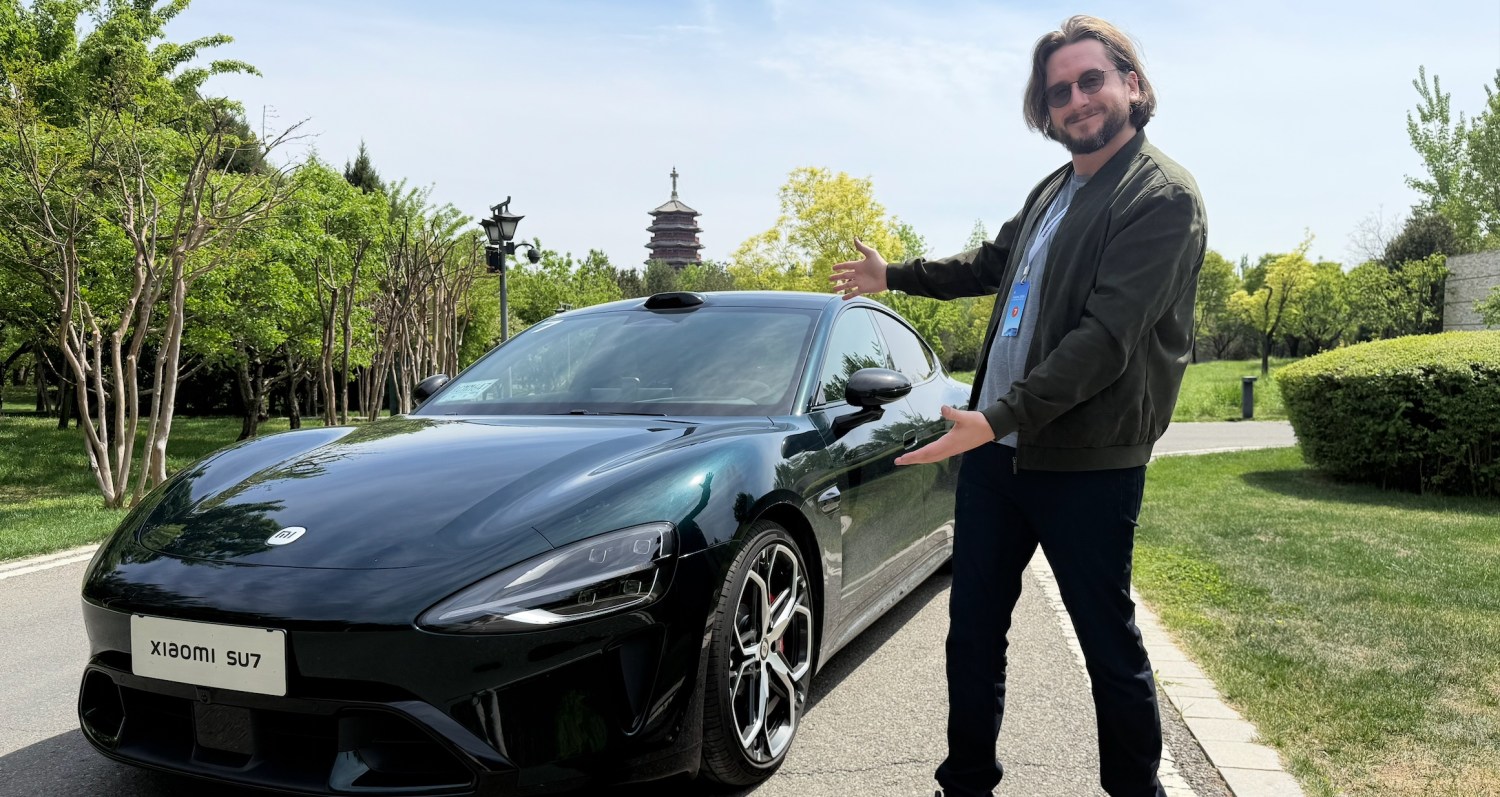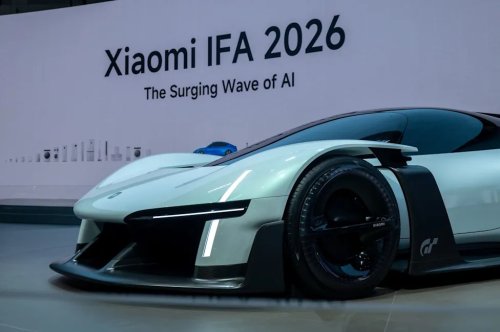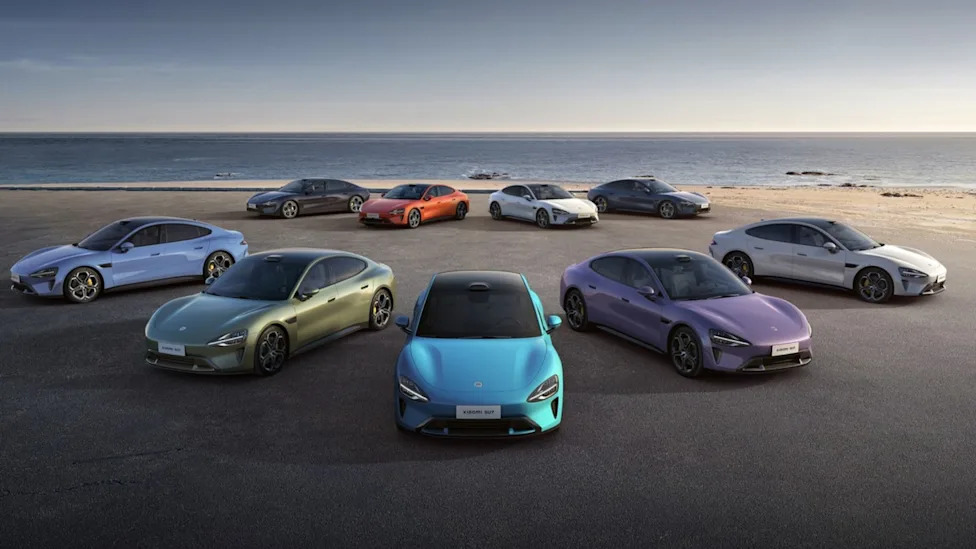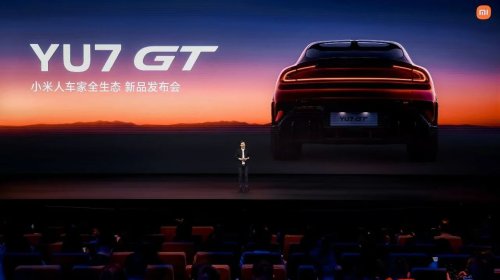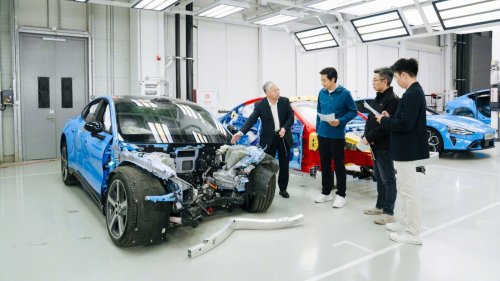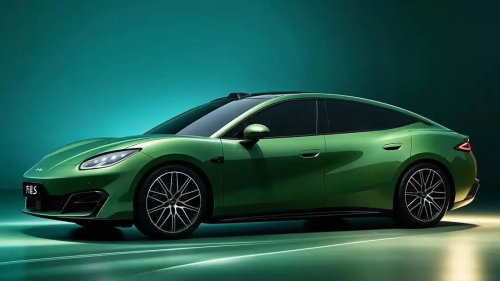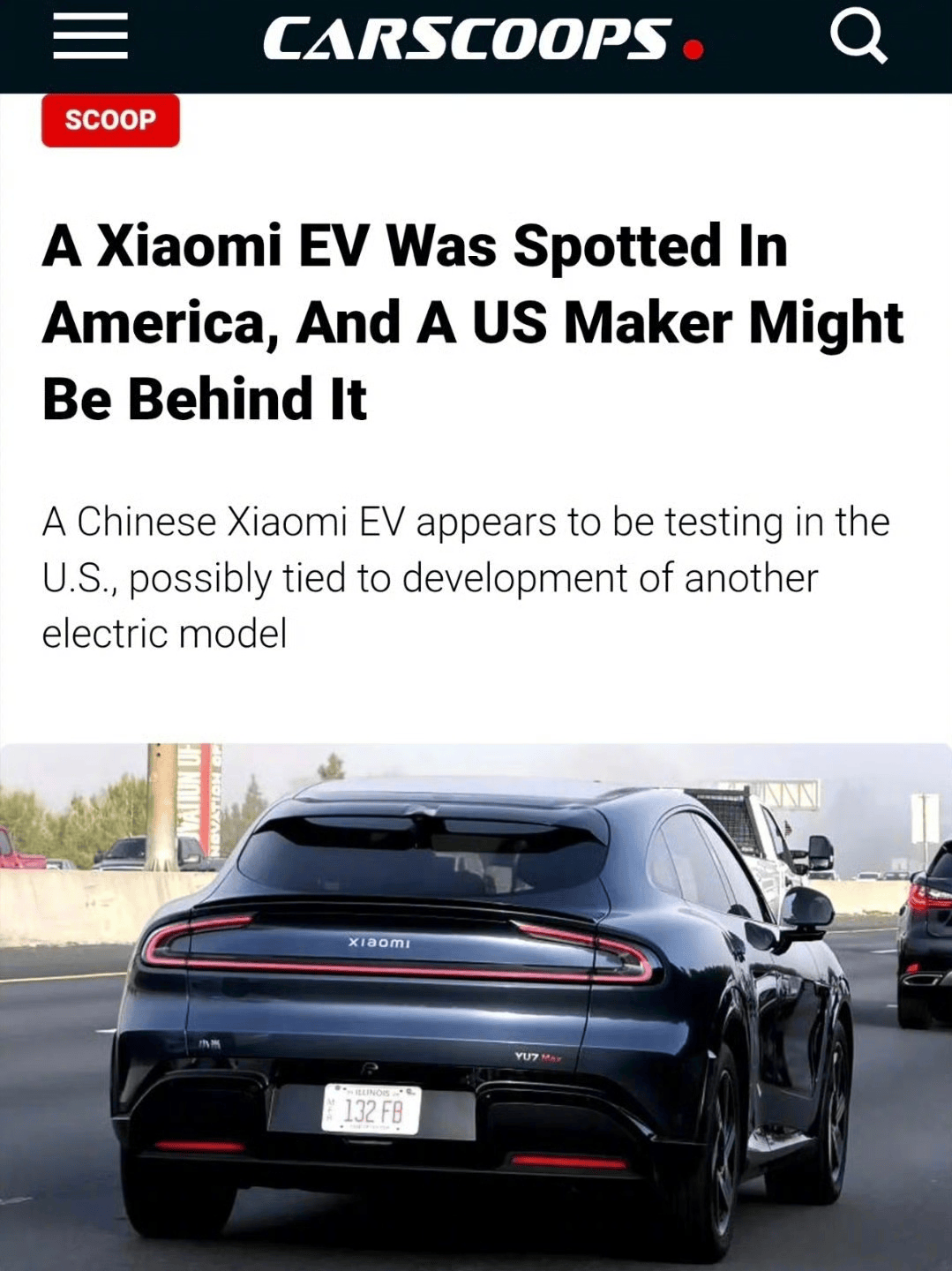
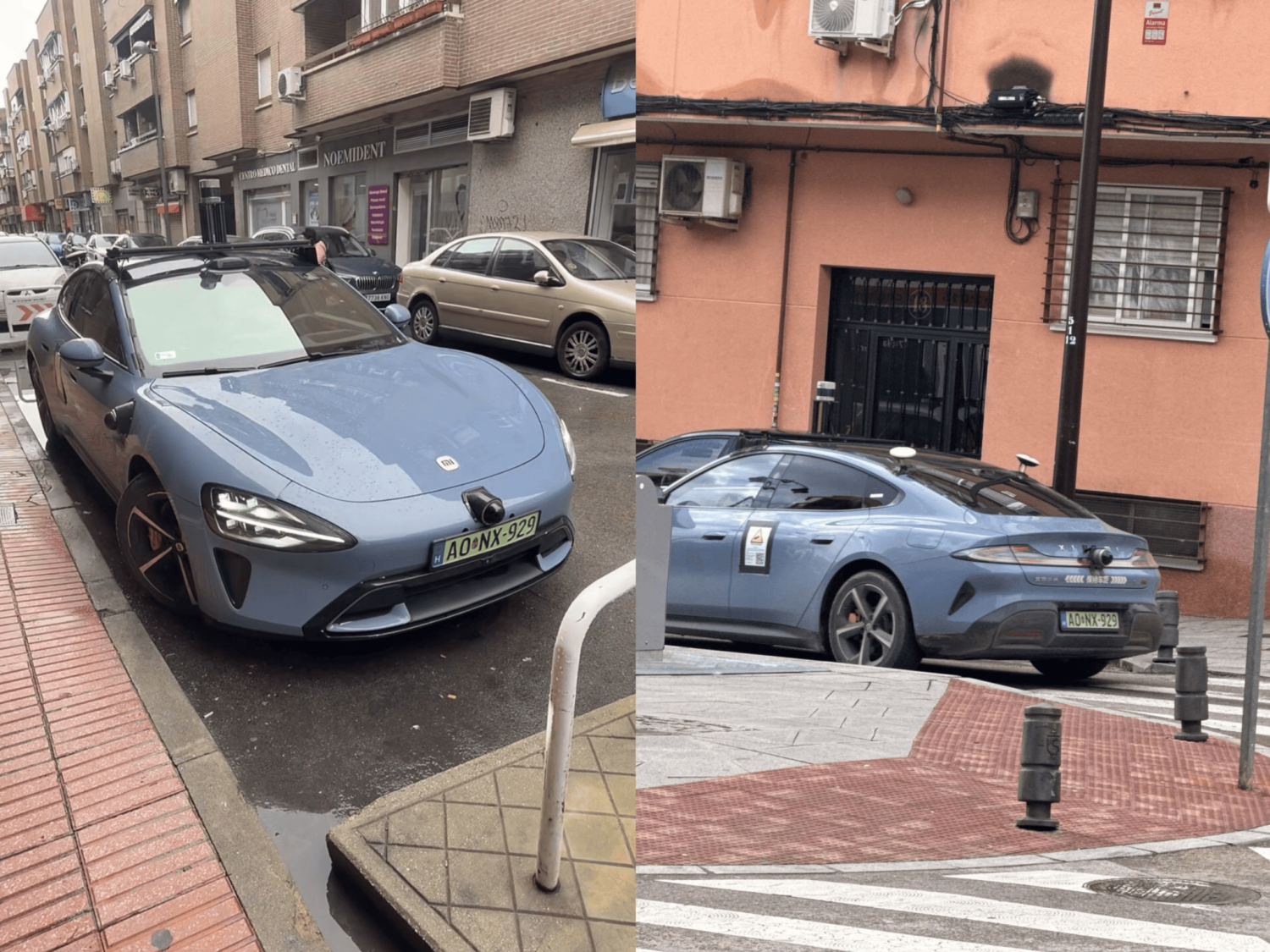
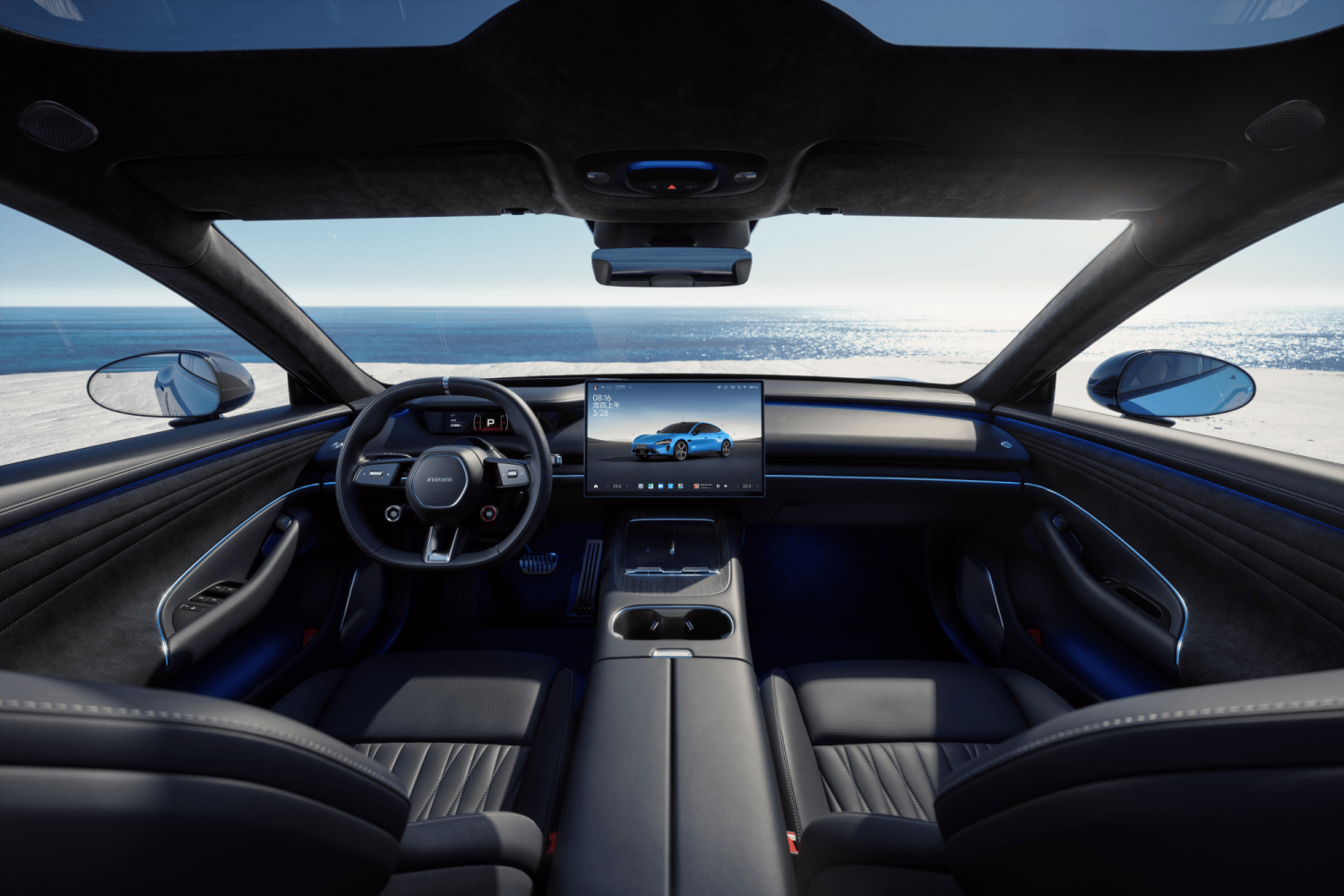



















Xiaomi Auto plans to enter overseas markets in 2027, with Europe as its primary target. Recently, a YU7 model with a local California test license plate was spotted by a netizen on a highway in the United States, quickly sparking widespread attention. On various social media platforms, speculation arose that this might hint at Xiaomi Auto preparing to enter the world’s largest car market—the United States. In response, Xiaomi Auto CEO Lei Jun officially posted a clarification: “We currently have no plans to enter the US market for the time being. I estimate that this YU7 is a benchmark vehicle purchased by US industry peers or suppliers.” Despite temporarily setting aside the US market, Xiaomi Auto’s overseas expansion plans are not on hold. Xiaomi Group President Lu Weibing had previously stated clearly that Xiaomi Auto plans to enter overseas markets in 2027, with Europe being the primary target region. Taking the UK market as an example, although Xiaomi Auto has not officially entered yet, it has begun paving the way for its overseas expansion through brand exposure and ecosystem layout. In late January this year, Lei Jun mentioned in a media interview that Xiaomi aims to establish 150 retail stores in the UK within four years, covering a full range of products including smartphones, wearables, and cars. Earlier this month, a Xiaomi SU7 equipped with multiple LiDAR sensors and bearing Hungarian license plates has been spotted in Spain. It is reported that this is a common practice for automakers in Europe. As Hungary is a member state of the European Union, once vehicles complete certification and registration there, they can be tested and driven throughout the entire EU. This also indicates that this is not a temporary trial run but rather a standard, systematic European testing procedure. Multiple sources of information are signaling that Xiaomi Auto is paving the way for its expansion into Europe. Xiaomi SU7 test vehicle spotted on streets in Spain. There is clear market logic behind this strategic choice. Compared to the punitive tariffs as high as 102.5%–132.5% imposed by the US on Chinese electric vehicles, the European market—despite having implemented a 21% countervailing duty on Chinese EVs—still presents relatively feasible entry conditions. Faced with high US tariffs, most Chinese automakers have chosen to postpone plans to enter the US market, but there are exceptions. In early January this year, Geely Group stated that it is considering producing and selling cars in the United States, with its Zeekr and Lynk & Co brands serving as pioneers. Geely plans to utilize Volvo’s factory in South Carolina for localized production, thereby avoiding the high tariffs. The interior of the all-new SU7. It is worth noting that in the domestic market, Xiaomi Auto is also experiencing rapid expansion of its product matrix. In 2025, Xiaomi Auto’s annual deliveries exceeded 410,000 vehicles, surpassing its target. In January 2026, despite being in a transition period for the SU7 facelift, Xiaomi Auto still delivered over 39,000 vehicles. According to the plan, Xiaomi Auto preliminarily intends to launch four new models next year: the SU7 facelift, an SU7 executive edition, a range-extender five-seat SUV, and a range-extender seven-seat SUV. Building on this, Xiaomi Auto has set a target of delivering 550,000 vehicles in 2026, which would require achieving approximately 34% growth compared to 2025.