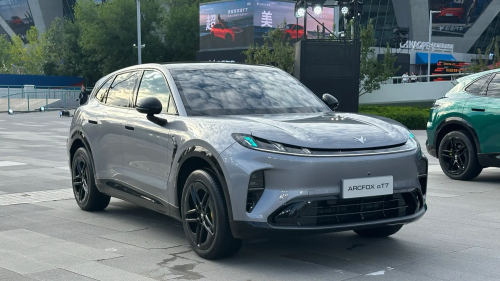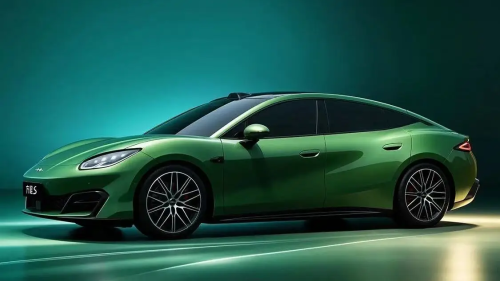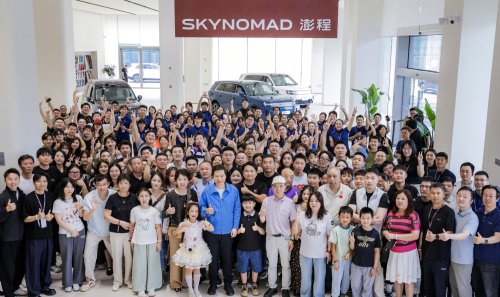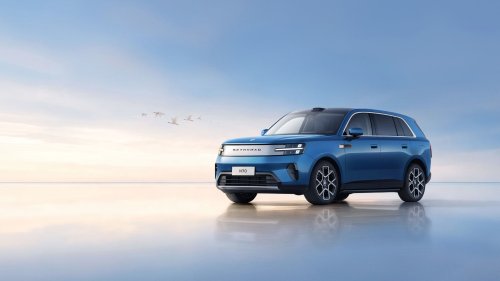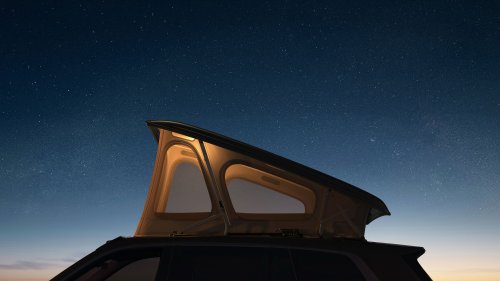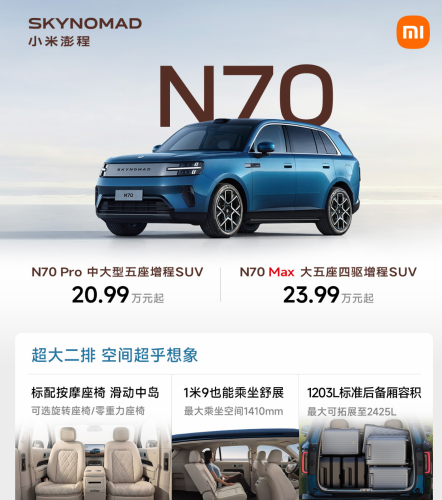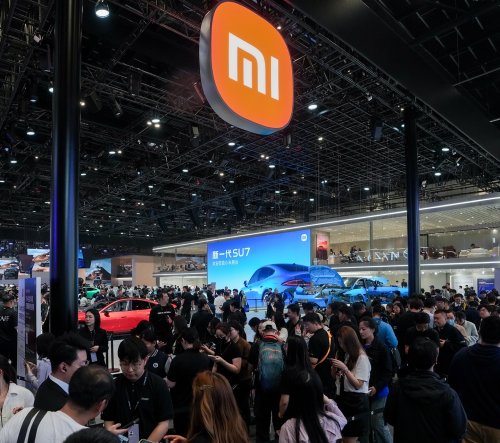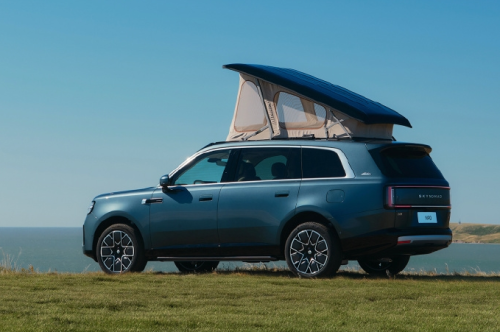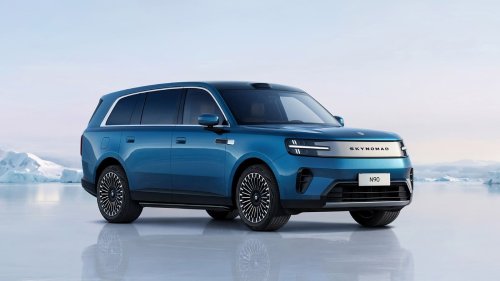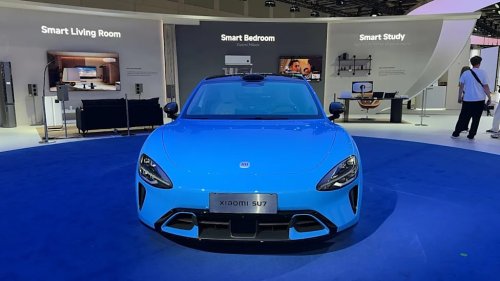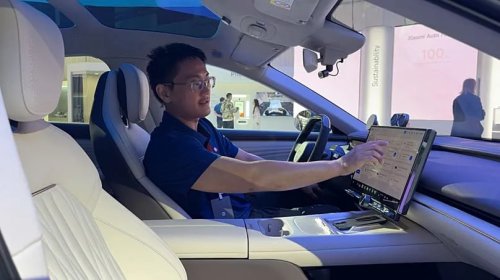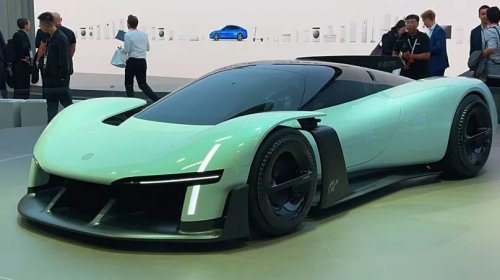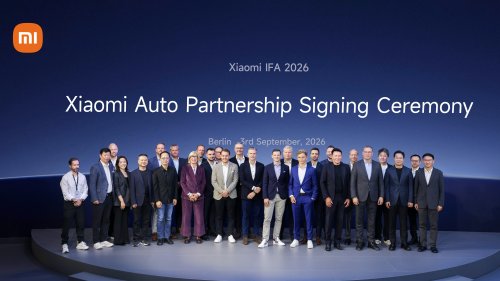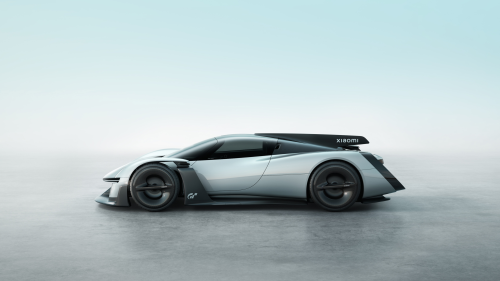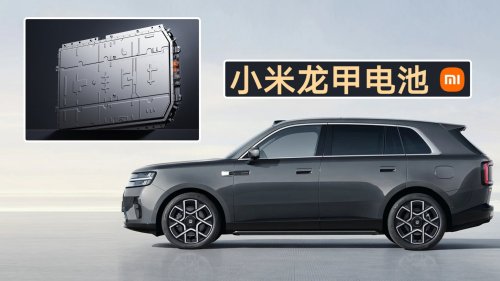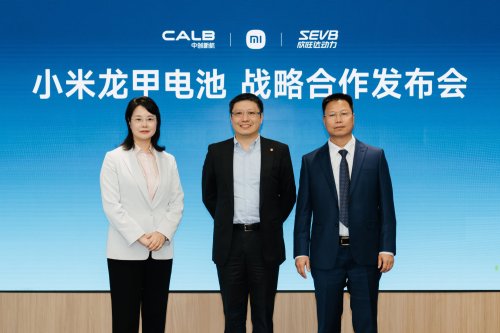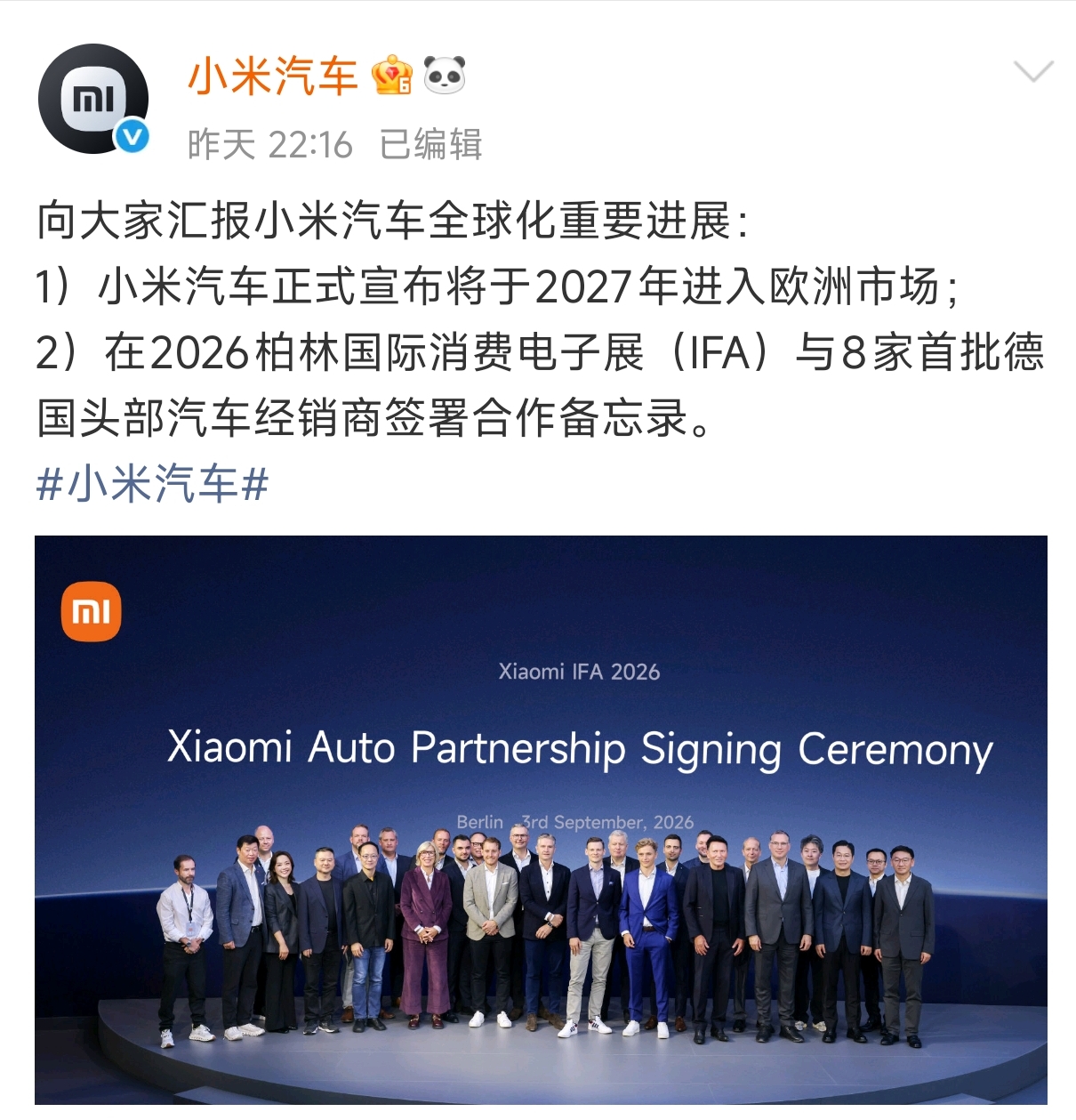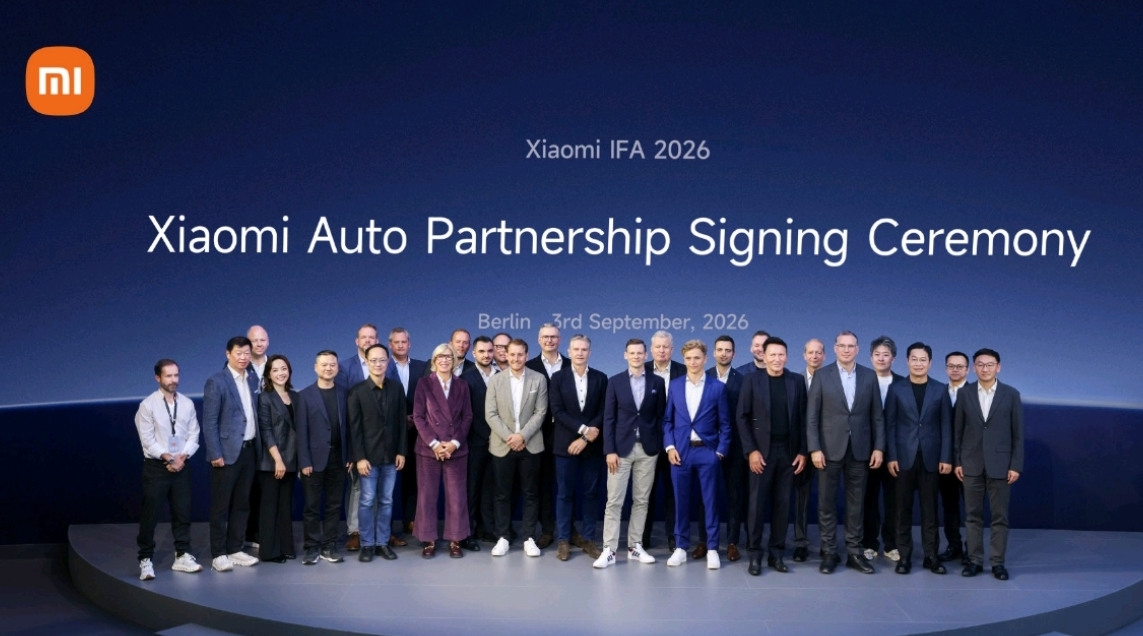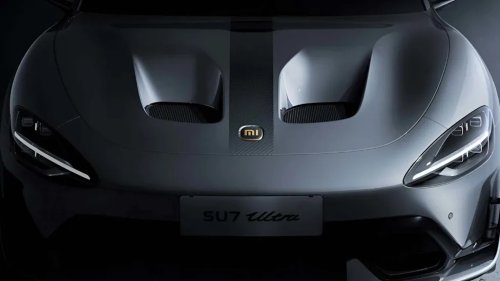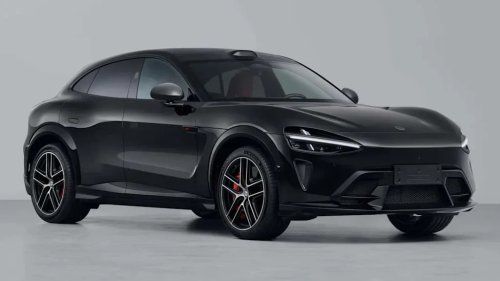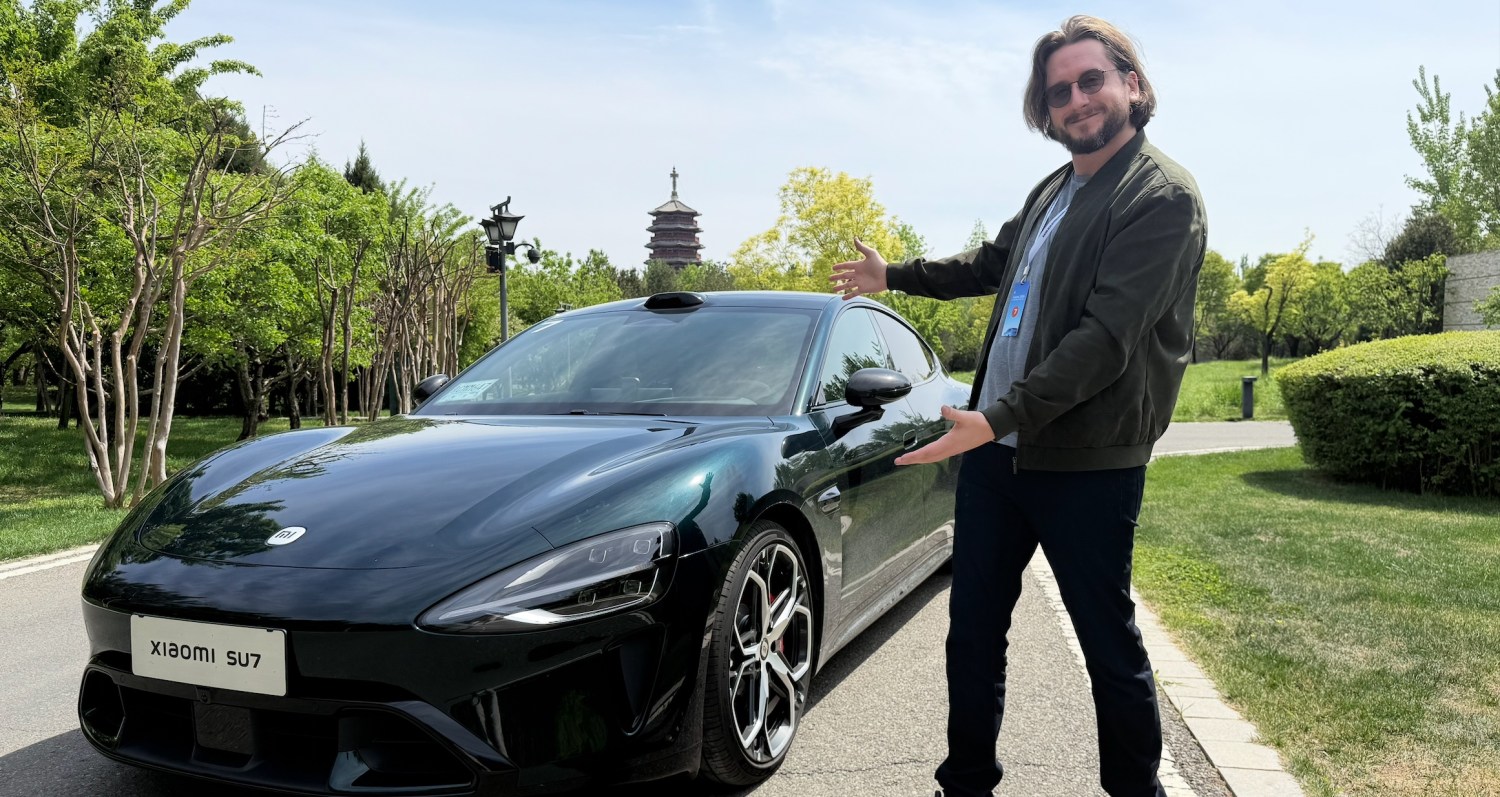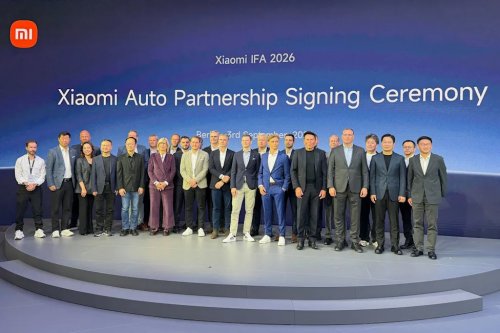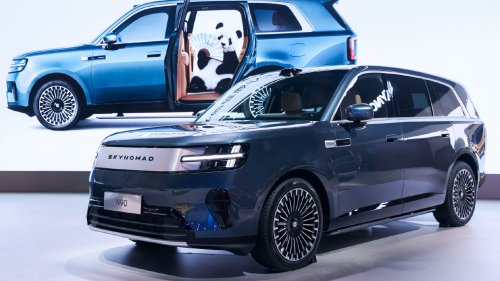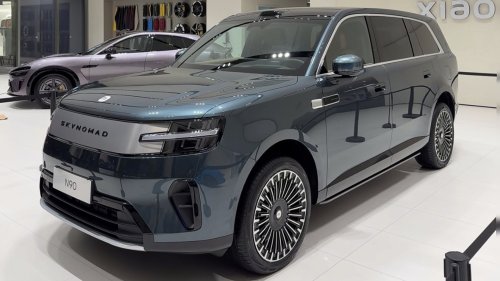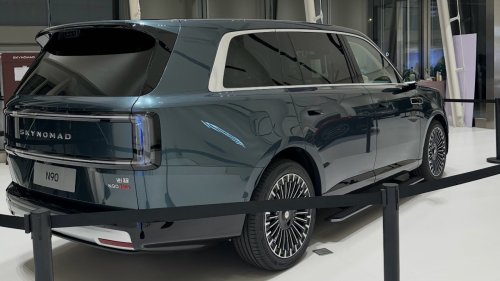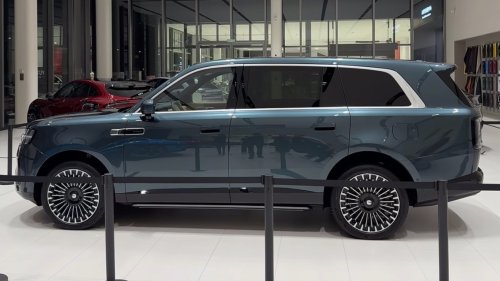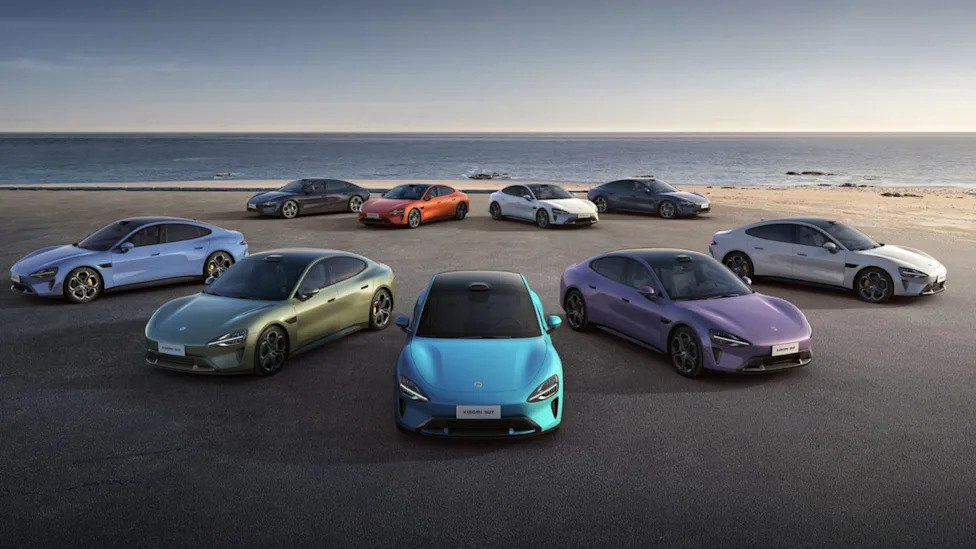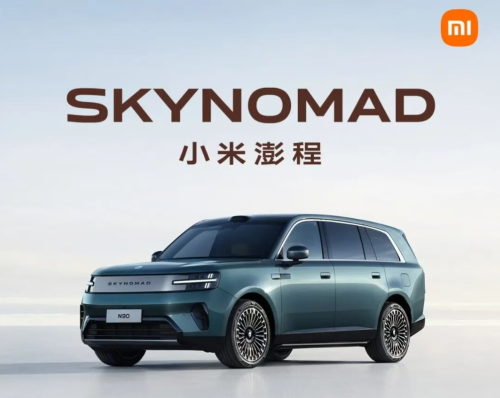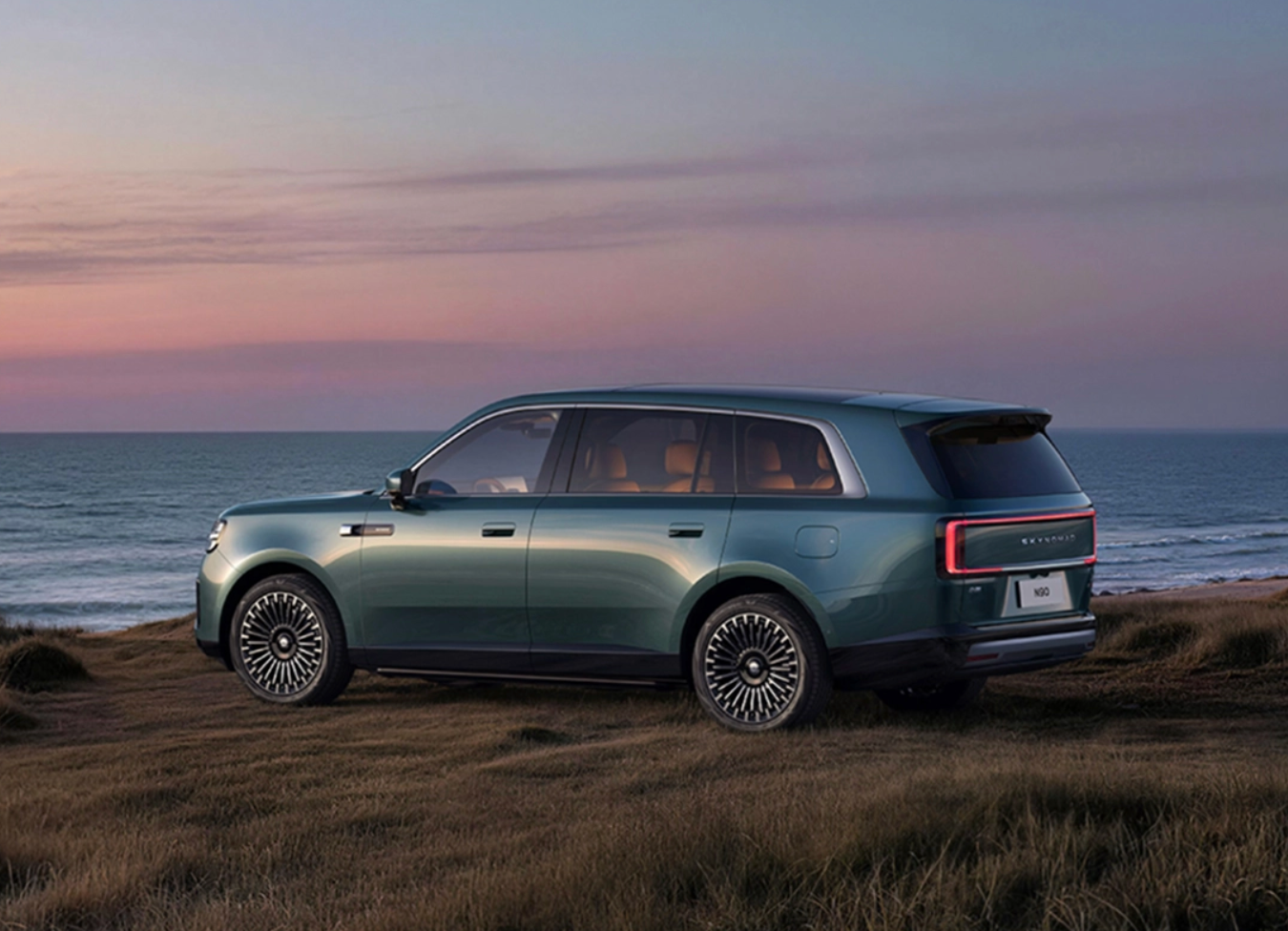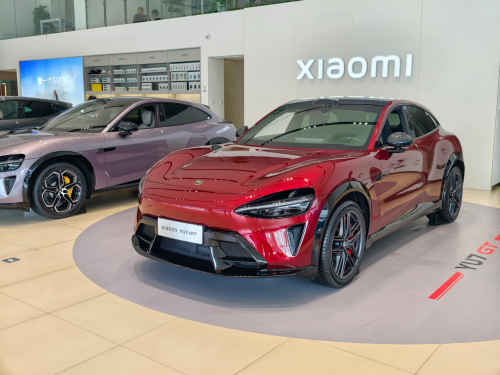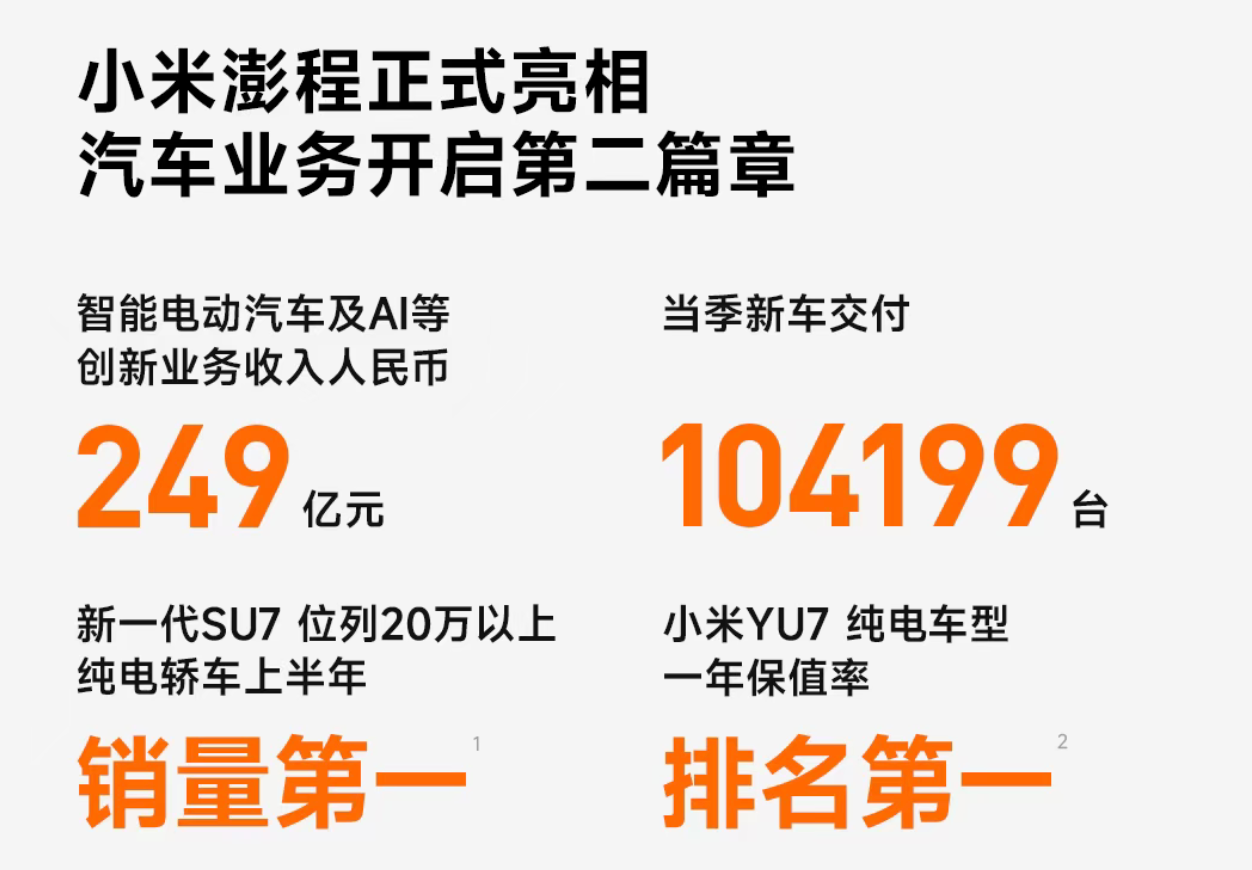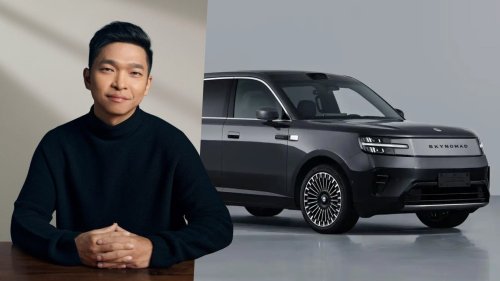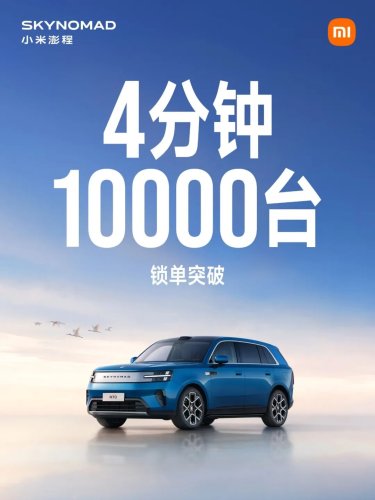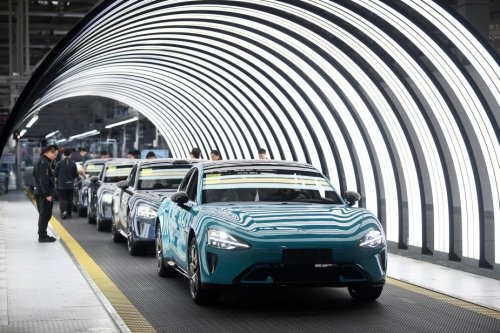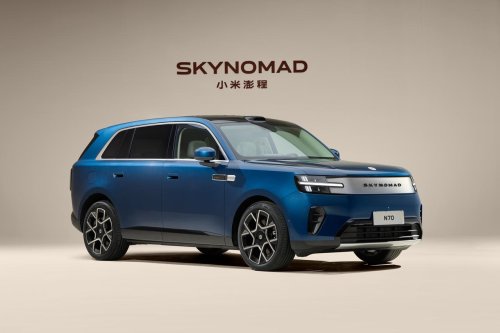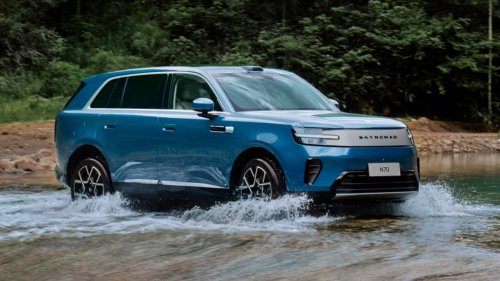
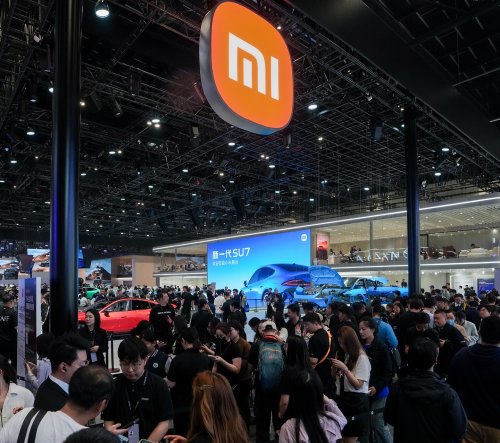
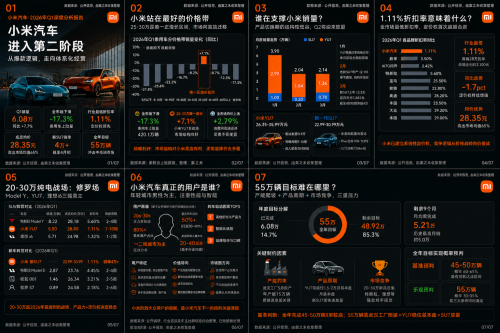
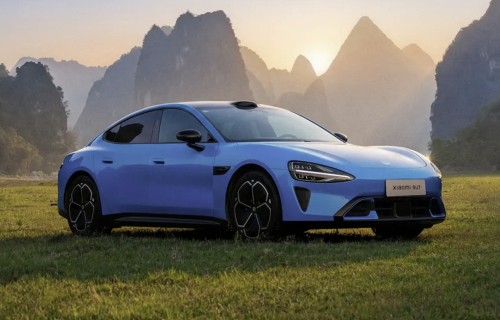
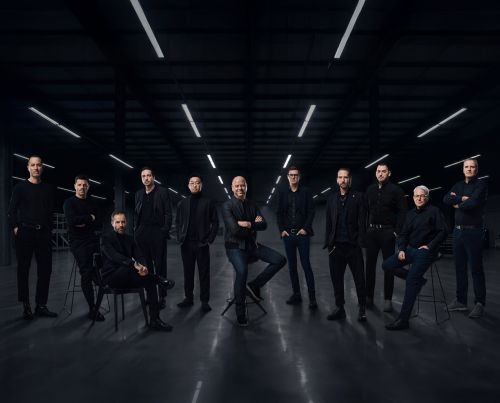



















Gasgoo Munich- The auto industry has never taken Xiaomi Auto lightly. Nearly every move it makes sparks industry-wide debate. That’s because as the new-energy race enters deeper waters, Xiaomi has evolved from a cross-sector newcomer into a major force reshaping the competitive landscape.Recent reports that Xiaomi Auto is launching a standalone sub-brand called "SKYNOMAD" have been gaining traction. A sales consultant confirmed the news to Gasgoo. The brand’s first extended-range SUV, internally codenamed "Kunlun N3," is slated for the second half of 2026. The previously rumored "YU9" name has been scrapped, and the vehicle will not wear the main Xiaomi badge.As of press time, however, the company had not directly responded to questions about SKYNOMAD’s channel strategy, whether its service system will operate independently, or if it will share the "Mi Home" retail network.Who Is SKYNOMAD Targeting?Xiaomi’s decision to launch a new sub-brand was not made on a whim.Corporate records show Xiaomi Tech applied for the "SKYNOMAD" Chinese trademark as early as April 2023, followed by the "SKYNOMAD" English trademark in November 2024. Between 2025 and 2026, the company registered roughly 140 related trademarks. In other words, Xiaomi was already laying the groundwork for a second brand when the SU7 officially launched.Leaked product information suggests a clear positioning gap between SKYNOMAD and the main brand.The core identity of the main Xiaomi brand remains "pure electric, high performance, and tech-focused." Both the SU7 and YU7 cater primarily to younger drivers and driving enthusiasts. SKYNOMAD, by contrast, emphasizes family use, long-distance travel, and outdoor scenarios, aiming to capture the needs of households.Reports indicate the Kunlun N3 will be a full-size extended-range SUV measuring over 5.3 meters in length with a wheelbase of roughly 3.1 meters. It will feature a 1.5T range extender, offering an estimated pure-electric range of 400 to 500 kilometers and a total range of about 1,500 kilometers. In size and positioning, it takes direct aim at the Li Auto L9 and AITO M9.Furthermore, SKYNOMAD plans to roll out additional extended-range SUVs—the Kunlun 10, 20, and 30—along with a pop-top outdoor recreational vehicle codenamed "Isle of Man." The goal is to cover a wider spectrum of scenarios, from daily commuting to outdoor camping.Image Source: Xiaomi AutoIndustry consensus places SKYNOMAD’s price range between 200,000 and 450,000 yuan. This band is currently the most fiercely contested segment for new-energy SUVs, populated by best-selling extended-range models like the AITO M8, Li Auto L9, and Leapmotor D19. Lower price brackets are crowded with value-oriented models such as the Leapmotor C series and Deepal S07.If SKYNOMAD anchors its flagship models in the 250,000 to 350,000 yuan range, it will both capture upgrade demand from existing Xiaomi users and go head-to-head with the Li Auto L7 and L8.This segment happens to be one of the few still showing growth. Data shows passenger vehicle insurance registrations dropped 17.3% year-on-year in the first quarter of 2026—the lowest level for the period in five years. Yet the 250,000 to 300,000 yuan bracket was the only non-luxury segment among eight mainstream price ranges to post positive growth, climbing 7.1%. The average transaction price for the Xiaomi YU7 sits at around 283,500 yuan."The 250,000 to 300,000 yuan range remains one of the few mainstream segments with room to grow in the new-energy market," said Li Yanwei, an expert committee member at the China Automobile Dealers Association. "To some extent, the market structure has already made part of the decision for Xiaomi."Image Source: Xiaomi AutoThe challenge is that the extended-range market today looks vastly different from two years ago. Data from the China Passenger Car Association (CPCA) shows domestic sales of extended-range vehicles surpassed 1.2 million in 2025, but year-on-year growth plummeted from 71% in 2024 to just 3%.In other words, the sector is shifting from "blue-water expansion" to "red-water warfare." At the same time, joint ventures are rushing in: SAIC Volkswagen’s ID.ERA 9X and Dongfeng Nissan’s NX8 extended-range version have opened pre-orders, while GAC Toyota plans to launch extended-range versions of the Highlander and Sienna in 2026. Competition in the 200,000 to 350,000 yuan bracket is set to intensify further.The logic of competition is shifting. Previously, the battle was over who had the highest specs, the lowest price, or the most space. Moving forward, the real test will be systemic capability, service quality, user operations, and ecosystem integration. That is precisely the most critical exam Xiaomi faces in its next phase.To some extent, the arrival of SKYNOMAD signals Xiaomi’s shift from a "single-product logic" to "systematic operations." It is not merely adding another vehicle; it is an attempt to penetrate the family market—a segment Xiaomi has not truly touched before.Coordinating With the Main BrandSKYNOMAD was spun off as a standalone sub-brand because its positioning differs markedly from the main Xiaomi brand. Cramming both extended-range family vehicles and high-performance pure-electric cars under the single "Xiaomi" umbrella would dilute the main brand’s pure-electric identity and likely confuse consumers about its positioning.Industry trends also suggest that moving from a single hit product to systematic operations is a necessary path for any automaker scaling up. Volkswagen Group has Volkswagen, Audi, Porsche, and Skoda; BYD has BYD, Denza, Fangchengbao, and Yangwang; Toyota has Toyota and Lexus.New entrants are no exception: NIO launched Onvo to cover the market below 300,000 yuan; Leapmotor is deepening its presence in the 150,000 yuan bracket while simultaneously targeting the 100,000 and 250,000 tiers; XPENG released the MONA series for younger users. Whether moving upmarket or down, eventually none can bypass the mainstream family market—the industry’s foundational base.Relying on the SU7 and YU7, Xiaomi has already established a foothold in the 200,000 to 300,000 yuan pure-electric market. From January to April 2026, Xiaomi Auto delivered 101,000 vehicles, an increase of over 11% year-on-year.Yet, relying solely on two sporty pure-electric models makes it difficult to truly capture the broader family market. The emergence of SKYNOMAD is essentially about filling in that missing piece of the puzzle."Xiaomi’s launch of a standalone sub-brand is essentially about expanding market coverage and penetrating the broader family segment through differentiation," said Zhang Xiang, secretary-general of the International Intelligent Transport Technology Association. However, he noted that with Xiaomi Auto’s total ownership still in a rapid growth phase, establishing a distinct identity for the second brand remains a challenge.After all, managing a dual-brand strategy tests organizational capability and resource allocation far more than a single brand. The true complexity lies not just in the products themselves, but in the very real pressures surrounding the channel and service systems.Currently, Xiaomi Auto operates primarily through a network of "experience centers" and "delivery centers." Once SKYNOMAD officially launches, Xiaomi will face a practical choice: should it fold the new brand into the existing "Mi Home" ecosystem, or build a standalone sales network?Image Source: Sang ZhiweiIf it chooses to share channels, the store layouts, displays, and user experience logic designed around the SU7 and YU7 risk being disrupted. The core users of the main Xiaomi brand are predominantly tech enthusiasts and young performance seekers, whereas SKYNOMAD’s potential customers skew clearly toward families. The two groups have different expectations for space, product presentations, test drives, and even the pace of service.If both brands occupy the same retail space, preventing them from cannibalizing each other will be a critical issue Xiaomi must address.Conversely, building an independent sales network would shift the pressure to costs. Xiaomi would have to absorb additional rent, operations, staffing, and construction expenses starting in the second half of 2026. For an automaker still ramping up production, this would undoubtedly test both cash flow and organizational efficiency.This is a hurdle many new-energy brands have faced during expansion. Traditional automakers like BYD and Geely can sustain multi-brand operations largely because of decades of accumulated channel and service infrastructure. Xiaomi Auto, by contrast, is only just beginning its true scale-up phase.Beyond the sales network, another tangible pressure looms over the after-sales system. Extended-range vehicles require maintenance not just for the electric drivetrain, but also for engines, fuel systems, and other complex mechanical components.Xiaomi’s roughly 200 authorized service centers were largely designed for pure-electric repairs, and rising delivery volumes have already pushed some city centers to high capacity. If the SKYNOMAD Kunlun series scales up quickly, it remains to be seen whether maintenance capabilities can keep pace with the dual demands of pure-electric and extended-range technology.This will determine whether SKYNOMAD can solidify its foundation through service and reputation once the initial hype fades. For families, reliability and service experience often matter more than the product itself. Of course, these are challenges that will need to be addressed after SKYNOMAD’s launch.The Ability to Deliver HitsXiaomi’s confidence in launching a dual-brand strategy stems from its proven ability to deliver hits. When Xiaomi announced its entry into auto manufacturing, the industry already viewed it as a formidable contender. Yet the fervor following the SU7’s launch still exceeded many expectations.Moreover, Xiaomi created a phenomenon in a segment that was not previously considered hot. Over the past few years, numerous automakers have attempted to crack the 200,000 yuan pure-electric sports sedan market, but few have succeeded. Xiaomi, however, secured nearly 90,000 orders within 24 hours of the SU7’s launch.Subsequently, some automakers began studying "Xiaomi-style marketing." As one industry insider lamented, "Everyone wants to be Xiaomi, and everyone wants to be Lei Jun."Auto analyst Zhong Shi noted that the combination of Xiaomi’s brand power and Lei Jun’s personal IP helped ignite the previously niche high-performance sports sedan market. Following the SU7, overall interest in similar vehicles also rose significantly.Xiaomi Auto’s market performance remained robust entering 2026. While the average discount rate across the market sat at roughly 19.4%, Xiaomi Auto’s stood at just 1.11%. Li Yanwei interprets this as a sign that Xiaomi still possesses strong pricing power, rather than relying on deep discounts to drive volume.The order mix tells a similar story. High-spec trims of the new SU7 make up a disproportionately large share: the Max version accounts for about 35%, the Pro version for 40%, and the Standard version for 25%. Clearly, market validation for Xiaomi Auto extends beyond just "low prices."Image Source: Xiaomi AutoXiaomi’s confidence in building a second brand and entering a new track comes from several dimensions:First is brand momentum. Over the past decade, Xiaomi has amassed a massive user base and honed its internet operations. Even if SKYNOMAD does not wear the Xiaomi badge, the "Xiaomi ecosystem" itself retains significant value as a traffic gateway.Second is the "Human x Car x Home" ecosystem. Unlike traditional automakers, Xiaomi is not purely a car company. From smartphones and IoT to smart homes, it has built a relatively complete ecosystem that integrates HyperOS, localized smart cockpits, and IoT devices.Third is R&D investment. The Xiaomi Group currently spends over 30 billion yuan on R&D annually, with the automotive business as a key recipient. In March 2026, Xiaomi released the new-generation SU7, simultaneously announcing an upgrade of its driver-assist system to the XLA cognitive large-model architecture. By integrating voice and robotics data, the new vehicle gained multi-modal cognitive input capabilities.Fourth is channel and organizational efficiency. In the consumer electronics era, Xiaomi’s greatest strength was rapidly scaling through internet-based methods. Now, it is attempting to replicate that efficiency in the automotive sector.Zhang Xiang believes Xiaomi’s ecosystem synergy and internet operational efficiency are its core differentiators from traditional automakers in the family extended-range market. However, he emphasizes that whether these advantages translate into actual purchasing decisions by families requires market validation after the products launch. Brand and marketing alone are not enough.After all, a car is not a phone.Stay Focused on the ProductThe underlying logic of car consumption differs from consumer electronics. Phones are replaced yearly, but cars are driven for five, eight, or more years. This means users have far less tolerance for issues regarding reliability, quality consistency, and after-sales service compared with consumer electronics.Consumers may tolerate a phone lagging occasionally, but they will not accept a vehicle malfunctioning at high speeds. Therefore, what Xiaomi truly needs to prove going forward is not just its ability to create hits, but its comprehensive capacity for stable deliveries, quality control, after-sales support, and systematic operations.Particularly in an oversupplied large SUV market, the window of opportunity for latecomers is narrow. Li Yanwei estimates the real annual demand for large SUVs is between 300,000 and 500,000 units, while potential industry supply has already surpassed 1 million. Among the more than 30 medium-to-large SUVs, fewer than eight are expected to consistently maintain monthly sales above 3,000 units 12 months after launch.Once the SKYNOMAD Kunlun N3 launches, it must not only confront rivals like the Li Auto L9 and AITO M8 head-on but also rapidly build a sales base during the critical post-launch window. Otherwise, it faces an elimination barrier that will be exceedingly difficult to overcome.Xiaomi Auto’s full-year target for 2026 is 550,000 vehicles. At the current pace, it needs to deliver an average of 50,000 units per month over the remaining eight months—a figure that matches its historical peak.Once Xiaomi Auto’s Yizhuang Phase III plant comes online, industry estimates suggest its maximum annual capacity could reach 1 million vehicles. However, production ramp-up, supply chain stability, and quality control will remain its most immediate pressures.Xiaomi Auto's European Team, Image Source: Xiaomi AutoOverseas markets remain a missing piece for Xiaomi Auto. While NIO, XPENG, and Leapmotor have already expanded abroad, Xiaomi’s sales are still primarily domestic, with an overseas strategy expected to launch around 2027. Building global capabilities will determine whether Xiaomi Auto can evolve from a dark horse among new entrants into a large-scale automotive group.From the SU7’s explosive debut to the YU7 entering the mainstream, and now with Xuntian emerging, Xiaomi Auto has completed its "zero to one" phase. Moving forward, running dual brands, advancing both pure-electric and extended-range lines, and covering both family and performance segments are inevitable choices for scaling up—and necessary requirements as the new-energy competition enters its second half.Yet the auto industry is never a sprint. Launch events, traffic, and marketing can generate rapid attention, but long-term survival depends on hard metrics: product, supply chain, channels, service, and user reputation.Whose ceiling will Xuntian shatter? It is too early to say. But one thing is certain: as new-energy competition shifts from "product battles" to "systemic warfare," Xiaomi Auto has entered a much tougher fight.