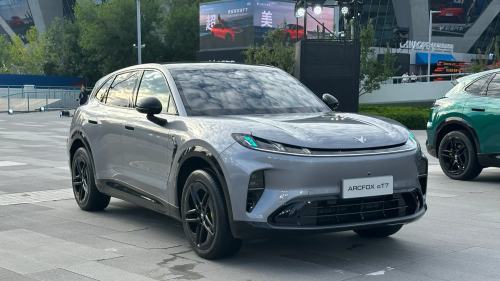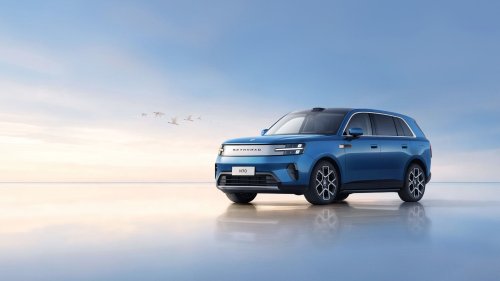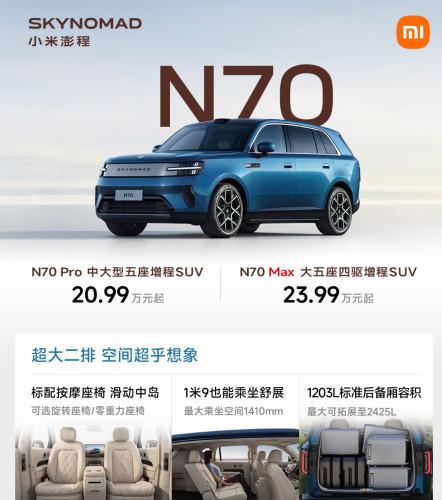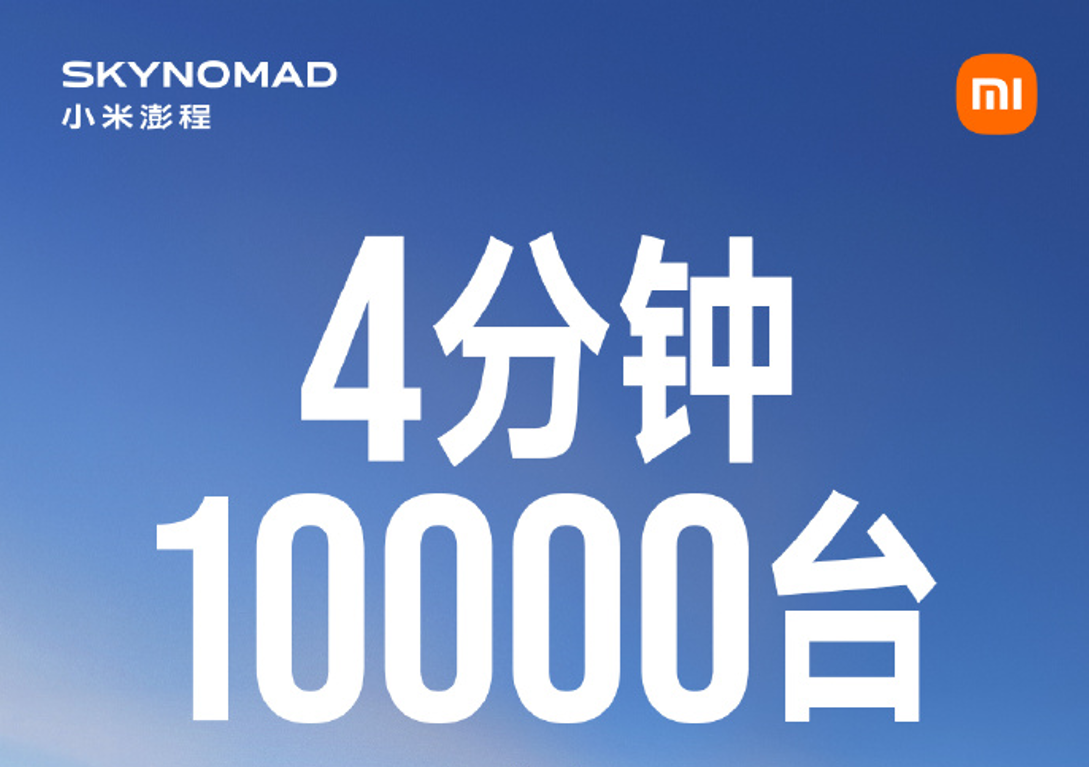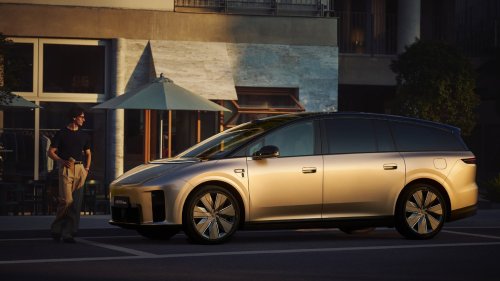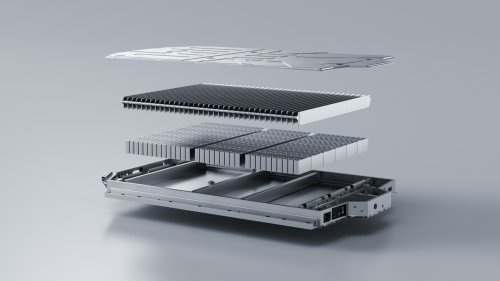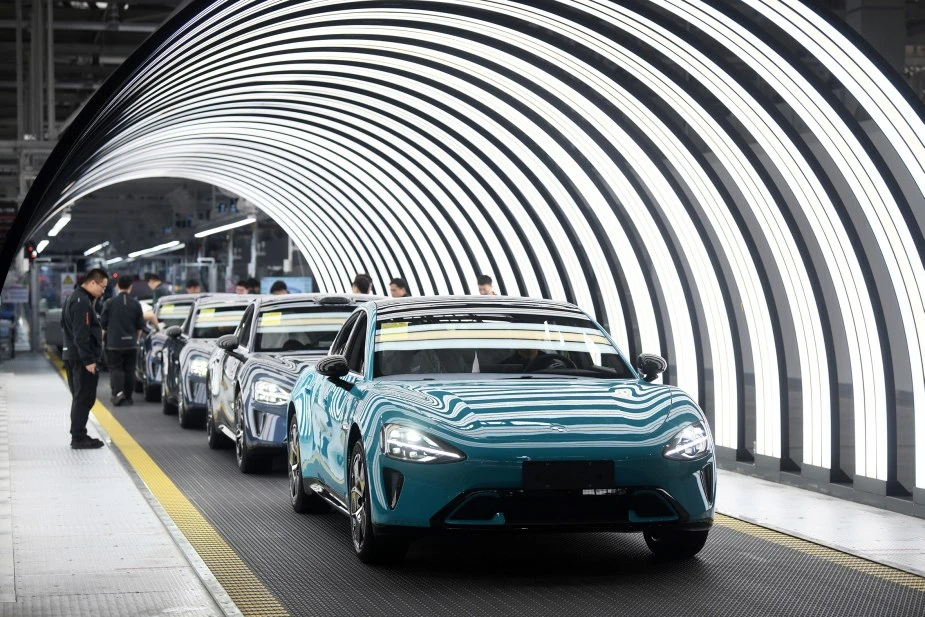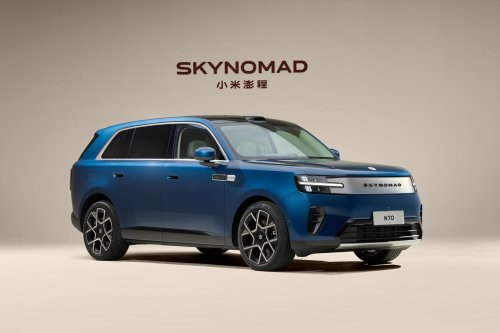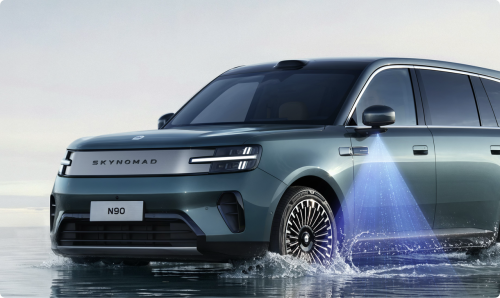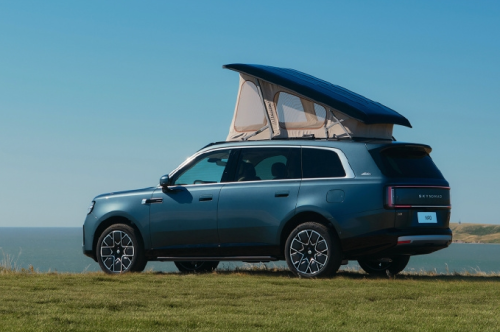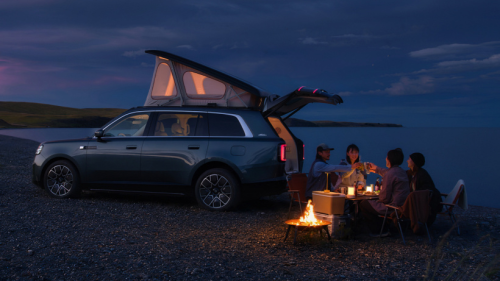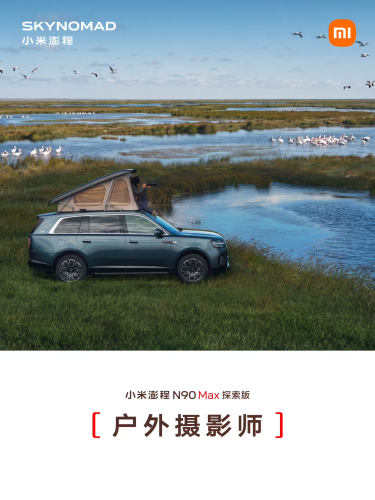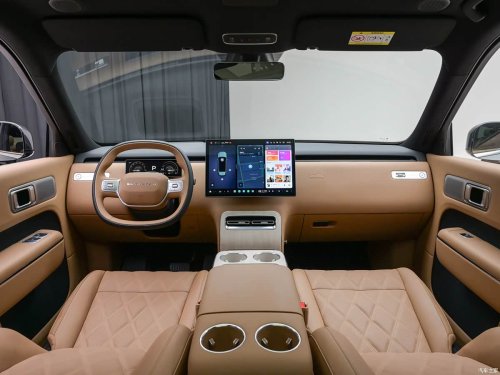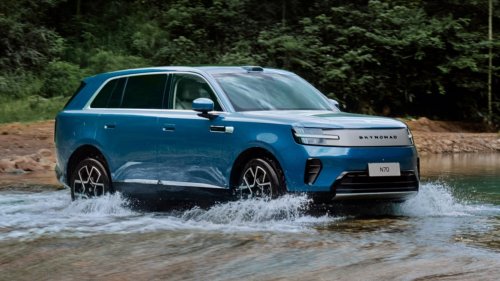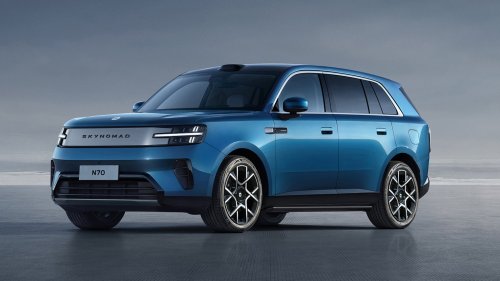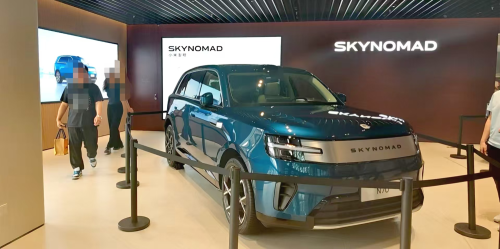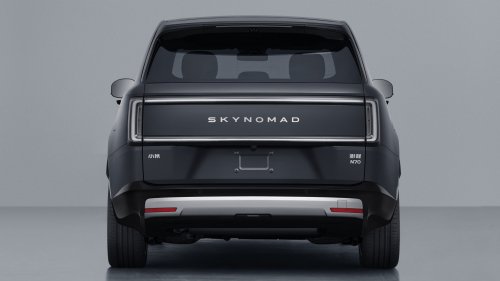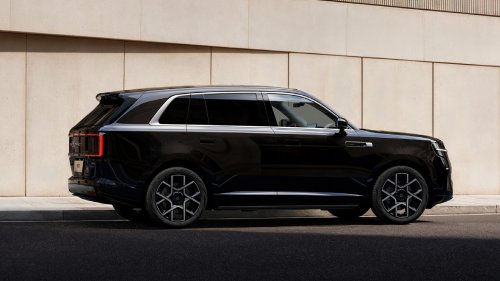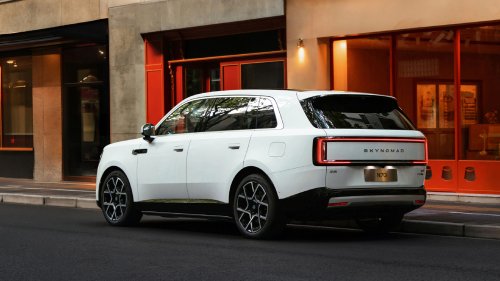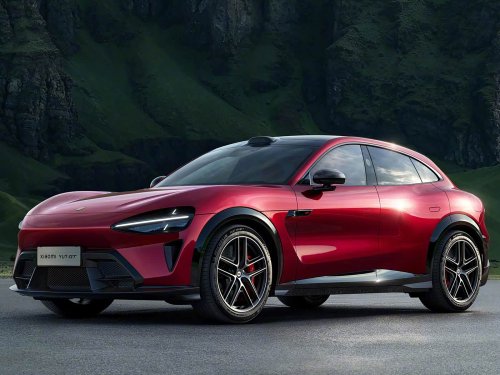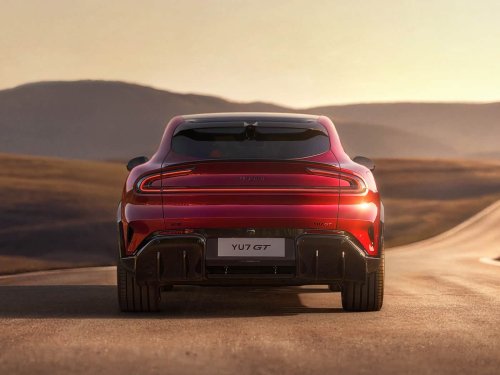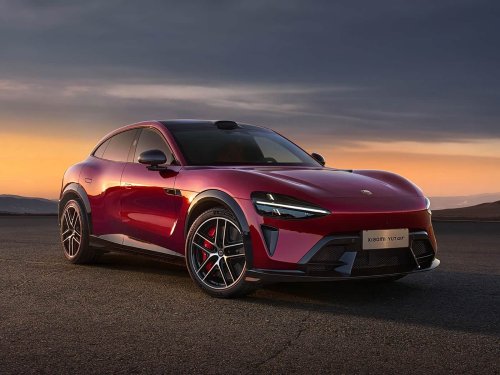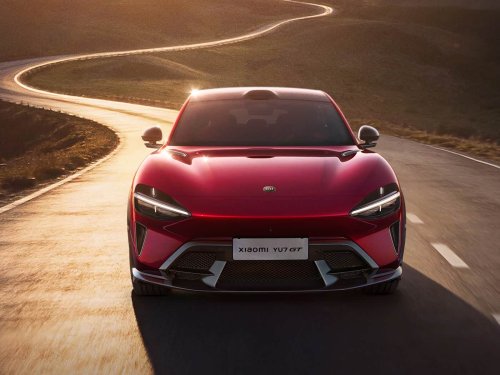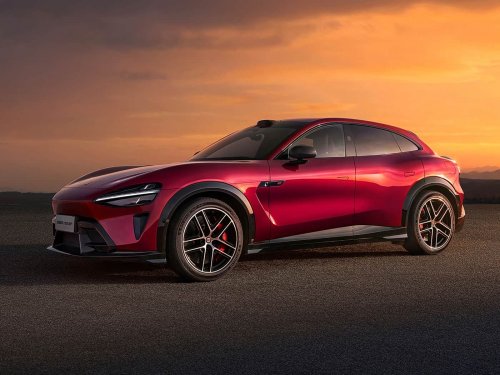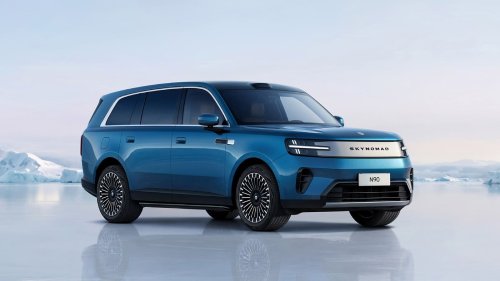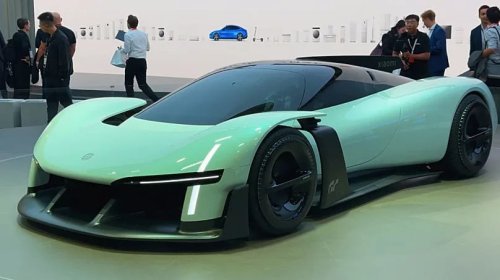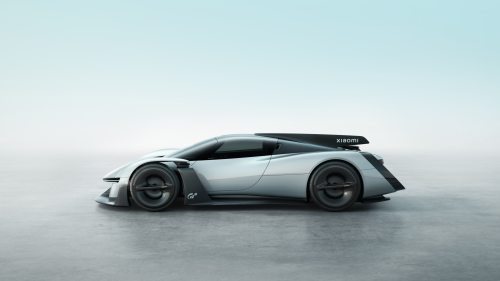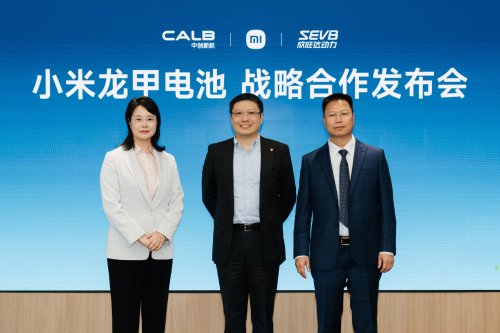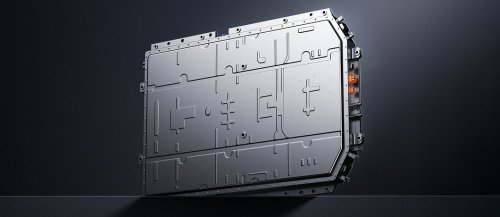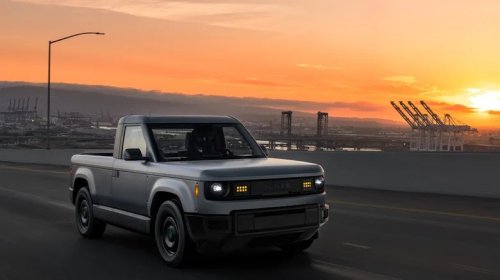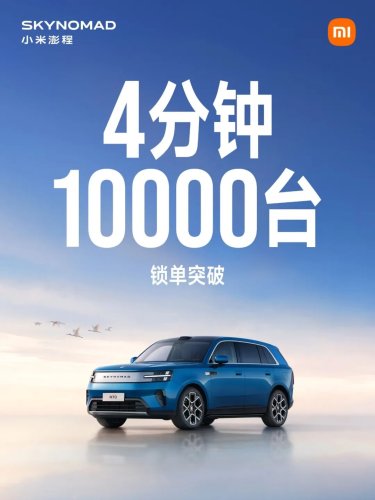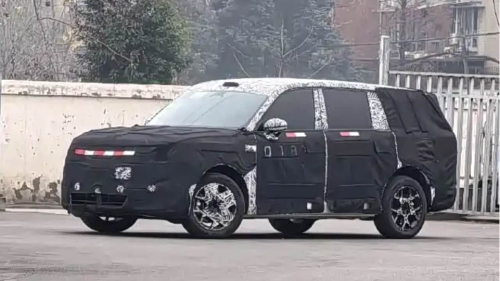
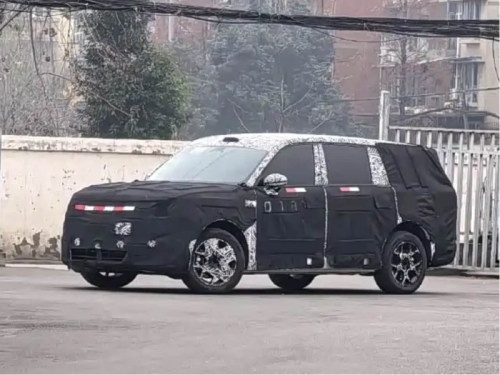

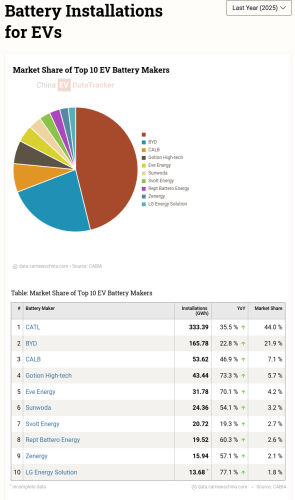



















First model of Xiaomi Sky Nomad. Credit: Autohome Understand China EV’s Market Real-time notifications when critical EV data is released All important data in one place 2,000,000+ data points Become a member Xiaomi Auto is set to introduce a second brand, Sky Nomad (in Chinese: 寻天), marking a strategic pivot into the extended-range electric vehicle (EREV) market. Alongside the new brand identity, the company is diversifying its battery supply chain by bringing in Sunwoda and CALB to power its upcoming flagship SUV, as reported by 21 Business Herald. According to industry sources, the first model under the Sky Nomad brand, internally codenamed “Kunlun N3,” is scheduled for a market launch in the second half of 2026. The vehicle is a full-size EREV SUV, measuring over 5,300 mm in length with a wheelbase of approximately 3,100 mm. It will be powered by a 1.5T range extender, delivering an estimated pure electric range of 400 km to 500 km and a combined range of roughly 1,500 km. In a move to optimise costs and mitigate supply chain risks, Xiaomi has restructured its battery procurement strategy for the Sky Nomad line. Sunwoda has been secured as the primary supplier with a 60% share of the supply quota, while CALB will serve as the secondary supplier with the remaining 40%. This represents a major shift from Xiaomi’s previous models, the SU7 and YU7, which relied heavily on CATL and FinDreams of BYD. As of April 2026, Xiaomi Auto has delivered over 656,000 vehicles, with CATL accounting for more than 80% of the battery supply across all delivered units. The Sky Nomad brand is designed to focus on the family-oriented EREV SUV segment, creating a separation from the main Xiaomi brand’s focus on pure electric performance and high-tech aesthetics. Xiaomi aims to compete directly with established leaders such as Li Auto and Aito. While the majority of top-selling EREV SUVs in 2025 were priced above 250,000 yuan (36,800 USD), Xiaomi intends to disrupt the market by offering a higher cost-performance ratio. Furthermore, Sky Nomad will spearhead Xiaomi’s international expansion, targeting overseas markets where pure electric charging infrastructure is still maturing. CALB company. Industry analysts quoted by 21 Business Herald suggest that the inclusion of Sunwoda and CALB is a calculated effort to gain more leverage in negotiations and reduce dependence on a single provider. Both suppliers have proven track records in the hybrid sector. Sunwoda currently holds the largest market share for hybrid EV batteries in China, according to SNE Research, while CALB has seen rapid growth, ranking third domestically in overall power battery installations in 2025. Xiaomi continues to strengthen its internal capabilities to support this multi-supplier strategy. The company’s dedicated battery R&D team now exceeds 220 members. Additionally, Xiaomi operates a self-owned battery pack factory in Yizhuang, Beijing, which will handle the assembly of a portion of the battery packs for its future fleet. Power battery market share in China 2025. In 2025, CALB was the third-largest power battery supplier in the Chinese market, ranking third with a 7.1% market share, behind CATL and BYD.