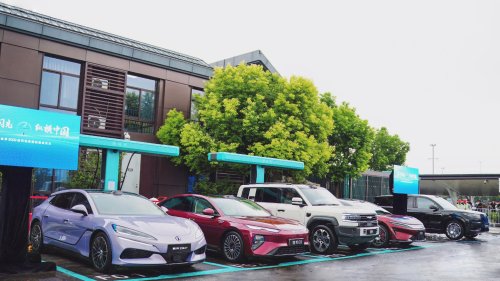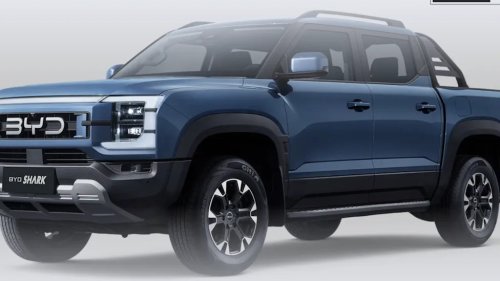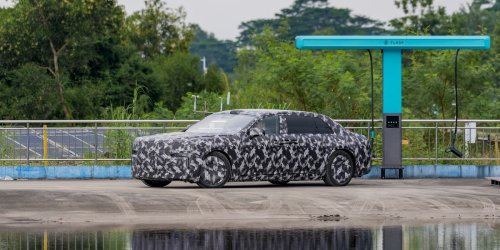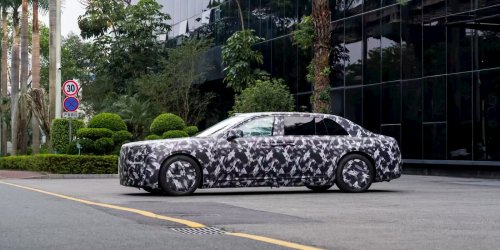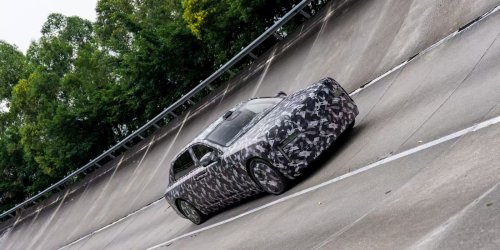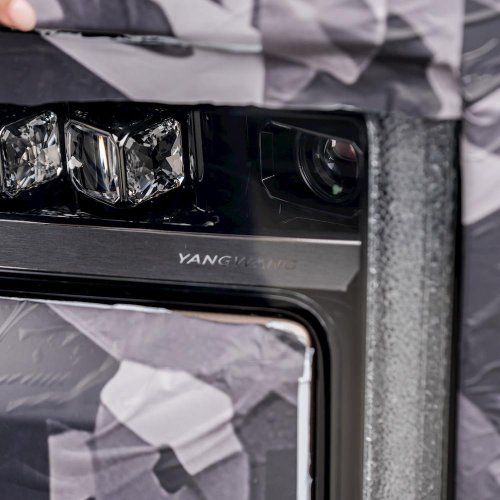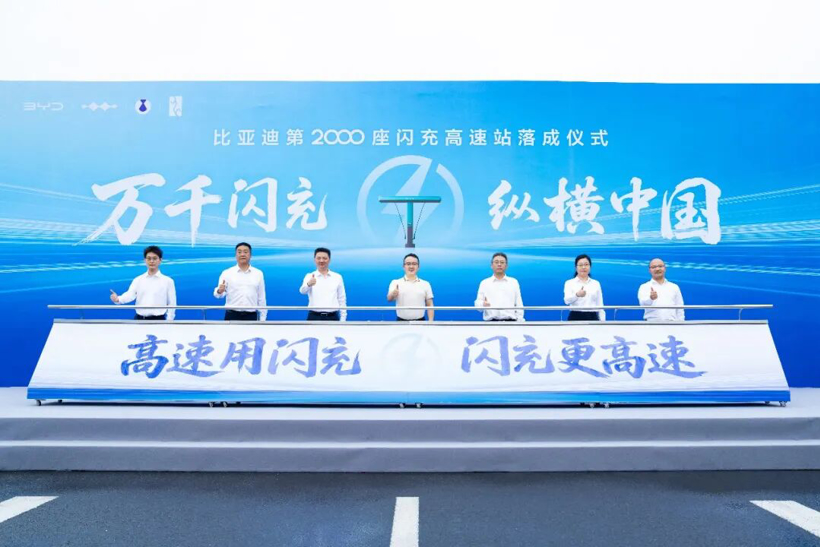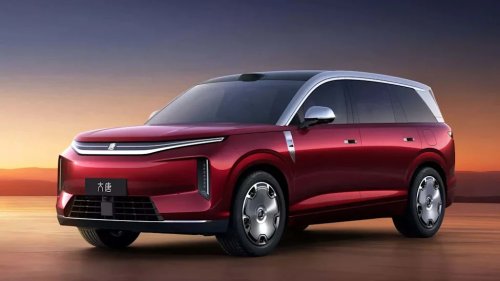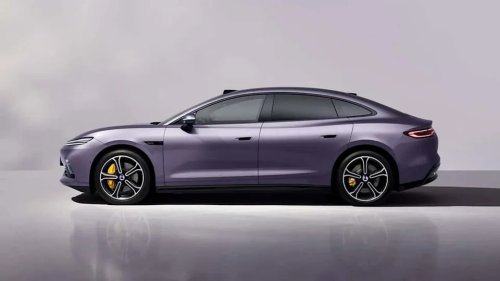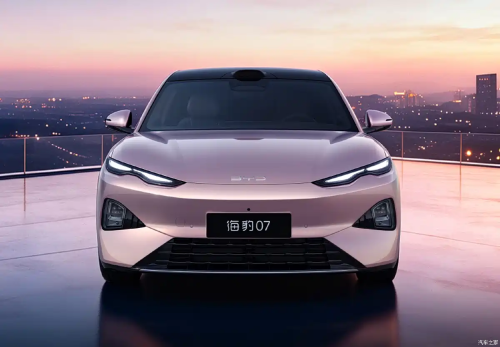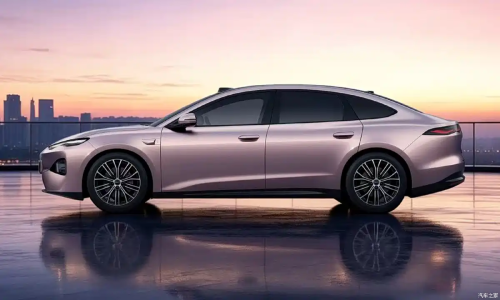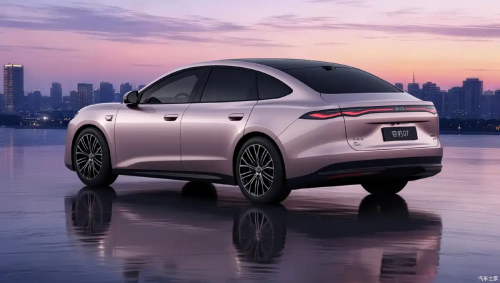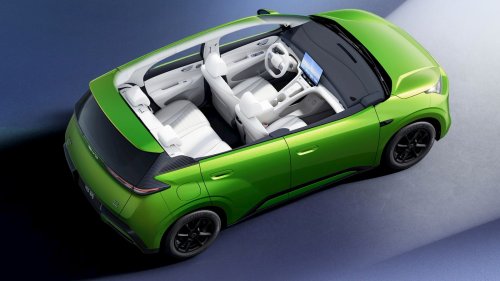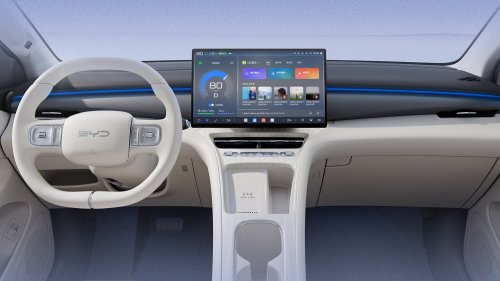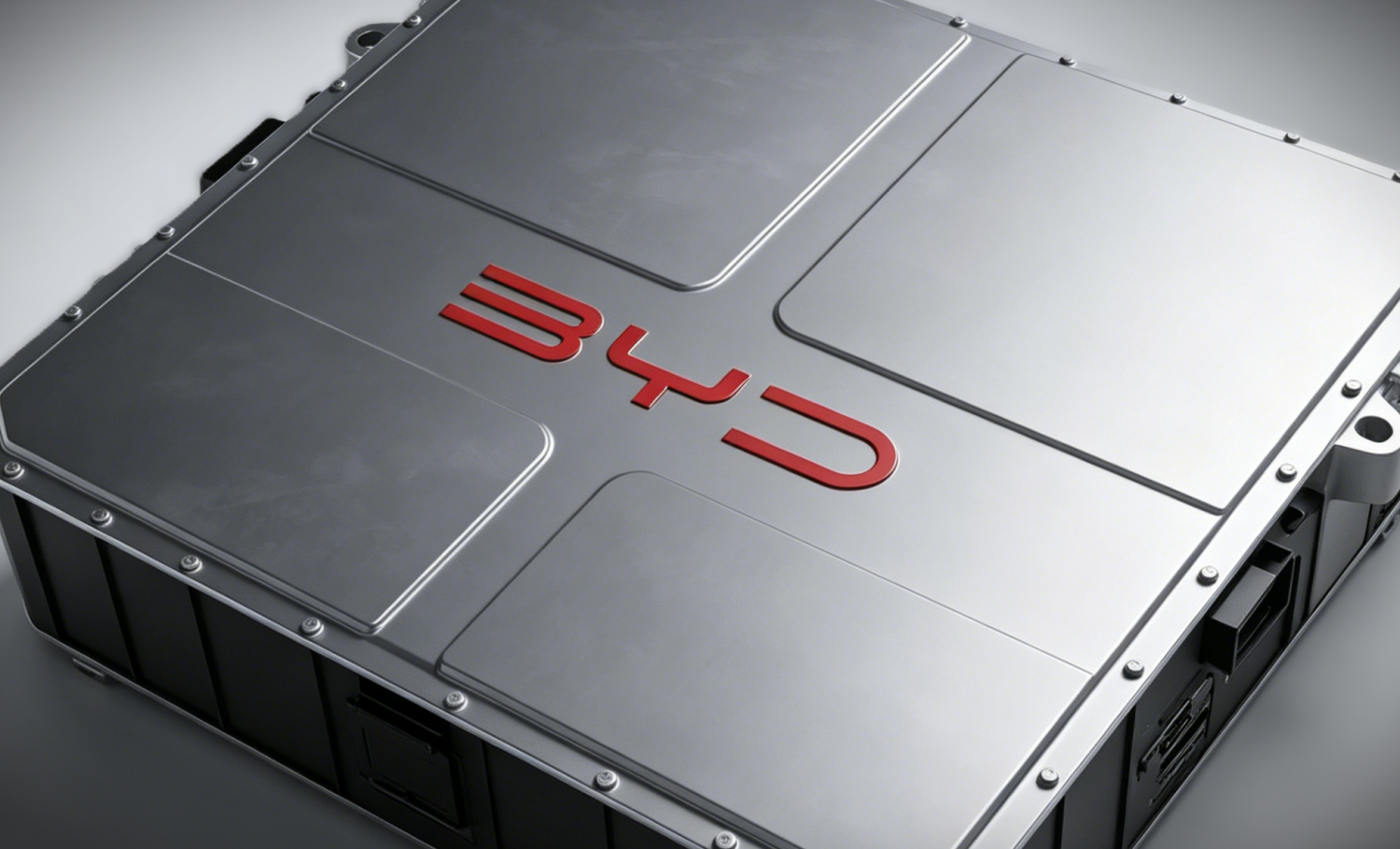
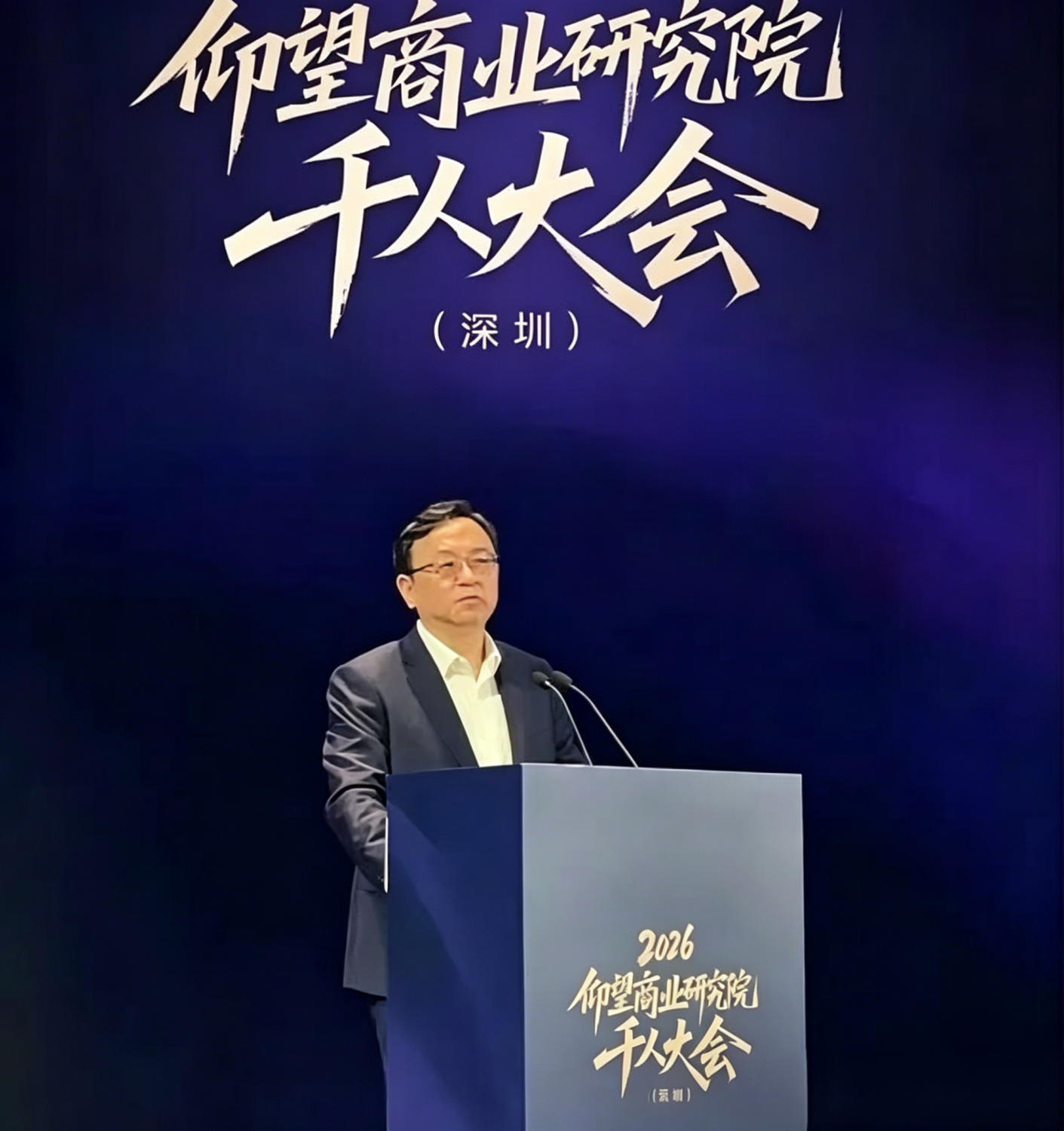
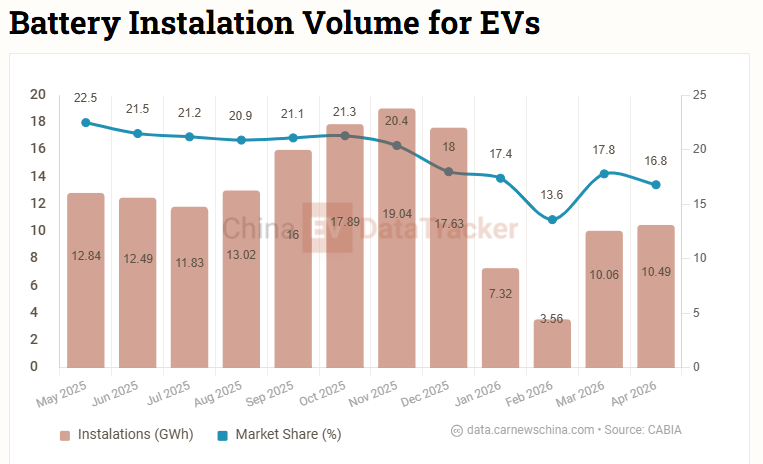



















New BYD flash-charge models enter production ramp-up amid rising battery demand. Image rendered by CNC Understand China EV’s Market Real-time notifications when critical EV data is released All important data in one place 2,000,000+ data points Become a member BYD chairman and president Wang Chuanfu said the company is facing battery supply constraints as multiple new models enter production ramps across its Dynasty, Ocean, Denza, and Yangwang brands, according to IThome. Speaking at the 2026 Yangwang Business Research Institute conference on May 15, Wang said BYD’s battery production capacity remains tight, although monthly sales are expected to continue rising as additional battery output comes online. Battery supply pressure Wang’s comments come as BYD rapidly expands its rollout of flash-charging EVs equipped with the latest-generation Blade Battery technology. Recent launches include the Denza B5 and B8 flash-charge editions with DiSus-P suspension technology, alongside the upcoming Atto 3 (Yuan Plus) crossover featuring flash charging and a 240 kW rear motor. The company has also introduced several additional EVs capable of flash charging in recent months. Industry sources in China have linked the battery constraints to strong demand for newer BYD models using second-generation Blade Battery packs and ultra-fast charging systems. The battery supply discussion also comes shortly after an online debate in China over thermal management during BYD’s ultra-fast charging demonstrations, following a livestream test that recorded battery surface temperatures above 76°C during high-rate charging sessions. BYD shipped 20.98 GWh of batteries in April 2026, bringing cumulative battery shipments this year to 81.2 GWh. The company did not specify how much of the figure was allocated to EV installations in the Chinese market. Several recently launched models have reportedly built large order backlogs while deliveries remain limited during the early production ramp-up. Wang Chuanfu discusses BYD battery production constraints during the Yangwang business conference. Credit: BYD Fans Flash charging expansion At the same time, BYD continues to expand its charging infrastructure network across China. The automaker said it added 55 new flash-charging stations between May 7 and May 14, bringing the nationwide total to 5,979 stations across 312 cities. BYD’s flash-charging app has exceeded 1 million users. As of May 6, BYD had completed 5,924 flash-charging stations in China, with cumulative charging volume surpassing 21 million kWh, according to company figures. The flash-charging app has also exceeded 1 million users. BYD officially launched its second-generation Blade Battery and flash-charging technology on March 5. The company said the system can charge from 10% to 70% in five minutes and from 10% to 97% in nine minutes under supported conditions. In April, BYD also signed a strategic cooperation agreement with AutoNavi to integrate flash-charging station visibility directly into the mapping platform. The company’s “Flash Charging China” initiative aims to deploy 20,000 flash-charging stations nationwide by the end of 2026. Overseas production plans Separately, Stella Li said BYD is continuing discussions with several European automakers regarding the potential use of underutilised factory capacity in Europe. The company has been accelerating overseas expansion while increasing exports from China and localising portions of production. BYD’s battery installation volume for EVs in China till April 2026. Credit: China EV DataTracker April battery data context According to China EV DataTracker, BYD installed 10.49 GWh of EV batteries in China during April 2026, representing a 16.83% domestic market share. China’s total EV battery installations reached 62.4 GWh during the month, up 15.2% year-on-year. Speaking at the conference, Wang also said Chinese manufacturers are entering what he described as the best historical period for building global brands. He added that roughly half of his meetings focus on technology and product strategy.