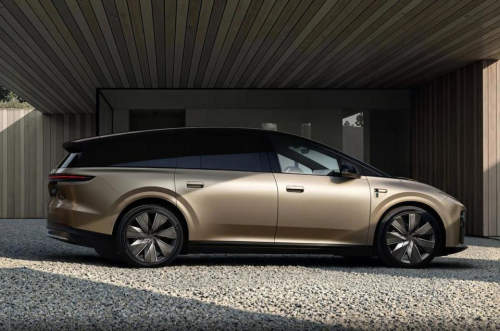
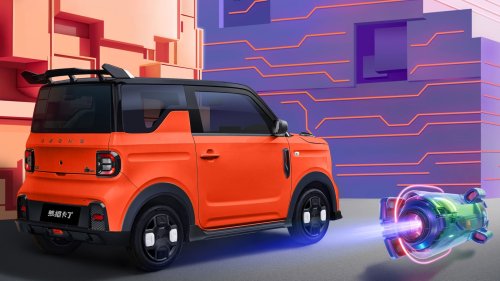
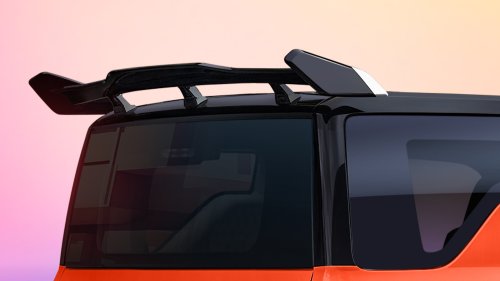
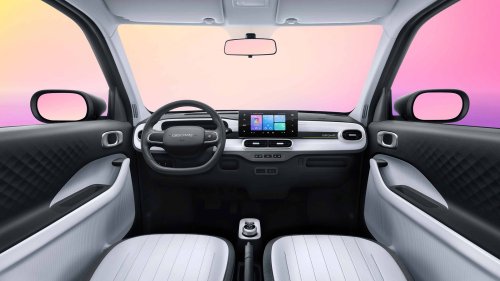
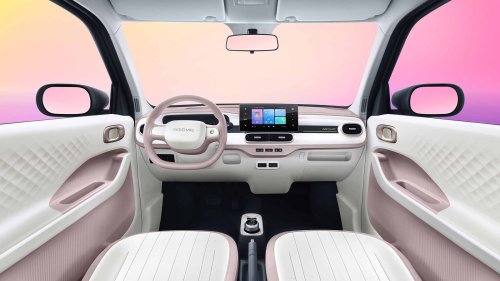
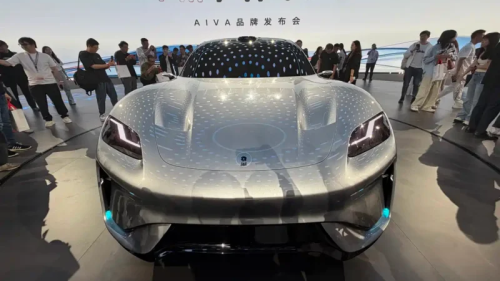
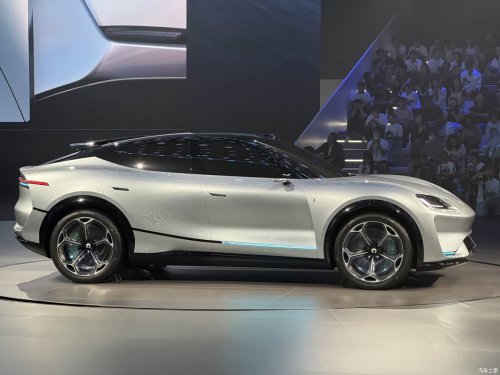
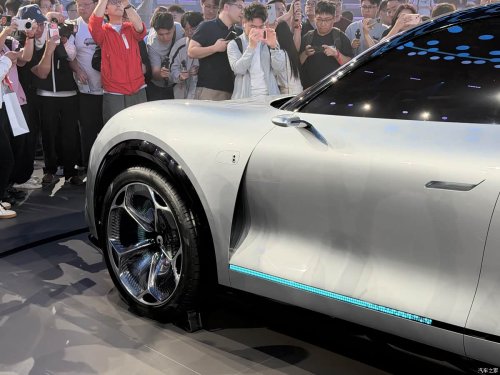
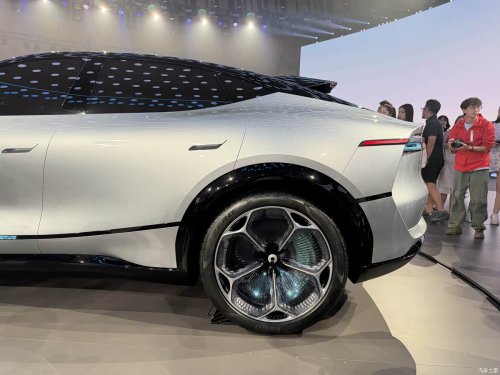
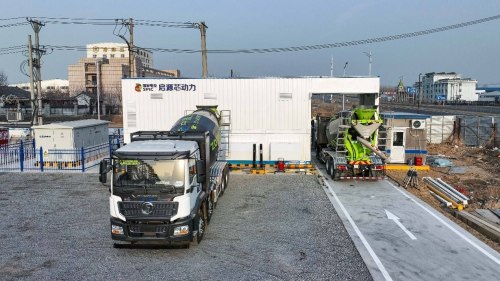
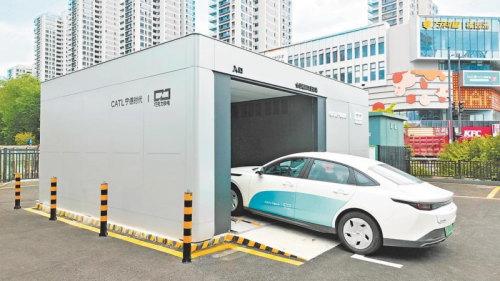
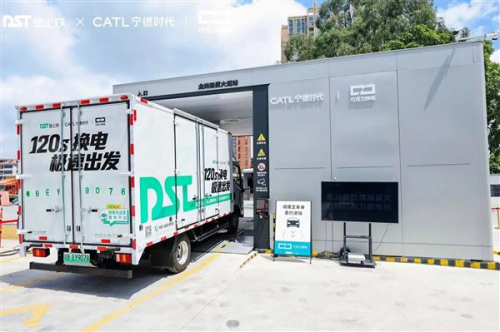
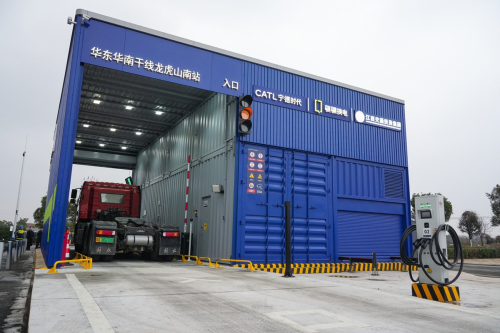
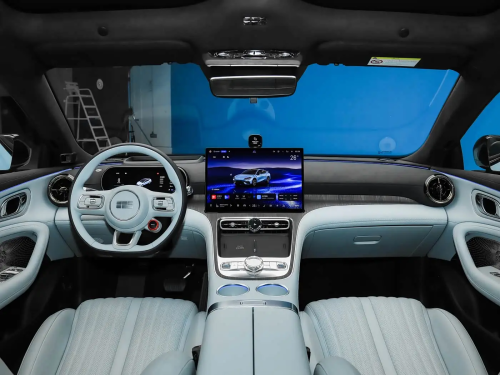
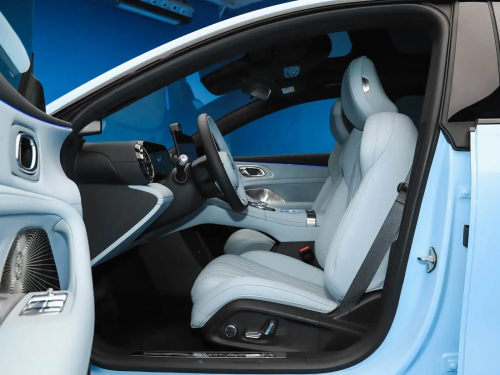
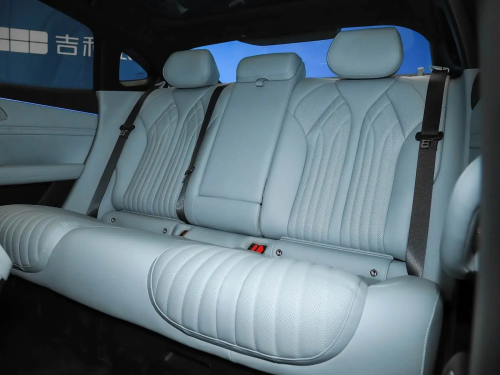
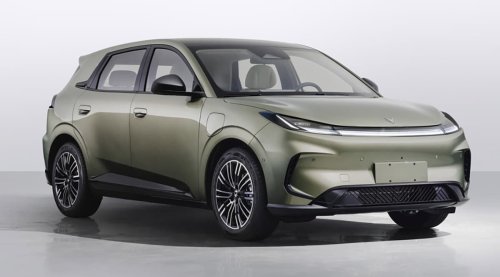
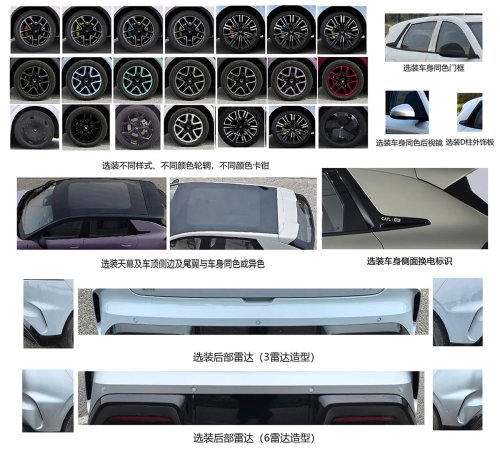
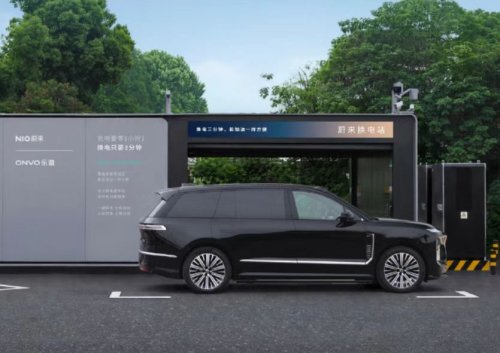
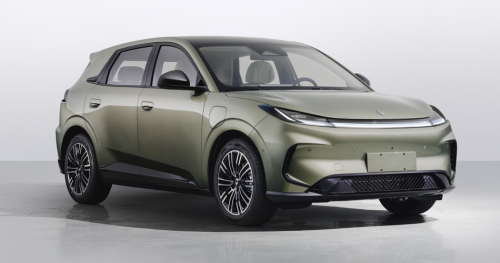
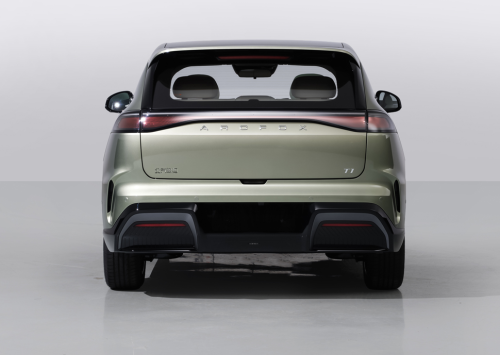
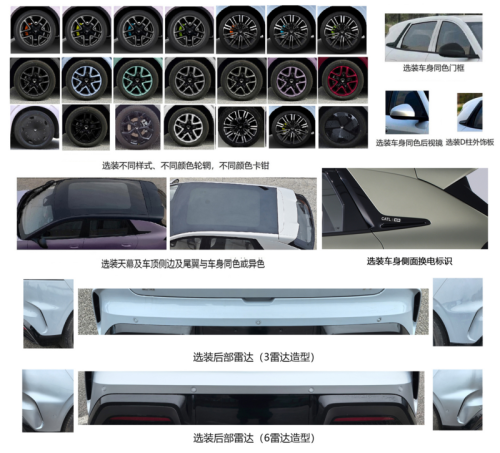
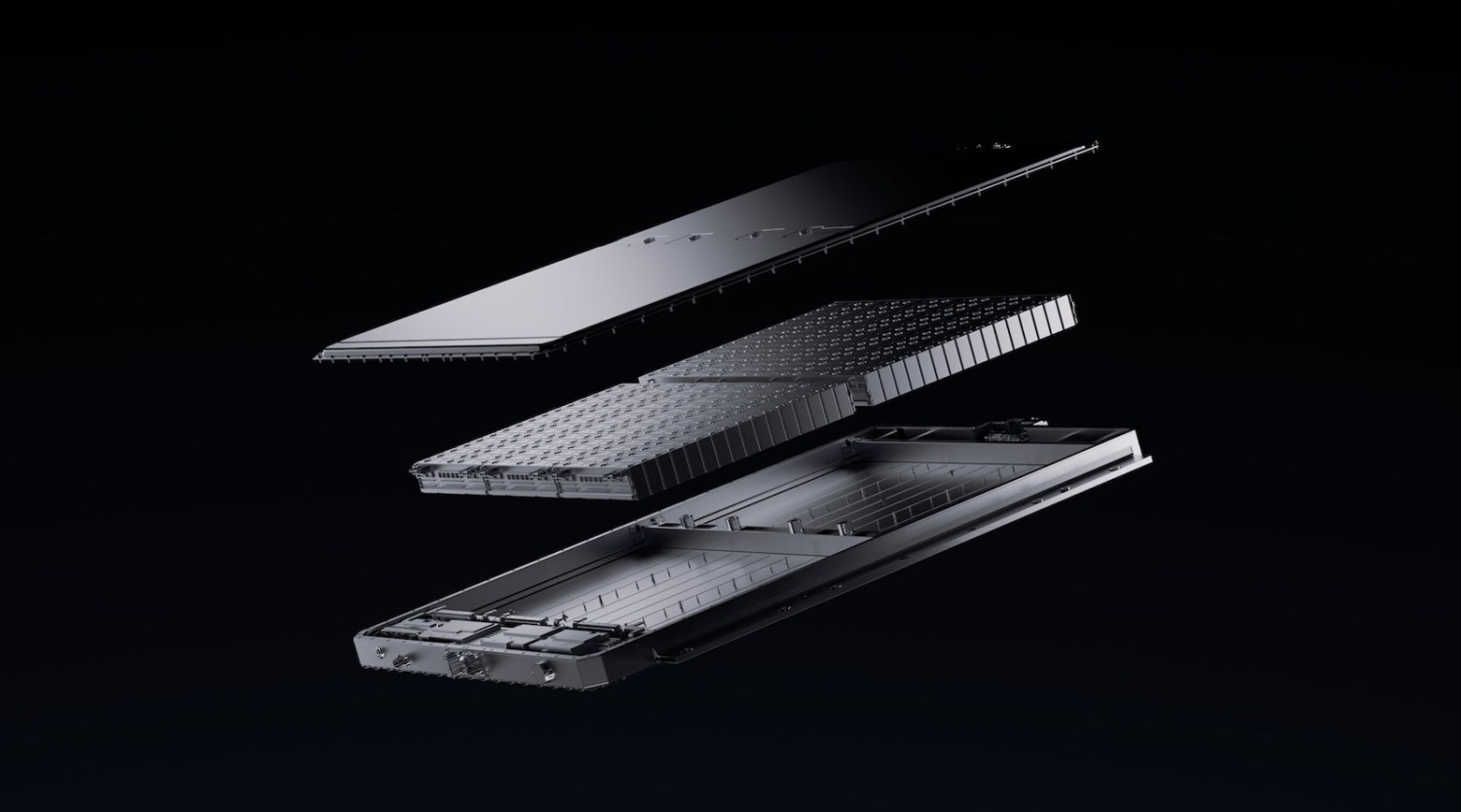
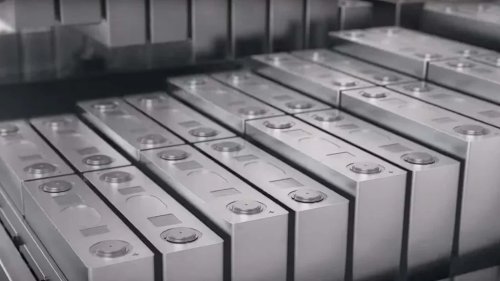
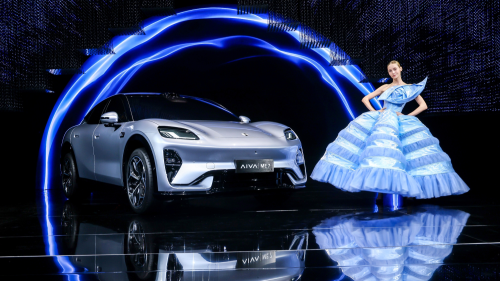
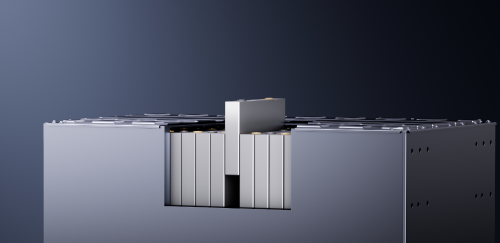
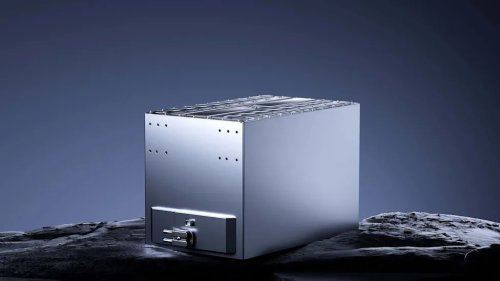
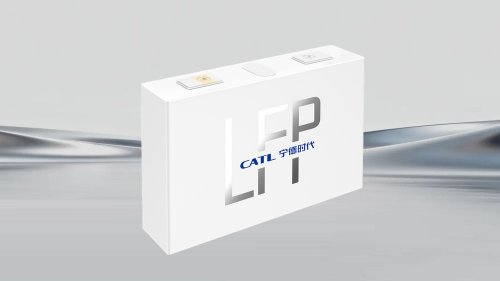
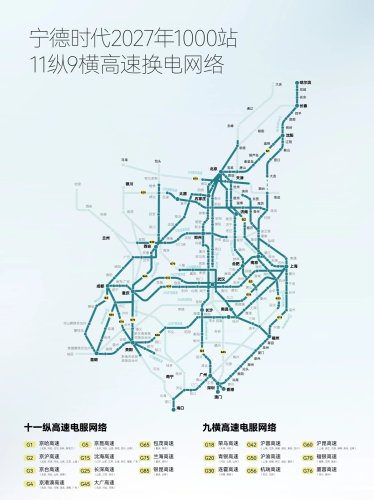
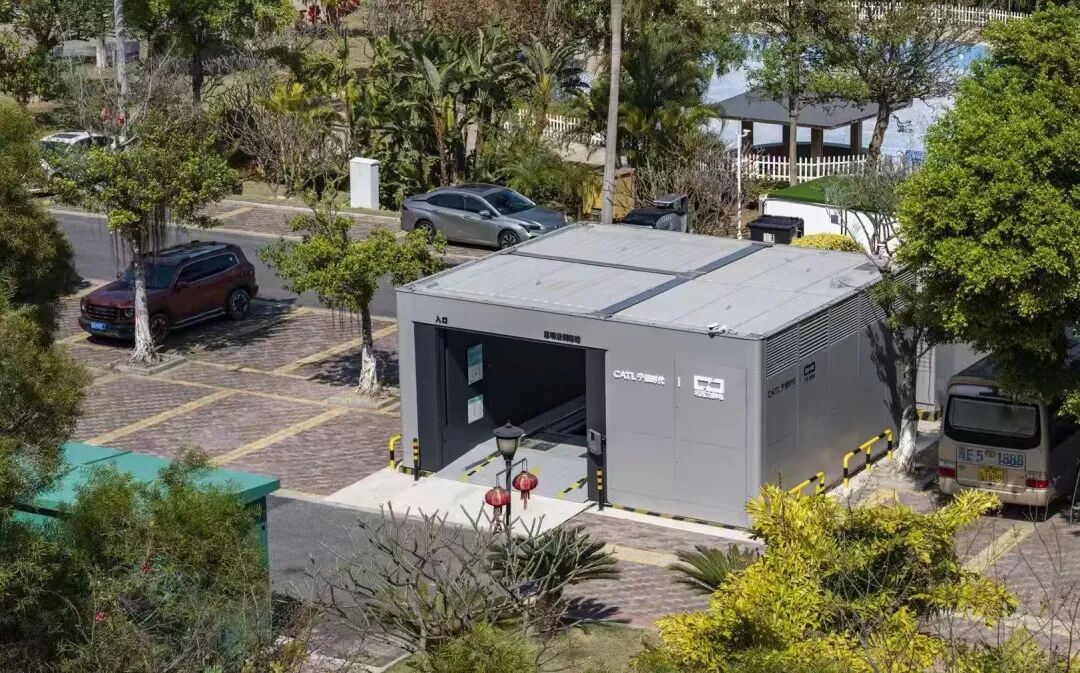
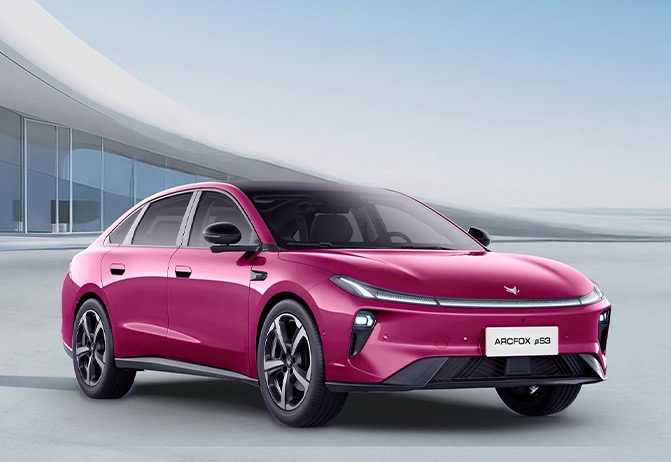
Gasgoo Munich- The Arcfox Beta S3 swappable edition officially launched recently, equipped with CATL's EVOGO No. 25 battery block. The rental version starts at just 59,800 yuan.Getting a swappable B-segment electric sedan for under 60,000 yuan is made possible by the EVOGO swap network, which is rapidly rolling out nationwide.On June 1, EVOGO announced that as of May 2026, it has deployed 1,650 stations nationwide across 127 cities. Over the past six months, new station openings have averaged over 200 per month, consistently.From Selling Batteries to a "Battery Bank"1,650 stations and 127 cities covered—that is the latest scorecard from CATL.Looking back at 2025, EVOGO Swap built 1,020 stations across 45 cities. In just six months, the station count grew by over 60%, and the number of covered cities nearly tripled.According to the plan, the EVOGO swap network will exceed 3,000 stations by the end of 2026, covering nearly 190 cities nationwide. Both station density in core cities and the overall coverage radius continue to climb.Image source: EVOGO SwapCurrently, major cities like Chongqing, Guangzhou, and Beijing each host over 50 stations. In terms of reach, the network extends west to Lhasa and north to Hulunbuir, bringing the convenience of battery swapping to more users.Regarding highway infrastructure, EVOGO Swap plans to form an "11 vertical, 9 horizontal" highway network by 2027, fully covering both commuting and long-distance travel needs to deliver a more convenient and efficient charging experience.From 45 to 190 cities, and 1,020 to 3,000 stations—the acceleration in station construction reflects CATL’s deep strategic shift from "selling products" to "full lifecycle operational services."In 2025, CATL’s net profit reached 72.2 billion yuan, or nearly 200 million yuan per day. But behind this stellar performance lies a reality: power battery penetration is nearing its ceiling, and the price war continues to compress margins. Relying solely on the linear growth of battery sales has become a challenge, prompting CATL to extend its reach into longer value chains.Battery swapping is the key move in this strategy. Its core logic is the "battery bank" model: CATL no longer sells batteries as one-off products but retains ownership of the battery assets through swap stations, with users paying based on usage. The battery shifts from "sold to you" to "rented to you," redefining its value over its full lifecycle.This means CATL can generate continuous revenue from recycling, second-life utilization, and data operations—transforming a one-time sales relationship into a long-term service partnership. This does not replace the original business but opens a new growth curve that runs in parallel with it.Standardization is the prerequisite for this model to work. CATL has introduced modular EVOGO swap blocks, allowing different vehicle models to share battery packs of the same specification.Reportedly, EVOGO Swap has launched standardized battery blocks in models No. 20, 25, 26, and 35. These are adaptable to vehicles ranging from A0 to C-segment, truly enabling power distribution on demand.The stations feature a modular, standardized design. Currently, PRO, MAX, MINI, and MIIX models are available. The PRO, MAX, and MINI stations support wheelbases ranging from 2.5 meters to 3.2 meters, while the MIIX station covers 2.7 to 3.75 meters—the highest level in the industry. Depending on the model, a single station can be configured with 7 to 32 battery bays.In terms of vehicle compatibility, EVOGO Swap has established deep cooperation with multiple mainstream automakers, covering 25 new energy models, including the Arcfox S3 swappable edition.A Standardized Swap System Is Taking ShapeThe market is currently validating the swap model. Beyond NIO’s lineup, models like the GAC Aion UT Super, UT Sport, and the Aion RT swappable edition have launched successively. The Arcfox Beta S3 swappable edition has pushed the price even lower to 59,800 yuan.Take the Arcfox Beta S3 swappable edition as an example: officials offer two high-value rental packages. The Family Plan is 399 yuan per month, upgrading the mileage allowance to 5,000 kilometers with rollover support, fitting for daily household use. The Travel Plan is 599 yuan per month with unlimited mileage, satisfying high-frequency and long-distance travel needs.By choosing the rental option, the battery is uniformly owned, maintained, and guaranteed by CATL. Users avoid the risk of battery depreciation, enjoy higher used-car residual values, and find overall vehicle ownership more cost-effective.Image source: Arcfox AutoHowever, the development of the swap model in China has long faced a core pain point: inconsistent standards. Battery pack dimensions, interfaces, and communication protocols vary by automaker. Swap stations cannot be cross-brand compatible, leading to high construction costs and low utilization rates. The industry has long been stuck in a dilemma of "every company building its own stations."As early as last year, CATL signed a strategic cooperation agreement with NIO, the "pioneer" of battery swapping, marking a key move in its network layout.NIO is the pioneer of China's swap model, boasting the world's largest passenger vehicle swap network and over a decade of operational experience. CATL is the power battery giant, mastering the full technology chain from cells to packs. The partnership—combining one side’s standards and batteries with the other’s network and operational experience—is seen as a crucial step for the industry to move from fragmentation to interconnection.This March, CATL led the formation of a swap standard innovation coalition with several automakers and equipment companies. They released China's first "Technical Requirements for Interchangeability of Bolt-on Swap Systems for Pure Electric Passenger Cars," establishing a unified framework from physical interfaces to communication protocols.Today, battery swapping is shifting from a high-end exclusive feature to a mainstream option for family cars. As more models support swapping and more stations become cross-brand compatible, user anxiety regarding "finding a station" or "being unable to swap" will be significantly reduced.CATL’s EVOGO Swap division also stated that it will continue to iterate and optimize core swap technologies, perfect the standardized system, break down cross-brand compatibility barriers, and drive a comprehensive upgrade of the new energy vehicle charging ecosystem.


















 +46 others