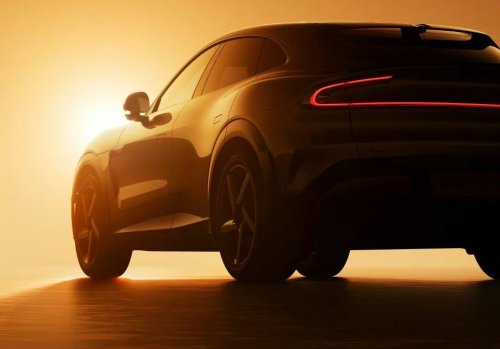
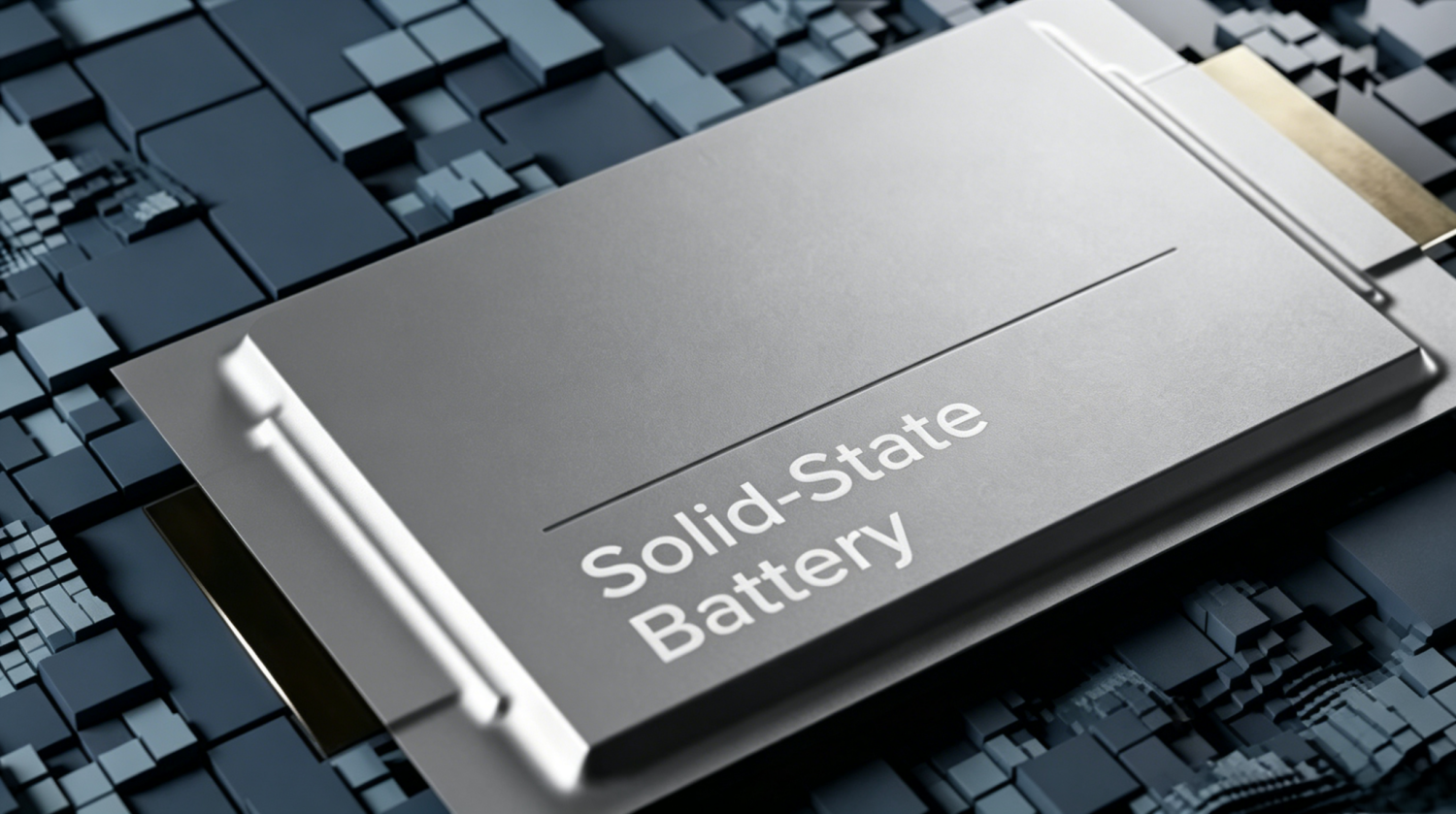
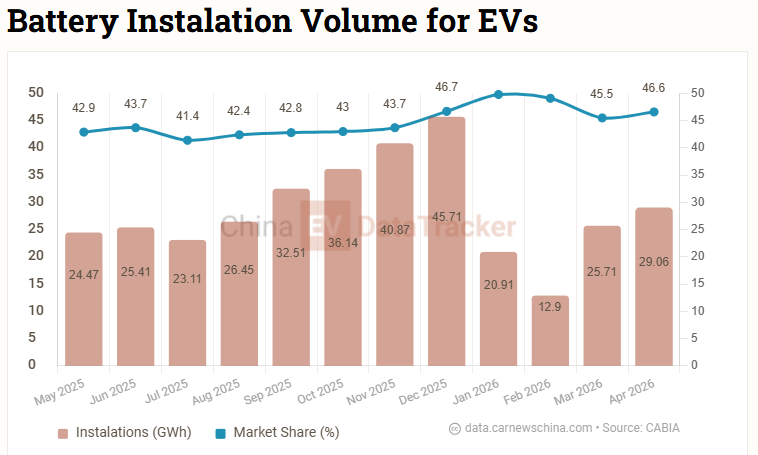
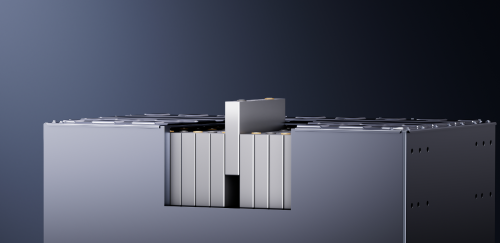
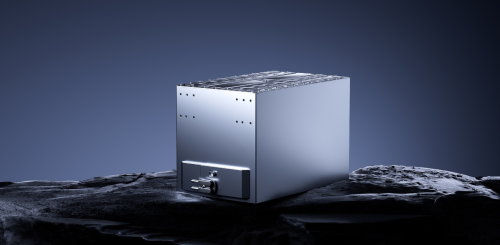
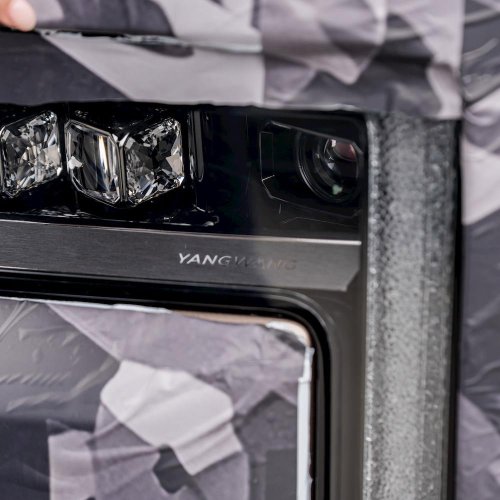
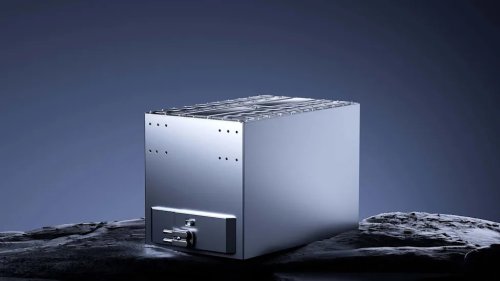
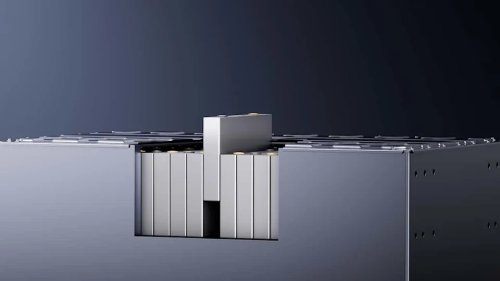
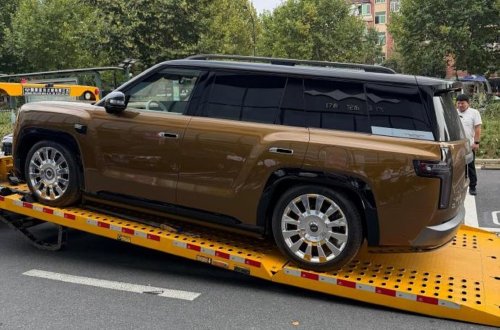
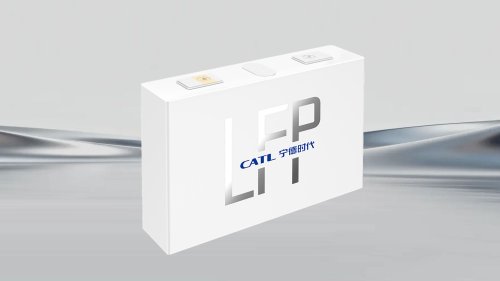
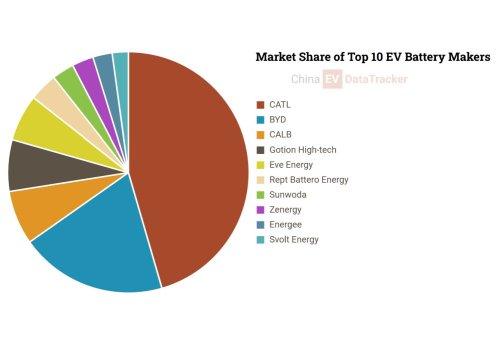
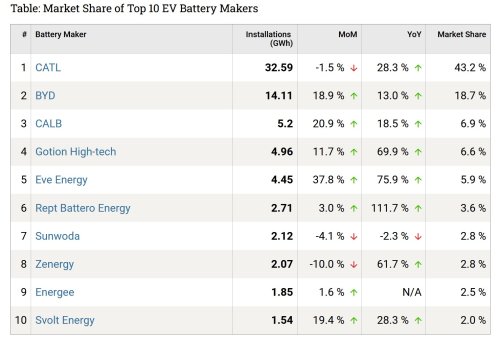
Multiple Chinese battery companies received recognition for next-generation battery technologies. Credit: Reaili Media Understand China EV’s Market Real-time notifications when critical EV data is released All important data in one place 2,000,000+ data points Become a member China’s inaugural Golden Lithium Awards highlighted the country’s accelerating focus on solid-state batteries, sodium-ion chemistry, dry-electrode manufacturing, and localised battery supply chains. The awards, officially titled the 2026 Golden Lithium Awards Excellent Lithium Battery New Material Enterprises and Projects Selection, were organised by the Chinese battery industry research platform RealLi Research and announced on May 16. The event covered battery makers, materials suppliers, equipment manufacturers, and recycling companies across the lithium battery sector. Solid-state battery race expands Several major Chinese battery companies received awards for their work on solid-state or semi-solid-state battery development programs. CATL was recognised for the mass production of its third-generation Qilin Battery, progress on its second-generation sodium-ion battery, and CTC 2.0 battery-to-body integration technology. BYD’s battery division, FinDreams Battery, received a “Technical Breakthrough and Innovation Award” for second-generation Blade Battery mass production and what the organiser described as “Hohan solid-state battery breakthroughs.” EVE Energy was recognised for its Longquan No.2 all-solid-state battery program and 4680 cylindrical battery production, while Gotion High-Tech received recognition for its Jinshi solid-state battery project. Tailan New Energy was also listed for the industrialisation of automotive semi-solid-state batteries. The original RealLi announcement did not disclose technical specifications, commercialisation schedules, or vehicle deployment timelines for those solid-state battery projects. Several Chinese self-media accounts later circulated additional claims about BYD solid-state batteries, including a CLTC range of 1,218 km, more than 10,000 charging cycles, and planned installation in future Yangwang and Han EV models. Those figures did not appear in RealLi Research’s original award announcement and could not be independently verified through official BYD disclosures. Sodium-ion and dry-electrode technologies gain attention The awards also highlighted increasing investment in alternative battery chemistries and manufacturing technologies. CATL’s second-generation sodium-ion battery program was included among the winning projects, while multiple companies received recognition tied to dry-process electrode manufacturing, lithium salt materials, manganese-based chemistries, and silicon-carbon anodes. Hunan Yuneng was recognised for dry-process lithium iron phosphate technology, while Jiatuo New Energy received recognition for dry-electrode production equipment and solid-state battery manufacturing systems. The supply-chain awards covered lithium salts, separators, electrolytes, graphite materials, coating systems, and battery recycling infrastructure. Battery ecosystem expansion The winner list also reflected China’s broader battery supply-chain expansion strategy. Companies including Ganfeng Lithium, Enjie, StarCharge Materials, Ronbay Technology, BTR, and Tianci Materials received awards tied to lithium refining, separators, cathode materials, electrolytes, and recycling systems. RealLi Research said the inaugural awards attracted hundreds of participating companies and projects from across the lithium battery industry. CATL’s battery installation volume for EVs in China till April, 2026. Credit: China EV DataTracker Market context China EV DataTracker data shows CATL installed 29.06 GWh of EV batteries in China during April 2026, representing a 46.6% market share. CATL’s LFP installations reached 19.53 GWh during the month, while ternary NMC batteries accounted for 9.53 GWh. The broader battery industry expansion comes as automakers and battery suppliers continue facing production pressure tied to rising EV demand. Earlier, BYD chairman Wang Chuanfu acknowledged battery supply constraints linked to growing flash-charging EV demand. Separately, we recently reported that Chinese startup Pure Lithium said its solid-state battery continued operating after a cut test while the company reached 500 MWh of output capacity, reflecting broader industry activity around next-generation battery technologies.



















 +53 others



![Battery, Watt's up, doc? Huddig hybrid loader gets a big battery boost [video]](https://cdn.topcarnews.net/thumb/id/aHR0cHM6Ly9pMC53cC5jb20vZWxlY3Ry-ZWsuY28vd3AtY29udGVudC91cGxvYWRz-L3NpdGVzLzMvMjAyNi8xMC9odWRkaWct-aHlicmlkX21haW4uanBnP3c9MTUwMCZh-bXA7cXVhbGl0eT04MiZhbXA7c3RyaXA9-YWxsJmFtcDtzc2w9MQ/ea51c544798341190a5eed718aab1ee3.jpg?t=20261006&post_id=67784)
![Battery, Watt's up, doc? Huddig hybrid loader gets a big battery boost [video]](https://cdn.topcarnews.net/thumb/id/aHR0cHM6Ly9lbGVjdHJlay5jby93cC1j-b250ZW50L3VwbG9hZHMvc2l0ZXMvMy8y-MDI2LzEwL0hlcm9iYW5uZXJfVGlnb25f-MS1jbG9zZS1jb3B5LmpwZw/d26fab6fabc13bc13692cf5d41542493.jpg?t=20261006&post_id=67784)
![Battery, Watt's up, doc? Huddig hybrid loader gets a big battery boost [video]](https://cdn.topcarnews.net/thumb/id/aHR0cHM6Ly9lbGVjdHJlay5jby93cC1j-b250ZW50L3VwbG9hZHMvc2l0ZXMvMy8y-MDI1LzAzL0RFUy0xMDM4X0VsZWN0cmVr-LUJhbm5lcnNfRVZzXzA3OTdjMi5wbmc/e850e929e3168f8c7ff73cd888e54add.png?t=20261006&post_id=67784)

![Not sold on Tesla Powerwall? There are great battery alternatives out there [update]](https://cdn.topcarnews.net/thumb/id/aHR0cHM6Ly9pMC53cC5jb20vZWxlY3Ry-ZWsuY28vd3AtY29udGVudC91cGxvYWRz-L3NpdGVzLzMvMjAyNi8wNy9ob21lLXNv-bGFyLWJhdHRlcnkucG5nP3c9MTUwMCZh-bXA7cXVhbGl0eT04MiZhbXA7c3RyaXA9-YWxsJmFtcDtzc2w9MQ/18e81f395a77dbb42269ab5e106fea41.png?t=20261006&post_id=68280)