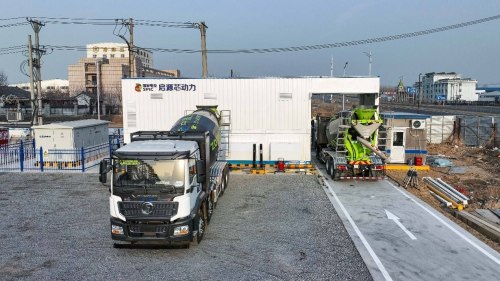
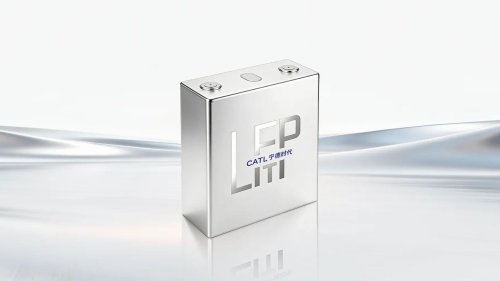
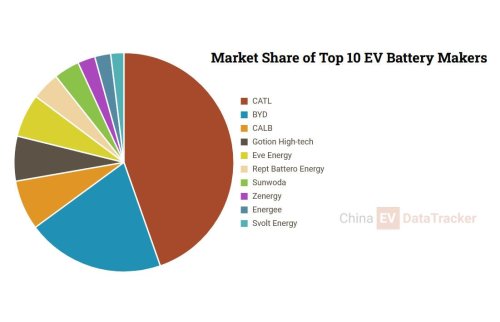
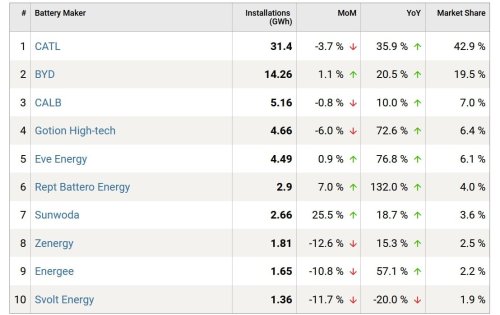
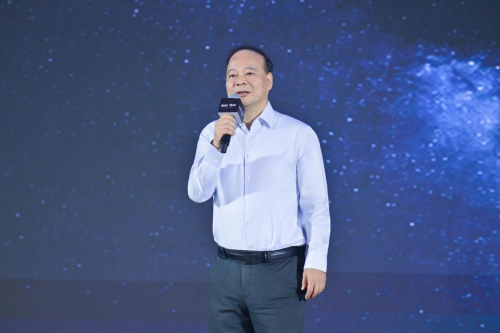
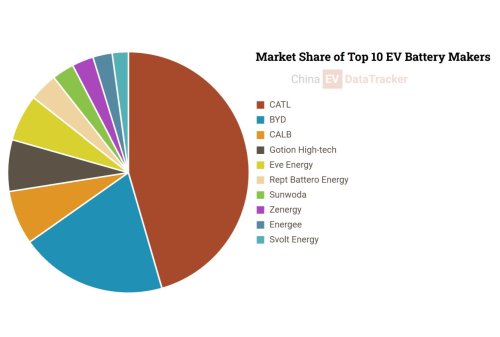
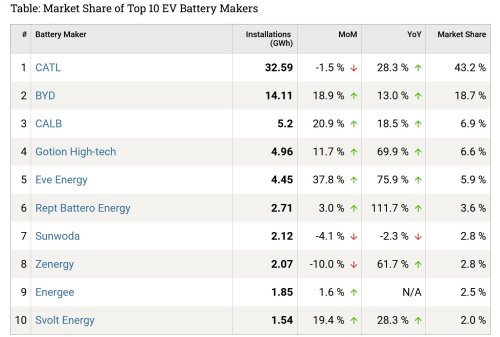
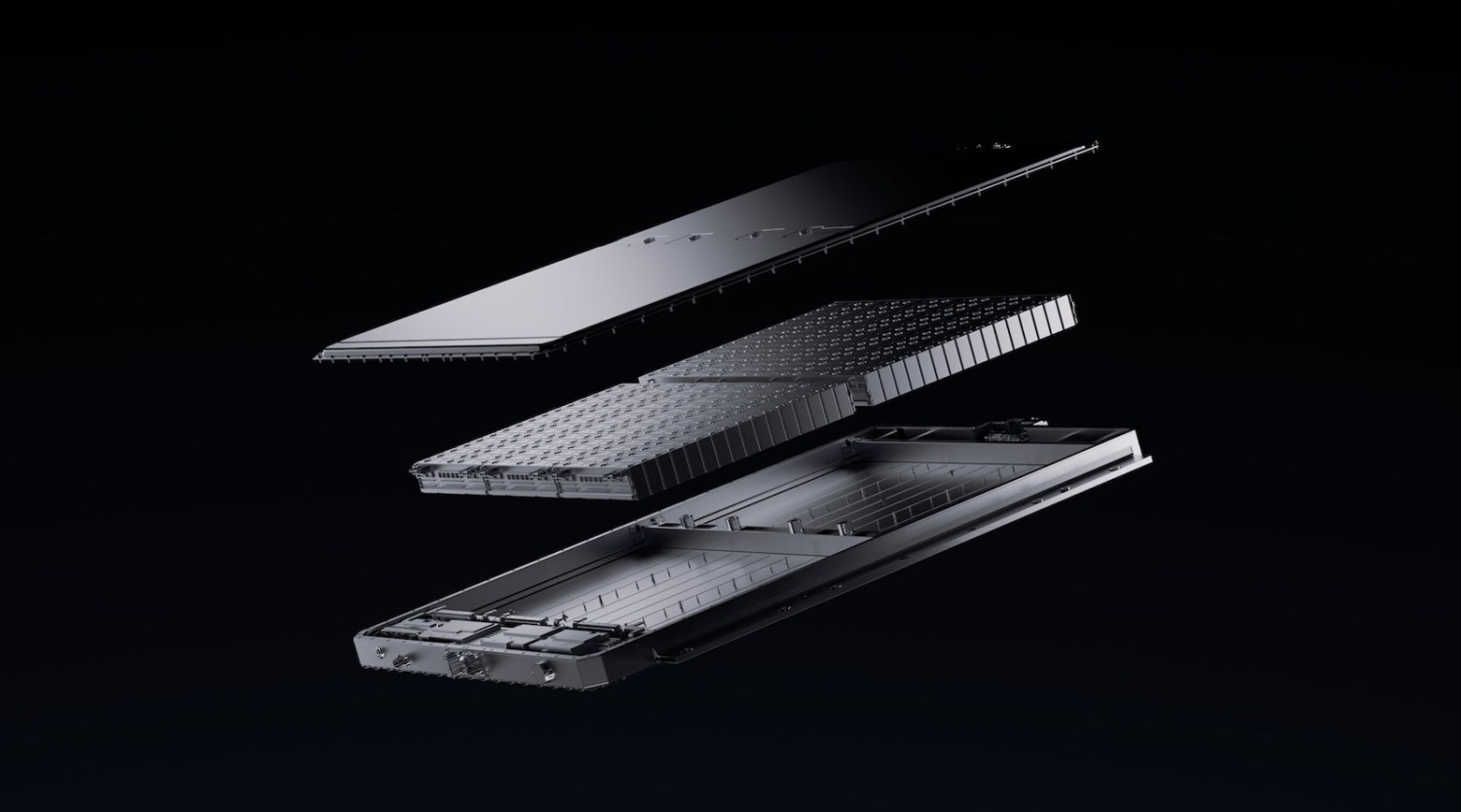
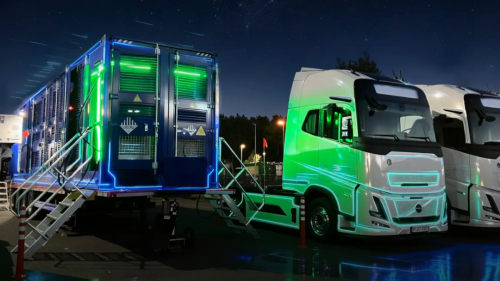
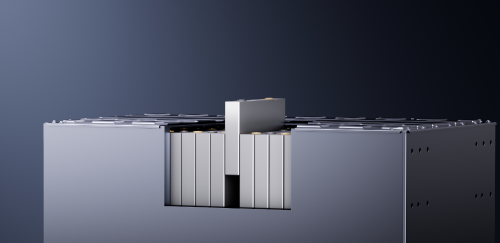
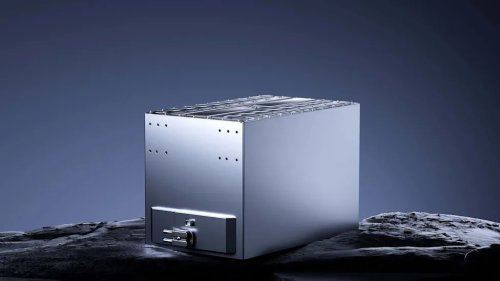
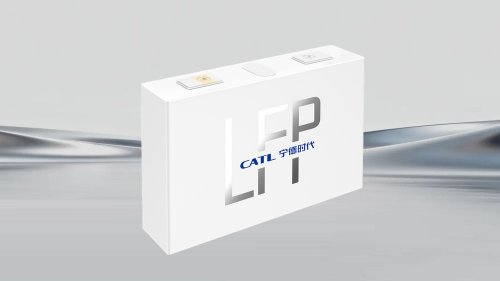
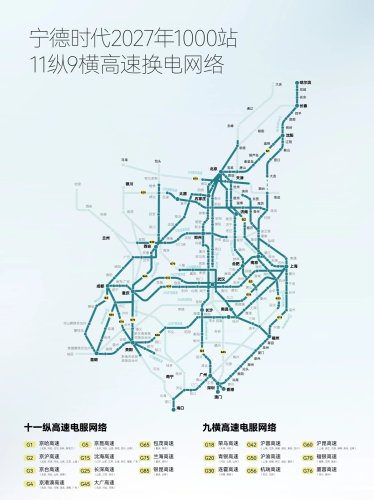
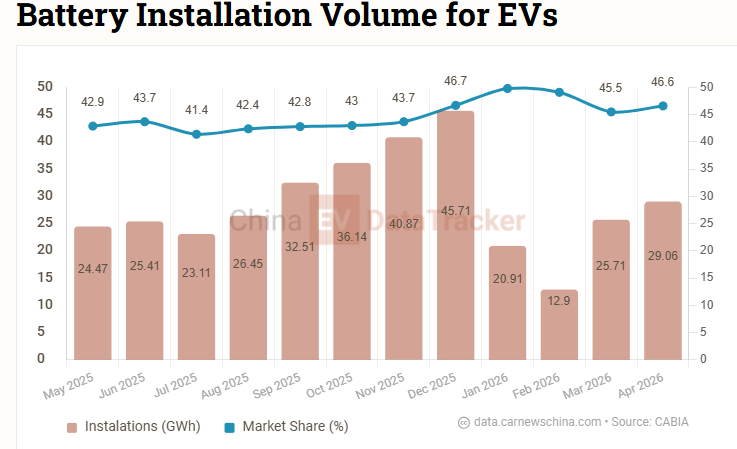
CATL plans to begin customer deliveries of sodium-ion storage systems in September. Image enhanced by CNC Understand China EV’s Market Real-time notifications when critical EV data is released All important data in one place 2,000,000+ data points Become a member Contemporary Amperex Technology Co. Limited (CATL) said it will deliver its first sodium-ion battery energy storage systems to customers in September and achieve GWh-level shipments of sodium batteries during 2026, providing one of the clearest commercialisation timelines yet for the technology, reports Y-Finance. The schedule was disclosed by CATL’s domestic energy storage solutions CTO, Lin Jiubiao, during a sodium-ion battery industry event in China. The announcement follows CATL’s earlier confirmation that sodium-ion batteries will enter large-scale production and deployment across multiple sectors during 2026. First large-scale sodium battery deployments near Sodium-ion batteries have been researched since the 1970s, roughly alongside lithium-ion batteries. Commercialisation progressed slowly because early sodium chemistries lagged lithium batteries in cycle life, energy density, and overall performance. CATL entered the sector in 2021 with its first-generation sodium-ion battery. In April 2025, the company unveiled its second-generation Naxtra sodium-ion battery, followed by plans to deploy the technology in passenger vehicles, commercial vehicles, battery-swapping systems, and stationary energy storage applications. The latest announcement adds a specific delivery timeline. CATL expects its first sodium-ion energy storage systems to reach customers in September, while annual shipments are expected to reach the GWh scale during 2026. The milestone follows our January reporting that CATL and BYD were accelerating sodium-ion battery programs as lithium prices increased, and our May report detailing CATL’s 2026 sodium battery rollout plans, including a targeted driving range of up to 600 km for passenger vehicles equipped with the new chemistry. Supply-chain cost reductions support commercialisation Falling material costs remain a key factor supporting broader adoption of sodium-ion batteries. During the industry event, battery material suppliers said sodium-ion cathode materials are following a development path similar to lithium iron phosphate batteries during the early stages of scale-up. Production volumes continue to rise while manufacturing costs decline. Hard-carbon anodes, one of the most important components in sodium-ion batteries, have also entered industrial-scale production. Industry estimates presented at the event suggest hard-carbon costs could decline from 60,000 to 70,000 yuan (8,300 to 9,700 USD) per tonne in 2024 to 35,000 to 40,000 yuan (4,850 to 5,550 USD) per tonne in 2026, with longer-term targets below 25,000 yuan per tonne. Unlike lithium-ion batteries, sodium-ion batteries rely on abundant sodium resources, reducing dependence on lithium supply chains. Chemistry has also attracted attention for large-scale energy storage applications due to its safety characteristics, raw material availability, and low-temperature operating capabilities. HyperStrong agreement highlights early demand Commercial deployments are also emerging. Energy storage integrator HyperStrong plans to accelerate the deployment of sodium-ion energy storage and develop lithium-sodium hybrid demonstration power stations. Initial projects are expected to be implemented during 2026. CATL and HyperStrong have already signed a three-year sodium-ion battery energy storage agreement totalling 60 GWh, providing one of the largest disclosed commercial commitments for sodium-based energy storage systems to date. Carbon certification milestone Separately, CATL announced that its EnerD+ energy storage products received China’s first national carbon footprint certification issued for lithium battery products. The certification was awarded as part of China’s initial national pilot program on product carbon footprints. Of the 69 pilot products evaluated nationwide, only 7 from 6 companies received certification. The development comes as battery manufacturers prepare for increasingly stringent carbon disclosure requirements in overseas markets. CATL battery installation volume for EVs. Credit: China EV DataTracker Context: CATL remains China’s largest EV battery supplier According to China EV DataTracker, CATL installed 88.58 GWh of batteries in Chinese EVs during the first four months of 2026. April installations reached 29.06 GWh, representing a 46.6% market share. Monthly market share remained between 45% and 50% throughout the January-April period.



















 +50 others