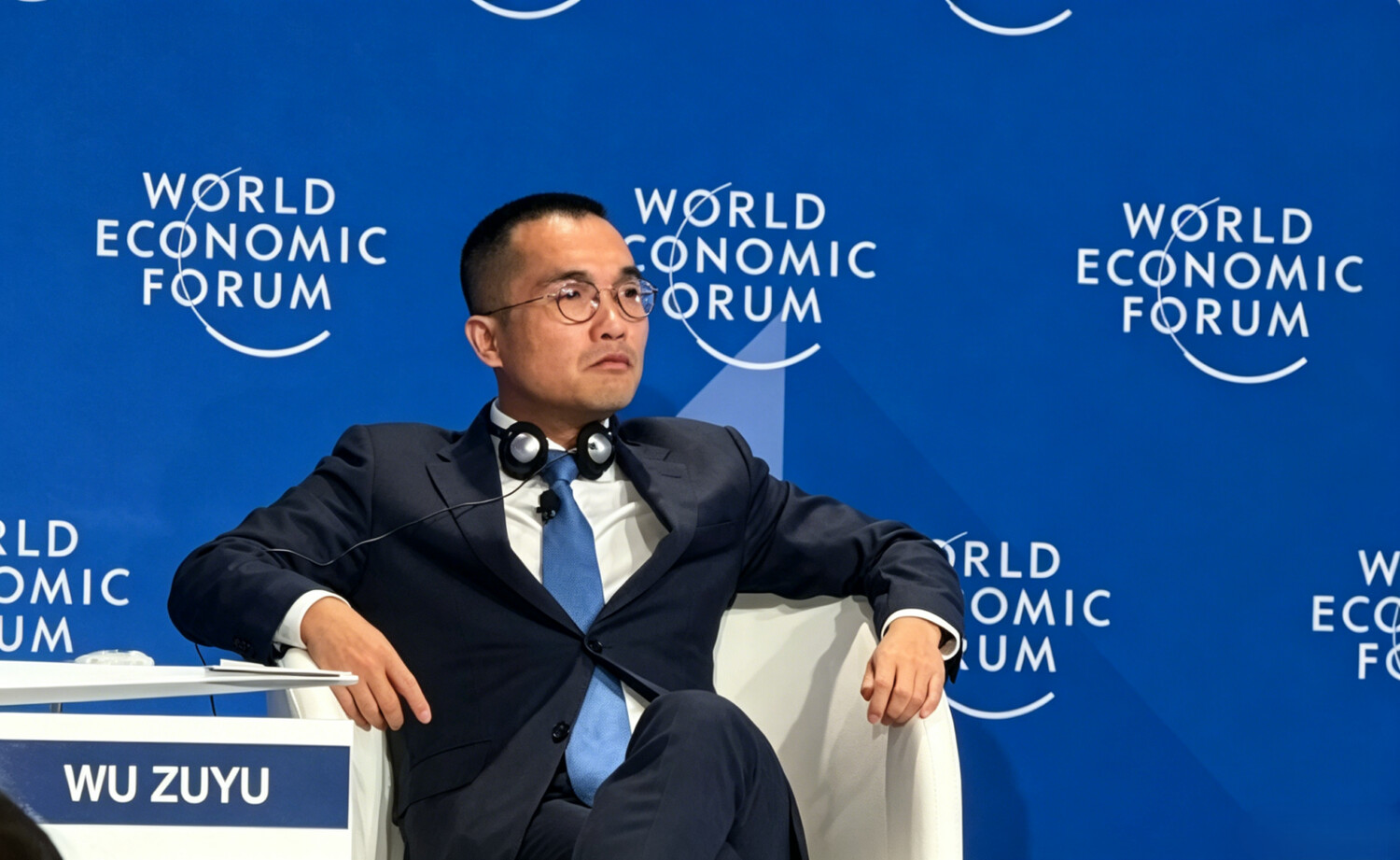
Caleb Brown · 4 months ago@calebbrown27CATL says sodium batteries are ready, top China insider at Davos says wait 5 years Liked by+11 othersPost commentRelated PostsCATL becomes China’s largest heavy-duty truck battery swapping operator after acquiring state-owned network stake 33 · Kayla Smith · 2 months agoSame Battery Size, Different Range: VW ID. Polo Takes On Renault 5 11 · Amélie Martin · 1 months agoLi Auto’s 2026 i6 set for October 28 launch without CATL’s batteryAmelia Young · 17 days agoMazda CEO Says Next Miata Will Be Same Weight, EV-Ready 33 · Evan King · 2 months agoSodium-ion batteries to reach cost parity with lithium by late 2026, report says 47 · Ava Gagnon · 4 months agoThe Audi Q8 Will Get a Next Generation, but It'll Have to Wait a Few More Years 65 · Claire Fortin · 2 months agoChina’s battery makers target 2027 solid-state cell trial production alongside BYD, CATL & Geely 43 · Madeleine Tremblay · 2 months agoChina unveils EV batteries that can add hundreds of miles in under 5 minutes 52 · Claire Johnson · 2 months agoFord CEO Says Chinese Cars Will Be Sold Stateside Within 10 Years As It Readies Its Own Cheap EVs 54 · Sophie Turner · 2 months agoChina Post, CATL plan battery service network for low-carbon logistics 79 · Gabriel King · 2 months agoLectric XPress2 extra battery bundle for 100+ miles $1,399, Aventon Pace 5 + Level 4 REC e-bike launch, Segway S2 kids scooter, more 16 · Jenna Girard · 2 months agoChery iCaur V27 Long-Range Edition confirmed with 51.2 kWh CATL battery and 300 km EV range 25 · Victoria Harris · 28 days agoThe Next-Gen Miata Must Be Ready for Electric Power, CEO Says 22 · Claire Pelletier · 2 months agoGeely Galaxy TT pre-sale starts at 21,400 USD in China, featuring CATL custom battery and 16-in-1 eDrive 95 · Owen Girard · 2 months agoCan you trust your EV’s battery health reading? China sets new accuracy rules with 5% error limit 34 · Jenna Gagnon · 2 months agoCATL unveils TECTRANS II battery platform with 1,000-kilometer range for commercial vehicles 85 · Hannah Turner · 29 days agoNext-Gen MX-5 Miata Must Be Ready for Electric Power, Mazda CEO Says 32 · Evan Rogers · 2 months agoCATL-backed battery swap network hit 2,000 stations in China, with 3,000 now in sight 77 · Hannah Hall · 3 months ago5 EVs With The Best Battery Health After 62,000 Miles 25 · Ava Scott · 2 months agoSwaptopus inches towards reality as CATL reveals new semi truck battery 22 · Adam Roy · 1 months ago



 +11 others